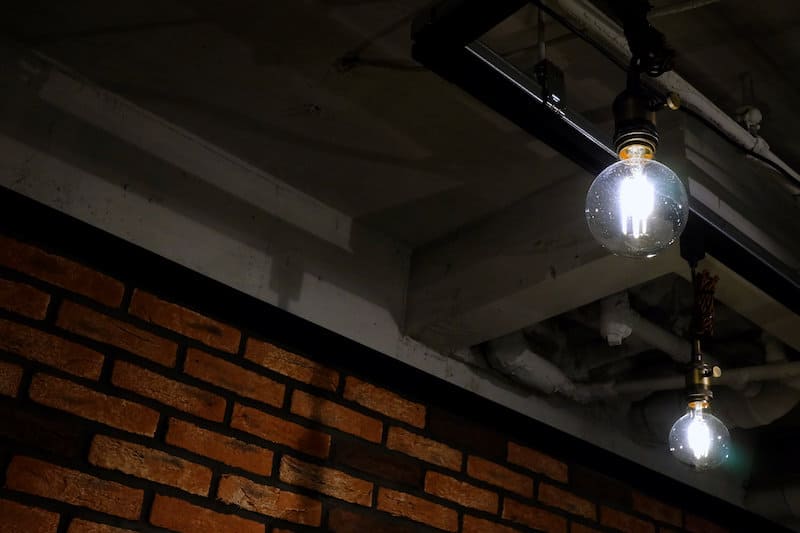

The basement is quite possibly the most overlooked, if not openly disregarded part of one’s home. After all, the basement tends to encompass everything most people eschew: little to no lighting, accessible only by a descent underground, and often a last resort for storage and social gatherings. But in recent years the idea of a basement has taken on a new significance, and trendsetting designers are looking up to the basement’s potential, rather than downstairs in dismay. That’s why we are looking at the best basement ceiling ideas in this article.
With transformations including personal wine cellars, lounge decor, cocktail bars, studio effects, and entertainment centers, a whole new era is making the move one flight down. Everything pertaining to the basement is getting a second look, including the ceiling itself. Once thought of as purely functional, or else given minimal consideration in terms of eye appeal, the basement was specifically designed to receive minimal natural light.
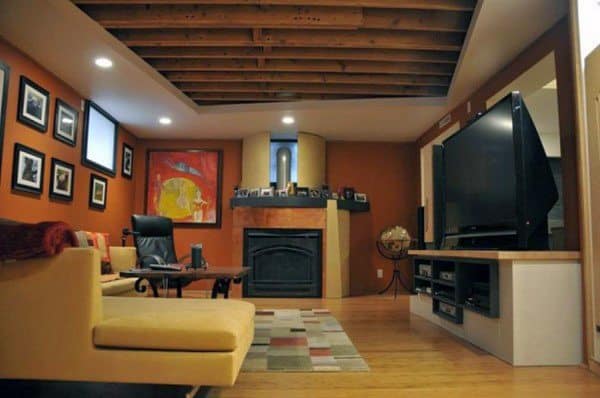
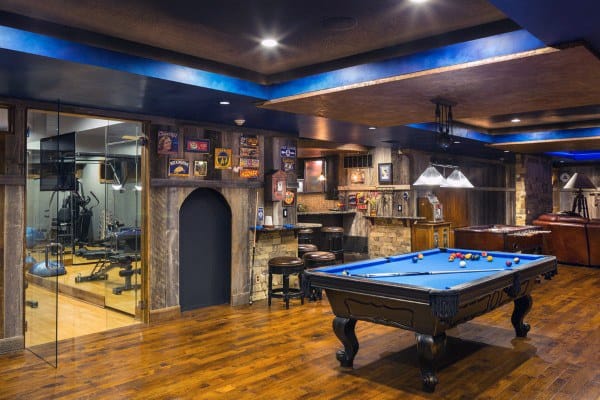
Thus, the updated and well-appointed basement depends on an attractive ceiling to cast the gaze upward in admiration. Art Deco detail work, 3D drop tiles, exposed metal, and stripped wood are just some of the ways to transform your basement space into an editorial-worthy spread. Particularly clever additions include built-in ceiling bookshelves and lighting implements, as well as hand-painted fresco and geometric accents.
A basement can be a dreary and/or purely functional subterranean latitude, or a vibrant and welcoming domestic destination. The right ceiling design will not only brighten and open up a basement space but also lend a truly unique finishing touch to an otherwise underappreciated locale.
Here are some of the best options to consider:
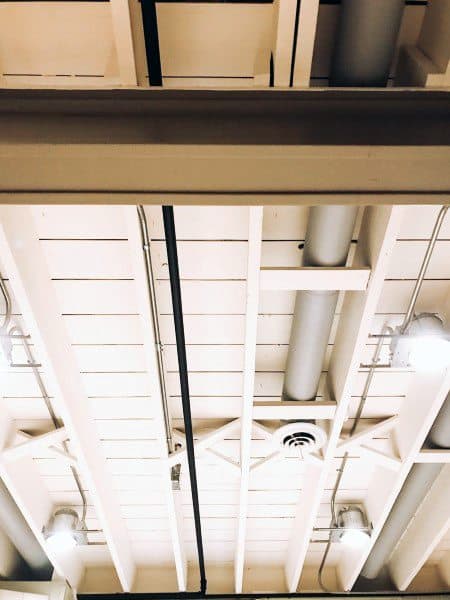
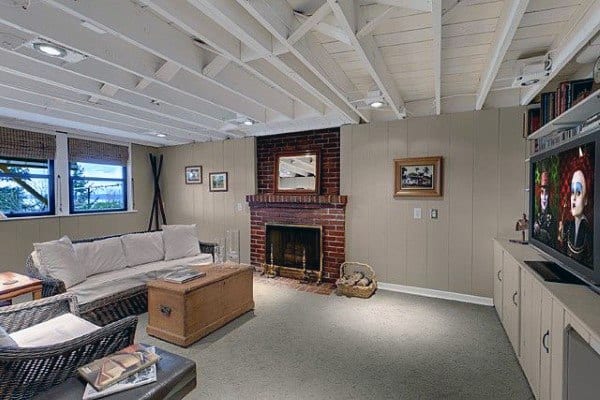
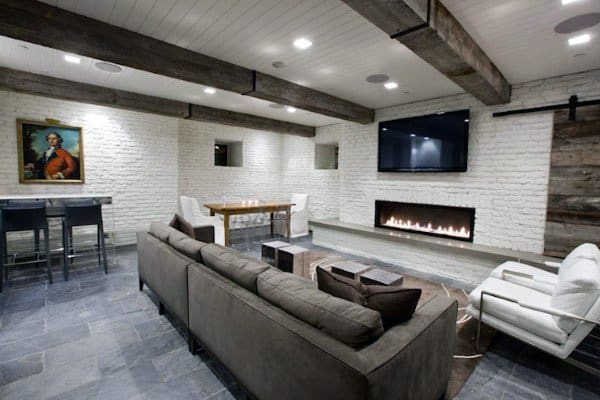
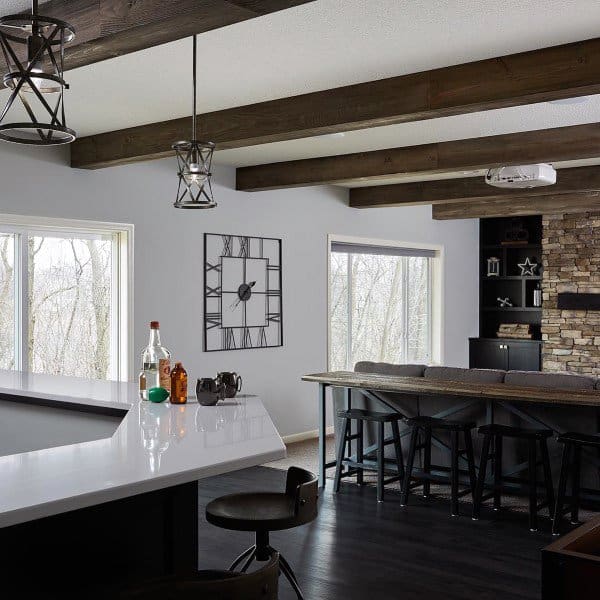
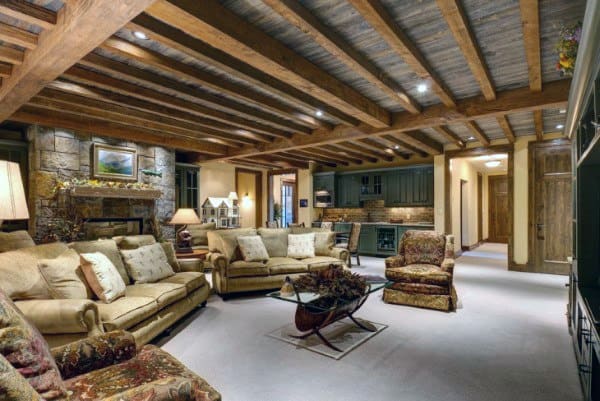
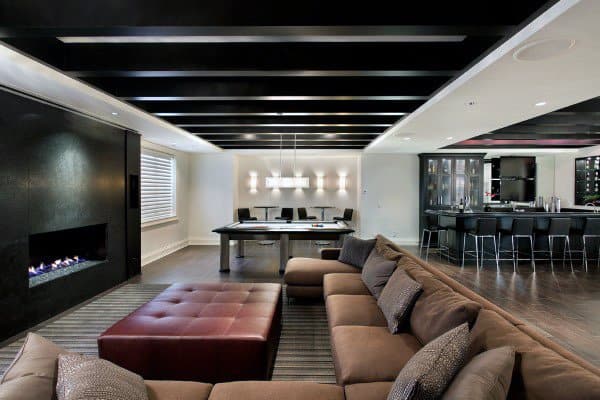
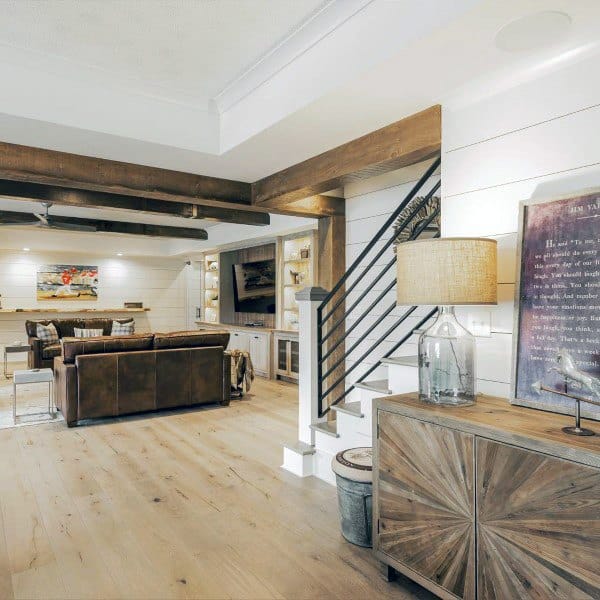
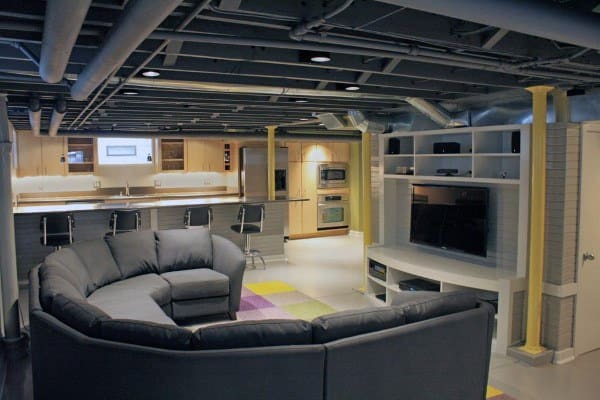
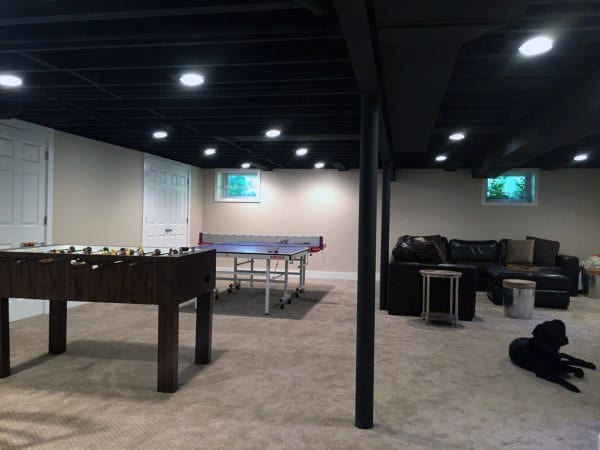
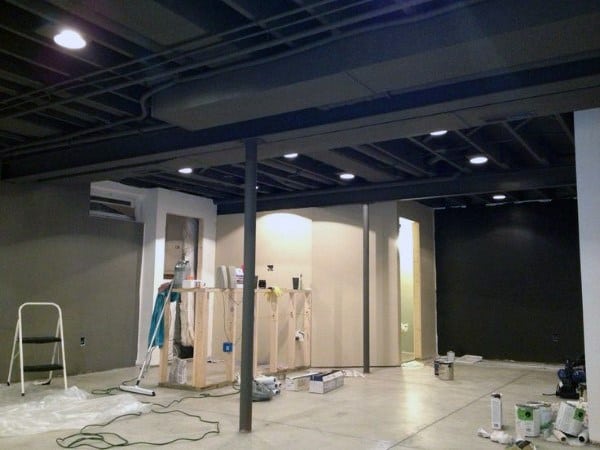
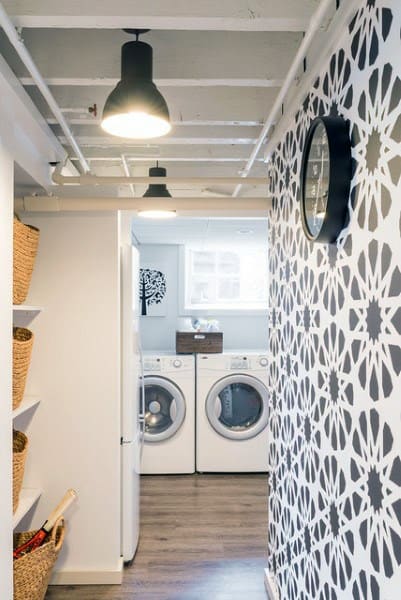
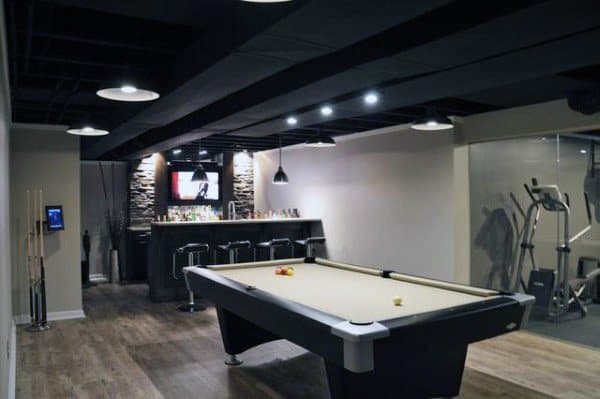
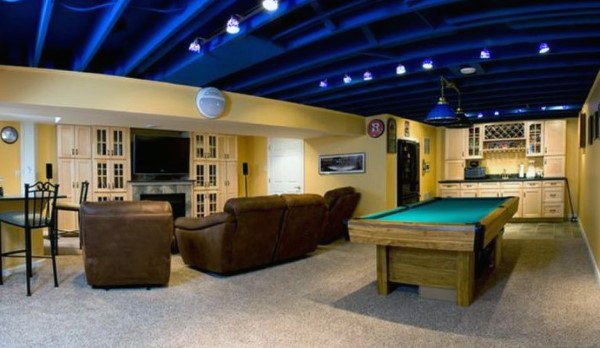
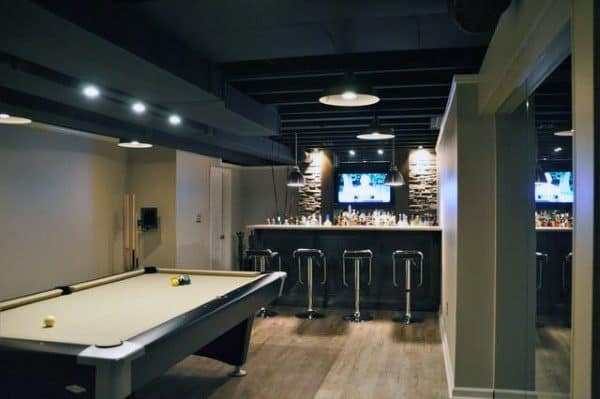
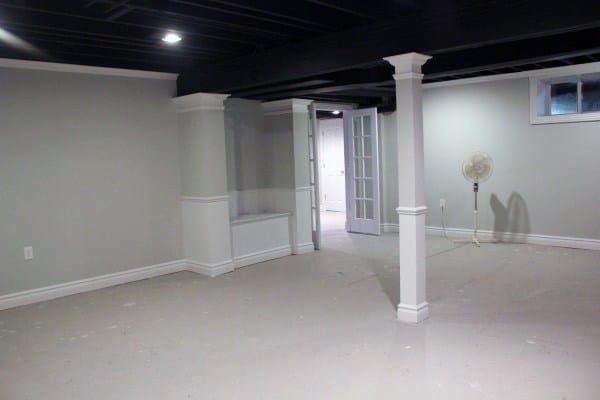
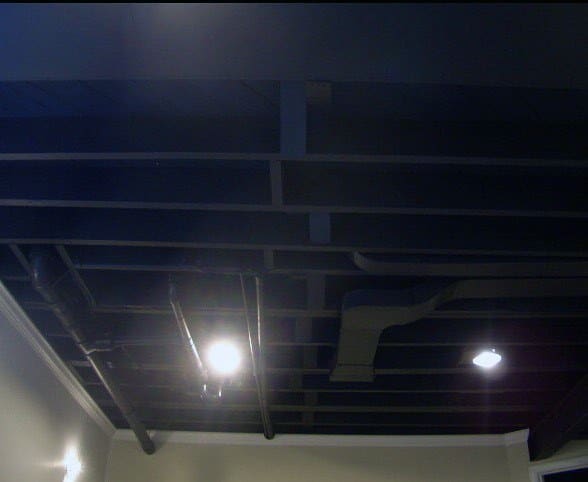
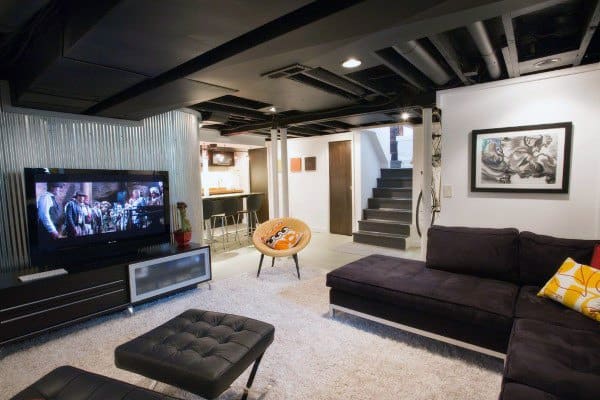
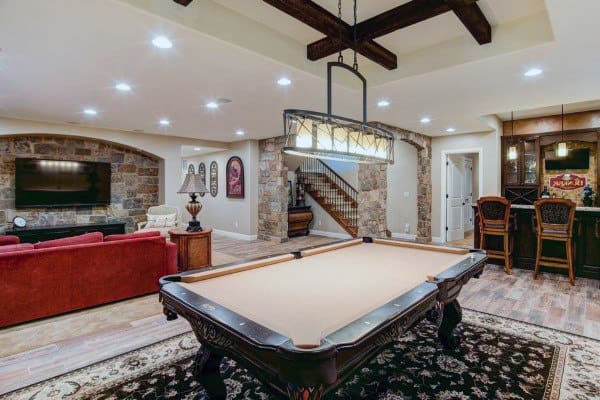
1. Exposed Beams
- Look: Industrial and rustic
- Benefits: Adds character and a modern edge, making the space feel larger and more open.
- Best For: High-ceiling basements or those looking for a loft-style design.
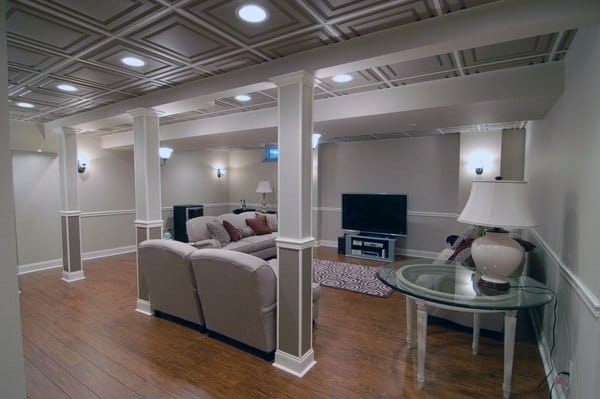
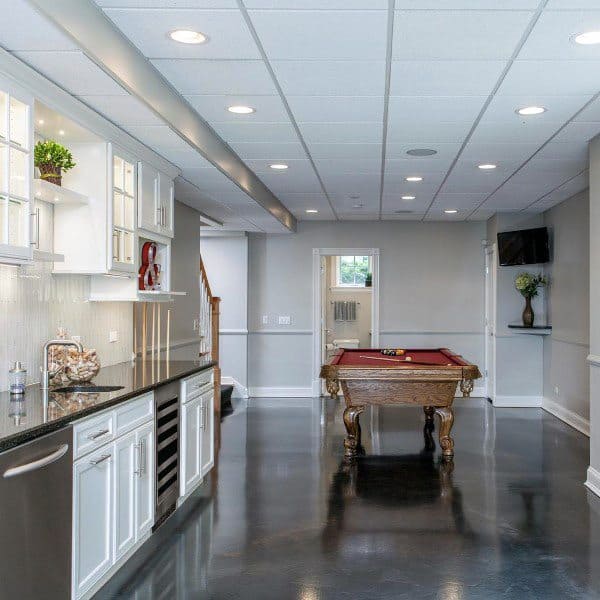
2. Drop Ceiling (Suspended)
- Look: Clean and finished
- Benefits: Provides easy access to pipes, ducts, and electrical systems. Many styles available, including acoustic tiles for soundproofing.
- Best For: Basements with low ceilings or where practicality is key.
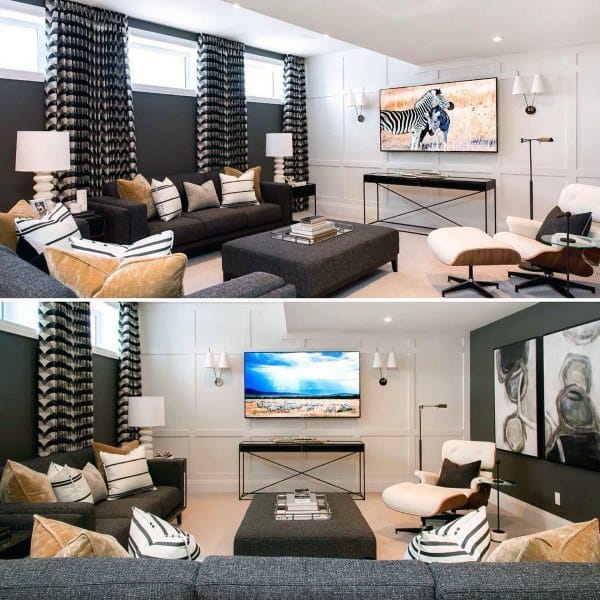
3. Drywall Ceiling
- Look: Smooth and seamless
- Benefits: Offers a traditional, polished finish and can be painted in any color. Ideal for a refined look.
- Best For: Those aiming for a clean, contemporary aesthetic.
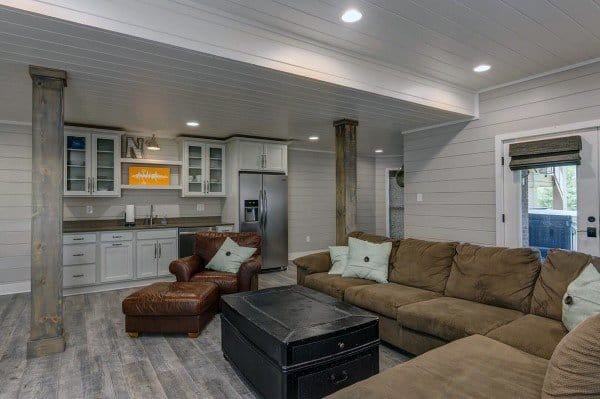
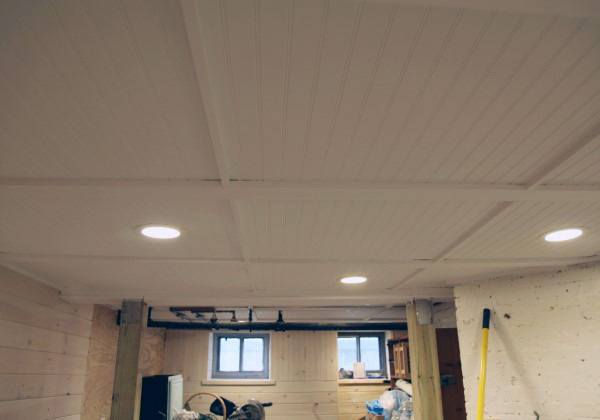
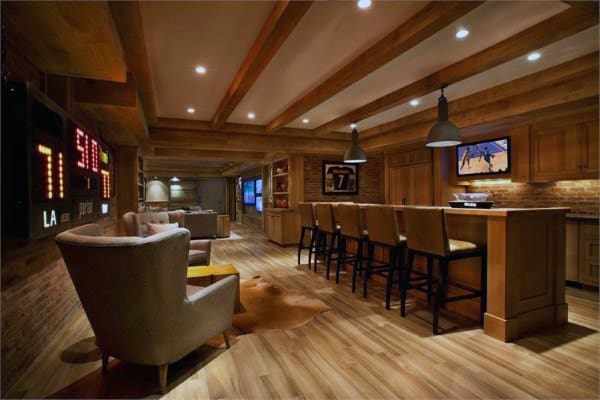
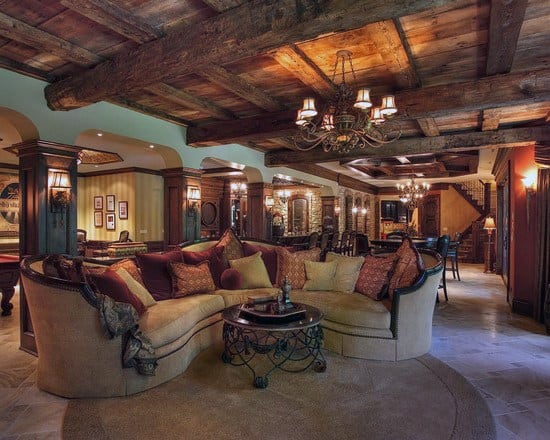
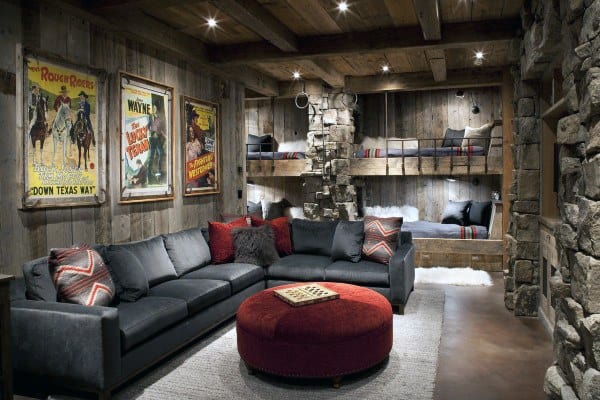
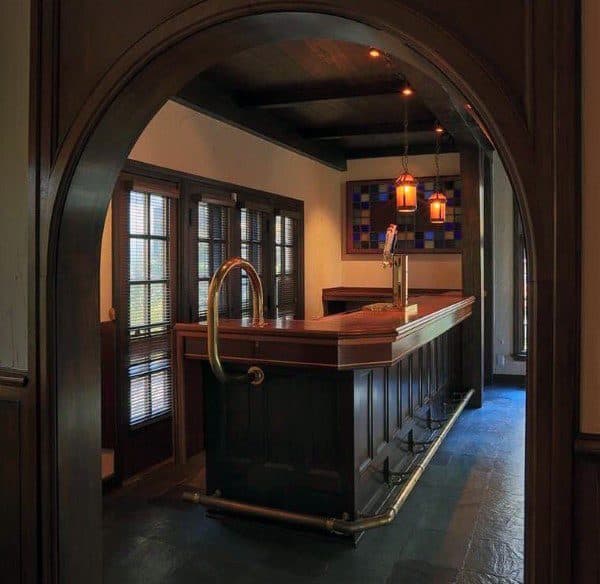
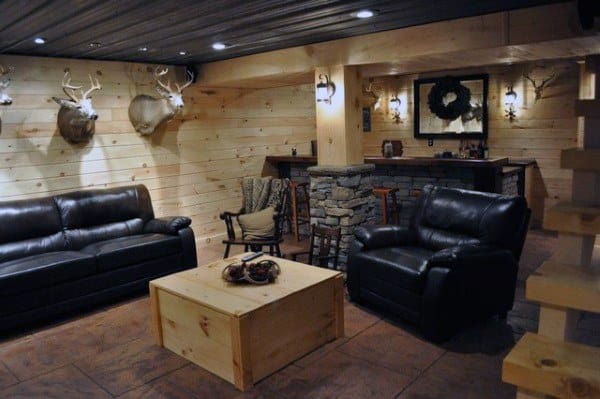
4. Wood Planks or Paneling
- Look: Warm and natural
- Benefits: Adds warmth to a basement and can make the space feel cozier. Great for rustic or farmhouse-style designs.
- Best For: Basements aiming for a more inviting, homely feel.
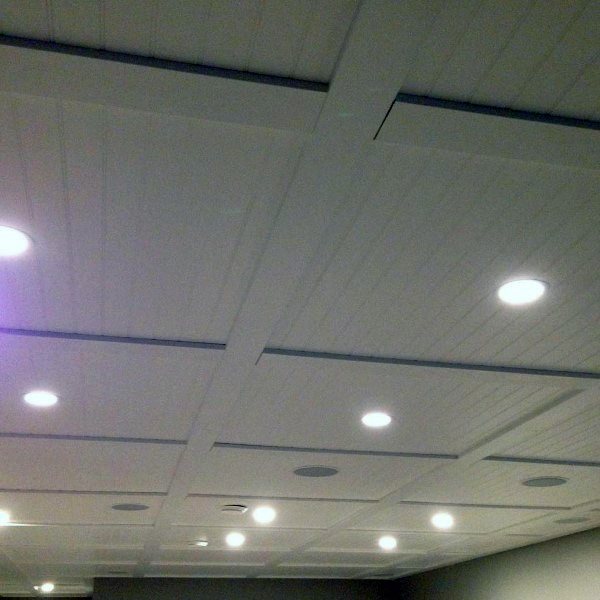
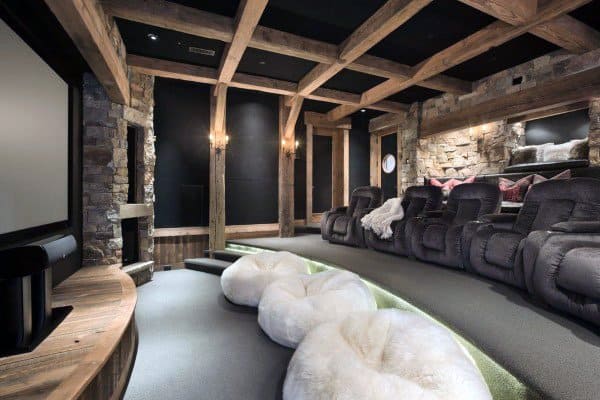
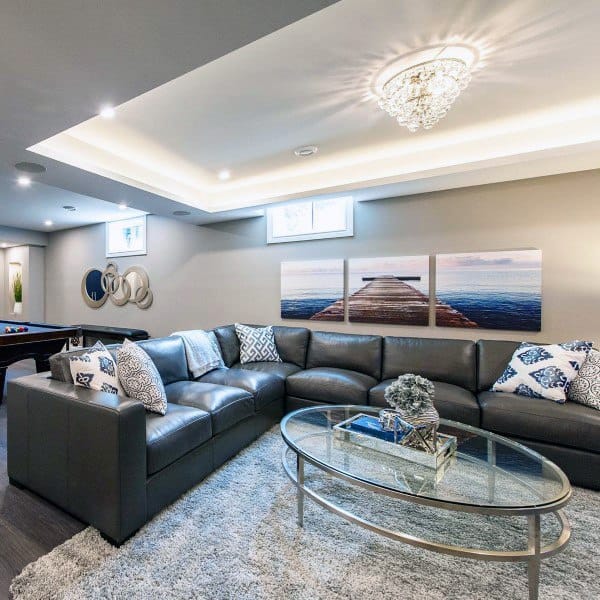
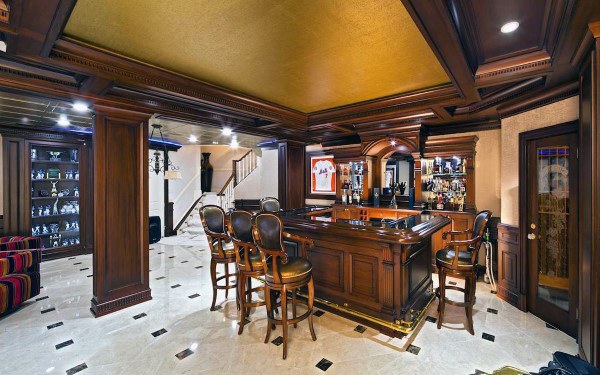
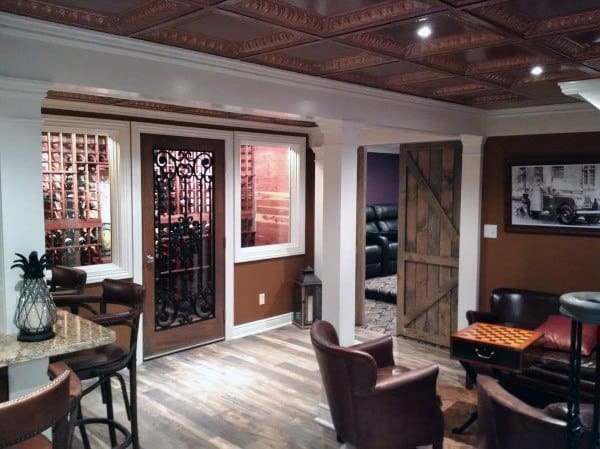
5. Coffered Ceiling
- Look: Elegant and architectural
- Benefits: Offers a luxurious, custom look with a sense of height and depth. Suitable for more traditional or upscale basements.
- Best For: Finished basements with higher ceilings and an emphasis on luxury.
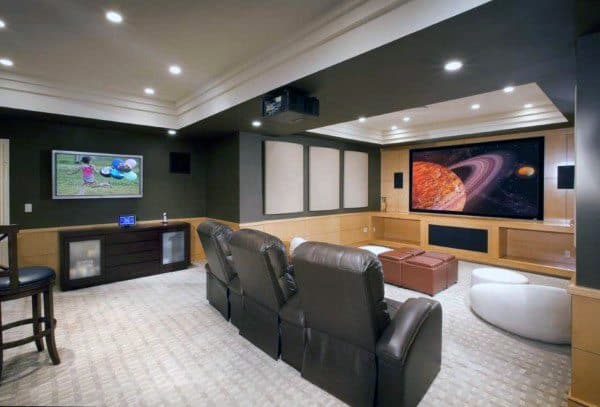
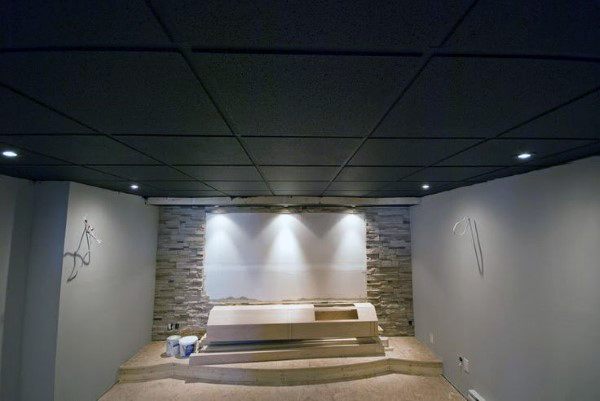
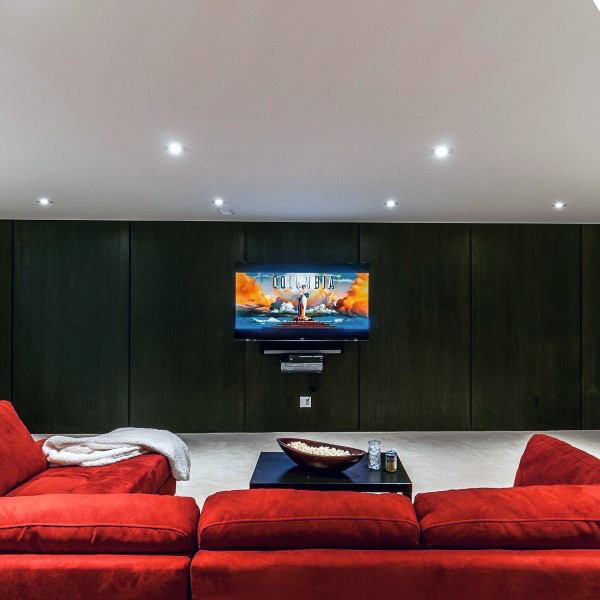
6. Acoustic Panels
- Look: Modern and functional
- Benefits: Soundproofing qualities that reduce noise, making the basement more comfortable. Available in various colors and styles.
- Best For: Media rooms, home theaters, or music studios.
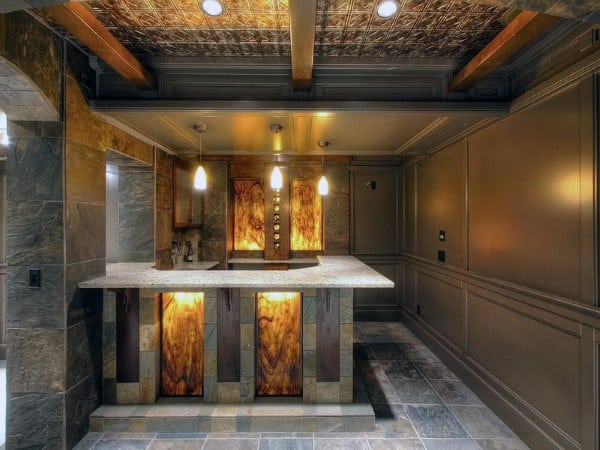
7. Tin or Metal Ceiling Tiles
- Look: Vintage and industrial
- Benefits: Durable and distinctive, these ceilings bring a unique look while also being functional and easy to maintain.
- Best For: Those wanting a vintage, steampunk, or industrial look.
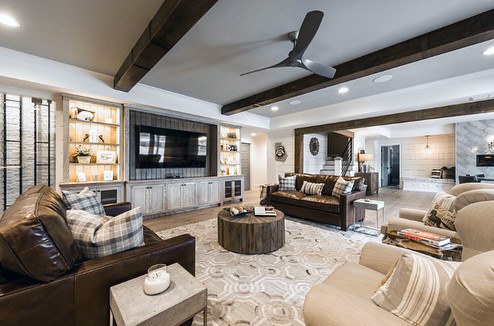
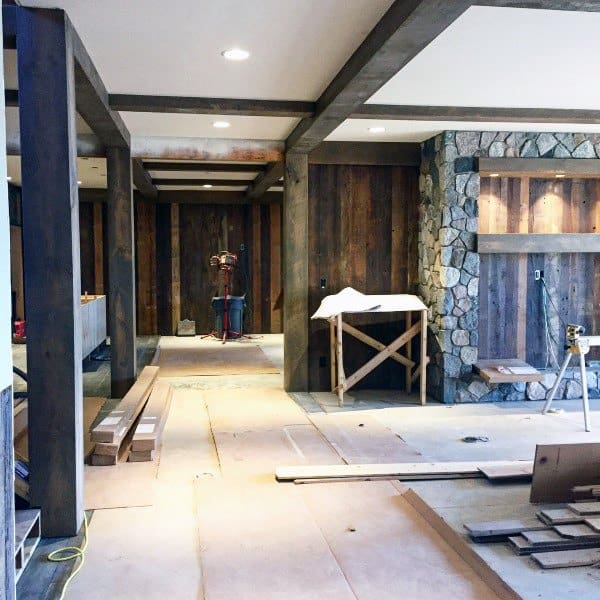
8. Faux Wood Beams
- Look: Rustic or traditional
- Benefits: Offers the appearance of wooden beams without the heavy cost or upkeep. Can be paired with drywall or other finishes.
- Best For: Adding a touch of charm and character to a more traditional-style basement.
9. Popcorn Ceiling (with Modern Twist)
- Look: Textured and classic
- Benefits: Easy to apply and affordable. If you’re considering a modern upgrade, popcorn ceilings can be painted or re-textured to match your style.
- Best For: Budget-friendly projects or retro-style basement transformations.
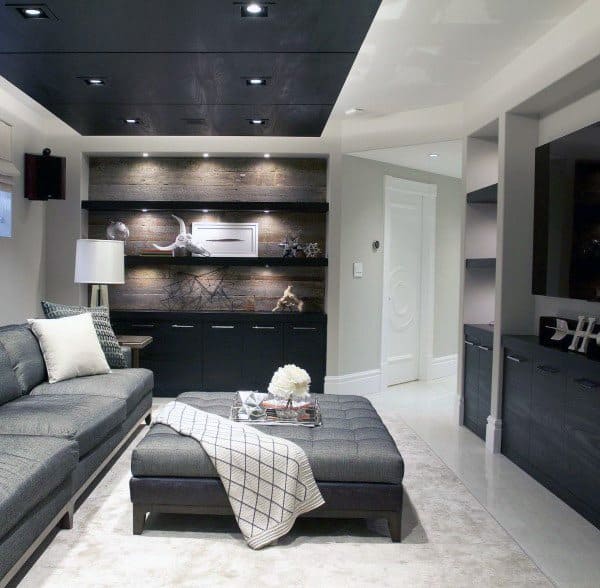
10. Stretch Ceiling
- Look: Sleek and glossy
- Benefits: Customizable and available in a variety of finishes, including matte, glossy, and even illuminated. Offers a contemporary, clean design.
- Best For: Modern, high-tech spaces or if you want to create a unique, futuristic feel.
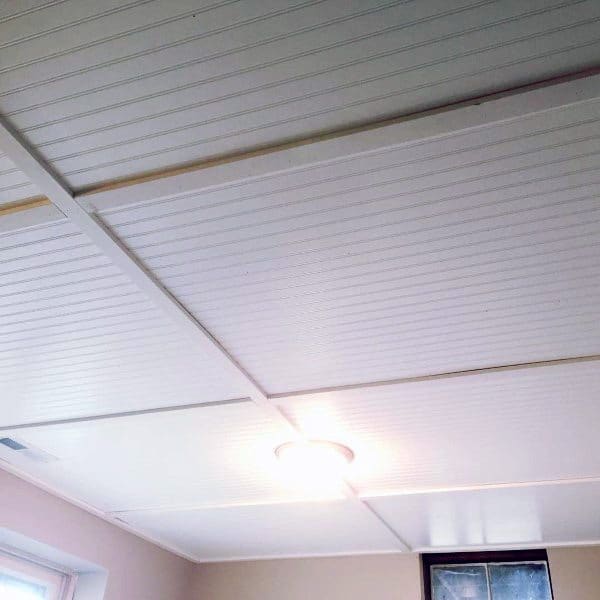
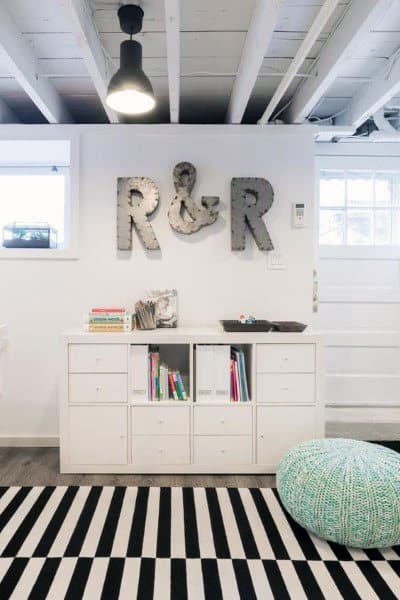
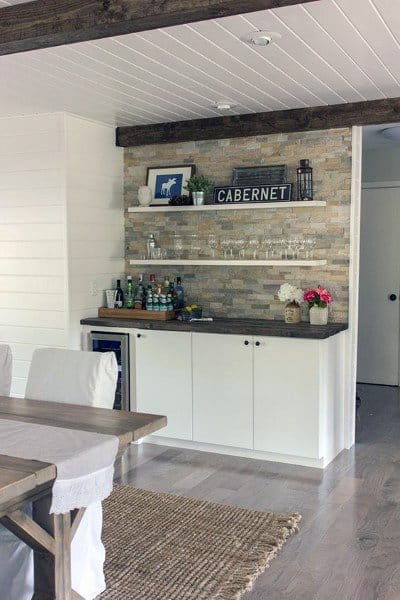
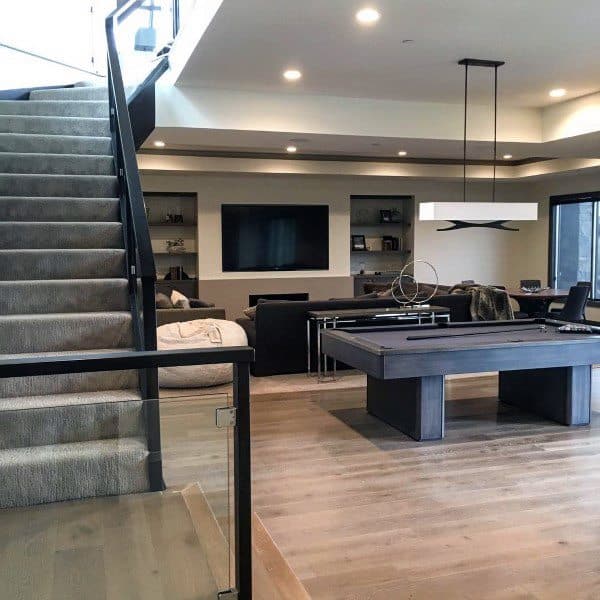

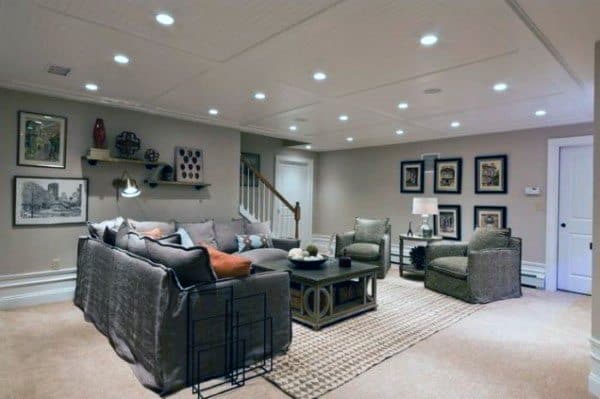
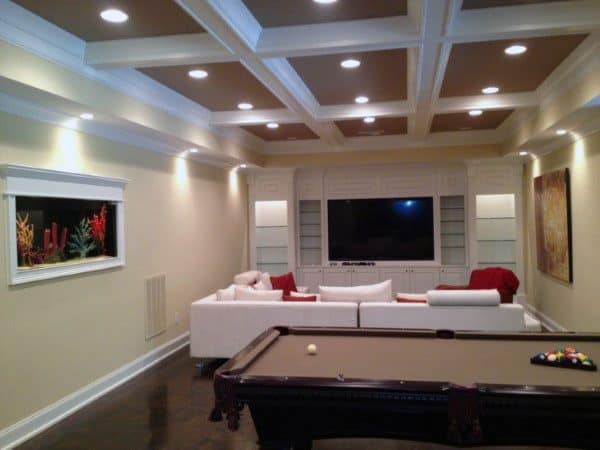
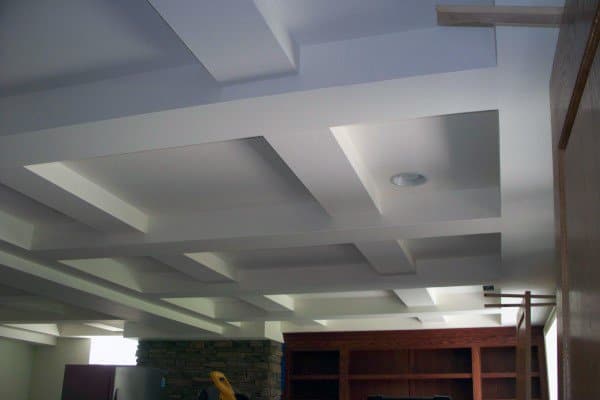

[see_more_about title=”Basement Wall Ideas” link=”https://nl.jahaweb.com/home-design/basement-wall-ideas/”]
FAQs
What are the benefits of installing a drop ceiling in my basement?
A drop ceiling, also known as a suspended or false ceiling, offers several advantages for basement spaces. Firstly, it provides easy access to plumbing, electrical wiring, and HVAC systems hidden above the ceiling tiles. This makes maintenance and repairs more convenient. Additionally, drop ceilings can improve acoustics by reducing sound transmission between floors. They also contribute to better insulation, helping to maintain a comfortable indoor temperature. With a wide variety of styles and materials available, drop ceilings offer versatility in design and can enhance the overall aesthetic appeal of your basement.
What type of lighting is best suited for basement ceilings?
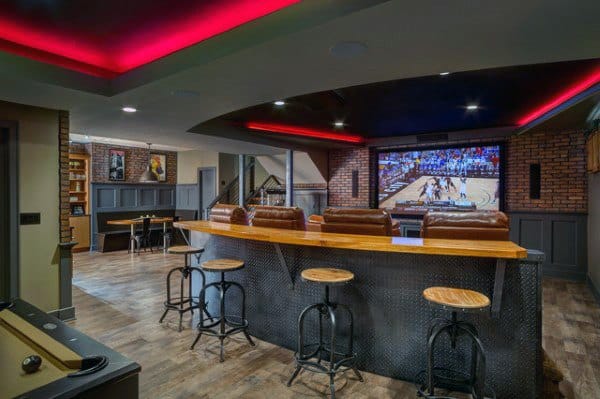
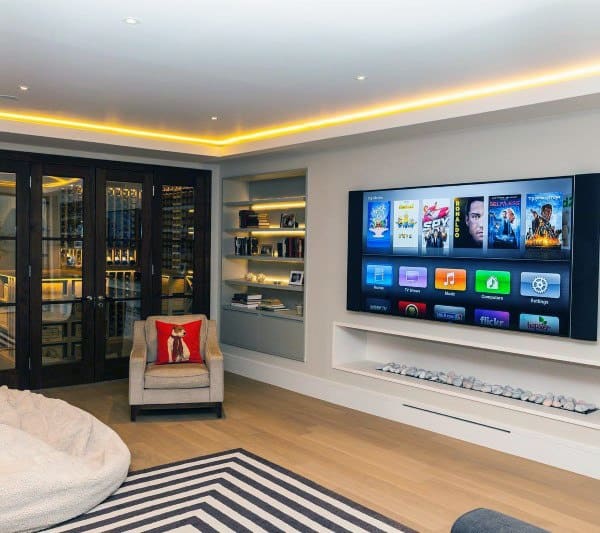
When it comes to lighting options for basement ceilings, recessed lighting is a popular and practical choice. Recessed lights are installed into the ceiling, creating a sleek and modern look while providing ample illumination to the space. LED lights are an energy-efficient option that can reduce electricity costs. Additionally, installing track lighting allows you to adjust the direction of the light fixtures, providing flexibility in lighting different areas of the basement. For a more dramatic effect, consider incorporating LED backlit panels that add a soft glow to the ceiling, enhancing the overall ambiance of the room.
How can I make a low basement ceiling feel taller and more spacious?
If you have a basement with a low ceiling, there are several design tricks to create an illusion of height and space. Opt for light-colored paint or neutral tones on both the walls and ceiling to make the room feel airy and open. Avoid heavy light fixtures that can visually lower the ceiling and instead, choose recessed lighting or flush-mount fixtures to maximize the vertical space. Additionally, hang curtains or drapes near the ceiling rather than directly above the windows to draw the eyes upward. Mirrors strategically placed on walls can reflect light and create the illusion of a larger space. Finally, keep the floor uncluttered and use vertical storage solutions to maintain a sense of openness.