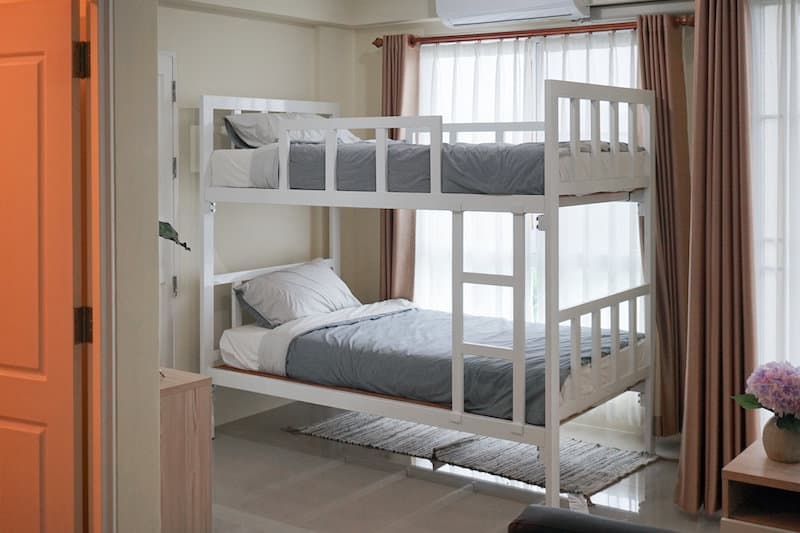

Forget summer camp and cramped sibling quarrels; the modern bunk bed is all about saving space and sleeping soundly in a world of style and fun.
For the adult and child alike, bunk beds carry a multitude of vertical advantages, and are making a big household comeback in a whole new way.
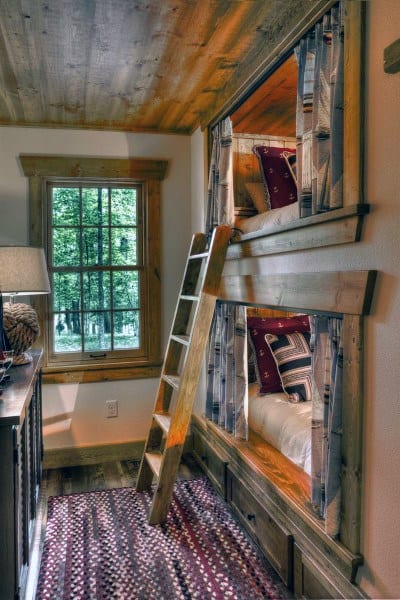
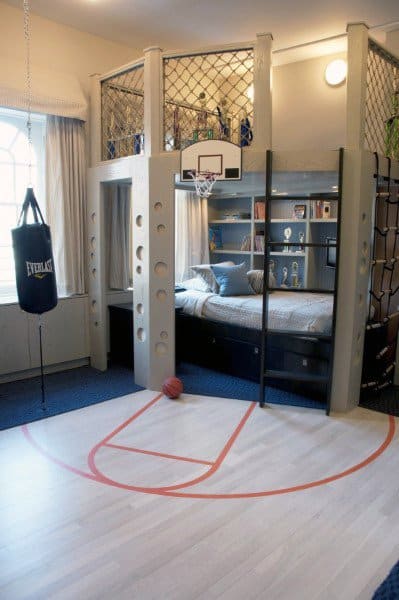
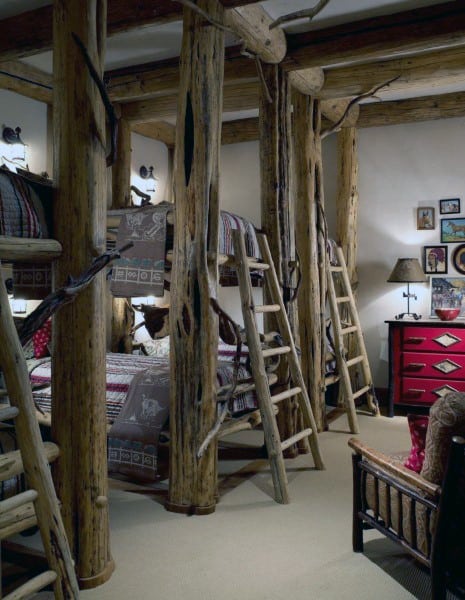
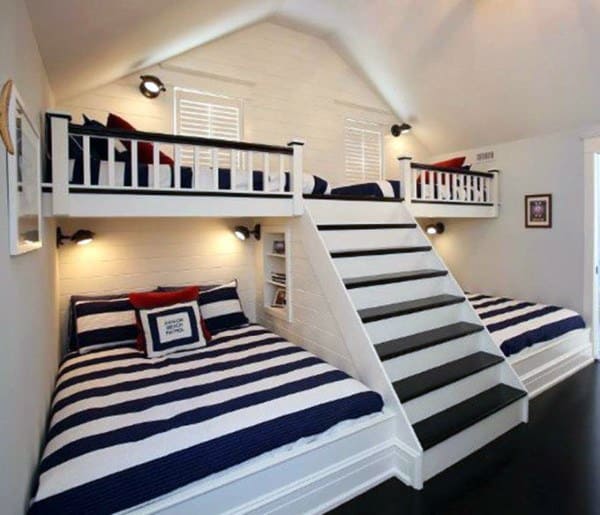
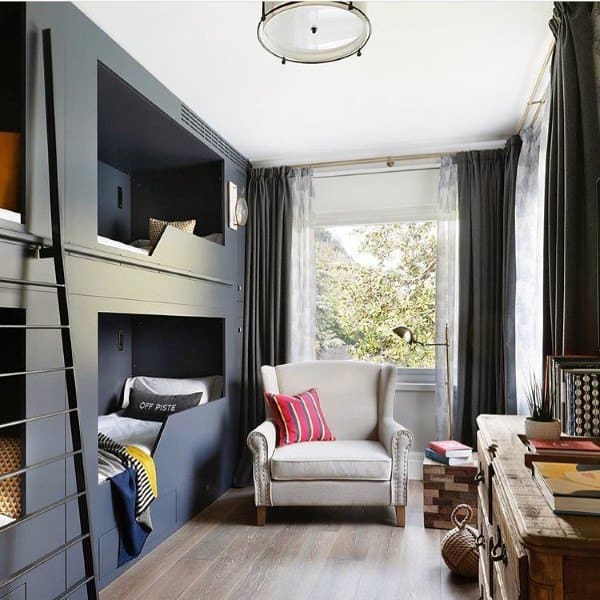
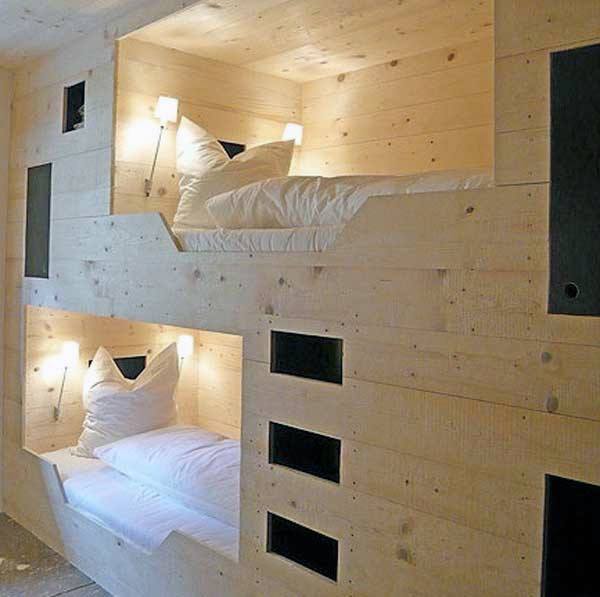
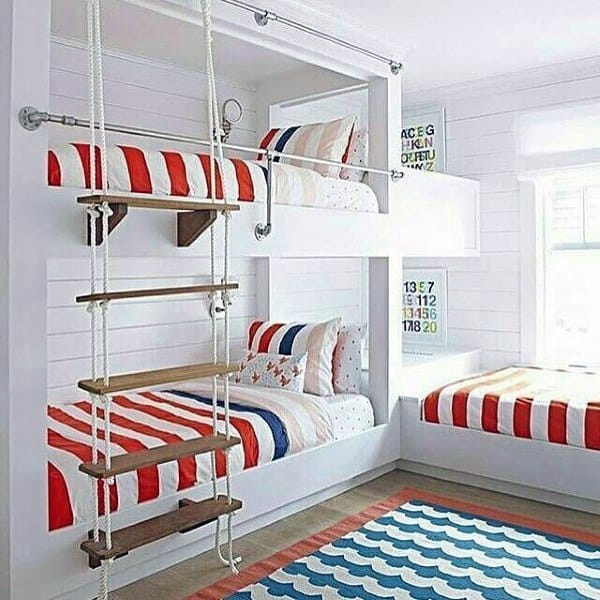
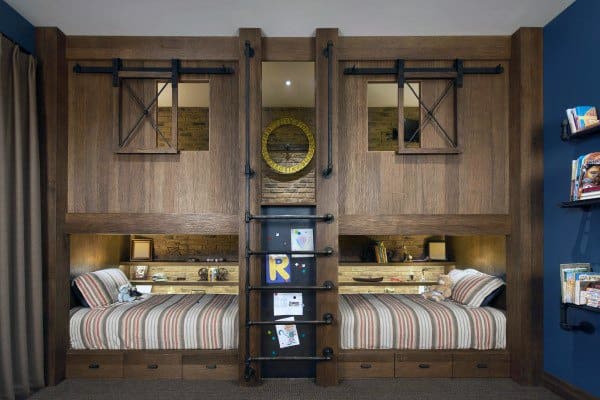
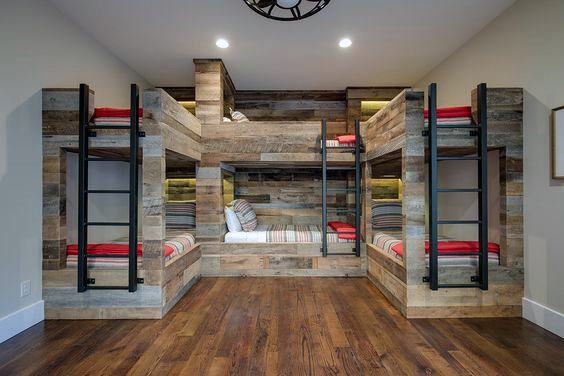
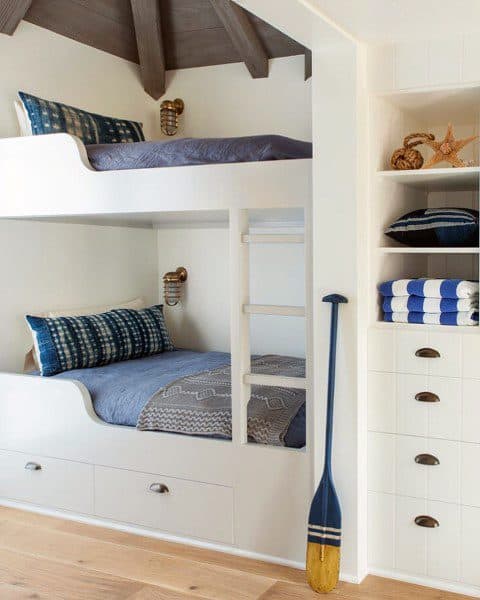
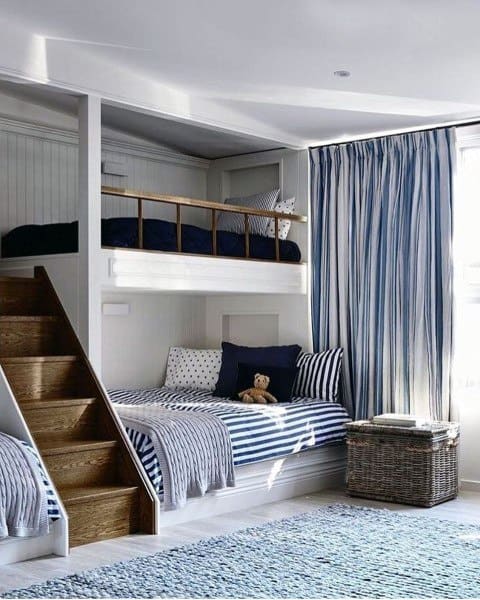
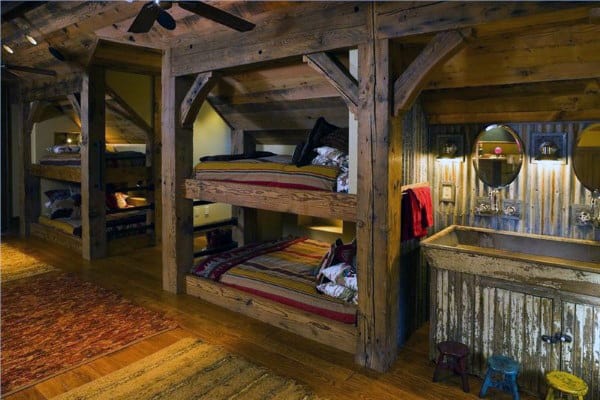
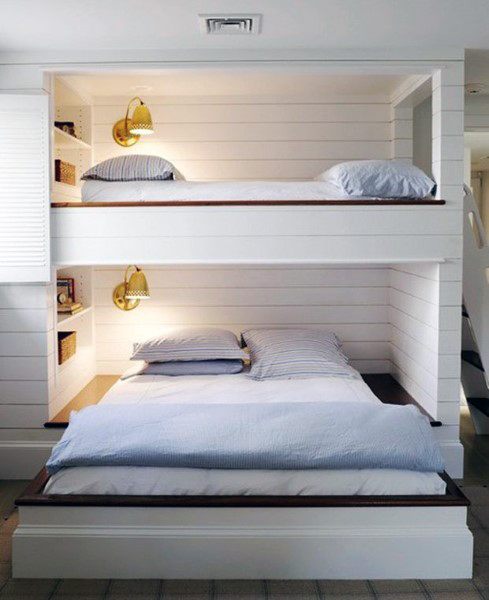
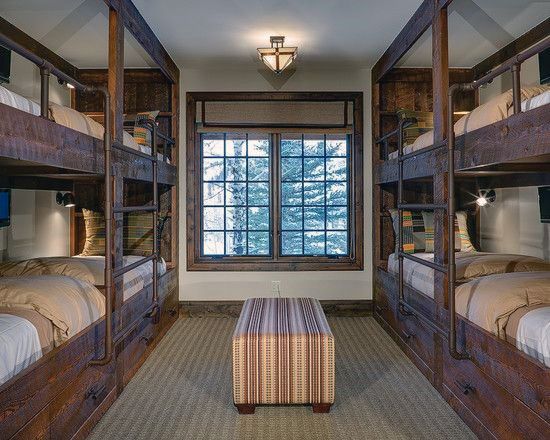
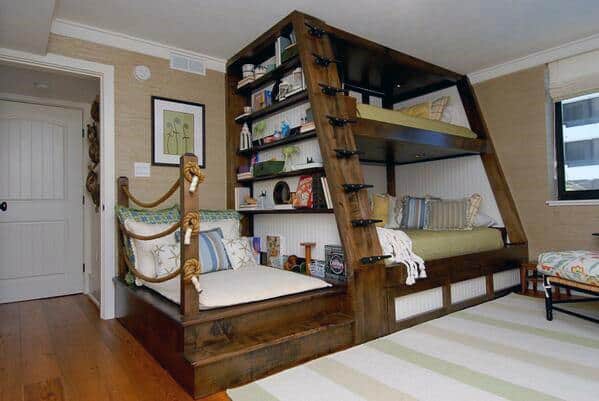
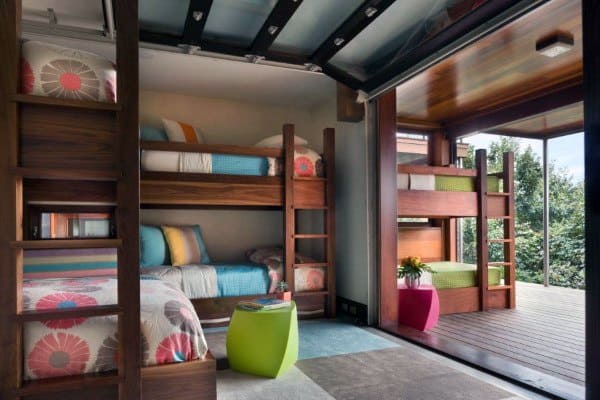
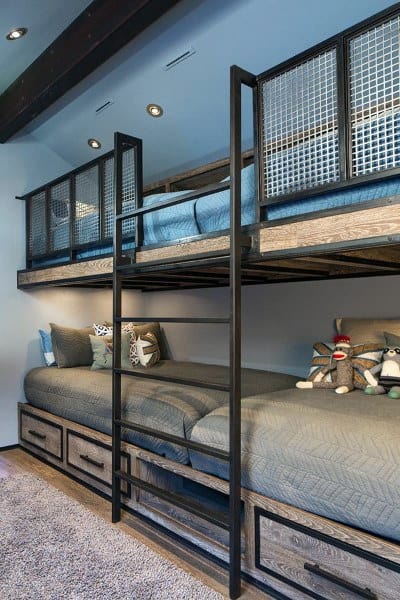
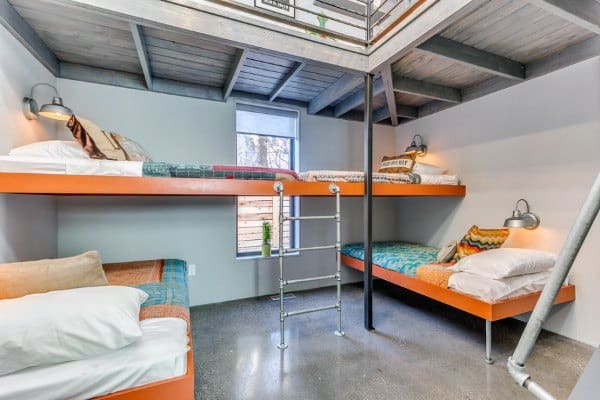
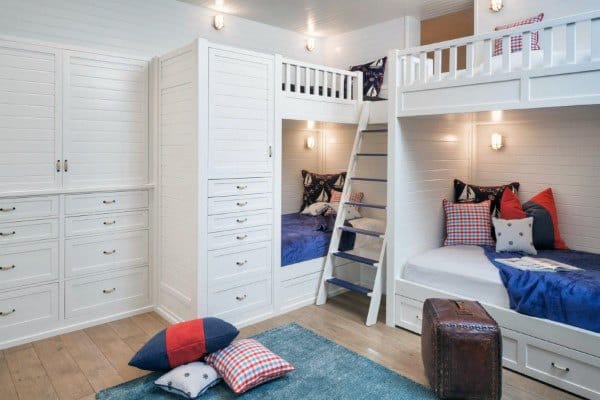
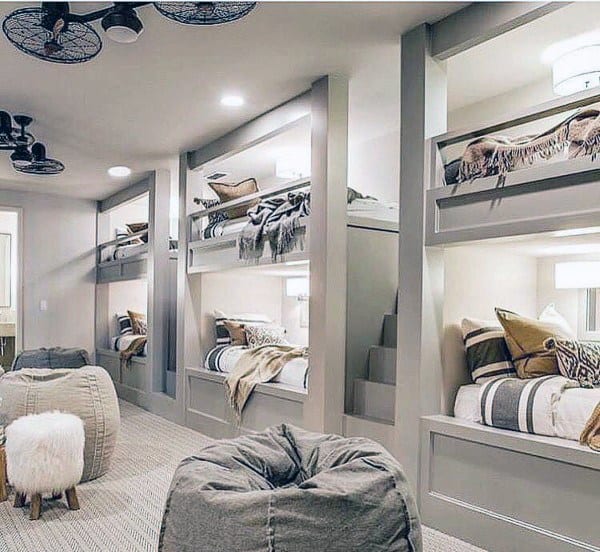
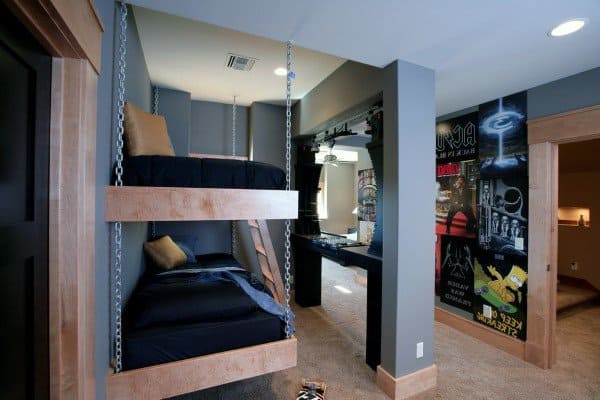
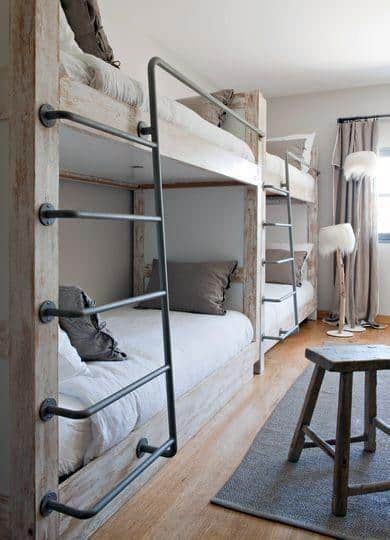
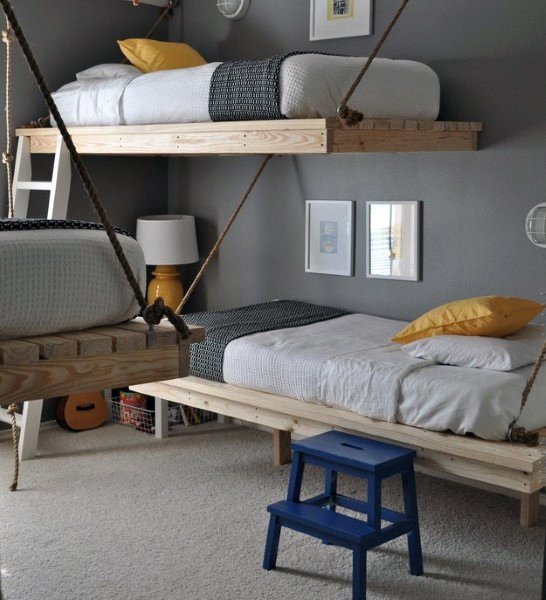
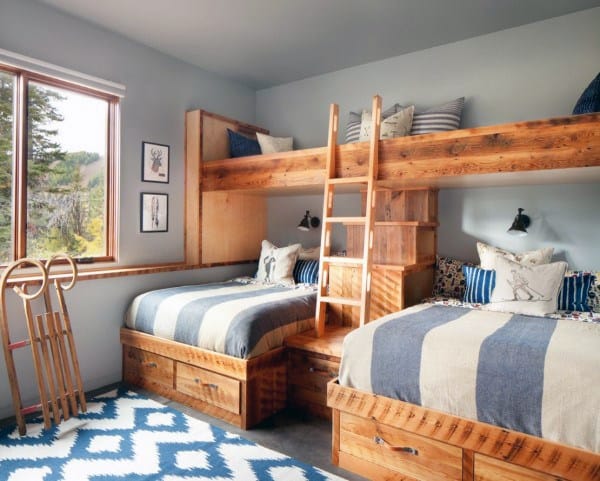
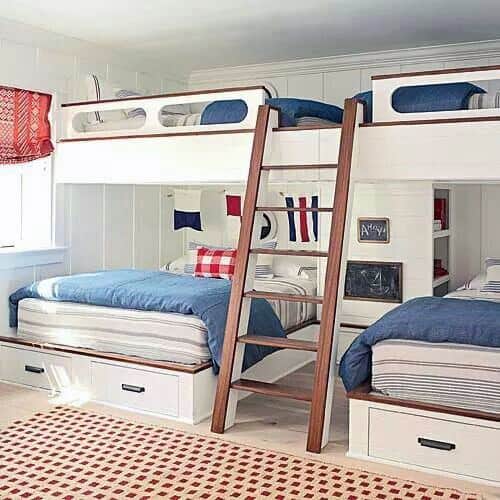
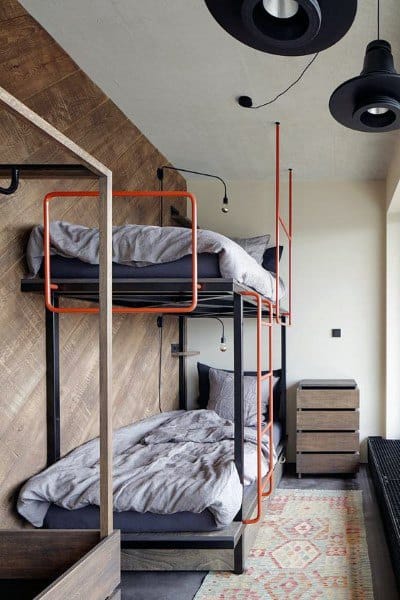
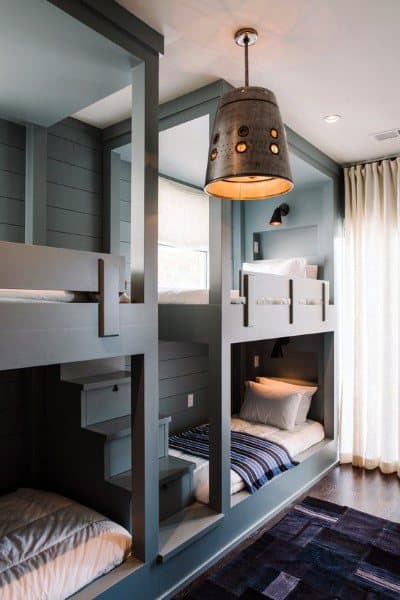
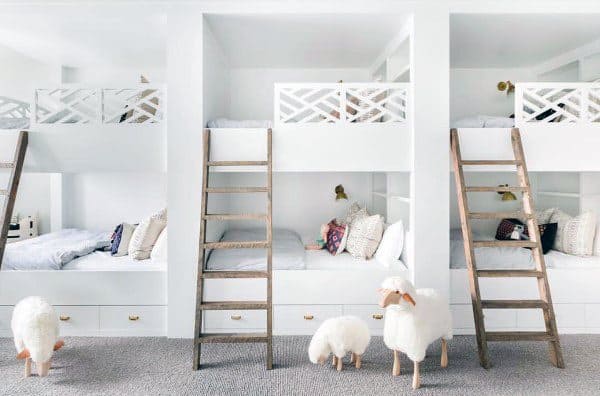
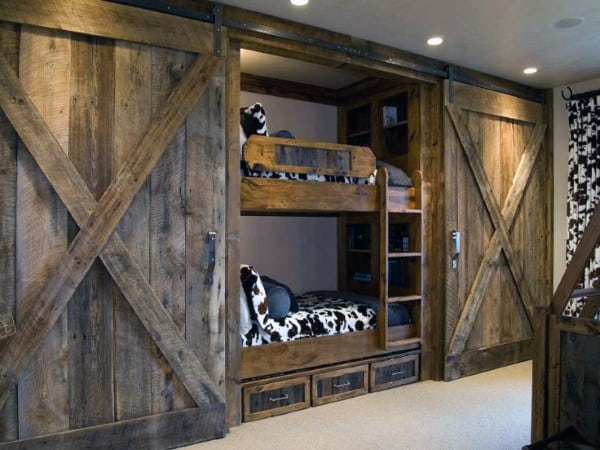
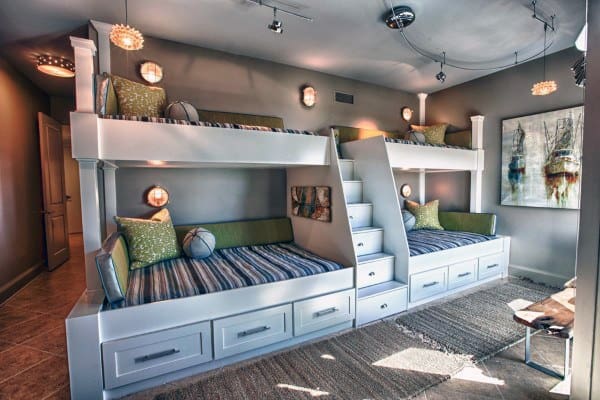
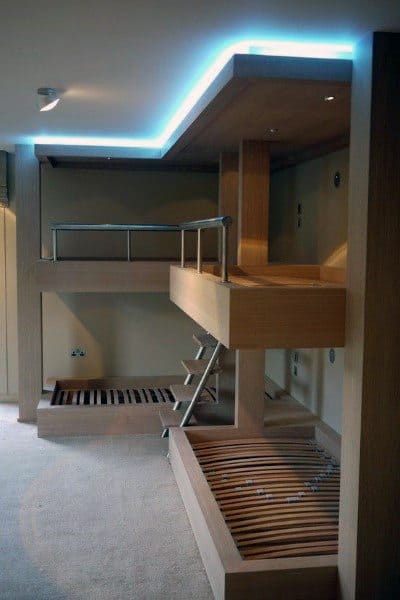
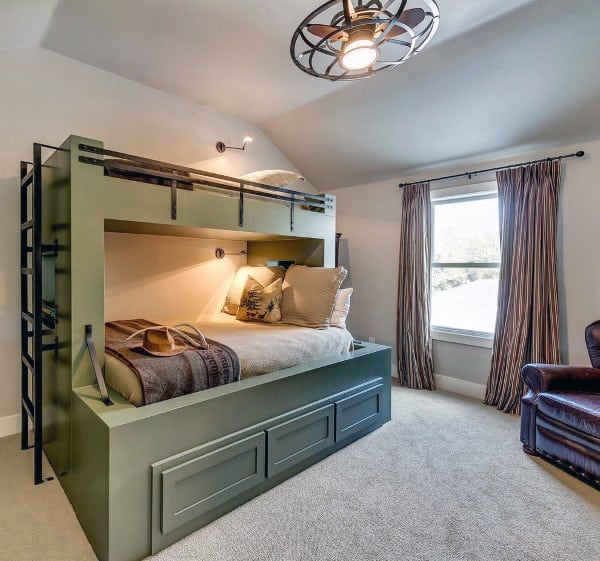
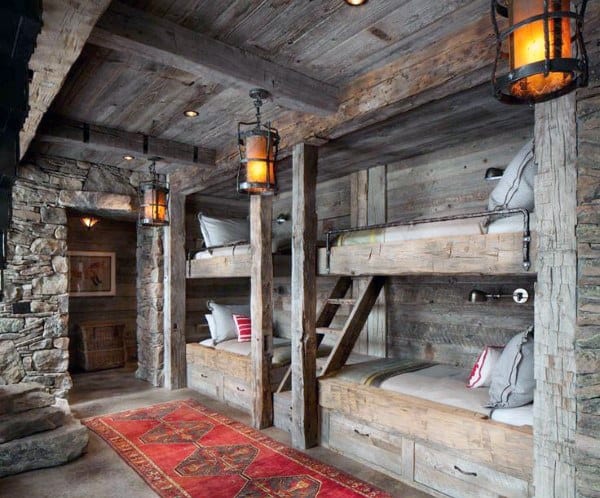
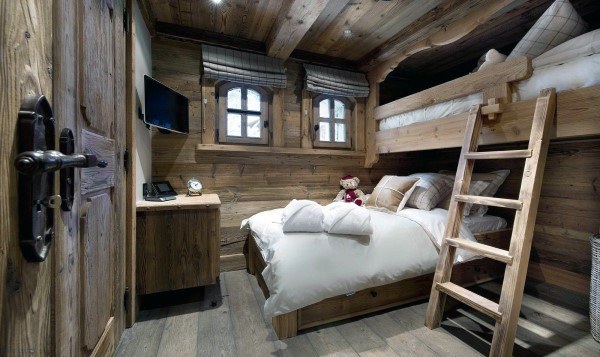
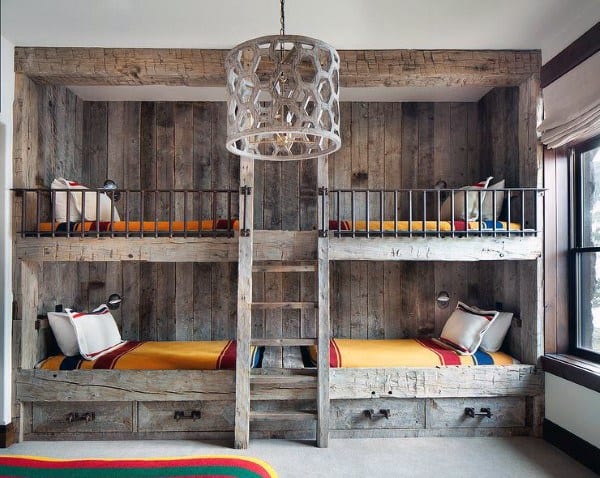
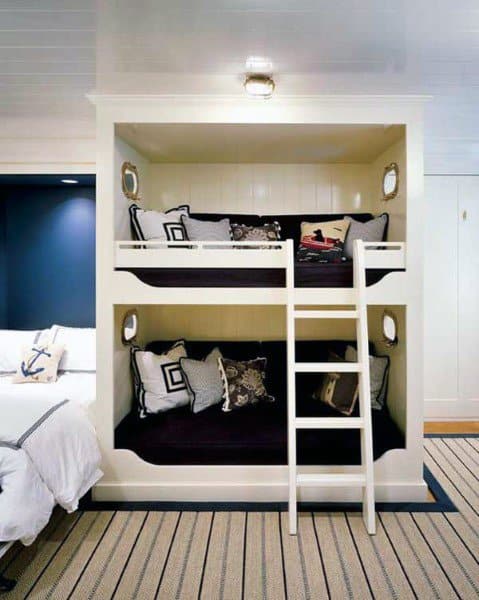
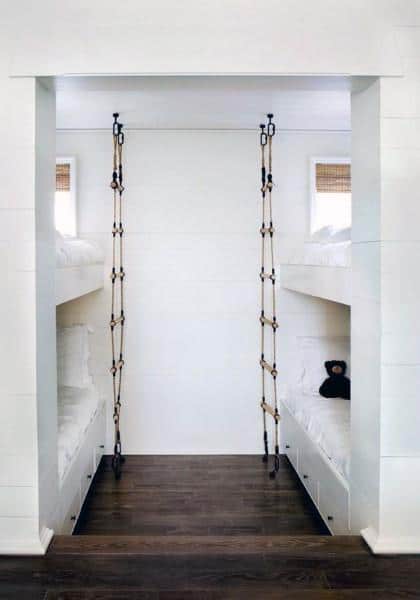
A genius blend of ergonomics and assortment of delightful aesthetics, contemporary bunk beds come in an infinite variety of designs, sizes, and components. With ample drawer space, built-in shelves, and climbing capacities, the contemporary bunk bed ranges from classic loft-and-lower-bed models to updated Murphy bed prototypes. Many even boast a third additional trundle bed for guests, as well as a hidden trunk for extra storage. Certain wall unit bunks offer integrated closets and study areas, all but transforming them into miniature bedrooms unto themselves.
If you’re still worried that the bunk bed is a child’s game, rest assured that many adults are opting for the on-trend and uber modish 21st century bunk bed. Ideal for smaller spaces or single occupants, or simply those who are looking for a more unique–and drop-dead-delightful–bedroom scheme, these bunk bed ideas of today are sure to elicit some serious sleepover requests.
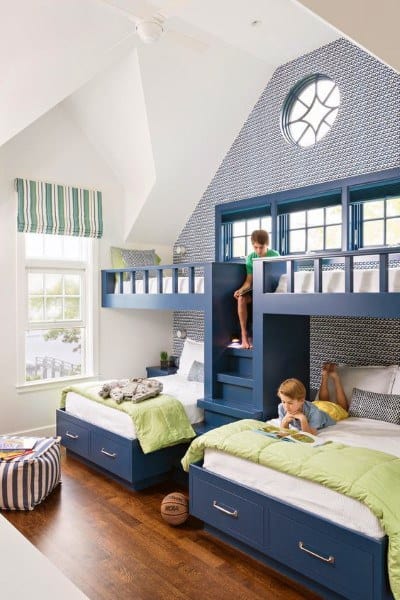
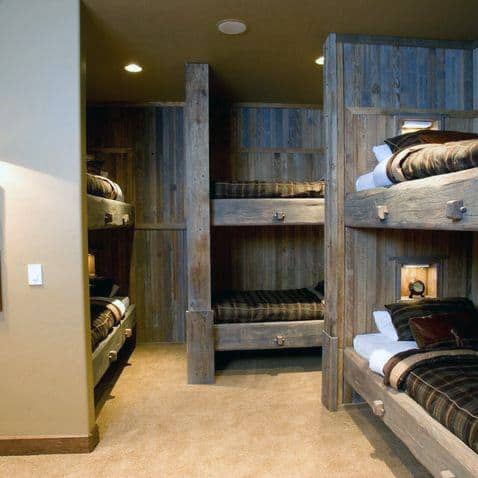
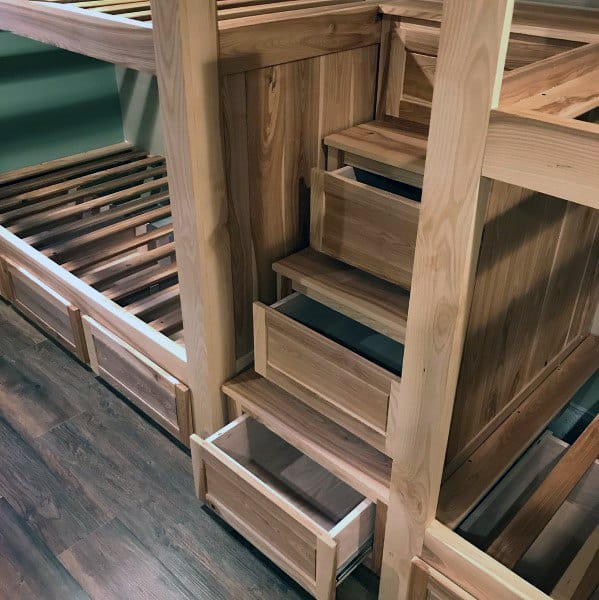
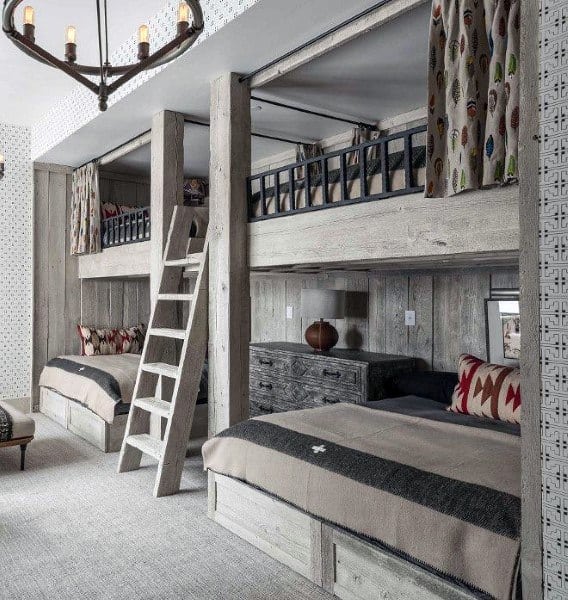
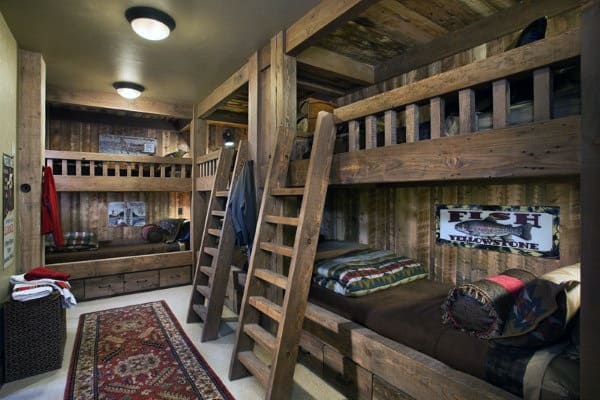
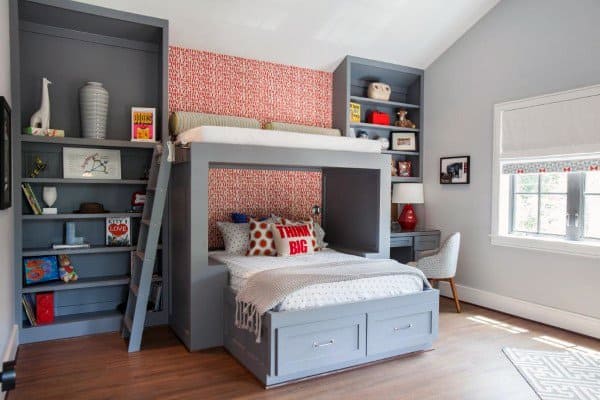
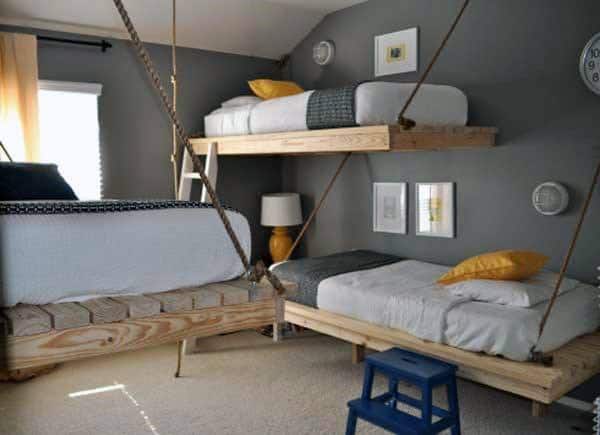
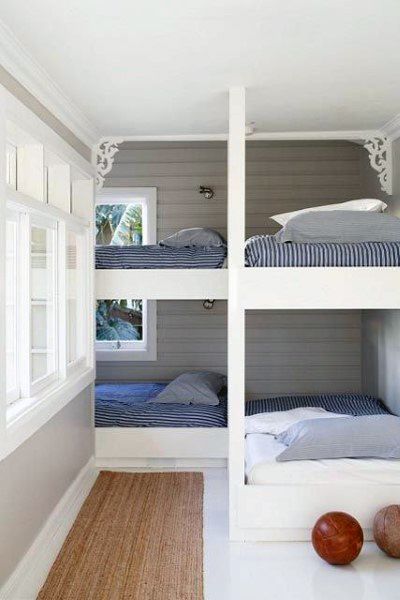
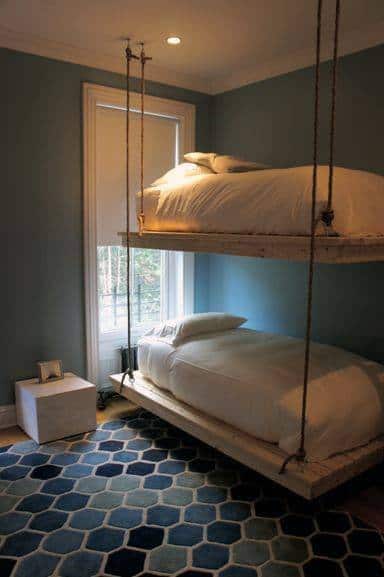
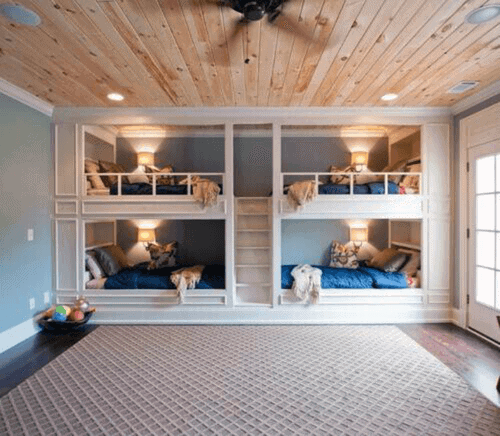
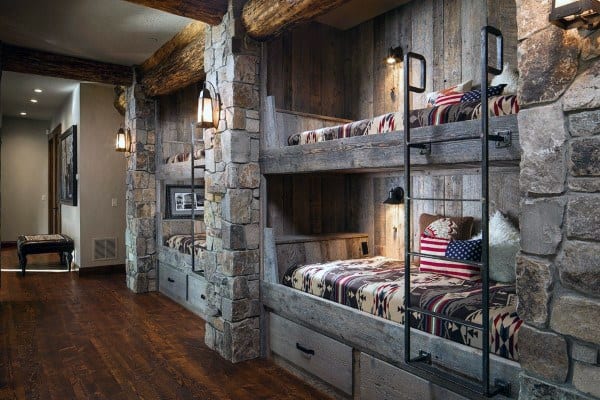
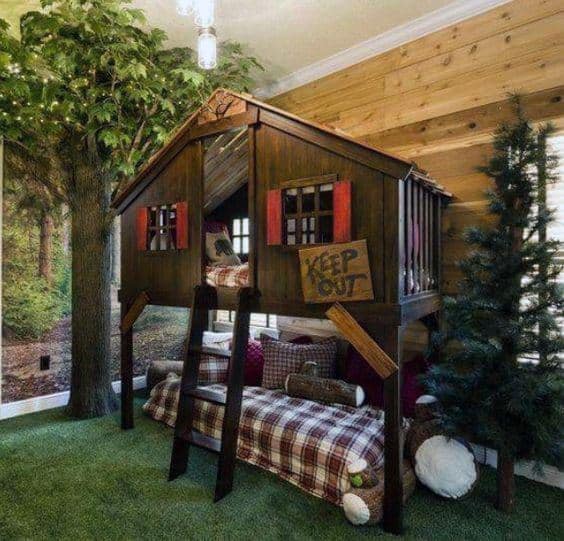
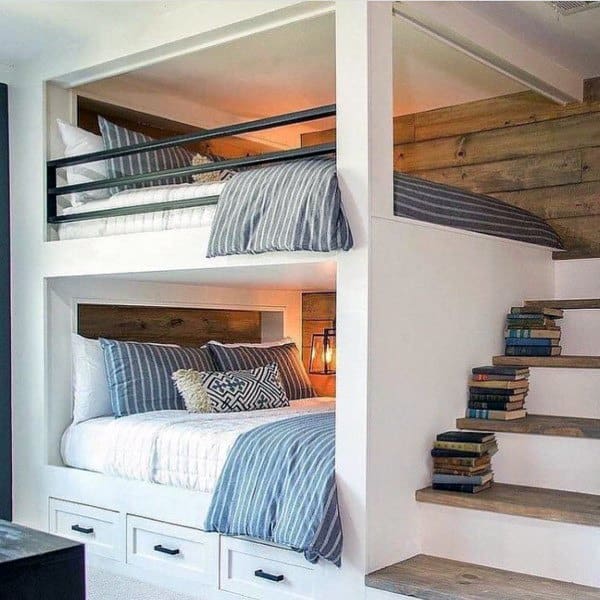
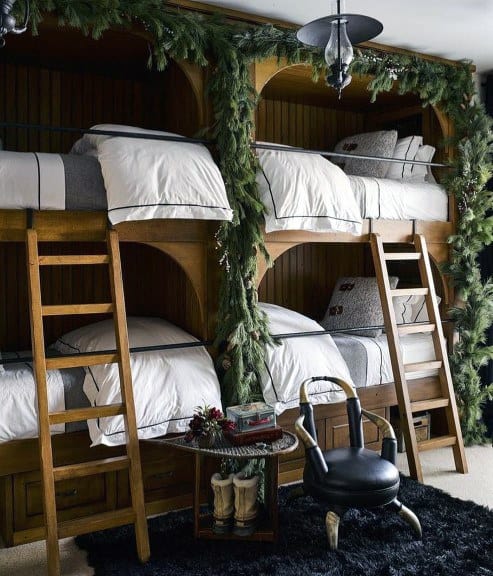
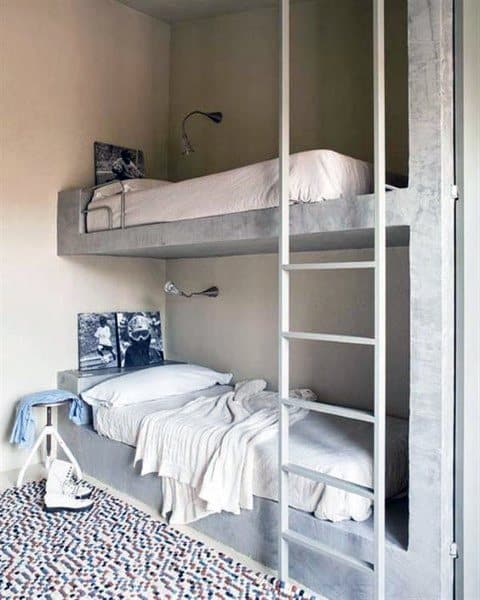
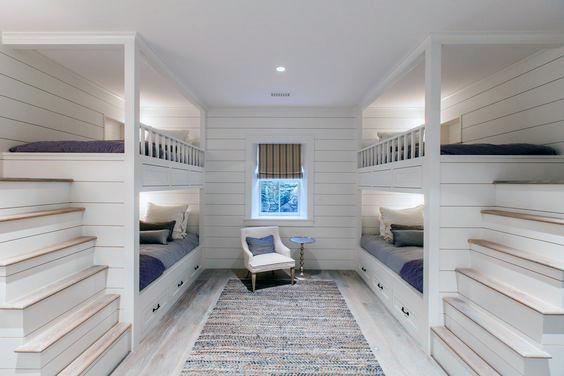
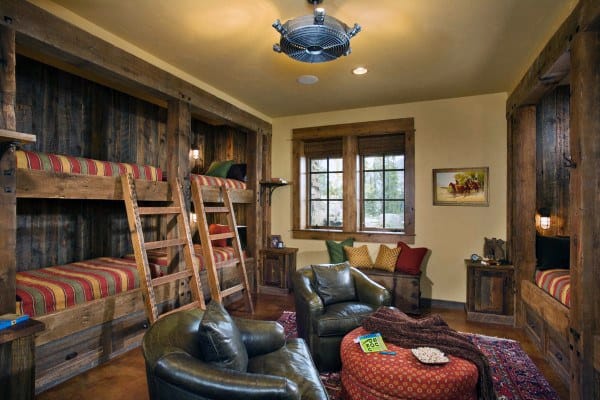
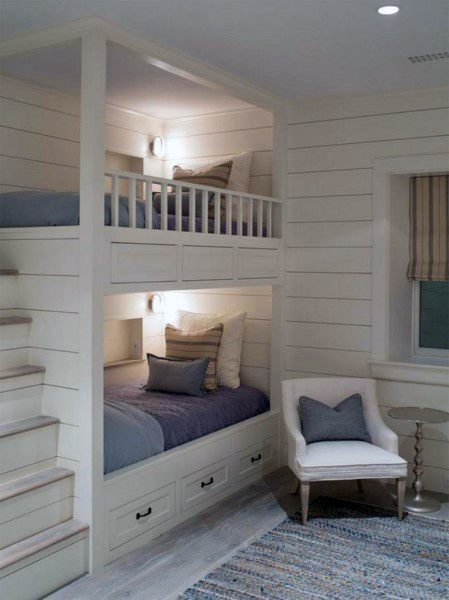
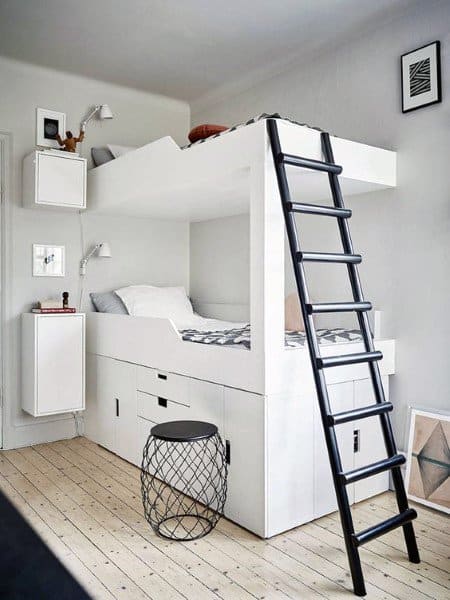
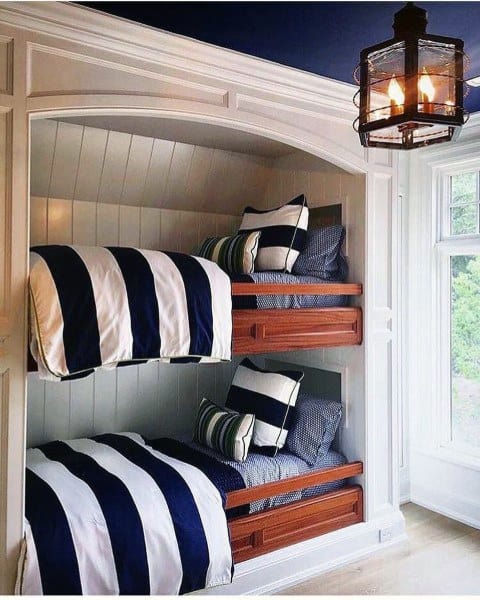
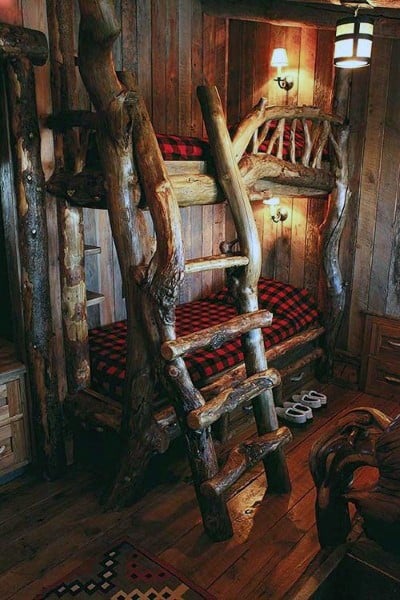
How to build a bunk bed
- Gather materials: Purchase high-quality wood (like pine or oak), screws, bolts, and tools (drill, saw, sander).
- Create a design: Measure the room and decide on dimensions. Draw a plan including headboards, footboards, and guardrails.
- Cut and sand wood: Cut the wood pieces to size and sand them smooth to prevent splinters.
- Assemble frame: Build the bottom bed frame first, then attach the upper frame using sturdy vertical supports.
- Install guardrails and ladder: Add safety guardrails for the upper bunk and attach a ladder.
- Secure structure: Use bolts and screws to ensure stability. Test the bunk bed to ensure it is safe.
How to build a bunk bed ladder
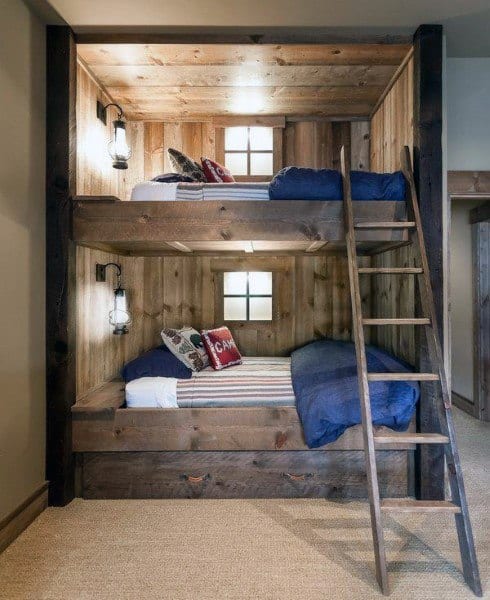
- Cut the ladder rails: Measure and cut two long wooden rails at an angle for stability.
- Cut the steps (rungs): Cut shorter pieces of wood for the steps, ensuring they are even and sturdy.
- Attach the steps: Secure the steps between the rails using screws or wood glue. Space the steps evenly, about 12 inches apart.
- Sand and finish: Sand the entire ladder and apply paint or stain to match the bunk bed.
- Secure to the bed: Attach the ladder to the bunk bed frame using bolts or brackets for added safety.
How much weight can a bunk bed hold?
- Standard bunk beds: Typically support 200-250 pounds per bed.
- Heavy-duty bunk beds: Designed for adults, they can hold 400-500 pounds.
- Custom-built bunk beds: Weight capacity depends on materials and construction; high-quality wood and metal can increase durability.
- Always check the manufacturer’s specifications for weight limits and ensure proper assembly.
What are some creative ways to decorate a bunk bed room?
- Themed designs:
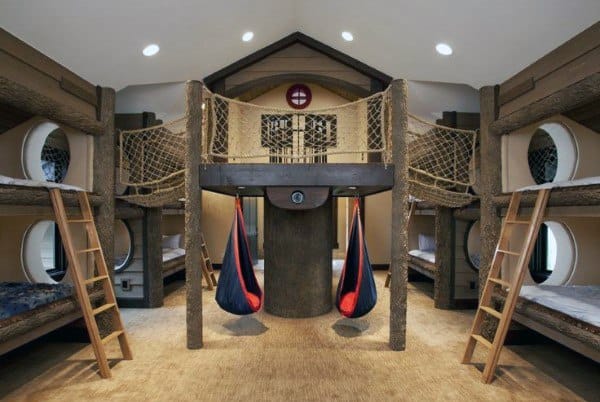
- Create a treehouse or castle look using wood cutouts and paint.
- Add space or jungle themes with wall decals and themed bedding.
- Add lighting:
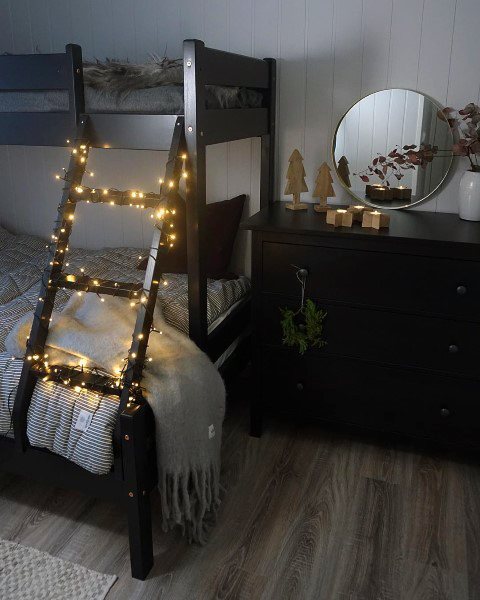
- Use fairy lights or LED strips along the bunk frame.
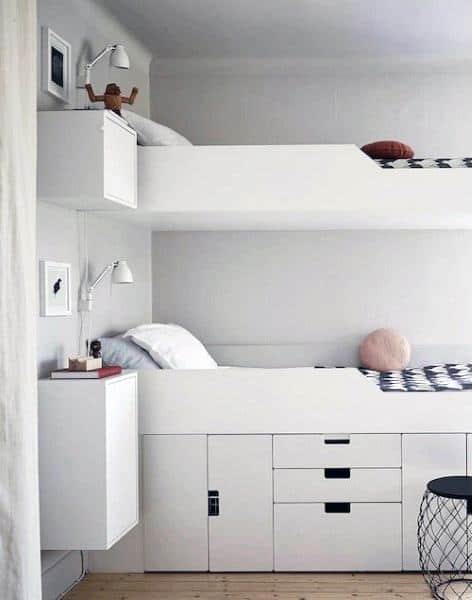
- Install clip-on reading lamps for each bunk.
- Personalize each bunk:
- Use different bedding for each bed.
- Add hanging organizers or small shelves for personal items.
- Incorporate storage:
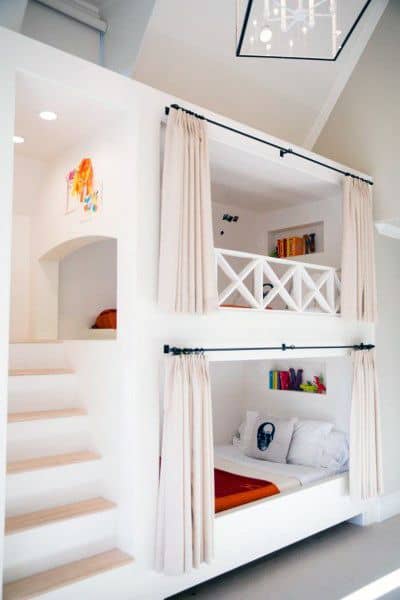
- Install under-bed drawers or use built-in storage stairs.
- Use wall-mounted cubbies for books and toys.
- Curtains for privacy:
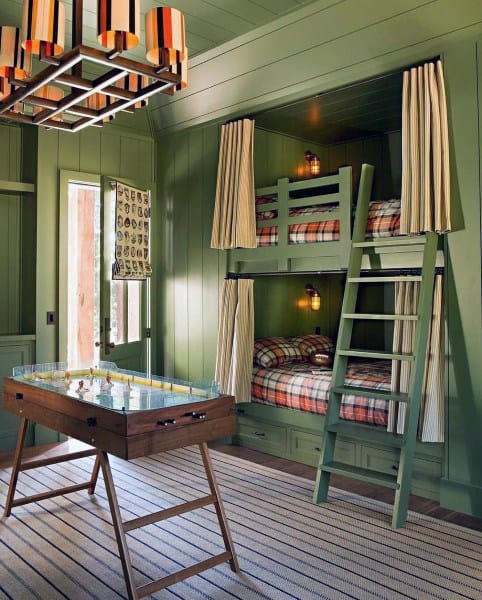
- Add curtains or fabric panels for a cozy, private nook.
- Use fun patterns to match the room’s theme.
- Create a lounge area:
- Turn the bottom bunk into a seating area with cushions if it’s not used for sleeping.
- Add a small rug and bean bags nearby for a cozy vibe.
- Wall decor:
- Hang posters, artwork, or personalized nameplates on the walls next to each bunk.
- Use removable wallpaper to create accent walls.