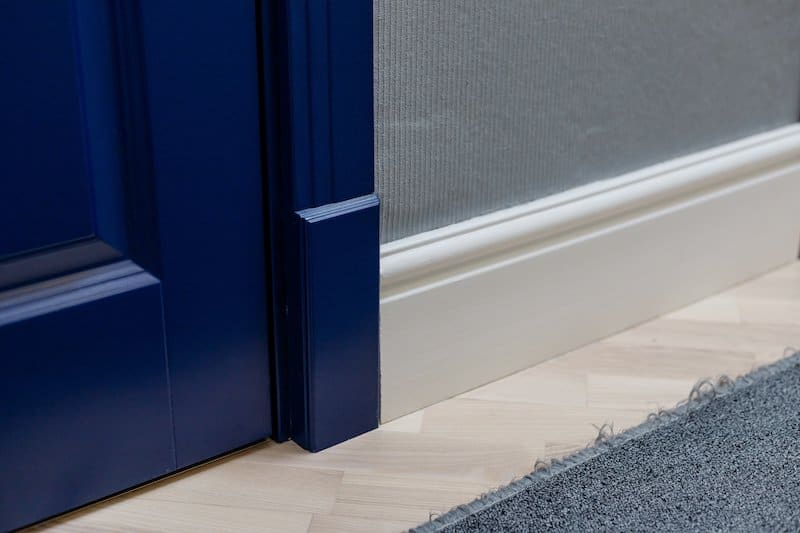

Baseboards may seem like a small detail, but they play a crucial role in tying a home’s design together. Acting as both a protective barrier and a finishing touch, modern baseboards combine functionality with style, elevating the overall aesthetic of your space. From sleek, minimalist designs to more pronounced, statement-making styles, there’s a baseboard to suit every taste and budget.
Modern baseboards come in a variety of materials, including solid wood and medium-density fiberboard, ensuring durability with proper sealing and paint. Options like tongue-and-groove designs create a flush, seamless look, while taller baseboards add height and proportion to a room. These modern baseboard ideas demonstrate how this subtle yet essential element can leave a lasting impression and complete the look of your home.
1. Elegant Best Modern Baseboard Ideas for Ornate Walls
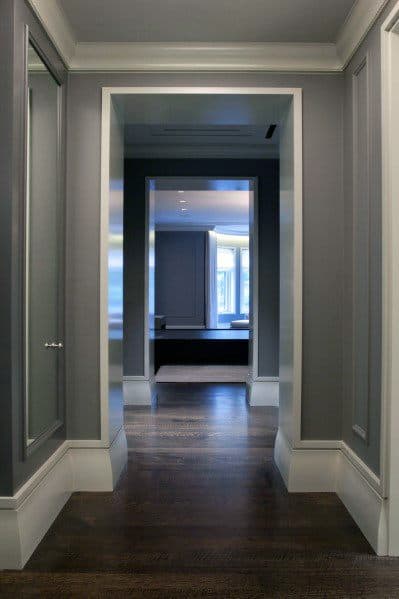
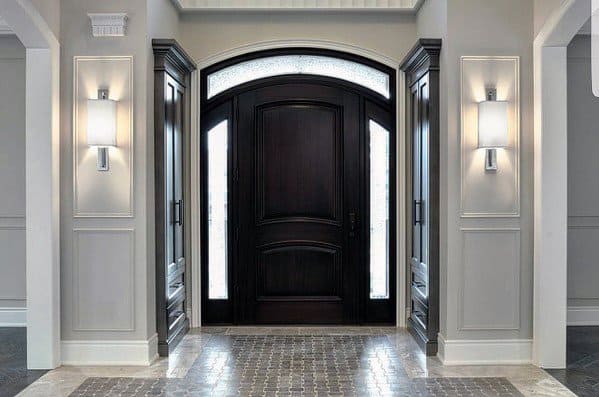
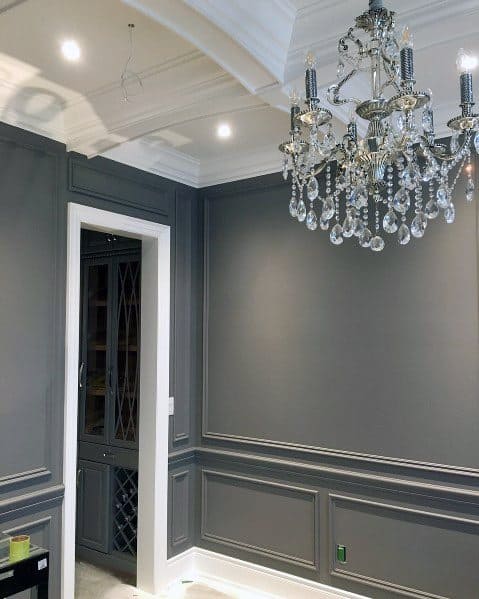
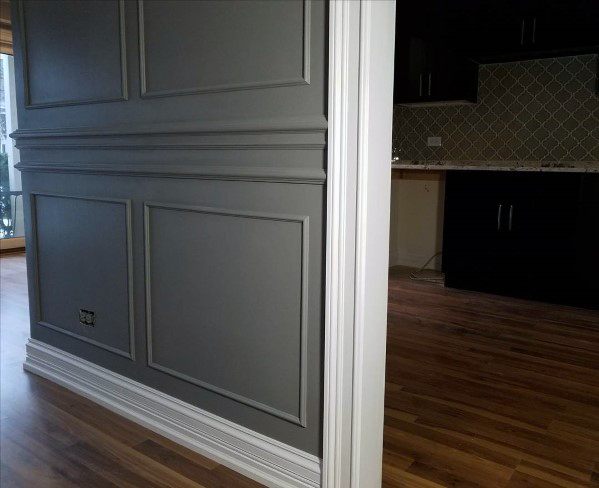
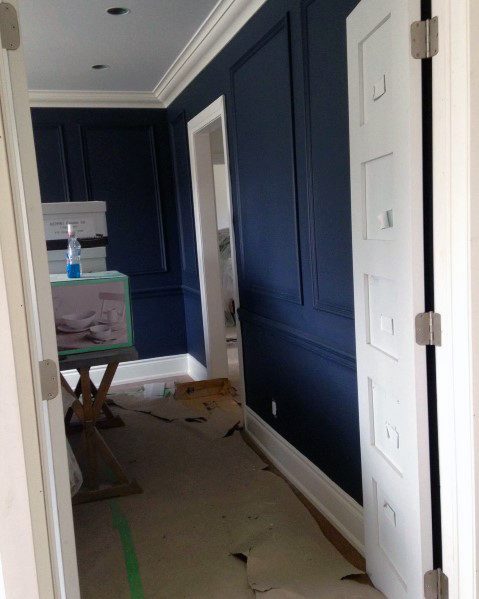
When your walls are embellished with wainscoting, wallpaper, or another ornate design, you might not want to compete with them by installing a complex baseboard idea. Keeping your baseboards simple helps the room feel pulled together and clean. The tidy, crisp lines of a simple baseboard are often the anchor that an elaborately decorated space needs.
This doesn’t mean that you are stuck with keeping your basic builders’ grade or just nailing on a flat wooden plank. Add interest by choosing a slightly curved beam that is wider at the bottom than at the top. Or, soften the corners on your basic by finishing them with a length of quarter-round .
You can also mimic the lines and angles found in coffered walls and wainscoting with a routed featuring horizontal grooves or ridges. These subtly textured baseboards coordinate well with ornate walls without being too fancy in their own right.
2. Minimalistic Inspiration
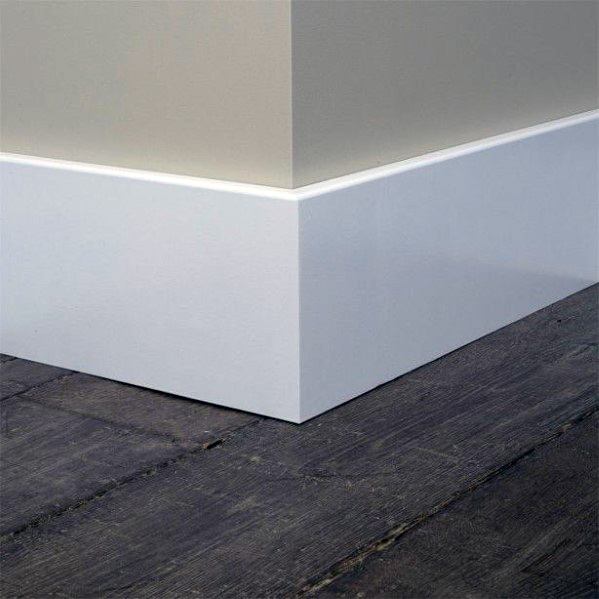
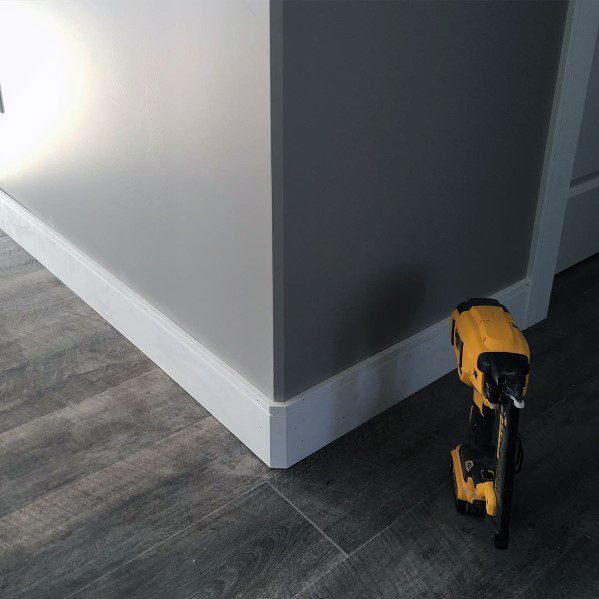
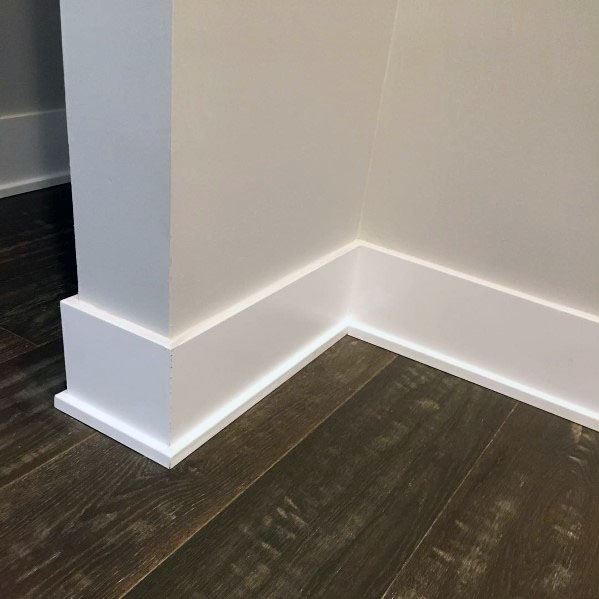
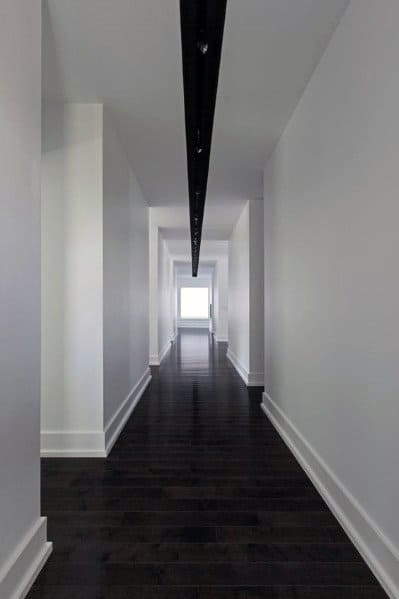
The simplest of modern baseboards may make it appear that they were not given any thought at all, but that’s usually far from the case. Never underestimate the power of simplicity in interior design. If you have a modern or minimalist home, you already understand this concept. Completely flat baseboards are just the accent needed between the wall and floor in an industrial, warehouse, or other simply designed homes. This basic design enhances a space without taking anything away from the other elements of design.
These modern baseboards become more noticeable when you increase their height. Instead of a standard size, add a few inches to make your eight inches or taller. A room with a can carry the weight of a , making it a nice place to add a subtle accent color or show off a beautifully stained finish.
decisions can make the difference between a harsh, angular modern space and one that feels welcoming. You can make your corners more interesting by cutting off the standard mitered corners, creating a flat edge. If a single plank is too boring for your room, bump out the bottom of your with a one-inch thick strip of .
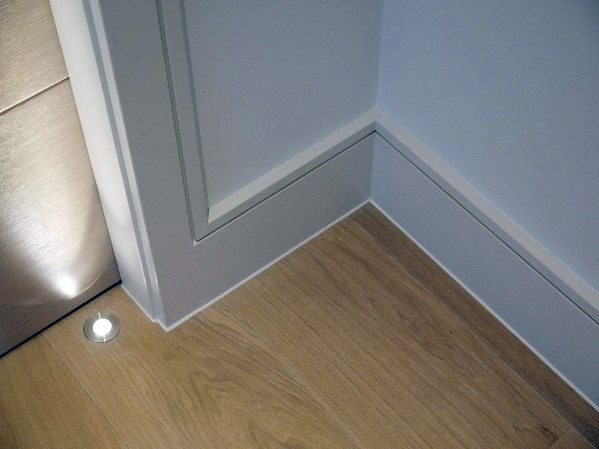
3. Artistic Approaches
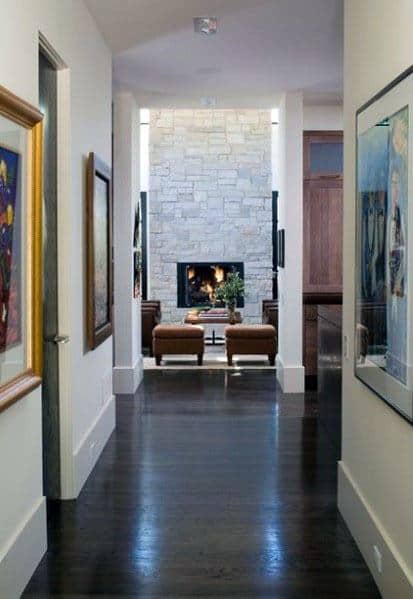
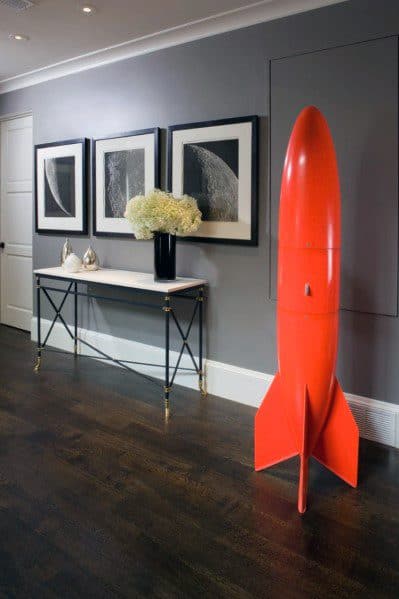
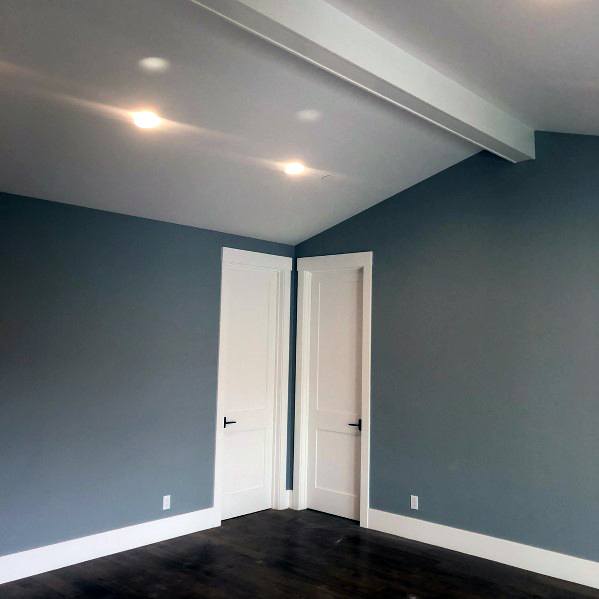
Unless you buy a baseboard made from metal, vinyl, PVC, or another ready-to-install material, you will need to paint your baseboards. While white is the classic color for baseboards, there is no reason that you have to use it. In fact, this often-forgotten zone can be a place to inject a bit of color into your rooms.
One way to do this is to choose a neutral color that complements the rest of your . Consider a soft gray or a warmer “greige” that falls somewhere between gray and beige. It doesn’t have to be drastically darker or lighter than the shade used on your walls. Sometimes just one or two squares up or down on the color swatch is enough to visually please without overwhelming the eye.
Another design option is to your baseboards the exact same color used on your walls. While this may feel counterintuitive, having walls and in the same color provides a sense of continuity and can actually make a bright color less garish than it might seem beside a white or neutral .
Is it best to paint baseboards before or after installing them? This is a common question when it comes to refreshing this important design element. There are advantages and disadvantages to each method. Check out the video below for tips on doing it either way.
4. Natural Beauty
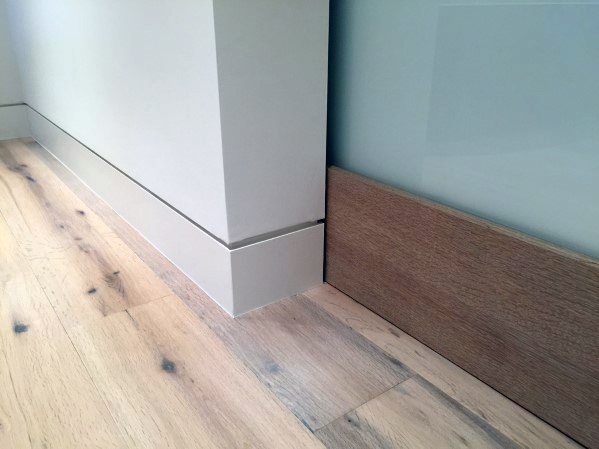
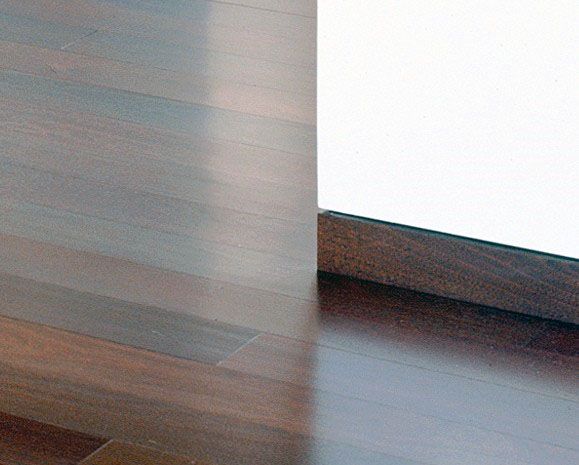
The warmth and classic feel of natural wood never gets old, and this is true for baseboards as well. There’s no reason why they have to be painted if they are made from beautiful real wood. In fact, tearing out a tired, plain-painted baseboard and replacing it with a richly stained wooden one can be just what’s needed to bring a touch of nature indoors.
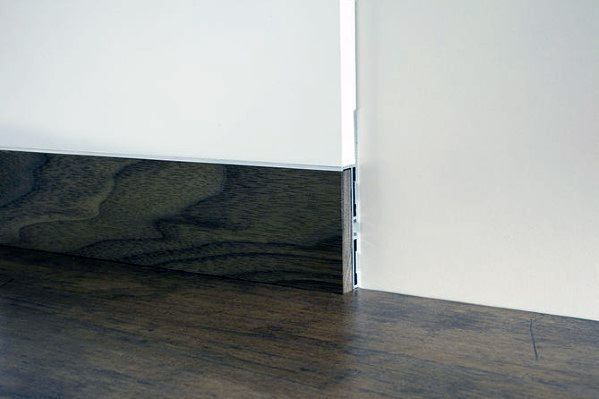
finishes are not only popular with rustic home decor, but they also add a nice warmth to modern home designs. You don’t need to have a fussy , boasting lots of curves and ridges. A flat, wide plank of stained natural wood can be found in many modern homes and businesses. This is especially true in an with hardwood floors, where the and floorboards share a common stain and finish. When paired with neutral walls and other minimalist elements of , these rooms provide a clean, calming vibe.
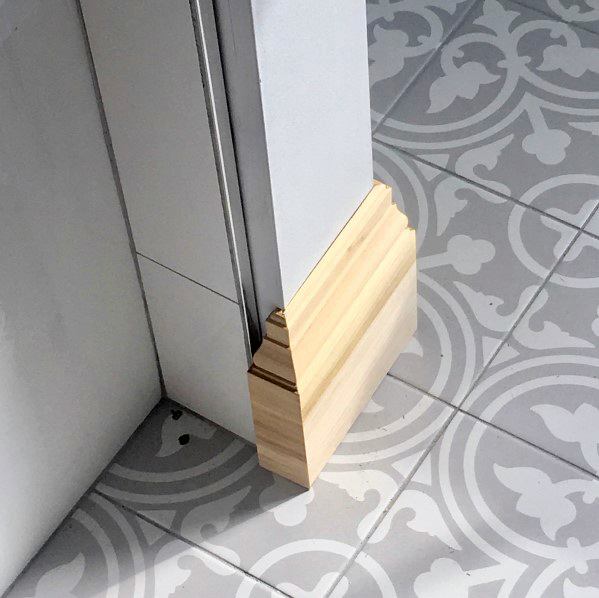
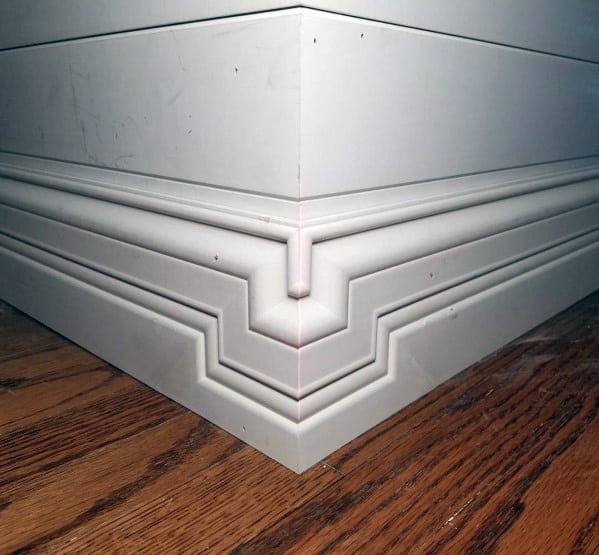
Even though simple baseboards are a hallmark of modern design, there’s no reason why you can’t incorporate a more into your modern home. Tall, thick baseboards with a stacked edge provide more flair than a simpler and can work very well in homes that lean toward more eclectic modernity. Look to repeat or at least complement shapes found elsewhere in the room. For example, your can match the curved silhouettes found on a patterned tile floor or printed furniture fabric.
5. Creating Depth
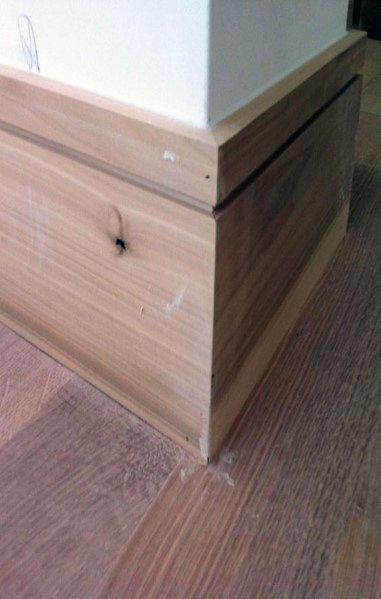
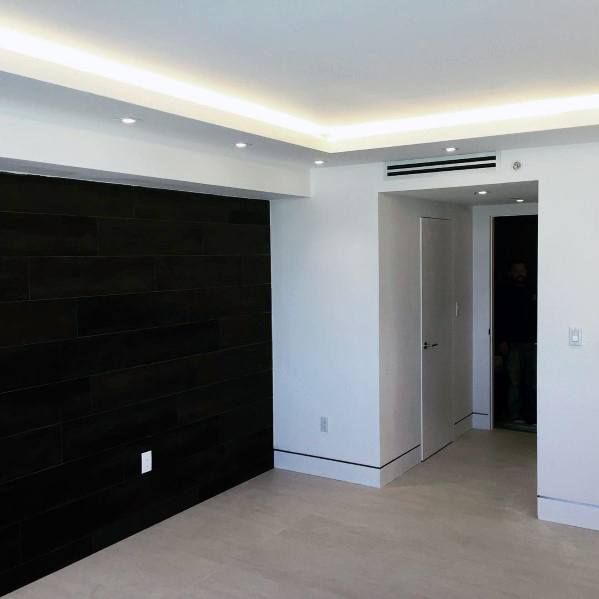
Much like the gap or toe kick area beneath your lower kitchen cabinets, a recessed baseboard is one that tucks into the wall instead of standing out from it. Not only are recessed baseboards unique, but they also serve a practical purpose. Unlike traditional molding nailed on top of the drywall, recessed baseboards can’t collect dust. They also don’t get bumped and battered by active kids, pets, and furniture movers like traditional baseboards seem to do.
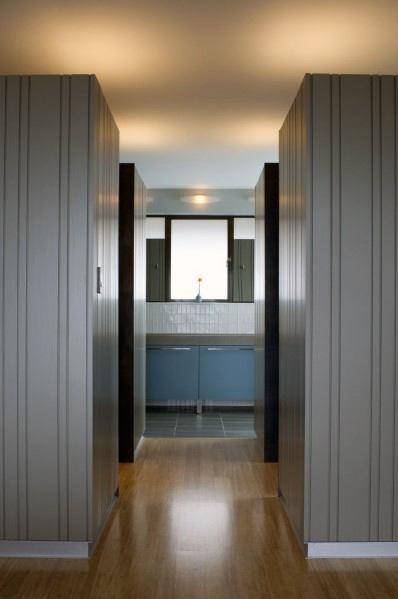
The height of your recessed can vary. Your breakfast nook or another room adjoining your kitchen can be a good place for a four-inch-tall recessed that flows seamlessly from your kitchen cabinet toe kick. While this look is more common in industrial or minimalist homes, it also looks quite at home beneath beadboard or paneling in a beach cottage or cabin.
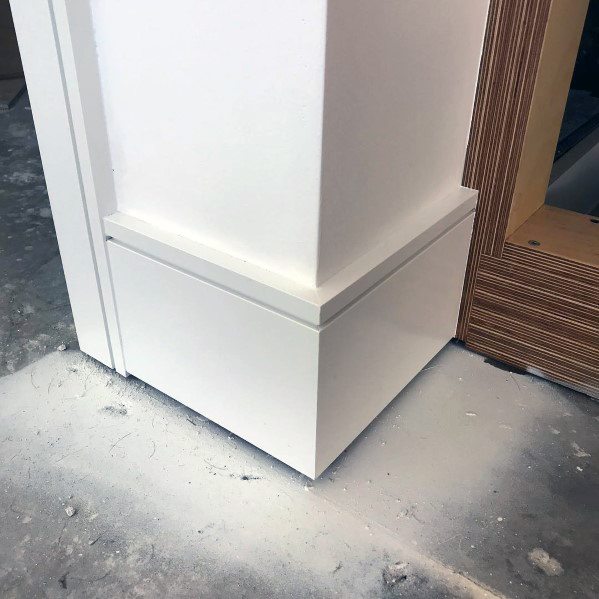
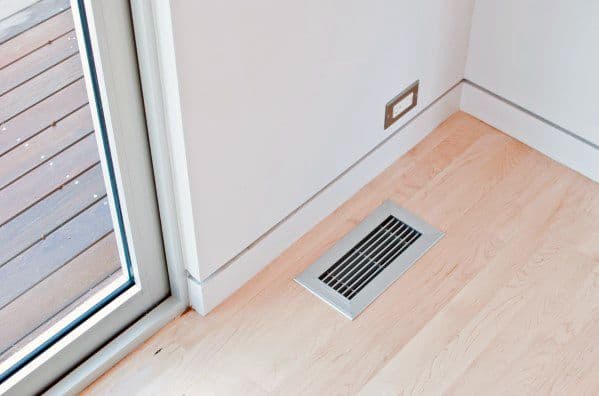
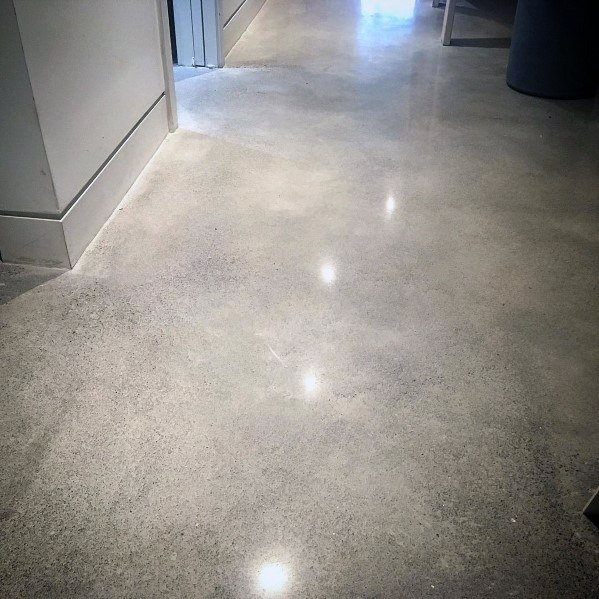
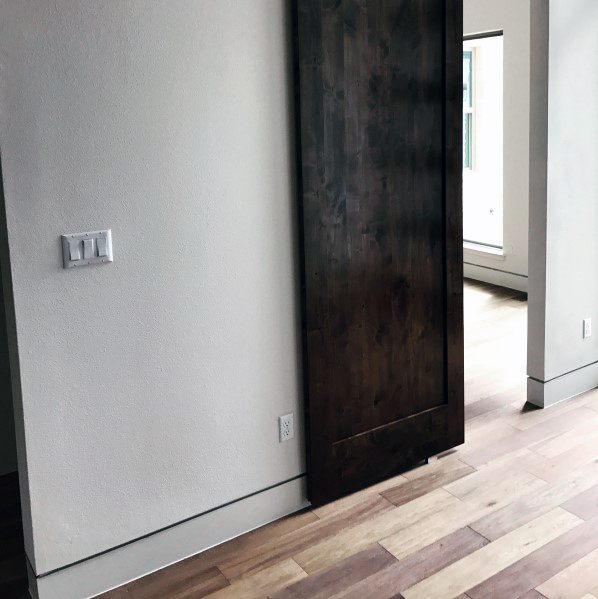
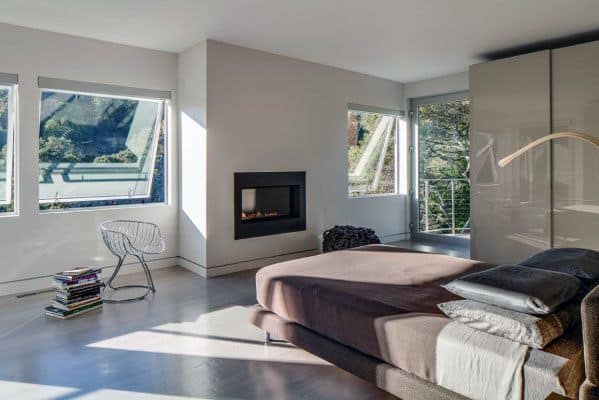
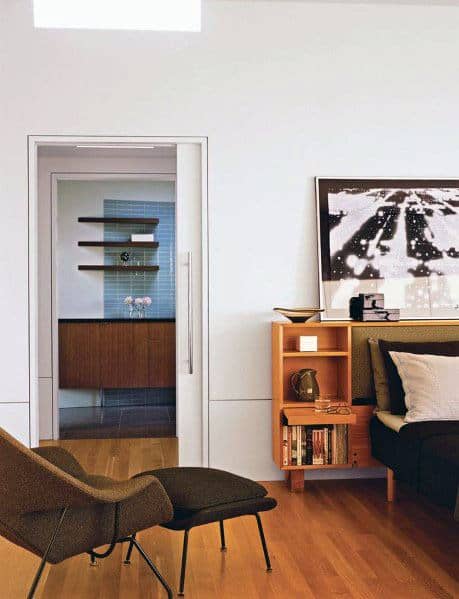
If you’re building a home, consider asking your builder to install flush baseboards. These baseboards sit flush with the instead of being attached to the drywall like most typical baseboards. They are designated by a narrow recessed gap between the drywall and . This perfectly linear gap may be called a shadow bead or reveal bead. Flush baseboards are even more understated than a typical flat or recessed but must be installed at the time of construction.
While you can DIY a recessed or flush baseboard, it’s best done by someone who already has some experience with drywall. If you already have strong drywall skills, here is a video to help walk you through the process. Note the high level of expertise used in applying and finishing the joint compound.
6. Personalized Flair
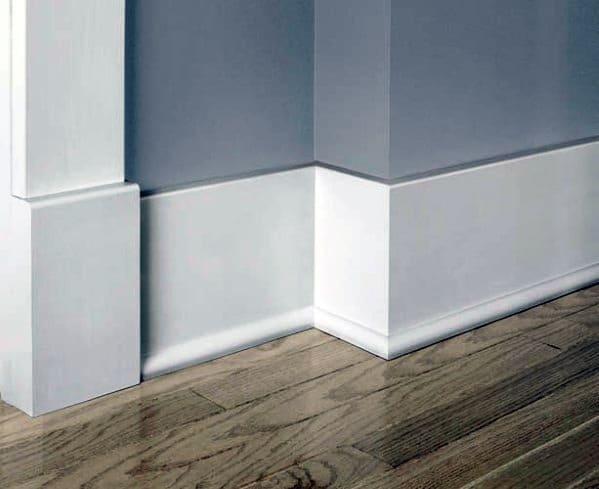
Despite their ability to finish a room, baseboards aren’t often thought of as a place to get overly creative. However, you can add custom touches that go beyond the basic builder plank. This is true even if you live in a modern home where simplicity is key.
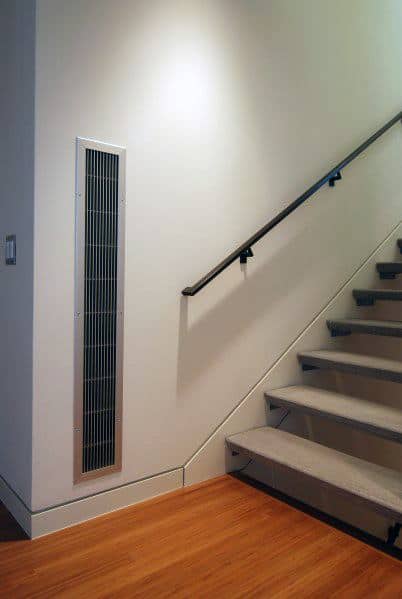
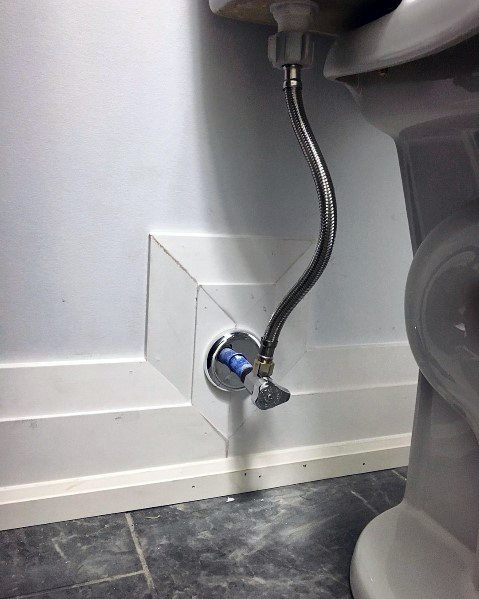
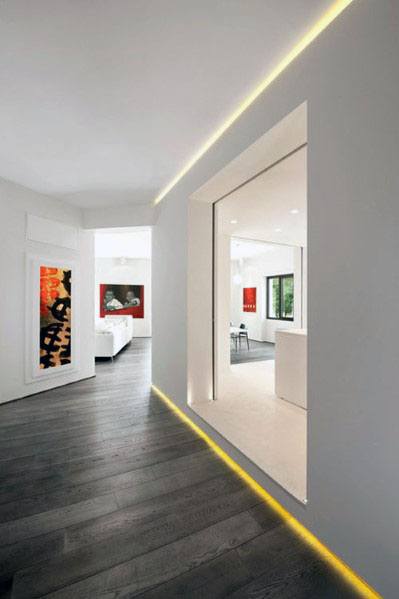
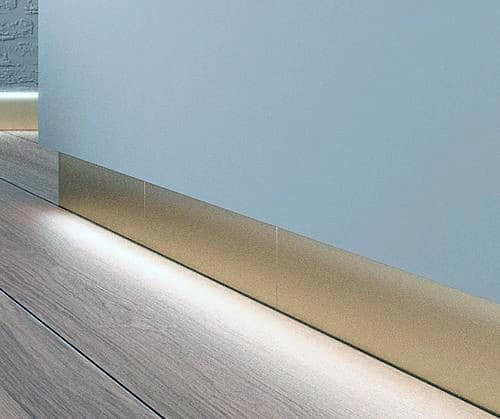
As an alternative to one solid plank, stack two or more strips of to create a taller with interesting grooves and textures. Instead of cutting an opening in your to accommodate a bathroom pipe or heating vent, extend your material up the and frame it. If you decide to go with a recessed , you can create a dramatic effect by installing lighting in the recessed area. You can even choose lights that change colors, which can be a particularly festive look during the holidays.
are relatively uncommon but can look stunning in , particularly industrial lofts with exposed ductwork and other metal accents. Stainless steel or other types of metal sheeting create a virtually indestructible . add a modern sleekness when installed next to the rough textures of exposed brick walls or concrete floors.
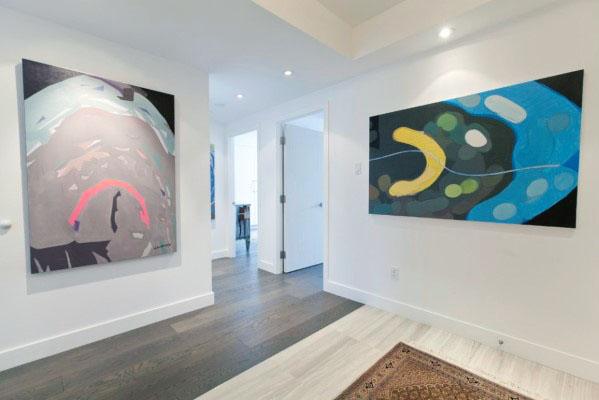
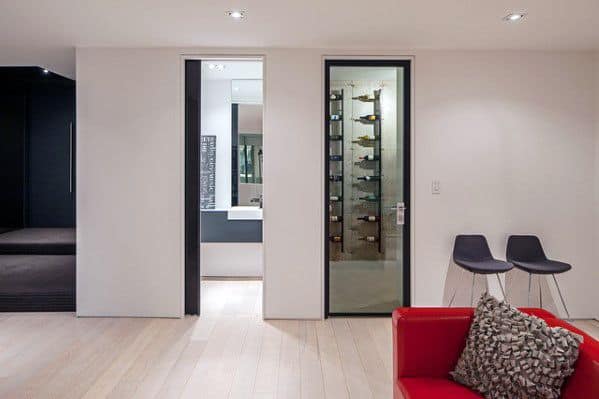
Asian-inspired often have the smallest baseboards of all, sometimes barely noticeable. Use this effect if you want to ensure the focus remains on your carefully selected furniture or an exquisite piece of art. Nearly invisible moldings and frames work well in an with white walls and pale floors. These elements come together into a clean background that highlights what matters most to you.
FAQs
What is baseboard and what is its purpose?
A baseboard, also known as a skirting board, is a trim that runs along the bottom of a wall where it meets the floor. Its primary purpose is functional, as it serves to cover the joint between the wall and the floor, protecting the wall from scuffs, kicks, and minor impacts. Baseboards also provide a finished and polished look to a room, acting as a transition between the wall and the floor while concealing any gaps or imperfections that might exist at the floor level.
What material is baseboard typically made from?
Baseboards are made from various materials, each with its own advantages and aesthetic appeal. Common materials include wood, which offers a classic and elegant look and can be stained or painted to match the room’s decor. MDF (medium-density fiberboard) is a cost-effective option that’s easy to paint and install. PVC baseboards are moisture-resistant, making them suitable for areas like bathrooms and kitchens. Additionally, there are options like vinyl and composite materials that offer durability and low maintenance.
How do I paint or finish baseboards for a polished look?
Painting or finishing baseboards is essential to achieve a polished and cohesive appearance. Before painting, make sure the baseboards are clean and free from dust or debris. Sand any rough edges or imperfections and apply a coat of primer if necessary. Choose a paint color that complements the room’s color scheme. Use painter’s tape to protect the wall and floor, then apply the paint with even strokes. For a finished look, consider using a semi-gloss or satin finish paint that’s easy to clean and offers a subtle sheen.