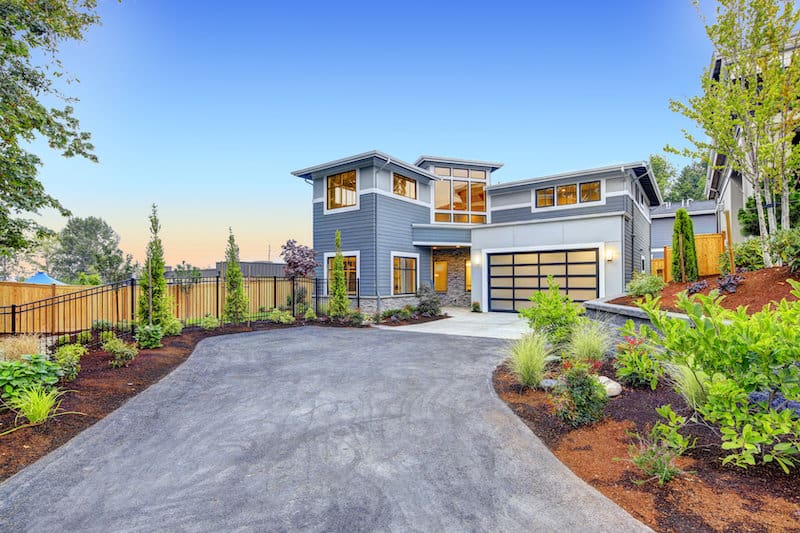

A driveway is more than just the entrance to one’s home, but a secure and welcoming salutation.
A well-laid drive, whether it’s gravel, stone, cement, or brick, can only be improved with the addition of a lighted border.
Not only does driveway lighting lend a bit of ambiance, but also provide a degree of safety and peace of mind. You don’t have to go for the full runway effect; a few carefully placed lights will enhance and define your drive.
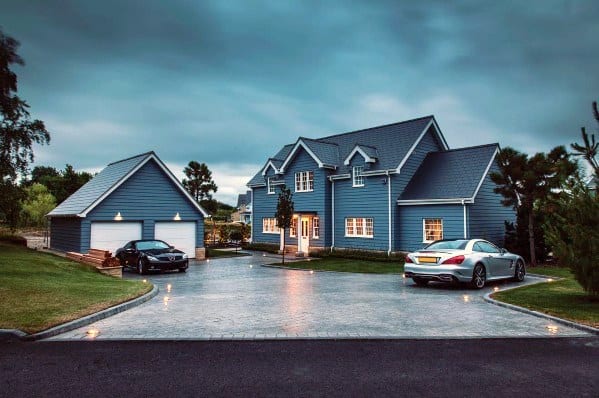
Driveway lighting is particularly crucial in neighborhoods or areas that are particularly dim, providing both the homeowner and any drivers behind him with the necessary visual cues and ensuring the safety of both. From there, it’s a matter of personal taste. Solar and electrical lighting are both options, though electrical lighting is notably more durable and provides greater illumination, as well as style options. Modern inlaid lights are ideal for curved or circular drives, while tall antiquated street lamp-style lights cast a warmly decadent glow over a more expansive drive. The overall effect of driveway lights can be further enhanced with additional landscaping implements, such as planted flora and foliage.
These driveway lighting ideas are your personal gateway, a welcoming route for both guest and occupant alike all year-round. Returning home after a long day should feel like nothing short of a celebration, and finely placed driveway lights, however simple or luxuriant, mark your passage safely and in style.
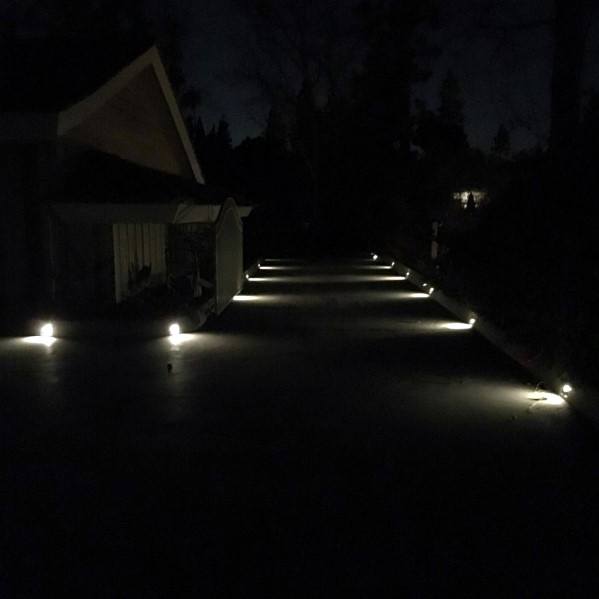
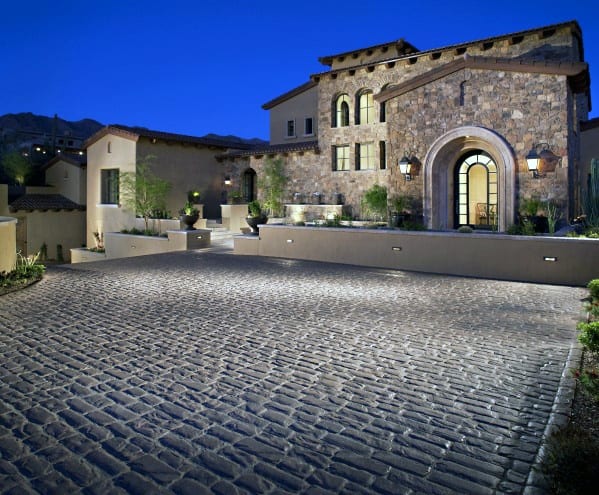
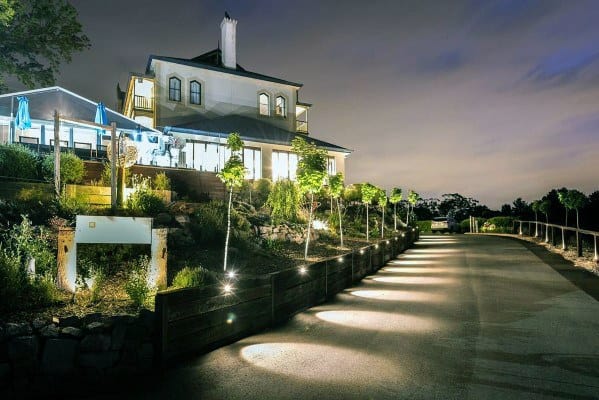
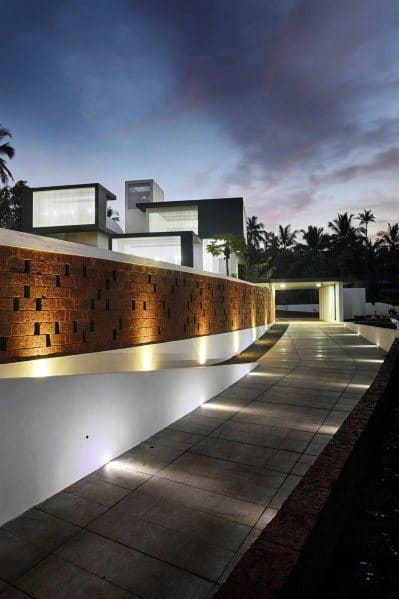
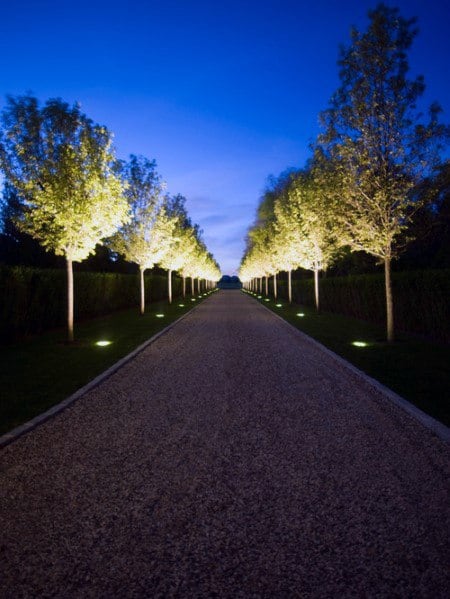
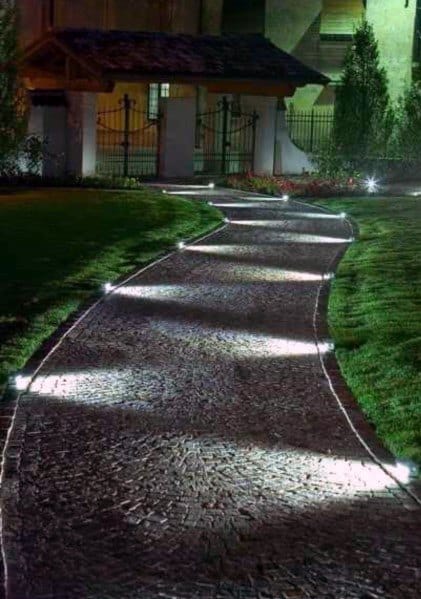
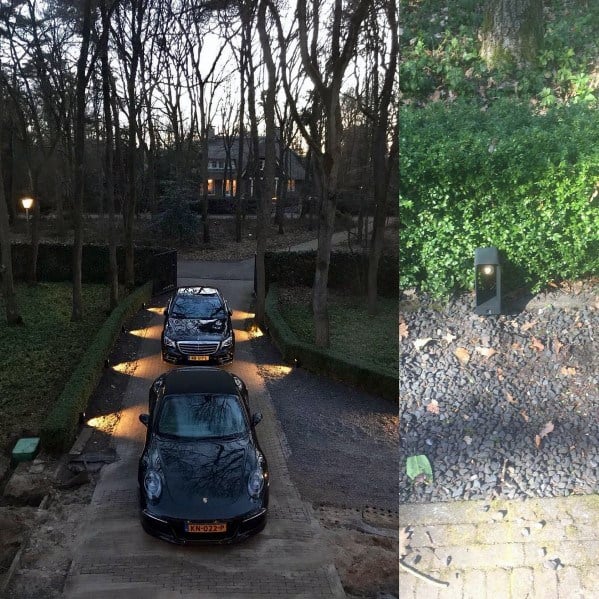
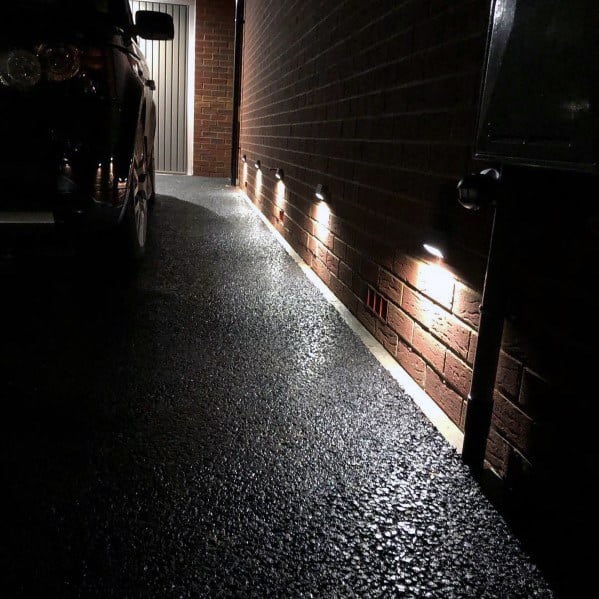
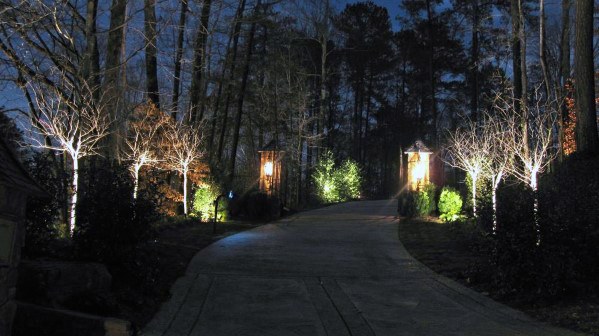
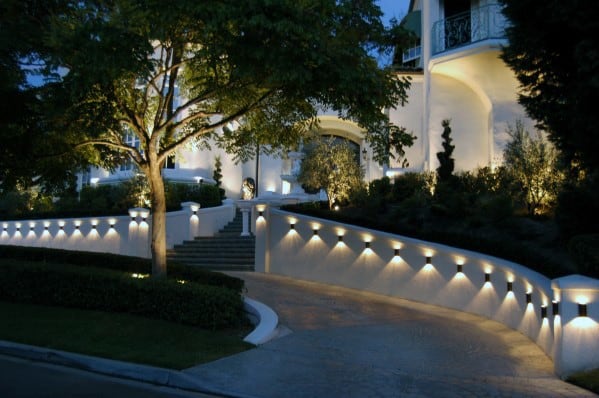
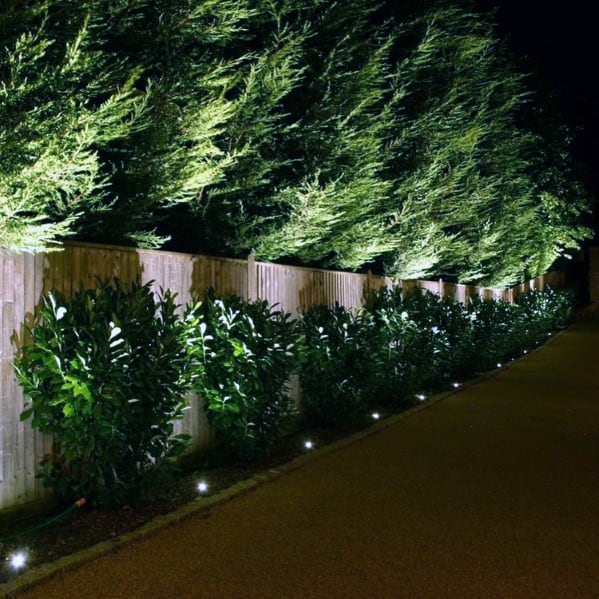
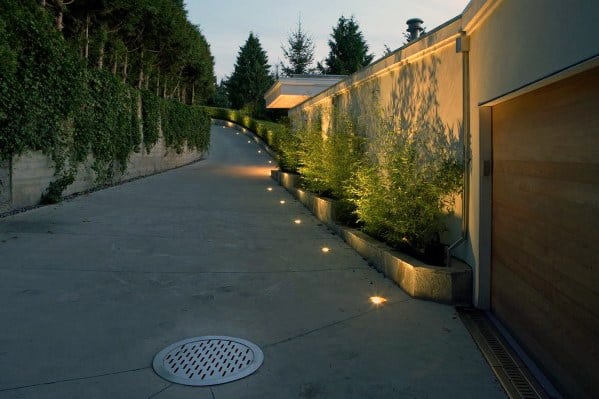
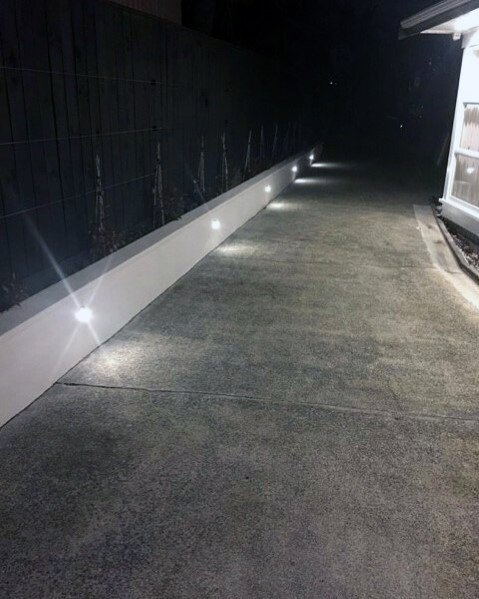
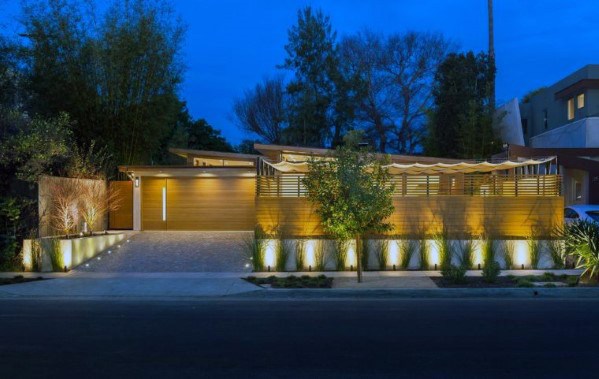
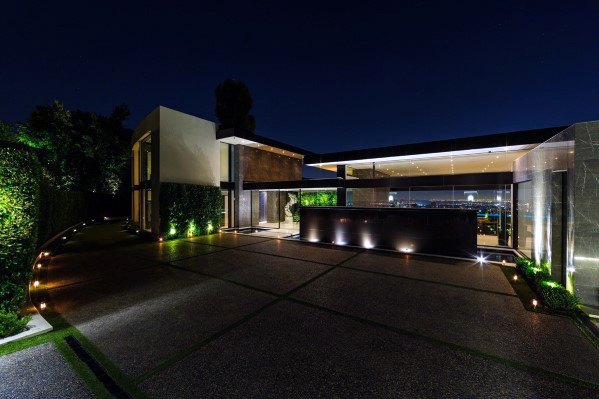
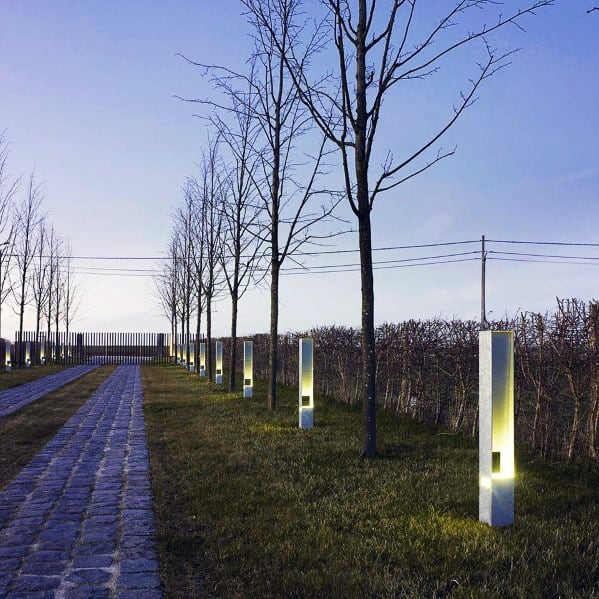
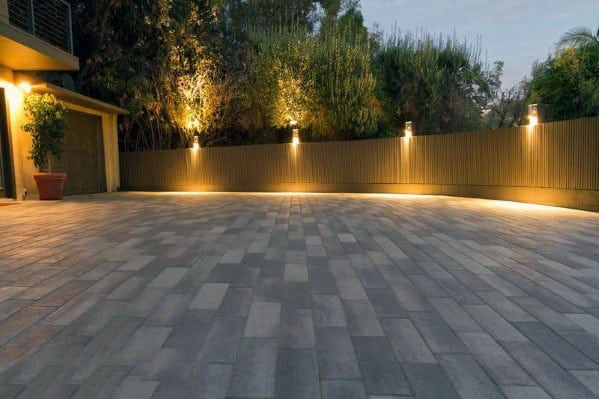
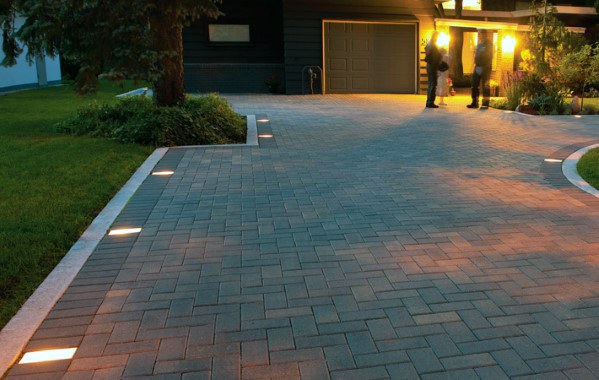
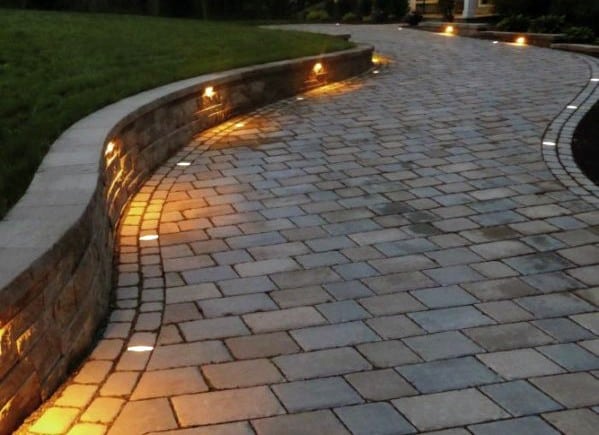

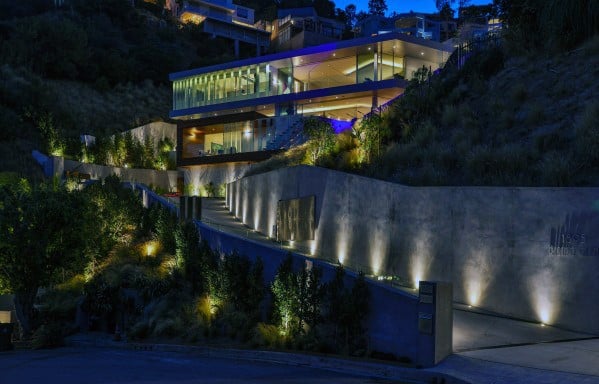
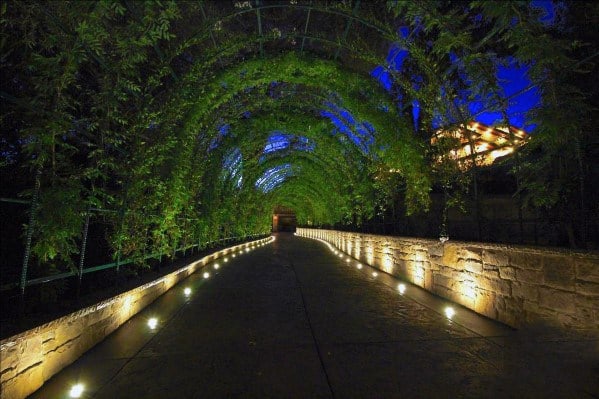
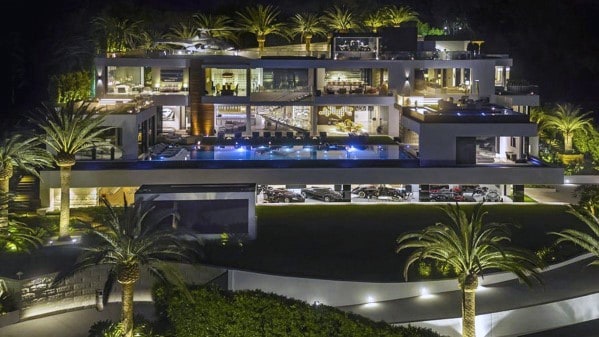
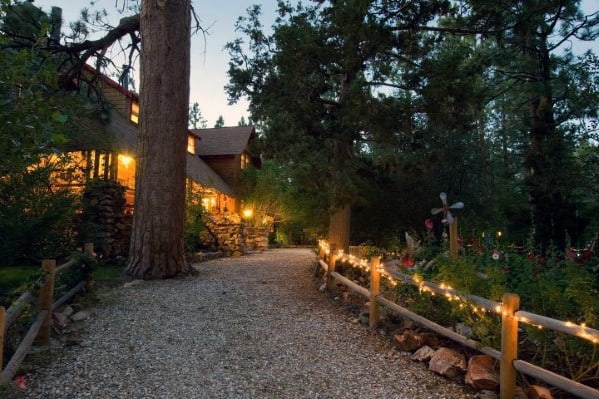
Best Driveway Lighting Options
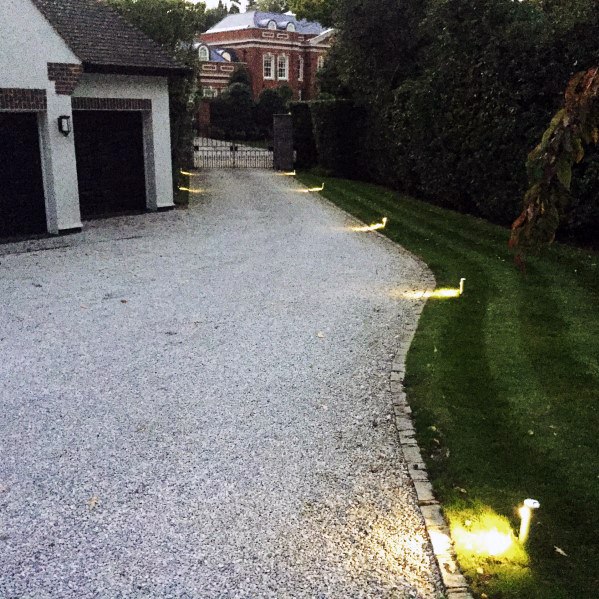
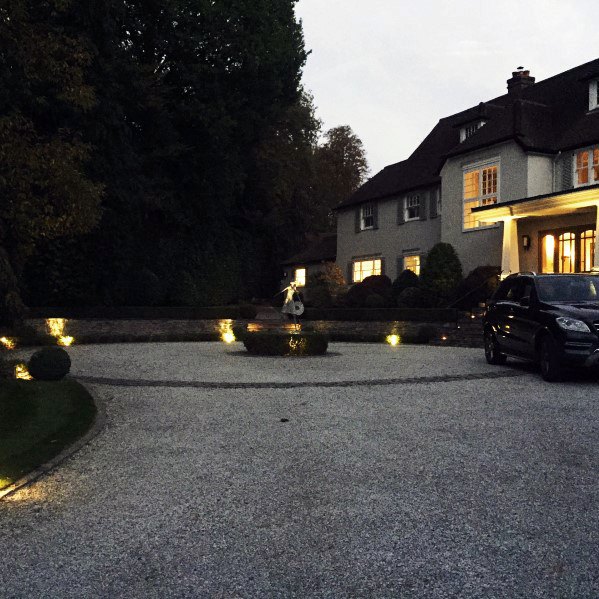
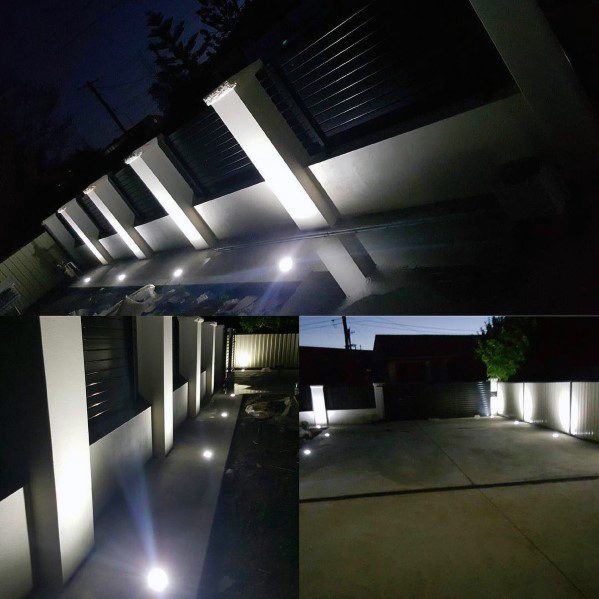
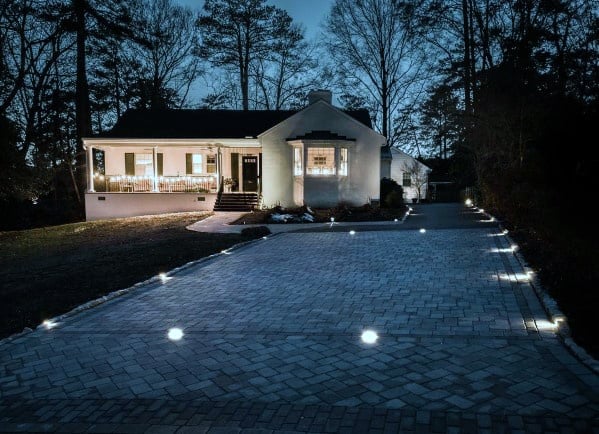
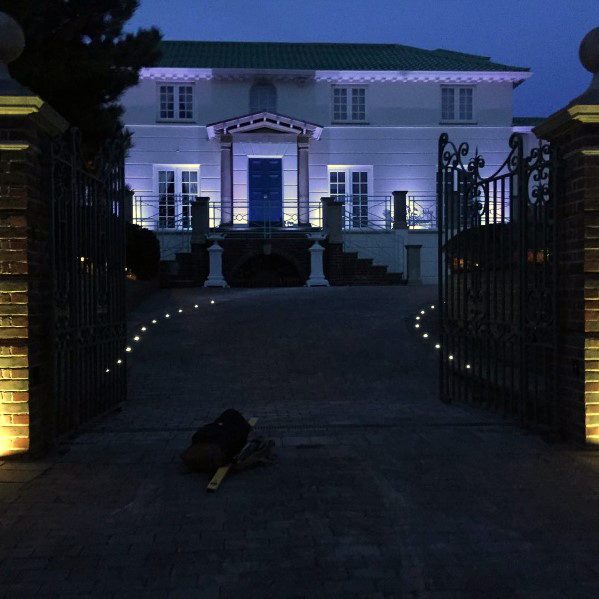
Embedded Ground Lighting
- Lighting Type: Recessed lights or in-ground lights.
- Best For: Creating a clean, sleek look along the driveway while providing even illumination without obstructing the view.
- Light Placement: Place every 4-6 feet, depending on the light’s intensity.
- Brightness: Choose lights with around 50-100 lumens for soft lighting; higher lumens for better illumination if needed.
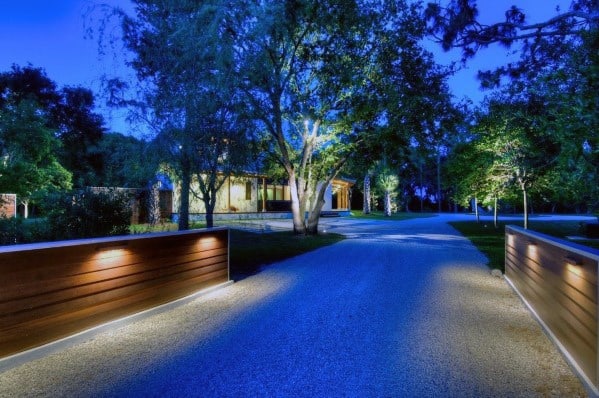
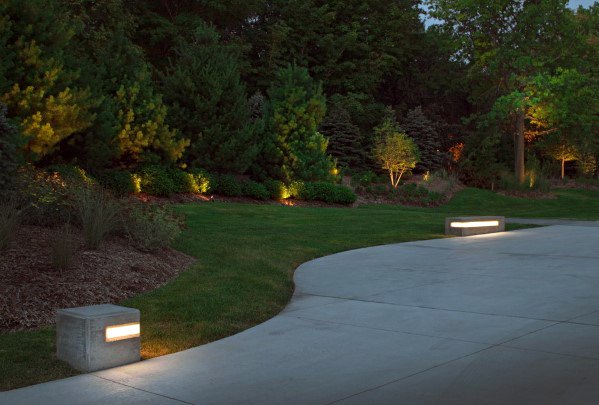
Wall and Post Lighting
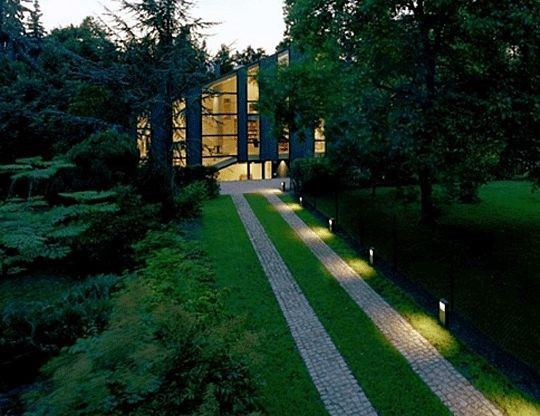
- Lighting Type: Lantern-style lights or modern post lights.
- Best For: Adding a classic or contemporary feel to the driveway while providing visibility for safety and aesthetics.
- Placement: Position lights along the edges of the driveway, 8-10 feet apart.
- Brightness: Opt for 100-200 lumens for ambient light. For post lighting, make sure they are high enough to provide broad coverage.
Pathway and Step Lights
- Lighting Type: Low-level lights that illuminate the walking path along the driveway.
- Best For: Enhancing visibility at night for both the driveway and surrounding landscaping.
- Placement: Space lights 4-5 feet apart, with brighter lights near curves or transitions.
- Brightness: 50-100 lumens for softer, ambient lighting.
Solar Lighting
- Lighting Type: Solar-powered ground lights or decorative solar lamps.
- Best For: Eco-friendly and cost-effective lighting, particularly in areas where it’s difficult to install wiring.
- Placement: Similar to recessed or post lights; position them 6-8 feet apart, ensuring the solar lights receive direct sunlight during the day for optimal performance.
- Brightness: Solar lights tend to offer 15-50 lumens, so consider using more lights to make up for their relatively lower brightness. Choose high-quality solar lights for better durability and brightness.
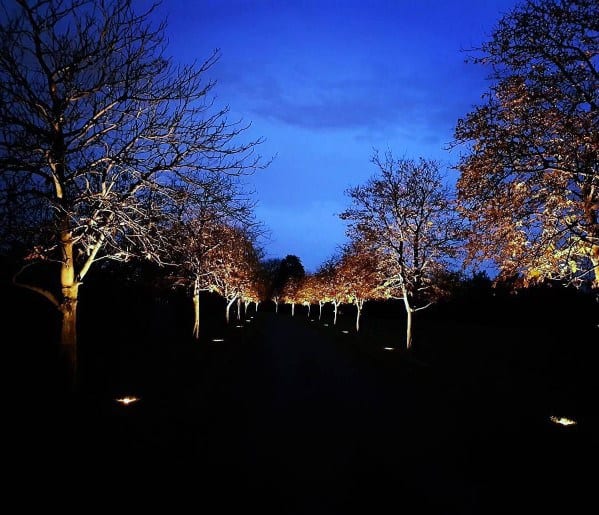
Uplighting for Trees and Foliage
- Lighting Type: Landscape uplights.
- Best For: Highlighting trees and landscaping features along the driveway to create dramatic effects.
- Placement: Position lights at the base of trees, spaced about 4-6 feet apart, angled to light the branches and trunks.
- Brightness: Use 100-300 lumens for uplighting trees to create visual impact.
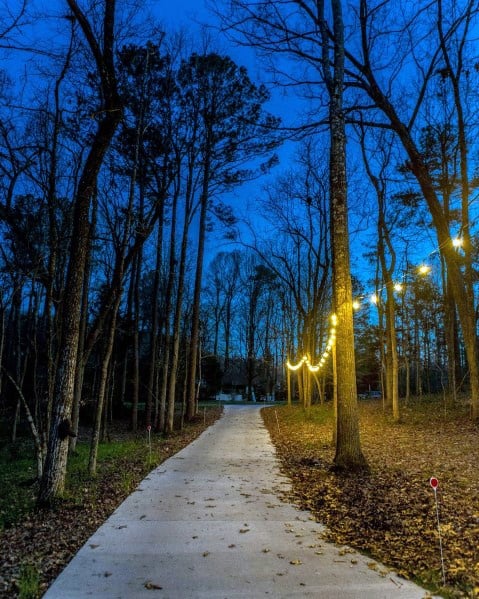
String or Rope Lighting
- Lighting Type: Warm string lights or rope lights.
- Best For: Creating a cozy, festive feel. Perfect for longer or winding driveways.
- Placement: Along fences, trees, or walls; space lights about 3-4 feet apart for even coverage.
- Brightness: 20-50 lumens for softer, ambient lighting.
Accent Lights for Features
- Lighting Type: Accent spotlights or small flood lights.
- Best For: Focusing on specific features like the driveway entrance, stone walls, or plants.
- Placement: Spotlights should be placed closer to the feature, about 2-3 feet apart for sharp focus.
- Brightness: 100-200 lumens for spotlighting features.
Lighting Strength and Distance Between Lights
- Strength: The brightness you choose will depend on how much illumination you need. For general pathway lighting, 50-100 lumens per light is enough. If you want to highlight features or create dramatic effects, you can go for 200-300 lumens. Solar lights tend to have lower output, so placing more lights is recommended to maintain visibility.
- Distance Between Lights: The typical distance between lights should be around 4-8 feet, depending on the light’s intensity. For stronger lights, you can place them farther apart. For softer lighting, position them closer together to avoid dark spots.
Solar Driveway Lights: Pros and Cons
Pros
- Eco-friendly: Solar lights are powered by the sun, reducing electricity usage.
- Easy installation: No wiring is required, making them easy to install.
- Cost-effective: Once installed, they don’t cost anything to run.
Cons
- Lower brightness: Solar lights are generally less bright compared to wired options.
- Sunlight dependency: Solar lights need ample direct sunlight to function properly; if the area is too shaded, they may not work efficiently.
Tips for Choosing the Best Driveway Lighting
- Consider the driveway layout: If you have curves or uneven terrain, ensure the lights provide adequate illumination without creating dark spots.
- Mix lighting types: Use a combination of path lights, uplights, and ambient lighting to enhance both safety and aesthetics.
- Choose warm light tones: Use warm white (2700-3000K) lights to create a welcoming and cozy ambiance, especially for home driveways.
- Focus on energy efficiency: Opt for LED lights, which are more energy-efficient and last longer than traditional bulbs.
- Use dimmer options: For flexibility, consider dimmable lights to adjust brightness based on needs.
- Weatherproof lights: Ensure the lights are designed for outdoor use and are weather-resistant, especially for solar and in-ground lighting.