
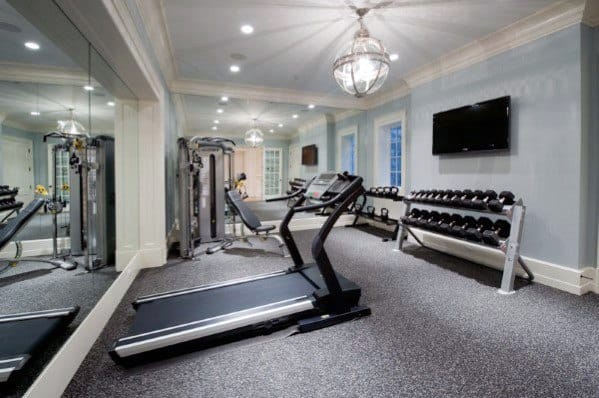
Choosing the right home gym flooring is essential for comfort, safety, and performance. Whether you’re doing high-impact cardio or yoga, selecting durable, shock-absorbing materials like rubber or foam can protect your subfloor and enhance your workout experience.
We’ve gathered a range of flooring options to fit different needs, preferences, and budgets, ensuring your space is both functional and stylish. Let’s explore the best options to create a supportive, inspiring home gym environment.
Best Flooring Options for a Home Gym
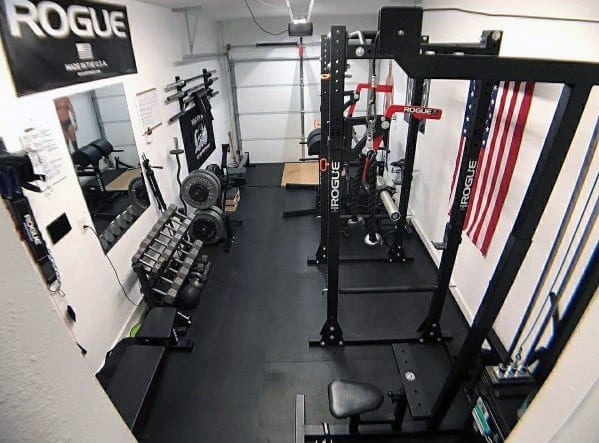
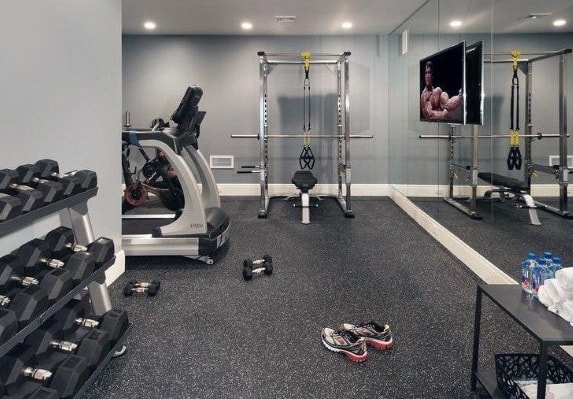
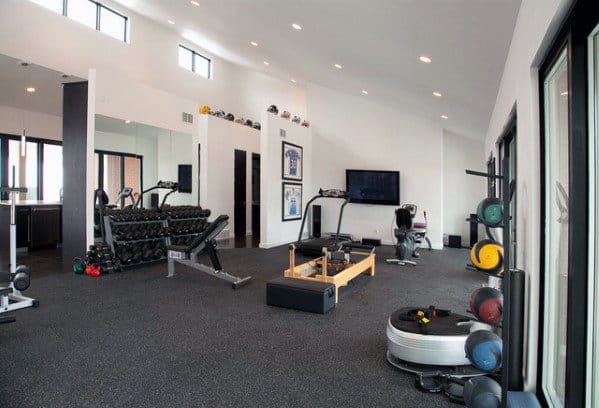
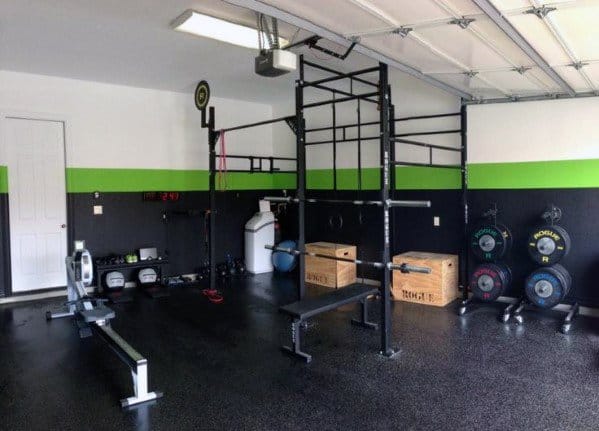
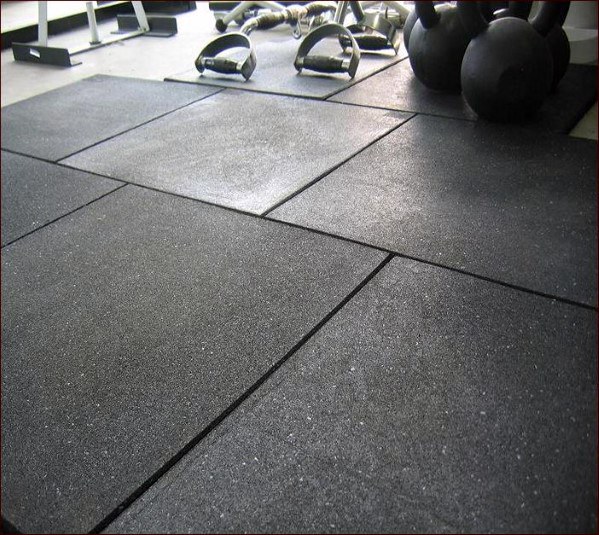
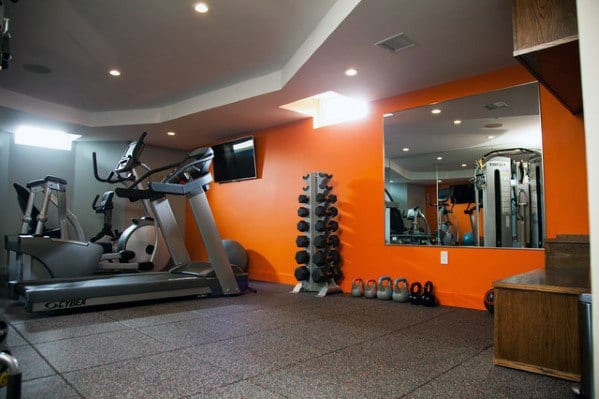
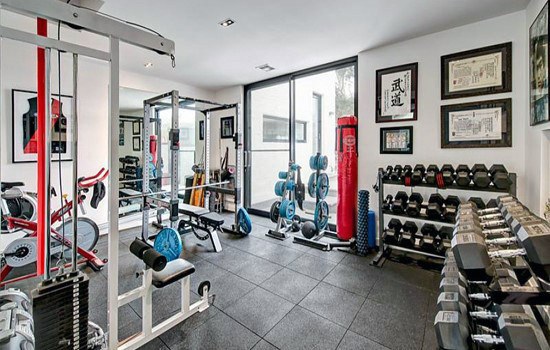
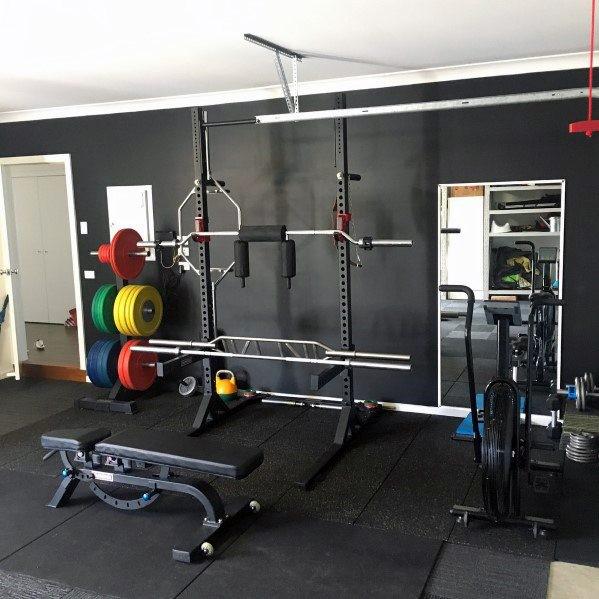
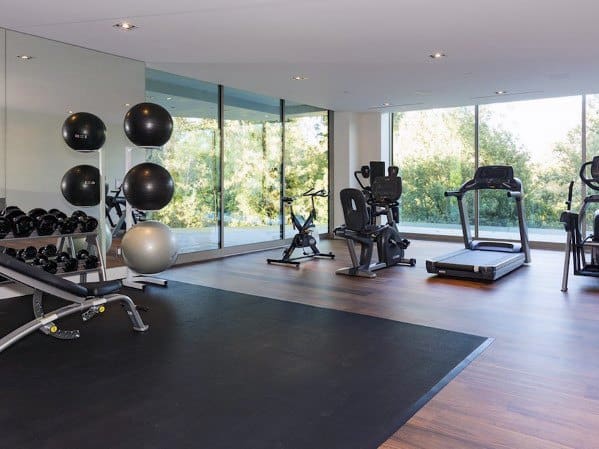
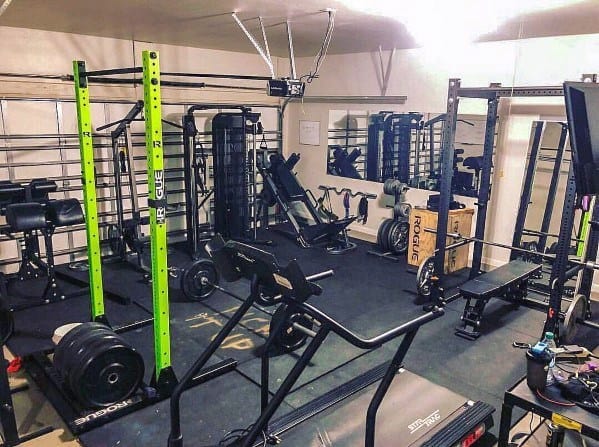
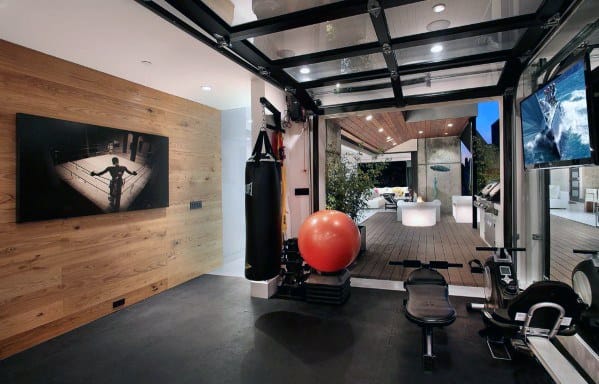
Rubber Flooring
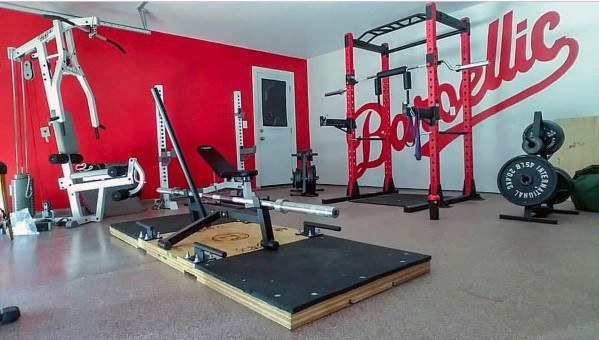
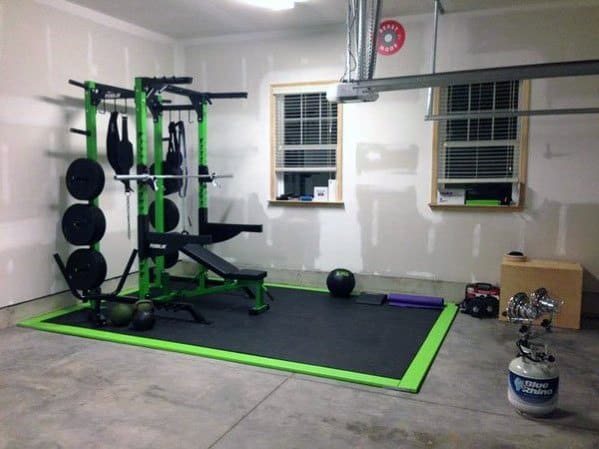
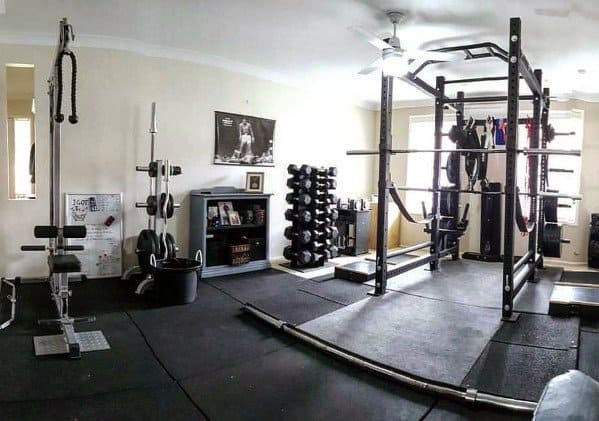
Material: Rubber is durable, shock-absorbent, and slip-resistant, making it ideal for areas with heavy equipment or high-impact exercises.
Installation: Rubber tiles or rolls are easy to install and can be cut to fit your space. Ensure the floor is clean and dry before installation to prevent slipping.
Foam Tiles
Material: Foam tiles are lightweight, soft, and provide cushioning for activities like yoga or bodyweight exercises. They come in interlocking tiles, making them easy to replace if damaged.
Installation: Lay foam tiles on a smooth, level surface to prevent shifting. Ensure the seams are tightly connected to avoid tripping hazards.
Vinyl Flooring
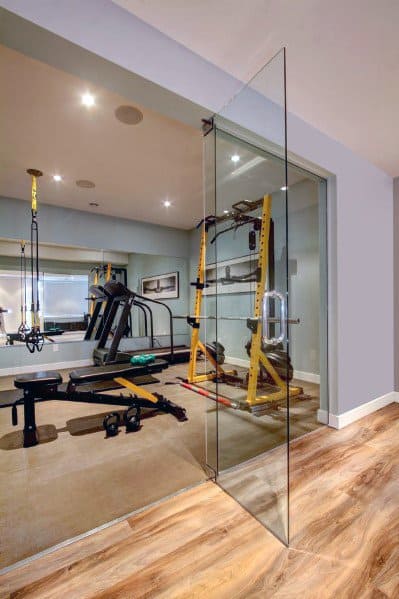
Material: Vinyl is water-resistant, easy to clean, and offers a smooth surface for low-impact exercises. It also comes in various designs and patterns.
Installation: Vinyl can be installed as planks or rolls. For a seamless look, opt for glue-down or click-lock vinyl installation methods. Make sure to properly seal edges to prevent water damage.
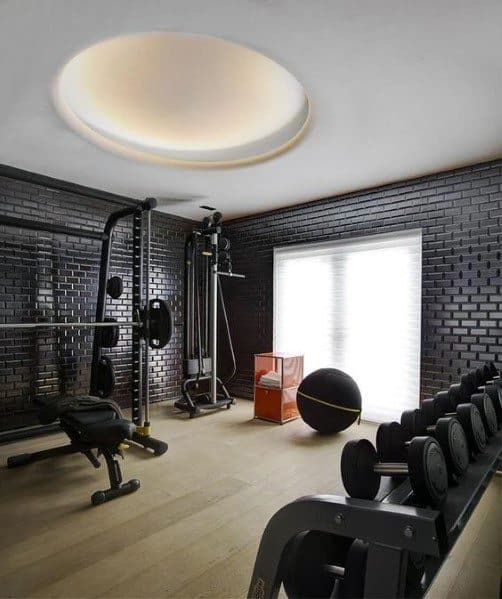
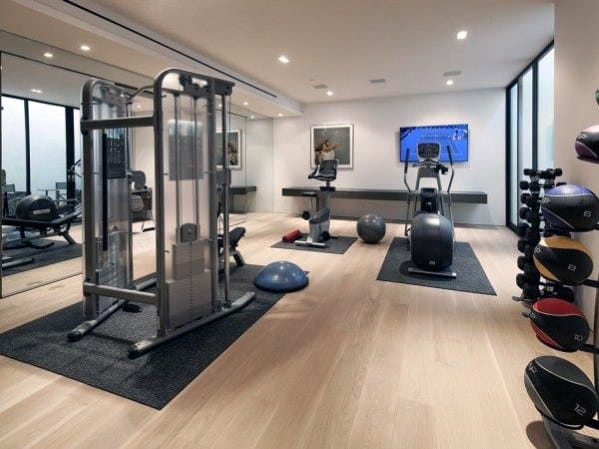
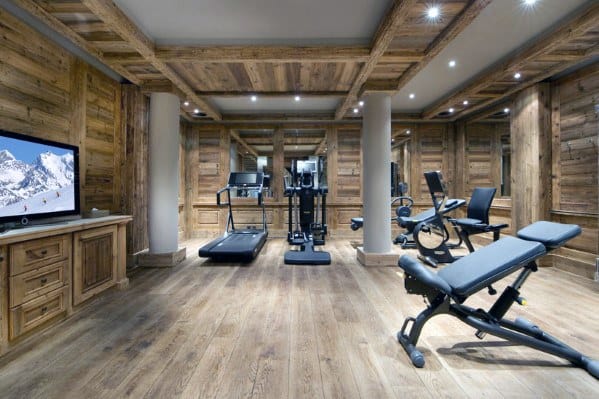
Hardwood Flooring
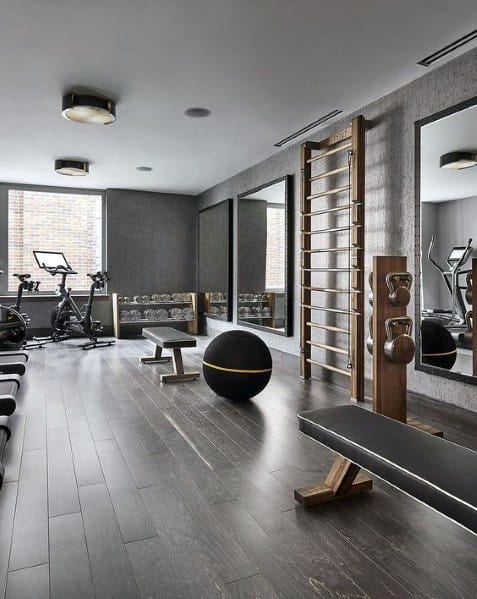
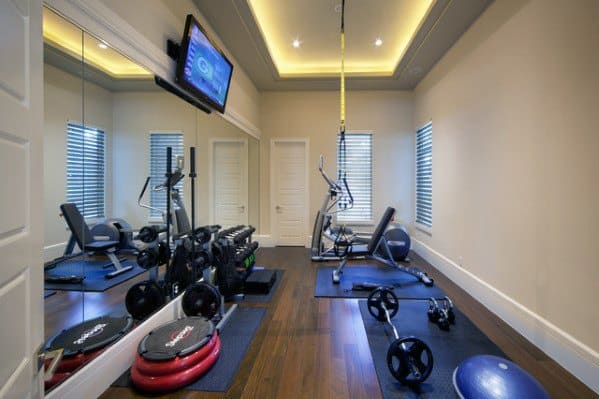
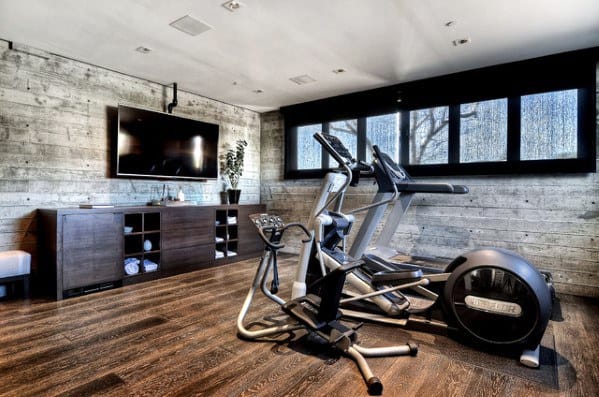
Material: Hardwood is stylish and great for low-impact activities like pilates, stretching, or light weightlifting. However, it can be prone to scratches and dents.
Installation: Use a protective mat under heavy equipment to prevent damage. Consider adding a non-slip area rug for added safety.
Cork Flooring
Material: Cork is eco-friendly, cushioned, and absorbs noise, making it great for home gyms in shared spaces. It’s also antimicrobial and easy to maintain.
Installation: Cork planks or tiles are typically easy to install with glue or interlocking systems. Ensure the surface is clean and dry before installation.
Interlocking Tiles (Carpet Tiles or Gym Mats)
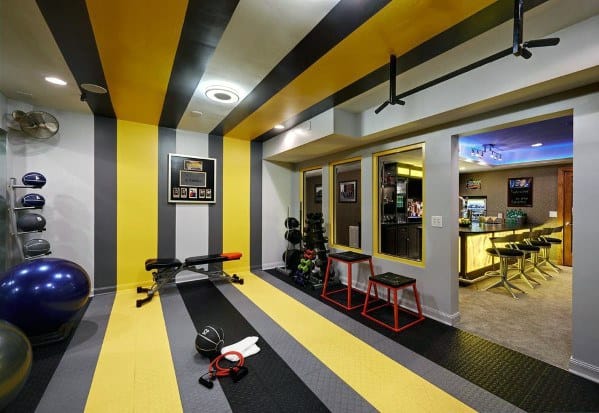
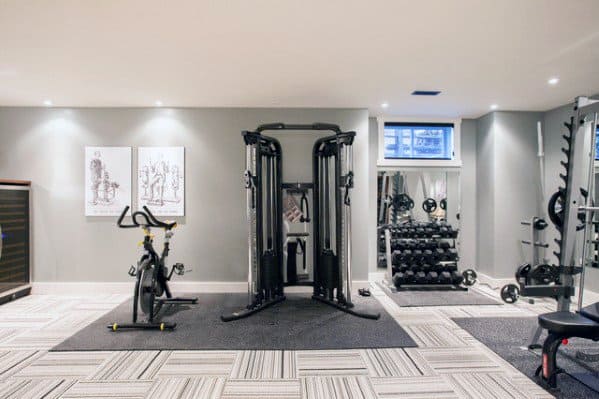
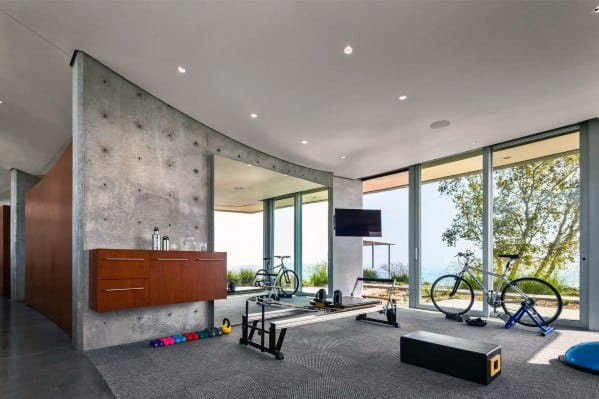
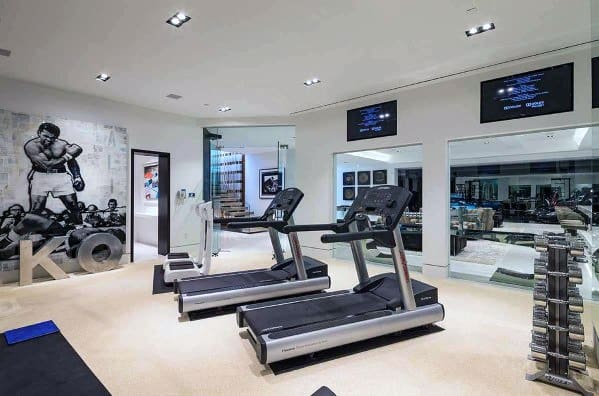
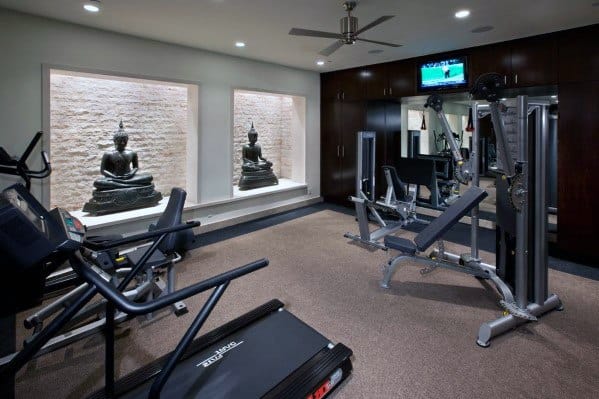
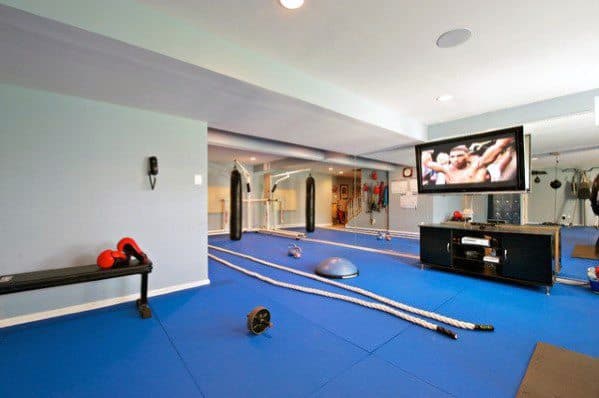
Material: Carpet tiles are soft and can be a good choice for home gyms focused on cardio or stretching, while gym mats offer firm support for strength training.
Installation: Interlocking tiles are user-friendly and can be rearranged or replaced if needed. Make sure they fit snugly together to avoid gaps.
Installation Tips
- Level the Surface: Ensure the floor beneath your chosen material is level and clean to prevent uneven spots that could lead to injury or floor damage.
- Padding and Underlayment: If you’re installing hard flooring (like vinyl or hardwood), consider using a padded underlayment to add shock absorption and improve comfort.
- Edge Protection: For roll-out floors like rubber or vinyl, secure the edges with adhesive or trims to avoid curling.
- Maintenance: Regular cleaning and inspection are key to maintaining floor longevity. Choose a floor that’s easy to clean and resistant to stains or wear.
FAQs
What is the best gym floor material for high-impact workouts?
For high-impact workouts, such as weightlifting or plyometrics, rubber flooring is an excellent choice. Rubber gym floors provide superior shock absorption, reducing the impact on joints and minimizing the risk of injuries. Its resilience helps protect both the floor underneath and the exercise equipment, making it a durable and cost-effective option for busy fitness spaces. Look for high-density rubber flooring with interlocking tiles for easy installation and added stability during intense workouts.
How do I maintain and clean my gym floor properly?
Proper maintenance and cleaning are essential to prolong the life and appearance of your gym floor. Regularly sweep or vacuum the floor to remove dust, dirt, and debris. For rubber and vinyl floors, use a mild pH-balanced cleaner mixed with water and mop the surface. Avoid harsh chemicals or abrasive scrubbers that may damage the flooring. In the case of hardwood floors, use a specialized wood floor cleaner and a soft mop. Promptly address spills and avoid excessive moisture to prevent warping or mold growth. Place protective mats under heavy equipment to prevent indentations or scratches.
Can I use gym flooring in other areas of my home?
Yes, gym flooring can be versatile and used in various areas of your home. Interlocking rubber or foam tiles can be easily laid in home gyms, playrooms, or basement areas to create a shock-absorbent and safe surface. Hardwood gym flooring can also add a touch of elegance and durability to other living spaces or home offices. Vinyl gym flooring, with its water-resistant properties, can be a practical option for bathrooms or laundry rooms. Consider the specific needs and aesthetic preferences of each area, and choose the appropriate gym flooring material accordingly.