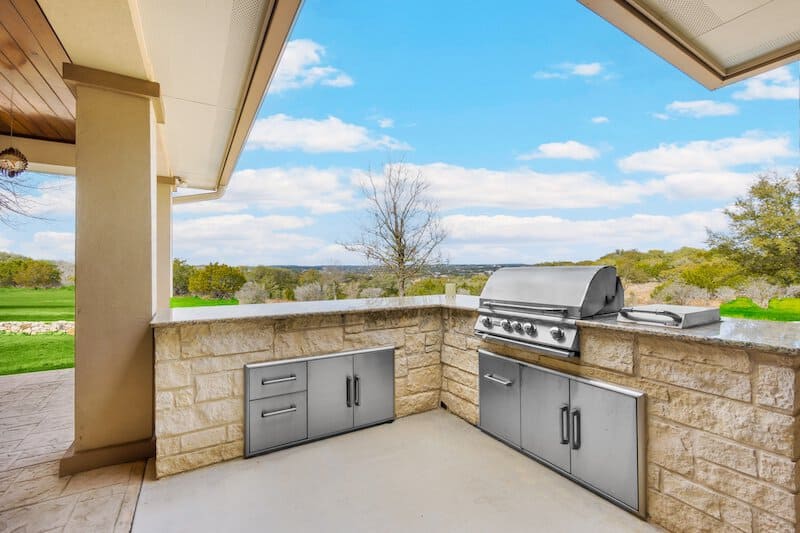

For true barbecue enthusiasts, grilling season never ends, but summer is when it truly shines. Elevate your outdoor cooking game with built-in grill ideas that add both style and functionality to your backyard. Whether it’s a rustic stone setup, a Tuscan-inspired design, or a cabana-style grill, these ideas transform your grilling space into a culinary sanctuary.
1. Crafted Stonework Elegance
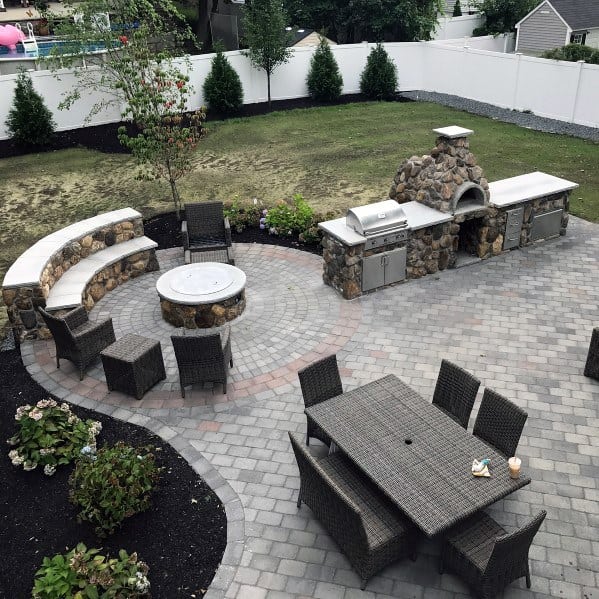
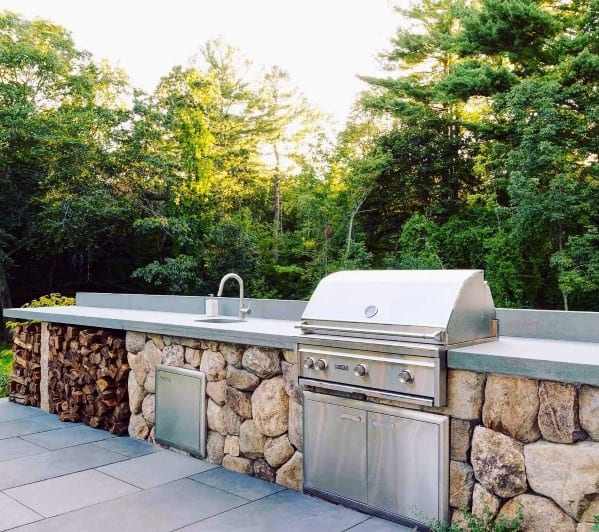
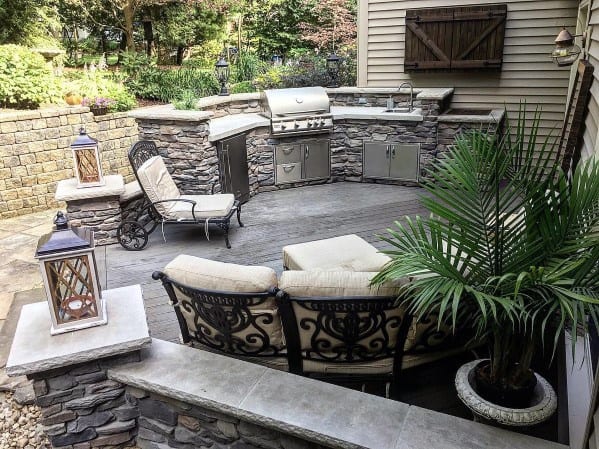
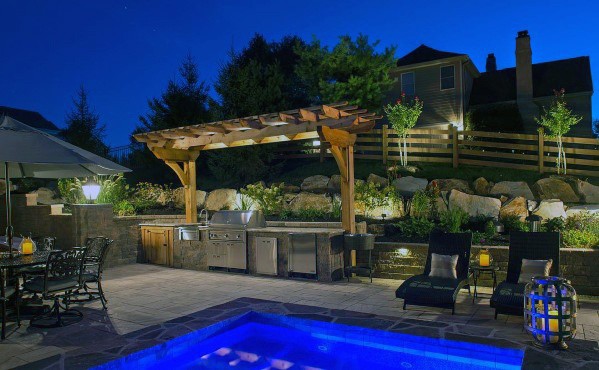
2. Timeless Brick BBQ Charm
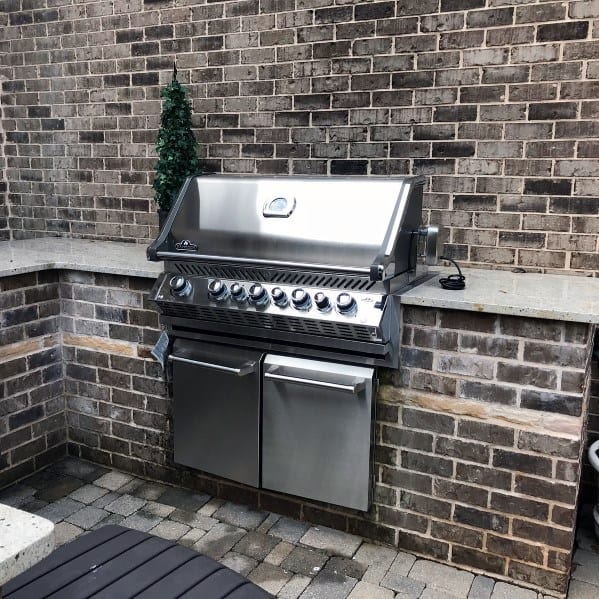
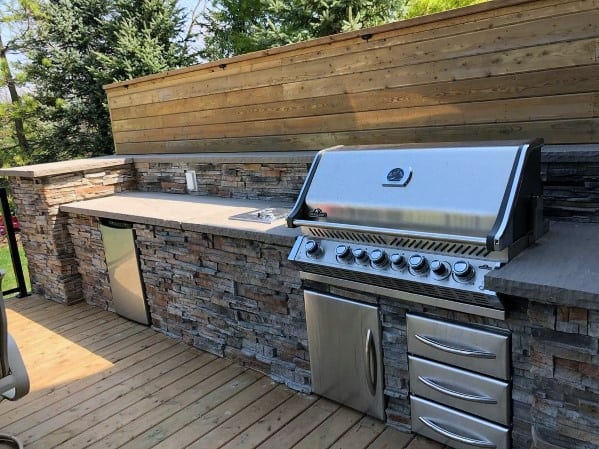
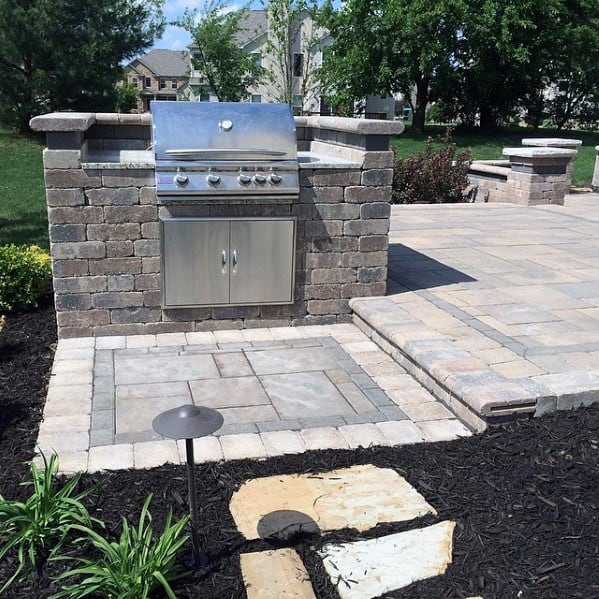
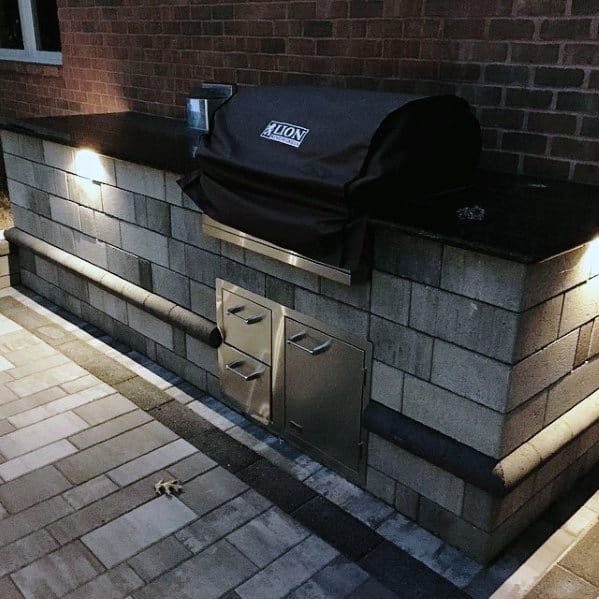
3. Low-Maintenance Concrete Concepts
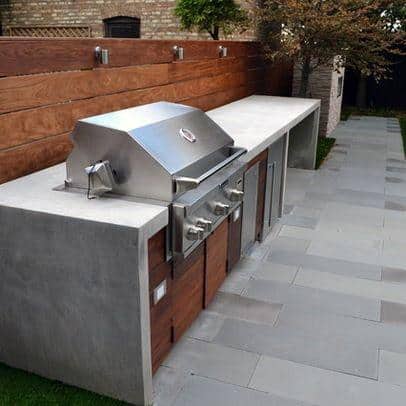
4. Sleek Contemporary Functionality
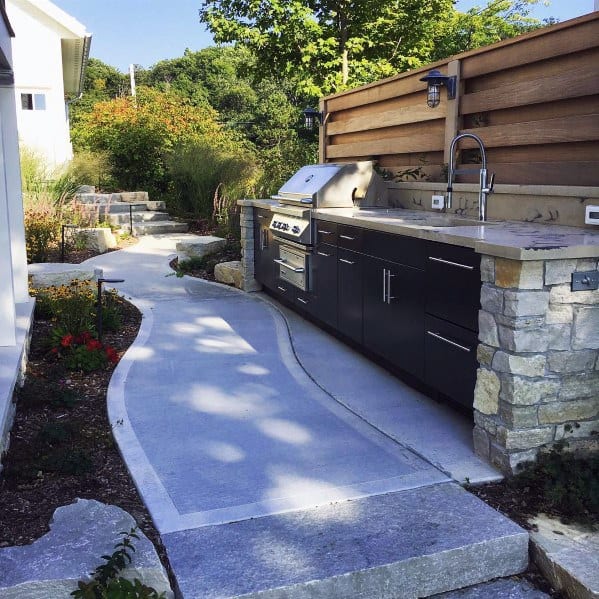
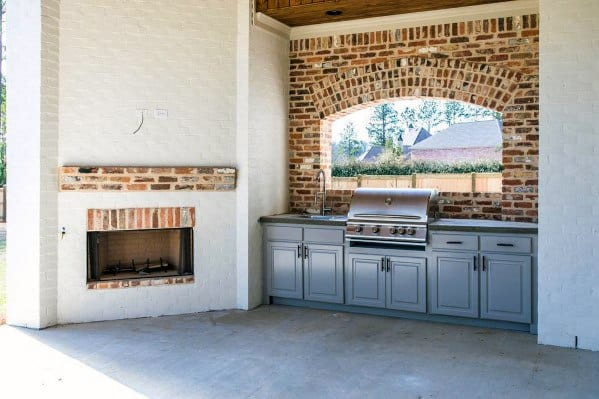
5. Rustic Cobblestone Built-In Grill Ideas
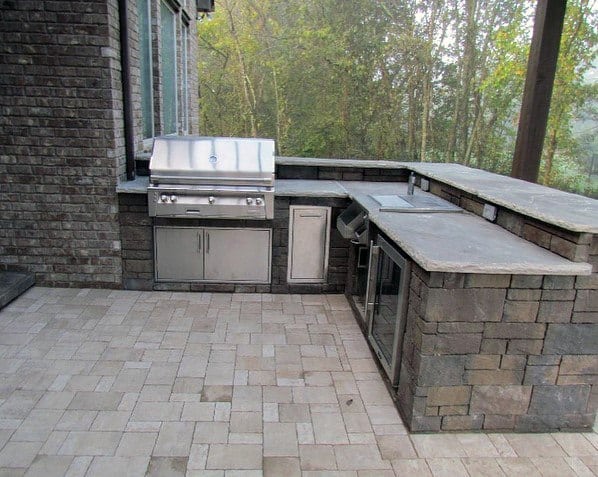
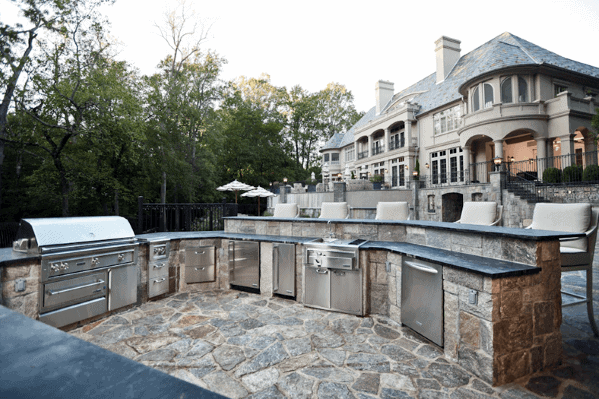
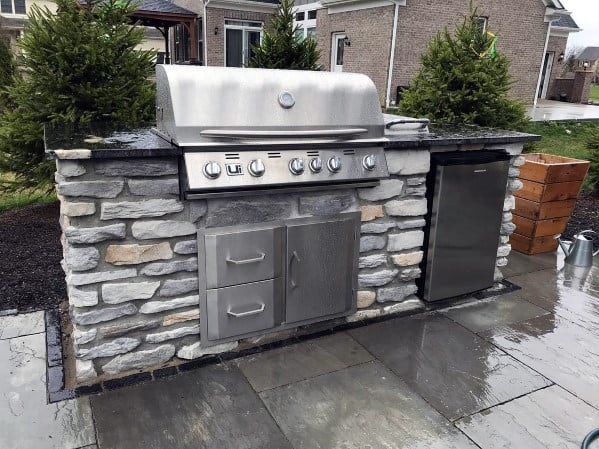
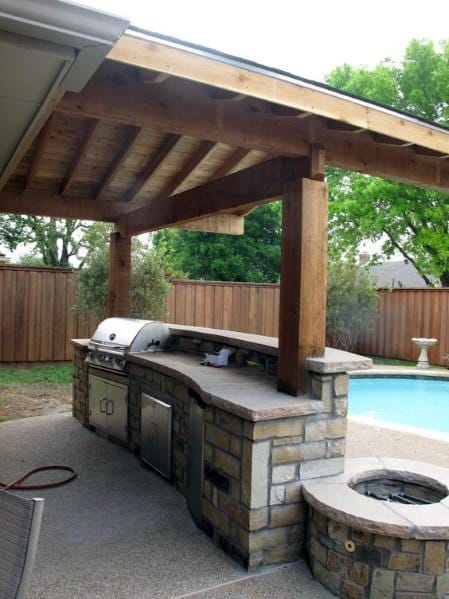
6. Entertaining Excellence
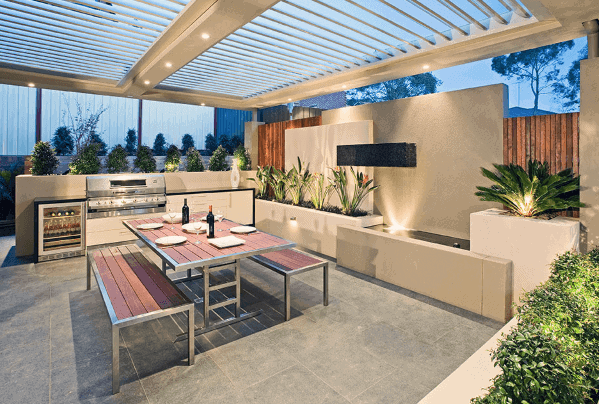
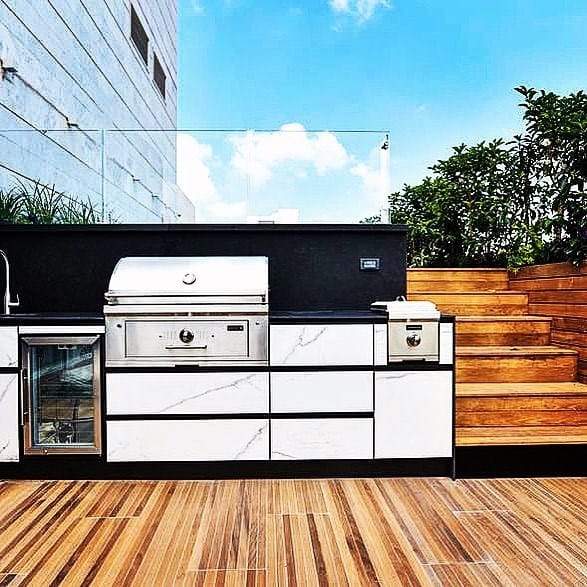
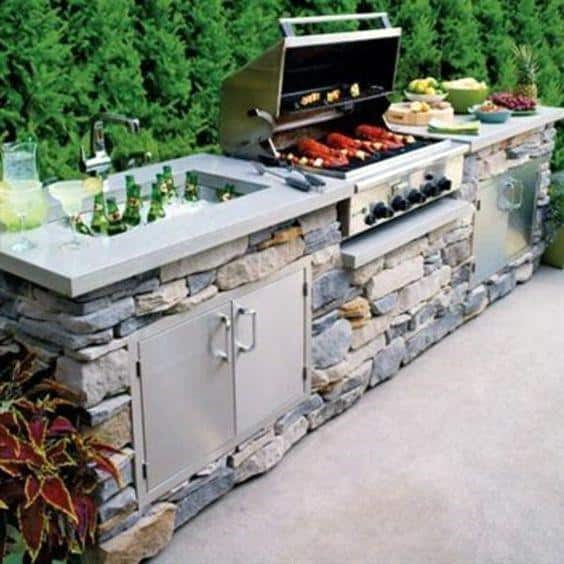
7. Stylish Comfort
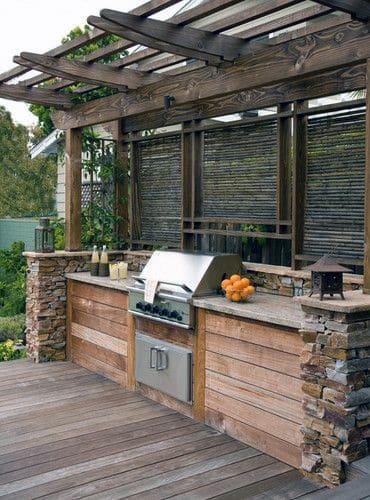
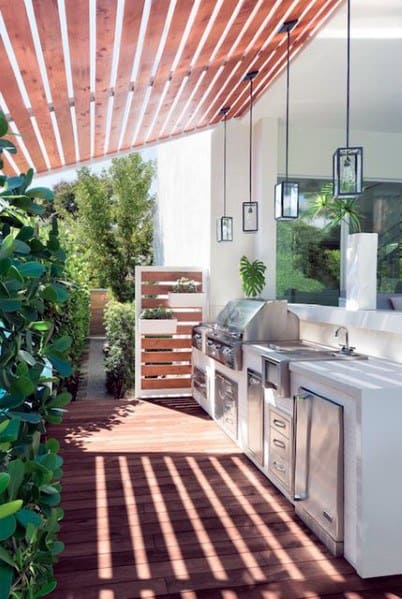
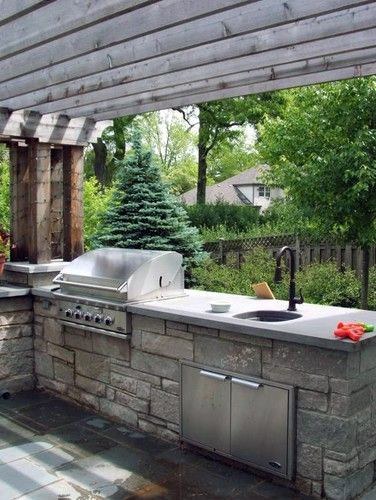
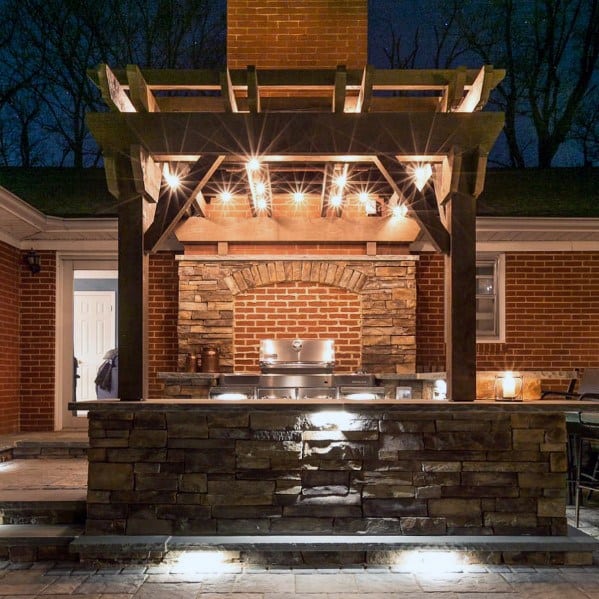
8. Modern Flair
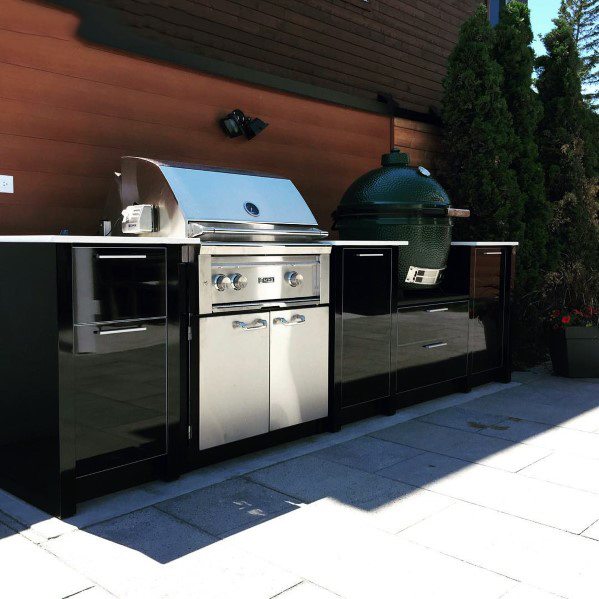
9. Outdoor Haven
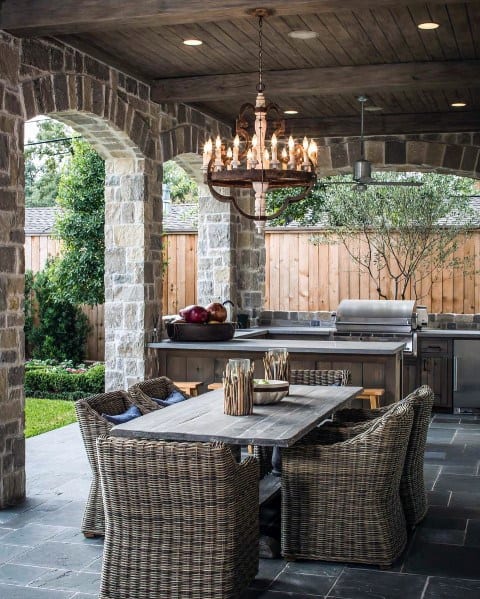
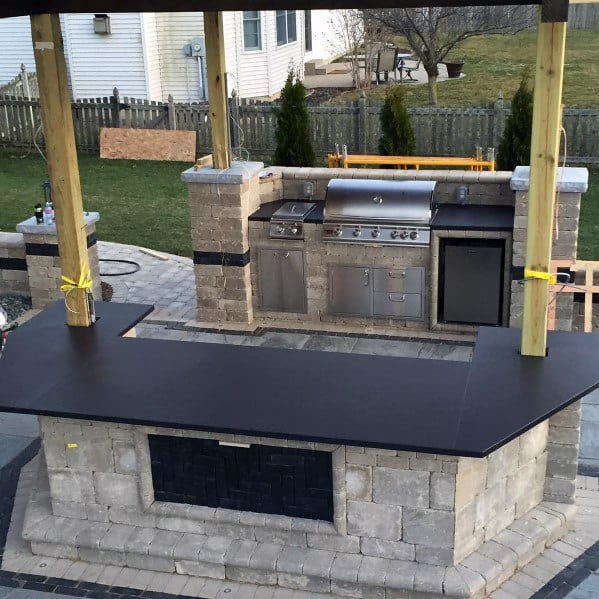
10. Space Optimization
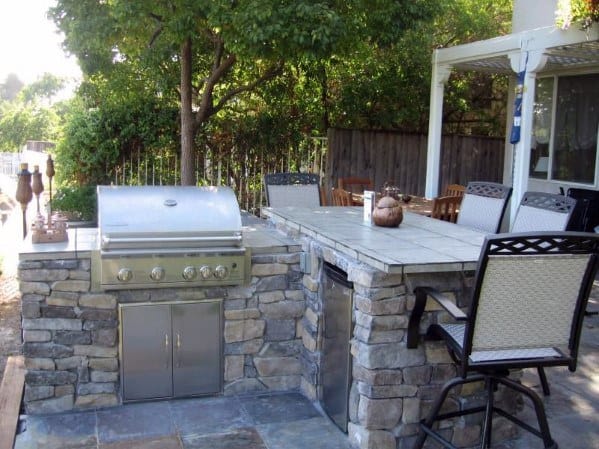
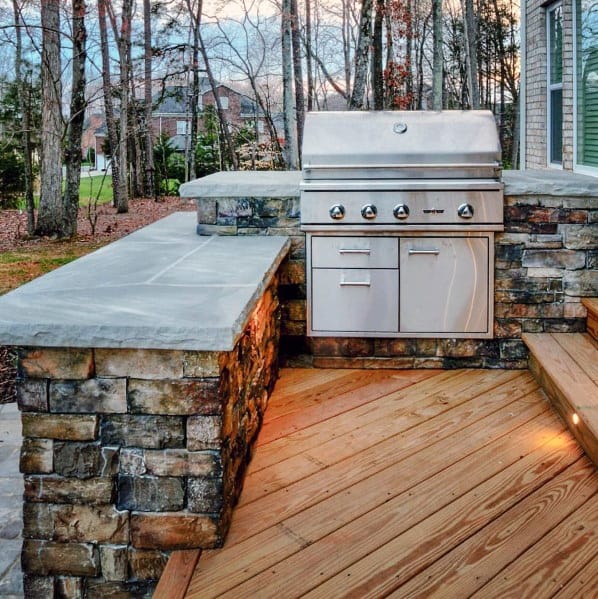
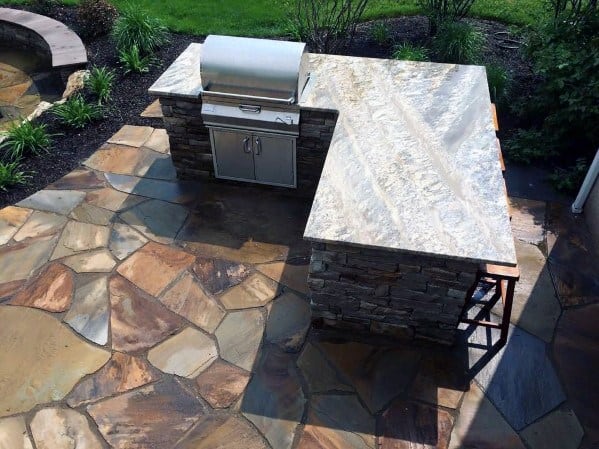
11. Seamless Social Hub
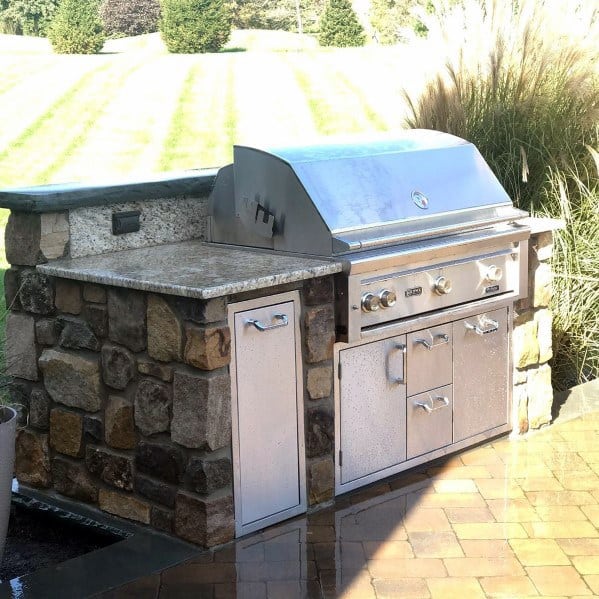
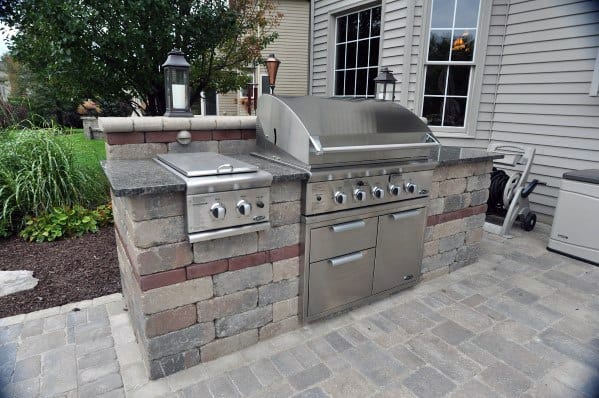
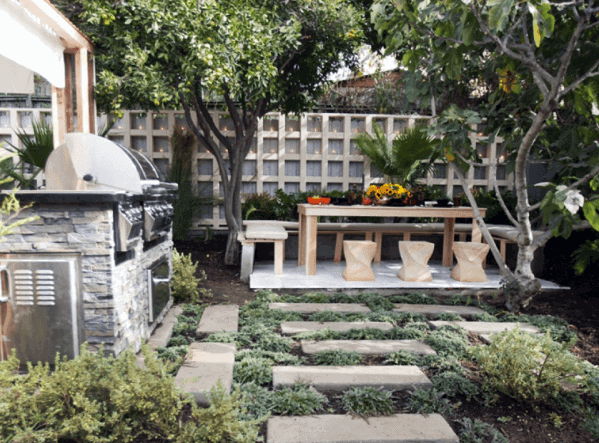
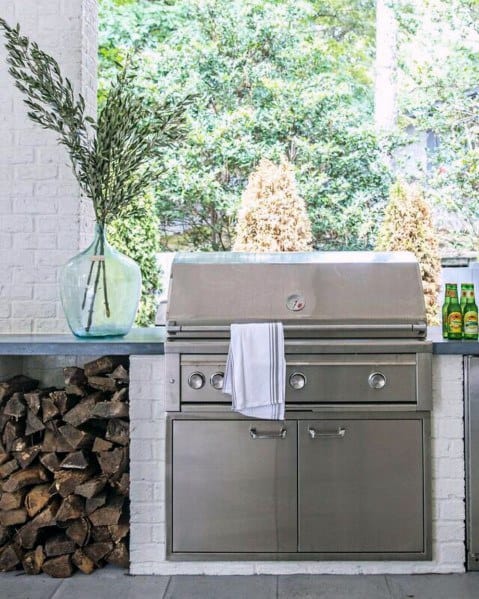
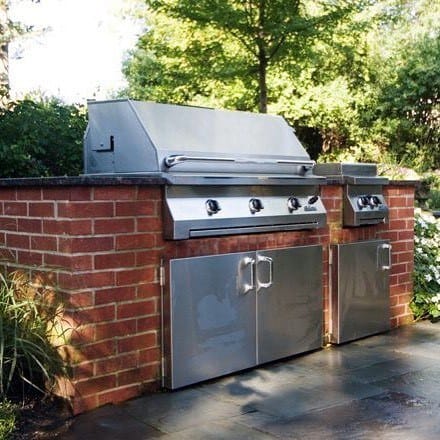
12. Culinary Fusion
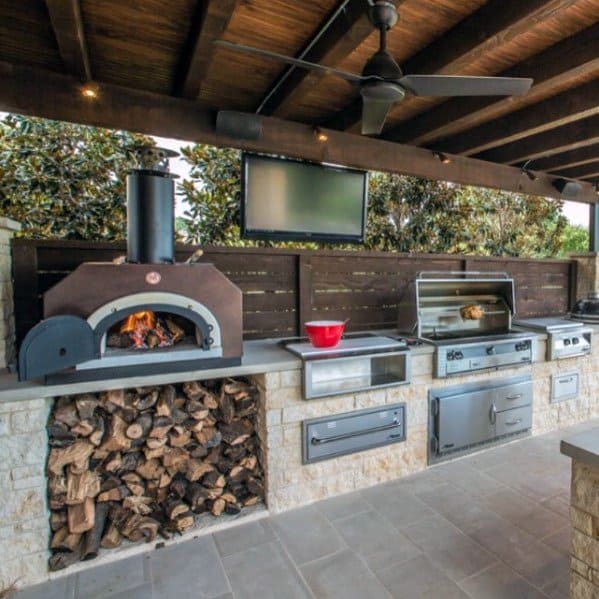
13. Ultimate Convenience
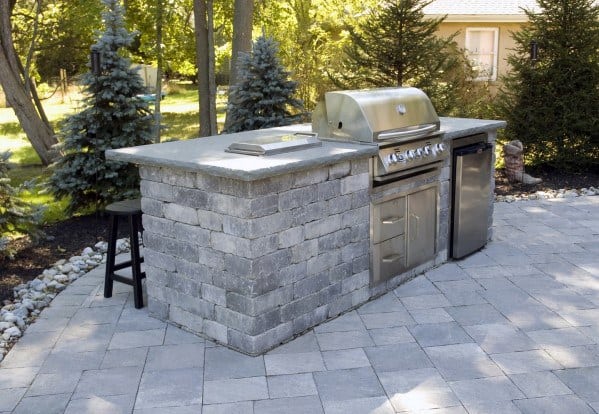
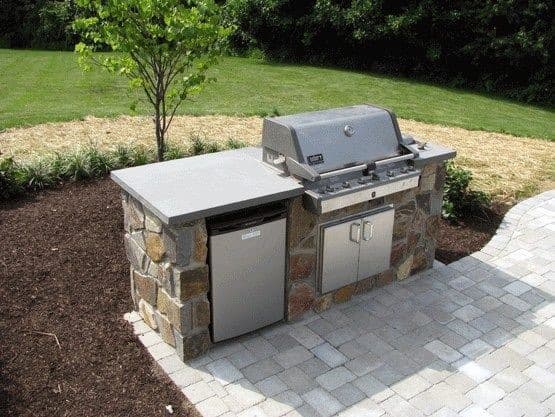
14. Aesthetic Accents
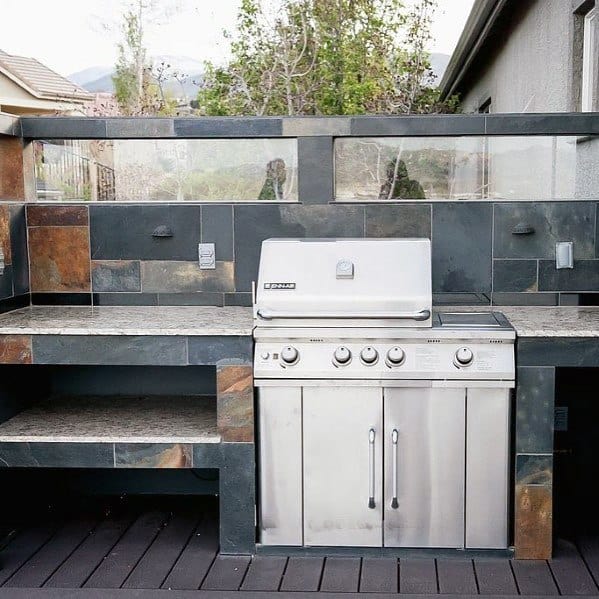
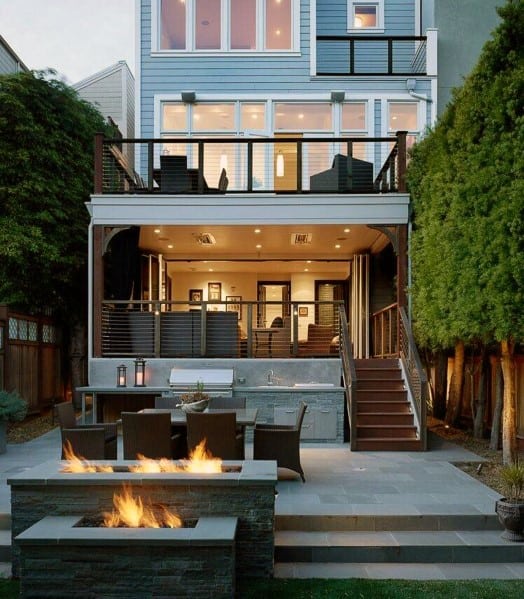
15. Culinary Zone Redefined
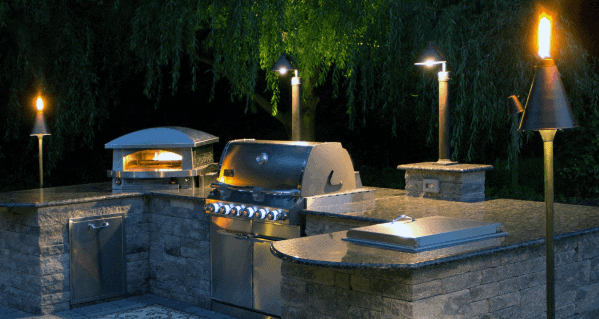
16. Eco-Friendly Cooking
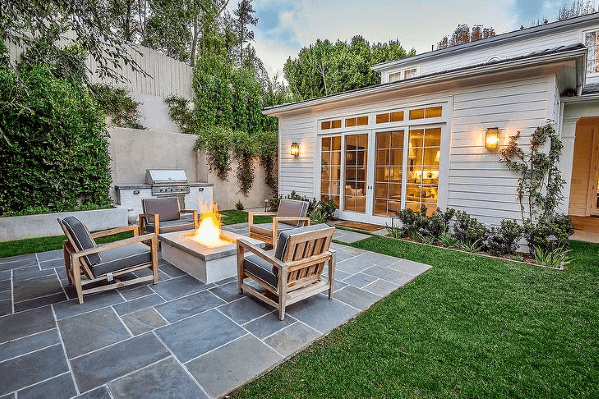
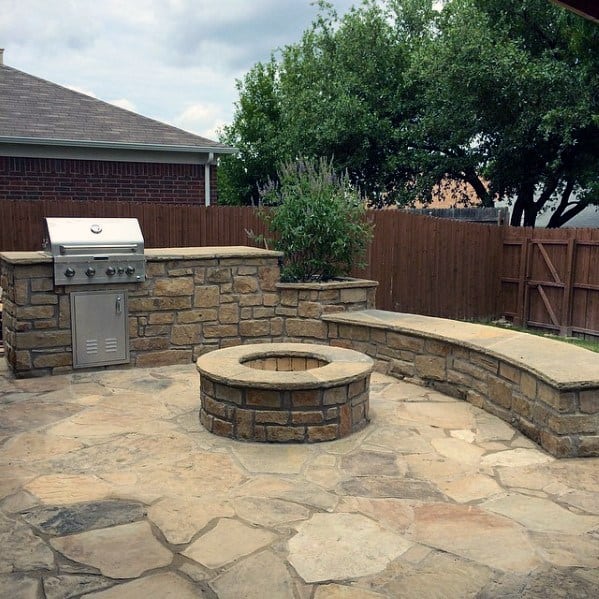
17. Wooden Allure
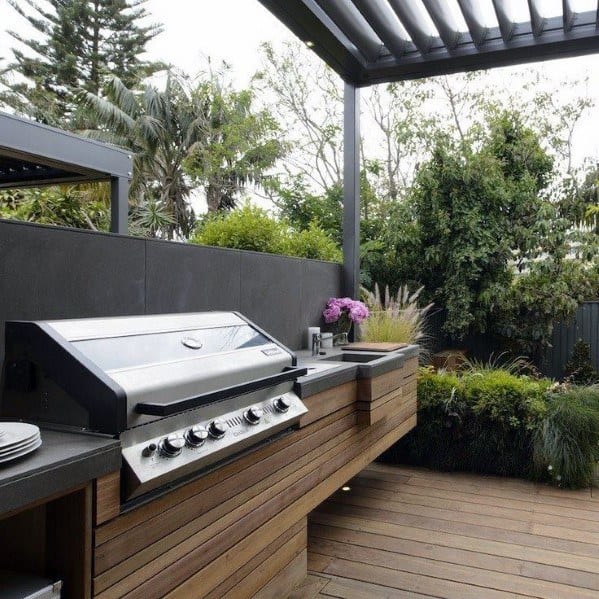
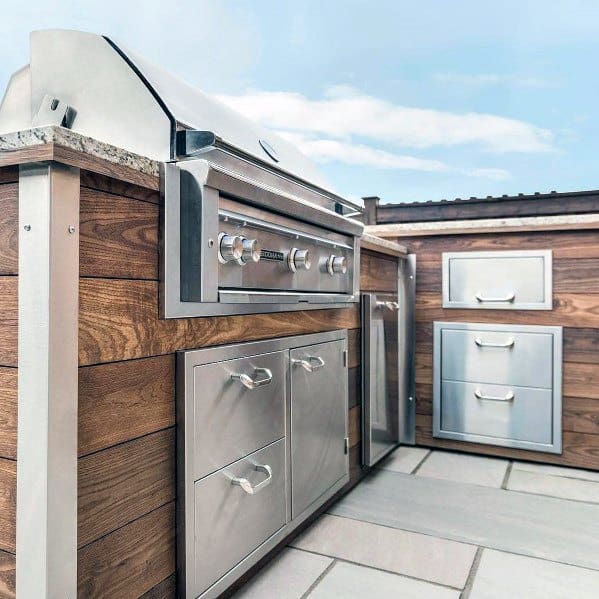
18. Modern Modular Marvels
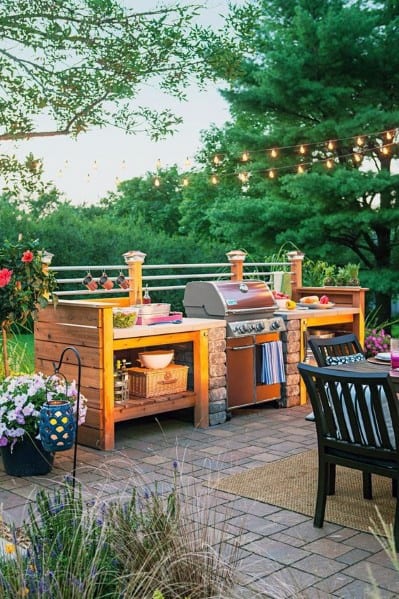
Considerations for Building a Built-In Grill
Location and Layout
Choose a location that’s safe, accessible, and integrates well with your outdoor space. Ensure proper clearance from flammable materials and structures.
Material Selection
Use durable materials like stainless steel for the grill and stone, brick, or concrete for the surrounding structure to withstand outdoor conditions.
Utilities Access
Plan for gas, electricity, or water lines if needed, ensuring they comply with local codes.
Ventilation
Proper ventilation is crucial to prevent smoke buildup. Install vents if the grill is enclosed or under a covered patio.
Budget and Design
Decide on a design that fits your budget and complements your outdoor aesthetic.
FAQs
How much does it cost to build an outdoor grill area?
The cost varies widely depending on size, materials, and features:
- Basic Setup: $500–$1,500 (simple stone or concrete base with a basic grill).
- Mid-Range Build: $3,000–$6,000 (includes a built-in grill, countertop, and storage).
- High-End Outdoor Kitchens: $10,000+ (includes premium materials, appliances, and features like sinks or refrigerators).
Can you turn any grill into a built-in?
Not all grills can be turned into built-ins. Freestanding grills lack the proper insulation and design for built-in setups. However, some freestanding grills can be modified if they have sufficient heat shielding and are compatible with enclosures. Check the manufacturer’s guidelines before using your freestanding grill this way.
How long do built-in grills last?
High-quality built-in grills can last 10–20 years or more with proper maintenance. Factors like material quality, frequency of use, and environmental conditions can impact longevity.
Do you need a vent for a built-in grill?
Yes, ventilation is essential for built-in grills to ensure safety and proper airflow. Install vent panels on all sides of the enclosure to prevent gas buildup and heat retention.
Do built-in grills need to be covered?
While built-in grills are designed for outdoor use, using a cover protects them from debris, weather, and corrosion, extending their lifespan. Always cover your grill when not in use, especially in harsh climates.
Are built-in grills a suitable choice for small outdoor spaces?
Absolutely! Built-in grills can be tailored to fit various outdoor areas, including smaller spaces. Opt for compact designs or consider integrating grills into existing structures like counters or islands. These setups maximize functionality without sacrificing the aesthetics of your space.
Can I incorporate a grill with a pergola in a contemporary setting?
Of course. Combining a grill with a pergola can create a striking juxtaposition of modern and natural elements. Opt for sleek, minimalist designs for both the grill and the pergola to maintain a contemporary aesthetic. Incorporate materials like metal and glass to complement the overall modern theme.
What are the advantages of brick barbecues over other materials?
Brick barbecues offer a classic and durable option. The thermal properties of brick make it an excellent heat retainer, ensuring even cooking. Additionally, the rustic charm of brick adds a timeless aesthetic to your outdoor area. However, it’s essential to ensure proper maintenance to prevent cracking and ensure longevity.