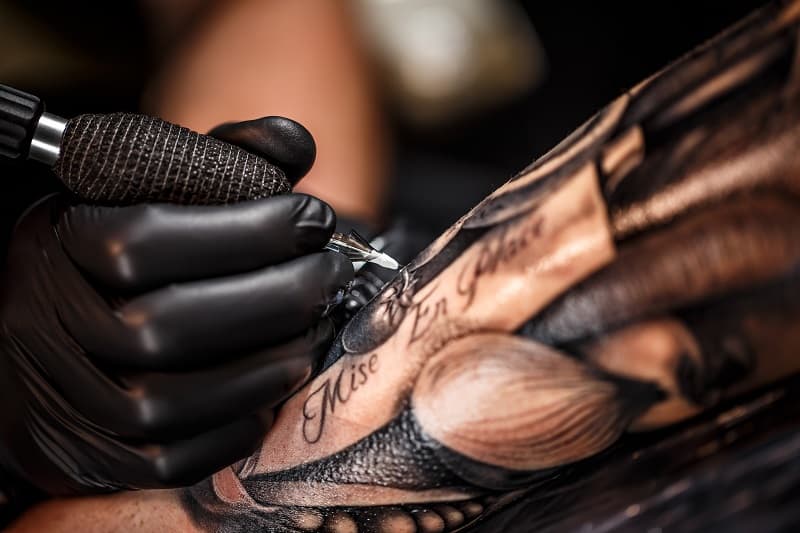

Tattoo artists have to follow precise procedures to limit blood borne pathogens, it’s what they’re licensed to do. However, when it comes to tattoo aftercare, ultimately each artist is responsible for their client’s safety and satisfaction. It’s a good reason as to why most tattoo aftercare tips and advice tends to greatly vary shop by shop.
The truth is, not everyone agrees 100% on what works to heal a tattoo properly and what doesn’t. At least there is one thing we can all agree on: All tattoos are skin abrasions with lots of blood, plasma and ink oozing it’s way on out!
The following article frames a definitive aftercare guide that you can trust. From industry-leading artists, to scientific findings, dermatologists and countless interviews, this guide is based on fact and first-hand experience.
[see_more_about title=”How Long Does it Take A Tattoo to Heal?” link=”https://nl.jahaweb.com/mens-style-and-fashion/how-long-does-it-take-a-tattoo-to-heal/”]
How to Take Care of a New Tattoo
1. Remove the bandage
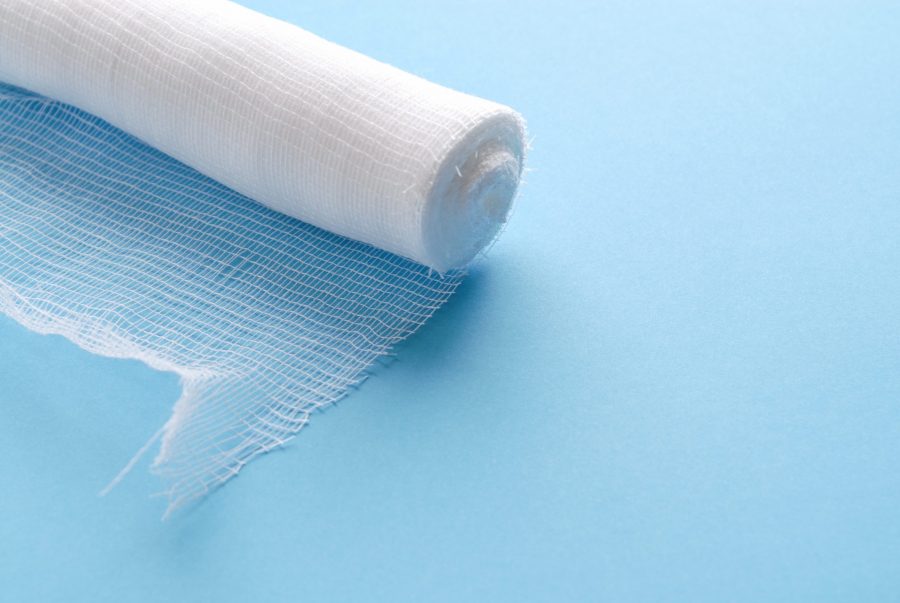
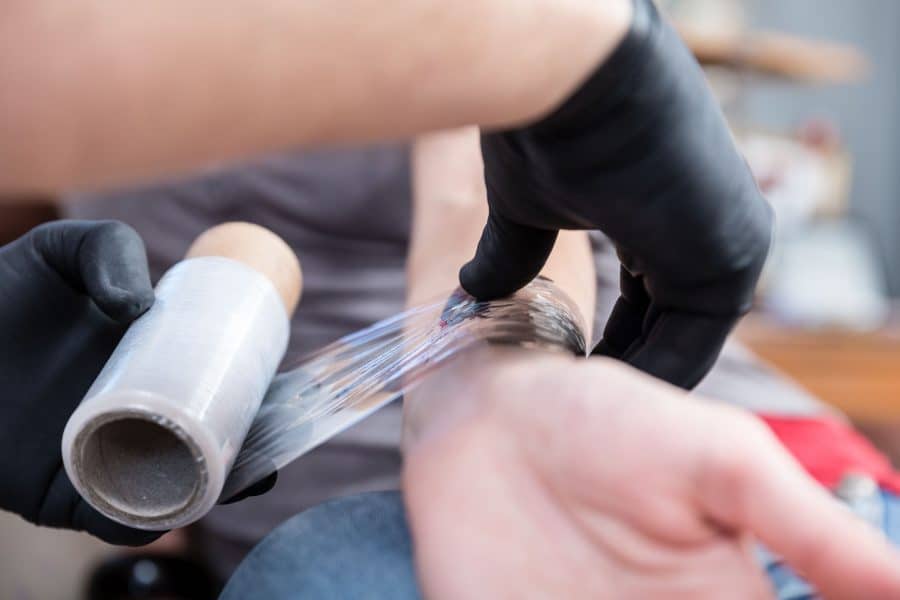
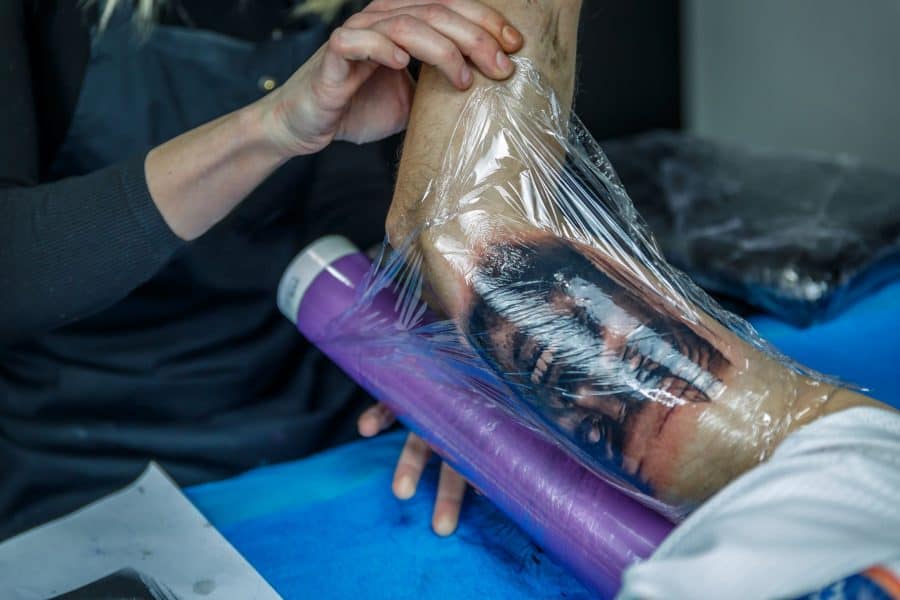
Tattoo bandages are a simple part of the tattoo healing process that can be confusing for inexperienced ink enthusiasts, or those looking to use a new tattoo aftercare method. Wait a minimum of 2 to 3 hours before taking off your initial bandage. Different artists will recommend a longer time before removing your bandage.
If your tattoo is wrapped up in cling film and green soap, it’s simple just to remove the tape and take the plastic away from the tattoo. For adhesive plastics you need to operate with a great deal more care.
Work slowly and gently because if you’re not careful, the covering may stick to the skin and cause ink to drop out. Whichever type of bandage is being used, make sure make sure your hands have been cleaned thoroughly before you attempt to remove the bandage.
2. Clean your new tattoo
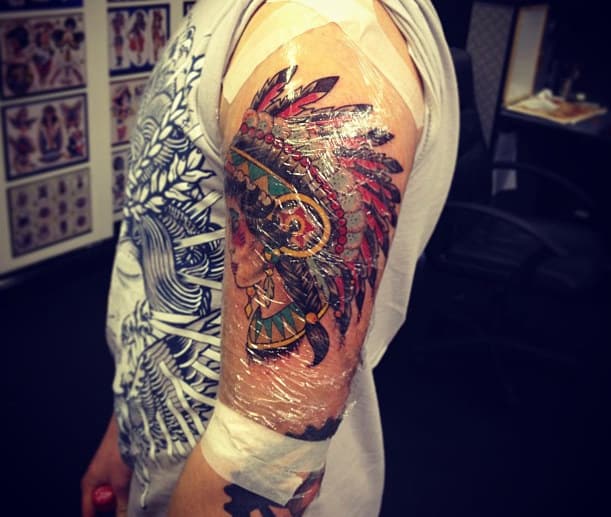
After removing your bandage, you’ll want to clean the freshly tattooed area with warm water and an antibacterial soap. This will not be an enjoyable process but it’s the critical first step in tattoo healing.
The key here is to loosen up any dried lymph and coagulated blood. Do so with your finger tips and soapy water but avoid getting your new tattoo soaked or drenched. That means no bath tubs, pools, hot tubs, etc. Even if it’s a chlorinated pool, avoid it!
Ensure you wash thoroughly but gently to ensure you have removed all the dried lymph, coagulated blood and excess ink. Understand, that if you fail to remove these, you can set yourself up for possible infection or scabbing and a rougher healing process.
Often, generic bars of soap will be loaded with fragrances, parabens and other things that can work against your healing skin, especially if you have a sensitive skin type. It’s recommended that you use the best possible antibacterial soaps or products designed specifically for use in tattoo healing.
Before letting your hands touch your tattoo, deep clean them! Don’t just wash them for five seconds. Get soap everywhere into the knuckles, palm, fingertips, etc.
3. Dry your tattoo
Pat dry with a towel or soft wash cloth. You can also use a paper towel as well. The overall key here is to be gentle, don’t scrub! Never use an old towel that’s lying around, ensure it’s clean.
4. Apply aftercare ointment
Once dry, you can now proceed to apply a thin film of ointment to your new tattoo. You’ll want to do so with a great occlusive like Tattoo Goo, Aquaphor or Bepanthen, or Vitamin A and D.
One of the most important things to consider is the amount of ointment you apply. Do not coat your new tattoo like you are applying a thick coat of paint. Only apply enough for the tattoo to absorb; this means an ultra-light surface coat. Should you notice it becoming shiny and runny dab the excessive amount off with a towel.
Once you’ve finished, do not re-cover with your tattoo with a new bandage. If you absolutely must, use hydrocortisone cream very sparingly and only for a short period time to treat extra troublesome cases of inflammation. While it’s better to use an anti-itch lotion, hydrocortisone cream can greatly help in extreme cases of itchiness.
The reason why some tattoo artists will advise you not to use ointments is to reduce the risk of allergic reactions. Typically these allergies showcase themselves with tiny red bumps around your new tattoo. If this occurs, stop using the ointment and re-wash your tattoo.
5. Keep your tattoo clean
A clean tattoo is more than vital for a healthy healing process, it’s critical!
Repeat the process above every couple of hours, for the next three days. This means wash, dry and apply ointment.
After those three days have passed, you will want to start washing two to three times per day. Now is the time to also stop applying ointment and switch to lotion/moisturizer.
6. Apply lotion or moisturize regularly
Apply tiny dabs of skin lotion or moisturizer to your tattoo as needed, but not too frequently. If you over apply it, you’ll end up pimples and clogged pores around the new tattoo area.
Ensure the skincare product is fragrance/scent-free and doesn’t contain any colors. Good options include Cetaphil Moisturizing Cream and Lubriderm Daily Moisture. More than often, you’ll need to apply lotion or moisturizer for around twenty five days.
7. Let it heal during scabbing and peeling
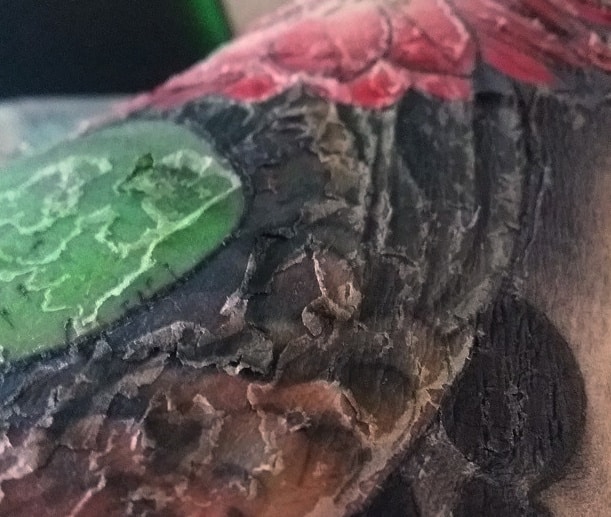
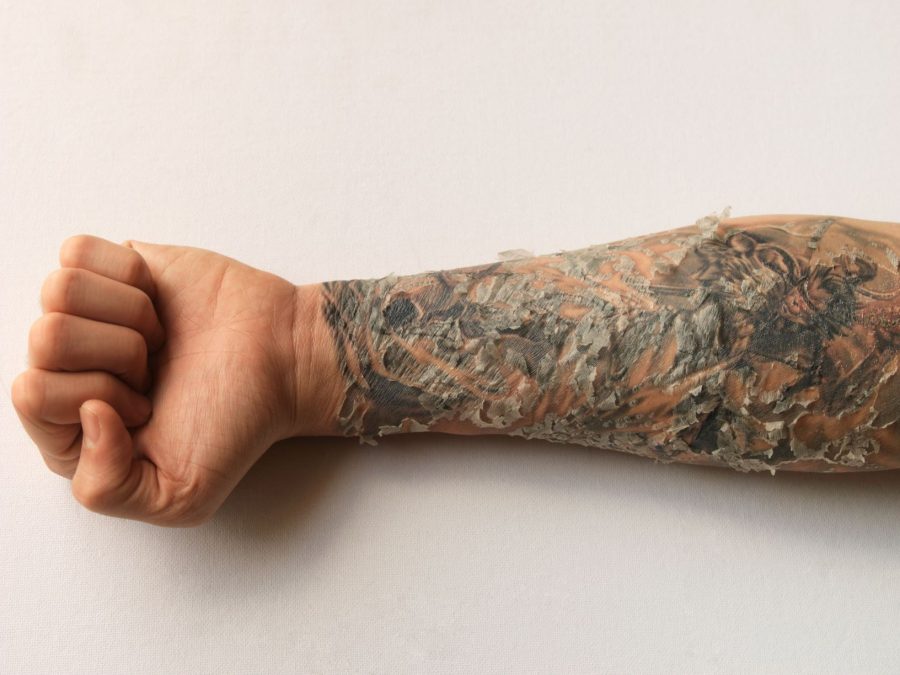
By the time you reach the end of your first week after getting a fresh tattoo is when you’ll see the most tattoo scabbing and peeling. The thick scab has usually hardened and will begin to flake off in scales and small chunks.
It’s imperative that during this part of the process, when your tattoo is looking and feeling it’s absolute worst, that you let it heal without picking, poking, prodding or scratching at your skin.
At this point the dead skin is highly likely to feel very itchy. Gently rub on a moisturizer several times a day to relieve the itching, or if the itch and pain is extreme try an antihistamine tablet or hydrocortisone cream (at recommended levels).
One of the most important phases of tattoo aftercare is allowing the peeling and scabbing process to happen without interference. Picking, rubbing, and scratching your tattoo can damage the ink and your skin significantly. If you mess up during this phase of the process, you could pull out the ink and leave scars, tattoo discoloration, or also prompt infection.
Use a soft towel, or clean paper towel, when you’re cleaning it or patting it dry after contact with water. Be gentle to your healing ink always to get the best result.
8. Apply lotion as needed after peeling
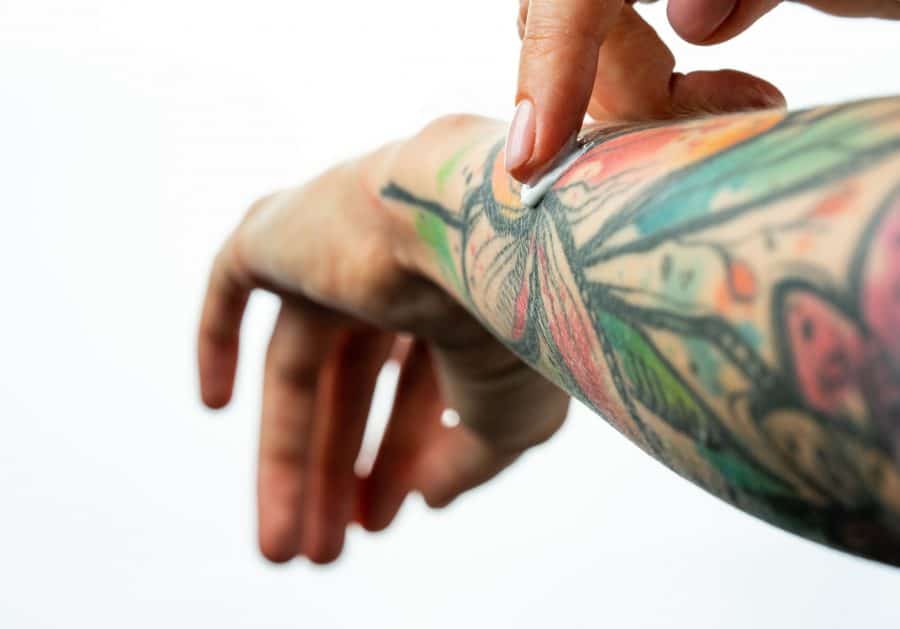
Once your new tattoo has peeled, you’ll notice a shiny tone and somewhat waxy finish to your skin. This is completely normal. Go ahead and continue to apply lotion as needed, but only do so when your skin becomes overly dry.
Know that at this point, your skin is no longer exposed nor abraded. If your skin feels tight or tense, try applying coconut oil, Aquaphor, or other leading aftercare products to relieve any discomfort.
9. Wait for the healing process to finish
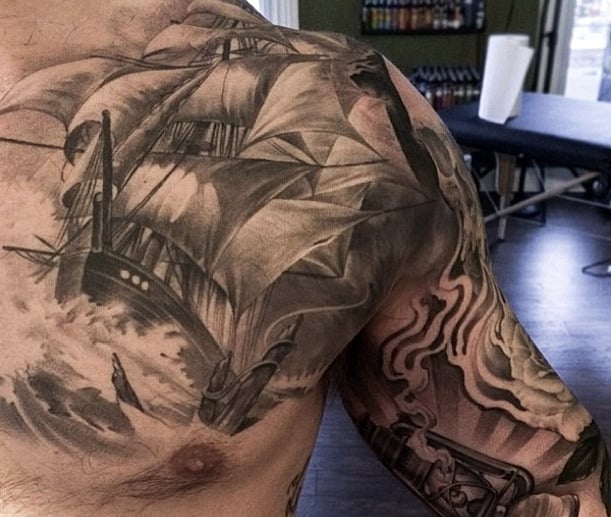
Continue to care for your new tattoo for the next three weeks. Within three to four weeks your skin should adjust back to its normal state. However, you must remember, that a tattoo does not fully heal for at least six weeks, and could take as long as six months to heal the layer of tissue underneath the skin.
Also understand that different parts of the body regenerate skin cells faster than others. Take for instance your hands and feet in comparison to the back and ribs.
During that time frame where it is not 100% healed, you’ll want to avoid any exposure to the sun. Know that this is even more important within the first two weeks. The reason why is because your skin has no protection against harmful UV rays that can cause damage.
10. Protect your tattoo post aftercare
You’re all healed up! Great job.
Remember to apply SPF 50 or higher sunscreen in order to protect your tattoo (we like EltaMD UV Sport Sunscreen). It’s true that any tattoo will fade with age, however over the long term you’ll better help protect your investment.
[see_more_about title=”13 Things to Avoid After Getting a Tattoo” link=”https://nl.jahaweb.com/mens-style-and-fashion/things-to-avoid-after-getting-a-tattoo/”]
How Long Does it Take for a Tattoo to Heal?
After getting freshly tattooed it generally takes three to four weeks for the top layer of skin to heal, and six months until the dermis is fully healed. After this point, there is still healing to be done underneath the top layer skin so be careful with your tattoo aftercare.
You can only speed up the healing process to a certain point. The healing tips and behaviors that are the best, most safest ways to keep healing time short tend to be common sense. These ideas give your newly inked skin the chance to heal in the best way possible.
You will know that your tattoo is completely healed when there are no scabs, the texture of your skin where the tattoo was placed is the same as a similar surface of skin, and the colors on your tattoo are no longer faded, irritated, or feel tight. Once your tattoo is healed, you will be able to enjoy the activities you did before you got it, without fear of infection or further damage to your new body.
[see_more_about title=”How Do You Know When Your Tattoo Is Healed – Aftercare Stages” link=”https://nl.jahaweb.com/mens-style-and-fashion/how-do-you-know-when-your-tattoo-is-healed/”]
Dealing with Problems
Remember, getting a tattoo is an endeavor that carries some risk, as your new tattoo is an open wound when it starts to begin knitting and healing. The section deals with common tattoo problems and ways to mitigate them so your new ink heals brilliantly.
Use the information contained in our pages as a guide to helping your aftercare process, however it must be stressed that we’re not doctors. Seeking advice from medical professionals and your tattoo artist should be sought immediately when facing difficulties with a healing tattoo.
Infection
The most dreaded problem for any tattoo lover is the risk of infection. While skin infections reported are rather small, there are still a handful of ways to get an infected tattoo unexpectedly.
Scarring
Do you want a tattoo in a certain location? Have you had surgery previously or are you looking to move past painful wounds with tattoos? The difficulties in getting inked over previously damaged flesh can be a problem.
Allergic reaction
Allergic reactions can be confused with infections when it comes to using ointment. In some cases, using Neosporin for example, can be toxic when the body rejects it. It makes for a dangerous situation that isn’t just red bumps popping up, it’s you popping into the hospital door for help.
Burns
Sun damage, sunburn and serious burns can be problematic for getting tattoos and healing newly inked bodies. There are however some smart tactics you can apply to avoid burns or keep them from damaging your body art.
[see_more_about title=”Can You Get A Tattoo Over A Scar – Inking Wounded Skin Tissue” link=”https://nl.jahaweb.com/mens-style-and-fashion/can-you-get-a-tattoo-over-a-scar/”]
Best Aftercare Products
There are an impressive array of products designed particularly for tattoo healing and the collectors who get tattooed. You can also find everyday healthcare items that may also prove to be perfect for your skin as it heals from getting a new tattoo.
These days there are numbing products you can apply to your skin while you’re in the chair to help with pain and discomfort associated with tattoo art. These are recommended to help you with pain tolerance for those long sessions in the chair, or if you’re getting inked in a difficult place.
Cleaning your tattoo with the right soap is the first part of healing and aftercare you need to master. Everything else in the process flows from your ability to keep your tattoo clean and free from bacteria.
The wet method of tattoo healing features a range of worthy strategies you can apply in the use of aftercare products. There are a a variety of different ointments, salves, and moisturizers that can help with tattoo healing and where they’re best served in soothing your wounds.
Later on in the healing timeline, lotions and/or coconut oil help the skin repair further. If you’re looking for the best do it all aftercare product available, then considering Hustle Butter Deluxe may be the best option for you.
[see_more_about title=”The 9 Best Tattoo Aftercare Products in 2021″ link=”https://nl.jahaweb.com/mens-style-and-fashion/best-tattoo-aftercare-products/”]
Dos and Don’ts of Tattoo Aftercare
Do
- DO follow your tattoo artist’s advice. Experienced tattoo professionals have seen all types of clients, with all different skin types, and can offer you extremely valuable aftercare advice that will help you immediately and for the lifetime of your tattoo
- DO follow a proper tattoo aftercare plan and stick to it, even if you do the dry heal method of aftercare. Be patient and proactive with looking after the tattoo area and it will heal nicely
- DO make sure you use an antibacterial soap when cleaning your tattoo three times a day. Use a small amount of warm/hot water and make sure to pat dry with a clean paper towel or soft cloth
- DO change aftercare products if the method you’ve chosen is ineffective. If you are unsure of your options, research or ask your artist for alternatives, particularly if you suffer from sensitive skin
- DO seek assistance if there’s even a slight problem – tattoo infection or allergic reaction should be avoided at all costs. It’s easier to be thought a fool, than found proven to be one
Don’t
- DON’T wear tight or restrictive clothing or moisture wicking active wear during the tattoo healing process. Do not allow your clothes to rub up again your tattoo
- DON’T soak your tattoo with any type of water during the healing stage, and especially when your tattoo scabs. This can create an infection or shake off the scabs long before they’re ready.
- DON’T put yourself in a dusty or dirty environment. If you are working on a carpentry project and using a belt sander, put it on hold till you fully heal. If you are laying bricks or smashing down drywall, it’s going to be difficult to avoid all the dust!
- DON’T participate in any strenuous exercise activities, particularly at gyms where there is more bacteria present. This means avoid lifting weights at the gym, going for a jog around the park, or taking the bicycle for a spin on the road
- DON’T pick your scabs. No matter how crazy it makes you get with the irritation and itching, allow the scabs to heal and fall off on their own. Picking a scab off too early could pull out ink that has settled and may result in blotchy ink or pitted healing
[see_more_about title=”Working Out After Getting A Tattoo – Is it a Good Idea?” link=”https://nl.jahaweb.com/mens-style-and-fashion/working-out-after-tattoo/”]