

In regards to men’s fashion, more formal dress shirts tend to be made from materials such as cotton, wool, silk, or flax. In order to construct these high-quality dress shirts in a manner that is comfortable, durable, and fashionable, the specific way in which the fabric of the shirt is woven is an important key factor.
Two of the more popular dress shirt fabrics are poplin and twill. These fabrics, though quite similar in some ways, have large enough differences between the two of them that make knowing the distinction worth your time. Whether you’re trying to determine which fabric is better suited for a specific event, or you simply need to know which fabric will keep you cooler on a hot day outside, this comprehensive guide will teach you everything you need to know about poplin and twill.
Poplin Fabric
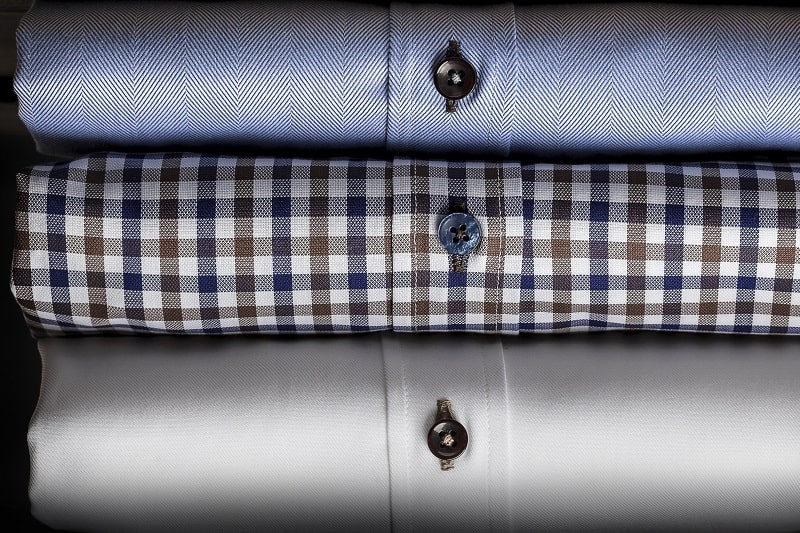
Poplin, which is also sometimes referred to as tabinet, is a delicate and fine yet dense fabric that has a horizontal warp along with a vertical weft. Poplin is most often made from cotton, wool, or silk. It’s known for being quite strong due to the weaving technique and it’s typically given a corded surface due to the fine, horizontal ribs that run across the fabric.
The weaving technique for poplin tends to result in a crisp yet lustrous comfort and feel, making it a great option for men’s dress shirts. In addition, poplin is also used for sportswear, raincoats, and women’s dresses. This crisp and cool material is also quite breathable and lightweight due to its organic nature, meaning you will not overheat or feel trapped as you may in some other fabrics.
Being that poplin uses two different thicknesses for the warp and the weft, the close weave and faint horizontal ribs are what give poplin its beloved look and texture. In regards to its history, poplin can first be traced back to 15th-century France in the city of Avignon. It was originally called papelino, and due to the fact that at that time, the pope had made his home in Avignon, this fabric was intended to honor the pope himself.
A little bit further into the future, poplin was used as the primary fabric for both the British and American militaries in WWII. This was decided due to the fact that poplin had the ability to withstand the trial and tears of battle, all while keeping the soldiers cool.
This incredibly durable fabric is resistant to everything from a rip to a stain, all while remaining smooth to the touch. In addition, the tight weave of poplin allows for the fabric to drape perfectly over the skin, making it a very flattering fabric for any body type. Though it’s very breathable and lightweight, poplin can also be made to be a bit warmer for the colder months by using yarns from silk and wool rather than cotton. However, it’s not usually the fabric that is chosen for designing winter clothing.
Twill Fabric
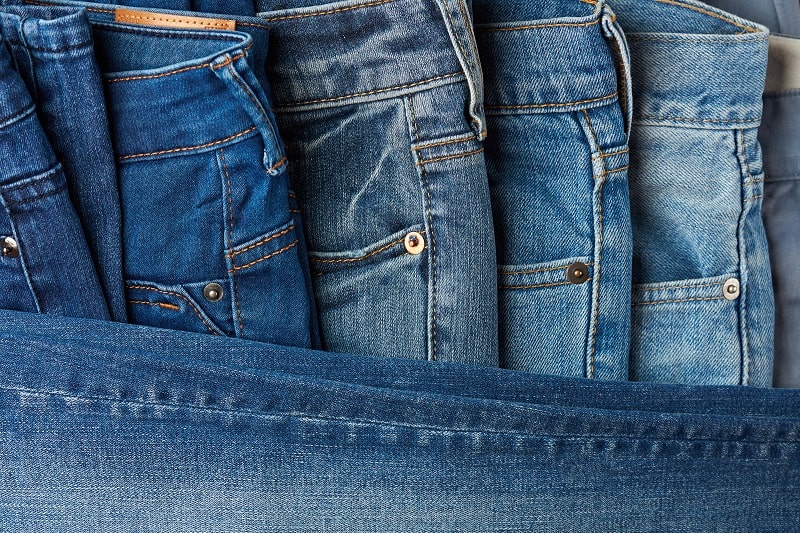
Twill is a thick fabric in which the yarns are packed quite tightly together, resulting in a very strong material that can be used for jeans, pants, and jackets. Well-known fabrics and patterns such as houndstooth, herringbone, gabardine, and denim are all forms of twill. The weave of twill is most easily characterized by the diagonal lines that run across it.
These diagonal lines are created by an offset in the warp threads. In addition to being quite thick and durable, the texture and weave of twill make it difficult for stains to permeate the fabric, making twill a real winner for those who are wanting to avoid any sort of embarrassing food drink mishaps at a more formal event.
Twill is known as being one of the most ancient weaving techniques. Pieces of the popular herringbone fabric have been discovered in Ireland that dates back as far as 600 BC. In addition, other ancient artifacts of herringbone fabrics have similarly been found in Italy, Austria, and even China, proving that the history of twill extends beyond the borders of Europe.
Back in the day, twill was most used for its functionality due to the durability and thickness of the fabric. It was seen as the perfect material for labor-related tasks and roles and was mainly designed for clothes that needed to withstand heavy use.
However, in modern times, twill is viewed as an elegant material that has the option of even being considered formal, proving that twill is beyond versatile or even Renaissance-man fabric. From a preppy houndstooth jacket to your favorite pair of denim jeans, twill has made its name as a key component in fashion.
[see_more_about title=”Flannel vs Plaid: Everything You Need To Know” link=”https://nl.jahaweb.com/mens-style-and-fashion/flannel-vs-plaid/”]
Differences Between the Two
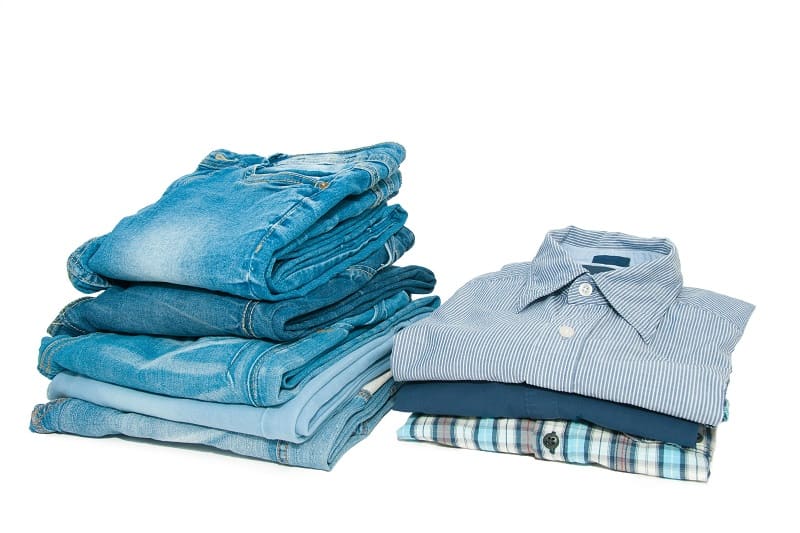
In regards to dress shirts specifically, both poplin and twill are wonderful options. These fabrics are durable enough to last through many uses, and the look and feel of both fabrics can fit in at a formal or business setting.
However, if you’re in need of a dress shirt that will keep you cool and comfortable in hot weather, then poplin is the better option since the material is more breathable and lightweight than twill. Poplin shirts also pair particularly well with suits for more formal occasions due to their design and the fact that formal suits are considerably heavier than more casual suits, meaning a more lightweight dress shirt will be more desired.
In turn, twill is a great option for when you’re in need of something warmer or sturdier. It’s much thicker and less breathable than poplin, giving you some extra layering when needed. In addition, the natural diagonal pattern that runs across the shirt pairs perfectly with a subtle or understated pattern on a dress shirt, giving your outfit a little extra flair on more formal occasions. As stated before, twill can also be used in anything from jeans to jackets, to more formal dress pants.
These similar yet different fabrics are staples for any man’s closet, and having a few options of both for various events and weather conditions is never a bad idea. Just be sure to remember that while they may look nearly identical, your experience in wearing them will not be the same.
[see_more_about title=”Levi’s 511 vs. 512: Everything You Need To Know” link=”https://nl.jahaweb.com/mens-style-and-fashion/levis-511-vs-512/”]