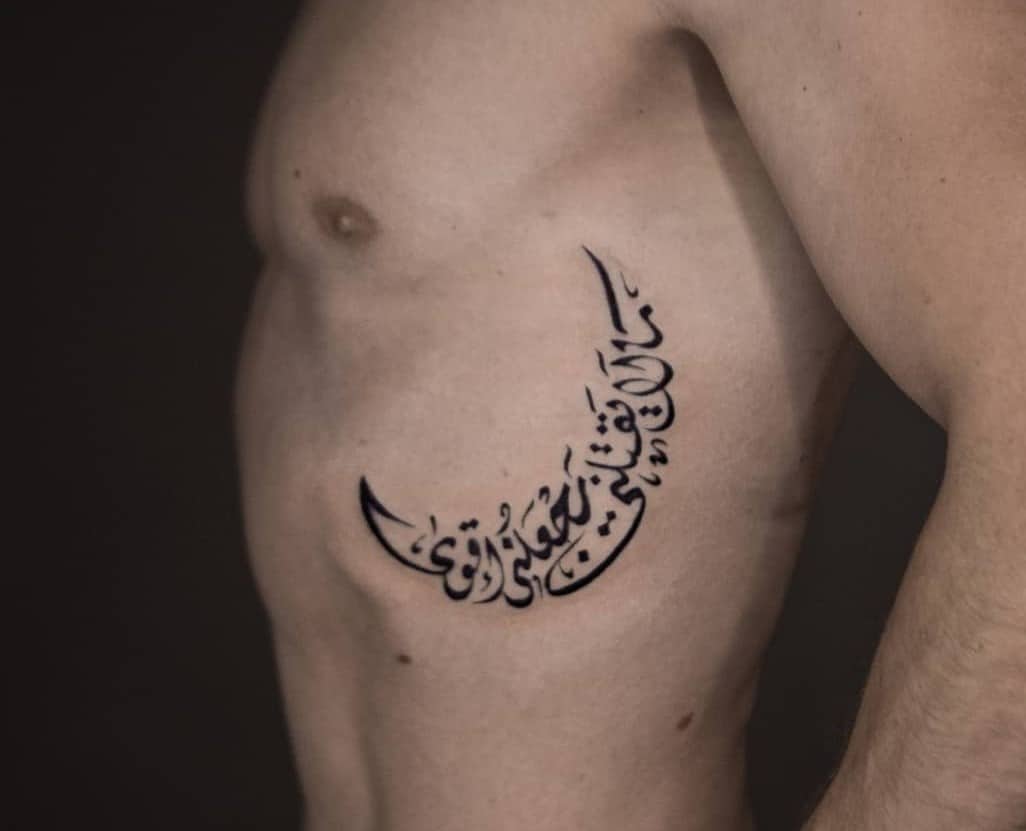

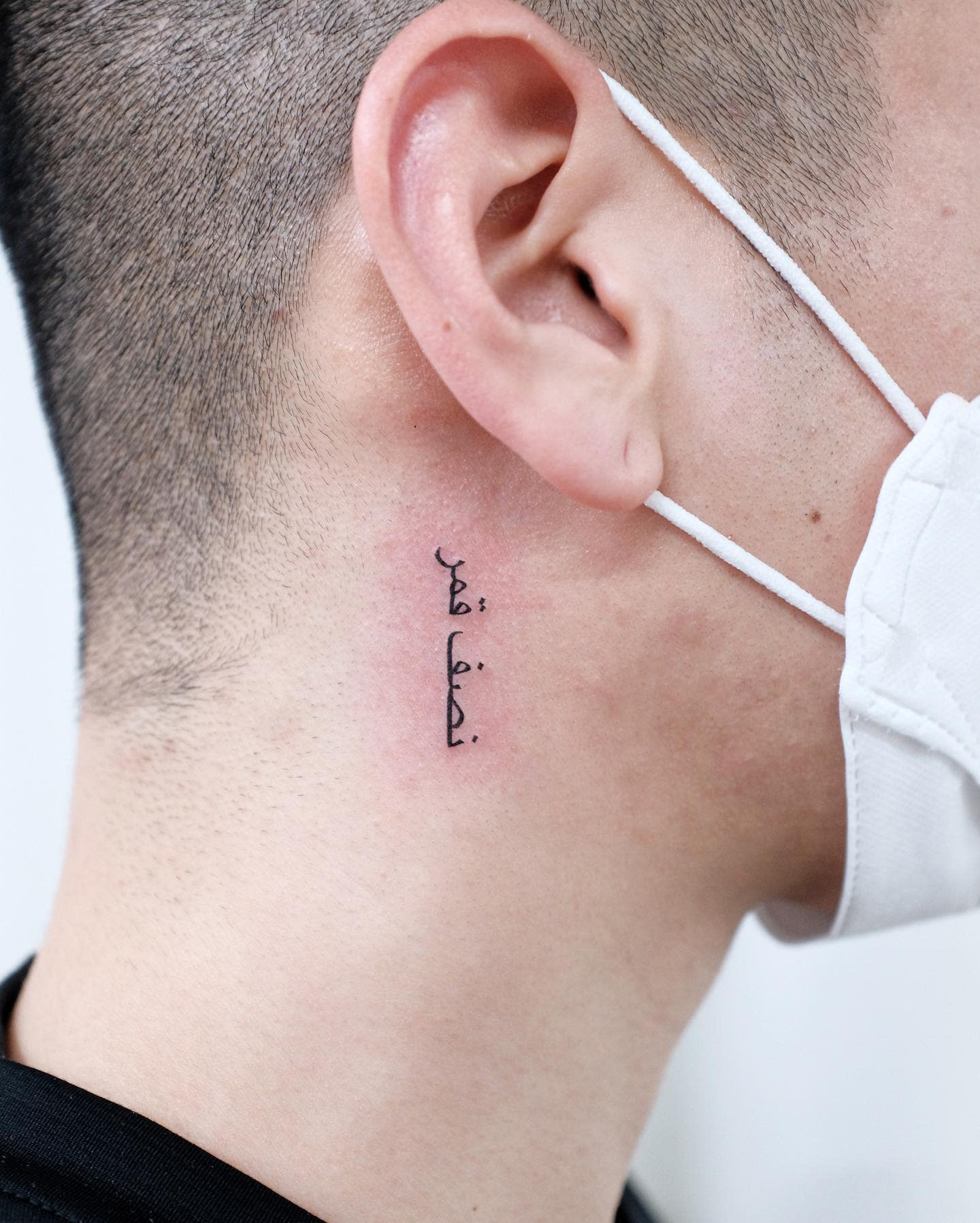
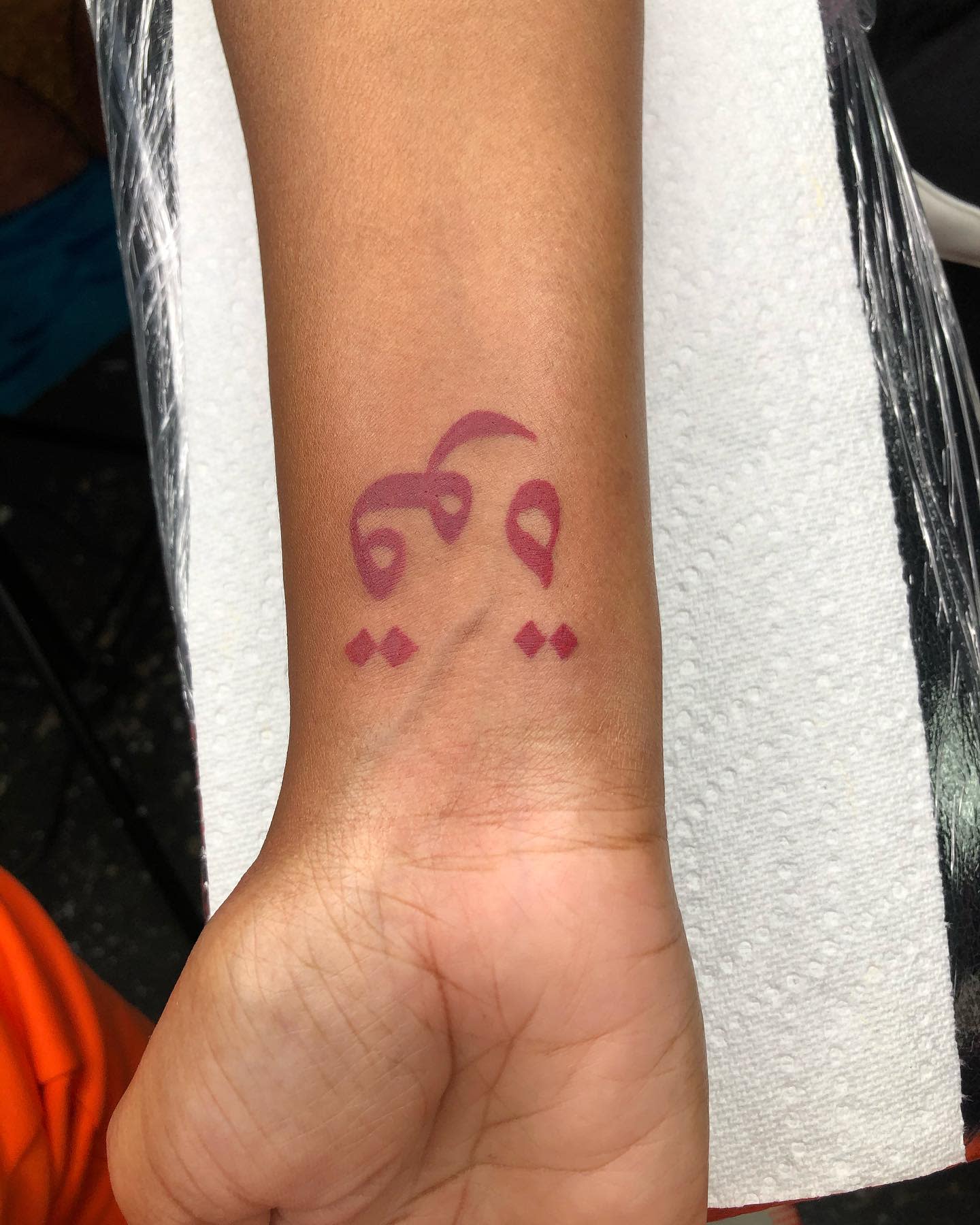
The Arabic language makes a beautiful script for tattoos.
The flowing calligraphy can be applied to any choice of script to create beautiful design ideas or be utilized within a wider concept.
Arabic tattoo art is much like other script tattoos. They use benedictions and affirmations along with names and key personal anecdotes to tell ink stories on the skin.
While Arabic is not considered a major design theme – being closely linked with the Islamic religion, which does not have a tattoo culture – more secular global societies and a bigger Middle Eastern diaspora mean it’s growing as a tattoo motif.
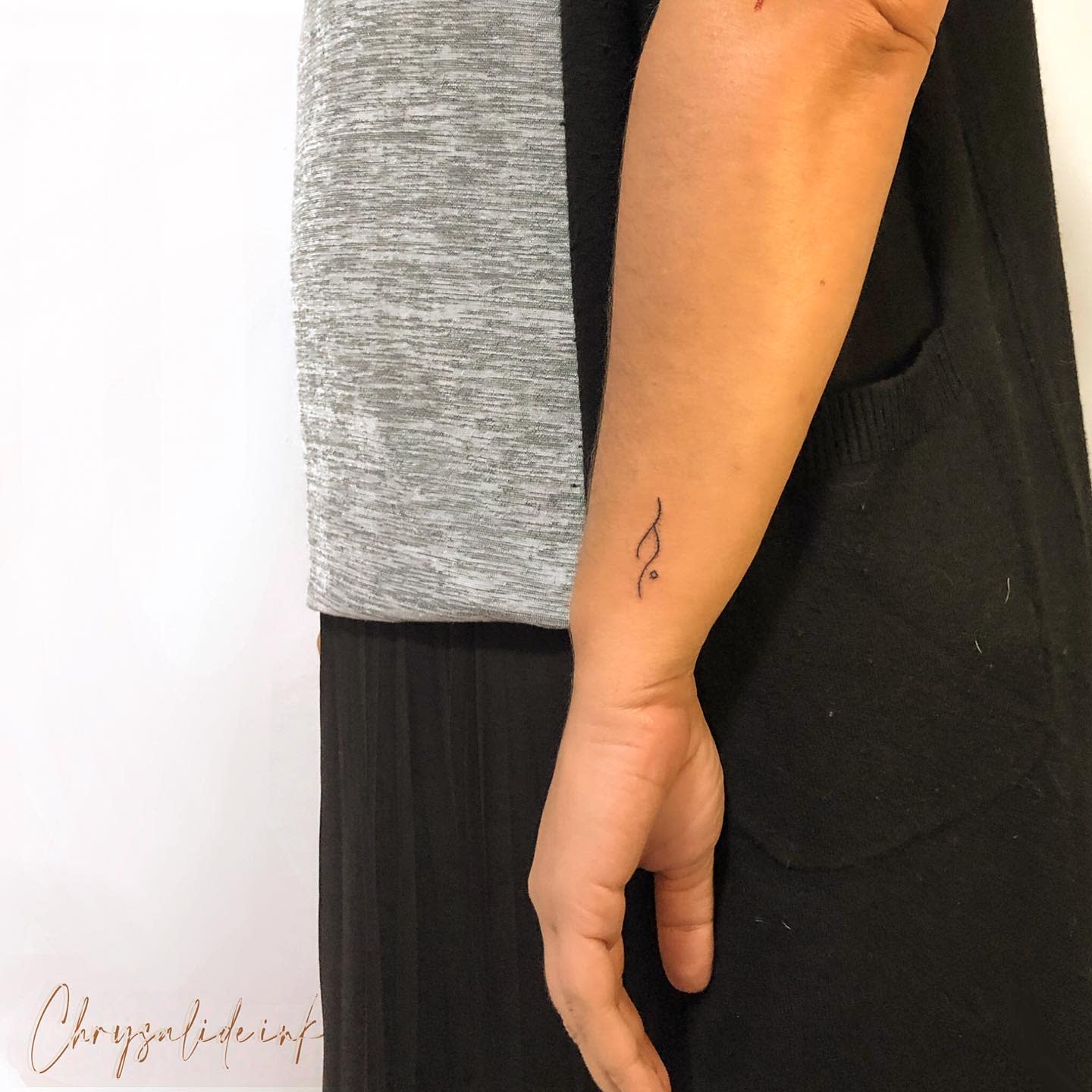
The following collection of the top 18 Arabic tattoo ideas showcase how the beautiful written Arabic language translates to fantastic body art.
1. Tattoo Ideas for the Arm
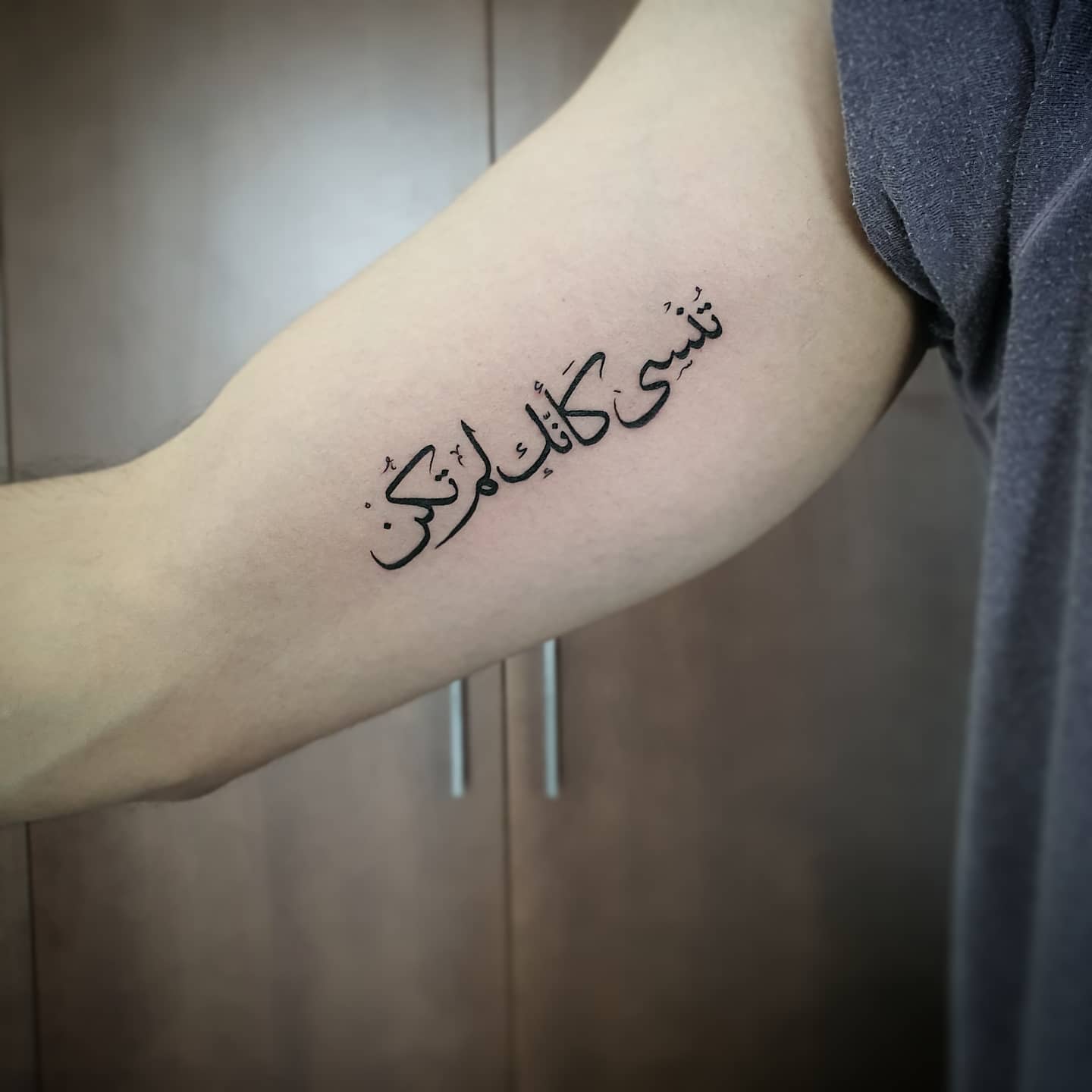
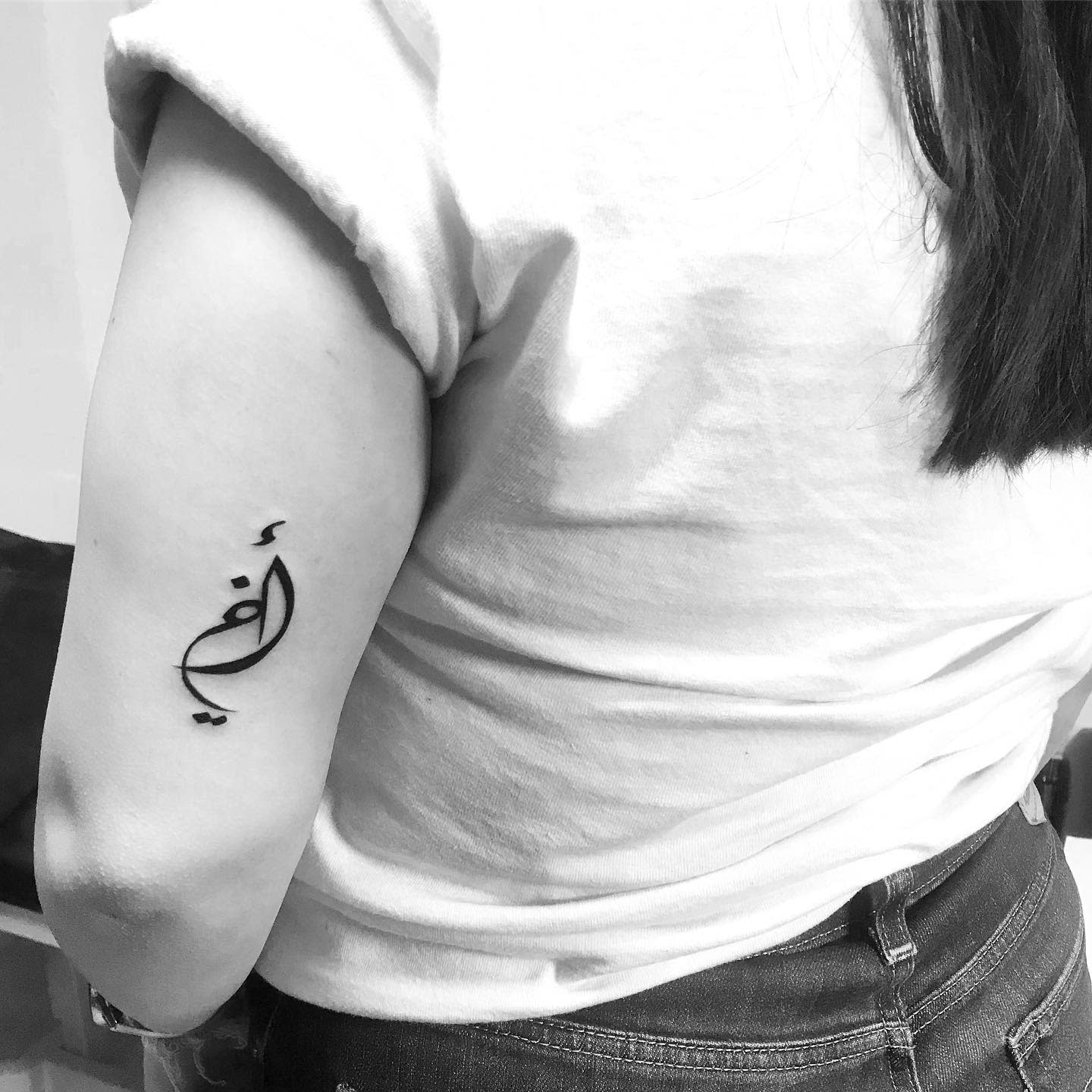
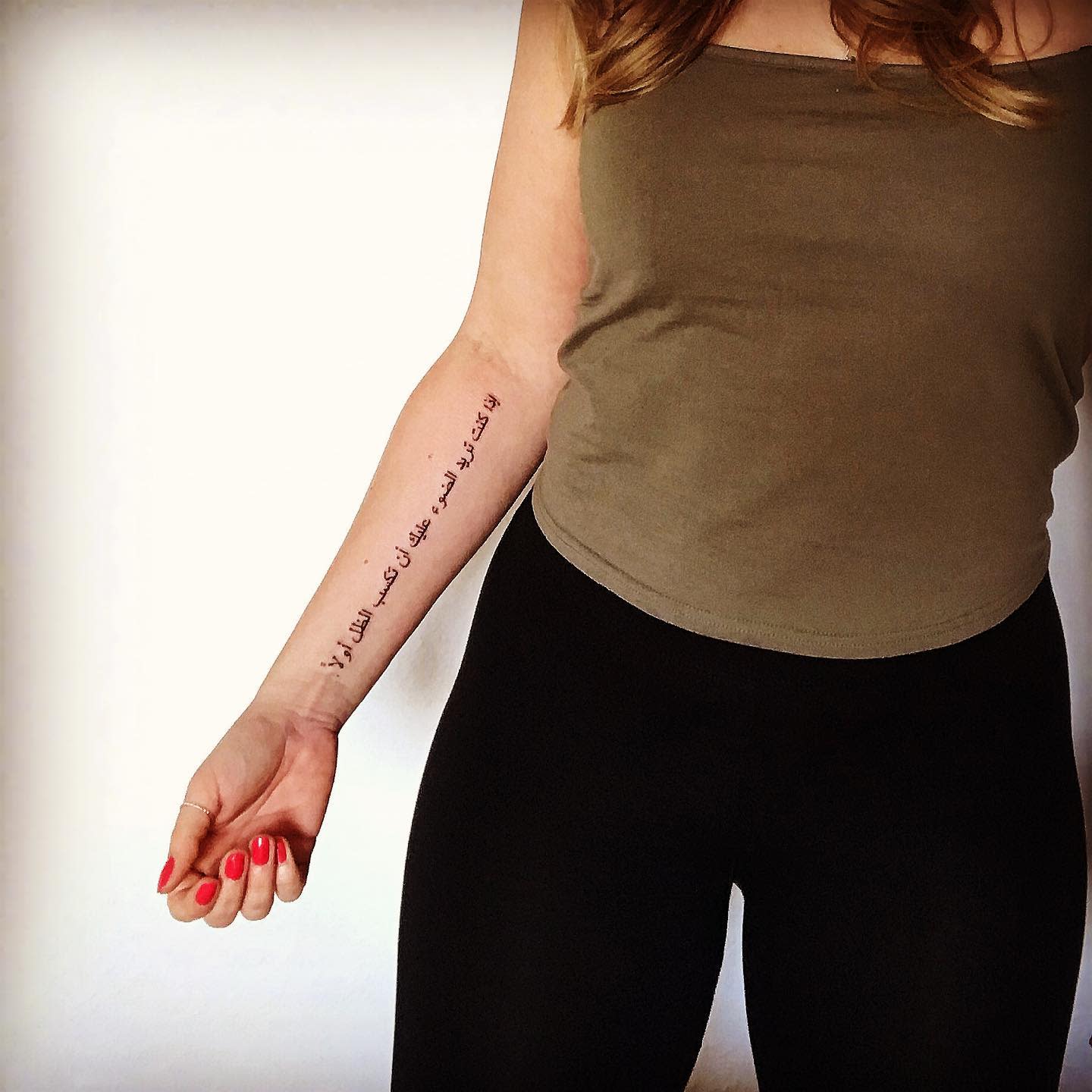
2. Arabic Script Shoulder and Chest Tattoos
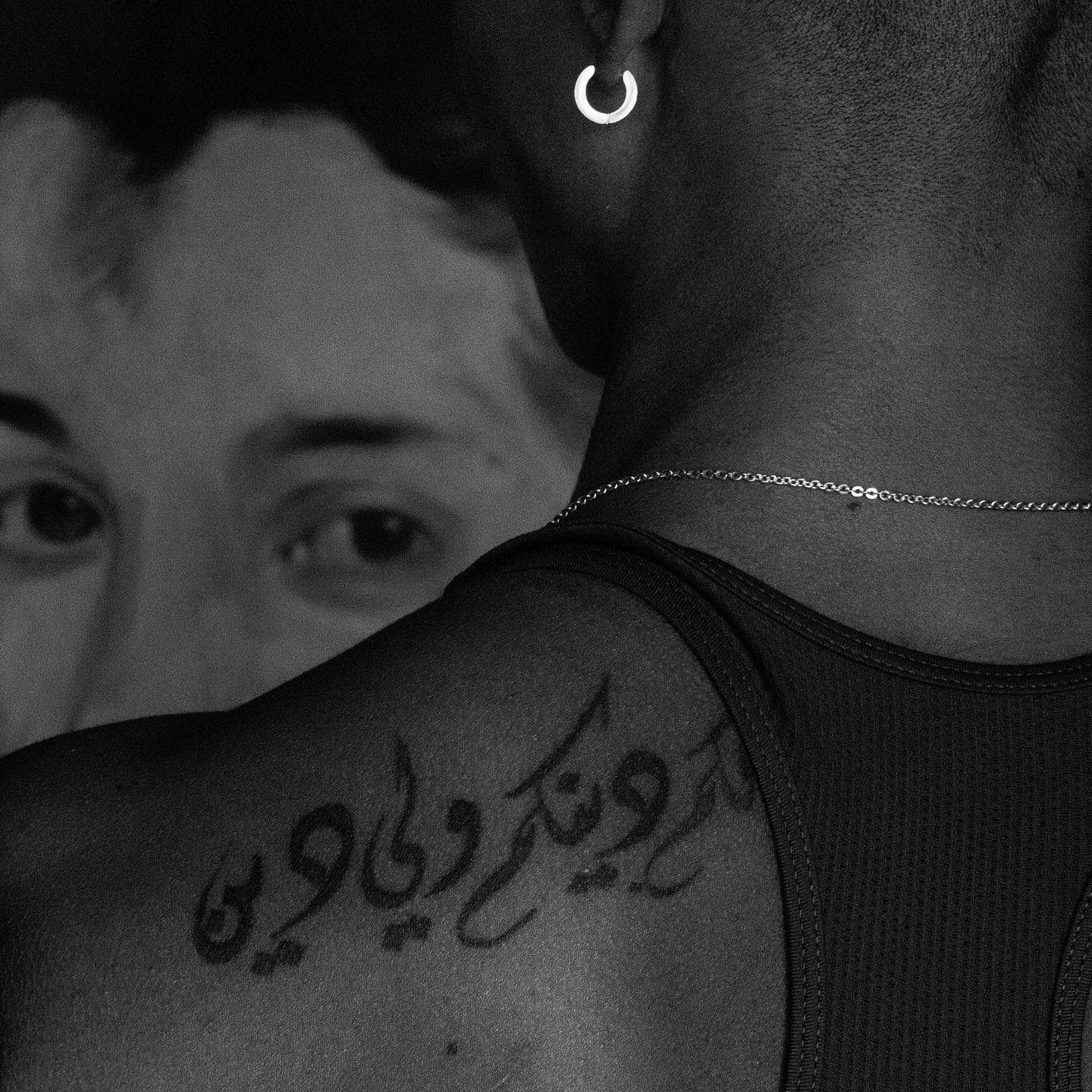
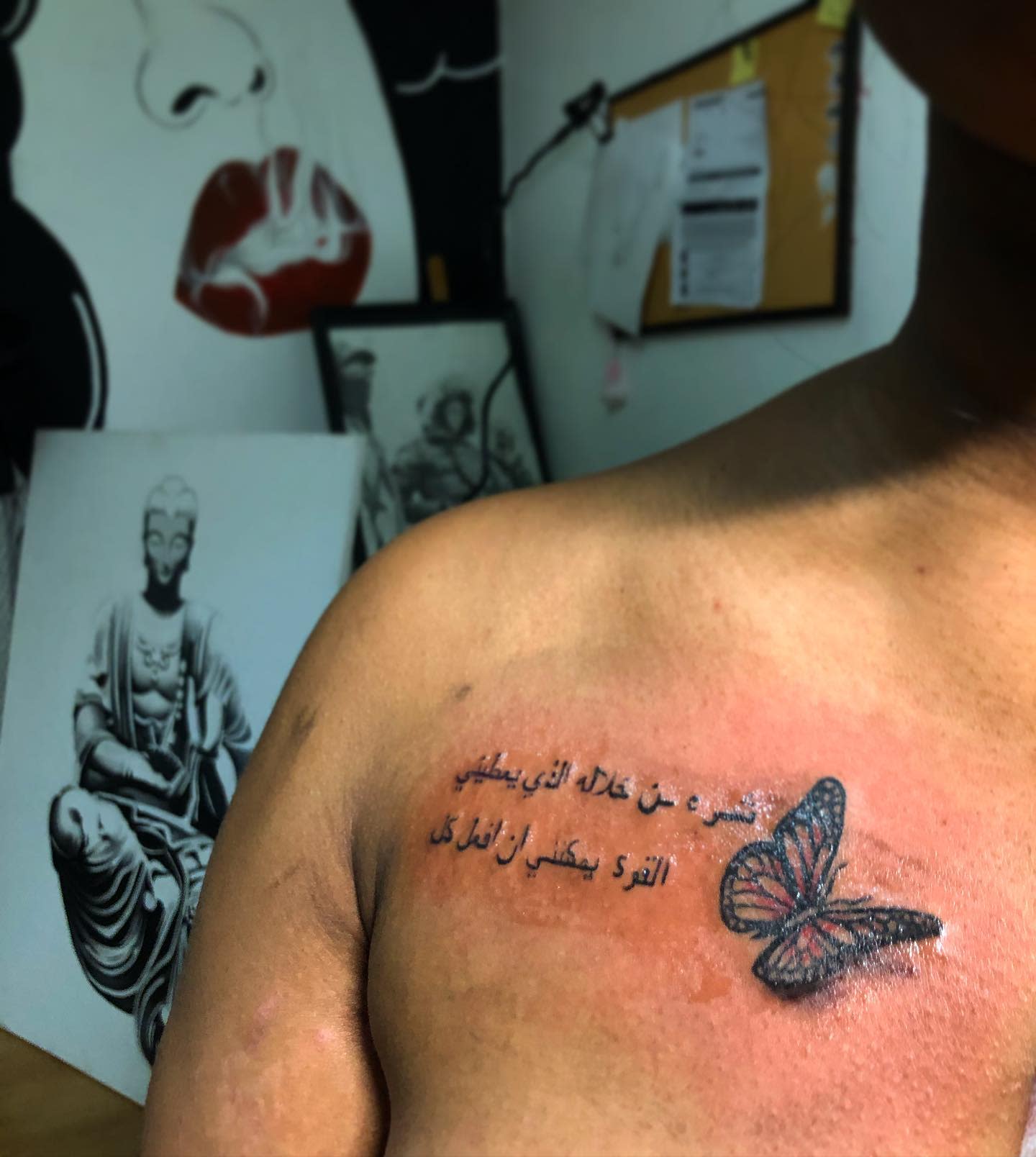
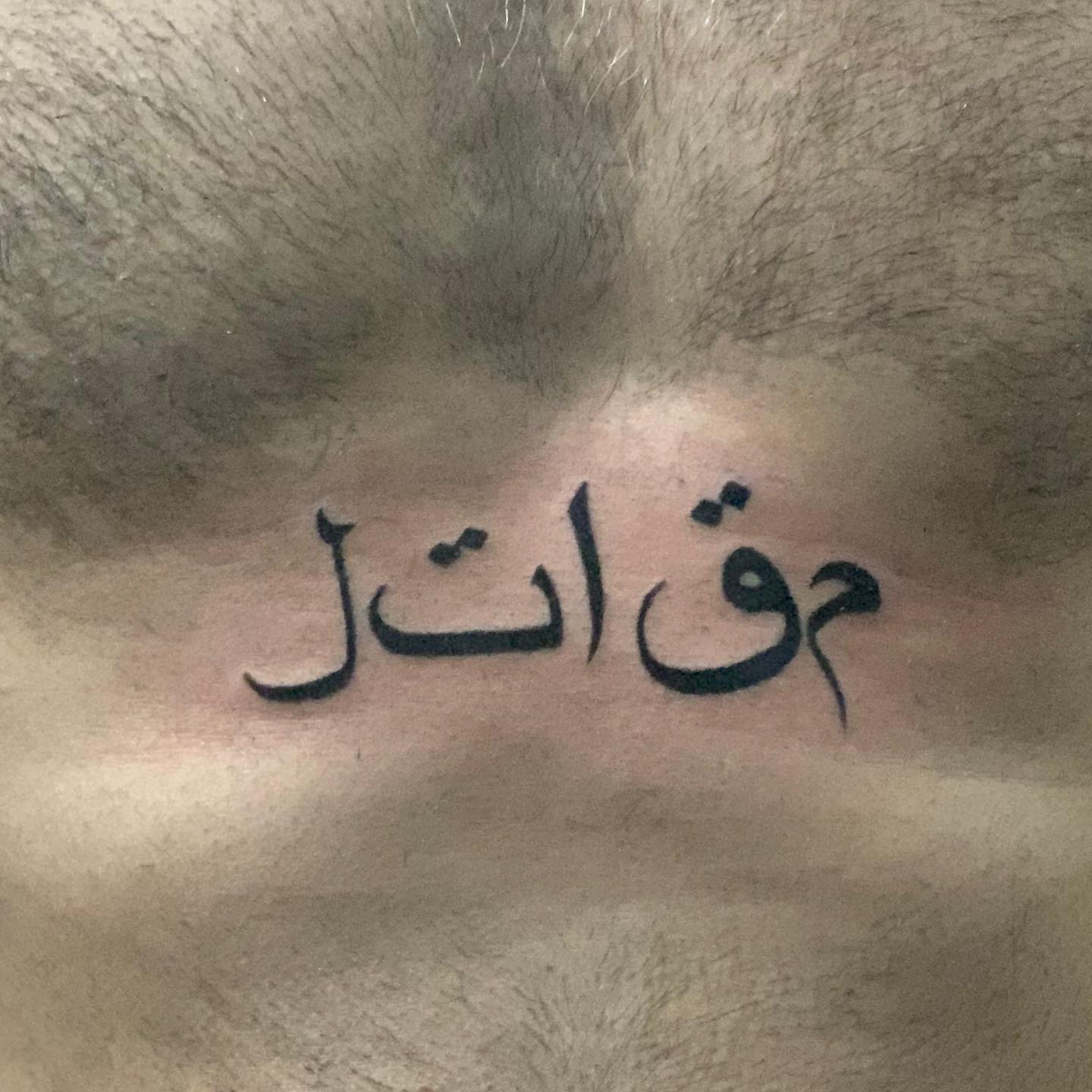
3. Tattoos for Women
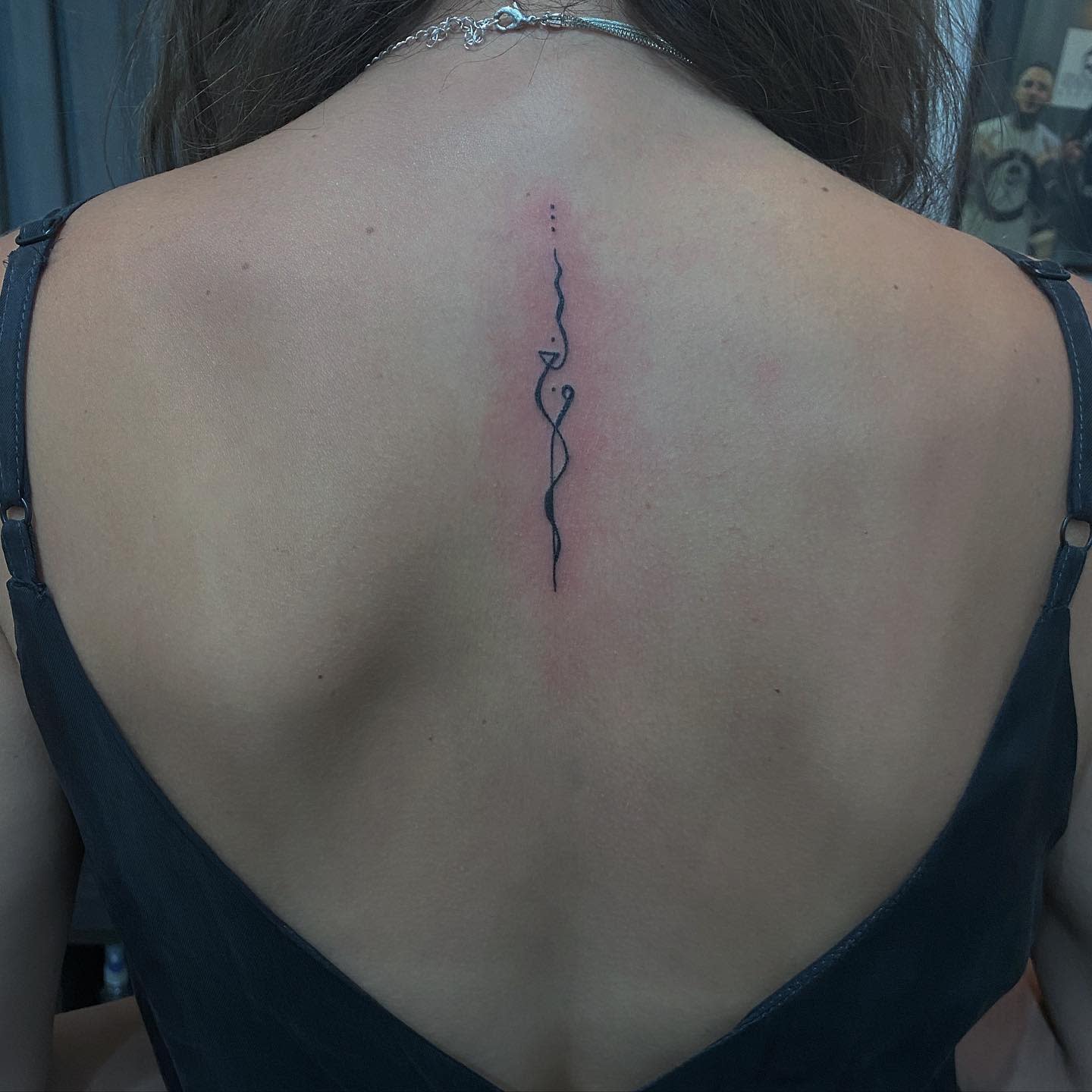
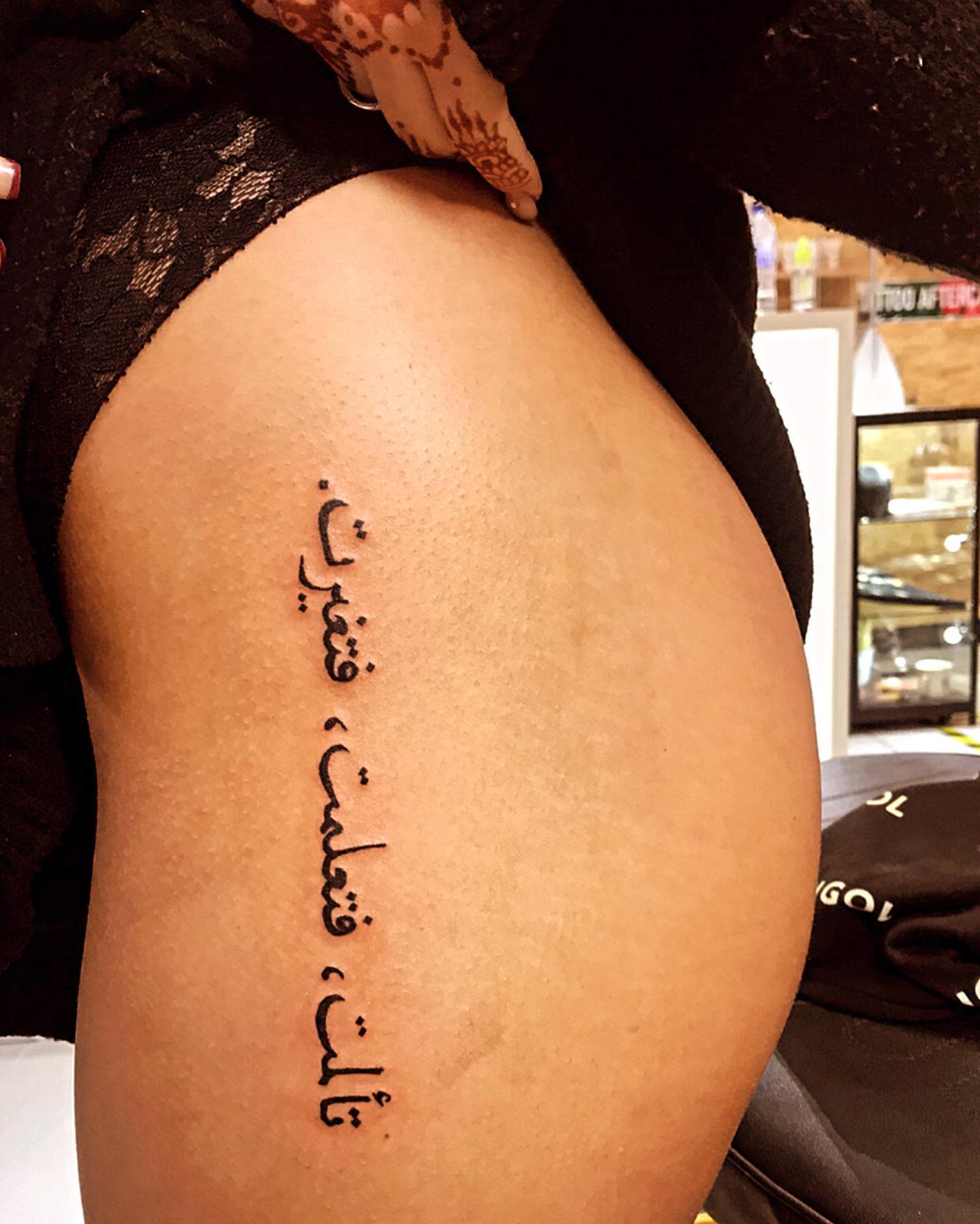
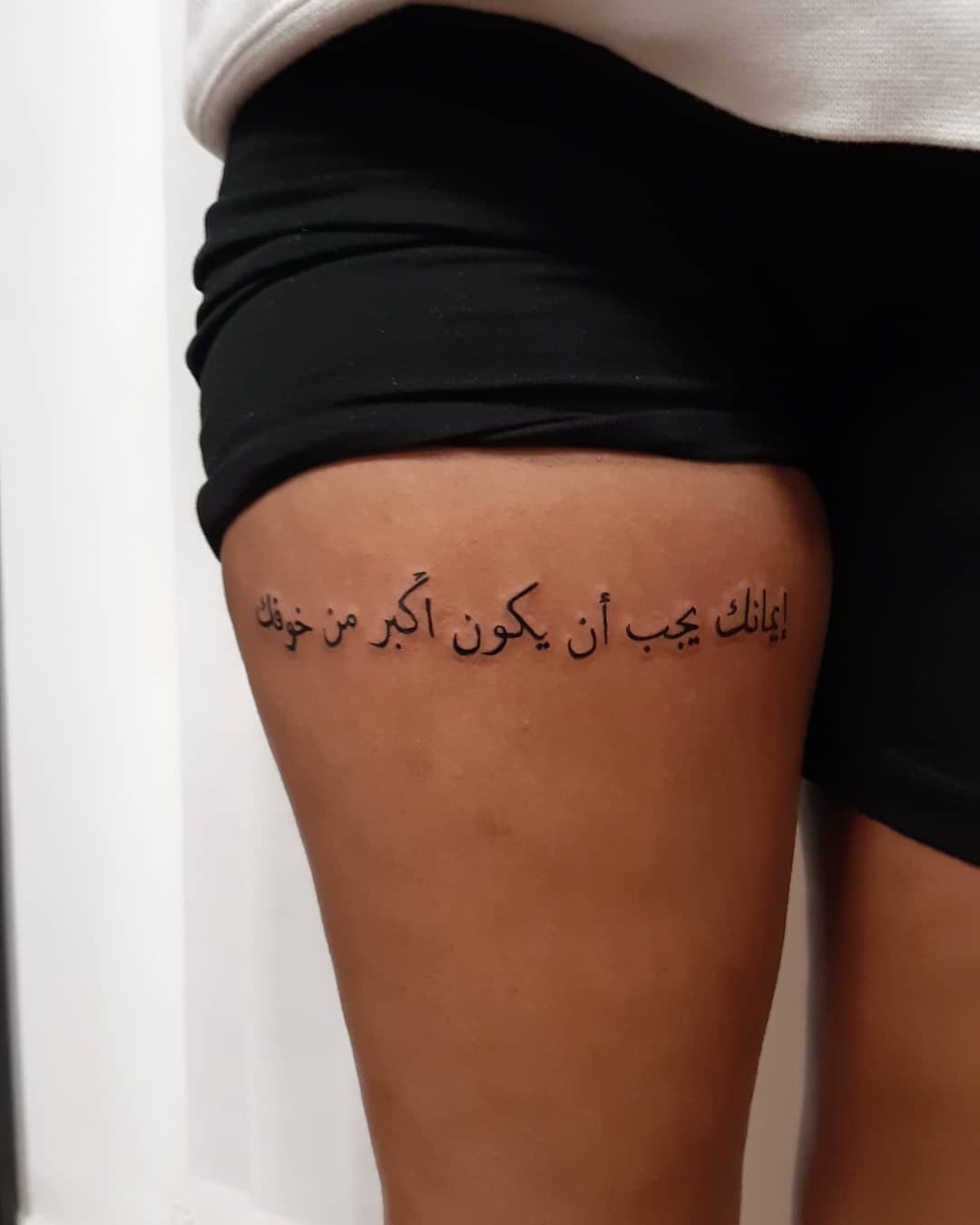
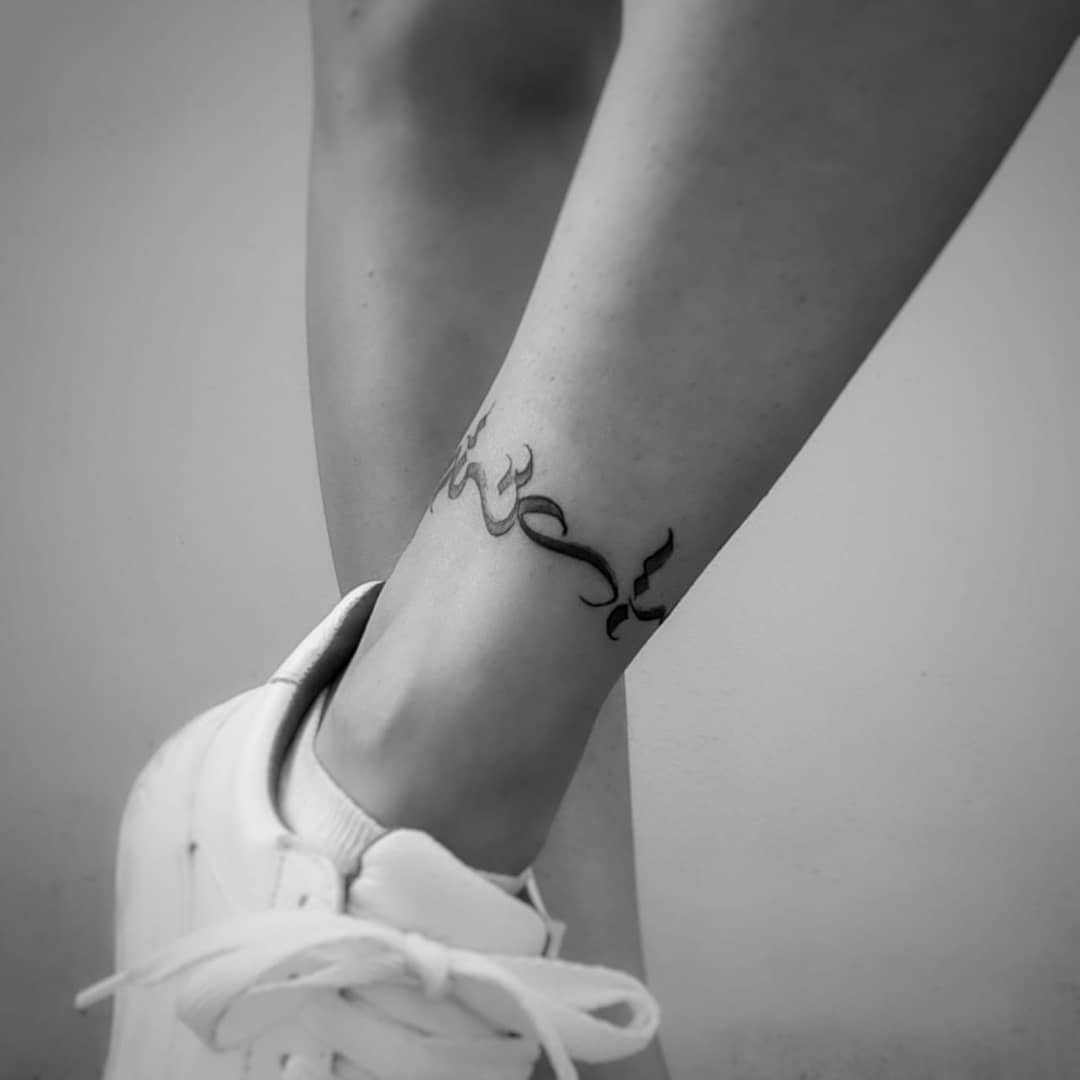
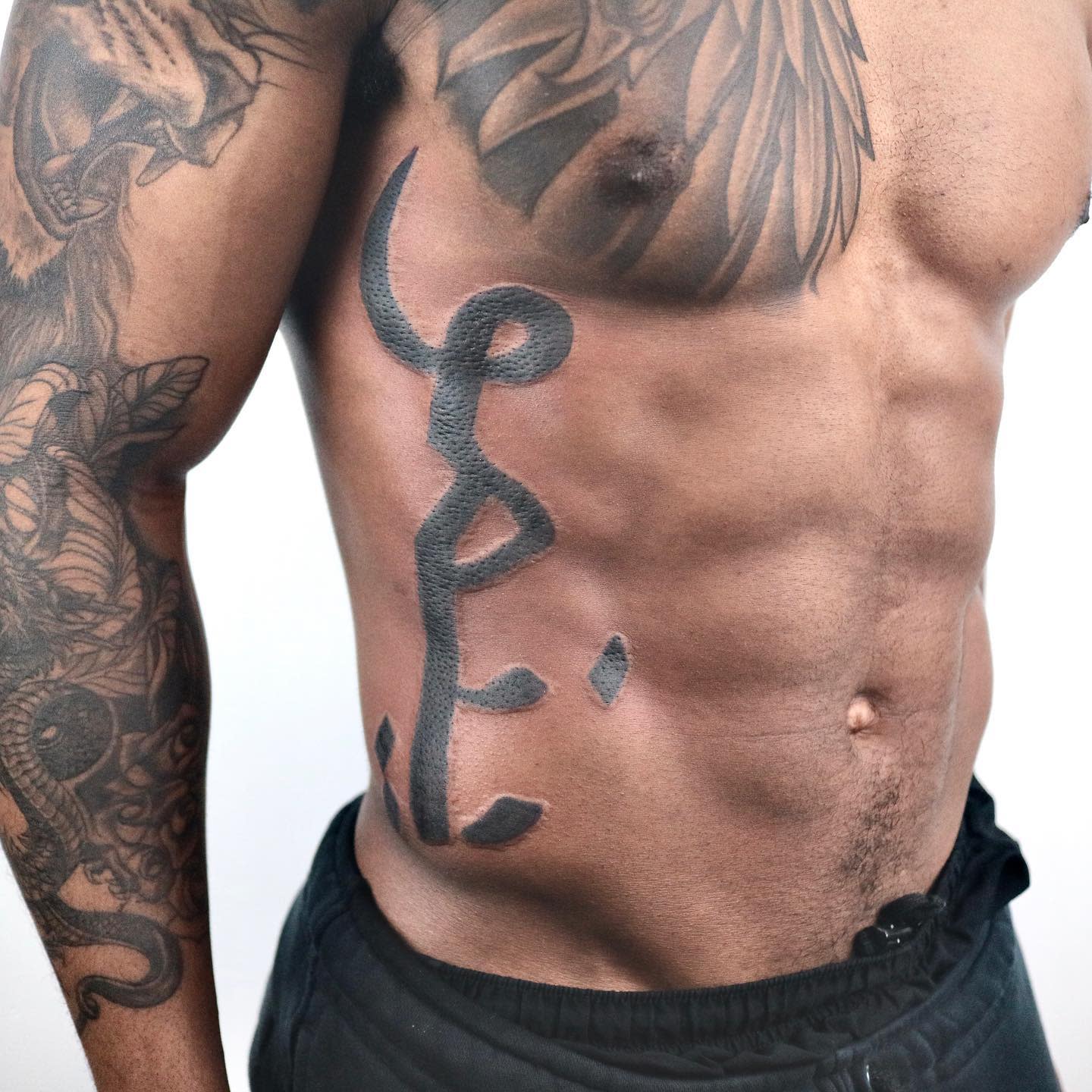
4. Rib Tattoos
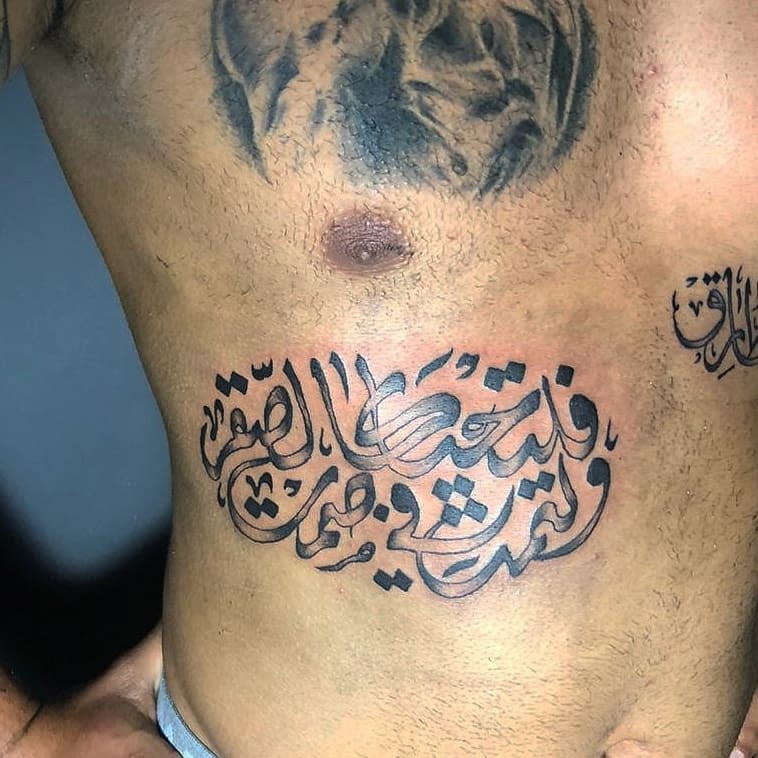
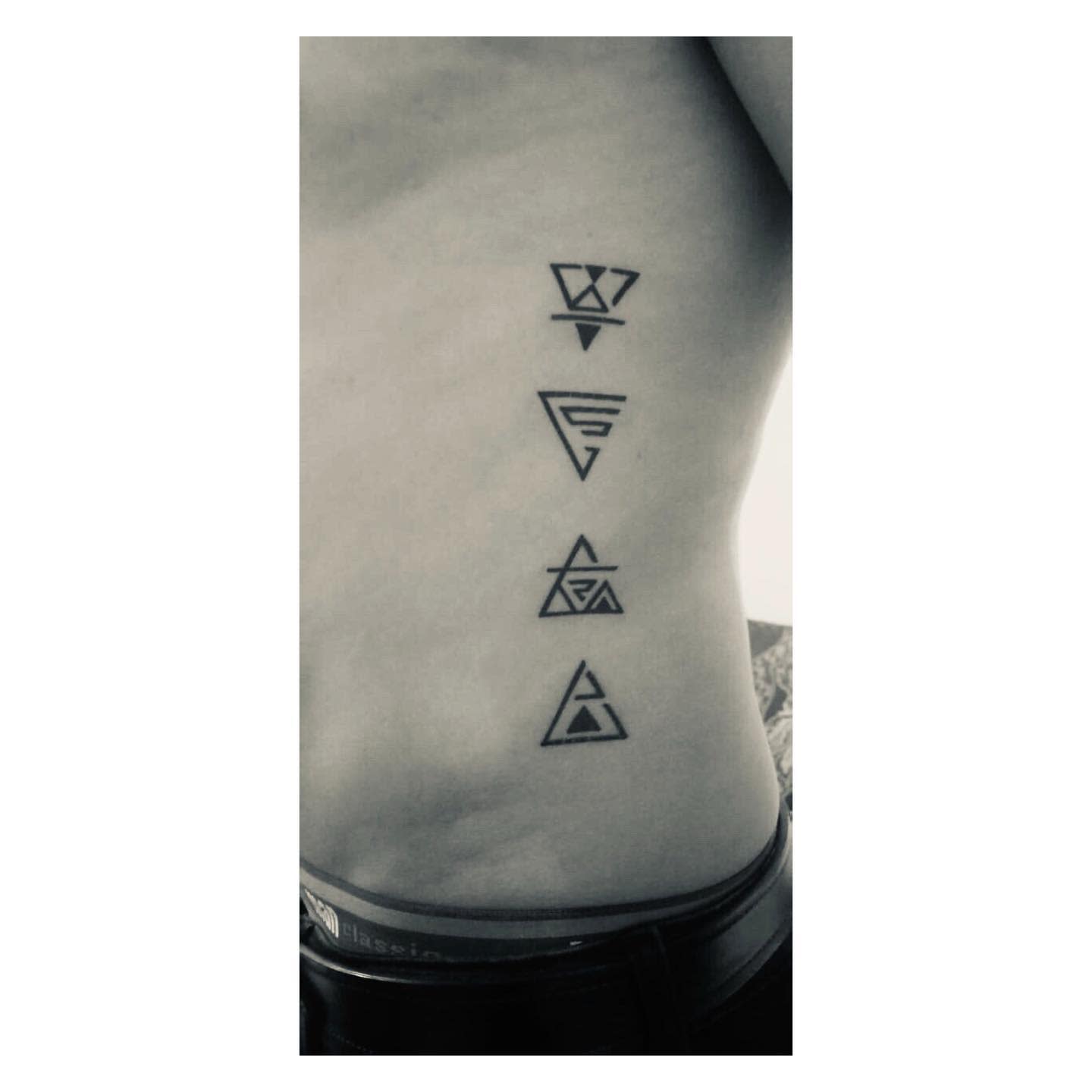
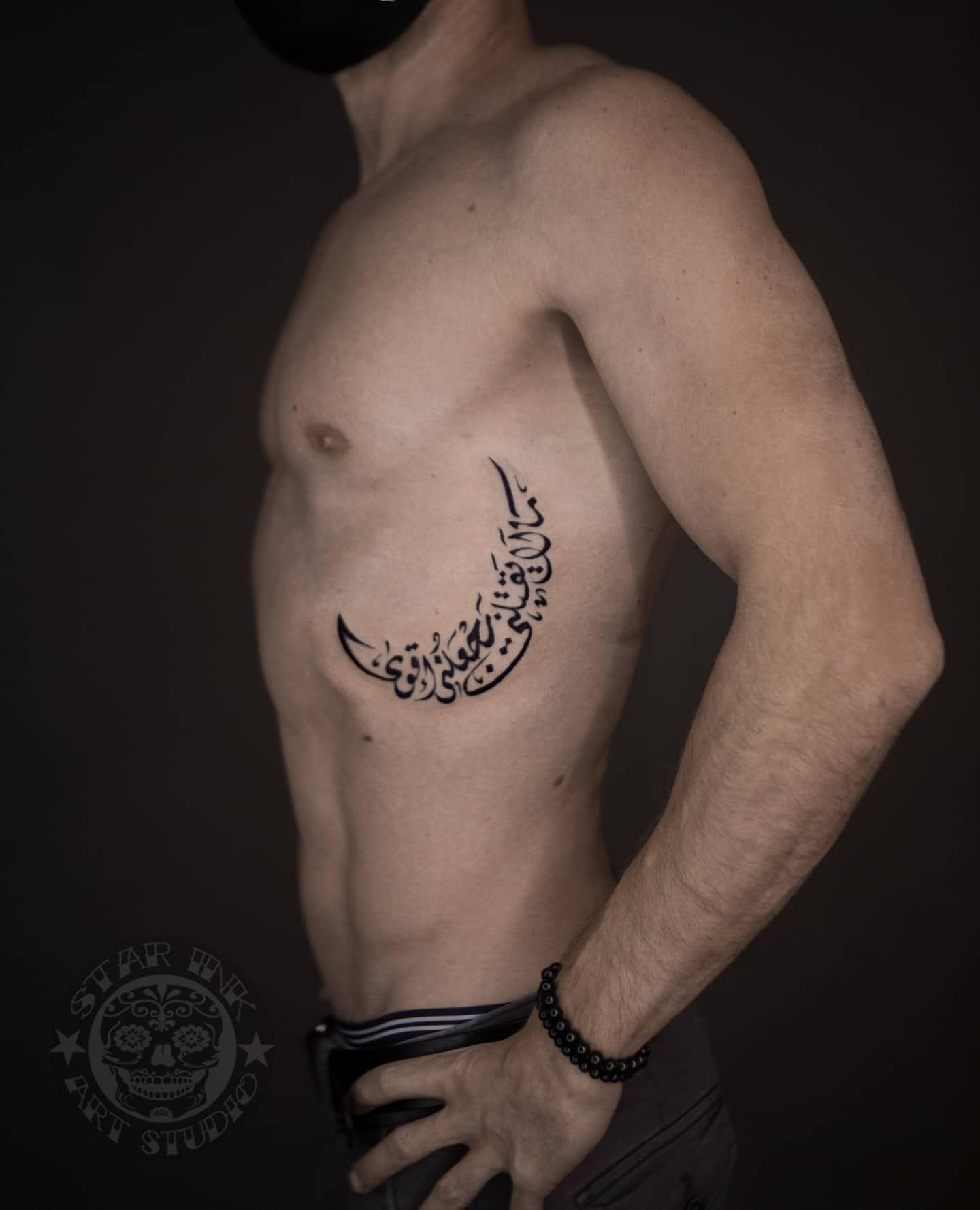
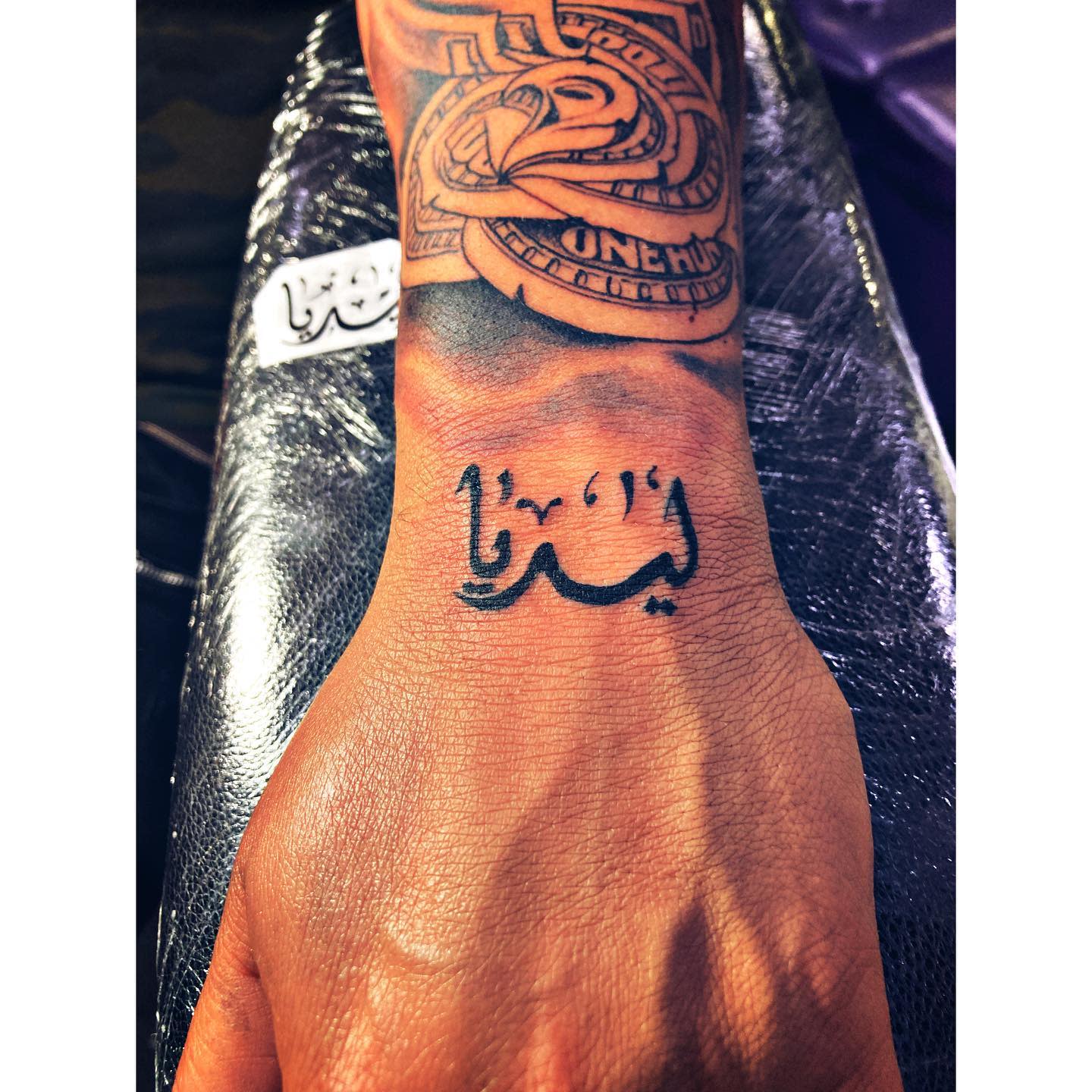
5. Small Arabic Text Tattoo Designs
Are Arabic tattoos growing in popularity?
Yes, Arabic language tattoos are growing, especially for those native Arabic speakers looking to utilize their own language in body art design.
Written Arabic is also being used by non-native speakers to create the wording for tattoos because of the calligraphy style’s standalone visual beauty.
While Arabic is not considered a major design theme – being closely linked with the Islamic religion, which is not a tattoo culture – more secular global societies and a bigger Middle Eastern diaspora mean it’s growing as a tattoo motif.
What are popular Arabic tattoo themes?
Much like with English, Latin, and Sanskrit language tattoos, Arabic tattoo art uses benedictions and affirmations along with names and key personal anecdotes to tell ink stories on the skin.
Common themes are overcoming struggle, strength, positivity, and love, while for others Arabic may be used to celebrate the birth of a loved one or memorialize the loss of someone close to them.
Are Arabic tattoos cultural appropriation?
No, Arabic is another written language designed for communicating, and provided you treat the written language with respect then there’s no cultural barrier to using it in tattoos.
Just as with other written languages such as English, French, Latin, or Sanskrit – which are all popular in tattoo design – provided you are not insulting, degrading, or abusing a person, their identity, lifestyle, and beliefs in the context of your body art, then you should have no problem.
Are tattoos forbidden in Islam?
Tattoos are considered haram (forbidden) in the Islamic religion because they are perceived as changing the natural creation of God.
Tattoos are considered dirty, meaning that to have one you can’t complete the purification ritual (wudu) prior to prayer.