
In the 12th century, the samurai emerged as a powerful military force, political system, and social class in medieval Japan. To most people, the samurai were just martial arts guys that fought with swords. While some of that is true, they were much more. It was a way of life with a deep and complex philosophy.
With education and military nobility, the samurai became a ruling class in society. They divided into warring clans that fought each other for control. They continued to gain further power while amassing a fortune. The Empire of Japan abolished the samurai in the 1870s to modernize the army, but their impact on history and culture continues through cinema, philosophy, martial arts, and Japanese culture.
1. Bushido
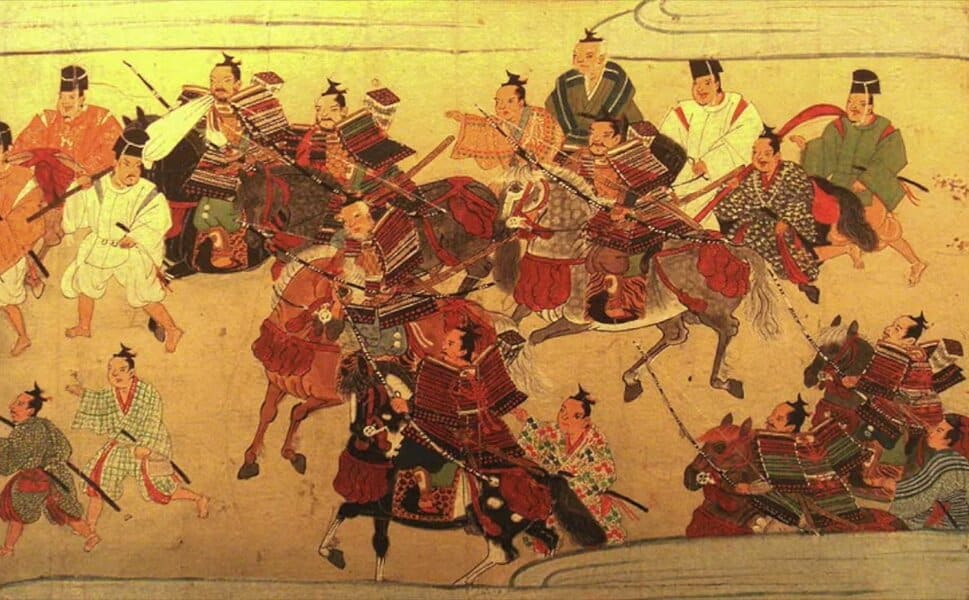
Bushido is a vital element of the samurai that sought to balance violence with peace and wisdom. Also known as “the way of the warrior,” bushido is a strict moral code that all samurai follow regarding behavior, attitude, and lifestyle. These philosophies, principles, and codes are central to samurai culture.
Influenced by Neo-Confucianism, Zen Buddhism, and Shinto, bushido first appeared during the Edo period. Starting in 1603, Japan entered a time of peace, allowing the samurai to focus on patience, serenity, and wisdom. The code evolved from the 16th to the 20th century, with the bushido code engrained in Japanese culture. The samurai were true warriors who had a strict ethical code stressing each one should be loyal, thrifty, sincere, and a master at martial arts.
2. Seppuku
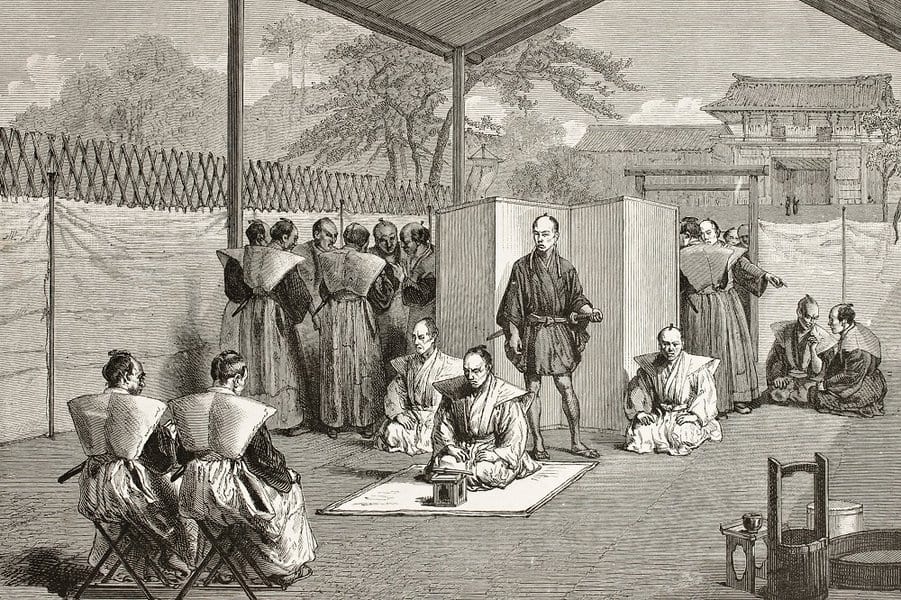
Seppuku was a form of ritualistic suicide that samurai would commit voluntarily. The warrior wore white attire during the ceremony and wrote a death poem. The male samurai would take a small sword and stab themselves in the stomach. As they died from blood loss, they would stick their neck out for their assistant to decapitate their head. If the assistant didn’t complete this in one fluid swing, they would bring shame to their family.
In some cases, it was used as a form of capital punishment for a samurai to die in disgrace. However, samurai often committed seppuku voluntarily to avoid capture or torture by the enemy. Female samurai usually committed seppuku by slitting their throats. The first seppuku occurred in 1180 when Minamoto no Yorimasa committed suicide during the Battle of Uji. In 1873, The Empire of Japan abolished seppuku.
3. Japanese Swords
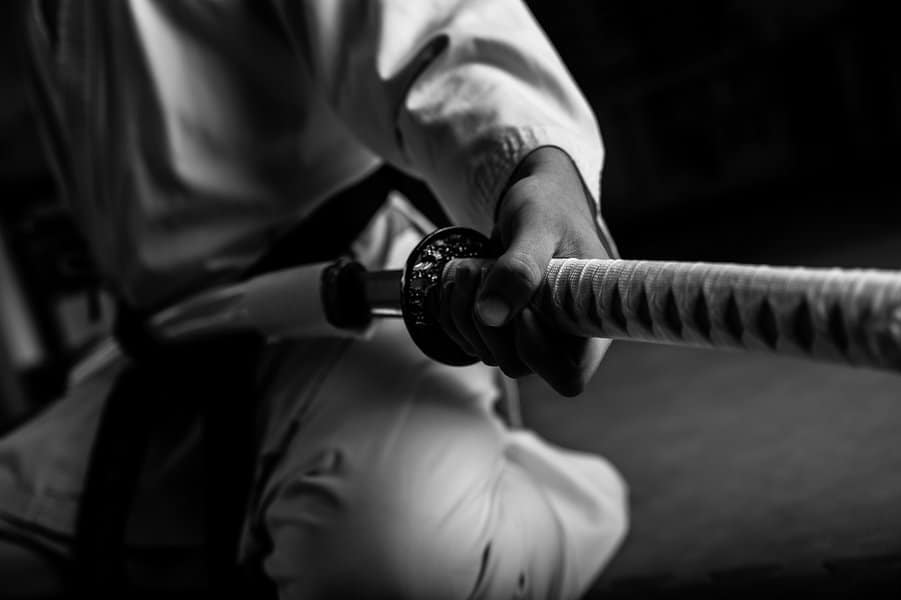
The samurai used many weapons but are synonymous with wielding the Japanese sword. These swords became central to samurai culture and armor. Before the 9th century, the samurai usually used the single-edge chokutō. From around 900 to 1500, the tachi became the more popular sword. Later, the katana took over, becoming the predominant sword.
Katan has a single-edged curved blade with a long grip for two hands. The katana soon became one of the best-known Japanese swords around the globe. During the Edo period, it was common for samurai to wear a long sword, such as a katana or tachi, with a shorter sword, like tantō or wakizashi, known as daisho.
4. Other Weapons
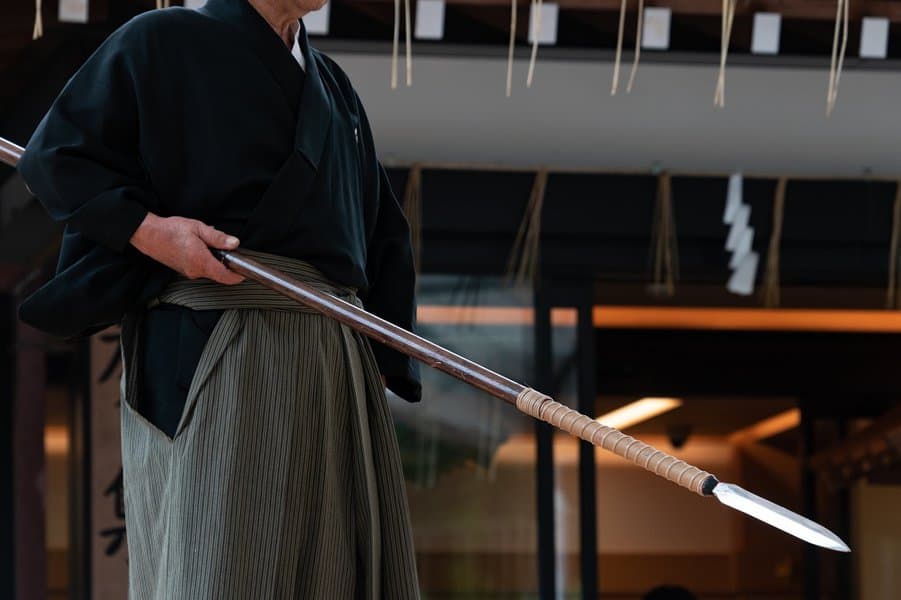
It’s no secret that the samurai could take on an entire army with their trusty swords. In addition to martial arts, the samurai were proficient with various weapons besides swords.
The Yumi was a long bow that became a popular military weapon. Consisting of bamboo, wood, and leather, it was most effective at a close range, but a skilled samurai could shoot from 330 feet. It was also the ideal weapon for horseback.
The yari, or spear, was the other popular weapon of choice for the samurai. Spears played a vital role in several battles.
5. Firearms
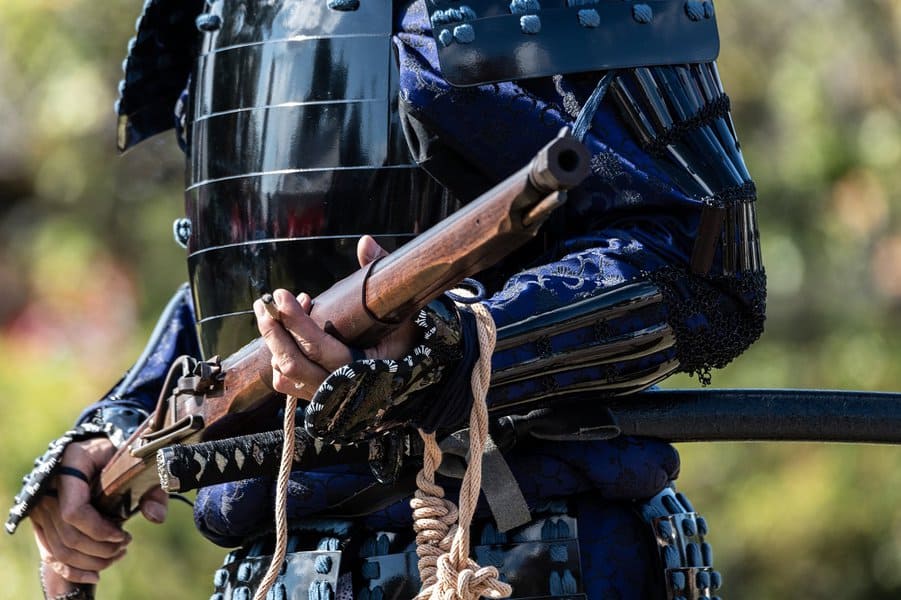
A samurai’s ability to adapt to their surroundings and the changing world was vital to their survival. When guns came to Japan, the samurai improved their armor for better protection against the new weapon. They also added firearm skills to their repertoire. In 1543, the Portuguese Empire introduced tanegashim on a large scale to Japan.
The Samurai adapted, with the tangeashima replacing the Yumi. Additionally, the canon came to Japan in the late 1500s for use on castle walls and battleships, but then guns decreased during the peaceful Edo period. It wasn’t until the 19th century that guns would return to Japan and become a major part of the country’s armed forces.
6. Female Samurai
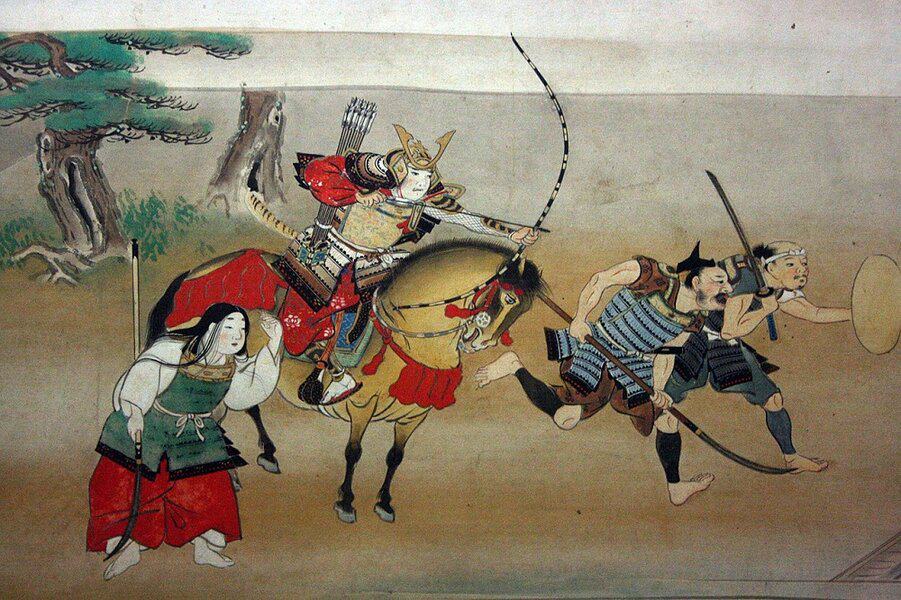
The wife of a samurai came with more responsibility than raising the kids and keeping the house clean. They went through similar training as samurai to acquire the skills to protect their families when their husbands were away. They could often defend themselves and their homes from criminals or intruders.
Many female samurai, or Onna-musha, would fight alongside the men in many battles. Despite being skilled warriors, the samurai didn’t treat the women as equals. They were subordinate to the men. In only a handful of cases did female samurai rule a clan or amass political power. Throughout history, there were several impactful Onna-musha, most notably Empress Jingu and Tomoe Gozen.
7. Martial Arts
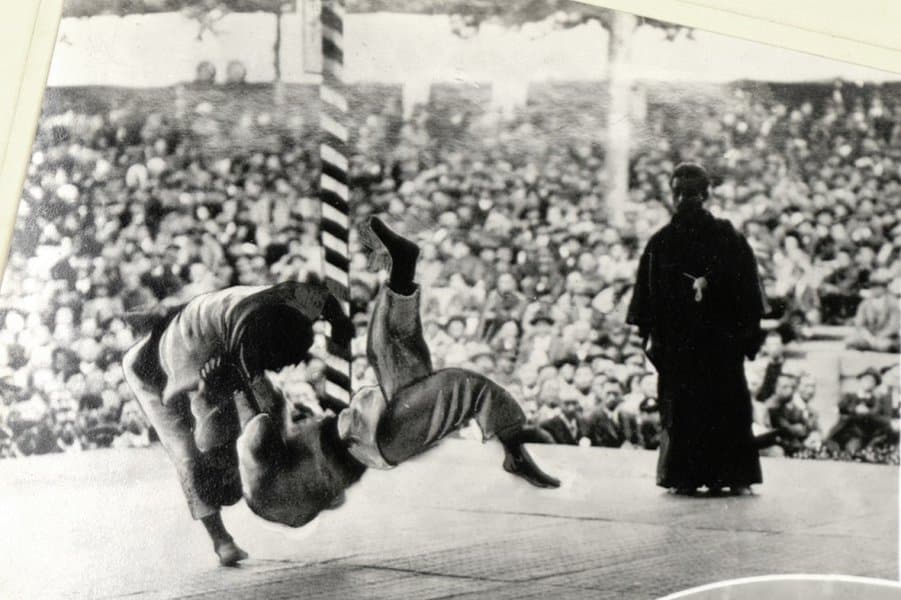
Male children are trained in martial arts from a young age to prepare them to become samurai. In feudal Japan, various forms of martial arts were popular at the time. In a samurai family, the kids learned the same martial arts as their parents to equip them for the future.
Among other skills, they learned aikido, judo, karate, and kendo. Not only did they learn to use a sword, but other samurai weapons as well. They would learn to use a spear, axe, and bow and arrow. Plus, they would learn to use these weapons and skills while riding a horse.
In the 15th century, children learned to use various skills while swimming or falling overboard. They would learn to keep their weapons dry while in the water and maintain the upper hand.
[see_more_about title=”15 Incredible Facts About Pompeii” link=”https://nl.jahaweb.com/interesting/facts-about-pompeii/”]
8. Armor
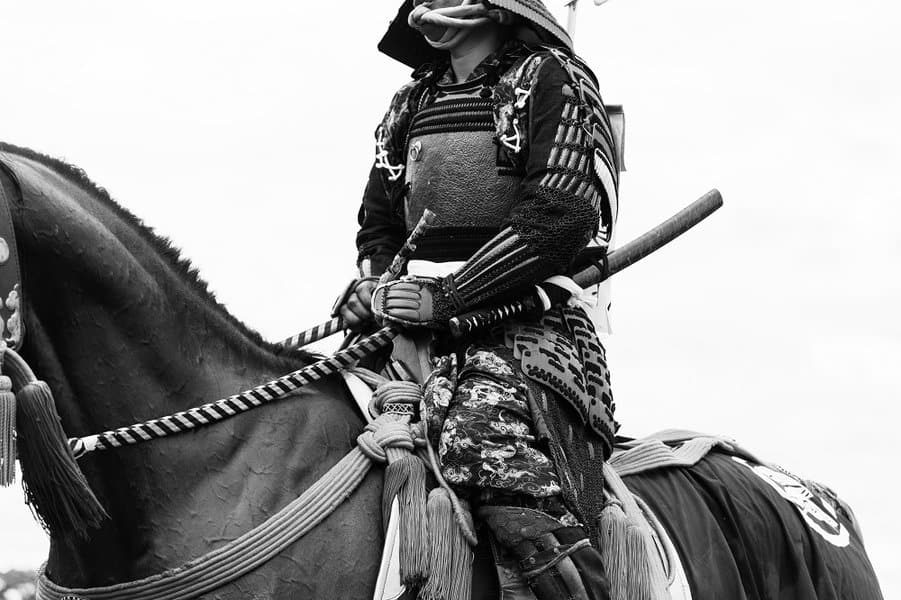
Samurai armor can trace its roots back to the 7th century. The armor consisted of lacquered plates of metal or leather. With added flexibility, the armor used silk or leather to attach the plates. In addition to a front chest piece, the armor included a back part, rectangular shoulder shields, and armored sleeves.
In the 16th century, the armor required upgrades to protect against guns and other firearms. Later, the chest and back were a single raised iron plate in a V-shape to protect the back and neck.
9. Kabuto Helmet
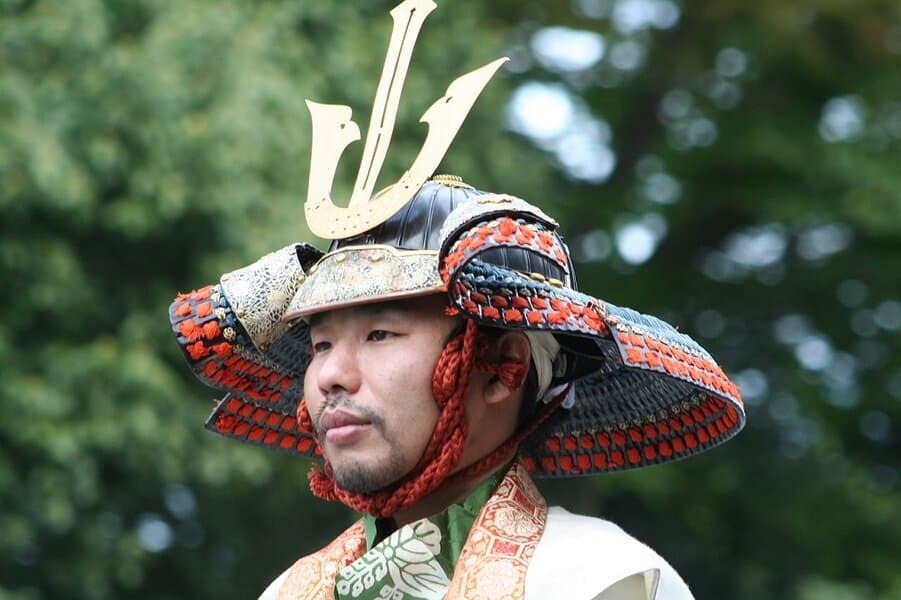
In feudal Japan, the Kabuto helmet was a vital part of the armor. It can trace its roots back to Japanese warriors centuries ago but became an official part of the samurai armor. Each helmet had its own unique appearance, but they all shared similar traits. They had overlapping plates on the dome that fully protected the samurai’s head and face.
Despite the elegant designs, the kabuto helmets were vital to the samurai’s survival. The helmet is an iconic symbol of the samurai that is still prominent today.
Fun fact: the shape and design of the kabuto helmet influenced Darth Vader’s helmet in the beloved franchise Star Wars.
10. Head Collectors
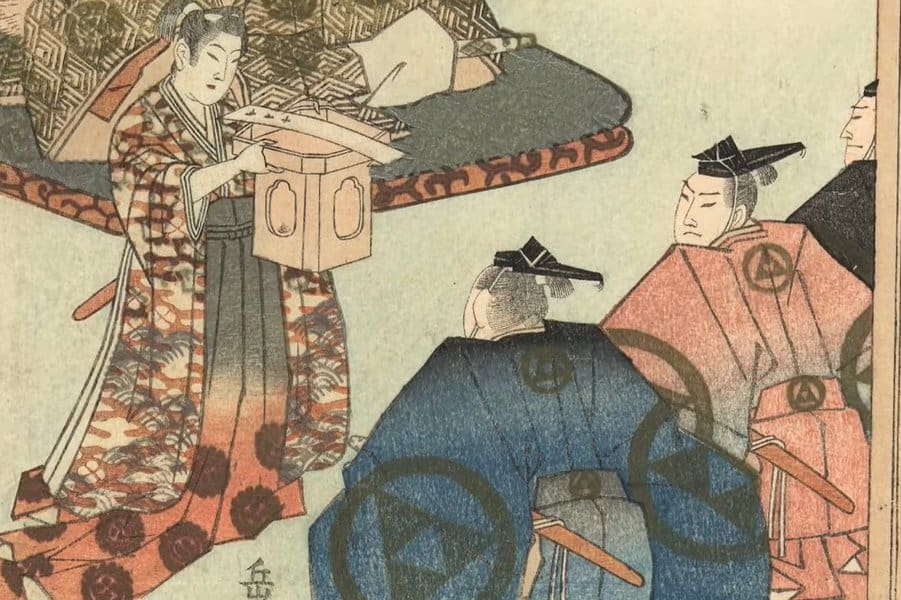
Kamakura, or head collecting, was one of the samurai’s most gruesome traditions. It was common for a samurai to chop off the head of their enemy on the battlefield. In some cases, they’d leave the battlefield with multiple severed heads.
The samurai would conduct a ceremony with the severed head. For the ceremony, the samurai would wash the head, comb the hair, and darken to teeth before being placing it on a table to display as a trophy.
11. The Great Samurai
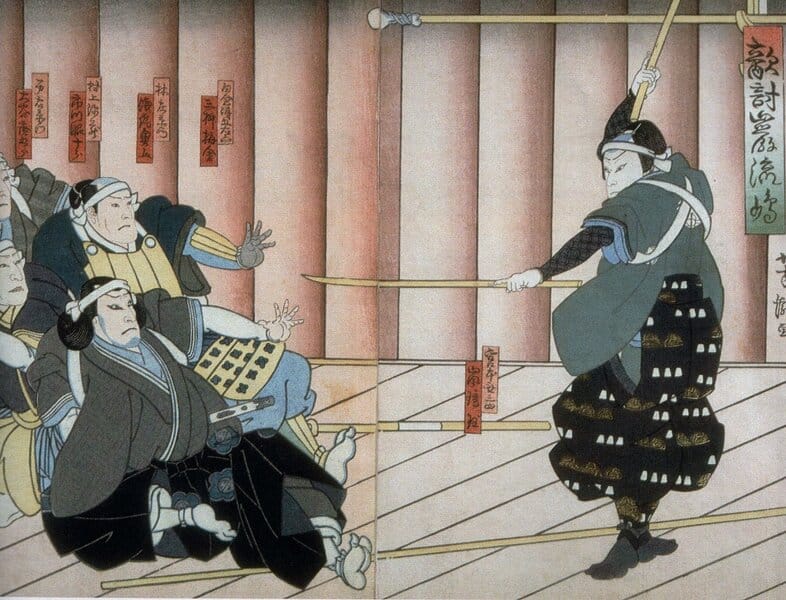
Born in 1584, Miyamoto Musashi Budokan was more than just a great samurai. Miyamoto was a famous ronin known as an excellent writer and strategist. He was a wise philosopher who wrote The Book of Five Rings and Dokkōdō, also known as The Path of Aloneness.
Miyamoto was a skilled warrior with unparalleled swordsmanship. Regarded as one of the most proficient swordsmen, Miyamoto went undefeated, winning 61 duels. He had numerous duels throughout his life using two deadly swords. In April of 1612, he took part in his most famous duel against Sasaki Kojirō. Miyamoto died in 1645 from cancer.
12. The End of the Samurai Class
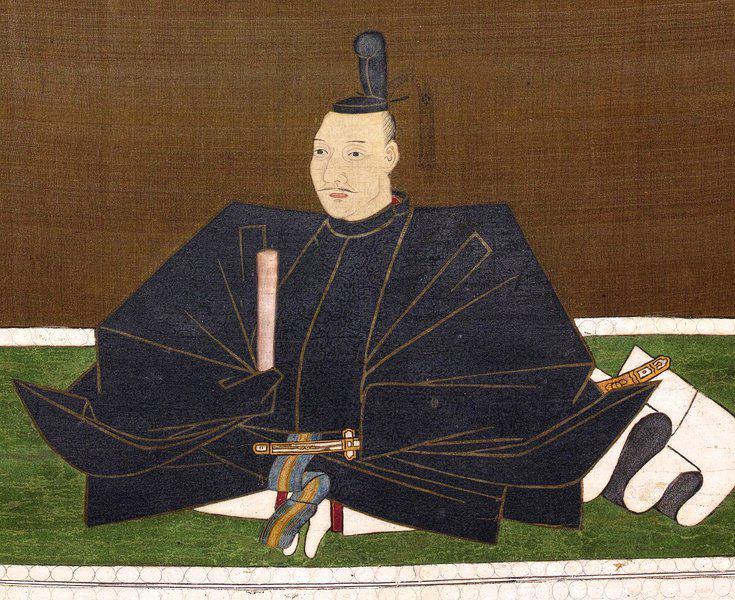
The samurai became the ruling class in society. They formed the military and held political positions. In the 1500s, the first great unifier, Oda Nobunaga, attempted to unify all the clans into one powerful force. Both his successors, Tokugawa Leyasu and Toyotomi Hideyoshi, followed in his footsteps. However, The Empire of Japan was about to change everything for the samurai.
Led by Emperor Meiji, the Meiji Restoration sought to bring the political system back under the control of the Emperor. Based on the German military, the goal was to modernize the Japanese army to compete with the rest of the world.
Taking the place of the samurai was the wealthy ruling class, who slowly abolished the samurai class. First, they taxed the samurai’s wages before putting in place conscription, allowing civilians into the military. Eventually, the samurai, led by Saigo Takamori, rebelled against the Imperial Japanese Army. The army of the Empire of Japan was too strong and they defeated the samurai rebellion.
13. After the Samurai Life
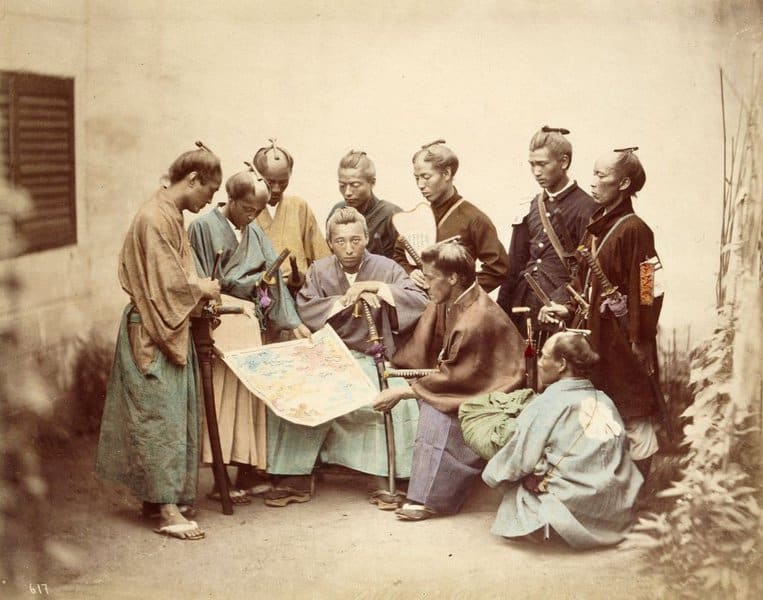
The Empire of Japan decided to incorporate the former samurai warriors into other careers in Japan, such as business and military. The older samurai represented a bygone era that had no place for them in the world. The idea was to have them purchase land and make future investments.
The younger samurai gained further education abroad and returned to Japan in professional careers. Many of them became reporters who started their own newspapers. Several others took on various business and government positions.
14. Popular Culture
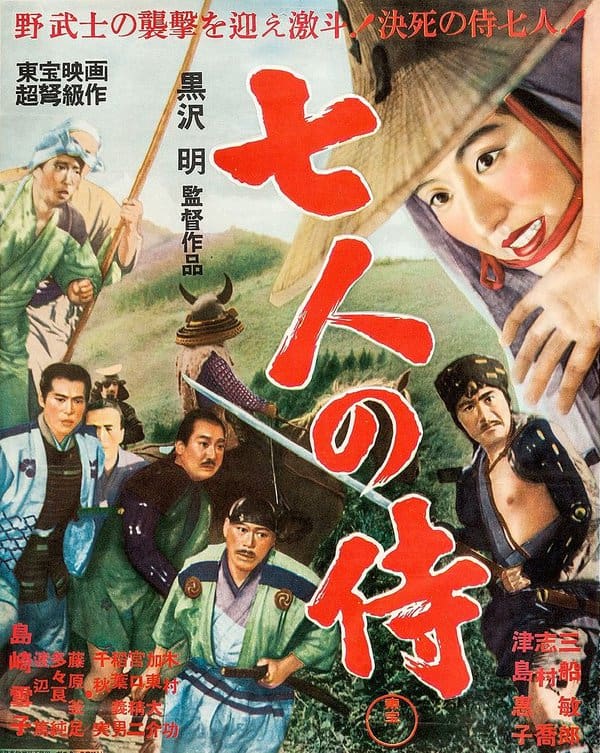
With a rich and fascinating history, the samurai became a source of inspiration for movies and television around the globe. The legends and myths inspired classic films and characters. Historical samurai movies depicting highly skilled warriors are the most common, while Japanese samurai in a modern setting are also hugely popular. But the samurai influence goes beyond Japan.
Iconic Japanese director Akira Kurosawa greatly influenced cinema worldwide, notably the Western genre. Kurosawa’s classic Seven Samurai inspired the timeless Western The Magnificent Seven. George Lucas famously used the main story of Kurosawa’s Hidden Fortress for his classic sci-fi adventure Star Wars Episode IV: A New Hope. The samurai lifestyle and culture continue to influence cinema.
[see_more_about title=”14 Interesting Facts About Ancient Egypt” link=”https://nl.jahaweb.com/interesting/facts-about-ancient-egypt/”]