
There’s no need to visit museums when the Earth’s natural beauty creates mind-bending art. The Earth is full of stunning and strange rock formations that are awe-inspiring. Over thousands of years, these rock formations took shape to create the oddest natural designs.
It wasn’t an artist in a room creating these iconic images but mother nature that allowed these natural works of art to take shape with a combination of weather and erosion.
These incredible rock formations are a sight to behold. In some cases, these stunning outcrops took millions of years to form. Many of these locations are now the top tourist attractions in the world. While they might seem unreal, these stunning rock formations genuinely exist and are well worth checking out for anyone who loves the outdoors.
1. The Devil’s Tower, Wyoming, United States
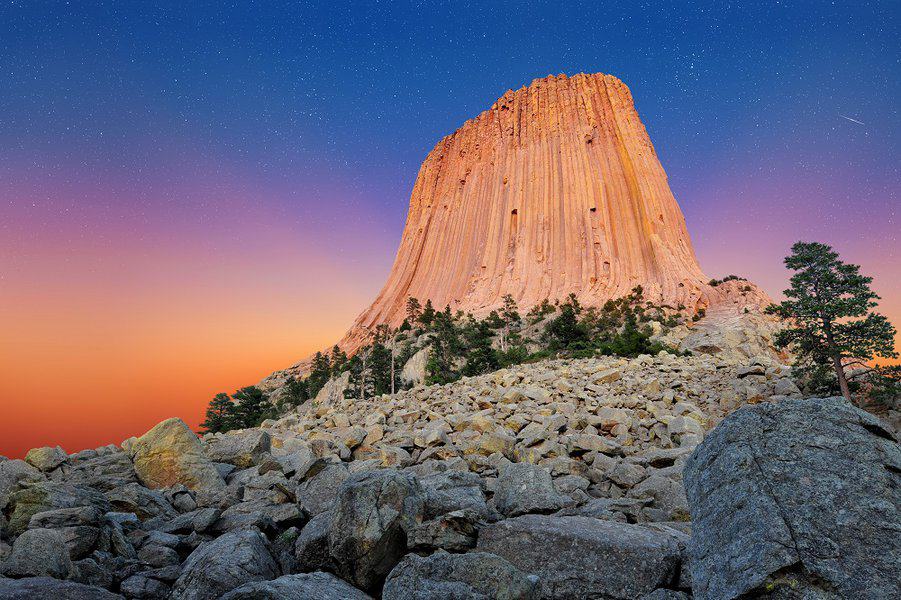
Above the Belle Fourche River in northeastern Wyoming is the famous Devil’s Tower. Roughly 40 million years ago, the stones that formed the odd rock formation began to take shape. Also known as Bear Lodge Butte, the oldest rocks have a distinct maroon siltstone and dark sandstone visible along the river. The stones consist of greenish and dark gray rocks with white crystals.
2. Monument Valley, Utah-Arizona State Line
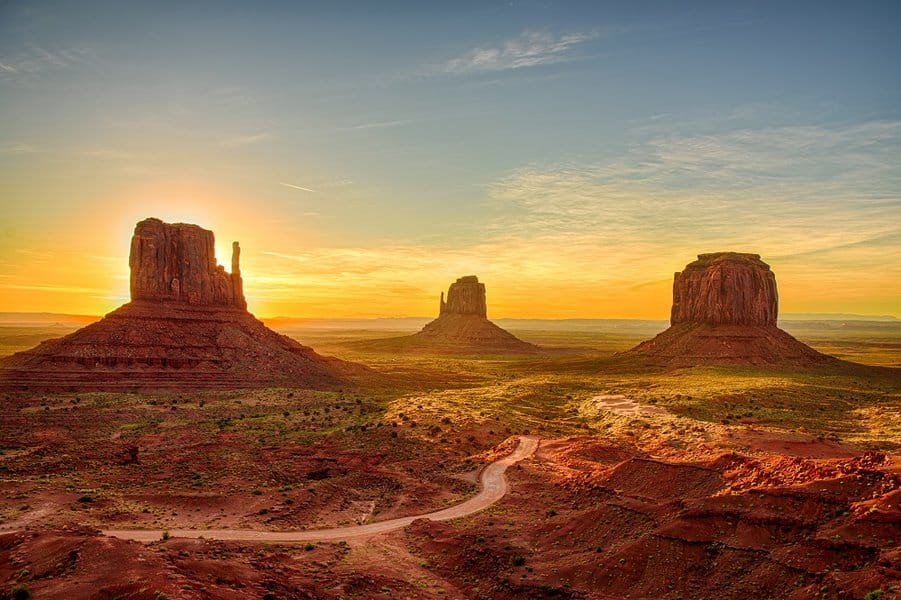
On the Utah-Arizona state line is Monument Valley. It’s best known for its collection of red sandstone buttes. The valley also consists of dark blue-gray rocks. The largest of the buttes stands at an impressive 1,000 feet. Furthermore, the valley sits on the Navajo Nation Reservation, which considers the valley sacred.
3. Turnip Rock, Lake Huron, Michigan
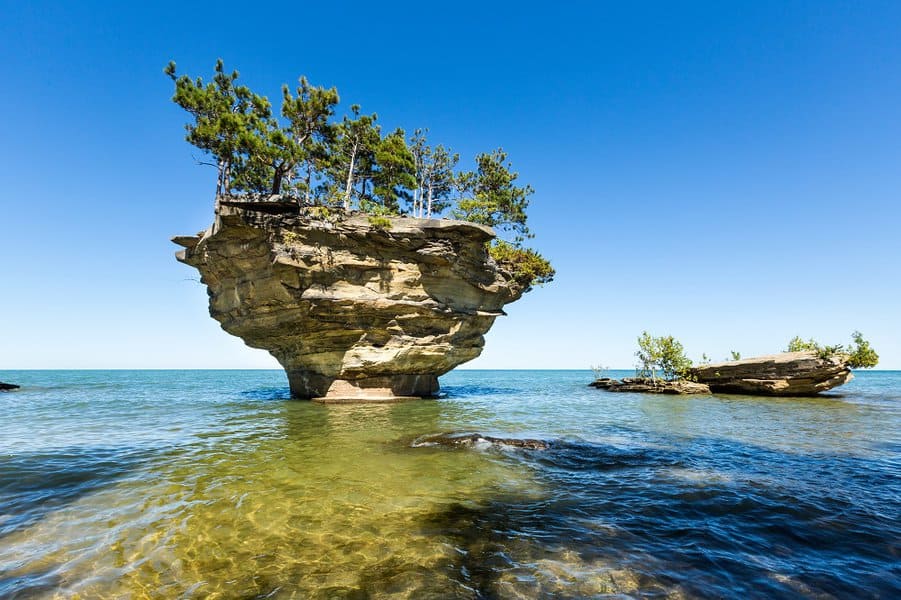
Sitting alone in Lake Huron is a strange rock formation called Turnip Rock. Located in Michigan, water waves undercut the rock giving it a turnip-like shape, hence the name Turnip Rock. It’s a world-famous tourist attraction, although it’s on private property and lacks public road access. That doesn’t stop people from hiring boats and canoes and getting an up close and personal look at this magnificent rock formation.
4. Giant’s Causeway, Northern Ireland
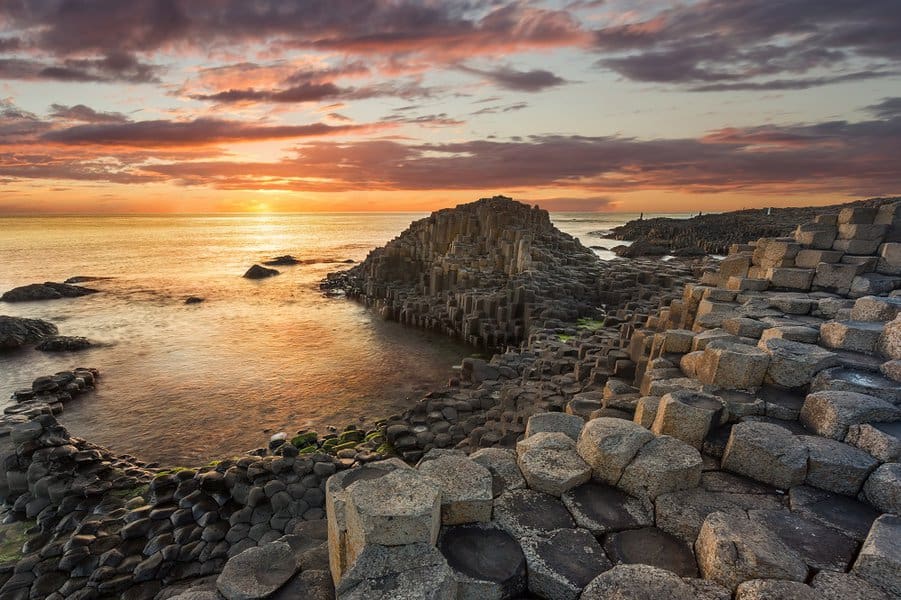
According to Irish folklore, the Scottish giant Benadonner challenged Irish giant Finn Mac Cumhail to build a causeway across the North Channel to meet. Depending on the version, the Giant’s Causeway in Northern Ireland is the remnants of the two giants battling.
In reality, around 60 million years ago, a volcanic eruption created 40,000 interconnected basalt columns, creating Giant’s causeway. The tallest of the hexagonal columns is roughly 39 feet high. The UNESCO World Heritage Site features columns, forming stepping stones from the foot of the cliff, disappearing under the sea.
5. Fingal’s Cave, Staffa Island, Scotland
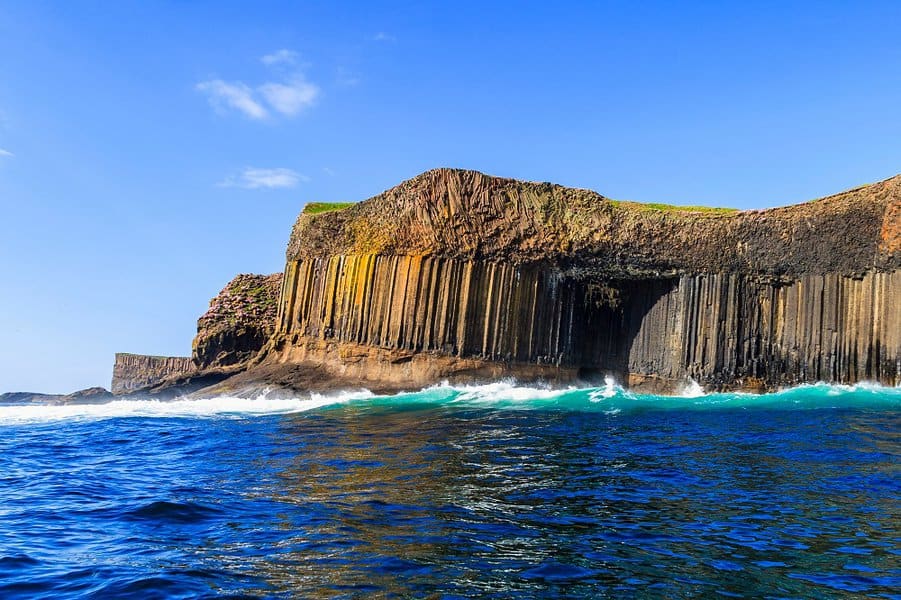
One of the most remarkable rock formations, Fingal’s Cave, sits on uninhabited Staffa Island in Scotland. The sea cave consists of basalt columns with a hexagonal shape. It gets its unusual shape from hardened lava cooling on the lower and upper surfaces. It eventually fractured, creating a unique hexagonal and blocky pattern. Part of the cave is underwater, giving it added mystique.
[see_more_about title=”11 Of The Hottest Places On Earth” link=”https://nl.jahaweb.com/interesting/hottest-places-on-earth/”]
6. Bryce Canyon National Park, Utah, United States
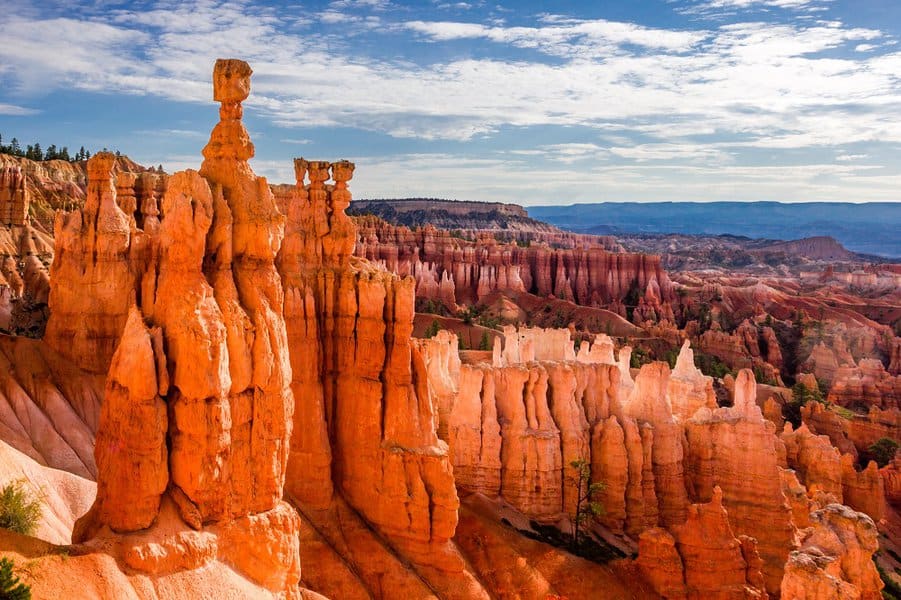
In southwestern Utah sits the incredible Bryce Canyon National Park. The stunning national park is known for white, red, and orange-colored rocks forming the pink cliffs. A combination of freezing rain and erosion created geological structures known as hoodoos.
The naturally formed tall and slim hoodoos are the park’s main attraction. Along the Paunsaugunt Plateau is an extensive, naturally created group of amphitheaters featuring hundreds of hoodoos that have to be seen to be believed.
7. Lion Rock, Auckland, New Zealand
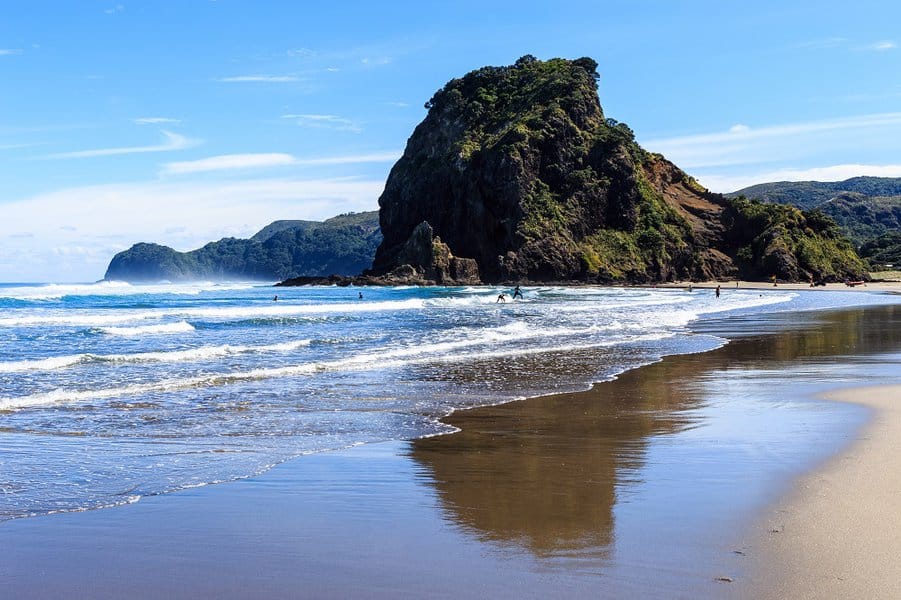
Millions of years ago, Waitākere Volcano sat around present-day Piha Beach in New Zealand. Approximately 17 million years ago, one of the volcano’s eastern vents lifted from the sea.
The volcano began to erode slowly, with lava filling in the vent. This created the incredible Lion Rock, sitting on the beach’s edge. The stunning rock formation is an awesome sight to see and a famous Kiwi tourist attraction.
8. Goblin Valley State Park, Utah, United States
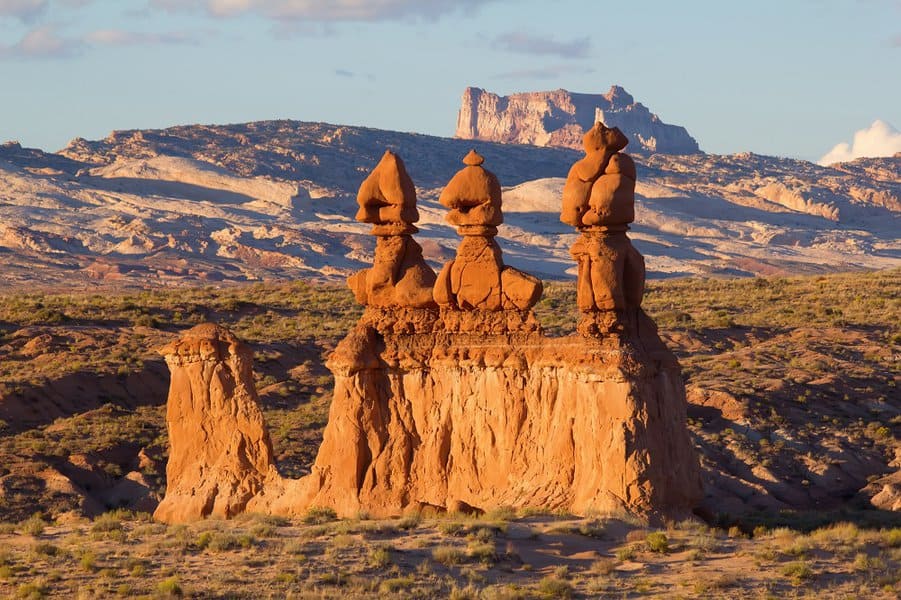
Located in Utah is the mind-twisting Goblin Valley State Park. The park is famous for the mushroom-shaped hoodoos known as goblins. The goblins began forming millions of years ago and consist of shale, siltstone, and sandstone layers.
The odd spherical shape comes from the weathering of the Entrada sandstone. It’s easily one of the top tourist attractions in Utah.
9. Chocolate Hills, Bohol, Philippines
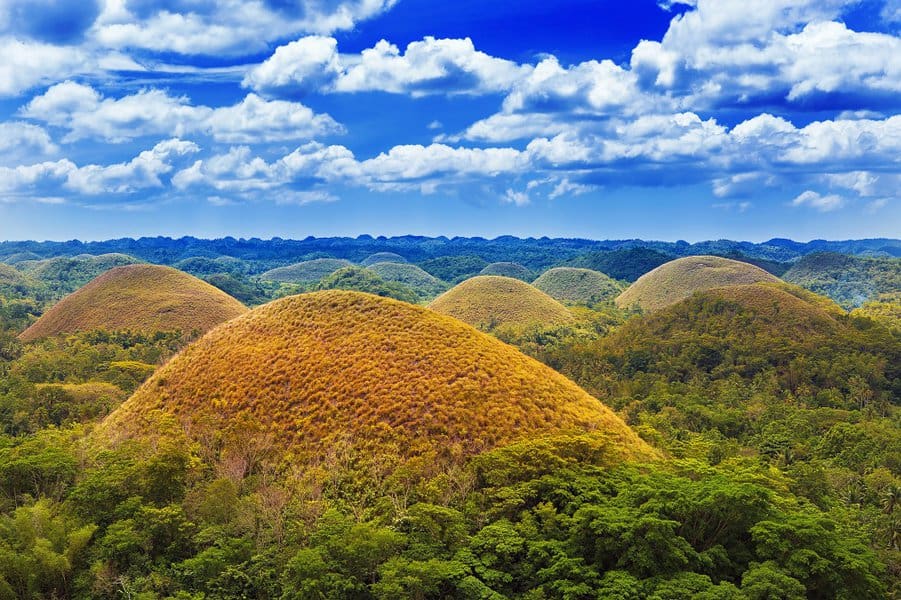
The astonishing rock formation known as Chocolate Hills is throughout the province of Bohol in the Philippines. It consists of roughly 1,260 hills covered in green grass that turns brown in summer.
Each dome-shaped hill comprises limestone covered by grass. They vary in size from 164 to 390 feet in height. These stunning hills stretch throughout the Philippines, crossing into other provinces.
10. Wave Rock, Perth, Western Australia
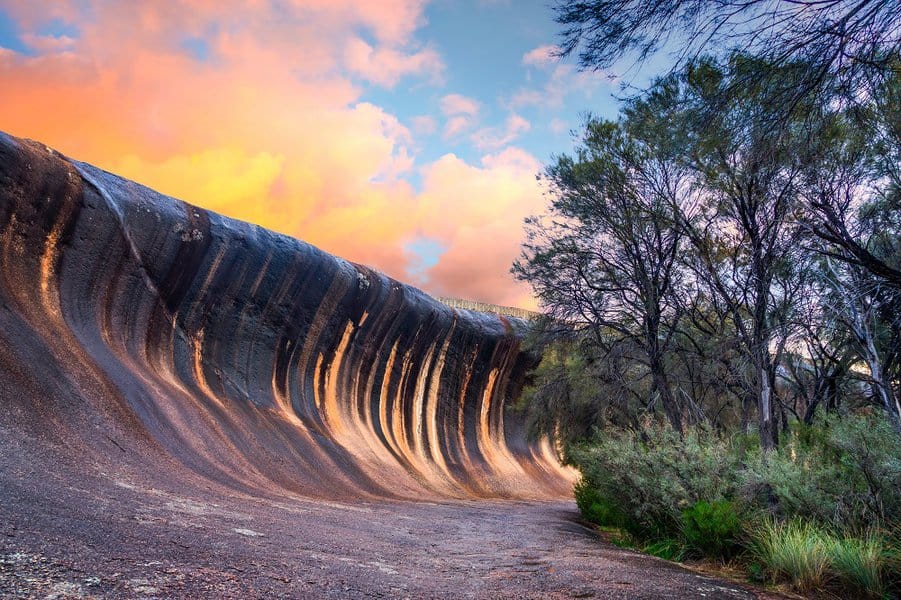
Tourists from all over the world visit Western Australia to see the amazing Wave Rock. Standing 50 feet high, the Wave Rock has the shape of an ocean wave about to destroy everything in its path.
It’s a concave inward bedrock known as a flared slope, giving it the appearance of a wave. Wave Rock is part of the 2.6 billion-year-old Hyden Rock. Erosion and weathering created three domes that form the basis of Hyden Rock.
[see_more_about title=”The 11 Coldest Places On Earth” link=”https://nl.jahaweb.com/interesting/coldest-places-on-earth/”]