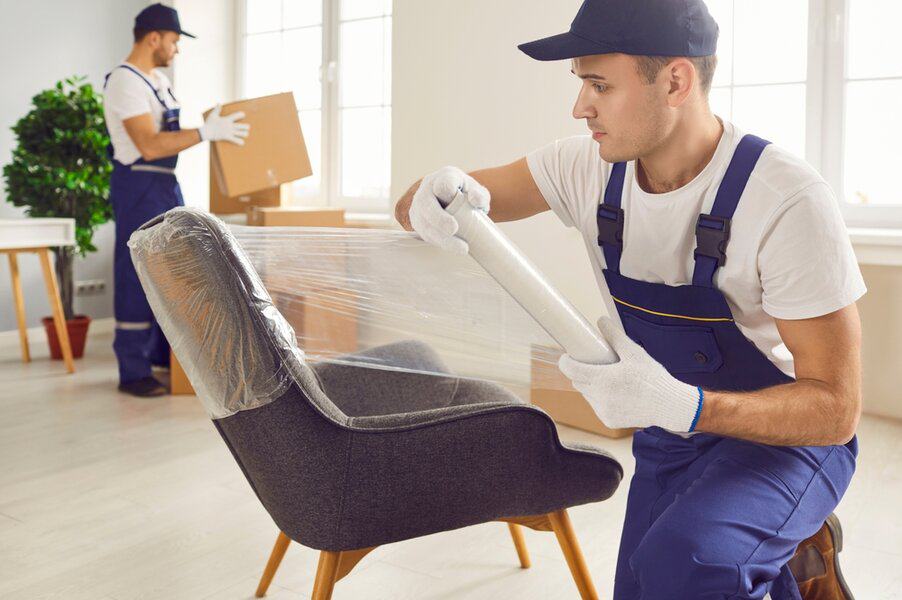

Moving into a new place usually kicks off with a mix of energy and decision fatigue. There’s excitement about the fresh start but also a lingering sense of pressure to do everything at once. Furniture gets placed in a hurry, tools come out before the boxes are even unpacked, and suddenly, you’re knee-deep in both adjusting and improving.
When you’re coming from a major city, like leaving Miami for a quieter or different pace, things hit a little differently. The lifestyle shift can be refreshing, but the home itself still needs attention. Some projects really can be put off for a while. Others, though, deserve to be bumped to the top of the list whether you’re ready or not.
Prioritize What Matters

Trying to tackle every home task in week one is a recipe for burnout. There’s nothing wrong with wanting your place to feel settled, but not all projects deserve your time right away. The trick is figuring out what impacts day-to-day living versus what can genuinely wait.
If you hire full-service movers in Miami, you’ll probably give yourself a little breathing room. These movers will take much of the burden off your shoulders so you can focus on prioritizing and carrying out essential home improvement projects. With the big stuff handled by the pros, it’s easier to walk into your new home and start spotting what actually needs attention. Prioritizing early on helps avoid random purchases or half-finished DIY fixes that don’t solve anything meaningful.
Fix Safety Risks
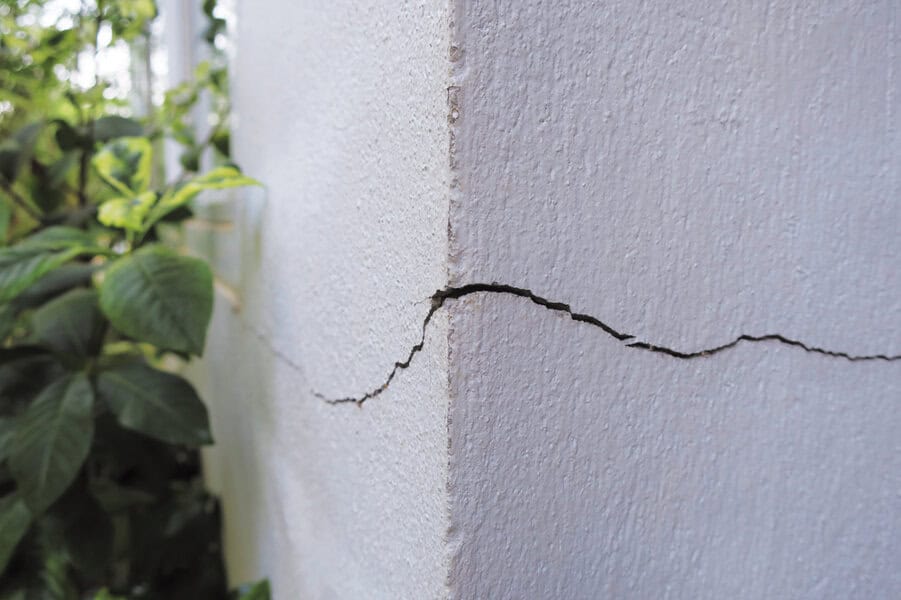
Safety doesn’t have a waiting period. Structural issues may not always be dramatic at first glance, but even small cracks or loose supports can point to larger concerns. These aren’t the kind of things to ignore for the sake of painting a room or swapping out light fixtures.
If something in the house feels unstable or even just off, it’s worth a closer look. This is especially important in older homes or properties that haven’t been lived in for a while.
Stop Moisture Early
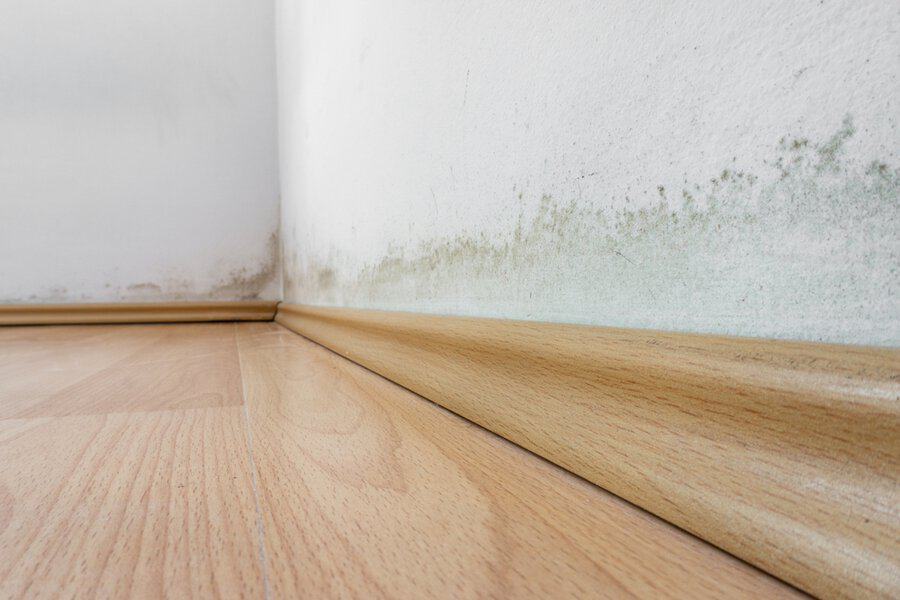
Water has a way of sneaking in quietly and becoming a much bigger problem before you notice. Maybe it’s a musty closet, a discolored baseboard, or a soft patch in the ceiling. It seems small, so you move on. Fast-forward a few months, and now you’re pricing out mold remediation or drywall repair.
The best time to fix a moisture problem is when it’s still a tiny one. That could mean resealing windows, clearing out old vents, or just running a dehumidifier for a bit. It’s not the most exciting project, but it’s one of the smartest ones to handle early.
Focus on Foundation Cracks
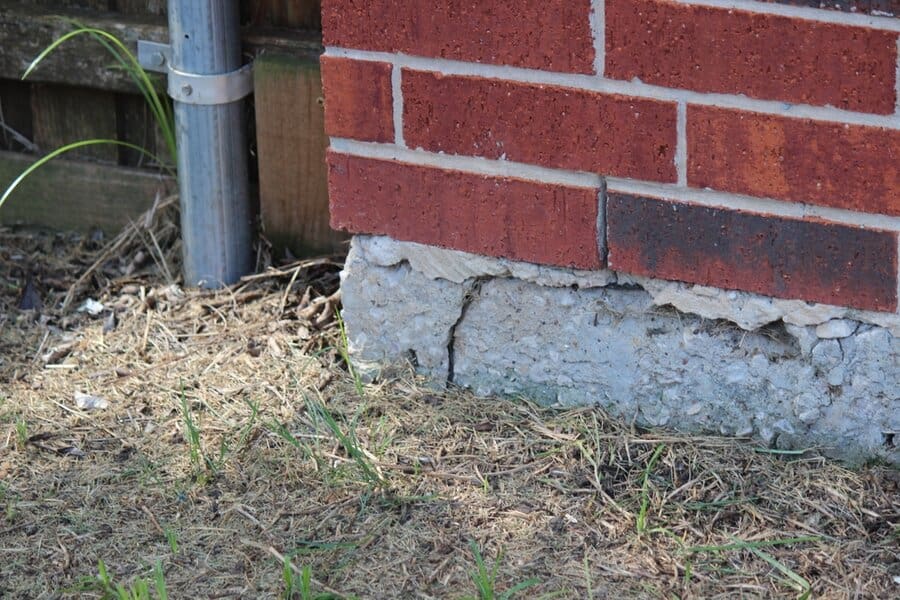
Hairline cracks in the walls or floors don’t always mean something serious, but they’re still worth watching. A few gaps here or there might be cosmetic, especially in newer homes that are still settling. The concern is when cracks grow, shift, or start affecting how doors and windows close.
This kind of issue often flies under the radar during a busy move. It doesn’t interfere with unpacking, so it gets pushed down the list. But when ignored, it can slowly affect everything from flooring to plumbing. Taking time to document and monitor these areas early on puts you in a better spot if action is needed later.
Install Safety Devices
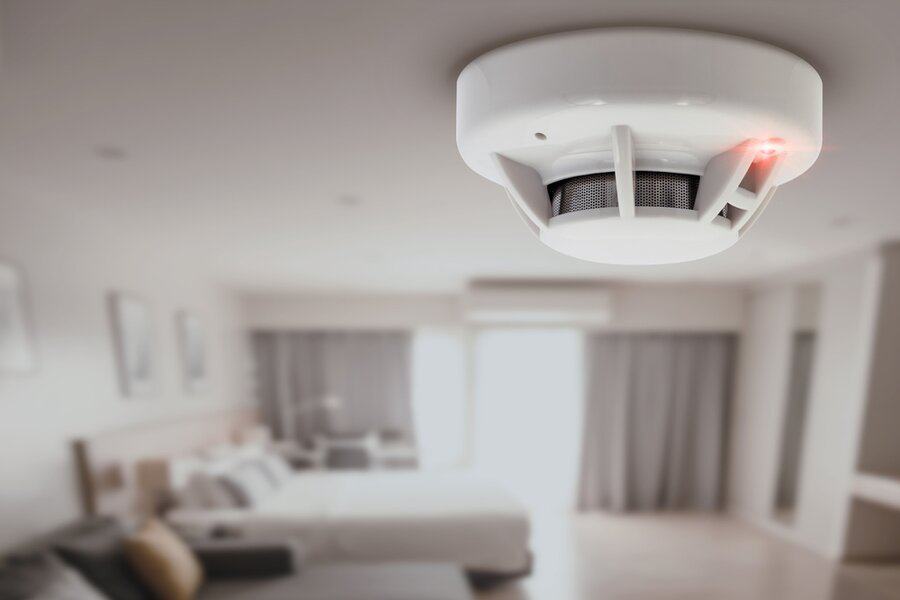
It’s easy to get caught up in big-picture fixes and overlook the simple stuff. Smoke detectors, carbon monoxide alarms, and fire extinguishers don’t seem like a big deal until they’re needed. That’s why setting them up beforehand should be part of the move-in checklist, not a “get to it later” item.
It doesn’t take much time, and the peace of mind is immediate. Even if the house came with these devices installed, check if they’re working properly. Batteries go dead, devices age out, and placement might not even be up to current standards. A few quick swaps now could save a lot of trouble later.
Delay the Lawn
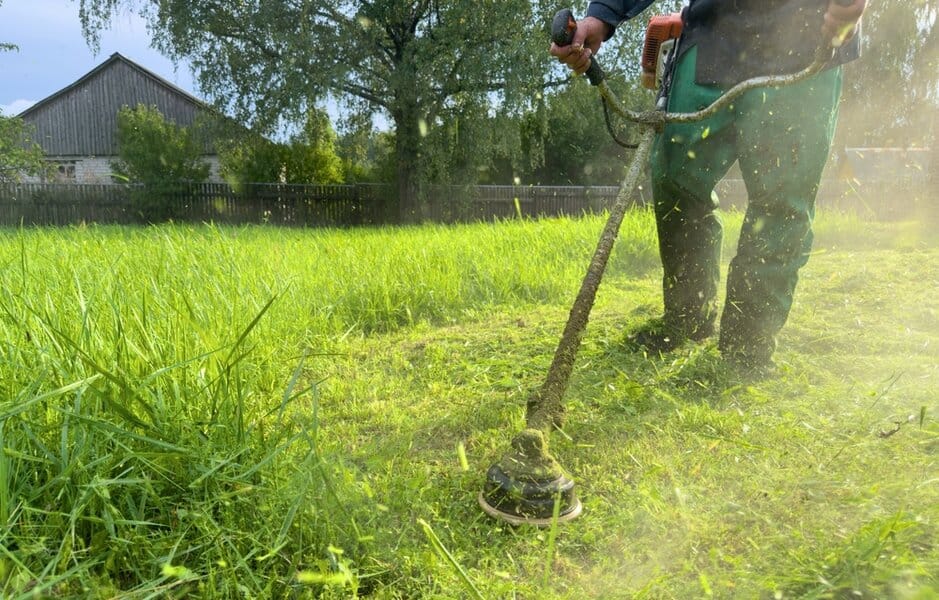
Curb appeal is great, but you don’t have to transform your yard right away. Landscaping can wait until you’ve had some time to live in the space and see how you actually use the outdoor areas. Jumping into sod, stone paths, or raised beds might sound fun, but those projects can be expensive and easy to regret if rushed.
Holding off also gives you time to learn what the natural conditions are like—how much sun your yard gets, how drainage works during a storm, and whether the existing plants are worth keeping. A little patience in this area leads to smarter choices later on.
Schedule Climate Repairs
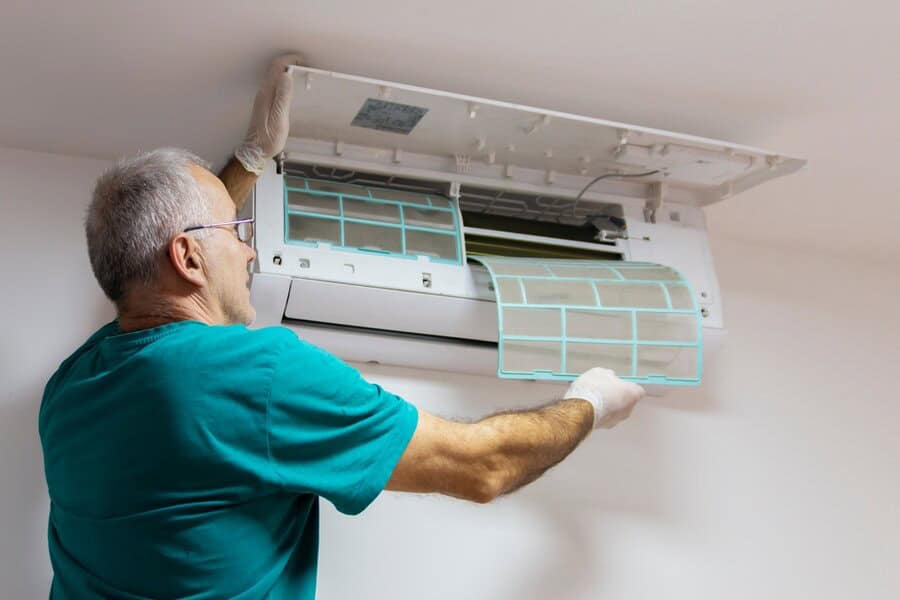
Heating and cooling might seem fine when the weather is mild, but once the temperature shifts, any system problems become really obvious. Whether it’s uneven airflow, strange sounds, or a thermostat that never hits the mark, HVAC problems tend to reveal themselves at the worst possible time.
That’s why it’s smart to schedule an inspection and any needed repairs during the first month or two. You don’t have to replace everything unless there’s a major issue, but knowing how well your system is working and having time to fix it before summer or winter hits is a move that future you will appreciate.
Tackle Infestations Fast
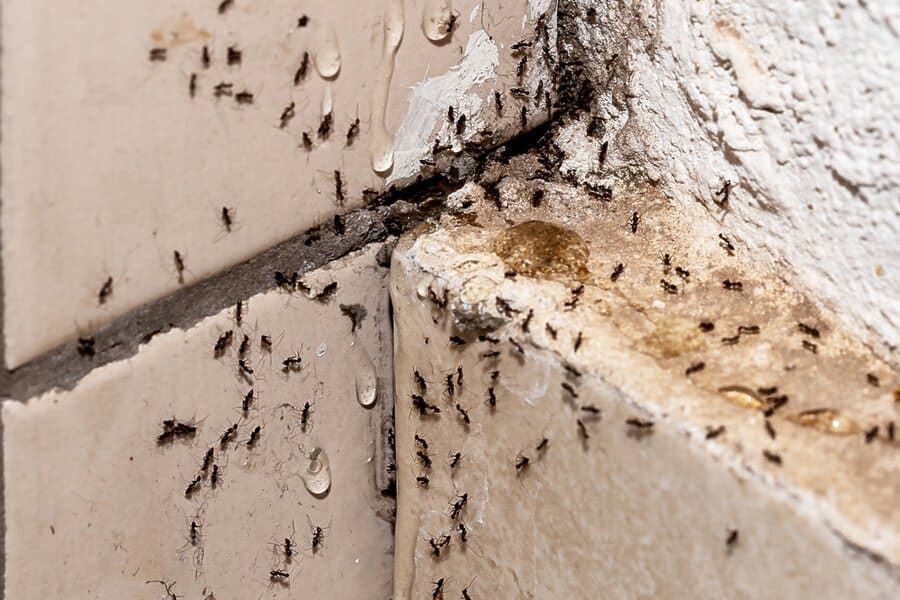
Pest problems don’t always show up immediately. Sometimes, they start small: a few ants in the kitchen and one mouse in the garage. It’s tempting to brush it off, especially when there’s so much else to do, but these are the kinds of issues that get worse quietly and quickly.
If you see any early signs of pests, take action now. Whether that’s calling a local service or setting a few traps yourself, it’s easier to deal with things while the problem is still manageable. Waiting just gives pests more time to settle in, and then the solution becomes more disruptive and more expensive.
Skip Big Makeovers
Turning the spare room into a home theater or converting the basement into a gym might sound exciting but it’s usually something that can wait. These kinds of non-essential projects often take more time and money than expected, especially if you’re still figuring out the basics of your new home.
Living in the space for a bit before diving into a major conversion helps you decide what actually makes sense. That room you planned as an office might work better as a playroom or guest space once your routine sets in. It’s okay to hold off until the right idea sticks.
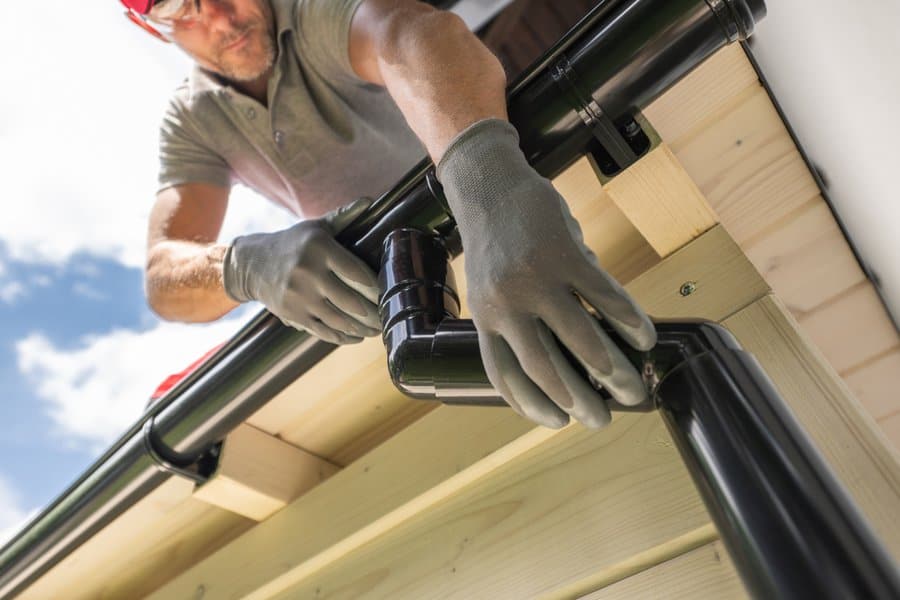
Not every home project deserves your energy right away. When you move into a new space, it’s easy to feel pressure to fix, upgrade, and personalize everything all at once. But separating the truly urgent from the simply tempting helps you settle in without feeling buried. First, take care of what supports safety, comfort, and basic function. The rest will still be there when you’re ready, and you’ll be in a better place to handle it.