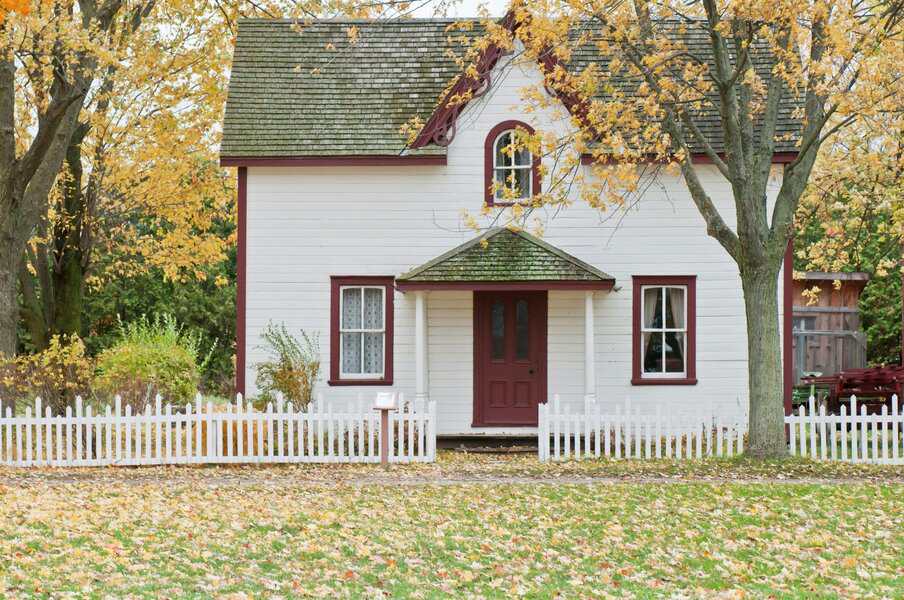

Older homes often carry a charm that’s hard to find in new construction. From detailed trim to original hardwood floors, they offer warmth, history, and personality. But that same character can come with challenges. Outdated wiring, aging roofs, or cramped layouts can make daily living harder than it needs to be.
Many homeowners face a balancing act: how to bring the house up to modern standards without stripping away what makes it unique. It’s not always about full renovations. Sometimes it’s about preserving the good, fixing what’s worn, and updating the rest just enough to support current needs.
This approach takes planning, patience, and the right team. With careful choices, it’s possible to make improvements that look and feel like they’ve always been there. This guide walks through the key areas to focus on when restoring or upgrading an older home, all while keeping its original spirit intact.
Start with the Structure and Exterior
Before choosing tile or paint colors, it’s smart to focus on the home’s core features. Start with the structure—the foundation, exterior walls, and roof. These elements play a big role in the home’s comfort, stability, and overall appearance. If the basics are in good shape, everything else becomes easier to manage.
The roof, in particular, is one area where function and design meet. Many older homes feature roof styles that add a lot of visual character, like steep pitches or unique gables. These details deserve thoughtful updates when repairs or replacements are needed.
When updating the exterior, it’s smart to work with a roofing contractor who understands both modern materials and traditional home styles. They can help choose a roofing solution that offers durability without taking away from the home’s original design. Matching colors, materials, and shapes to the era of the home helps keep things cohesive. Small choices like shingle texture or trim style can make a big difference in the final result.
While working on the exterior, it’s also a good time to look at other visible features. Original wood siding, decorative trim, and vintage window frames often just need refinishing, not replacement. If some parts are damaged, local millwork shops can often recreate the details. Keeping or restoring these elements helps maintain the home’s original look, even with new upgrades behind the scenes.
New windows are often added for energy efficiency, but they can clash with the house’s style if picked without care. Try to match frame materials and grid patterns to what was originally there. Some companies now offer energy-efficient options that still resemble vintage windows in both size and design.
These early updates, roof, windows, and siding, build the foundation for the rest of the project. Once the outside is stable and visually consistent, you can shift your focus inside. That’s where the personal touches and design choices really come into play.
Keep the Layout, Improve the Flow
Older homes were built with different lifestyles in mind. Rooms were often closed off, and kitchens were smaller. But that doesn’t mean you have to knock down every wall to improve function.
Start by walking through the house and noting what works. Keep rooms that feel comfortable as they are. Look for spots where a small adjustment could open up the space or improve how it functions. For example, widening a doorway between the kitchen and dining room can help the rooms feel connected without losing their original purpose.
Built-in cabinets or window seats add personality and value. If these are in good shape, leave them in place. When updates are needed, look for ways to match the original style rather than replacing it with something that feels too modern.
Modernize Systems Without Changing the Look
Comfort in an older home depends on more than design. Electrical, plumbing, and HVAC systems often need updating. Wires may be outdated, pipes may corrode, and older homes may lack proper ventilation.
Upgrading these systems is worth the effort. Work with electricians and plumbers who have experience with older homes. They can usually run new wiring or pipes in a way that doesn’t damage original features. For example, wiring can be tucked behind walls or under floorboards, and outlets can be added in places that don’t interfere with trim or design details.
Choose fixtures that blend in. Modern light switches, outlets, or thermostats come in styles that match older decor. These small choices help keep the space looking consistent while still offering modern comfort.
Restore or Recreate Key Character Features
If your home has original details like crown molding, ceiling medallions, or decorative railings, take time to preserve them. These pieces give the home its personality and are often made from materials that last longer than newer alternatives.
When parts of these features are missing or damaged, look into custom millwork. Many woodworkers can recreate trim, spindles, or other decorative elements based on photos or small samples. This allows you to replace what’s broken without changing the look of the space.
For floors, refinishing original hardwood is almost always worth it. These floors bring warmth and history that newer products can’t match. If some boards are too damaged, reclaimed wood in a similar species and grain can fill the gaps without standing out.
Restoration doesn’t always mean exact copies. It can also mean using new materials that complement the old. Just aim to keep the design language consistent. When something feels like it belongs, it helps maintain the home’s overall charm.
Update Kitchens and Baths Respectfully
Kitchens and bathrooms need modern function, but they don’t have to look out of place. You can upgrade appliances, plumbing, and storage while still honoring the home’s original feel.
Use classic shapes and materials. Subway tile, shaker cabinets, and stone countertops feel timeless. Keep built-ins when possible or add new ones that reflect the original style.
Freestanding tubs or vintage-style faucets give bathrooms a fresh look without breaking the design flow. Even in small spaces, thoughtful choices can bridge old and new in a natural way.
Preserving the character of an older home takes careful planning, but the result is worth it. Each choice, from structural updates to design touches, adds to the story your home continues to tell. With a focus on detail and a respect for what’s already there, it’s possible to make any older home more comfortable, efficient, and full of charm for years to come.