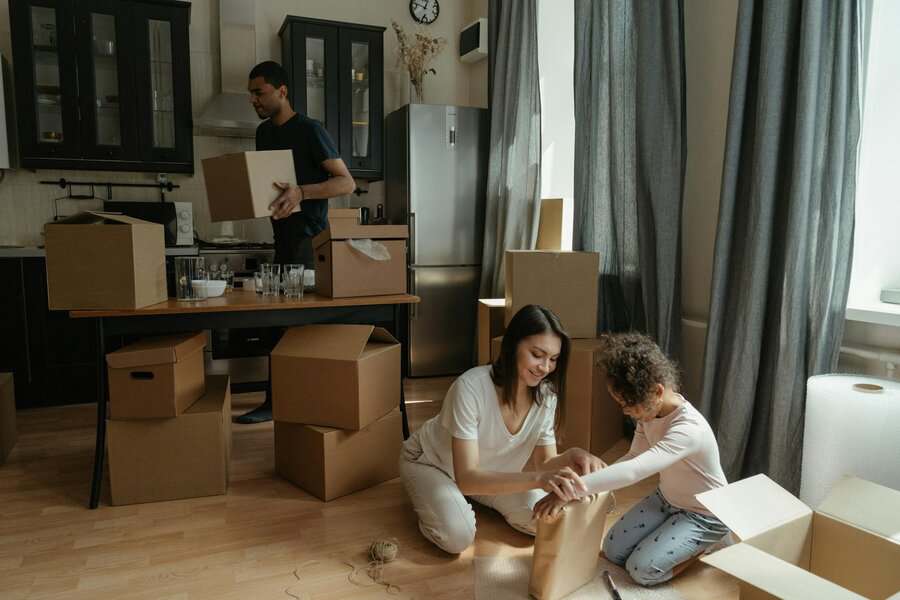

Moving into a house is a process of building familiarity in a new setting. The structure is already there, but the details that make it feel lived in are only added after the first boxes are opened. Decisions like where to place a chair, what to hang on the wall, or how to arrange the entry shape the house into something that feels personal.
The transition is not about finishing everything in a single day. It unfolds gradually as routines settle in and as belongings find their places. The early steps, such as managing the move, arranging the first rooms, and deciding which items to bring forward from a previous home, lay the foundation for how the space will grow into something recognizable and comfortable.
Getting Support for Moving
Carrying the physical weight of a move can drain the energy needed for settling in. Large furniture, fragile boxes, and the logistics of transport can take over the entire day. When too much focus is on lifting and hauling, less attention is given to shaping the house. A move handled with support keeps the process steady and allows the energy to shift toward arranging the new space.
Professional help through residential movers brings order to this stage. Their role goes beyond loading and unloading; it creates space for families to concentrate on decisions that affect the look and feel of the home. While movers handle the heavy work, the family can start planning where to place furniture, which room to unpack first, or how to organize belongings so the house begins to feel like theirs from the start.
Creating a Cozy Entryway
The entry is often the first space that feels complete after a move. It sets a small but meaningful boundary between the outside world and the interior. Placing a rug, a small bench, or a hook for everyday items turns the area into something functional. Even with minimal effort, it becomes a spot that eases the transition when stepping into the home.
Adding a few details can shift the tone further. A light that stays on in the evening, a mirror reflecting natural light, or a photograph that holds meaning make the entry welcoming. Once this area feels right, the rest of the house begins to follow.
Personalizing with Furniture
The arrangement of furniture shapes how each room functions. A sofa positioned toward a window naturally creates a sitting area, while a table placed near the kitchen becomes a gathering spot. Placement guides how people move, how conversations flow, and how the house supports daily life.
Families often adjust layouts several times before a room feels natural. Moving a chair closer to a wall, shifting a table for easier access, or spacing out seating until it feels open are all part of the process.
Old Favorites Plus New Pieces
Belongings carried from a previous home carry memories that soften the transition into a new place. A well-worn chair, a family table, or a shelf filled with familiar books immediately anchors the space.
Adding newer items brings another layer. A freshly bought lamp beside an older chair, or a modern shelf paired with a vintage table, creates a quiet mix of past and present. This combination allows the house to feel both familiar and refreshed.
Hanging Art to Set the Tone
Art brings identity into a room in a way few other elements can. Even a single piece on a wall changes how the space feels. Hanging artwork early in the process helps define tone before other details are added. It gives each room a point of focus and introduces personality into otherwise bare walls.
The placement of art is just as important as the choice of pieces. Hanging something at eye level in a hallway, grouping smaller works above a sofa, or setting a large piece in a dining room gives structure to the room.
Colors that Match Your Style
Painting walls or adding accents through textiles and furniture influences how each room feels. Choosing shades that connect with personal taste helps create comfort and continuity.
A single color running through multiple rooms ties the house together, while distinct colors in different spaces can give each area its own identity. Whether painted on walls or introduced through curtains, rugs, and cushions, color is one of the most direct ways to make a house reflect the people living in it.
Defining Spaces with Area Rugs
Open floor plans or large rooms often benefit from rugs that define zones. A rug under a dining table marks it as a gathering area, while one near a sofa sets boundaries for relaxation. Rugs add order by grounding furniture and giving shape to otherwise open spaces.
Beyond function, rugs introduce texture and pattern. They soften flooring, reduce echoes, and add warmth underfoot. Choosing styles that align with the overall tone of the house brings balance, while the simple act of laying a rug down makes a room feel complete.
Layering Curtains and Blinds for Atmosphere
Window treatments influence light, privacy, and comfort. Combining curtains with blinds allows flexibility throughout the day. Blinds can filter sunlight, while curtains add softness and depth to the room.
Layering also introduces texture. A sheer fabric paired with a heavier material creates dimension. These choices frame the view outside while shaping the feeling of the room inside.
Displaying Personal Collections
Collections of books, records, or travel mementos reveal something about the household. Displaying them gives character to rooms while also keeping memories close. Shelves, cabinets, or even small curated corners provide a home for these items.
Arranging collections thoughtfully prevents clutter. Grouping objects by theme, size, or color makes them feel intentional. When displayed with care, collections transform from stored belongings into meaningful parts of the home’s identity.
Styling Shelves with Meaningful Items
Shelves work as small displays of personality when styled with intention. Mixing books with framed photos, plants, or small objects creates variety and interest.
The arrangement can shift over time. Items may be moved, swapped, or added, reflecting changes in mood or season. Shelves styled with care create focal points that feel alive rather than static.
Using Mirrors to Shape Light and Space
A mirror placed across from a window pulls natural light deeper into the space. Smaller rooms benefit from this, but even larger ones gain brightness and balance.
Beyond function, mirrors act as decorative elements. Framed mirrors above consoles, leaning mirrors in bedrooms, or grouped smaller mirrors in hallways each create visual interest. Their placement changes how spaces are experienced without adding clutter.
Shaping a house after moving in is a gradual process. Familiar objects carry continuity, while new additions bring freshness. Together, they create a balance that reflects both memory and change. When time is given to details, the house evolves naturally into a home.