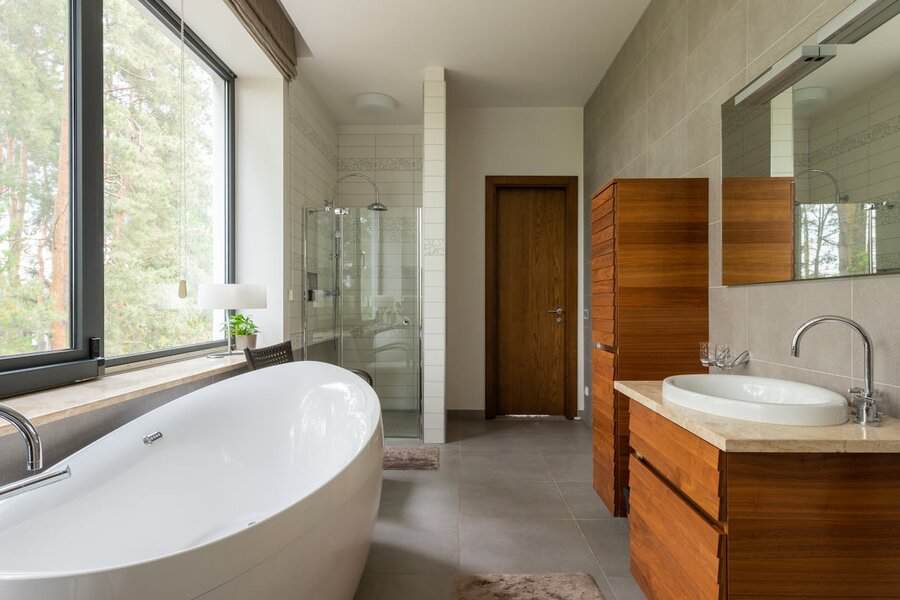

Many homes built during the 1950s and 60s are filled with charm and history. They were designed with practicality in mind—small footprints, clean lines, and thoughtful details. But after decades of use, the bathrooms in these homes often show their age. Cracked tiles, faded colors, and outdated fixtures make them feel more tired than timeless. In places like Indiana, where mid-century homes are still common, many homeowners face the same challenge: how to update their bathroom without erasing what makes it special.
The good news is that mid-century design has aged better than most styles. Its focus on simplicity, functionality, and form gives you a solid foundation for an upgrade. The key is not to start over, but to refine what’s already there. By keeping the right details and improving comfort and efficiency, you can create a bathroom that feels both modern and classic. This guide will help you do just that—step by step, without losing the character that makes your home unique.
Modern Fixtures That Respect the Original Design
When updating fixtures in a mid-century bathroom, the goal is to improve comfort and function without taking away from the space’s clean, timeless look. Start with the pieces that make the biggest difference — faucets, showerheads, lighting, and especially the bathtub. A new tub or surround can completely refresh the room without needing a full renovation.
Companies like Baths by Bee specialize in high-quality bathtub replacements that install quickly and match a home’s existing character. Homeowners who want reliable updates often turn to bathroom remodeling by Bee for practical, well-fitted solutions that combine durability with mid-century style.
Thoughtful changes like these can make your bathroom feel new again—without losing what makes it special.
Refreshing the Color Palette Without Losing the Retro Feel
Mid-century bathrooms are known for color—mint green, butter yellow, baby blue, and even pink. While these shades can feel nostalgic, they can also make a space look dated. The trick is to tone them down without removing their personality.
Consider soft neutrals like warm white, beige, or light gray as your base, then use vintage-inspired colors in small accents—perhaps a pastel backsplash or colored towels. This creates a clean, bright space that still nods to its roots. You can even refinish or regrout existing tiles instead of replacing them entirely. The idea is to create harmony, not contrast, between old and new.
Tiles That Bridge Vintage Charm and Modern Taste
Tile is the first thing most people notice in a bathroom, and in mid-century homes, it often defines the entire aesthetic. Original tile can sometimes be saved with a deep clean or professional restoration, but if it’s beyond repair, new tile can recreate that authentic look with a modern touch.
Subway tiles, terrazzo patterns, and small hexagonal shapes all work beautifully in mid-century spaces. Choose lighter grout to keep the room feeling open and airy. For flooring, a matte finish adds warmth and reduces glare, keeping the look natural and understated. The best tile updates honor the geometry and simplicity of the era while refreshing the space for today’s lifestyle.
Smart Storage Solutions That Keep the Space Open
Mid-century bathrooms were often built smaller than what most homeowners prefer today. That makes storage one of the first areas to rethink. The challenge is to add function without making the space feel heavy or cluttered. Start by using the wall space wisely. Recessed medicine cabinets or open shelves above the toilet can provide storage without taking up floor space. Floating vanities are another good choice—they give you room to store essentials while keeping the area underneath clear, which helps the room look larger.
Avoid bulky cabinets or large units that break up the clean lines typical of mid-century design. Instead, choose simple, wood-toned finishes that echo the materials common in the 1950s and 60s. Keep accessories minimal—just a few well-chosen items, like a woven basket or ceramic container, to maintain a tidy, open look. The result is a bathroom that feels organized but still relaxed and true to its original design.
Lighting That Brings Warmth and Character
Lighting often determines whether a bathroom feels dated or refreshed. Many mid-century bathrooms relied on one overhead light, which left shadows and poor visibility. The key to a modern update is layering light in a way that improves both function and mood.
Start with ambient lighting to brighten the space evenly. A ceiling-mounted fixture or a set of recessed lights works well for this. Then add task lighting near the mirror for grooming or makeup. Wall-mounted sconces placed at eye level give better balance and reduce glare. Finally, include accent lighting to highlight design details, such as under-cabinet strips or a subtle LED along a shelf edge.
Stick with fixtures that suit the era—round globes, frosted glass, or brushed brass finishes blend easily with mid-century design. Avoid overly ornate or industrial pieces. The goal is soft, warm illumination that complements the room’s simple geometry and helps it feel calm and inviting.
Mixing Vintage Details with New Materials
A mid-century bathroom remodel doesn’t have to mean starting from scratch. Blending old and new creates personality and helps the space feel authentic. Keep vintage touches like an original mirror, tile border, or towel rack if they’re in good condition. Combine those with modern materials that stand up to daily use—like quartz countertops, solid-surface sinks, or waterproof vinyl flooring.
It’s also smart to mix textures. For example, pair glossy tiles with matte hardware or natural wood accents. This adds depth and keeps the design from feeling too flat or sterile. When done well, the contrast between the old and new looks intentional, not mismatched. The trick is to find balance: enough nostalgia to keep the mid-century vibe, but enough modern elements to make it comfortable and easy to maintain.
Turning a mid-century bathroom into a modern classic is about respect and refinement. You’re not erasing the past—you’re improving it. By understanding the original design, choosing materials with care, and focusing on comfort and function, you can create a bathroom that feels both nostalgic and fresh.
Each small decision—better lighting, cleaner lines, improved storage—adds up to a space that serves your daily life without losing its history. A well-planned remodel makes the bathroom easier to maintain, more efficient, and far more enjoyable to use. When done thoughtfully, it becomes proof that timeless design never goes out of style—it just evolves to fit the present.