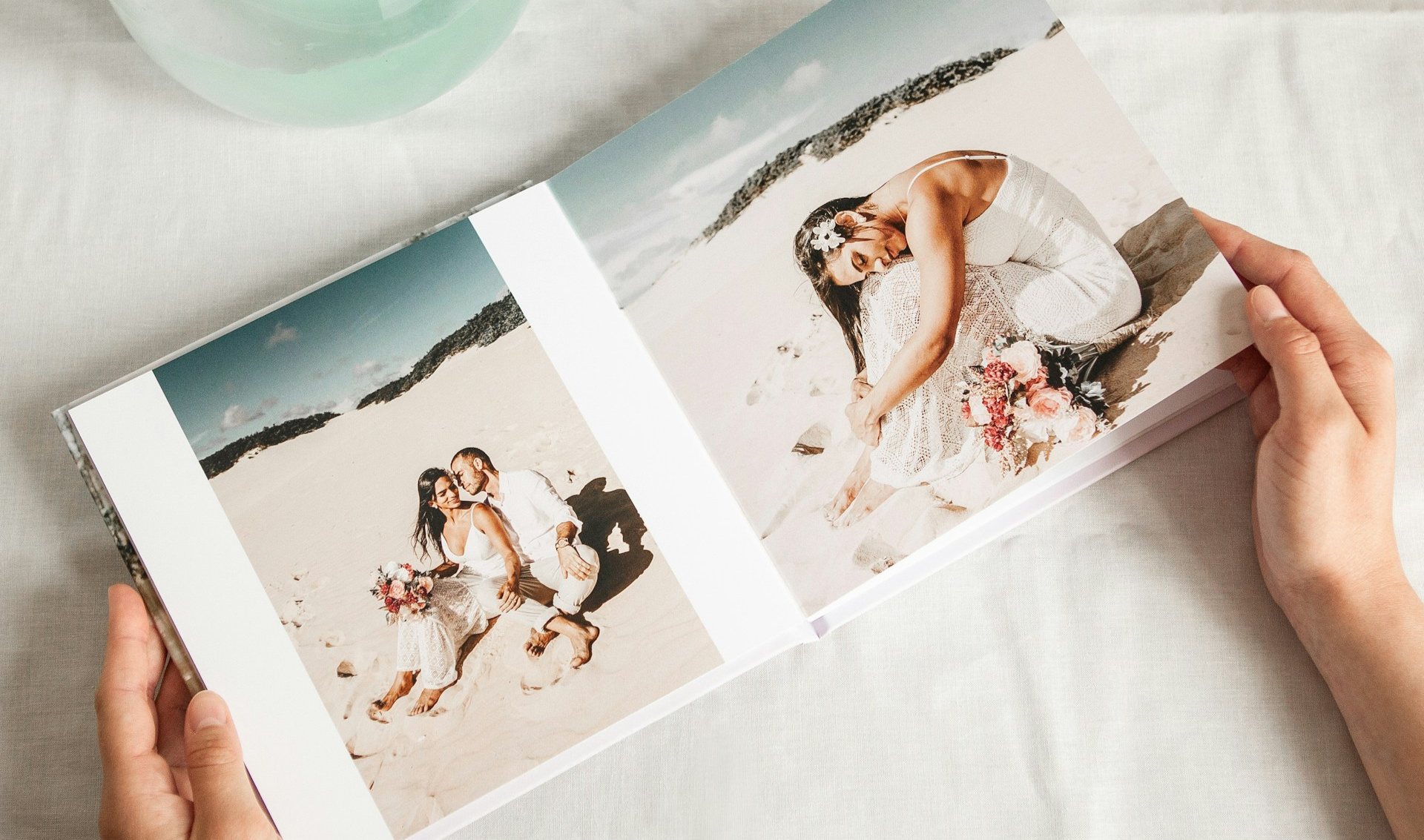

A wedding is one of life’s most memorable milestones. The laughter, the tears, the heartfelt vows, and the joy of sharing the day with loved ones are moments that deserve to be preserved in a meaningful way. A well-crafted wedding photo book allows you to relive these experiences for years to come. Beyond being a collection of images, it is a storytelling medium that captures the emotion, beauty, and personality of your special day. Creating one requires careful planning, thoughtful selection, and a keen eye for design to ensure your memories are showcased in the most elegant way.
Why a Wedding Photo Book Is More Than Just Photos
While digital galleries and social media provide easy access to images, they often fail to capture the essence of your wedding day. A physical album offers a tactile, immersive experience. The weight of the pages, the texture of the paper, and the carefully curated layout allow you to fully relive each moment. A wedding photo book also organizes memories into a coherent story, highlighting emotional highs, intimate details, and the overall atmosphere of the day. It becomes a treasured keepsake that you can share with family, friends, and future generations.
Planning Your Wedding Photo Book
The first step in creating a wedding photo book is to define its scope and purpose. Decide whether you want to document the entire day chronologically or focus on key highlights such as preparation, the ceremony, portraits, and the reception. Knowing your narrative approach will guide your photo selection and layout decisions. Additionally, consider the overall tone of your book—do you want it to feel romantic and soft, lively and celebratory, or elegant and timeless? Establishing a clear vision ensures that your album will feel cohesive from start to finish.
Selecting the Perfect Images
Selecting images for your wedding photo book can be overwhelming given the hundreds or thousands of photos taken on your big day. Focus on images that convey emotion, tell a story, and capture unique moments. Include a variety of shots such as wide-angle images of the venue, candid moments of guests, detailed shots of flowers, rings, and decor, and intimate portraits of the couple. Avoid including nearly identical images unless they highlight different perspectives or emotions. A thoughtfully curated selection will create a balanced and engaging visual narrative.
Organizing Your Album
How you organize your wedding photo book will affect how the story unfolds. A chronological layout allows the viewer to follow the day from preparation to ceremony, portraits, and reception, providing a natural flow. Alternatively, a thematic layout groups photos by category, such as “getting ready,” “ceremony,” “celebration,” or “details.” Both approaches can be effective, but the key is to maintain consistency so that the book feels seamless. Consider starting with a strong opening image to set the tone, building to emotionally significant moments in the middle, and concluding with a memorable final shot.
Using Captions and Text
While photos tell the story visually, small touches of text can enhance the narrative. Captions can identify people, places, or special moments. You might include a short dedication at the beginning or meaningful quotes throughout the book. Keep text minimal and purposeful so it complements rather than distracts from the images. Even subtle descriptions can deepen the viewer’s understanding of the day and add a personal touch to your wedding photo book.
Designing a Cohesive Layout
Layout is key to creating a polished, professional-looking album. A combination of full-page images and smaller groupings can create visual rhythm and interest. Use white space to allow images to breathe and prevent pages from feeling cluttered. Pairing landscape and portrait shots strategically helps maintain flow, and consistent margins and spacing create a cohesive, elegant appearance. Consider using spreads to emphasize important moments such as the first kiss or first dance, while smaller collages can highlight details and candid interactions.
Highlighting Details
The details of your wedding often carry as much significance as the main events. Include close-up shots of your rings, flowers, invitations, décor, and even small candid moments that reveal the personality of the day. These details not only enhance the narrative but also provide texture and depth to your wedding photo book. Carefully placing these images between larger, more emotional moments allows the viewer to pause and appreciate the nuances of your celebration.
Capturing Emotion and Atmosphere
A successful wedding photo book captures the feelings of the day. Include images that show genuine laughter, tears of joy, affectionate gestures, and the connections between people. Lighting, composition, and candid moments all contribute to creating an emotional journey. Full-page spreads or highlighted images of key emotional moments, like the exchange of vows or the first dance, can anchor the narrative and create memorable focal points.
Personalizing Your Wedding Photo Book
Adding personal touches makes your album unique and meaningful. Consider including small notes about memorable moments, quotes from speeches, or reflections on the day. You can also incorporate elements that reflect your personality or the theme of your wedding, such as motifs from your invitations or color accents from your décor. These subtle inclusions make the book more than just a collection of images—they transform it into a story that reflects your identity and relationship.
Editing and Reviewing
Before finalizing your wedding photo book, carefully review the entire project. Check for consistency in color, alignment, and photo quality. Ensure that all text is accurate and free of typos. Look at the overall pacing of the story to make sure it flows smoothly. Taking the time to edit thoroughly ensures your book feels polished and ready to become a cherished keepsake that will be enjoyed for years to come.
Preserving Your Memories for the Future
A wedding photo book is a lasting artifact that allows you to revisit the most special day of your life. Store it in a safe, dry place to prevent damage from sunlight, humidity, or wear. Consider creating additional copies for parents or close family members, so everyone can share in the memories. Over time, your wedding album will become a family heirloom, preserving your story and emotions for future generations to appreciate.
Read also: What to Wear to a Wedding for Men – 35 Outfit Ideas