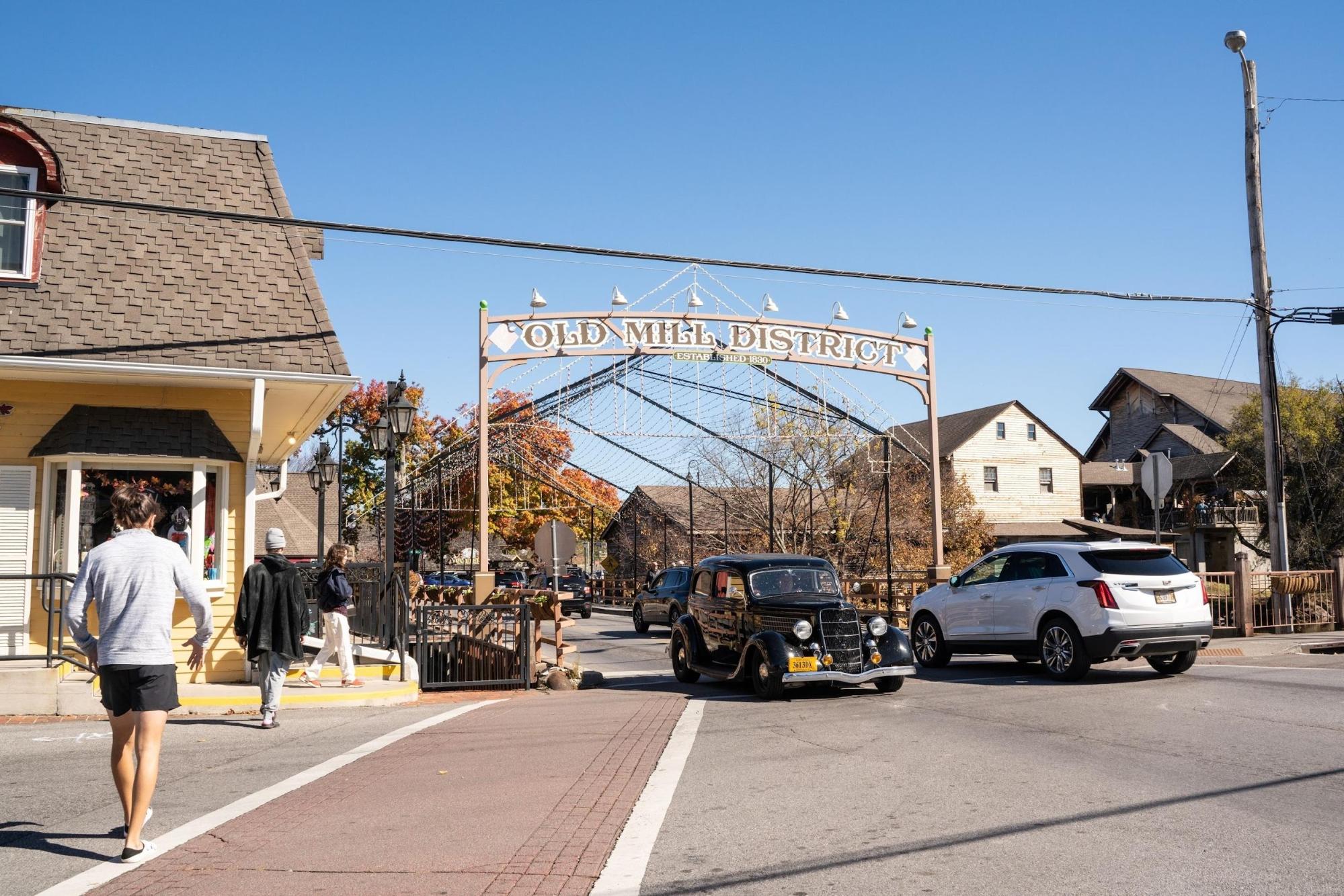

Pigeon Forge grew along a simple mountain road that once carried only a few families, traders, and travelers. The area held a quiet rhythm for decades, and each generation shaped the community with its own ideas, ambitions, and traditions. Tourism eventually reshaped the landscape, but the town kept its welcoming character. Families now visit for unforgettable views, unique attractions, and a vibrant local spirit that encourages exploration. This evolution did not happen overnight. Leaders, craftspeople, entrepreneurs, and visitors all influenced the town’s direction. The result shows how a small rural settlement transformed into a major destination that continues to excite millions.
1. Early Roots and Rural Identity
Families in the early settlement built their lives on hard work and cooperation. Farms, mills, and trading spots supported daily needs, and people relied on grit more than convenience. Travelers passed through occasionally, yet the region still carried a slow pace and familiar routines. Residents shaped their culture through shared values, tight connections, and a strong respect for the land. This period laid the foundation for the town’s future. Growth eventually arrived, but the early years created a sense of pride that still guides modern development and community priorities.
2. The Road That Started Everything
The old roadway shaped the community’s future long before heavy traffic and bright signs lined the route. Travelers followed it through the mountain region, and local shops grew along its edges. As interest increased, the area adapted with small attractions, friendly storefronts, and experiences that encouraged visitors to explore further. Families enjoyed the scenery, and word spread quickly. Now people enjoy so many cheap and free activities in Pigeon Forge, such as feeding the ducks at The Old Mill Square, seeing a movie at The Forge Cinemas, hearing live music at the Ole Smoky Moonshine Barn, or visiting the Great Smoky Mountains National Park.
3. Craftsmanship and Local Enterprise
Local craftspeople shaped the next wave of growth. Skilled creators built shops, offered demonstrations, and welcomed visitors who wanted more than typical souvenirs. The town’s reputation for handmade goods strengthened with every new artisan who joined the community. Travelers appreciated the authenticity, and families returned often for both the products and the stories behind them. Entrepreneurs recognized the potential and expanded the range of goods and experiences. These efforts supported steady growth while preserving the community’s character. This period taught the region how creativity, craftsmanship, and hospitality could drive long-term success.
4. Family-Focused Experiences Take Center Stage
The town embraced family-friendly attractions as tourism increased. Leaders encouraged businesses to create experiences that entertained all ages, and visitors responded with enthusiasm. Families enjoyed rides, interactive exhibits, outdoor adventures, and creative entertainment. Each new offering strengthened the town’s reputation as a place where parents and children could share memorable moments. Crowds grew steadily, and the region adjusted with improved services, lodging, and dining. This approach shaped the town’s identity and helped it stand apart from other destinations. The focus on shared experiences continues to attract new generations of travelers every year.
5. Scenic Appeal and Outdoor Exploration
Visitors recognize the region’s natural beauty the moment they arrive. Towering peaks, flowing rivers, and sweeping views draw travelers into the outdoors. The surrounding landscape invites hiking, photography, and peaceful drives that highlight the area’s charm. Families appreciate the chance to slow their pace and enjoy meaningful time outside. Businesses also support outdoor recreation with guided tours, specialty shops, and activities that encourage exploration. This connection to nature strengthens the town’s appeal and offers a refreshing contrast to busy attractions. The combination of scenery and recreation helps the region maintain enduring popularity.
6. The Rise of Specialty Attractions
Local innovators introduced specialty attractions that added variety without overwhelming the region’s character. Entrepreneurs created interactive activities, themed experiences, and unique venues that encouraged visitors to explore beyond the usual stops. Families enjoyed the creativity, and each attraction added new energy to the town. Businesses learned how to appeal to different interests while staying true to the community’s welcoming spirit. This approach strengthened tourism by giving travelers several reasons to extend their stay. The continued rise of specialty attractions marked a turning point that pushed the town from a developing destination to a fully realized vacation hub.
7. A Destination for Every Season
The town embraced year-round experiences that welcomed travelers in every season. Spring offered refreshing scenery and outdoor adventures that filled the valley with energy. Summer delivered lively attractions, family travel, and warm evenings filled with activity. Autumn brought rich colors that transformed the landscape and sparked increased tourism. Winter introduced festive lights, special events, and cozy getaways that drew families into the mountains. This balanced approach created a dependable tourism cycle that supported local businesses throughout the year. Visitors learned they could always find something exciting, no matter when they planned their trip.
8. Major Investment and Infrastructure Improvements
Leaders recognized the need for better infrastructure as tourism soared. They expanded roads, improved traffic flow, and supported public projects that created a smoother experience for travelers. Businesses upgraded signage, parking areas, and entryways to accommodate larger crowds. These changes helped the community grow without losing its friendly atmosphere. Investment also encouraged new opportunities for local workers, entrepreneurs, and service providers. The region gained momentum as visitors enjoyed easier access to attractions, dining, and lodging. Strong planning and commitment kept the town moving forward, demonstrating how thoughtful improvements can support long-term development.
Pigeon Forge transformed from a quiet mountain road into a major destination through determination, creativity, and community-driven progress. Families shaped early traditions, entrepreneurs introduced new attractions, and leaders guided thoughtful development. The region now offers scenic beauty, lively experiences, and a welcoming atmosphere that inspires repeat visits. Each era added another layer to the town’s identity, and its future looks bright as new ideas emerge. Visitors appreciate the balance of entertainment, nature, and genuine hospitality. This evolution shows how a community can grow without losing its character, turning a once-quiet settlement into a thriving place that continues to captivate millions.