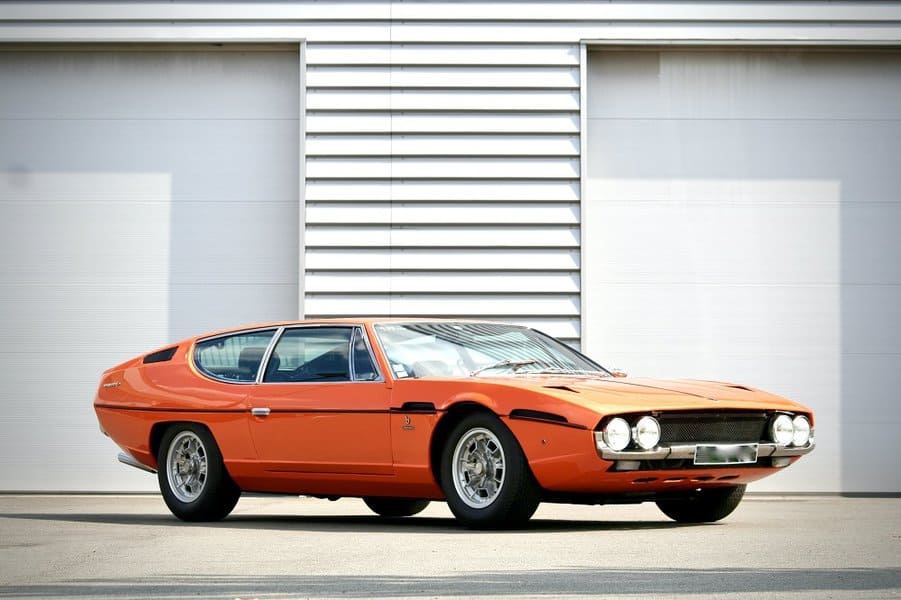

To most human beings, it is an automobile to be driven from one point to another-a utilitarian way of transport. But, the very idea of automobile restoration intends more than the mere use of an automobile; for those few who look indeed deeply at this realm, classic car restoration is a holy concept. It is a passion, an art, and an appreciation of automotive history that converts rusty carcasses into shiny masterpieces.
The limbs of restoration often find their roots in the feelings the car evokes in somebody. That particular car model could be that which a grandparent had, featured in a beloved movie, or is simply a design that stirs up the person’s aesthetic mouth. Such decisions do not come in rationalizing fuel economy or resale value; it is deeply emotional: an urgency to reclaim just a slice of history and resurrect an automobile that belongs to a generation of its own when cars were crafted with style, character, and separate personalities. The charm is not just in the shining finish but the romanticism of saving something that has been forgotten and moving it to another life.
It tests one’s mettle with its panoply of views, straining all patience. Yet unlike modern-day cars with module parts and computer diagnostics, classic cars surely require a thorough understanding. The restorers would check arcane manuals, track down the rarely found parts, and sometimes even make them themselves. Every bolt, or panel, or stitch of upholstery is examined, restored, or replaced right to the last ounce of originality. It is not merely about restoring operating function; it is about preserving the original soul of the car existent unto that time. The hours spent in sanding, painting, wiring, and assembly are far from being considered work-they are indeed acts of love.
This is usually a passion shared by an active community. Through clubs, online forums, and special events, classic car fanatics meet on a fairly regular basis to pool knowledge, pass along information about rare parts, and cheer each other on. It is a world in which knowledge is freely bestowed and mutual respect for the craft binds hearts. The gratification gained from entering a show with a jammy new-car finish or just cruising the streets with its riveting roar at times might outweigh the sacrifices made: countless hours, and a hefty investment.
Moreover, the classic car restoration is one of historical preservation. The vehicle is a walking piece of art, representing the engineering, design, and culture of their time. Every single restored car tells a tale, not only in its own past but the one from which it was birthed. It will give the younger generation a chance to appreciate automotive technology and design’s evolution and will be a tangible link between the last and this generation. In a world experiencing rapid change, seeing and hearing a well-restored classic can trigger profound feelings of nostalgia and appreciation for the classical form of art.
Classic car restoration, therefore, is not just about mounting metal, gloss, and chrome. It is a story of absolute commitment to beauty, history, and the quest for perfection. It is an art that challenges, teaches, and gives in return. It has given way for the transformation of discarded steel into a symbol of undying passion and a vibrant piece of living history.