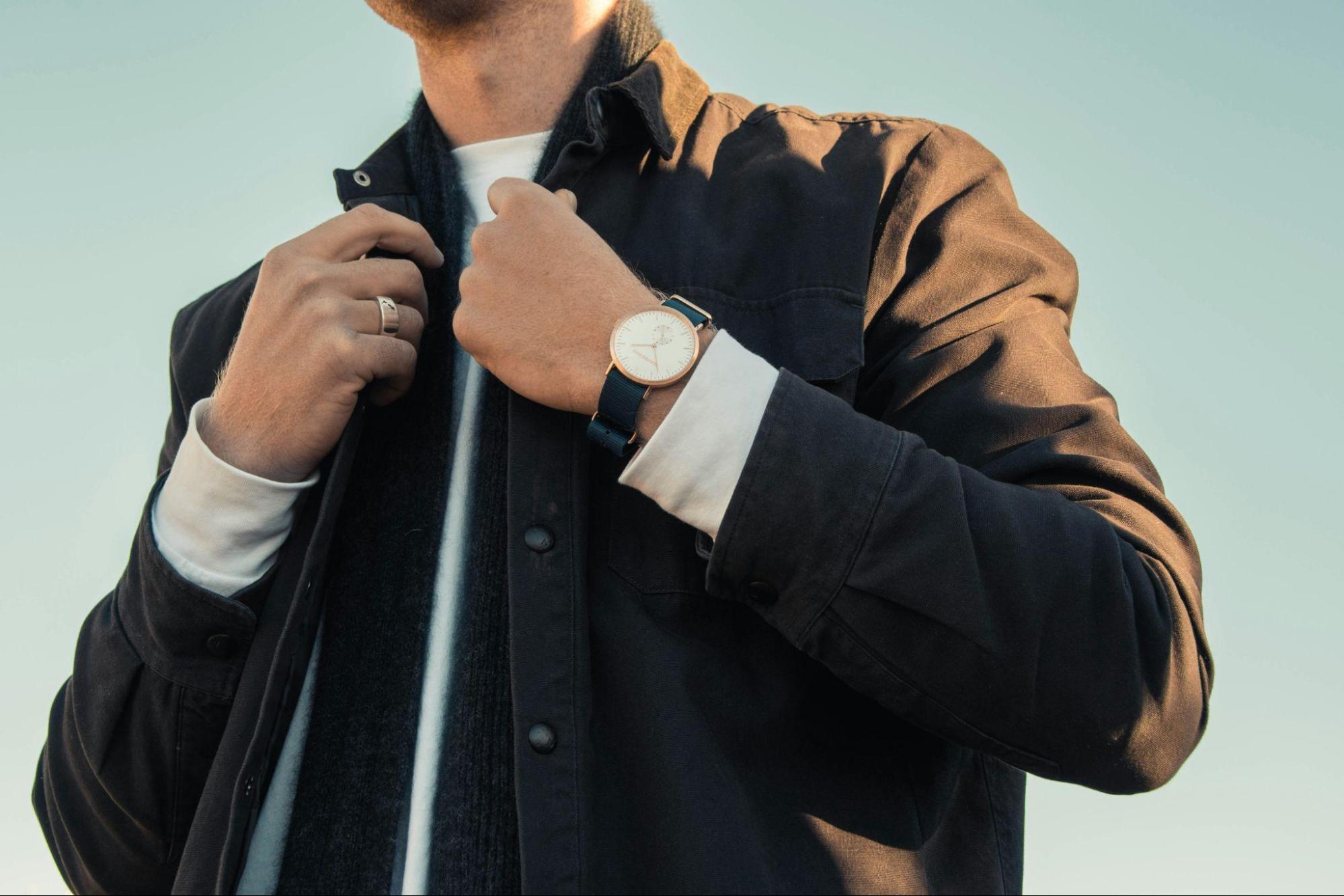

We’ve all felt it: the fatigue of cycling through flimsy gear that can’t handle real life, and the quiet satisfaction of owning something that just works, year after year, without demanding attention. More men are noticing the difference, too. There’s a shift underway in how we choose the things we carry and wear. Tech meets style when everyday items look sharp, move with us, and perform without fuss, and the data backs this up: consumer priorities are tilting toward durability, craftsmanship, and long-term value.
In other words, today’s men are investing in smarter, sturdier essentials not to flex, but to simplify, to make mornings easier, commutes smoother, and personal style feel intentional rather than loud. It’s the same logic driving interest in timeless accessories like Bulova watches for men, pieces that balance reliability with design and hold up across seasons and settings.
Below, we break down the mindset, the materials, and the buying frameworks that help build a wardrobe and EDC kit that actually earn their keep.
The Shift From Fast Fashion to Long-Term Value
Cost-Per-Use Mindset
We’re done paying for logos that peel. The cost-per-use mindset flips the script: the “cheaper” item is the one we use the most, not the one with the lowest price tag. If a $250 pair of Goodyear-welted boots lasts 6–8 years and gets worn 100 times a year, the cost-per-wear sinks below many disposable alternatives. Smart, durable everyday items spread their cost over thousands of uses, think merino tees that resist funk, a water-resistant commuter bag that keeps shape, a pen you’ll hand down. When we run the math, longevity is the real bargain.
Sustainability and Ethical Sourcing
We can’t separate style from impact anymore. Durable gear means fewer replacements, less waste, and often better labor practices. We look for recycled or responsibly sourced inputs (recycled nylon, organic cotton, LWG-certified leather), and certifications where relevant. It’s not about perfection: it’s about informed trade-offs that extend product life and reduce churn. Long life is the most underrated sustainability feature.
Minimalism and Fewer, Better Things
Fewer, better is practical minimalism. We favor tight color palettes, modular pieces, and multi-context utility, boots that move from a creative office to a weekend trail, a jacket that blocks wind yet still looks clean at dinner, earbuds that switch seamlessly from Zoom calls to the gym. It’s a philosophy that creates a calmer closet and a more functional EDC drawer, where every item earns its keep instead of adding noise. And because our tech has to keep pace with that versatility, choosing protective essentials like pixel 10 pro cases becomes part of that same mindset: gear that’s durable, purposeful, and built to last.
What Makes an Item “Smart” and “Durable”
Functional Tech That Solves Daily Friction
“Smart” isn’t about gimmicks, it’s about removing friction. Examples we love:
- Auto-adjusting noise cancellation that reacts to your environment, not a tap-dance of settings.
- Quick-release straps or magnetic buckles that save seconds one-handed.
- Smart power banks with pass-through charging and clear, accurate readouts.
- Wearables that track essentials (sleep, HRV) and present insights without attention spam.
When tech disappears into the background, we can focus on our day, not on managing the device.
Materials, Construction, and Repairability
Durability begins with the bill of materials and how it’s put together.
- Fabrics: High-denier ballistic/cordura nylons, dense twills, merino blends, waxed cotton for patina, and 3-layer membranes for weatherproofing.
- Hardware: YKK AquaGuard zips, bar-tacked stress points, metal G-hooks, closed-cell foam for structure.
- Footwear: Full-grain leather or robust knit uppers, stitched (not just glued) soles, resole-friendly construction.
- Electronics: IP ratings that actually matter, replaceable batteries where possible, modular parts.
Repairability seals the deal. If we can replace straps, soles, or batteries, we extend life dramatically.
Interoperability and Privacy Considerations
Our gear should play well with the rest of our ecosystem and protect our data. We favor:
- Open or widely adopted standards (USB-C charging, Bluetooth LE, Matter/Thread for smart home) to avoid dongle chaos.
- Local-first features where feasible, and clear data policies we can opt into, not dark patterns.
- Robust device-level security: biometric locks, encrypted backups, and the ability to revoke access quickly if lost.
Smart, durable everyday items shouldn’t lock us in or leak our lives.
Everyday Categories Worth Upgrading
Wearables That Disappear Into Your Day
If a wearable needs babysitting, it’s not smart. We look for:
- Multi-day battery or fast, gentle charging.
- Sensors that track the crucial few metrics well (sleep, recovery, HR), not a buffet of half-baked stats.
- Comfortable materials, hypoallergenic coatings, low-profile designs that slip under cuffs.
- Quiet, glanceable feedback. A subtle vibration can replace dozens of phone checks.
When the tech is invisible, our presence improves.
Bags and Wallets Built for the Modern Commute
The modern carry has to handle laptops, chargers, and a side of rain.
- Weather resistance: DWR fabrics or laminated shells keep gear dry without looking tactical.
- Structure and organization: Suspended laptop sleeves, quick-access pockets, and a clean exterior.
- Comfort: Contoured straps, breathable back panels, and a weight that won’t punish shoulders.
- Wallets: Slim profiles that fit front pockets, thoughtful card access, optional RFID shielding without bulk.
These upgrades save minutes daily and protect the expensive stuff we already own.
Footwear and Apparel With Technical Performance
We love pieces that move between contexts.
- Footwear: Goodyear- or Blake-stitched soles for repair, grippy rubber outsoles, water-resistant uppers. A plain-toe leather boot or minimal sneaker can cover office to off-hours.
- Apparel: Merino tees and socks for odor control, stretch chinos with gussets for mobility, softshell or breathable waterproof shells for weather swings. Look for taped seams and durable face fabrics.
Performance lets us carry less because each piece does more.
EDC Tools, Pens, and Small Accessories
A compact toolkit smooths out a week.
- A reliable multi-tool or small pry bar prevents “wish I had a screwdriver” moments.
- A metal-bodied pen with standard refills writes on odd surfaces and won’t crack in a bag.
- Key organizers, slim power banks, and cable kits keep the chaos contained.
Well-chosen accessories punch above their size by solving recurring annoyances.
How to Build a Cohesive Look Without Compromising Tech
Neutral Palettes and Textures Over Logos
We keep the palette tight, charcoal, navy, olive, sand, then vary texture: matte nylon, pebbled leather, brushed cotton. This avoids billboard vibes and makes mixing easy. The style reads intentional, not try-hard.
Balancing Analog Warmth With Digital Utility
Pair warm, analog materials with modern tech. A merino sweater over a breathable performance tee. A leather strap on a smartwatch. A waxed canvas tote with a padded tech sleeve. The contrast keeps outfits human while staying practical.
Versatility From Office to Weekend
Aim for pieces that flex: a clean sneaker that works with trousers or denim: a field jacket with hidden handwarmer pockets and a laptop compartment: earbuds that swap noise-canceling for transparency on a long walk. When we demand versatility, we buy less and use more.
Buying Frameworks That Prevent Regret
Define Use Cases and Non-Negotiables
Before we browse, we list the actual jobs: bike commute in rain, standing presentations, travel with one bag, newborn in tow. Then non-negotiables: weight limit, water resistance, must fit 15-inch laptop, battery life minimum, resole capability, replaceable ear tips. This stops us from being seduced by features we’ll never use.
Compare Total Ownership Cost and Warranty
Sticker price lies: ownership cost tells the truth. We consider:
- Expected lifespan and repair options
- Cost of consumables (filters, refills, tips)
- Warranty length and responsiveness of support
- Resale value if we change course
A slightly pricier item with a meaningful warranty and spare parts often wins.
Fit, Ergonomics, and Accessibility
Comfort compounds. For apparel, we check rise, thigh room, sleeve mobility, and hem length with the shoes we’ll wear. For bags, we test strap geometry and load stability. For gadgets, we try one-handed use, tactile feedback, and accessibility features (text size, voice controls). If it’s uncomfortable, we won’t reach for it, no matter how clever.
Care, Maintenance, and End-of-Life
Cleaning Routines and Software Updates
A five-minute weekly reset keeps gear fresh: brush dirt from footwear, wipe shells with a damp cloth, condition leather quarterly, run a gentle wash for merino, and update firmware when it adds stability or security. Small habits multiply lifespan.
Repair, Resole, and Spare Parts
We favor brands with parts catalogs and service guides. New insoles revive shoes: fresh straps and zipper pulls rescue bags. For electronics, battery swaps are the difference between a two-year gadget and a five-year companion. Document your sizes and part numbers so replacements are painless.
Resale, Recycling, and Trade-In Options
Plan the exit when you buy. If an item holds value, list it before the next model drops. If not, check brand take-back, certified e-waste recycling, or local cobblers and tailors who upcycle. Trade-ins reduce costs and waste, closing the loop responsibly. According to the McKinsey State of Fashion research, shoppers increasingly value quality, longevity, and timeless design over quick trends.