

Gear doesn’t make the man, but the right tools make our days smoother, safer, and a lot more fun. In this guide to modern men’s must-have tools for travel, work, and weekend adventures, we’re sharing the exact setups that keep us moving: compact, reliable, and field-tested. And because the small details often matter most, we even break down everyday essentials many guys overlook, like understanding what is OASDI on a paystub so you’re not blindsided by deductions when that first job or side gig kicks off.
Out on the road, the story shifts from paperwork to practical communication. When you’re navigating remote routes, convoying with friends, or just trying to cut through areas with spotty cell service, dependable communication tech becomes more than a convenience. That’s where rugged, long-range tools like a cb radio step in, they keep the crew connected when apps fail, and they’re still a staple for serious travelers, overlanders, and anyone who likes a layer of old-school reliability in their setup.
Build Your Everyday Carry Foundation
Slim Wallet With RFID Options
We keep it slim to cut bulk and decision fatigue. A minimalist wallet with 4–8 card capacity and a quick-access slot covers 90% of daily needs. RFID shielding can help in crowded transit hubs, but it’s optional, most modern cards use secure protocols. What matters more: a dedicated cash sleeve (for tips, meters, or markets) and a stash slot for a transit card or hotel key. Leather ages well: metal or polymer options are lighter and tougher.
Key Organizer And Spare Key Strategy
A jangly key ring is noisy and pokes through pockets. A compact key organizer (two to six keys) prevents snags and doubles as a tiny pry tool or bottle opener. We also keep a spare house key in a separate, hidden pouch in our bag, never on the same ring, so one lost set doesn’t lock us out. Add a small S‑binder clip so we can hang keys inside a backpack for easy retrieval.
Compact Multitool Or Pocket Knife (Local Laws)
A good multitool solves the odd screw, package, or cable snip. If we carry a blade, we check local laws and avoid it when flying. A TSA‑safe bladeless multitool lives in our carry-on: a small pocket knife or 2.5–3 in. folder stays in the checked bag or at home when we fly. Prioritize spring-loaded pliers, a bit driver, and scissors, surprisingly useful in office and travel scenarios.
Mini Flashlight And Refillable Pen
A 500–1,000 lumen AAA/AA or rechargeable keychain light is tiny yet powerful for parking garages, campsites, or hotel blackouts. We like a simple tail switch and USB‑C charging. Pair it with a metal, refillable pen, ink refills are cheap and don’t dry out like disposables. Pens sign customs forms, jot directions, and reset gadgets with a paperclip hack. Add a small notebook or a few index cards folded into the wallet.
Tech That Keeps You Powered And Connected
GaN Charger And High-Output Power Bank
One compact GaN charger (at least 45–65W) can fast‑charge a laptop and phone. We carry a 10,000–20,000 mAh power bank with USB‑C PD for top-ups on long days and a 30W output minimum so it can charge tablets or smaller laptops in a pinch. Bonus points if the bank recharges quickly via USB‑C in under 2 hours.
Multi-Device Cables And Travel-Friendly Power Strip
Tangles kill momentum. A short 3‑in‑1 cable (USB‑C, Lightning, Micro‑USB tips) plus one 100W USB‑C cable covers almost everything. For hotels and coworking spaces, a compact travel power strip with 2–3 AC outlets and multiple USB ports saves fights over wall sockets. Look for a flat plug and a short, flexible cord.
Noise-Canceling Earbuds Or Headphones
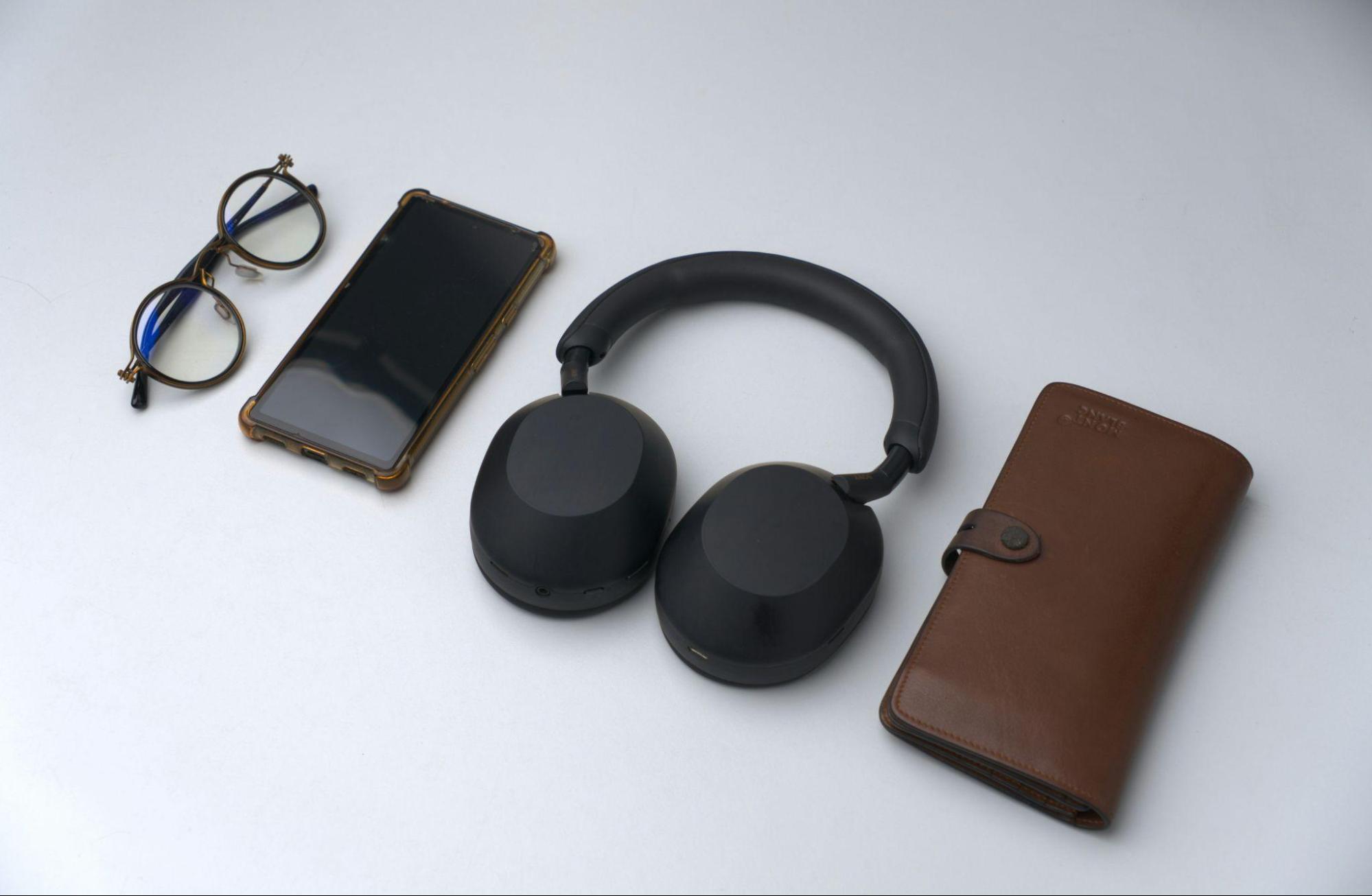
ANC earbuds are our go‑to: tiny, quiet, great battery life, and transparency mode for announcements. Over‑ears still win for long flights if you value comfort and superior noise blocking. Either way, prioritize multi‑point Bluetooth, solid mic quality for calls, and an EQ you can tune.
Bluetooth Tracker And eSIM Setup
We tag our keys and luggage with Bluetooth trackers to find misplaced gear fast. For international trips, an eSIM lets us land and connect without hunting SIM kiosks. We activate a data plan the night before departure and keep our primary number on Wi‑Fi calling. It’s cheaper, faster, and simpler than playing SIM card roulette.
Travel Tools That Simplify Every Trip
Carry-On And Personal Item Strategy
We plan around airline rules: a 35–40L carry‑on backpack or roller plus a slim personal item (brief or sling) that slides under the seat. Weight distribution matters, heavy items like chargers go near the wheels or center of our back: frequently accessed items live top/front. We also pre‑pack a “seat pocket kit”: earbuds, sanitizer, lip balm, pen, tissues, and a snack in a small zip pouch we pull out before stowing the bag.
Packing Cubes And Compression Bags
Standard cubes keep outfits grouped: compression cubes squeeze bulkier clothes without wrecking organization. We avoid over‑compressing dress shirts or blazers, wrinkles cost time at the hotel. A separate laundry cube or dry bag keeps the clean/dirty split simple.
Toiletry Kit And Grooming Essentials (TSA-Sized)
We keep a dedicated 3‑1‑1 liquids pouch for carry-on travel so we never scramble. Travel sizes for toothpaste, SPF 30–50, solid deodorant (won’t count against liquids), and a compact trimmer head off emergencies. Nail clippers, tweezers, and a few bandages cover grooming and minor mishaps. If we’re checking a bag, we add a small cologne and full‑size razor blades: carry-on only means we switch to cartridge or electric.
Universal Adapter And Cable Management
A universal travel adapter with USB‑C PD lets us charge two or more devices off one outlet abroad. We coil cables with reusable silicone ties and stash them in a slim tech pouch. Labeling cables by length (0.5m, 1m, 2m) saves rummaging at midnight when the only free outlet is across the room.
Productivity Gear For Office And Remote Work
Lightweight Laptop Stand And Compact Keyboard/Mouse
Ergonomics make long days sustainable. A fold‑flat stand raises the screen to eye level, and a low‑profile keyboard plus travel mouse keeps wrists happier. We prefer Bluetooth multi‑device input so we can hop between laptop, tablet, and phone without re‑pairing.
Webcam, Mic, And Lighting For Calls
Laptop webcams have improved, but a small 1080p webcam plus a clip‑on mic or quality earbuds make us look and sound professional. Add a portable LED key light or a USB light bar and position it just above the camera to avoid raccoon eyes. For shared spaces, Krisp‑style noise filtering or built‑in ANC helps a ton.
Privacy Screen, Locks, And Backup Drive
A magnetic privacy filter blocks prying eyes in transit. We also use a slim cable lock in cafes where we’re up and down. Weekly backups to an encrypted SSD (and a cloud service) mean one lost laptop doesn’t nuke the week. Set calendar reminders: automation is great, but accountability is better.
Weekend And Outdoor Adventure Essentials
Daypack Fit And Loadout
For day hikes or city exploring, a 18–24L pack with a breathable back panel and hip/sterneum straps carries better than fashion bags. We keep the loadout simple: shell jacket, mid‑layer, compact first‑aid kit, snacks, headlamp, power bank, and a small repair kit (tape, zip ties, cordage). Heavy items ride high and close to the spine.
Hydration And Insulated Bottle
A 20–32 oz insulated bottle keeps water cold and coffee hot: a soft flask or hydration bladder is great for longer treks. We add electrolyte tabs on hot days and a collapsible cup for campsites or tastings. Pro tip: fill halfway and freeze overnight, then top up in the morning.
First-Aid And Emergency Basics
We carry a minimal kit: assorted bandages, blister pads, antiseptic wipes, a few meds (ibuprofen, antihistamine), a small roll of gauze, and tape. Add a whistle, space blanket, and a tiny fire source for the “just in case” scenarios. If conditions warrant, throw in a compact water filter and a high‑vis bandana.
Headlamp And Portable Power
Hands‑free light beats any phone flashlight in the woods or a storm. A rechargeable headlamp with lockout mode prevents accidental bag drain. For power, a rugged 10k mAh bank with an elastic strap mounts to the pack shoulder strap so we can charge and hike without cables flapping everywhere.
Organization, Security, And Maintenance
Modular Pouches And Labeling
We think in modules: tech, hygiene, tools, and “in‑flight.” Color‑coded or labeled pouches let us swap kits between bags in seconds. Transparent fronts or mesh save time at security checkpoints. A slim document sleeve holds passports, spare photos, and a couple of local bills.
Password Manager, 2FA, And Device Tracking
A password manager is non‑negotiable. We store strong, unique logins and enable app‑based 2FA for banks, email, and travel accounts. We also turn on device tracking (Find My/Find My Device) and add contact info to lock screens. Public Wi‑Fi? We’ll tether when possible: if not, we use a reputable VPN.
Care Kit: Cleaning, Sharpening, And Battery Rotation
Gear lasts when we maintain it. A microfiber cloth, small brush, and alcohol wipes keep screens and lenses clean. If we carry a knife, we touch up the edge with a pocket ceramic rod. We rotate rechargeable batteries monthly and note charge dates on a tiny sticker. Once a quarter, we empty bags, purge duplicates, and restock consumables.