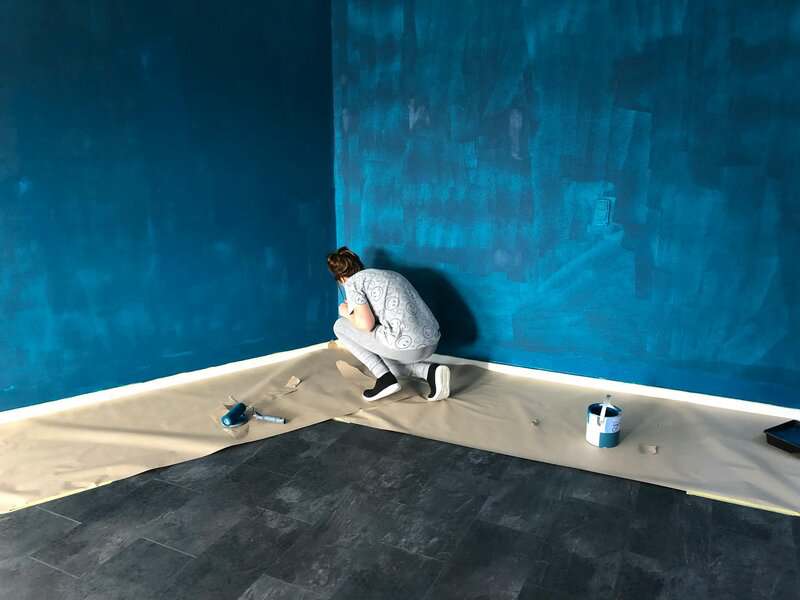

Making changes to your living environment should feel rewarding, not chaotic. Whether you’re updating one area or tackling a full-scale project, planning makes everything smoother. A reliable contractor with a solid reputation can guide you through each step. They know what’s worth investing in, what to avoid, and how to bring your ideas to life without creating delays or extra expenses. Before you bring in the hammers or pick paint colors, it’s smart to learn what actually works.
Here’s how you can transform your home’s aesthetics:
Know What You Want Before You Begin
Start by getting clear on what you hope to accomplish. Are you fixing outdated areas, improving energy efficiency, or adding modern features? A clear list of goals helps you and your contractor stay on the same page.
Sketching out ideas or collecting photos can speed up decision-making later. Think about what’s not working right now: clunky layouts, old fixtures, poor lighting, and write those down. These insights will shape your priorities and guide the timeline. It’s much easier to move forward when you’re not making changes mid-project.
Why the Right Contractor Makes a Big Difference
You don’t need to figure everything out alone. Working with professionals saves time, cuts down on trial and error, and keeps projects organized. A skilled contractor handles the behind-the-scenes work like permits, timelines, and supplier coordination.
One professional contractor that focuses on this full-package approach is KVN Construction company. They offer siding, roofing, window replacement, and remodeling services across the Portland metro area. Their team takes pride in guiding clients through every step, from choosing materials to finishing the last detail. With clear communication and a strong track record, they help homeowners complete successful projects that balance aesthetics and performance.
Start With What’s Underneath
Before thinking about colors or layouts, tackle the foundational work. Address issues like moisture, insulation, plumbing, or electrical problems. Fixing these early saves you from costly surprises later.
Many older houses weren’t built with today’s energy standards. Adding insulation or upgrading ventilation systems helps with temperature control and air quality. If your walls, roof, or crawlspaces haven’t been updated in a while, it’s worth having them inspected first. You want long-term stability, not short-term fixes that just cover up problems.
Build a Realistic Budget and Stick to It
Money matters can derail even the best projects if they aren’t tracked carefully. Set a working budget that covers labor, materials, and a 10–15% buffer for unexpected costs. It’s common for something unplanned to come up once work begins, especially in older buildings.
Your contractor should offer a detailed proposal outlining what’s included. Ask questions if something looks vague. Clear pricing builds trust. And if you’re planning more than one phase, map out how to spread costs over time instead of rushing through it all at once.
Design for Everyday Living, Not Just Looks
There’s no need to chase every trend. Think about how you move through each room. If the kitchen feels cramped or there’s not enough storage in the hallway, those are good areas to address.
Comfort and layout come first. After that, you can think about finishes, hardware, or lighting. Many design decisions don’t need to be expensive. Swapping cabinet fronts, widening doorways, or adding built-in shelves can make a big difference in how your home feels day-to-day.
Avoid filling the space with things that only serve one purpose. Versatile features, like hidden drawers or movable panels, give you more freedom in how you use each room.
Make Lighting a Priority, Not an Afterthought
Good lighting improves mood and function. It can also highlight architectural details and make rooms feel larger. Start by making the most of natural light. If you’re doing any structural changes, consider adding skylights or enlarging windows.
For artificial lighting, layer your sources. Use ceiling fixtures for general light, task lamps for specific needs, and wall sconces to reduce shadows. This approach allows flexibility in brightness and atmosphere. Don’t rely on one overhead bulb. Rooms feel more comfortable when the lighting is spread out and adjustable.
Use Durable Materials That Match Your Routine
When picking surfaces and finishes, think about daily habits. Kitchens and entryways take more wear than other parts of the house. High-traffic areas benefit from scratch-resistant flooring, stain-proof counters, and low-maintenance coatings.
You don’t have to choose the most expensive materials to get quality. Ask your contractor about balanced options that last and still look good. Surfaces should be easy to wipe down and hold up to heat, water, or frequent use, especially if you have kids or pets. Choosing materials you don’t have to baby will help the house stay in great shape without extra effort.
Focus on Comfort Features That Actually Add Value
Not every change needs to be flashy to make a difference. Things like soundproofing, thermal windows, or adding proper ventilation don’t always get noticed, but you’ll feel the results every day. These upgrades help with air flow, temperature stability, and noise control.
If you’re replacing windows, look for ones with low-E coatings or double-pane glass. These improve efficiency and help manage seasonal weather shifts. Adding ceiling fans, smart thermostats, or radiant heat floors can also improve comfort without adding clutter.
Don’t Skip the Paperwork or Local Rules
Before starting any work, get clear on what permits are required. Local regulations vary, and ignoring them can lead to fines or project delays. A good contractor will take care of permits and inspections so you don’t have to worry about the technical details.
Check that your contractor is licensed, bonded, and insured. This protects both sides if anything goes wrong. Even if your project feels minor, following the rules builds confidence in the long-term safety and value of the home.
Renovation projects work best when they’re based on clear goals, expert support, and practical decisions. Focusing on comfort, efficiency, and quality details leads to results that last and feel good to live in.
Don’t feel pressured to follow every trend or rush the process. Ask questions, review each phase, and work with a team that values craftsmanship. With the right plan in place, your living environment will feel refreshed, more comfortable, and better suited to your lifestyle.