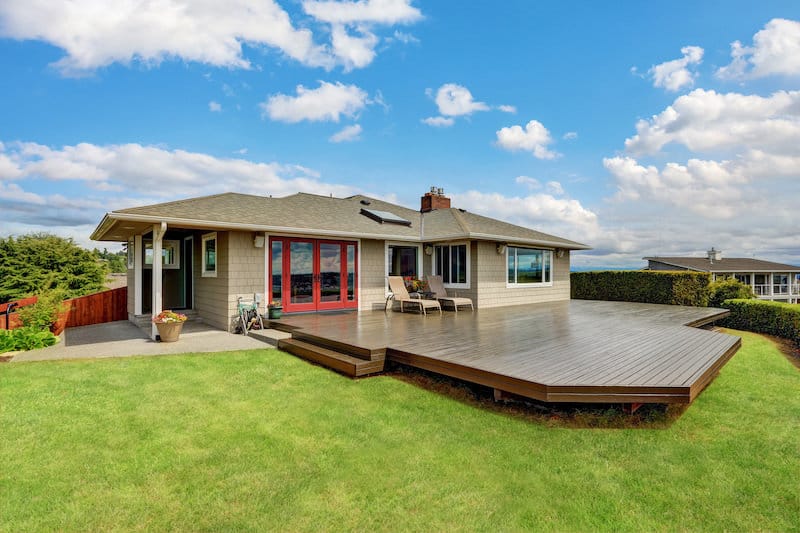

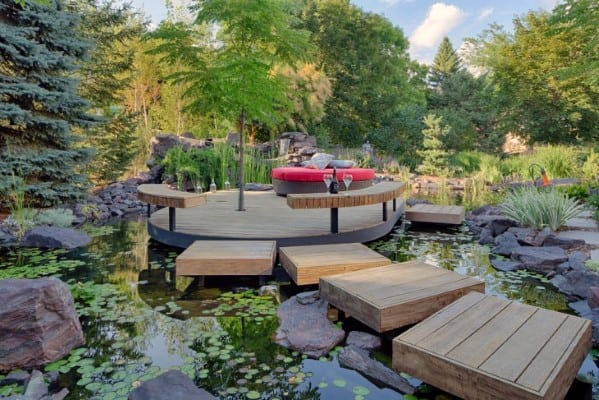
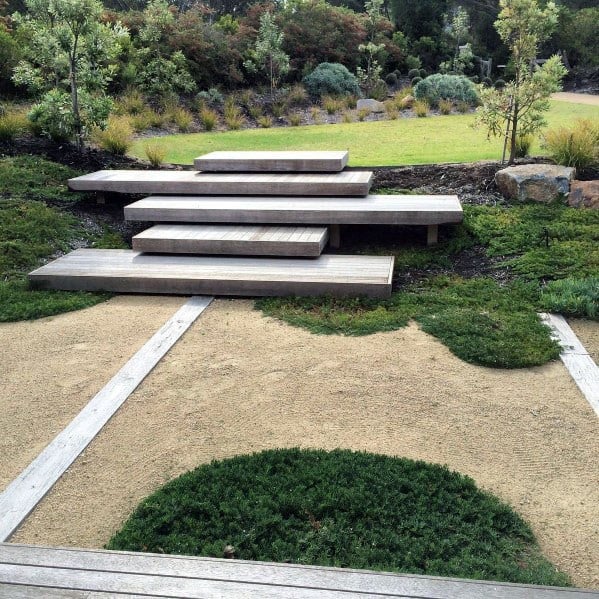
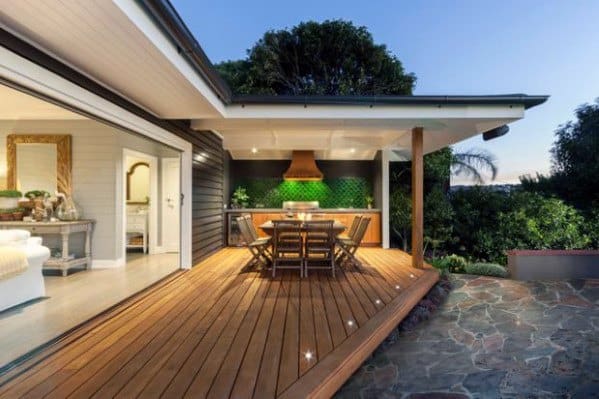
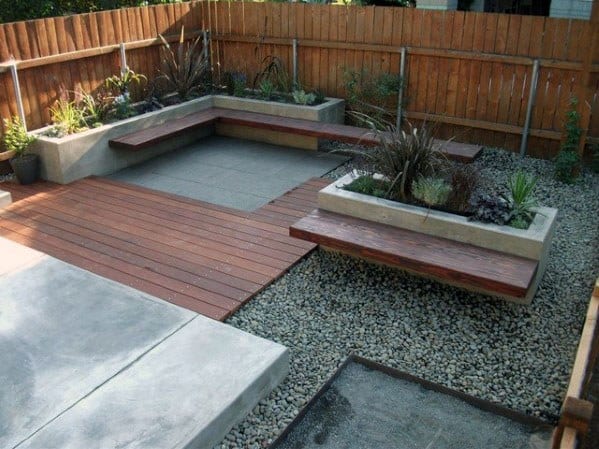
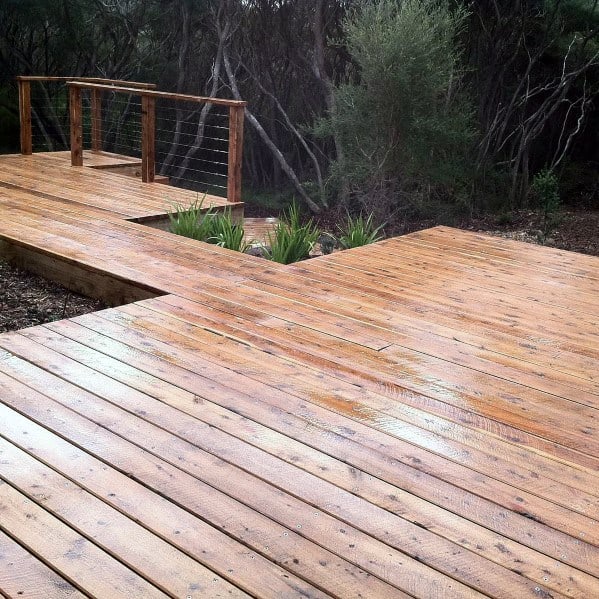
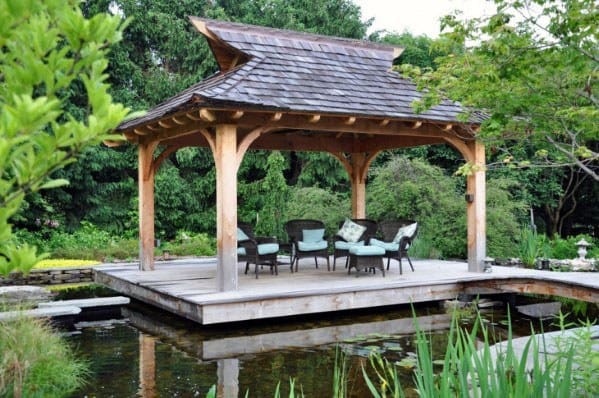
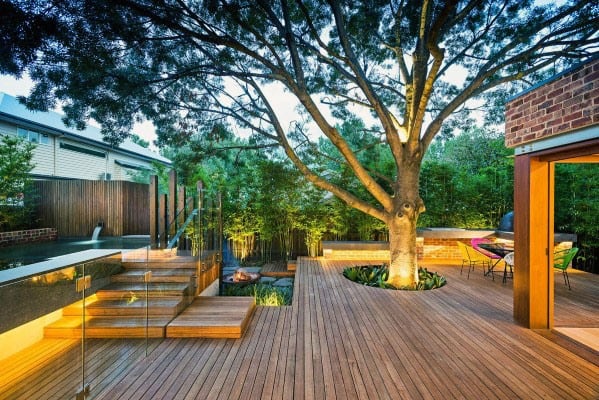
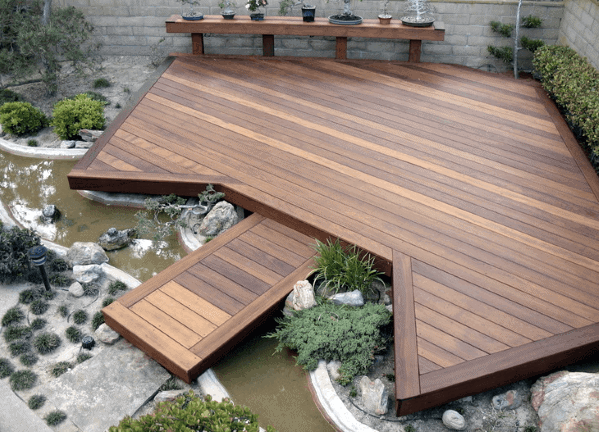
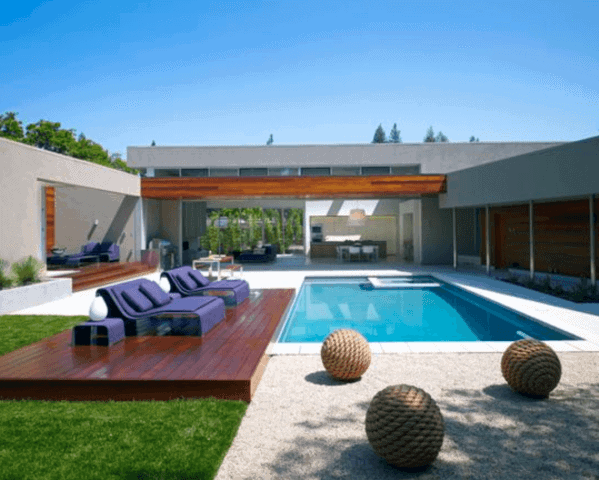
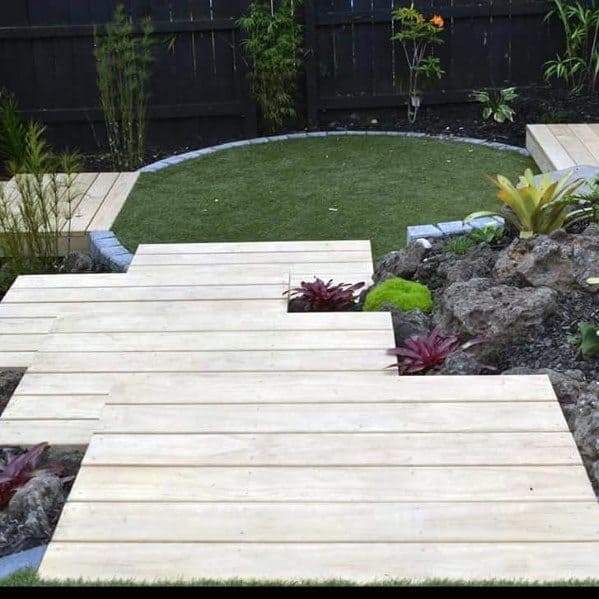
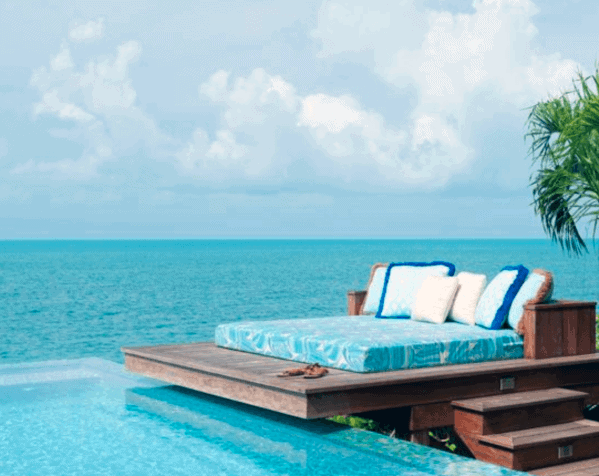
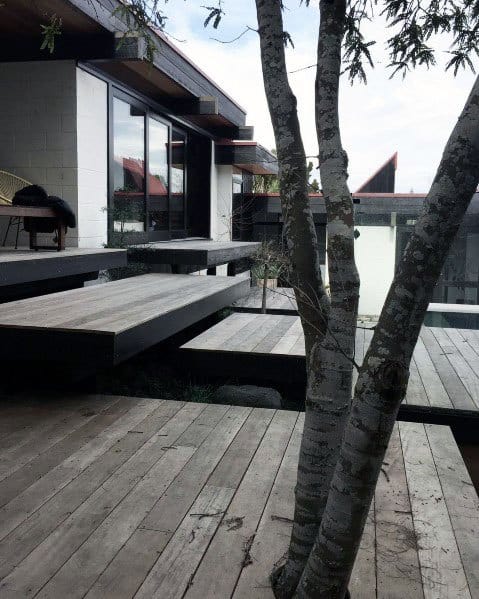
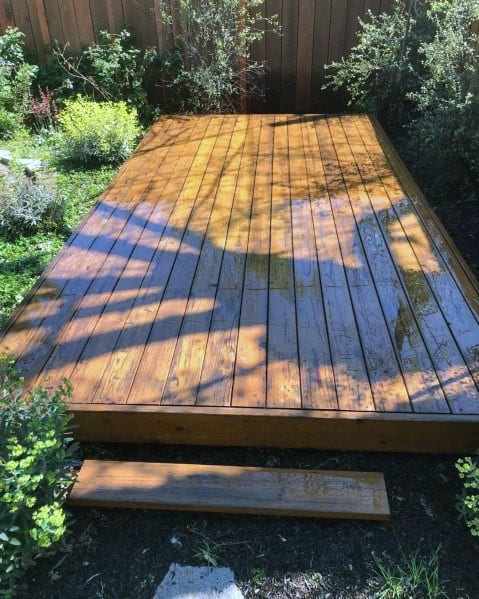
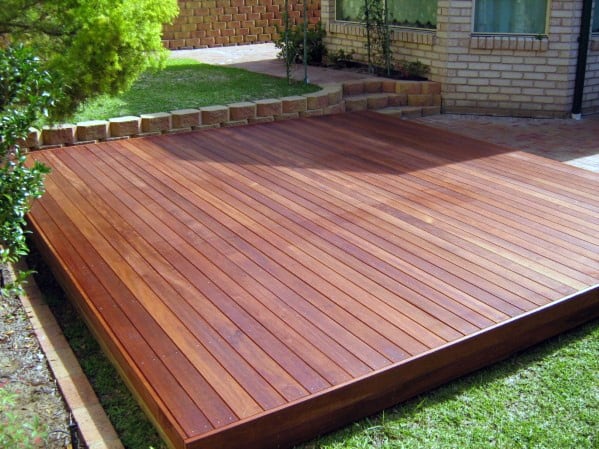
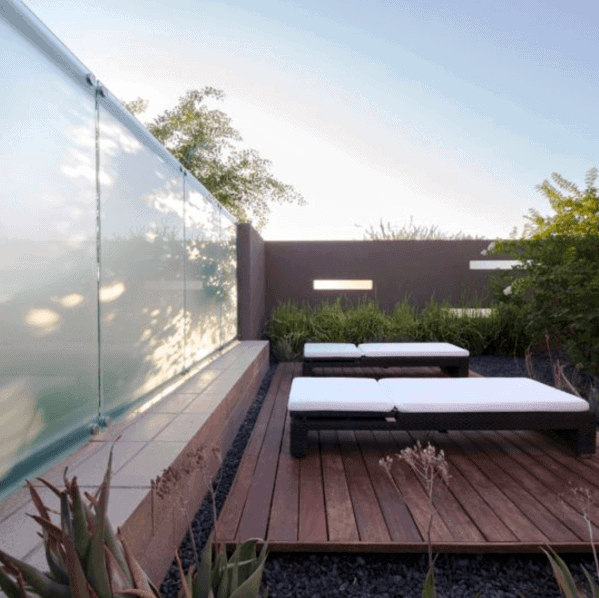
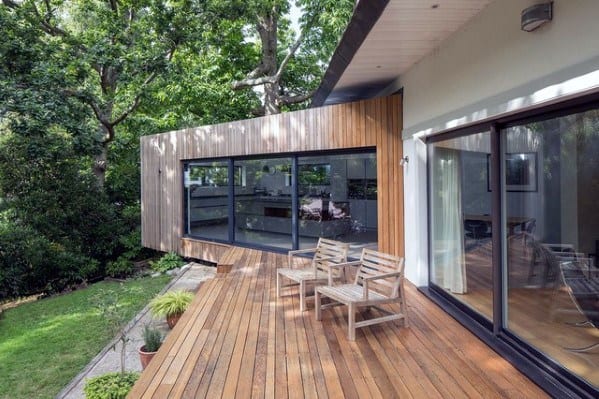
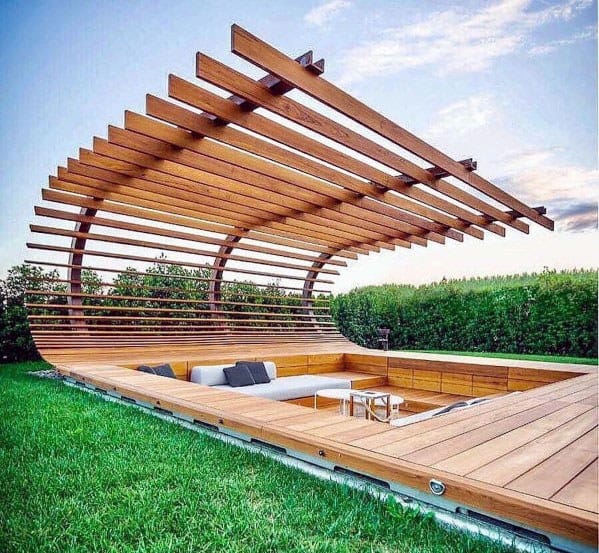
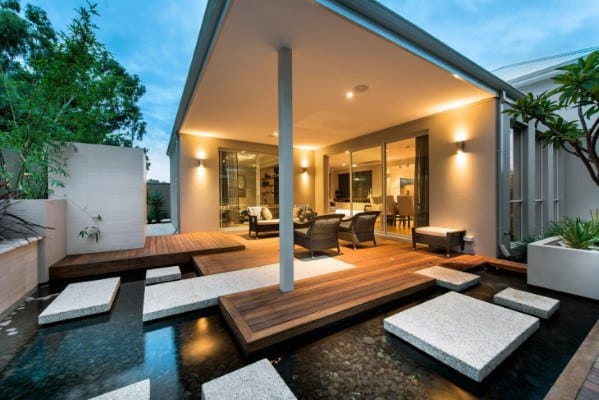
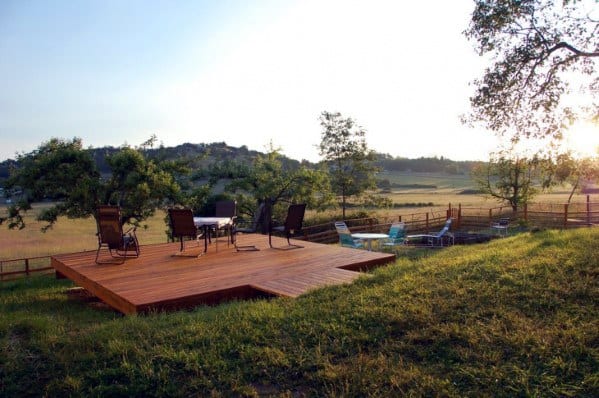
Inspired by a scene right out of paradise, the island, freestanding, or floating deck is more than just a backyard extension of one’s home, but an experience that celebrates the grandeur of man’s meeting with natural beauty.
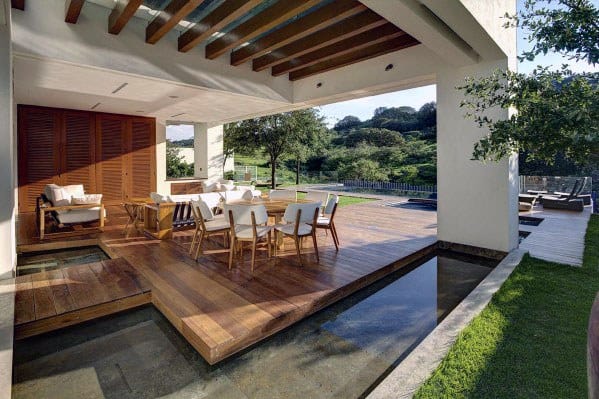
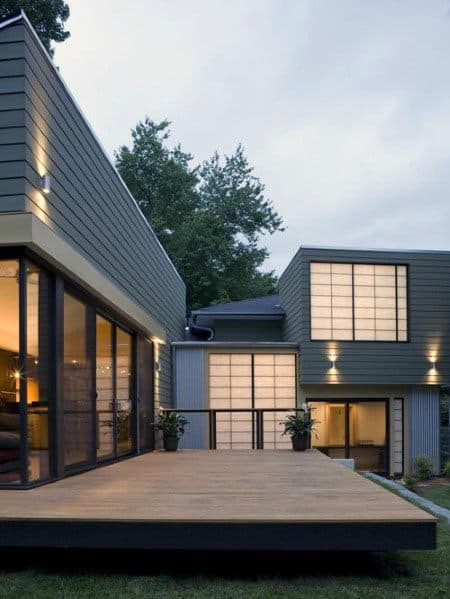
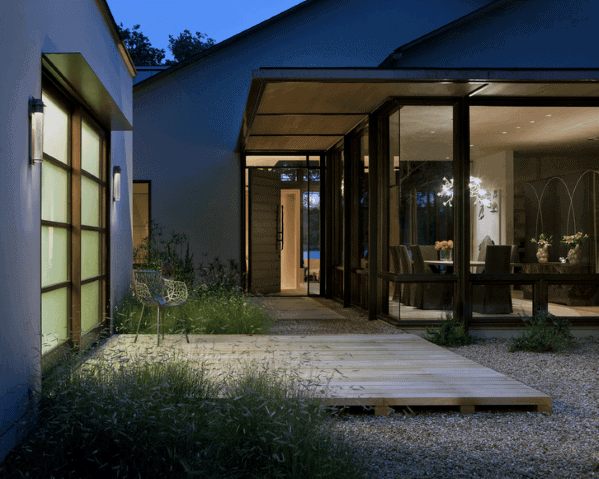
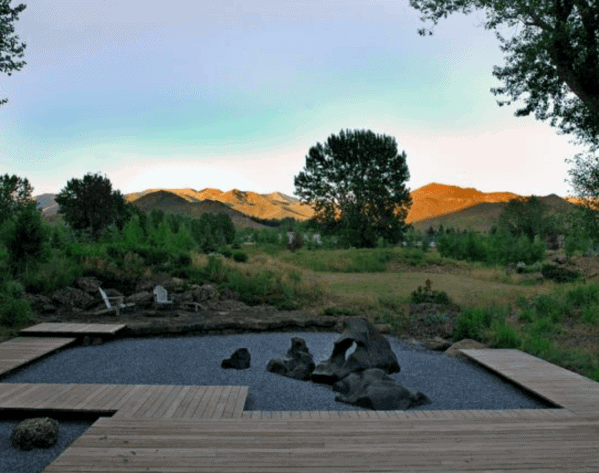
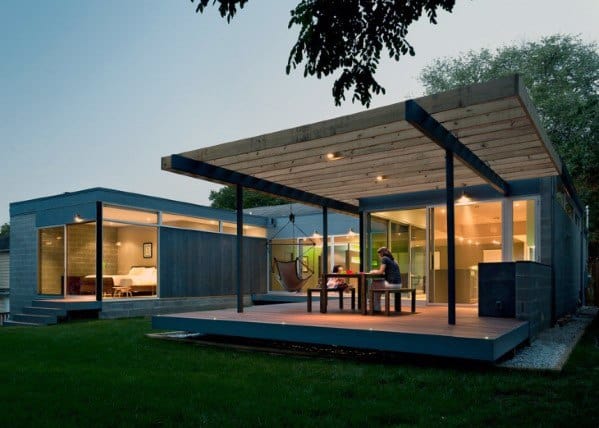
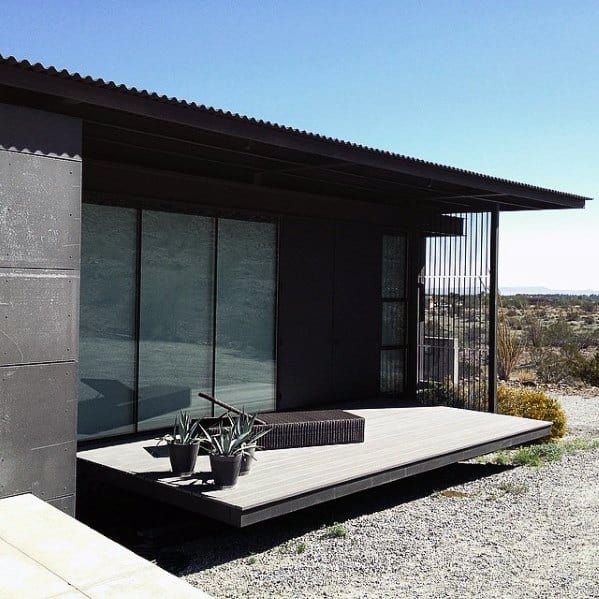
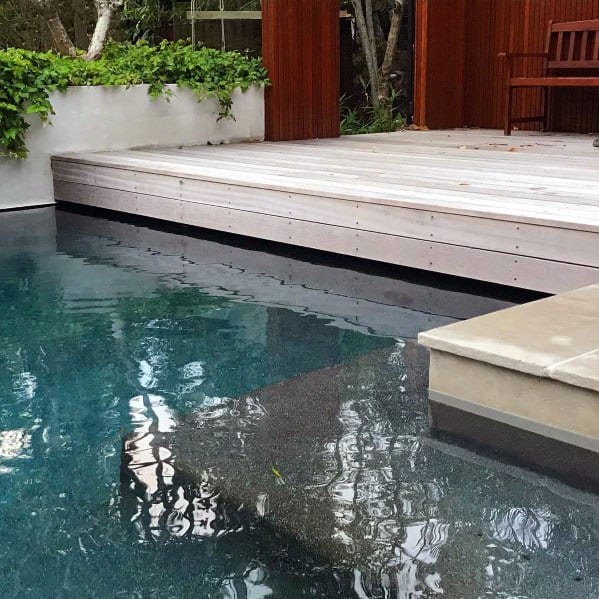
Marked by its characteristic absence of a skirt, the floating deck quite literally appears to be floating on air, unencumbered by ground and gravity alike.
And with so many show-stopping models and materials to choose from, this summer may be the time you finally claim your own private island.
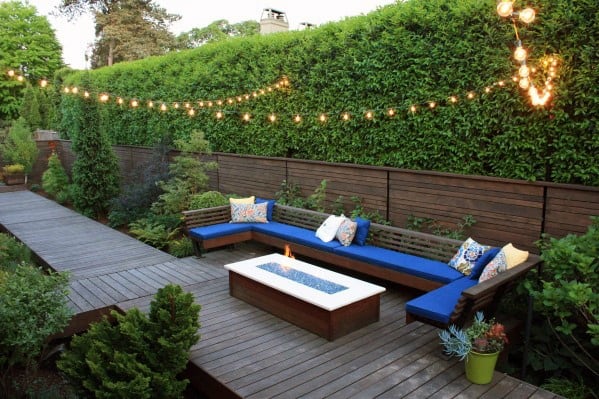
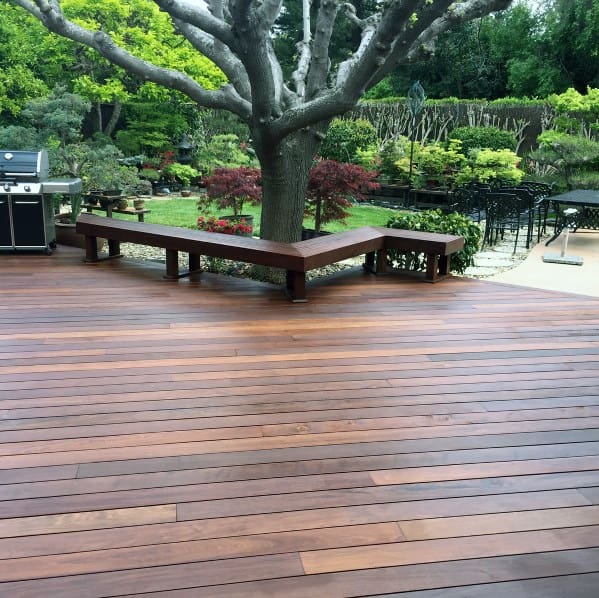
A floating deck allows one the space and scope to create his ideal backyard scene. Bordered by flora & fauna, topiary hedges, statuary pieces, artisanal screens, or simply standing alone in its perfection, the island deck is a country without borders.
A perfect companion for the swimming pool or barbeque patio, the floating deck’s potential truly knows no limits. Whether your dreamscape echoes the elegance of the Hamptons or hipness of the Malibu elite, your island deck is, by design, adaptable to any style and inspirational destination.
For the man who prefers his life without perimeters or barricades, these top 60 best floating deck ideas are freedom in their simplest glory. Here is where he can lay under the sun and stars alike without boundaries, and as any free spirit can attest, pleasure without boundaries means anything is possible.
Why not make this the season of marrying limitless potential with unmatched perfection?
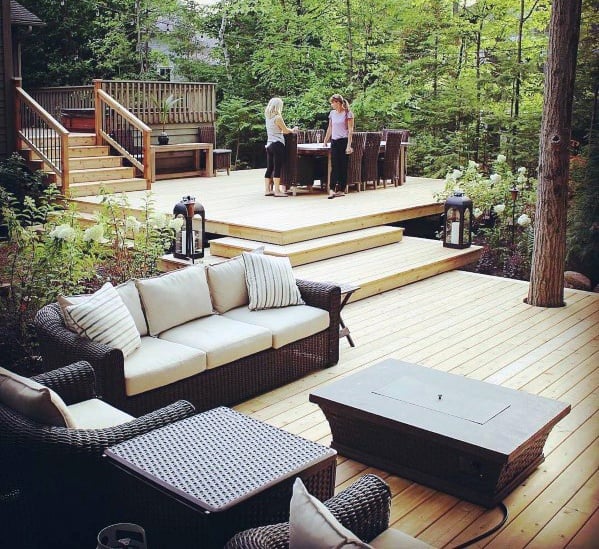
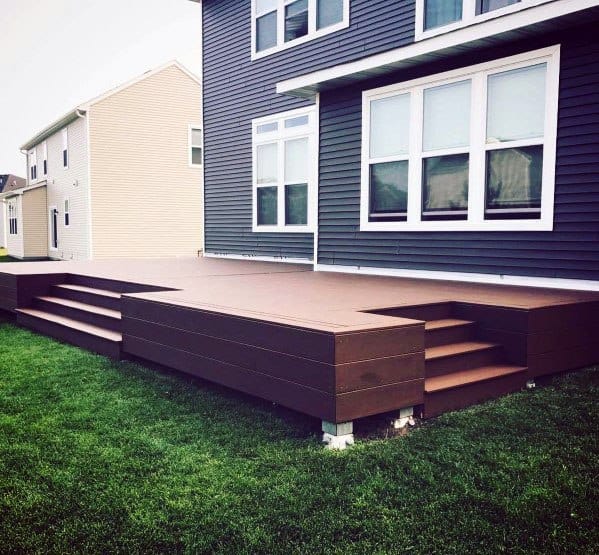
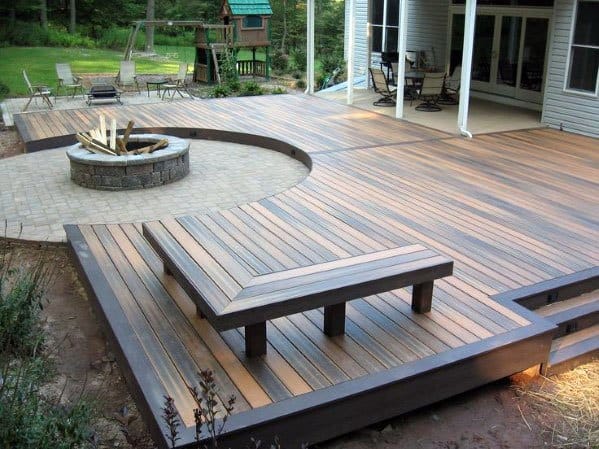
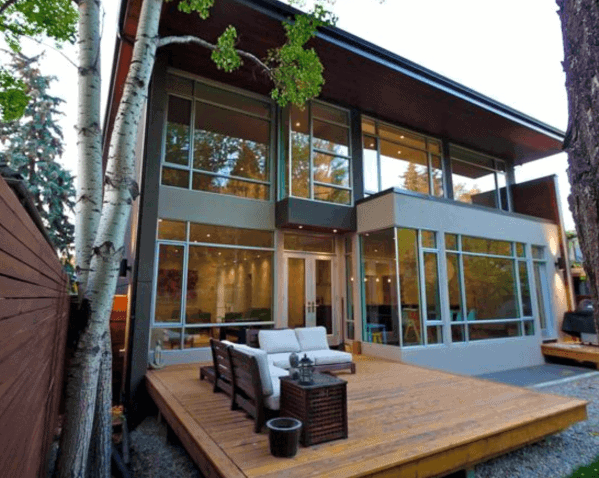
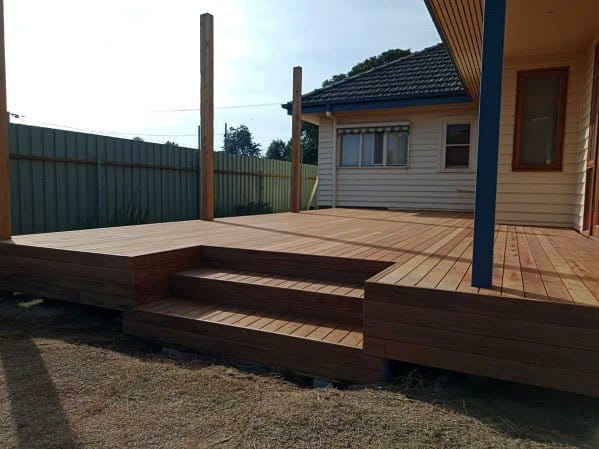
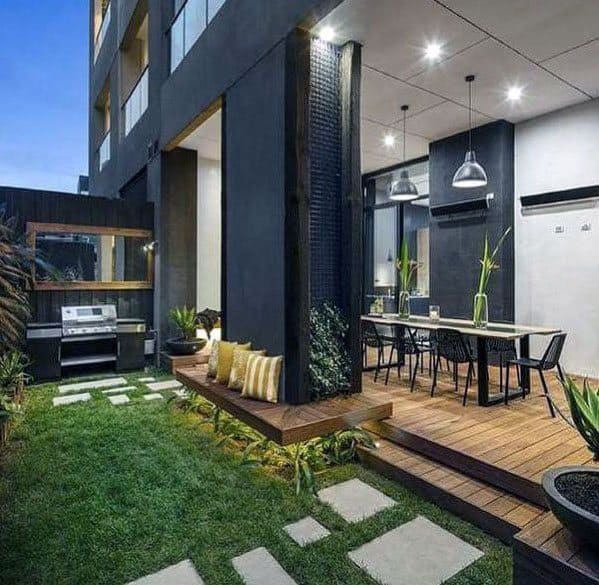
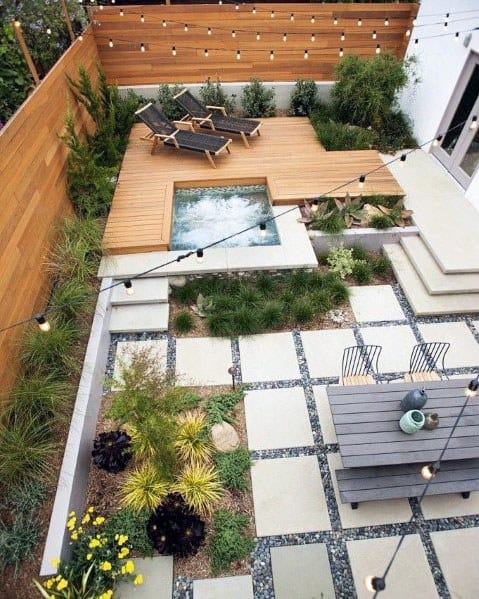
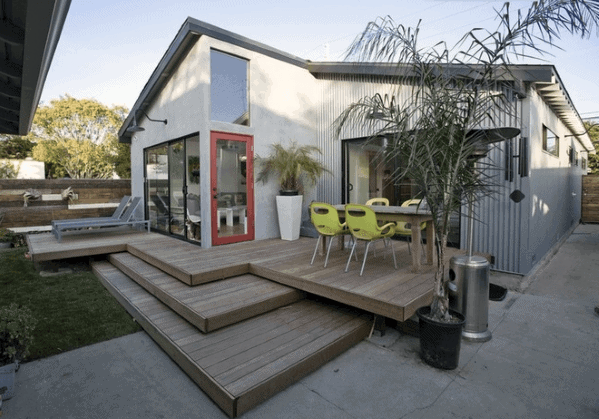
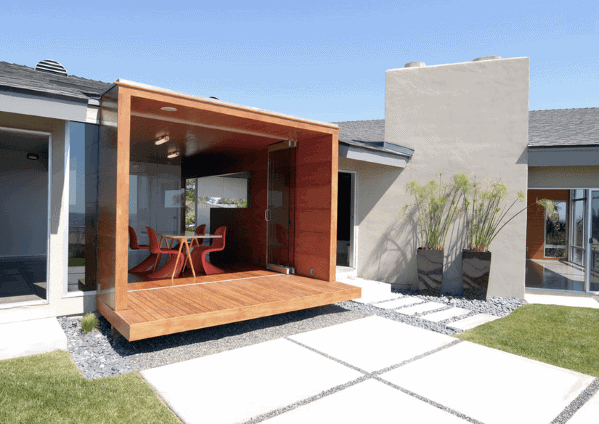
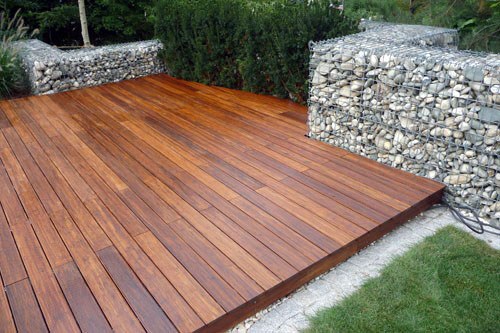
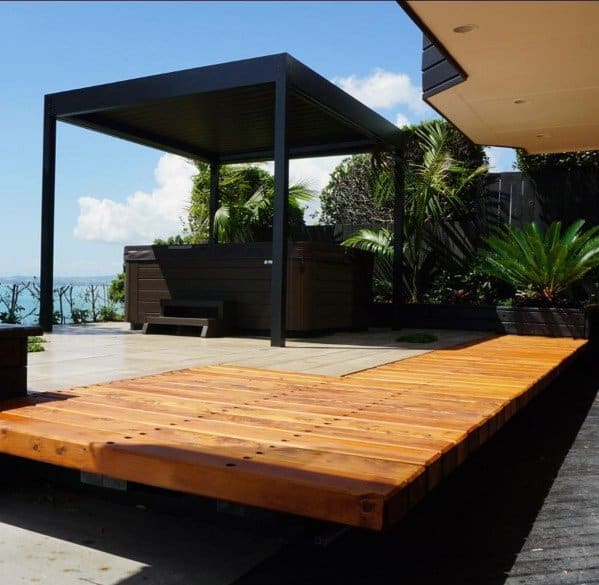
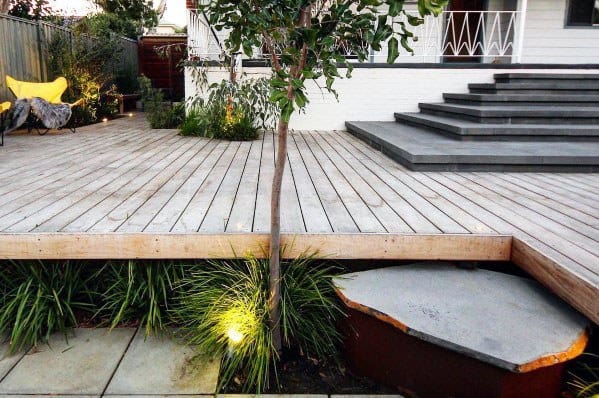
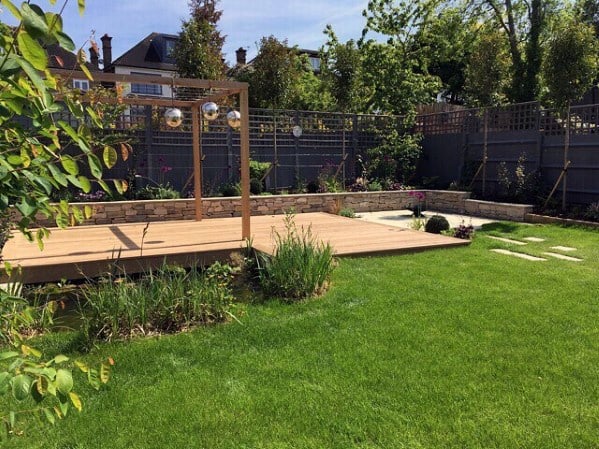
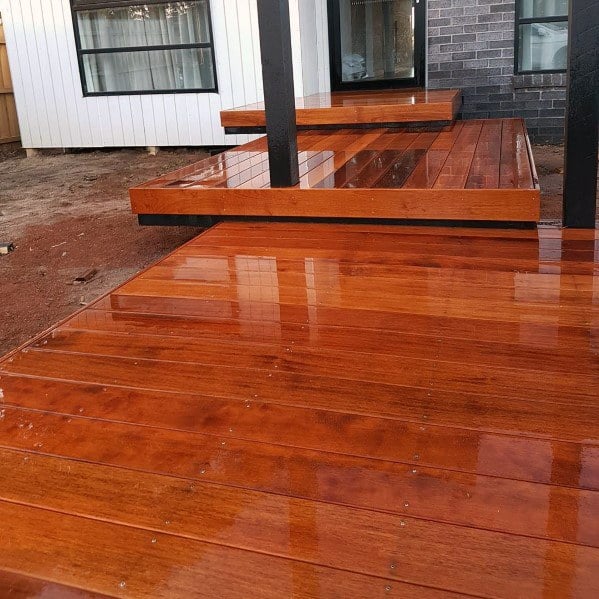
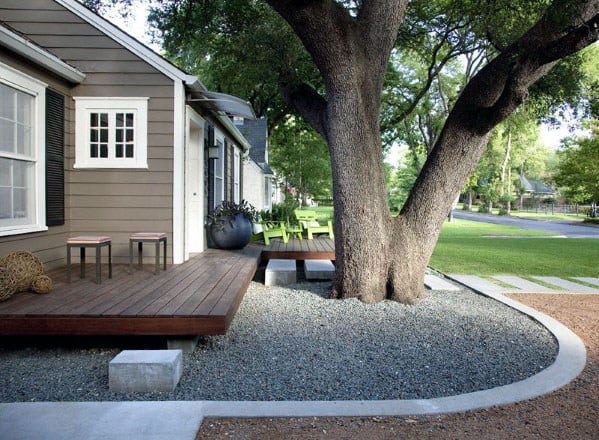
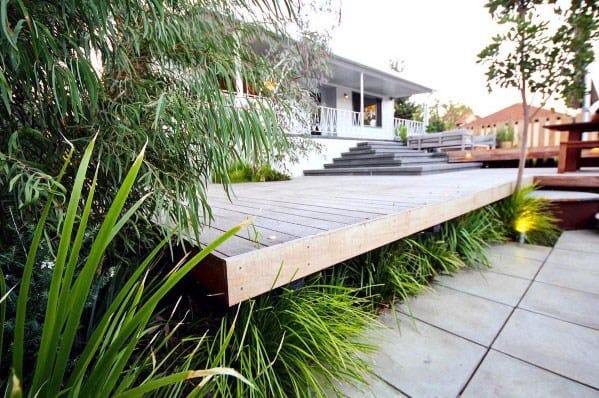
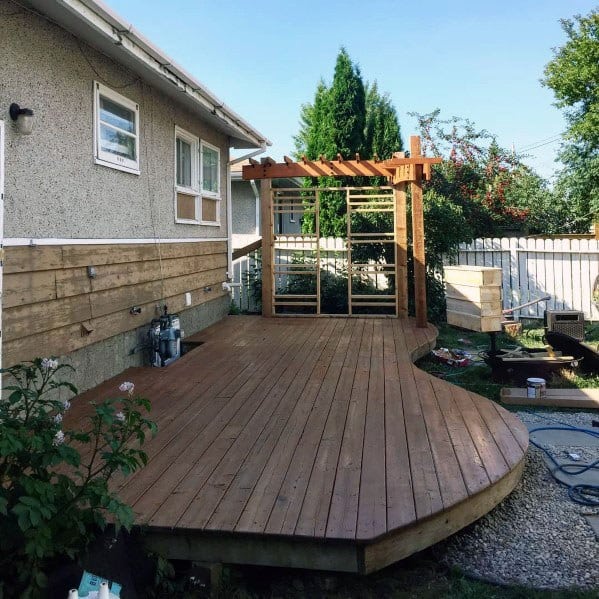
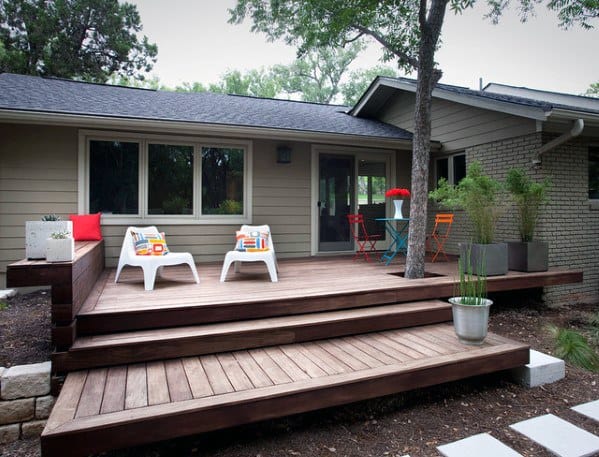
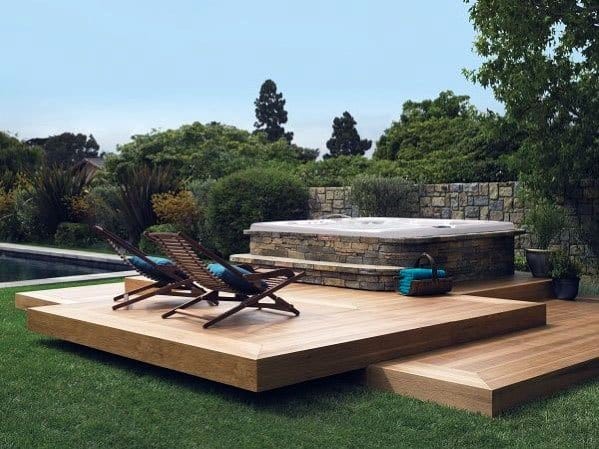
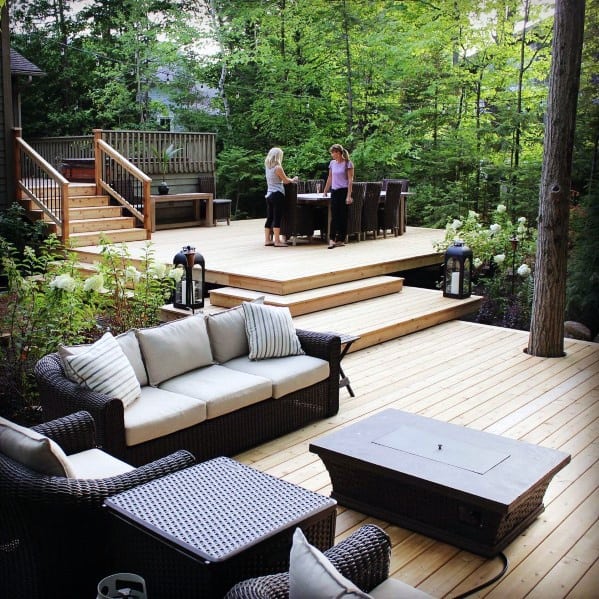
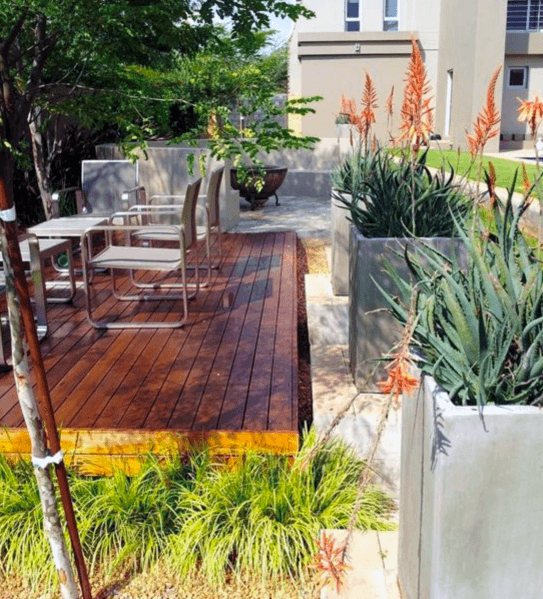
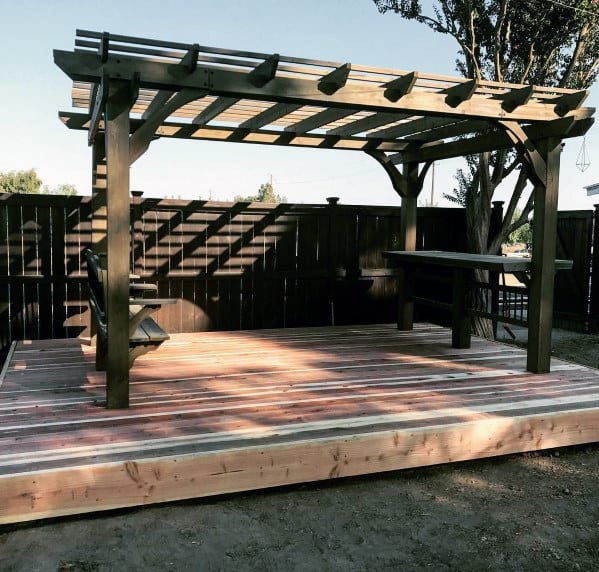
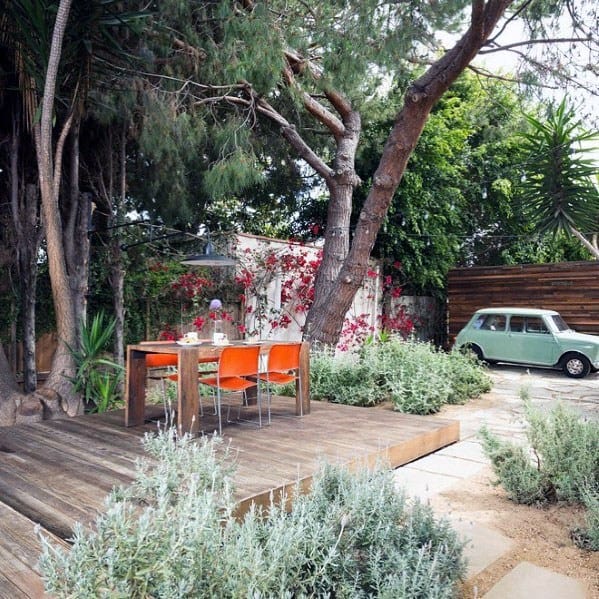
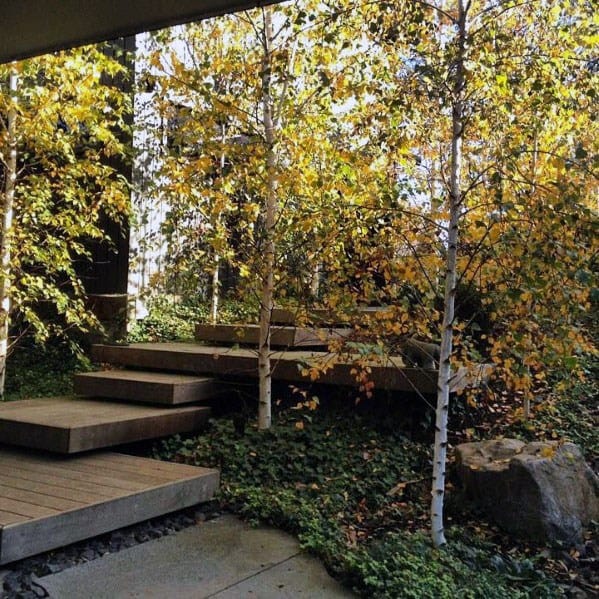
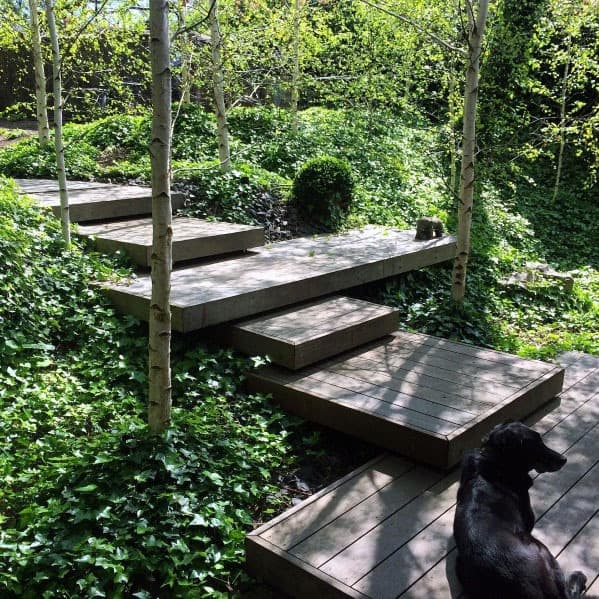
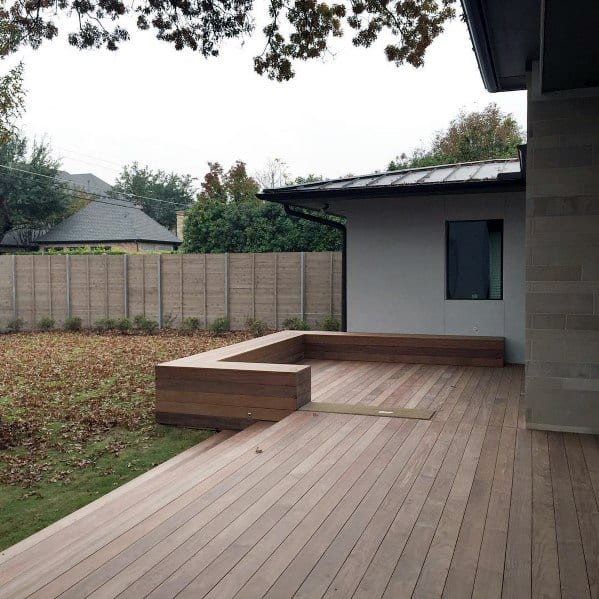
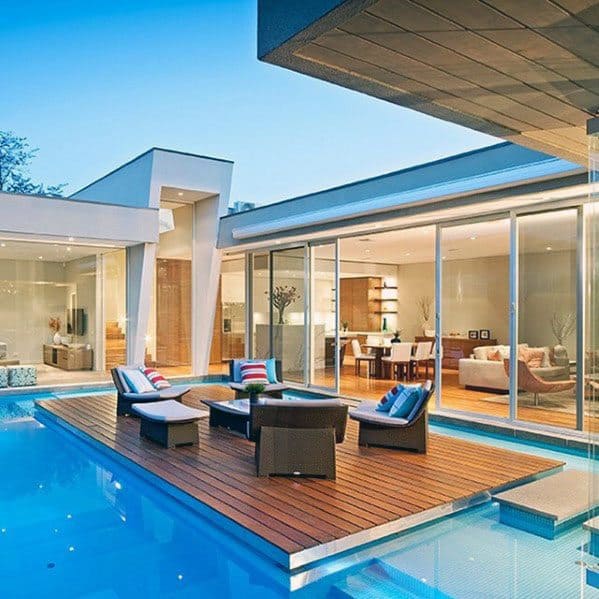
Check out more backyard deck ideas here.
Is a floating deck a good idea?
A floating deck can be a great idea for several reasons. It’s versatile, relatively easy to build, and doesn’t require deep foundational work like traditional decks. Floating decks are especially ideal for creating outdoor spaces on uneven or sensitive terrain, and they’re often used for temporary or semi-permanent setups. However, they may not be suitable for every climate or use case, particularly in areas with heavy snow or water runoff.
Is it cheaper to build a floating deck?
Yes, floating decks are typically cheaper to build compared to traditional decks. This is because they do not require deep footings or complex foundation work. The materials, tools, and labor involved are often more affordable, making floating decks an attractive option for those on a budget.
What is the best base for a floating deck? Does a floating deck need a foundation?
The best base for a floating deck includes:
- Concrete blocks or deck blocks: Provide stability and prevent sinking.
- Gravel base: Helps with drainage and minimizes moisture buildup.
- Compacted soil: For small, lightweight decks. A floating deck does not require a deep foundation like a traditional deck, but it does need a stable, level base to prevent shifting and sinking over time.
Is a floating deck cheaper than concrete?
Yes, floating decks are generally cheaper than concrete patios. Concrete requires extensive groundwork, preparation, and curing, which can significantly increase costs. A floating deck is easier and faster to construct, which reduces labor and material expenses.
Will a floating deck sink?
A floating deck can sink if it is not properly supported or placed on unstable ground. Using concrete blocks or gravel bases and ensuring proper drainage will help prevent this issue.
How much weight can a floating deck hold?
A well-built floating deck can typically hold about 50 pounds per square foot or more, depending on the materials used and the spacing of the support structure. For heavier loads, additional reinforcements may be required.
How do you stabilize a floating deck?
To stabilize a floating deck:
- Use deck blocks: Position them evenly to distribute weight.
- Install cross bracing: Between the joists for added rigidity.
- Level the base: Ensure the deck is built on a stable and even surface.
- Add anchors: In windy areas, consider anchoring the deck to prevent movement.