

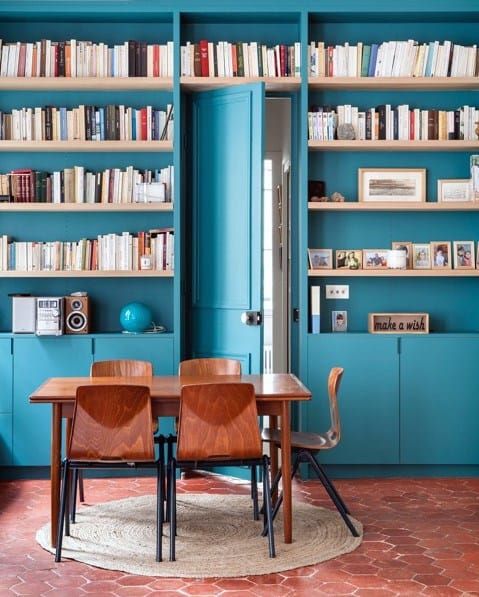
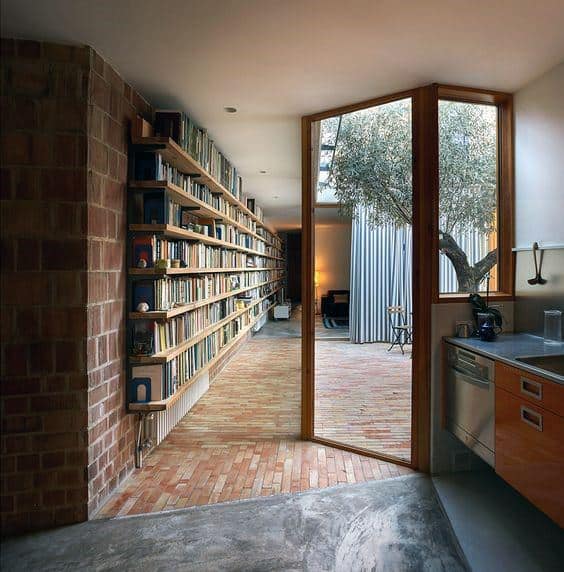
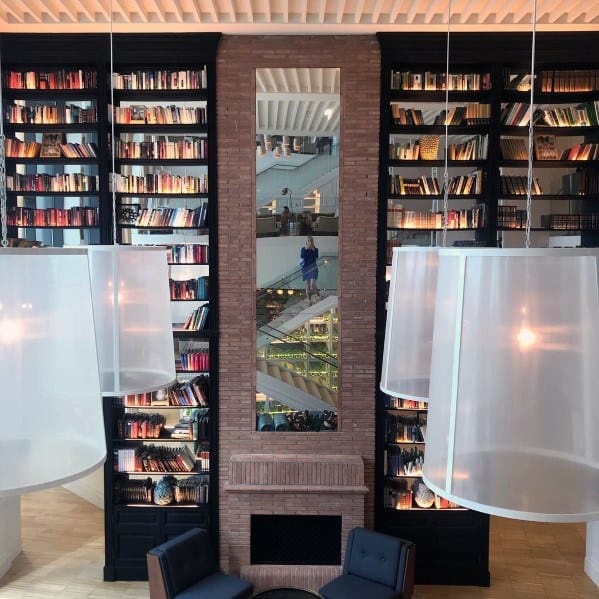
In an era dominated by digital media, floor-to-ceiling bookshelves are making a comeback as both functional and striking design elements. These towering shelves transform walls into breathtaking installations, showcasing personal style while offering practical storage.
From minimalist designs to vintage-inspired pieces, these bookshelves not only organize books but also tell stories through their unique arrangements, blending form, function, and elegance. Explore how these vertical libraries can redefine your space and inspire conversation.

































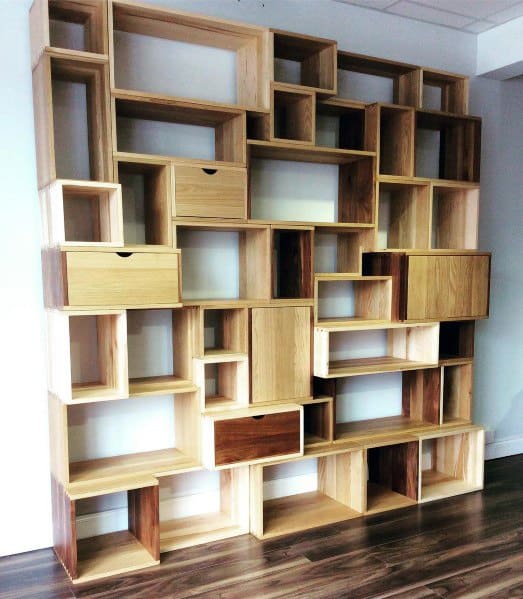



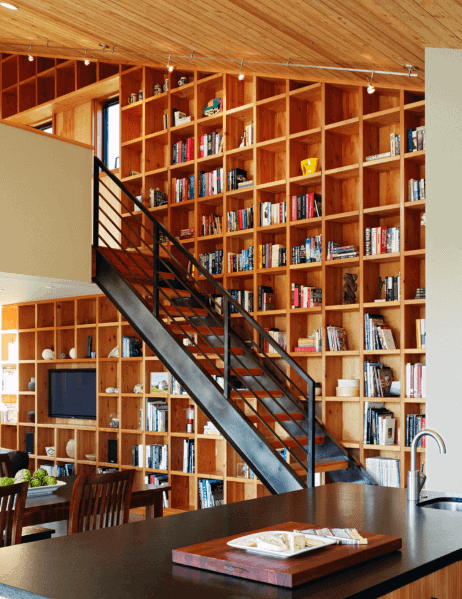
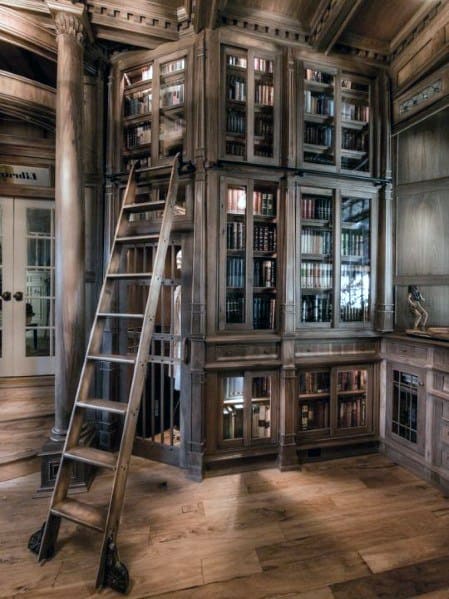
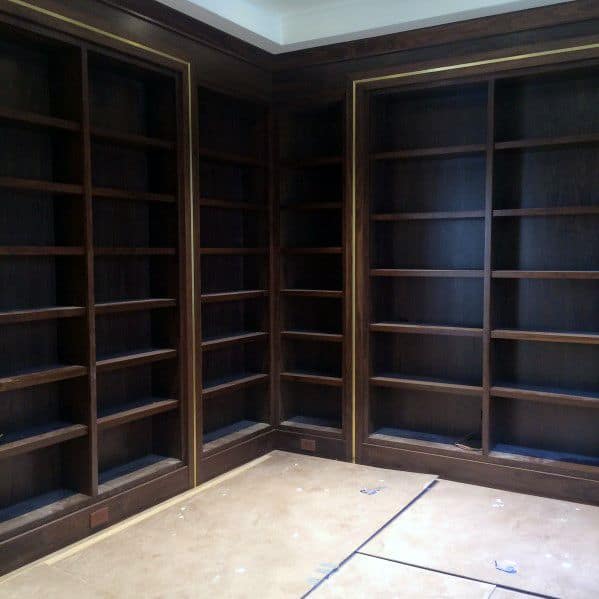
How to Build a Floor-To-Ceiling Bookcase
Floor-to-ceiling bookcases are a timeless addition to any room, combining function and style. Here’s how to build one, while adding your personal touch and maximizing space.
Choose the Right Style for Your Space
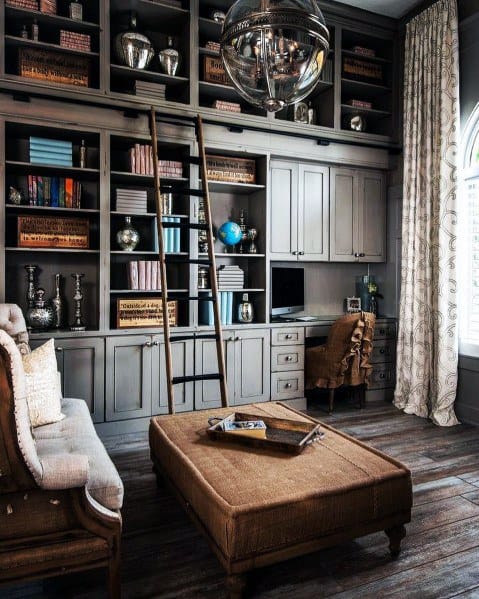
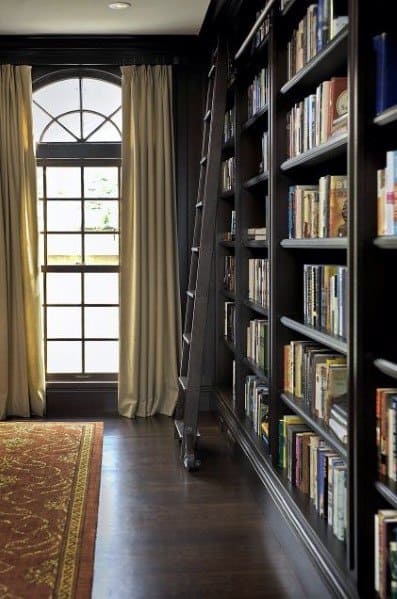
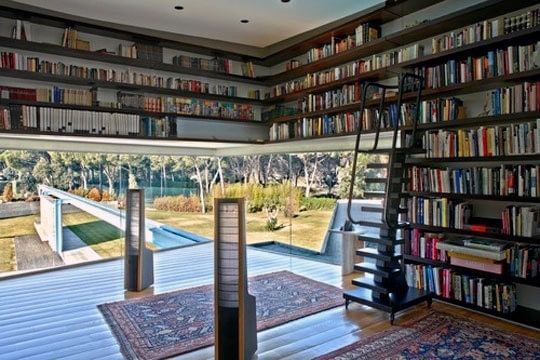
- Rolling Ladder: Perfect for tall bookshelves, adding a vintage touch and allowing easy access to every book. A rolling ladder can bring elegance and functionality.
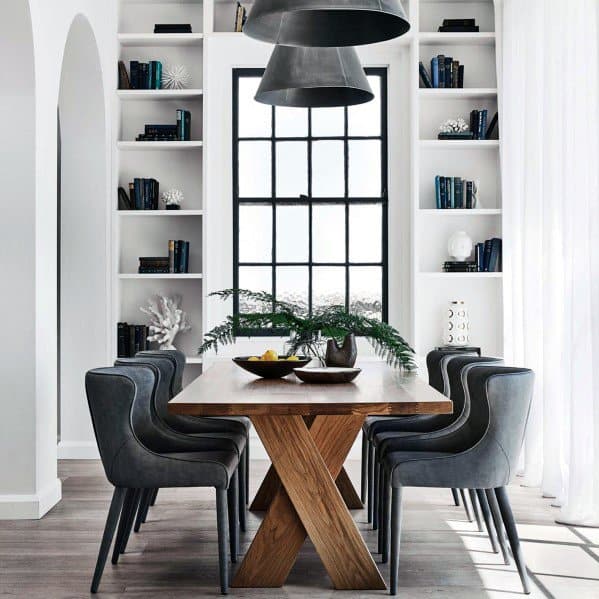
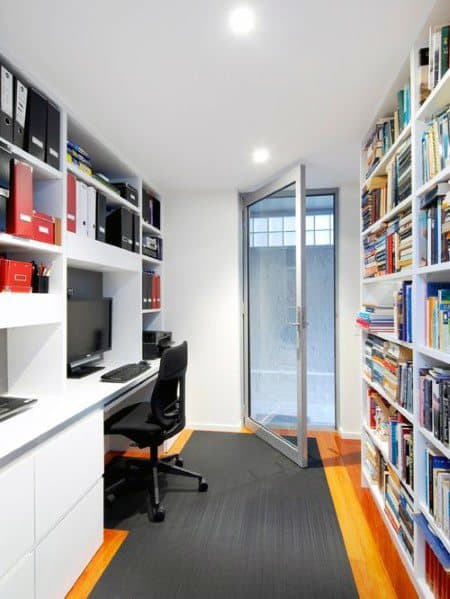
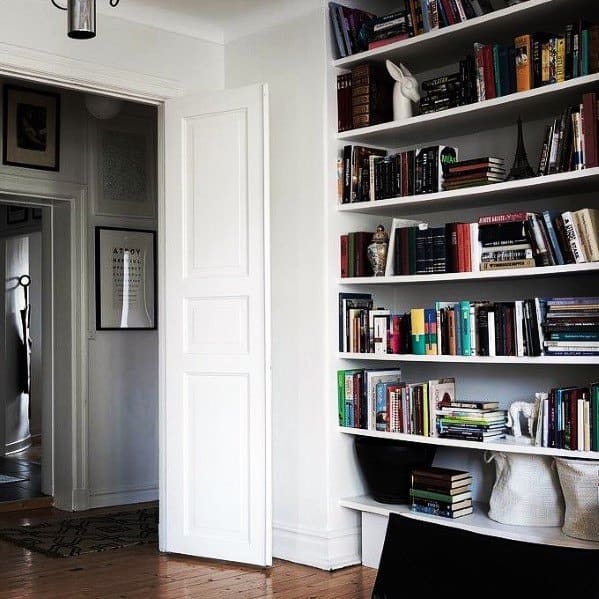
- Built-In Bookcases: Opt for custom-built shelves that integrate seamlessly with your walls, creating a permanent feature in your home.
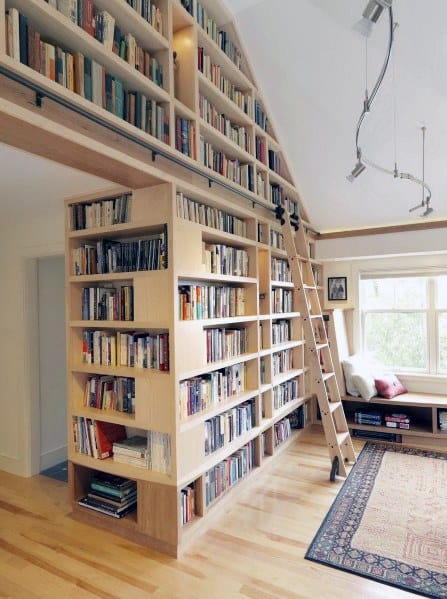
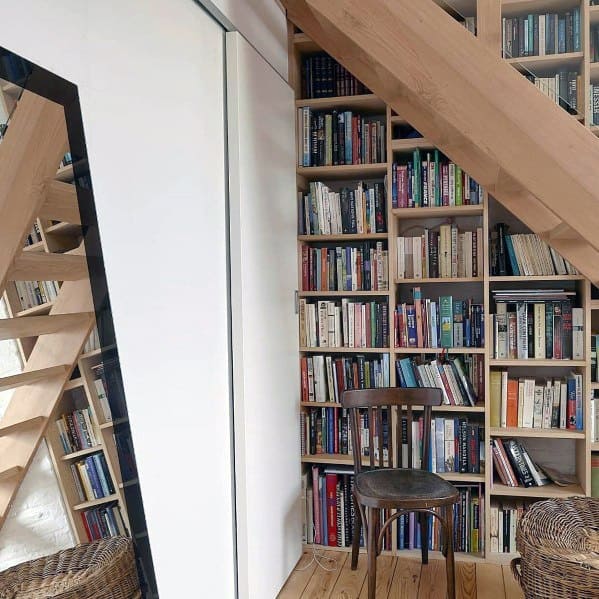
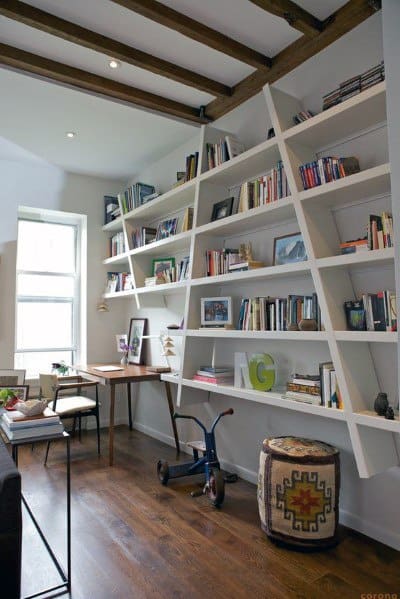
- Angled Shelves: Make use of attic spaces or sloped ceilings with angled bookshelves that turn your space into a cozy reading haven.
Maximize Light and Views
- Bay Window Integration: Combine your bookcase with a bay window to bring in natural light, creating a warm reading nook surrounded by books.
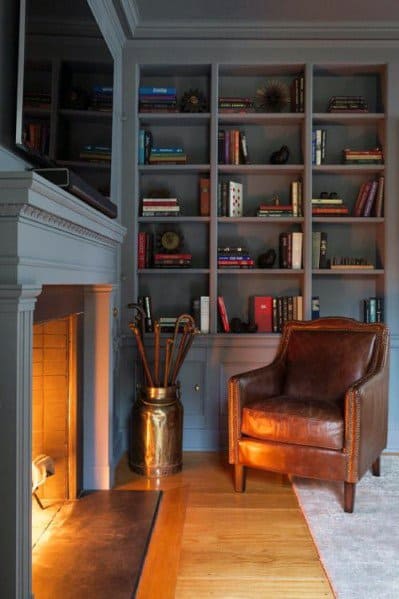
- Fireplace Adjacent Shelves: Place bookshelves next to your fireplace to create a space that feels inviting and intellectual, perfect for cozy reading.
Design for Function
- Entryway Shelf: A floor-to-ceiling bookcase at the entryway sets an elegant tone while providing a place to showcase your favorite books.
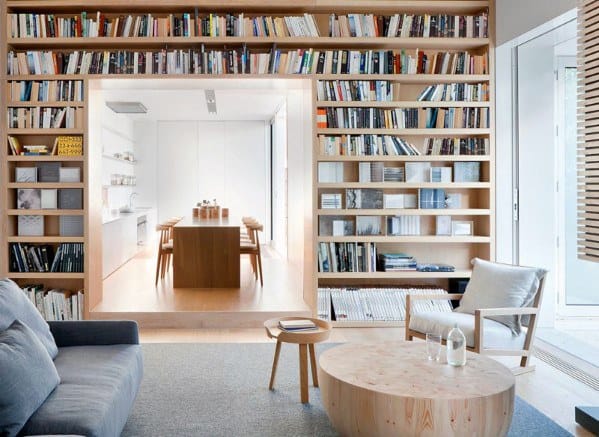
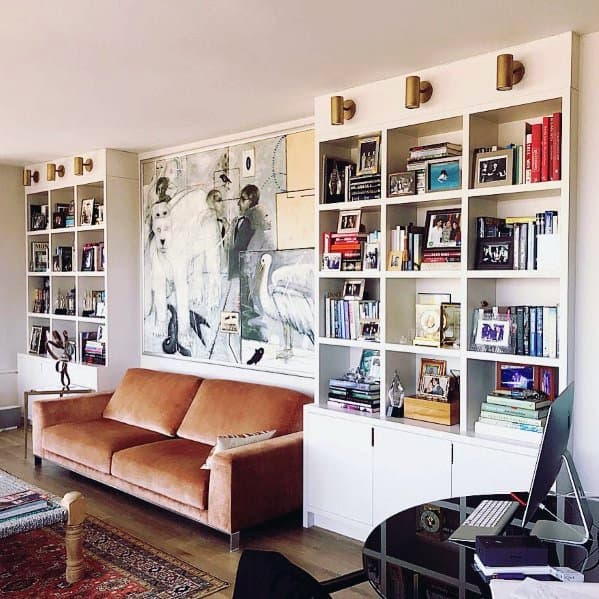
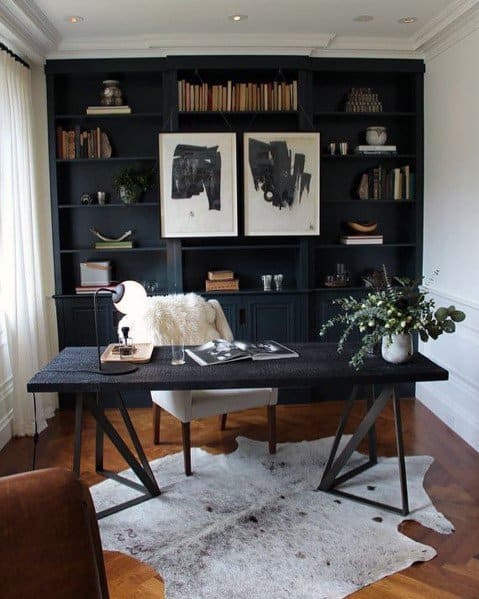
- Living Room Focal Point: Place a bookcase behind your couch, offering easy access to your collection and serving as a stunning backdrop for your living room.
Space-Saving Tips
- Wide Shelves for Low Ceilings: If your ceiling is low, opt for wide, horizontal bookcases that stretch across the wall, maximizing storage while maintaining a sleek look.
- Recessed Library Nook: Build a recessed area within your bookcase to create a cozy reading nook, turning your bookshelf into an immersive literary escape.
FAQs
What are the benefits of having a floor-to-ceiling bookshelf in my home?
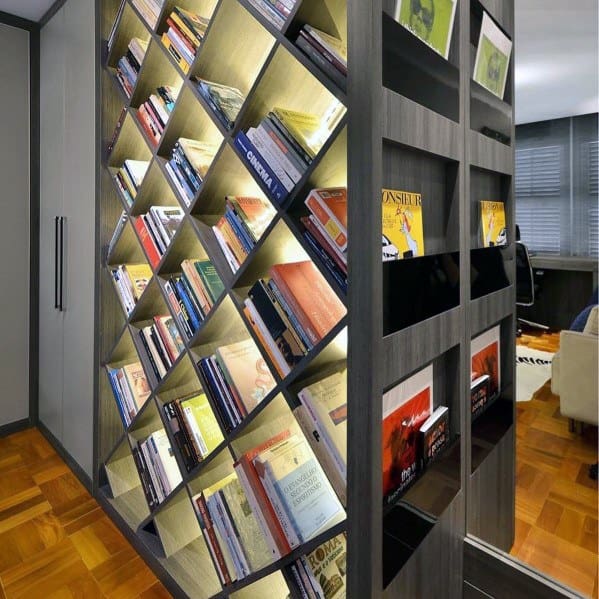
A floor-to-ceiling bookshelf offers numerous benefits beyond its obvious storage capacity. Beyond organizing your books, it can serve as a striking focal point in your space, adding a sense of depth and character to the room. These bookshelves can also act as room dividers, creating distinct zones within an open-concept living area.
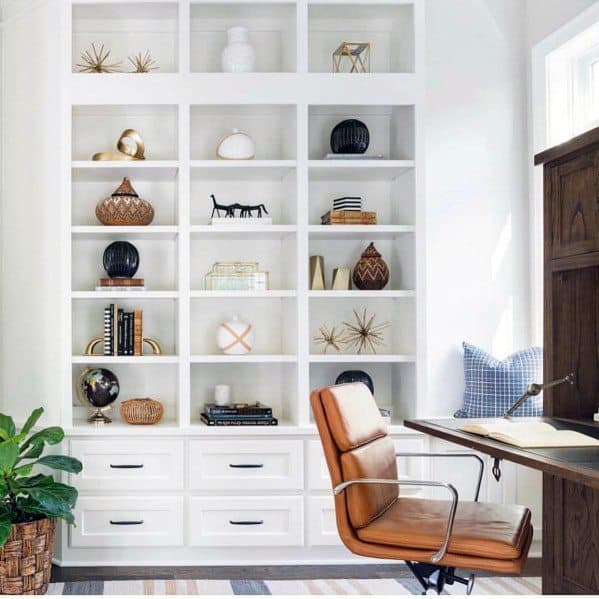
Additionally, they provide an opportunity to display not only books but also decorative items, photographs, and collectibles, giving your home a personalized touch.
What design styles work well with floor-to-ceiling bookshelves?
Floor-to-ceiling bookshelves can adapt to a variety of design styles.
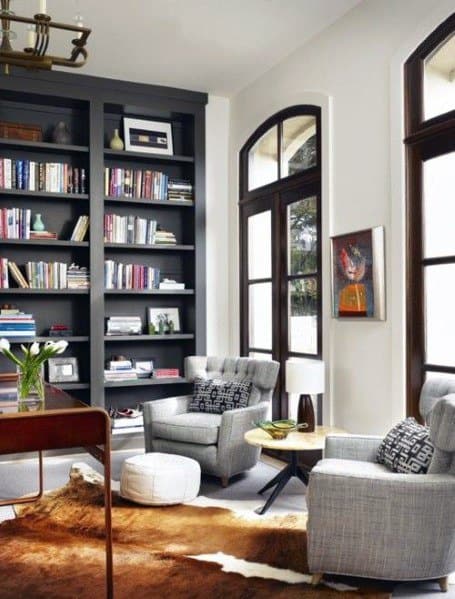
For a modern aesthetic, choose clean lines, minimalist shelving, and neutral colors.
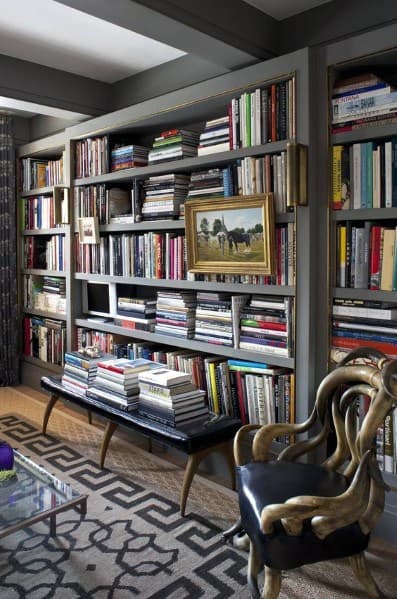
Traditional spaces can benefit from rich wood finishes and ornate details.
Industrial designs can feature metal accents and open shelves, while eclectic rooms can incorporate a mix of materials and quirky arrangements.
Remember, the style should harmonize with your existing décor and reflect your personal taste.
How do I arrange books and items on a floor-to-ceiling bookshelf?
You can group books by genre, color, or size to create visual interest. Intersperse books with decorative items like vases, sculptures, or framed art.
To prevent a cluttered look, use a mix of horizontal and vertical arrangements. Experiment with negative space to avoid overcrowding shelves.
Regularly curate and rotate items to keep the display fresh.