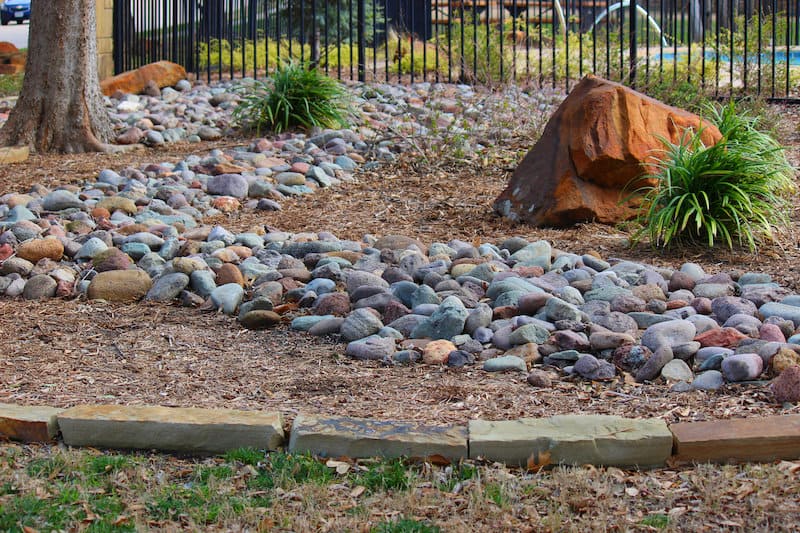

Looking to add natural beauty and texture to your garden or yard? River rock landscaping is a versatile and low-maintenance option that brings a touch of nature to your outdoor space.
Whether you’re creating a serene pathway or a stunning garden feature, river rocks can transform your landscape with their smooth, earthy appeal.
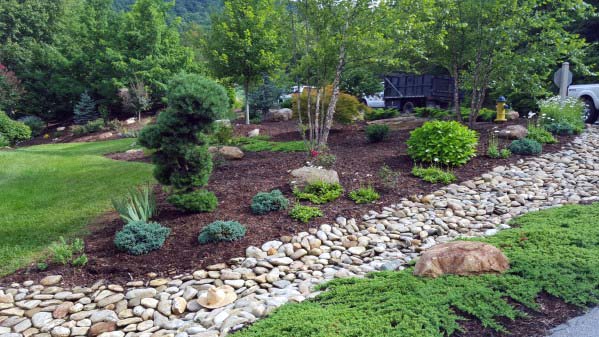
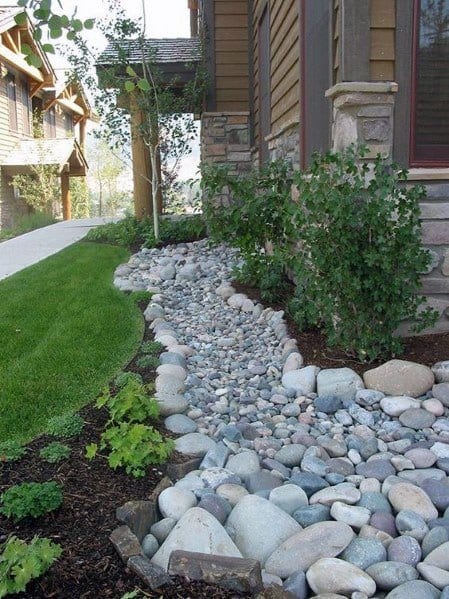
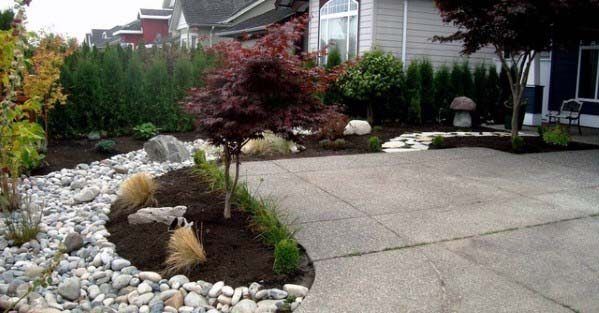
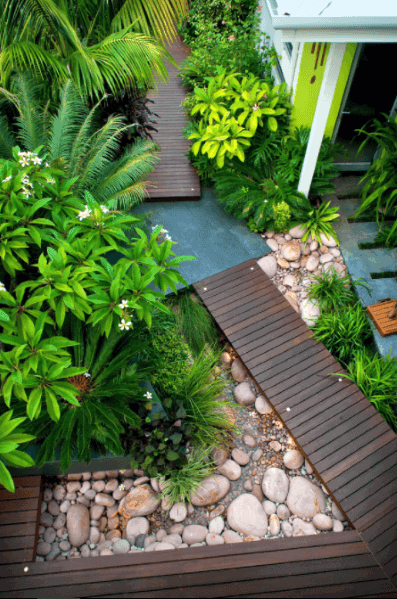
Why Choose River Rock for Landscaping?
River rocks, with their smooth texture and earthy tones, offer a versatile, eco-friendly option for landscaping. They help retain moisture, reduce erosion, and can be used in a variety of applications like pathways, garden beds, and water features. River rocks also offer long-term durability, meaning your landscape design will stand the test of time with minimal maintenance.
Landscaping Ideas
Create Natural Walkways
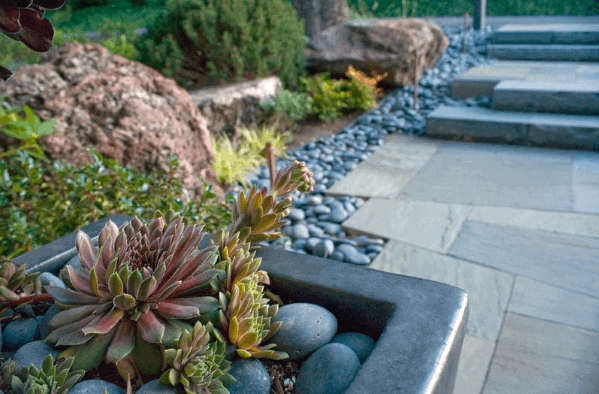
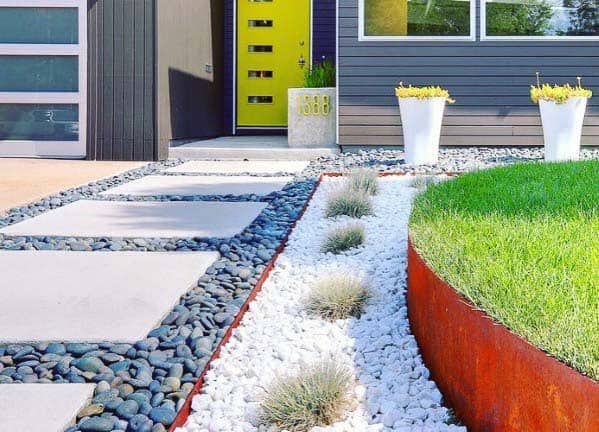
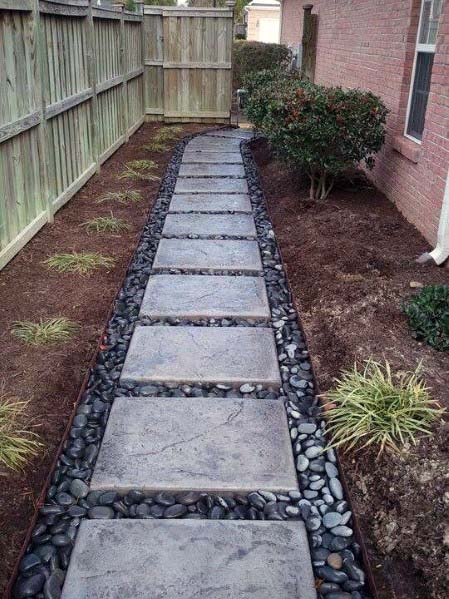
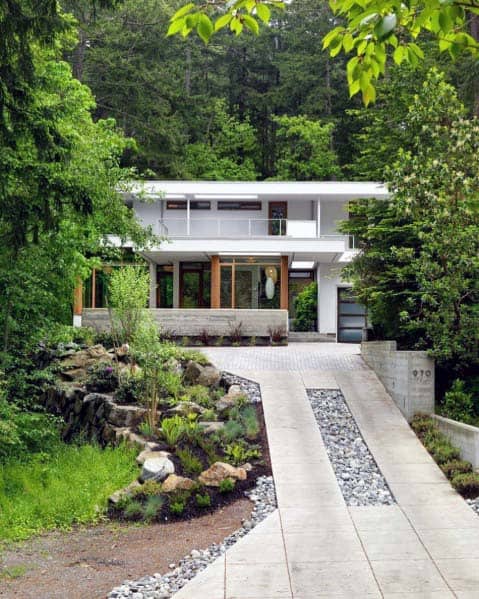
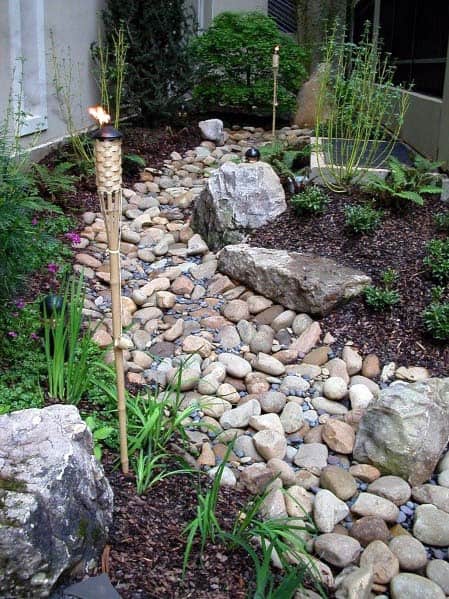
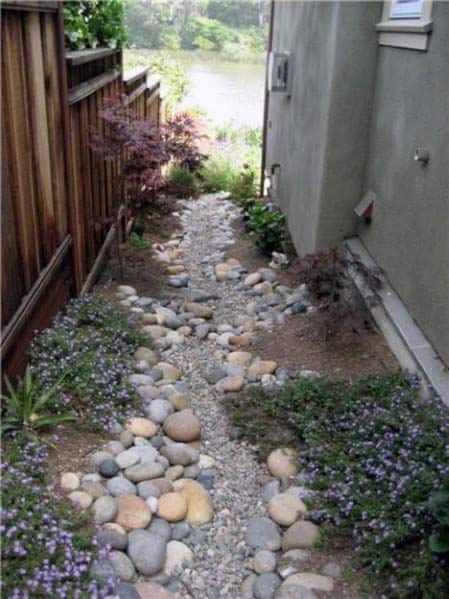
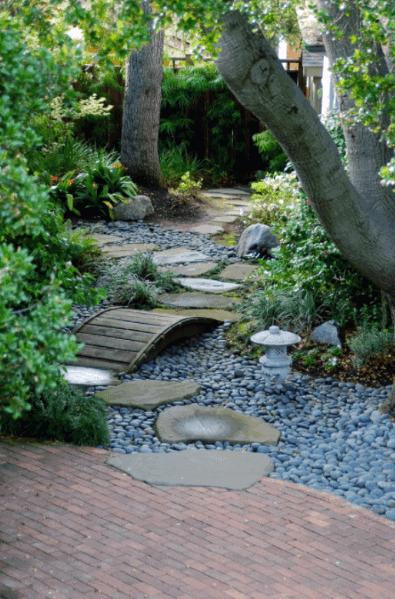
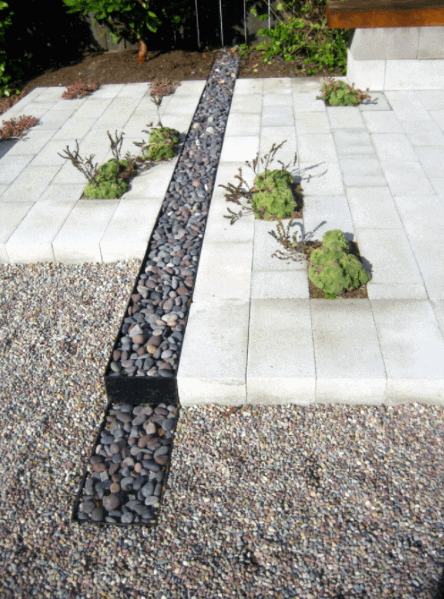
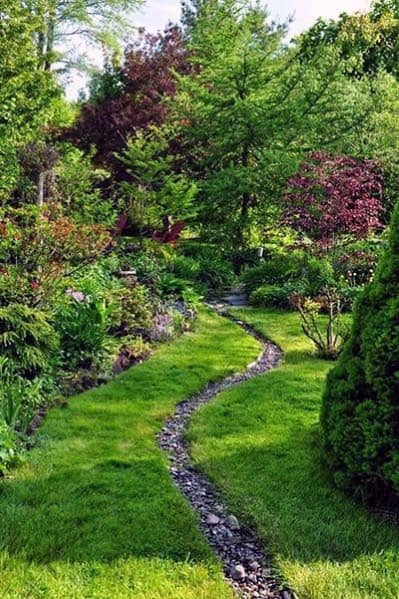
One of the most common uses for river rock is creating beautiful, winding walkways that guide visitors through your garden. Combine river rocks with stepping stones to create a serene path, perfect for meandering through flower beds or around water features. The mix of smooth stones with larger rocks adds texture and visual interest to the walkway.
Incorporate River Rock in Garden Beds
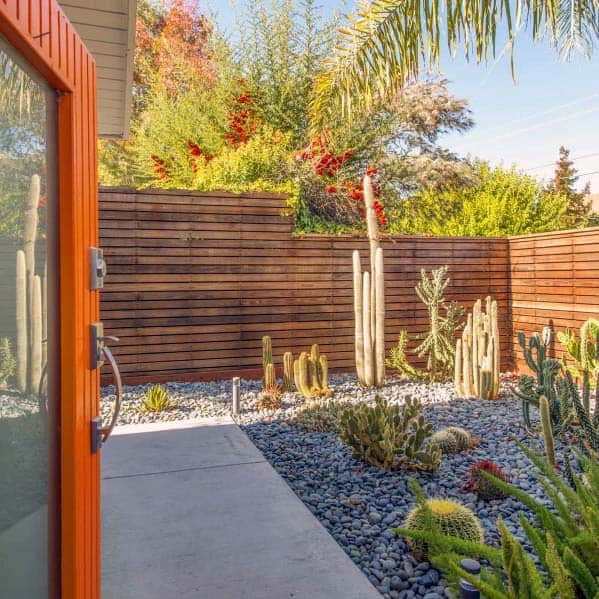
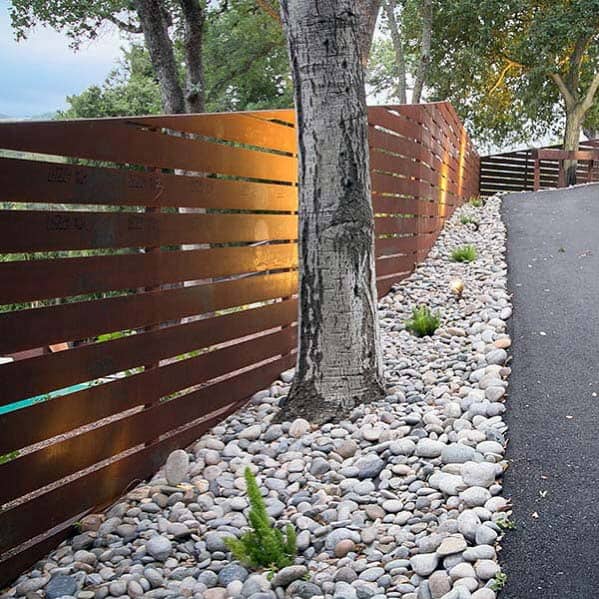
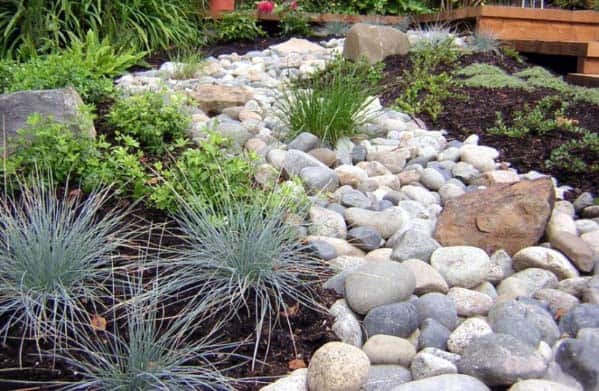
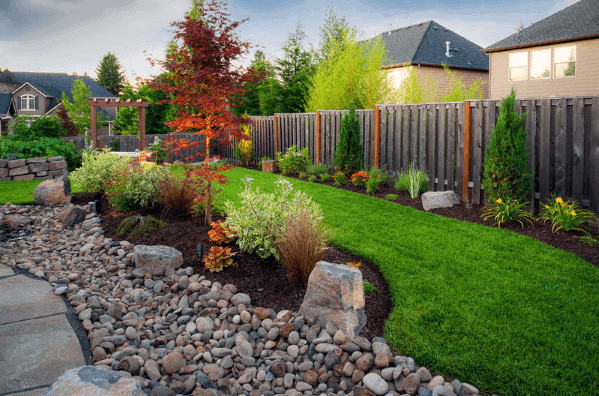
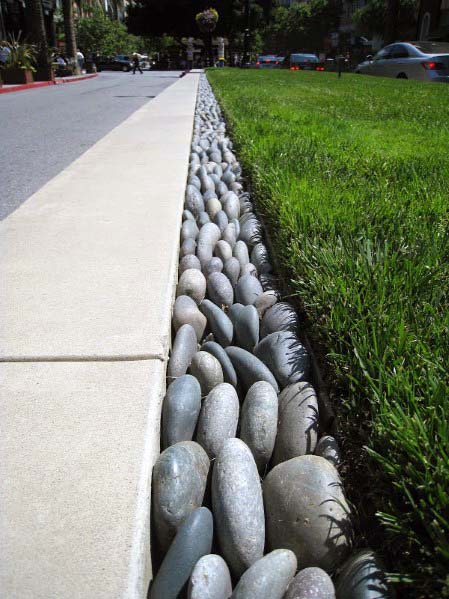
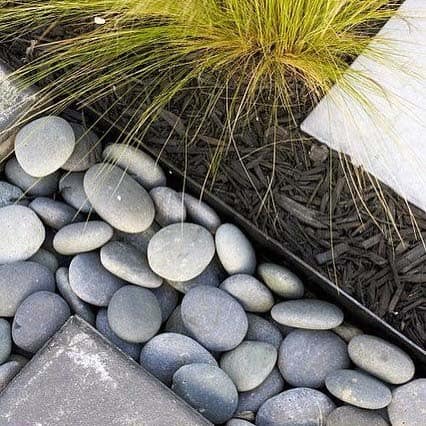
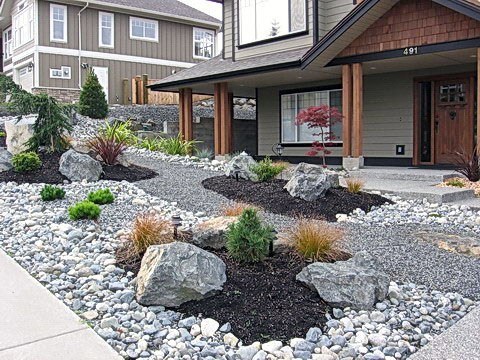
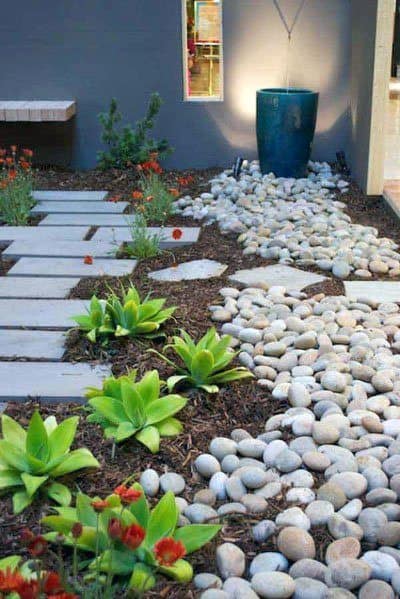
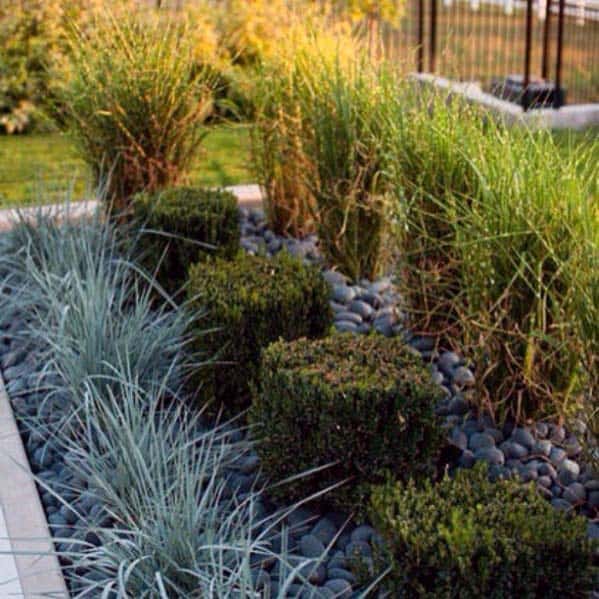
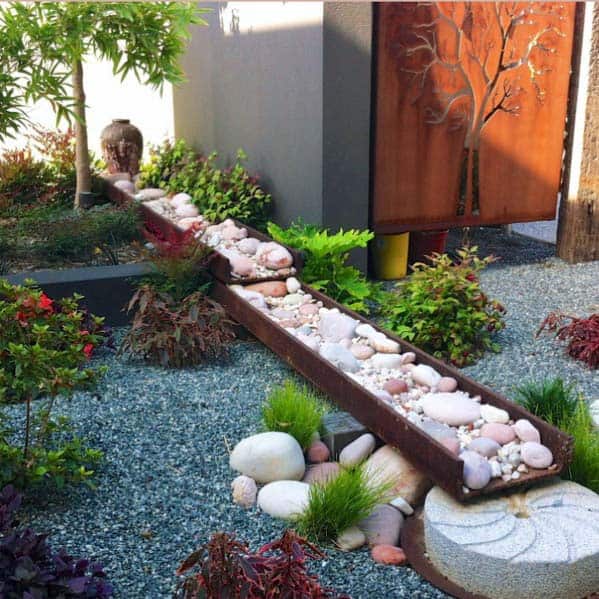
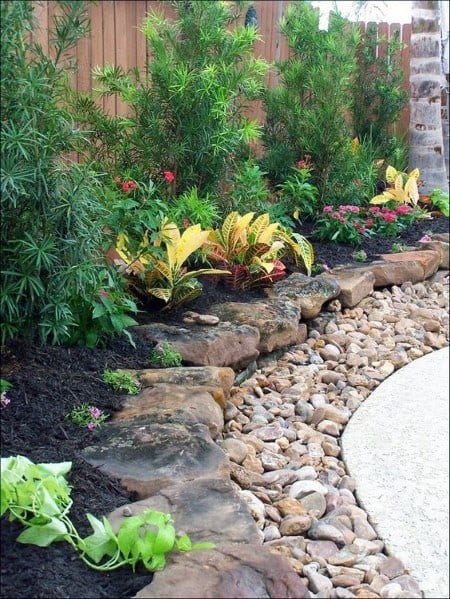
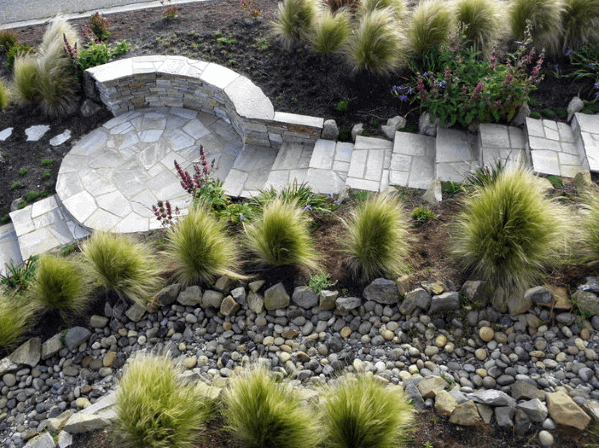
Use river rock around the perimeter of your garden beds to create a tidy, low-maintenance border. The contrast between the rocks and the greenery will highlight the plants, making the garden stand out. Additionally, river rock can serve as a decorative mulch alternative, helping to retain moisture and suppress weeds.
Integrate River Rock with Water Features
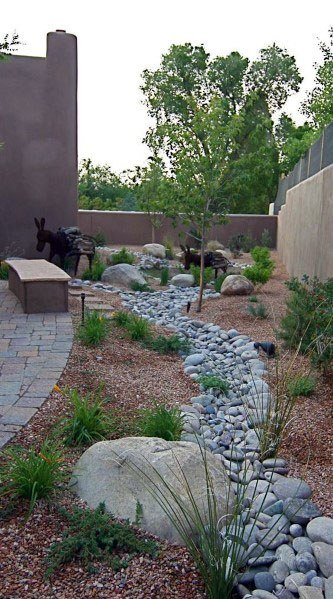
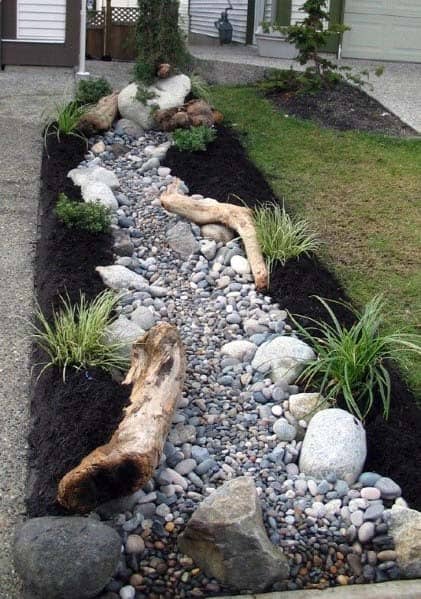
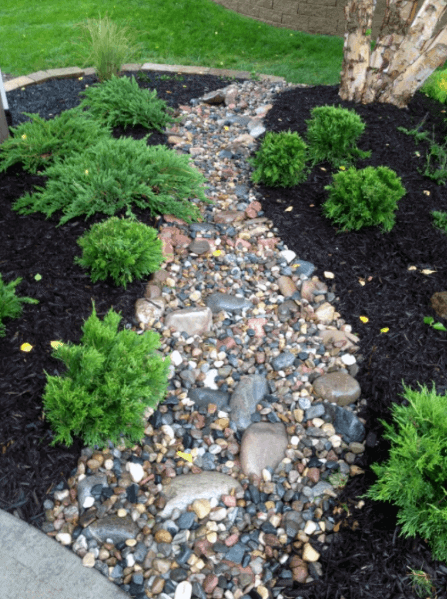
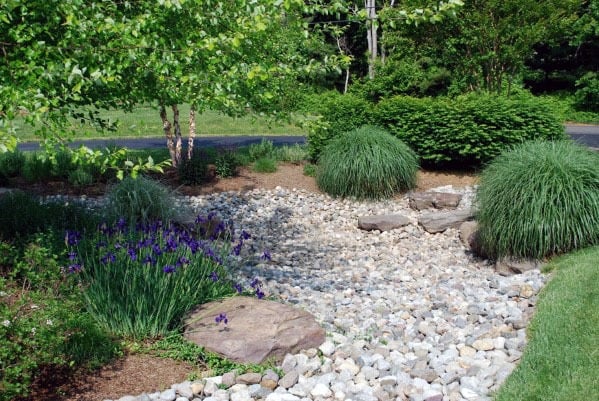
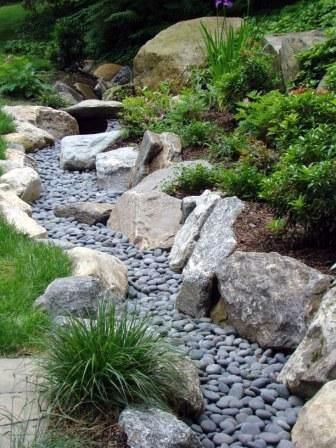
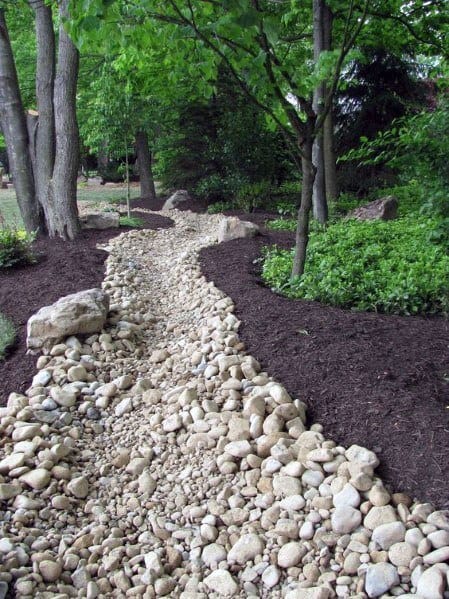
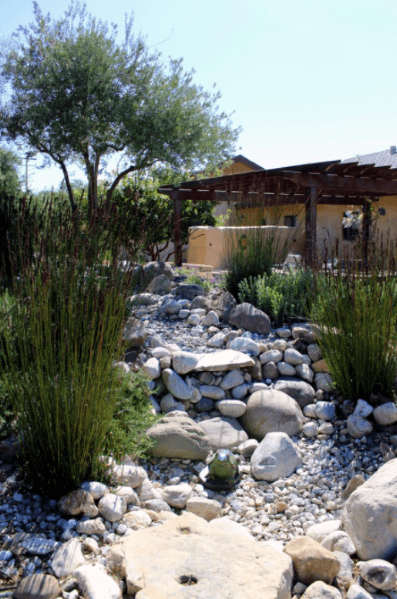
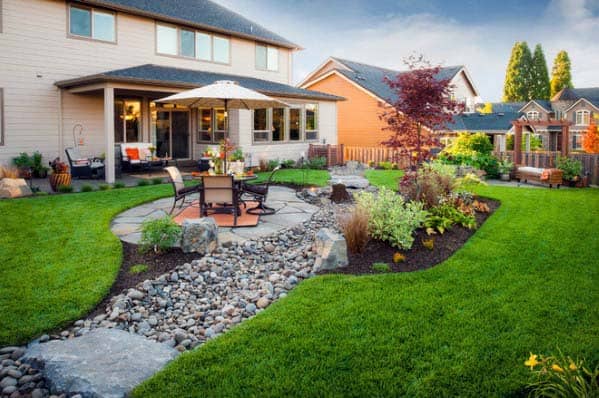
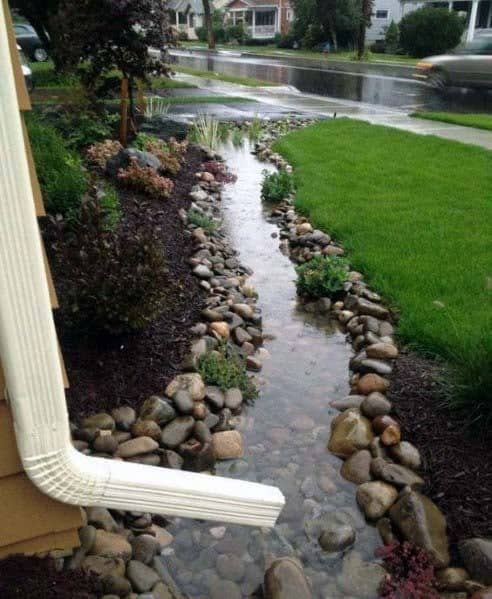
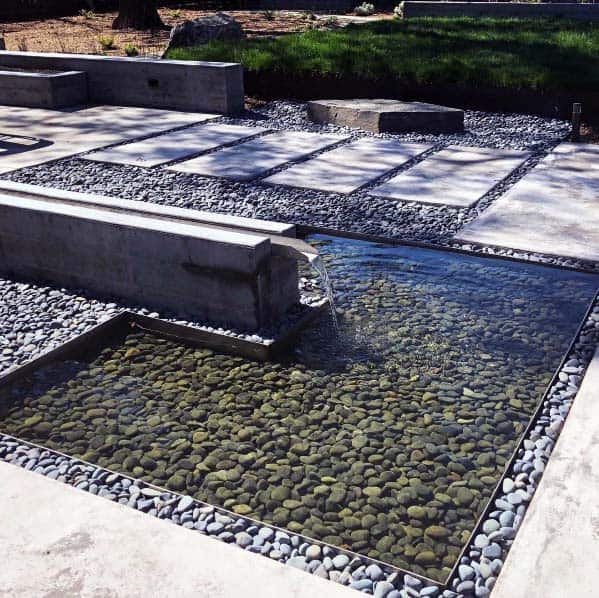
Adding river rocks to your garden’s water features can enhance the natural look of your pond, stream, or waterfall. Place the rocks along the edges of the water for a realistic, water-worn effect, or scatter them on the bottom of your pond for a beautiful, pebbled surface. River rocks can also be used in dry creek beds that direct water away from your home’s foundation, helping to manage drainage.
Highlight Outdoor Patios or Decks
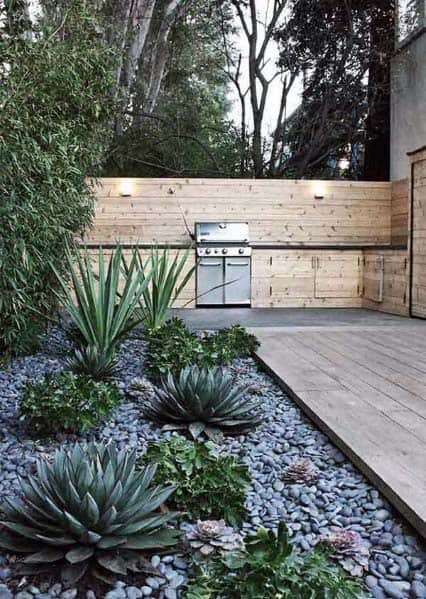
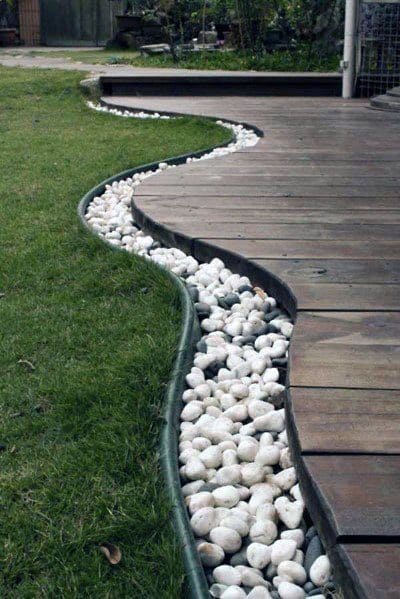
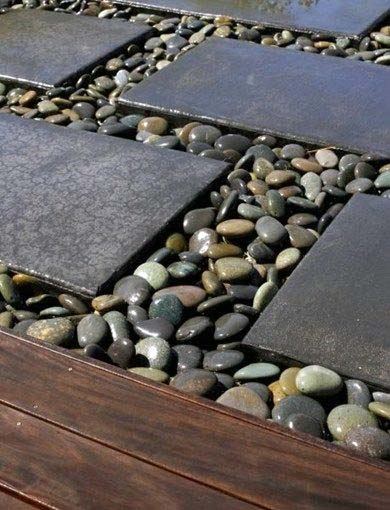
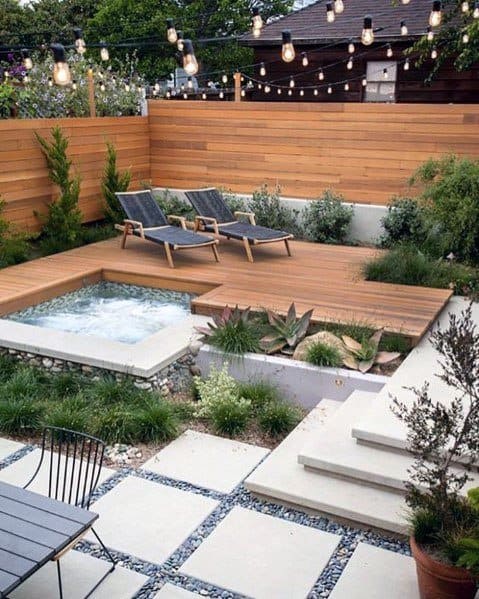
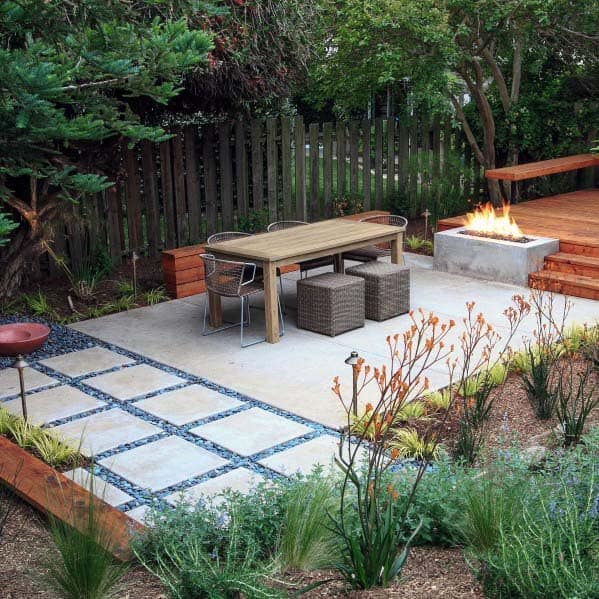
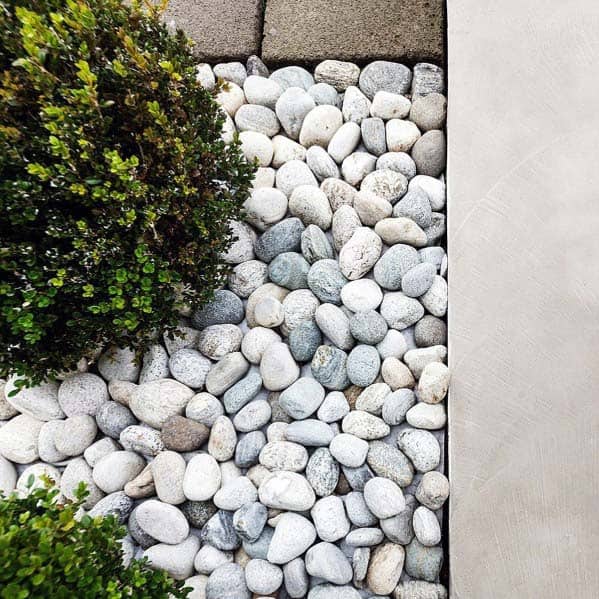
Combine river rock with your outdoor living spaces by using it around decks or patios. A border of river rocks can define the area while keeping the landscape neat and organized. Incorporating these stones between stepping stones or along a wooden deck adds a clean, contemporary touch to your outdoor design.
Add River Rock in a Zen Garden
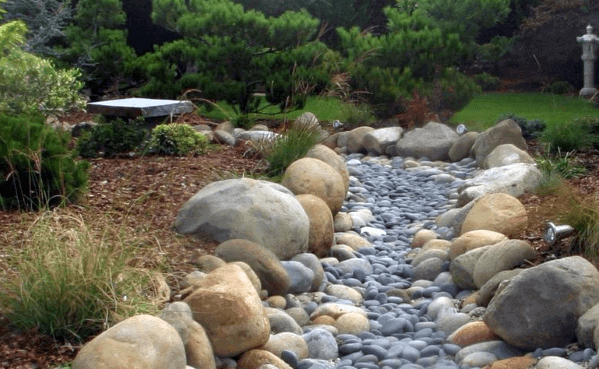
If you’re creating a peaceful, Zen-inspired garden, river rocks are the perfect material to use. Smooth, flat rocks can be placed in patterns on the ground, while larger stones can be used to create focal points or as part of a stone sculpture. Combine these rocks with sand, bamboo, and small shrubs for a tranquil, low-maintenance space.
Design Tips for Landscaping with River Rock
Match the Size to the Purpose
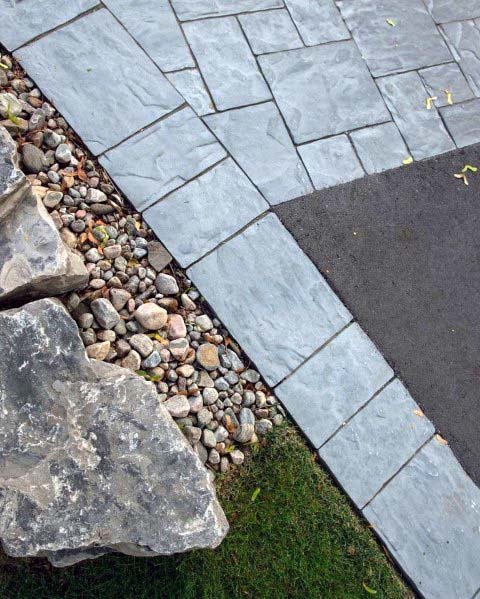
River rock comes in various sizes, from small pebbles to large boulders. Choose the right size depending on the purpose of the landscape feature. Smaller stones are great for pathways and garden beds, while larger rocks can be used for edging, retaining walls, or as part of a natural water feature.
Layer for Texture
To create depth and texture, layer different sizes of river rocks in your design. This works particularly well when used in dry creek beds or around garden borders, adding dimension and visual interest.
Use for Erosion Control
River rock can be placed strategically to help control erosion in sloped areas. The stones help prevent soil from washing away while still allowing water to filter through, making them ideal for hill or slope landscaping.
Mix with Other Materials
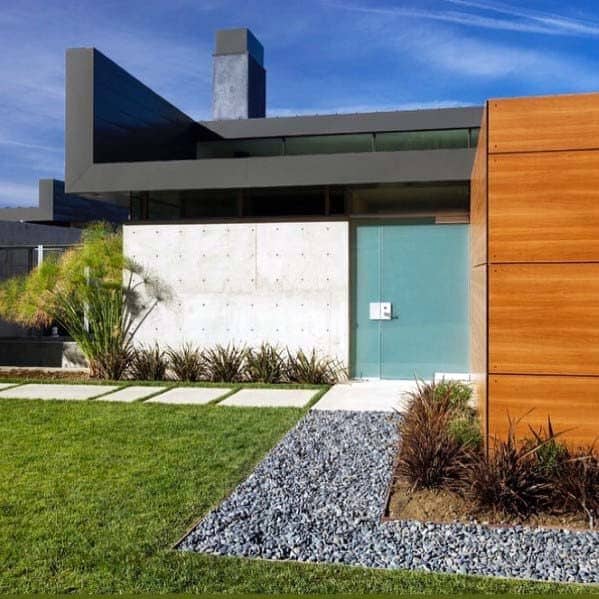
While river rock is beautiful on its own, it pairs well with other landscaping materials such as wood, stone, or concrete. For instance, combine it with wooden decking or stone pavers to create a contrasting, balanced design. Mixing materials will keep the space interesting and dynamic.
Consider Water Flow
If you’re using river rocks in water features, consider how the water will flow and how it will interact with the rocks. Choose rocks that will not only look good but also be practical in managing water flow and preventing clogging.
Materials for Landscaping with River Rock
When landscaping with river rock, there are a few other materials you’ll need to ensure your design is stable and effective.
- Weed Barrier Fabric: To prevent weeds from growing through the rocks, use weed barrier fabric beneath the river rock. This fabric will allow water to drain through while blocking weed growth, ensuring a clean and neat appearance.
- Landscape Edging: Install landscape edging around your river rock to keep it contained. This is especially important when using smaller stones, as they tend to spread over time. Choose from a variety of materials, including metal, plastic, or stone, to suit the aesthetic of your landscape.
- Gravel or Sand: When working with river rocks in pathways or water features, gravel or sand can be used as a base. It helps to level the rocks and provides a solid foundation for the stones to rest on, ensuring they stay in place.
- Soil: For planting near river rocks, make sure to use well-draining soil. This is essential for the health of your plants, as river rock does not absorb water and may cause root rot in plants that require moist soil.
Maintenance Tips for River Rock Landscaping
- Cleaning: Over time, river rocks may accumulate dirt, debris, and algae. To clean them, simply rinse them with water or use a pressure washer for a more thorough clean. Avoid using harsh chemicals, as they can damage plants and the environment.
- Reseeding: If you’re using river rocks as mulch, be sure to reseed the surrounding soil occasionally to maintain lush growth in your garden. Periodically top off your rock layers to keep the landscape looking fresh and vibrant.
- Edge Maintenance: River rock pathways and borders may shift or spread over time. Periodically check the edges of your rock beds and use landscape edging to keep the rocks in place and your design looking sharp.
[see_more_about title=”Rock Landscaping Ideas” link=”https://nl.jahaweb.com/home-design/rock-landscaping-ideas/”]