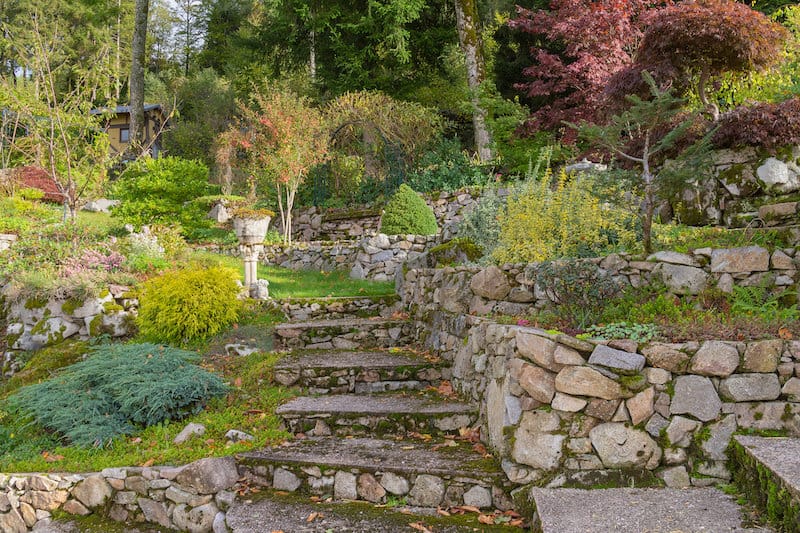

Sloped landscapes can be a challenge, but they also offer unique opportunities for creative and stunning outdoor designs. With the right landscaping ideas, you can transform uneven terrain into a functional and visually striking space.
Discover innovative ways to make the most of your sloped yard and bring your vision to life.
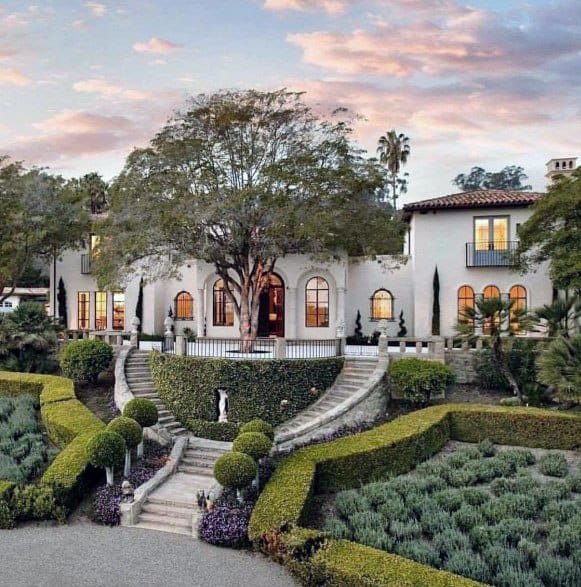
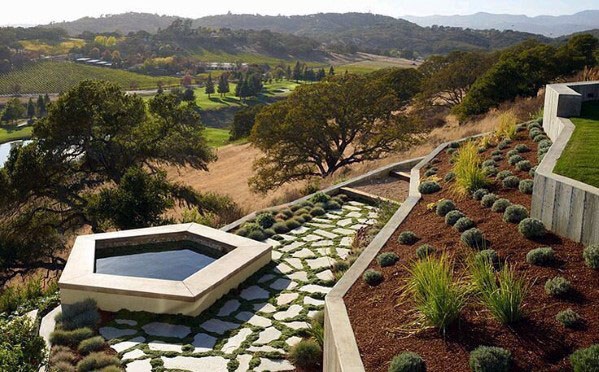
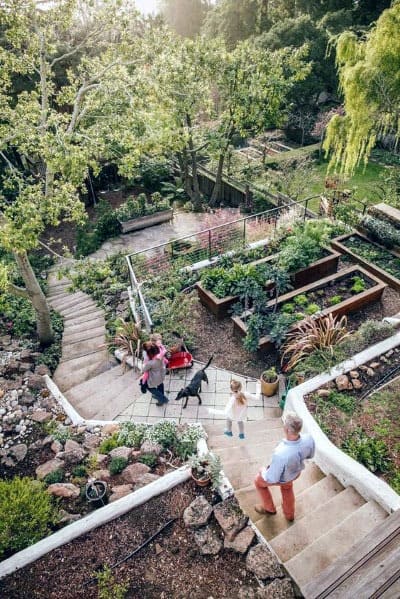
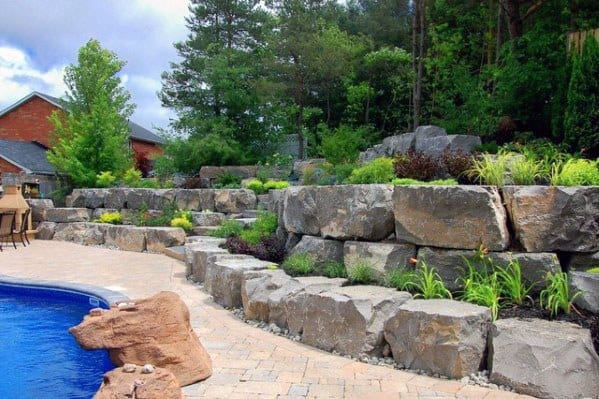
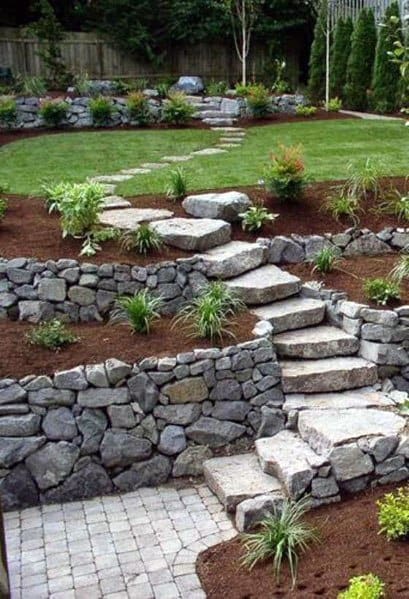
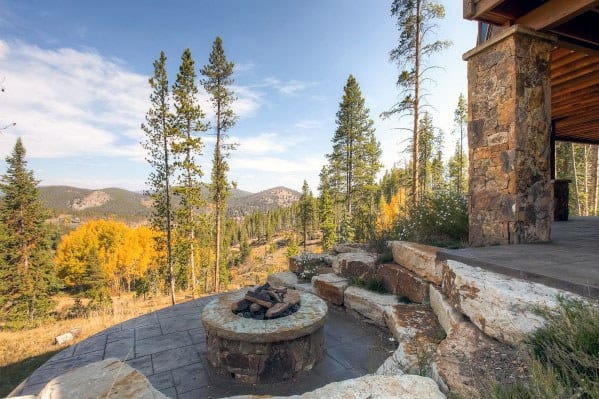
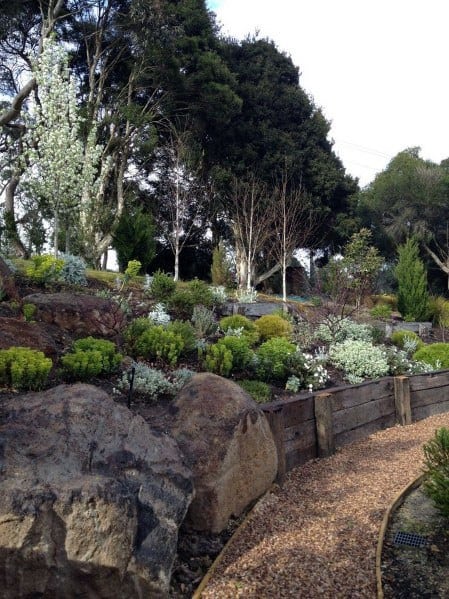
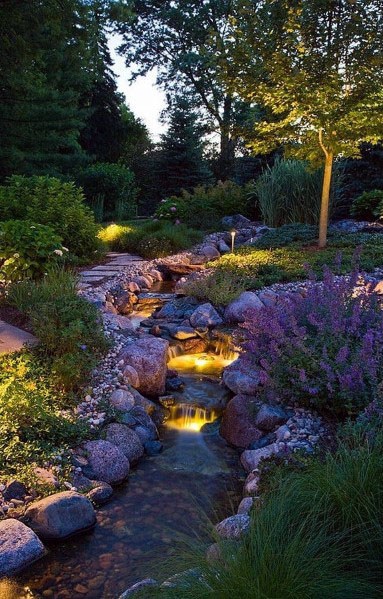
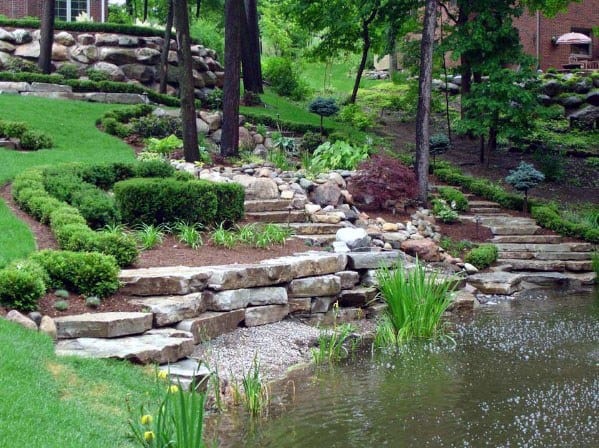
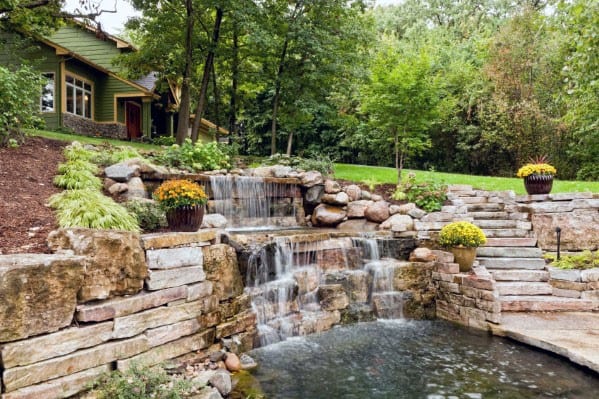
How to Landscape a Sloped Backyard
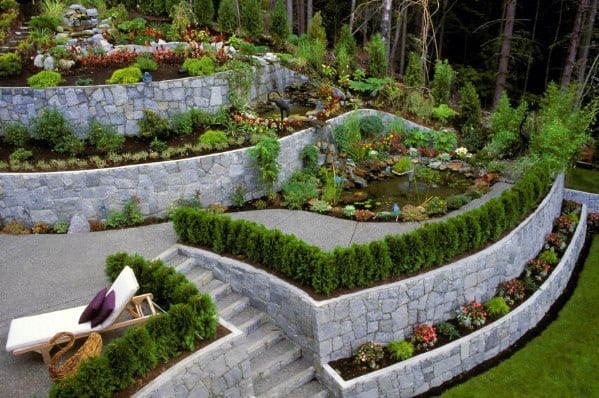
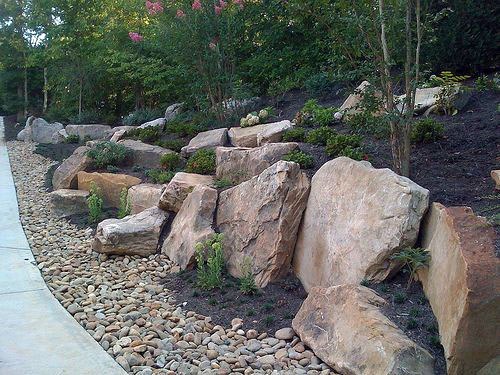
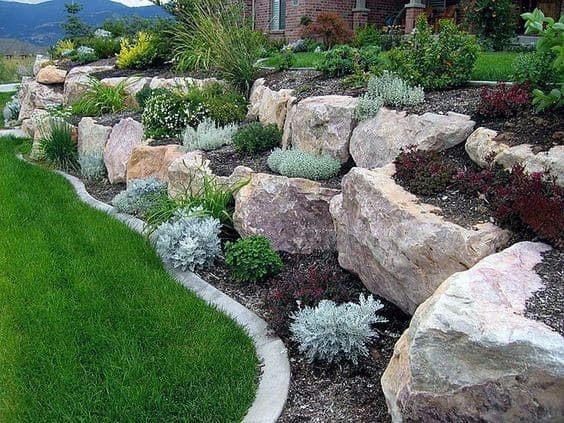
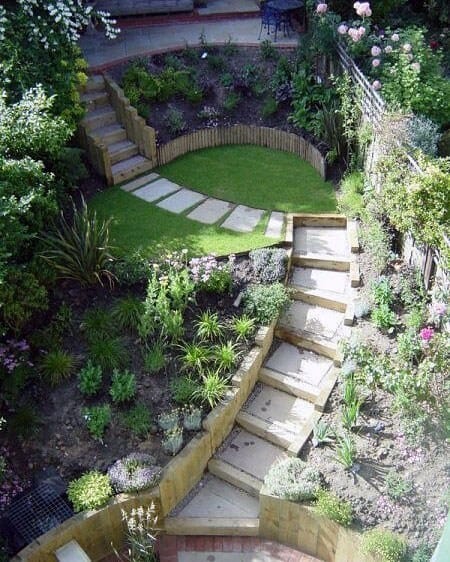
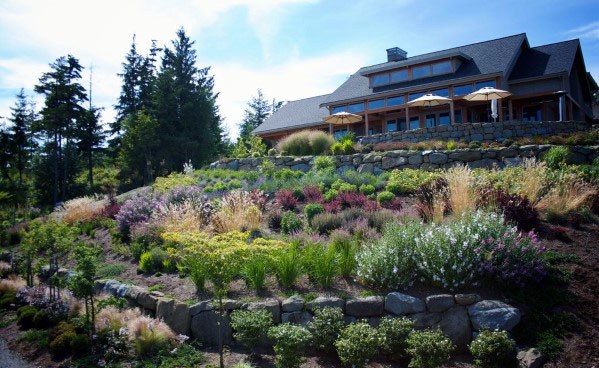
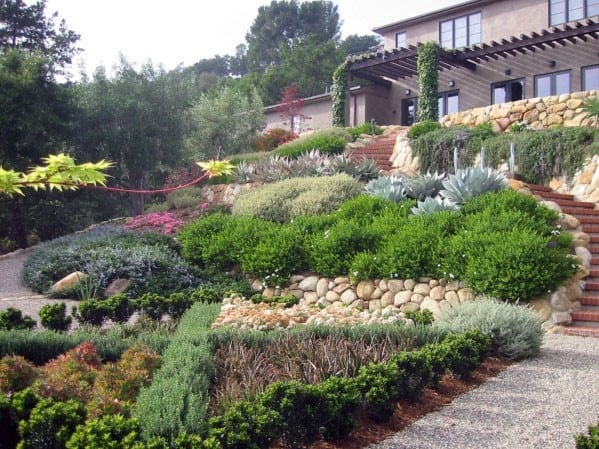
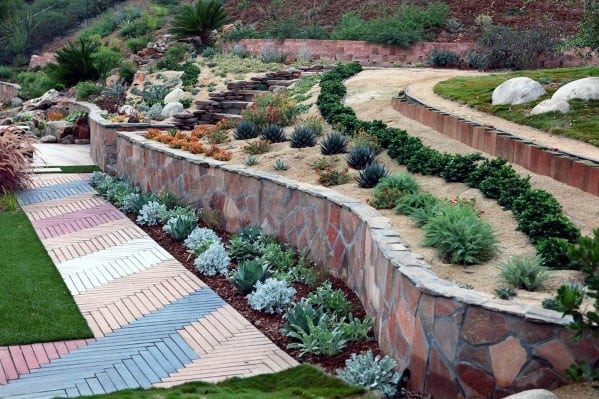
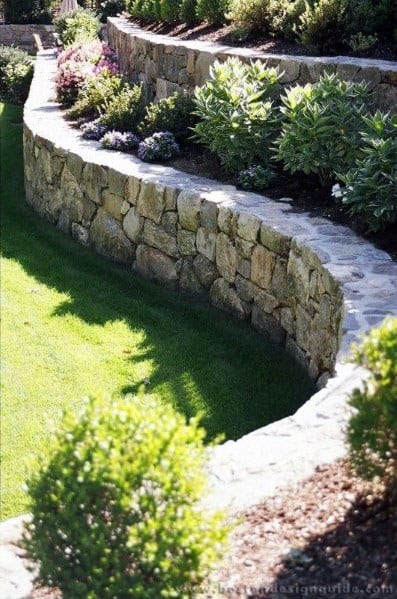
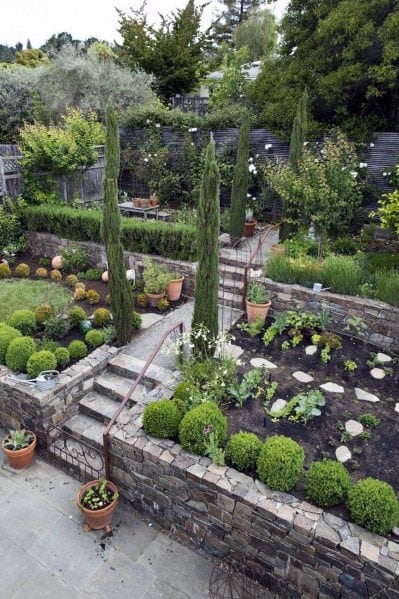
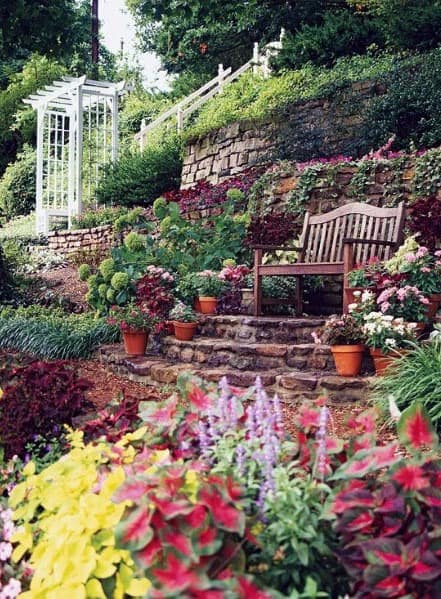
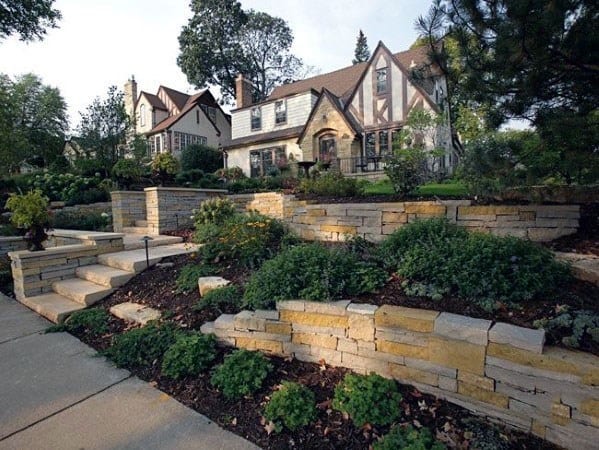
Build Retaining Walls
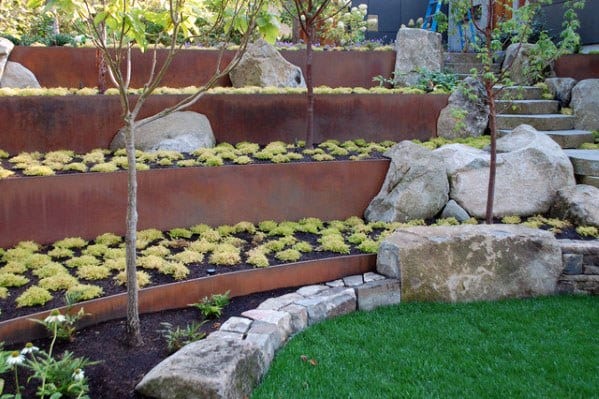
- Use materials like natural stone, bricks, or wood to create tiered levels.
- Retaining walls prevent soil erosion, add structure, and provide planting space for shrubs, flowers, or grasses.
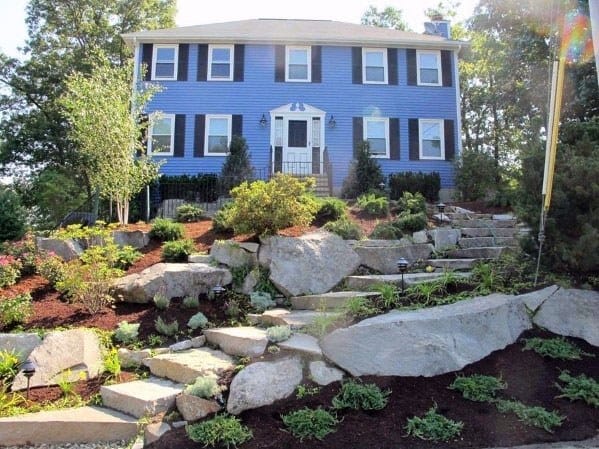
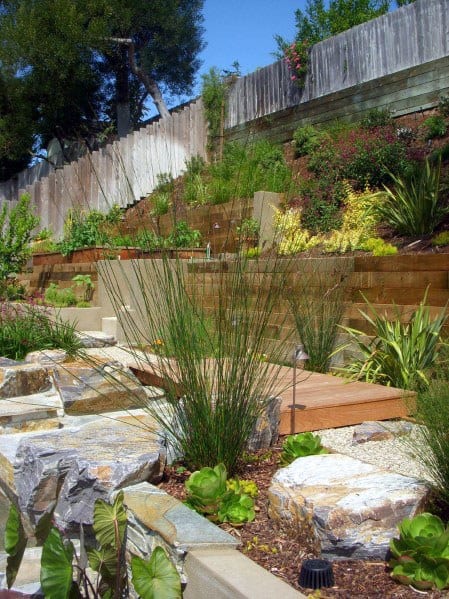
Add Steps and Pathways
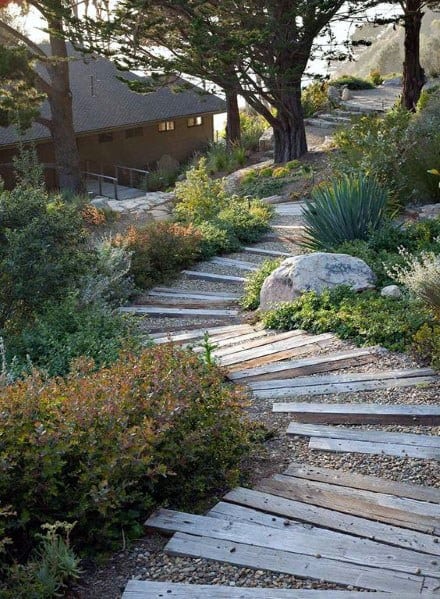
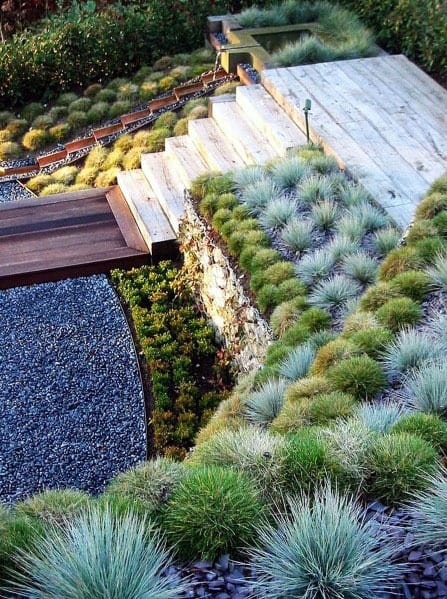
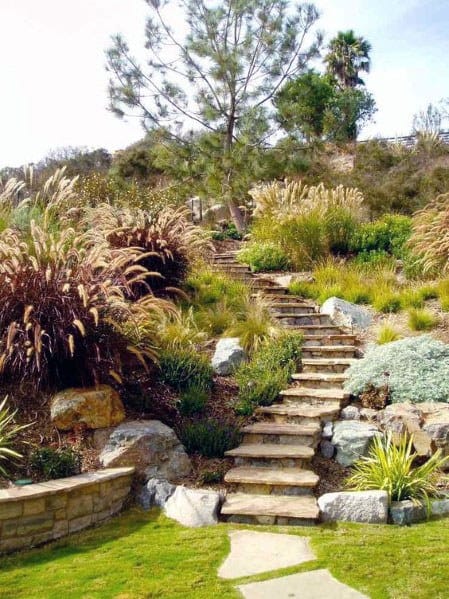
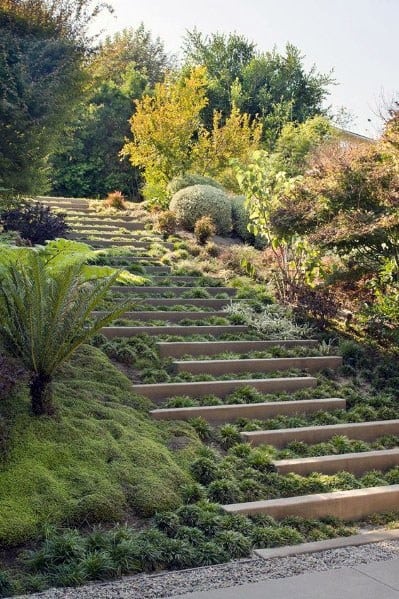
- Install stone, wooden, or concrete stairs to create safe and functional access.
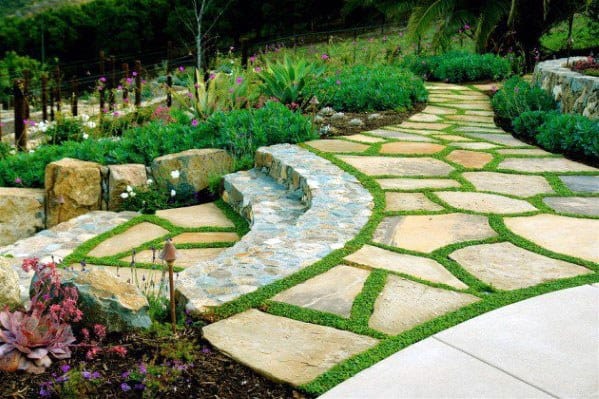
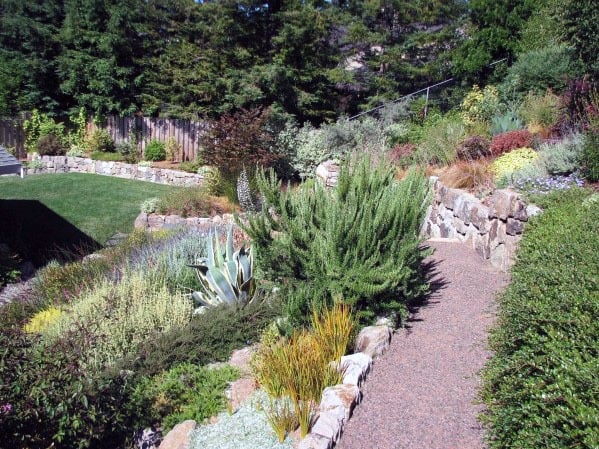
- Use winding pathways with materials like gravel, flagstone, or pavers for a natural look and better flow.
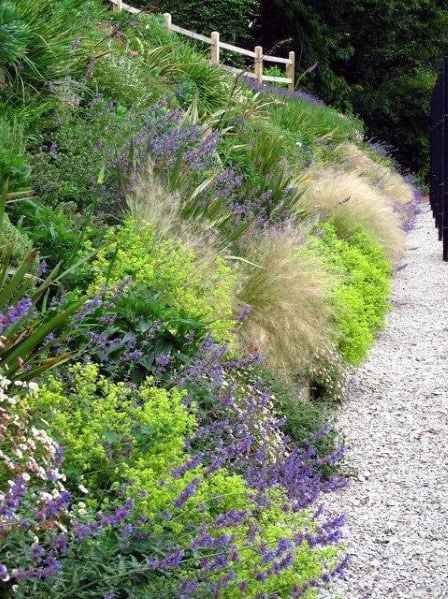
Incorporate Ground Cover Plants
- Use low-maintenance ground cover like creeping thyme, moss, or ornamental grasses to control erosion and fill spaces.
- Choose drought-tolerant plants for hard-to-reach slopes.
Terrace the Slope
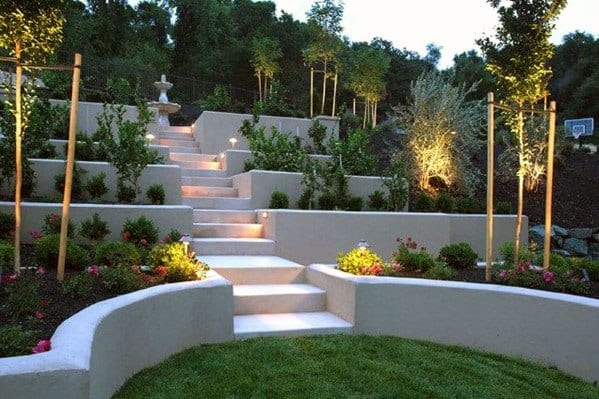
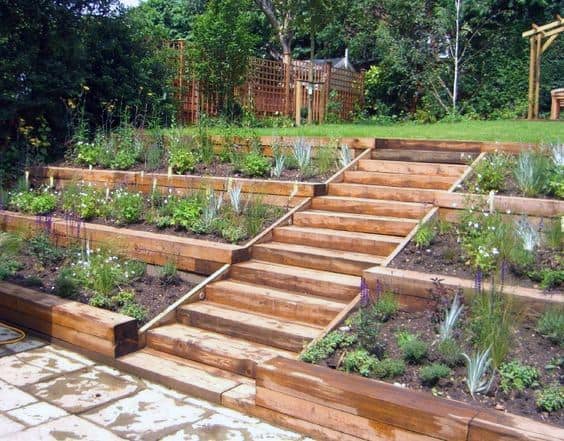
- Divide the slope into flat terraces with steps in between.
- Terracing creates level planting areas, reduces runoff, and adds visual interest.
Include Water Features
- Install a cascading waterfall or stream using natural stones to take advantage of the slope.
- A small pond at the base adds tranquility and attracts wildlife.
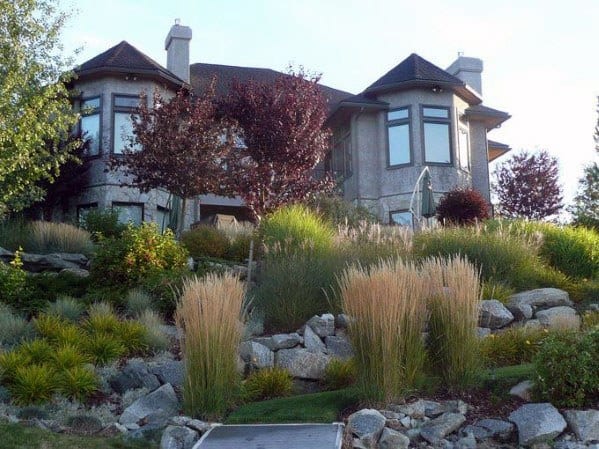
Plant in Layers
- Use a combination of tall plants, shrubs, and flowers to add depth.
- Ornamental grasses, small trees, and perennials work well to create a layered look.
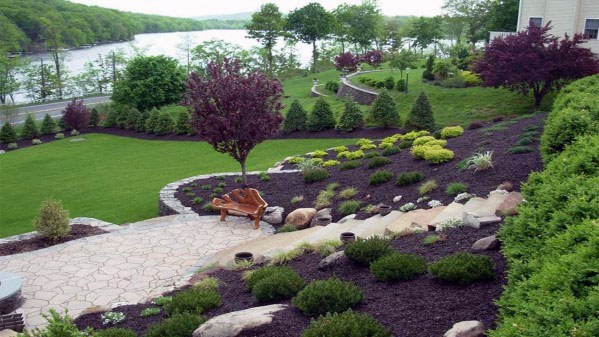
Use Mulch for Erosion Control
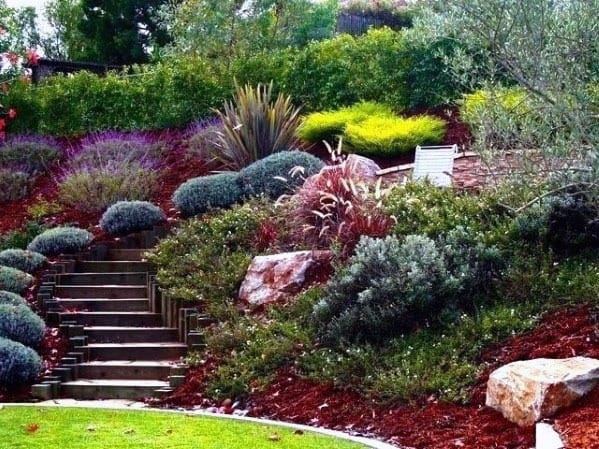
- Spread mulch between plants to prevent erosion and retain moisture.
- It adds a polished look and helps reduce weed growth.
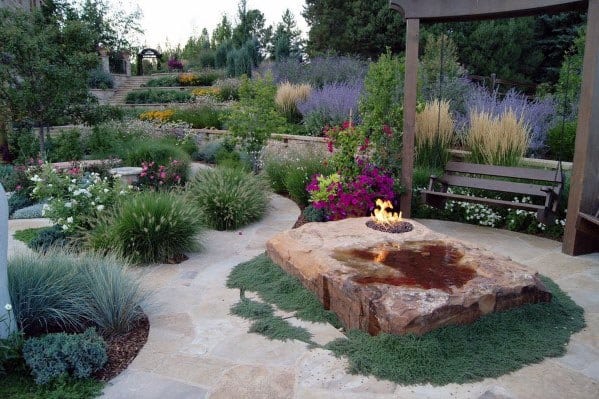
Build Seating Areas
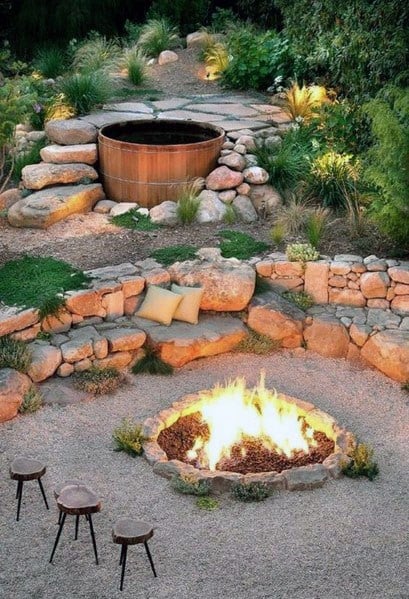
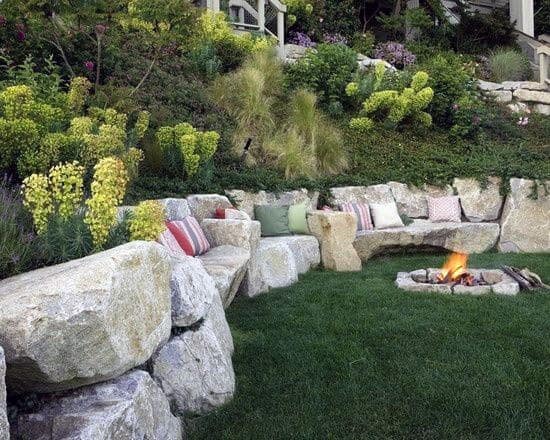
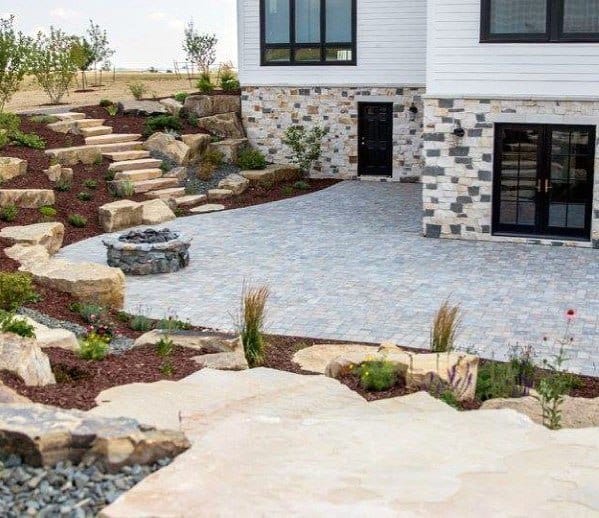
- Create a cozy spot with built-in stone benches or a fire pit surrounded by retaining walls.
- Add chairs or pergolas at flatter sections for relaxing and enjoying the view.
Focus on Lighting
- Use landscape lighting to illuminate stairs, pathways, and garden features.
- Lights can highlight plants, water features, and stonework for a dramatic evening ambiance.
Choose Drought-Tolerant and Native Plants
- Opt for plants that thrive in your climate and need minimal watering.
- Examples: lavender, succulents, ornamental grasses, and evergreens.
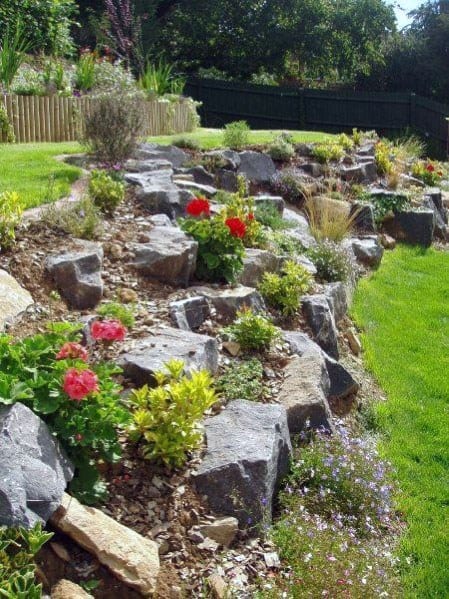
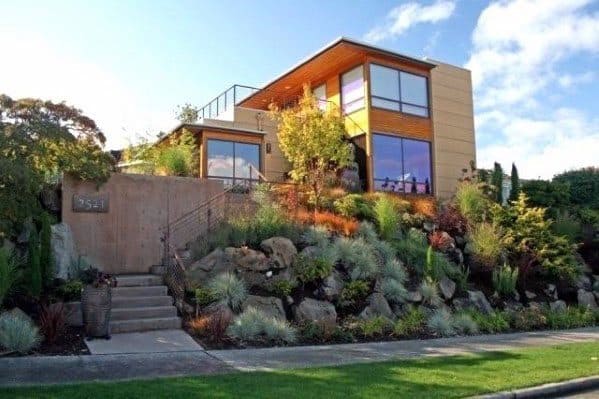
Create Visual Interest with Boulders
- Place large rocks and boulders strategically to break up the slope and anchor plants.
- Combine boulders with smaller rocks or gravel for a natural aesthetic.
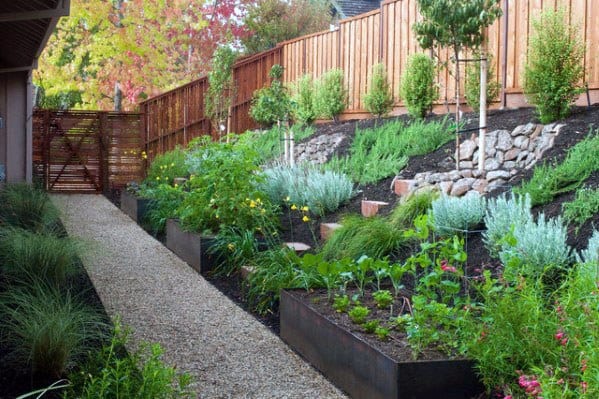
Install Raised Garden Beds
- Use wooden, stone, or metal frames to create raised beds for vegetables or flowers.
- They add structure and are ideal for sloped spaces.
Add a Small Lawn or Flat Area
- Carve out a small flat lawn section for play, relaxation, or entertaining.
- Frame it with pathways, retaining walls, or plants.
Use Natural Materials for a Rustic Feel
- Incorporate wooden steps, gravel paths, and stone walls for a rustic charm.
- Combine with lush greenery for a natural look.
Maximize Views
- Slopes often offer panoramic views. Position seating or patios to make the most of the landscape.
[see_more_about title=”Rock Landscaping Ideas” link=”https://nl.jahaweb.com/home-design/rock-landscaping-ideas/”]
FAQs
What is slope landscaping, and why is it important?
Slope landscaping refers to the design and management of outdoor spaces on uneven or sloping terrain. It’s important because it helps prevent erosion, enhances the aesthetics of your property, and maximizes usable space. Slopes can be challenging to maintain, and effective landscaping can make them both functional and visually appealing. Proper slope landscaping also promotes water drainage and can reduce the risk of landslides or soil erosion, protecting your property and the environment.
How do I design a visually appealing sloped landscape?
Designing an attractive sloped landscape involves creating a sense of balance and harmony. Start by using terracing or retaining walls to create multiple levels or tiers, which can make the space more manageable and visually appealing. Consider adding curves and meandering pathways to soften the slope’s steepness. Planting a variety of plants with different colors, textures, and heights can create interest and beauty. Finally, incorporate hardscape elements like stone steps, decorative boulders, or seating areas to enhance the functionality and aesthetics of your slope.
What are some suitable plants for sloped landscapes?
Choosing the right plants for a sloped landscape is crucial for both aesthetics and erosion control. Consider using native plants, as they are adapted to the local climate and soil conditions. Groundcovers like creeping juniper and vinca minor can help stabilize the soil. Ornamental grasses, such as switchgrass and fountain grass, add beauty and can help with erosion control. Shrubs like lavender and butterfly bush can thrive on slopes and attract pollinators. It’s important to select plants that match your specific slope’s sunlight, moisture, and soil conditions.