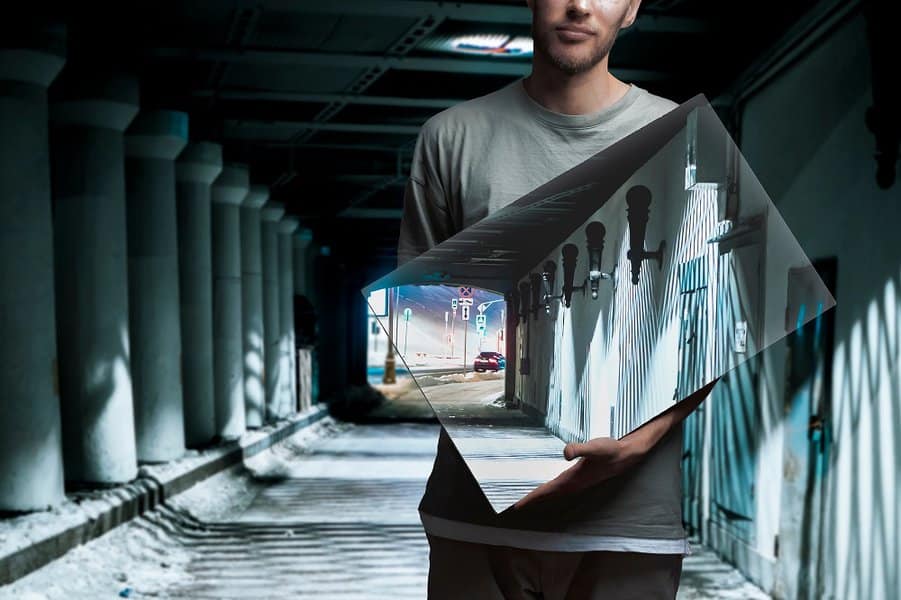

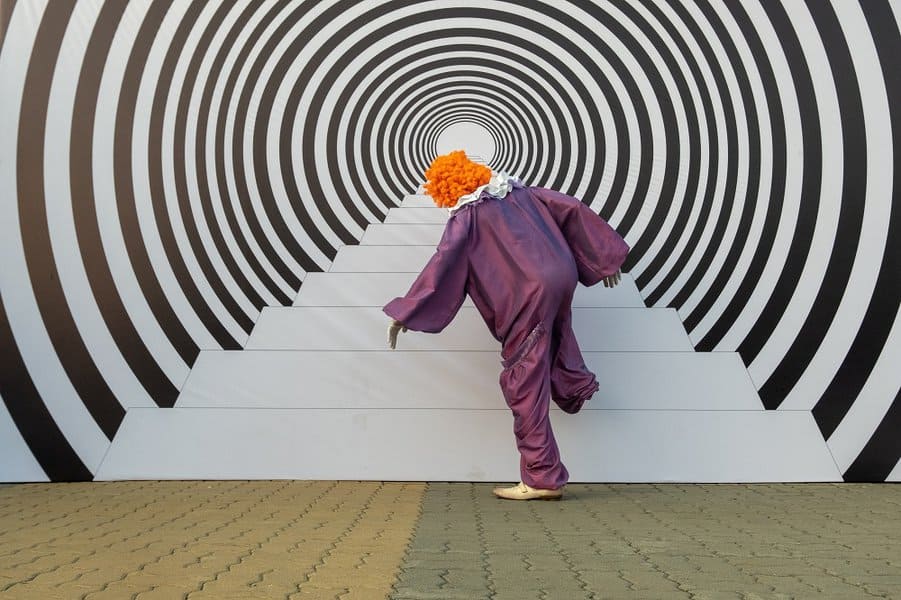
Optical illusion art dazzles the eye and blows the mind. First appearing in the 1960s, op art is a stunning and creative art form. Known for creating the illusion of depth and motion using block colors and graphic shapes, this abstract art form manipulates the human eye to bring art to life. It’s a popular art form that’s complex with a rich and fascinating history.
What Is Optical Illusion Art?
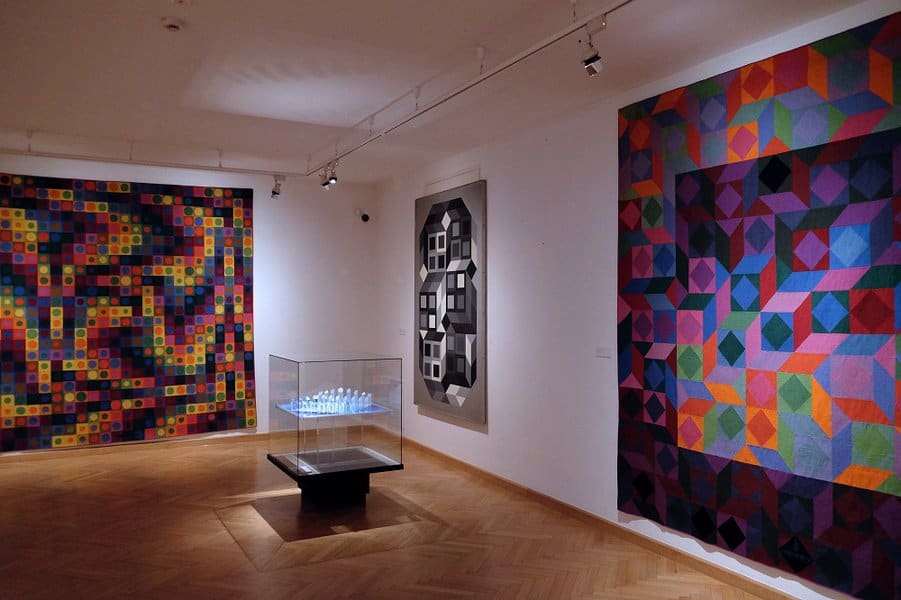
With its roots in Greek art, optical illusion art evolved into the 3D illusion genre. Op art uses vivid whirls and lines to trick our minds and eyes with artwork that feels like it’s jumping out at us. When looking at it from the perfect angle, it appears three-dimensional, bringing realistic depictions of objects to life, when in reality it’s a two-dimensional image on a flat surface.
How Does It Work?
Optical illusion art quickly became immensely popular in the 60s. The unique art mesmerized anyone who laid their eyes on it and became a major type of art. But how does optical illusion art work? It uses curves, lines, blocks, and zig zags to fool the observer. The technique makes objects or art appear so real that you think you can reach out and touch it. It tricks the mind into seeing things that aren’t there, however, the art form is far more complex than it appears.
Optical Illusion Art Tricks the Eye
As noted, op art has a unique way of fooling the human eye. Despite being fully aware that art is on a flat surface and is two-dimensional, our eyes tell our brain that we see something else. We see dazzling shapes flying at us or someone stepping out of the portrait frame instead of a normal design.
Different Vantage Points
While the shapes and lines play a vital role in creating the art, the vantage point is just as important. Looking at it from a different angle completely changes the perspective, making the vantage point and different angles part of the art.
Doesn’t Represent Reality
Op art often appears to be life-like, but as we know, optical illusion art doesn’t represent reality. It doesn’t focus on a theme, character, or subject. Instead, it allows the observer to come to their own conclusions. In many ways, perception is vital to the art form. It’s considered a prop for the observer to draw their own conclusions as opposed to being a masterpiece.
Two Techniques
There are many different techniques used when creating op art, but the two main techniques are Trompe l’oeil (“deceive the eye) and Anamorphosis. The first is a French term that relates to creating a piece of artwork that appears to be 3D through the use of color and shading. The juxtaposition of color fools the mind into seeing objects and movements that are not there. Anamorphosis is a technique that distorts an image the way it is viewed. It can make the piece of art appear closer or farther away, depending on how it is viewed.
History of Optical Illusion Art
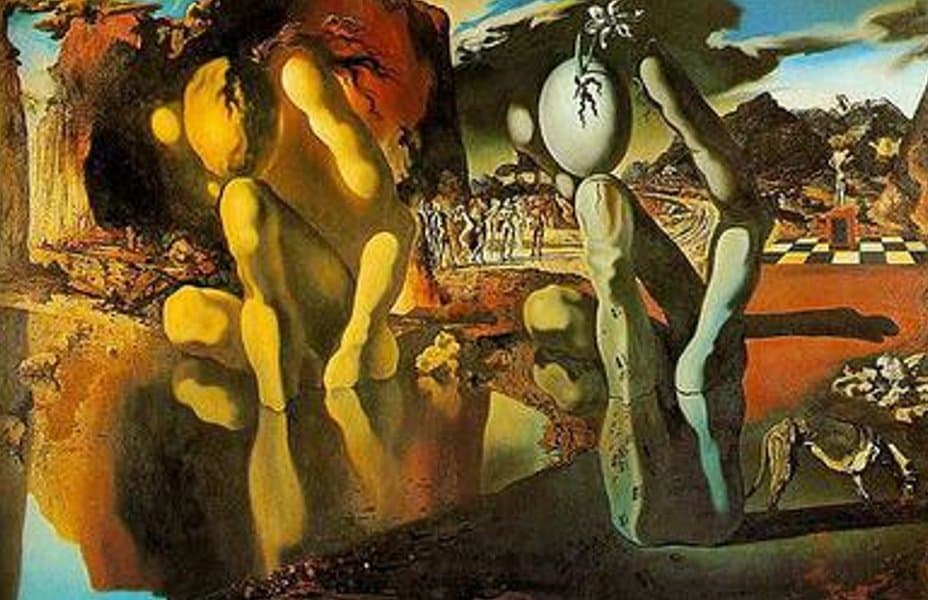
While the term “optical illusion art” emerged in the 60s, you can trace its roots back to ancient history. Iconic artists used striking colors, patterns, shapes, and lines to manipulate perception centuries before the term entered pop culture. These artists played with depth and movement to create sculptures, architecture, and fresco mural paintings throughout Ancient Greece.
Artists dabbling in op art in the 60s looked to the past to draw inspiration from genius artists such as Claude Monet, Georges Seurat, and Salvador Dali. Those famous artists had a reputation for creating surreal art that popped out to the viewer.
Optical illusion art also played a vital role in both World Wars. The Allied powers enlisted painters to paint submarines with black and white stripes to confuse and mess with the enemy’s senses.
1960s
In the 1950s, artists began experimenting with various forms of art. It was during the 60s when op art first gained popularity on a global scale. Time Magazine coined the phrase in 1964, helping optical illusion art gain wider recognition. In 1965, the Museum of Modern Art presented the groundbreaking exhibit The Responsive Eye, setting off the optical illusion art boom.
Despite the exhibit’s massive success, op art still had its fair share of doubters. Many openly criticized the art form as nothing more than a poor gimmick. This didn’t stop optical illusion art from exploding in popularity, crossing over into pop culture, and becoming a favorite of many art fans. Famous works of op art have appeared in fashion and become effective marketing tools.
[see_more_about title=”13 Weird Artworks From World Famous Artists ” link=”https://nl.jahaweb.com/interesting/weird-artworks/”]
Examples of Optical Illusion Art Artists
1. Pere Borrell del Caso
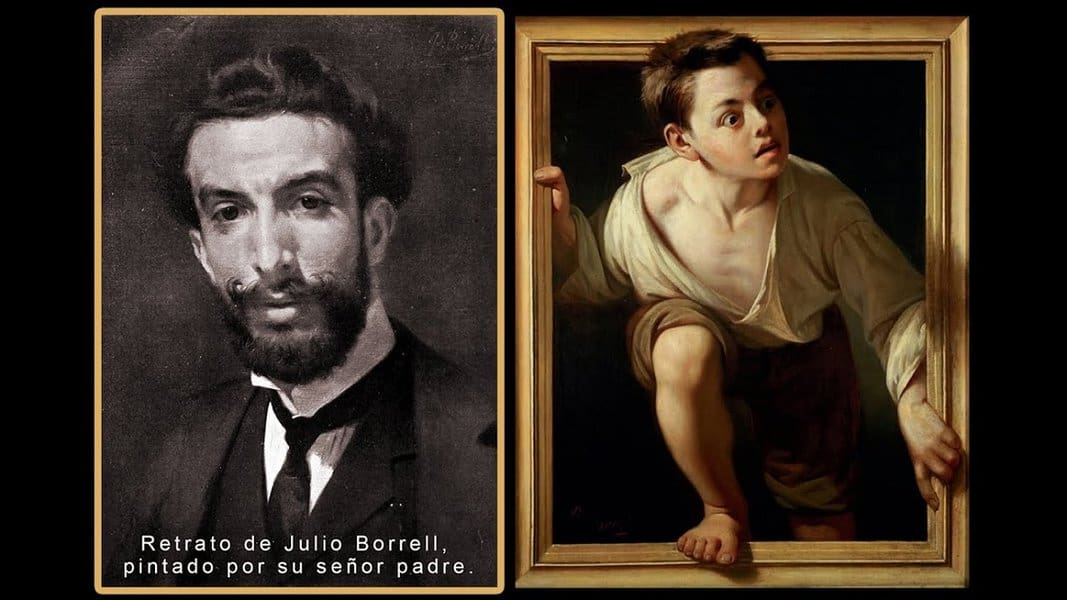
Born in 1835, Spanish Painter Pere Borrell del Caso introduced groundbreaking techniques paving the way for optical illusion art. Caso was well known for introducing the aforementioned Trompe l’oeil. The French phrase translates to “deceive the eye.” The method uses three-dimensional space and objects on a two-dimensional surface to create an optical illusion. A great example is Caso’s 1874 masterpiece Escaping Criticism.
2. Andrea Mantegna
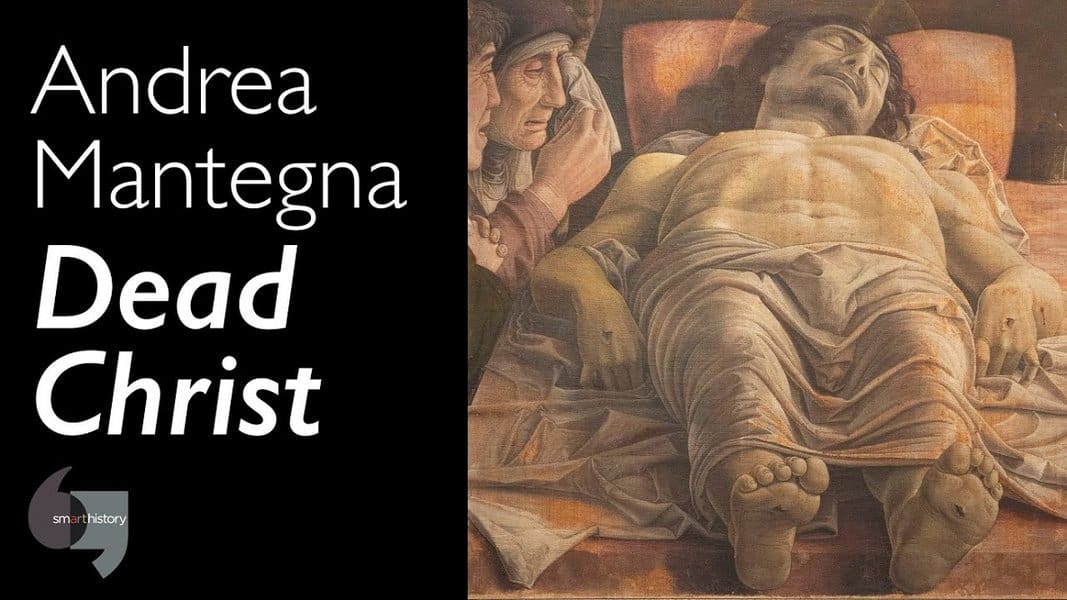
Italian painter Andrea Mantegna became famous during the early Renaissance due to his unique paintings. He was an early pioneer of optical illusion art and often played with depth and perspective. He was also known for his realistic depictions. Mantegna experimented with depth and perspective in Lamentation Over Dead Christ, adding the foreshortening technique. The painting presents a realistic Jesus Christ and his surroundings.
3. Salvador Dalí
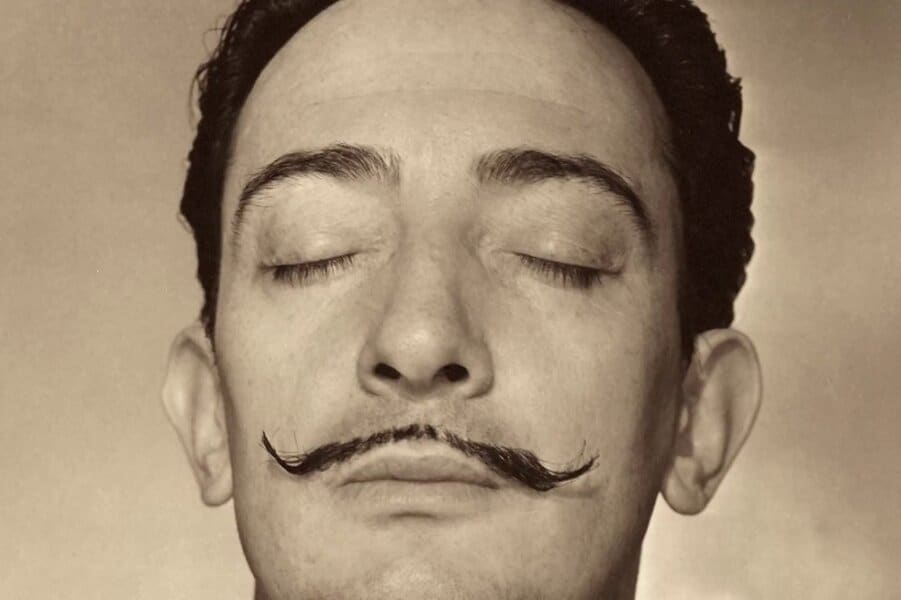
In the 1900s, a new art movement, Surrealism, became wildly popular. At the forefront was iconic painter Salvador Dalí. In modern art, Dalí often created optical illusion paintings that dove deep into the human mind and psyche. One of his most famous examples is the 1937 painting Metamorphosis of Narcissus.
The painting takes inspiration from the Greek myth about a hunter, Narcissus, who is obsessed with looking at his reflection in the water. Dalí’s painting portrays a dazzling three-dimensional universe featuring diverse figures and shapes in a mysterious landscape. Despite Dalí creating the striking images on a two-dimensional surface, the objects jump out and grab the viewer’s attention.
4. Victor Vasarely
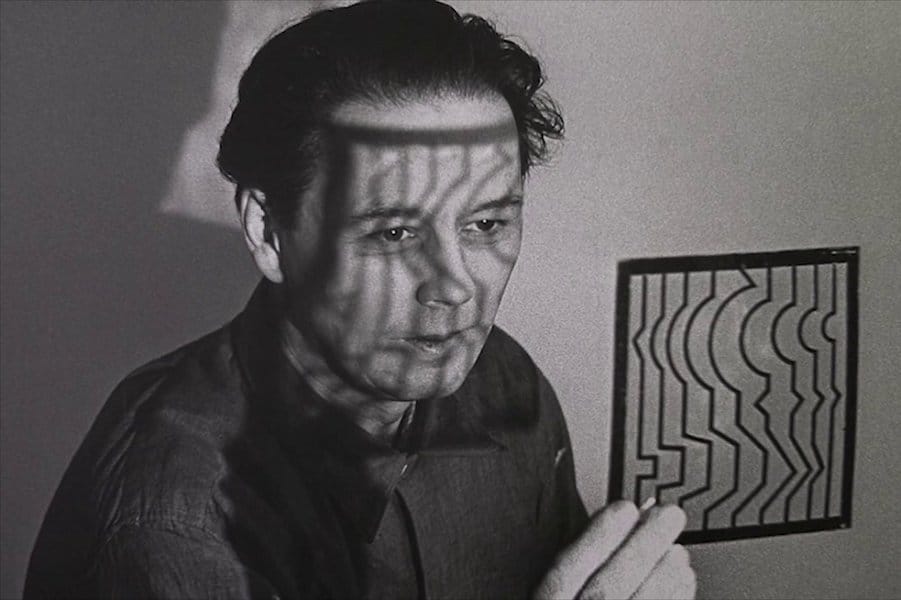
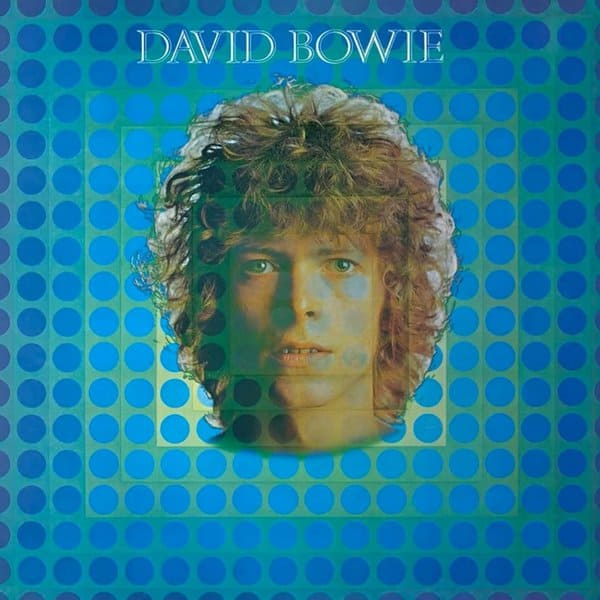
The grandfather of op art, Victor Vasarely created the style 30 years before it became a recognized form of art. The Hungarian-French artist began using mesmerizing geometric illusions in the 1930s. When optical art exploded in popularity, Vasarley was in his 60s but remained an influential figure. As one of the most prominent figures in the movement, Vasarely’s work gained widespread mainstream fame. For instance, in 1969, legendary musician David Bowie hired Vasarely to design the cover of his iconic album Space Oddity.
5. Bridget Riley
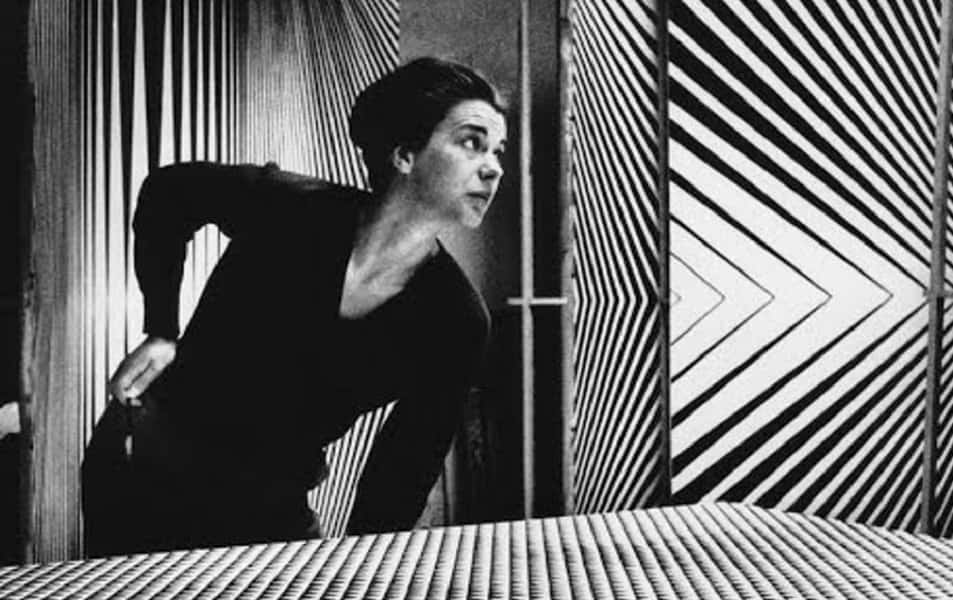
Born in 1931, Bridget Riley became one of the most prominent figures in the op art movement. Inspired by Seurat’s pointillism method, Riley explored op art, first focusing on black and white images. As Riley’s career took off, a clothing line used her painting without permission. Riley attempted to sue the company, but the judge dismissed the case. Riley remains one of the most famous artists of optical illusion art.
6. Josef Albers
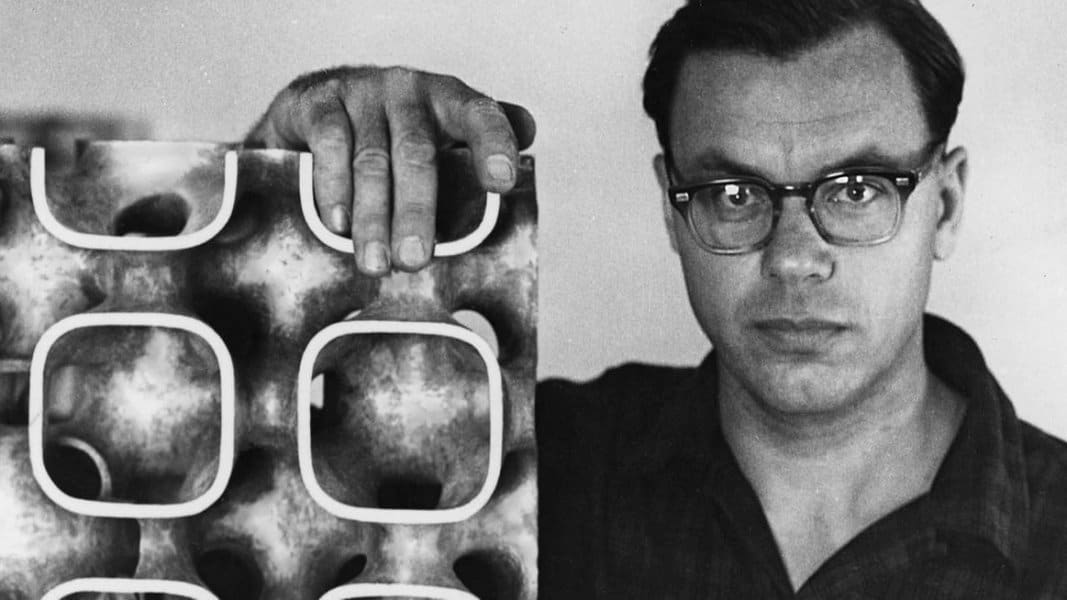
Abstract painter and theorist Josef Albers is one of the most influential artists and teachers of the 21st century. Albers became proficient in optical illusion art by experimenting with depth, perspective, and colors. With a heavy influence from the Bauhaus school of thought, Albers soon made optical illusion art his signature style.
7. Richard Anuszkiewicz
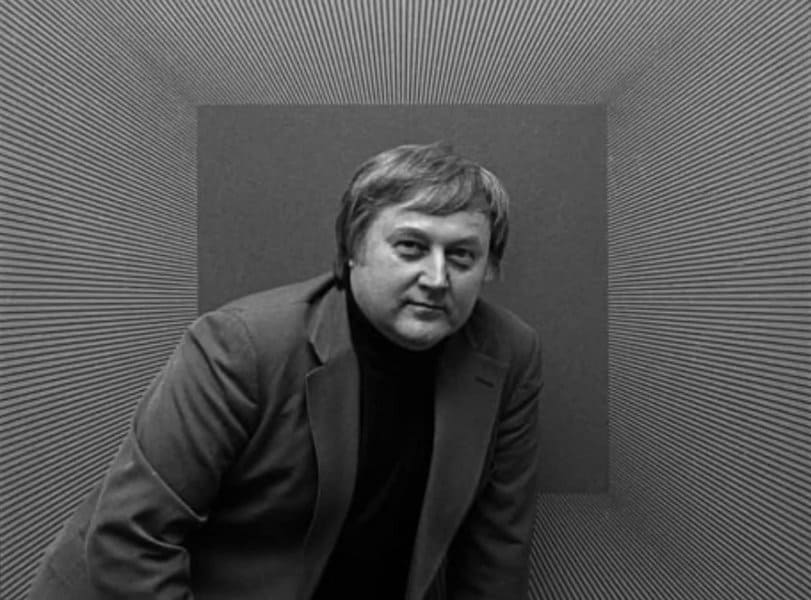
Before op art became mainstream, Polish American painter Richard Anuszkiewicz was already a master at the art form. Born in 1930, Anuszkiewicz was a highly influential artist in op art. He played with depth, colors, and perception to create beautiful art that played with illusions and memorized art critics and fans.