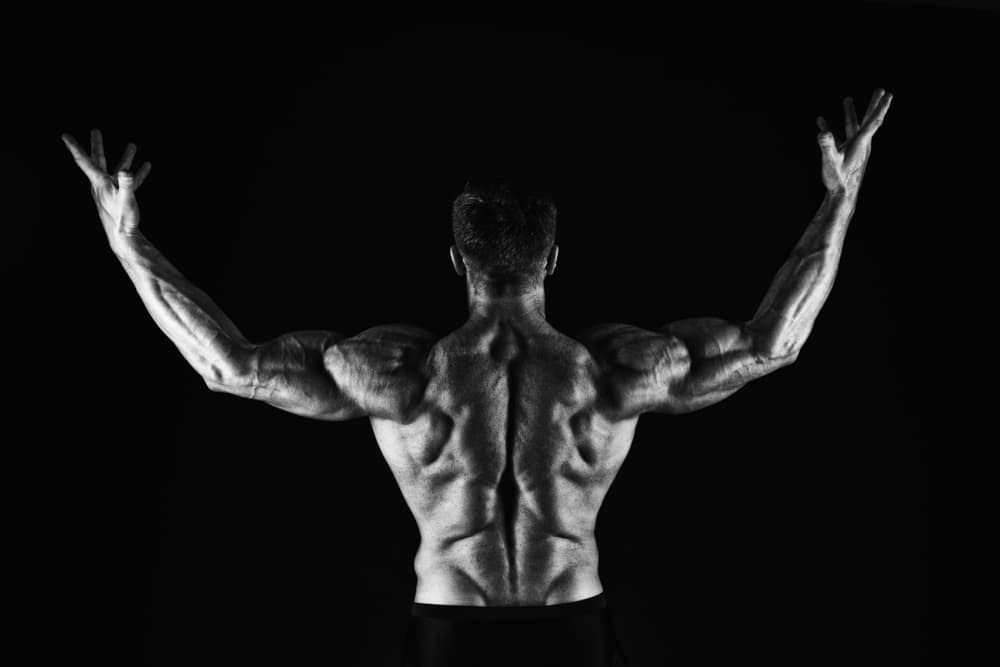

It’s okay if bodybuilding is not your thing, or you don’t have a fetish for lifting heavy weights. I mean, some of us still want to have a neck, you know!
But the thing is the trapezius muscles are often ignored, even for peeps who hit the gym frequently. That doesn’t mean the traps don’t get any workout at all. They do, but indirectly. The result is often sore and lagging trap muscles.
So, why not perform trap-dedicated exercises since a lot of other workouts already use these sets of muscles? That way, you build a bigger back while honing your strength and form for other exercises.
Check out 10 excellent trap exercises, specially handpicked for growing impressive traps.
1. Farmer’s Carry
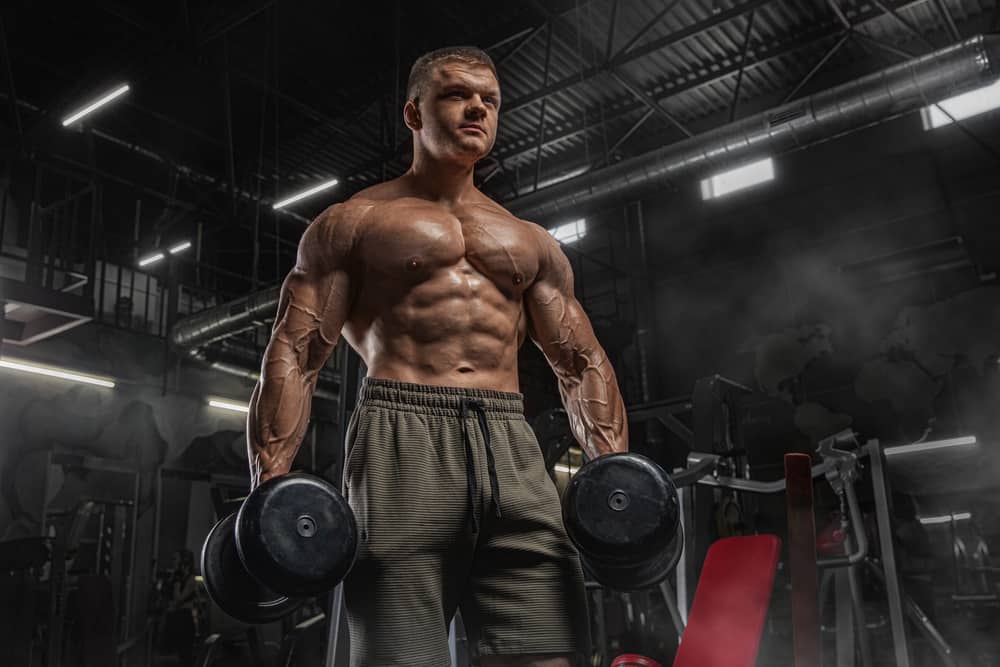
Let’s kick off with one of the commonest yet effective trap exercises. It’s hard to imagine anyone trying to build their traps without the Farmer’s Carry. Heck! Even farmers do this routine (unintentionally), and a good number of them aren’t even familiar with the term. The point is, this exercise is one of the staples for gym-goers aiming for bigger and better backs. Here’s how it’s done:
- Choose your preferred weight – kettlebell, dumbbell, etc. – and hold one each in both hands the way a farmer would carry two sacks full of grains
- Start walking as you tighten your back and core
- Maintain an upright and firm posture as you take measured steps
Distance: Approx 40 to 60 meters for a lighter weight, approx 20 to 30 meters for a middle weight, approx 10 to 15 meters for a heavy weight
Sets: 2 to 3 sets
Rest: 2 minutes
2. Pull-Up Shrug
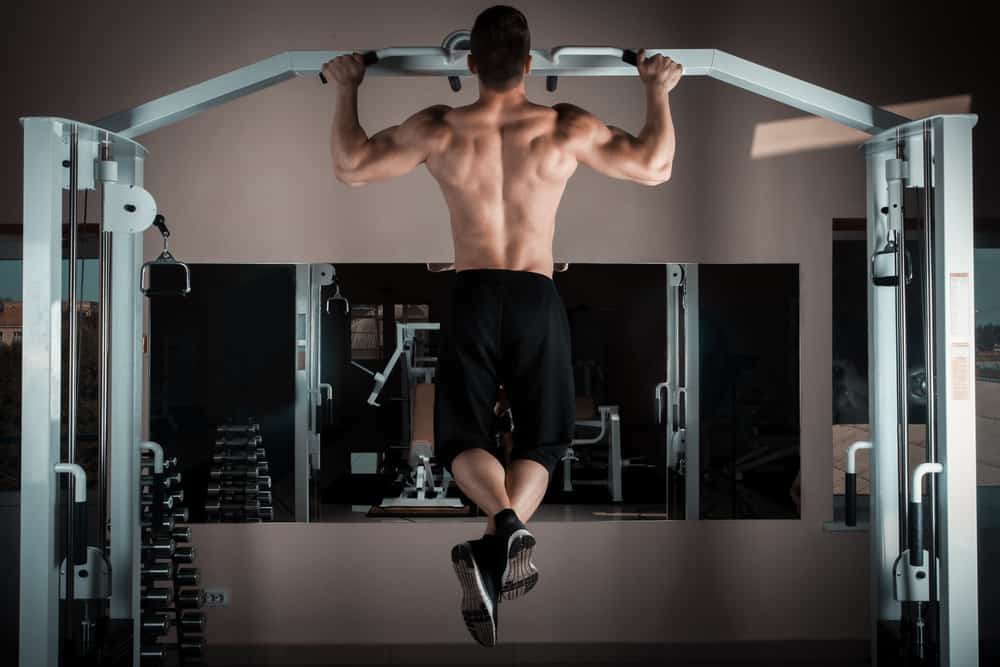
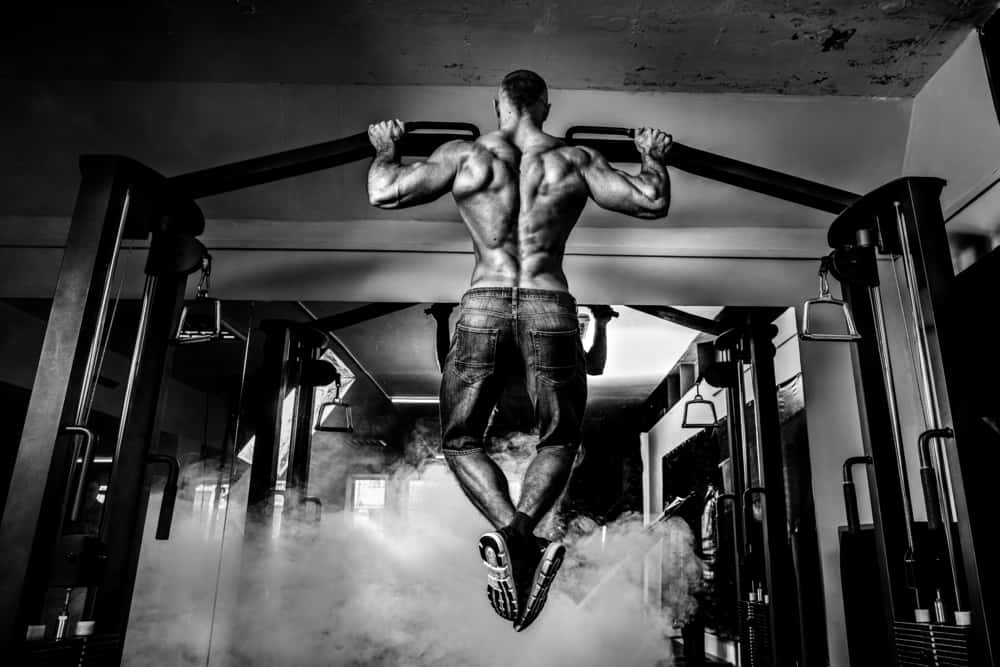
This exercise gives you the benefit of honing your pull-up form while working your traps at the same time. But that’s not all. Your lats are not left out, so you’re targeting more than one muscle with this fantastic tune-up exercise. To do this:
- Hang from a pull-up bar, maintaining a tight core and straight spine
- Pull yourself up slightly to move your shoulders back and down while simultaneously extending your head and neck upward
- Squeeze your abs and hold for a count
- Return to the starting position
- Repeat
Reps: 10 reps every minute for 10 straight minutes
Sets: 1 set
Rest: 2 minutes
3. Barbell Shrug
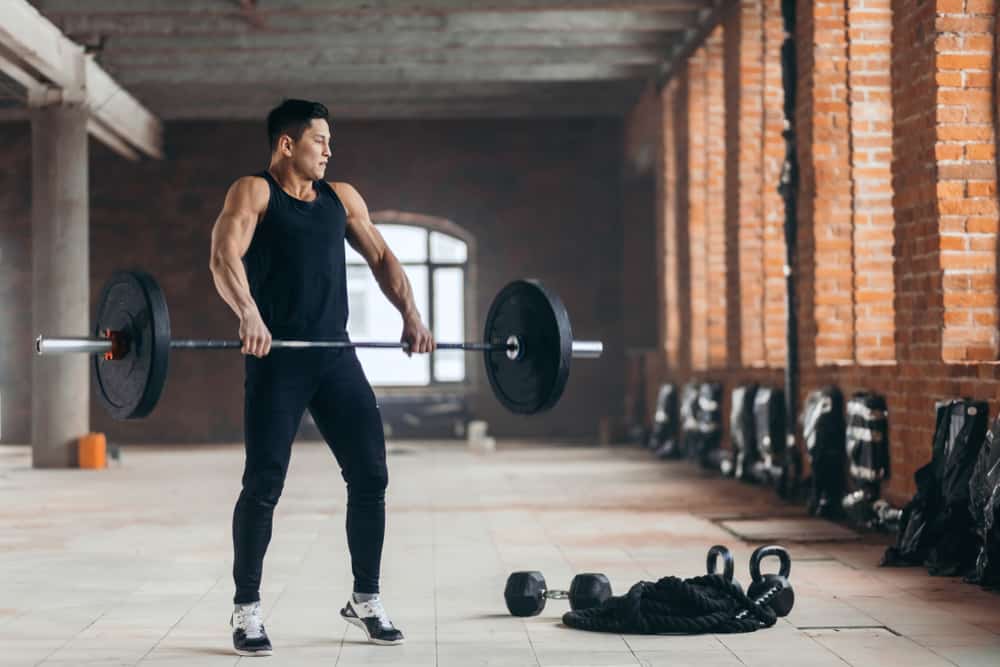
Here’s another shrugging exercise, but this time around with a weight to add a bit more pressure on the upper trap muscles. Do this with the following steps:
- Pull a barbell using the overhand grip, keeping your hands slightly beyond shoulder-width apart
- Let the weight hang in front of your waist at arm’s length
- Keep your back naturally arched and lean forward slightly at the hips
- Bend your knees slightly
- Raise your shoulders as high as you can, keeping your arms straight as you do this
- Pause briefly
- Return to the starting position
- Repeat
Reps: 5 reps per set
Sets: 3 sets
Rest: 2 minutes
4. Dumbbell Shrug
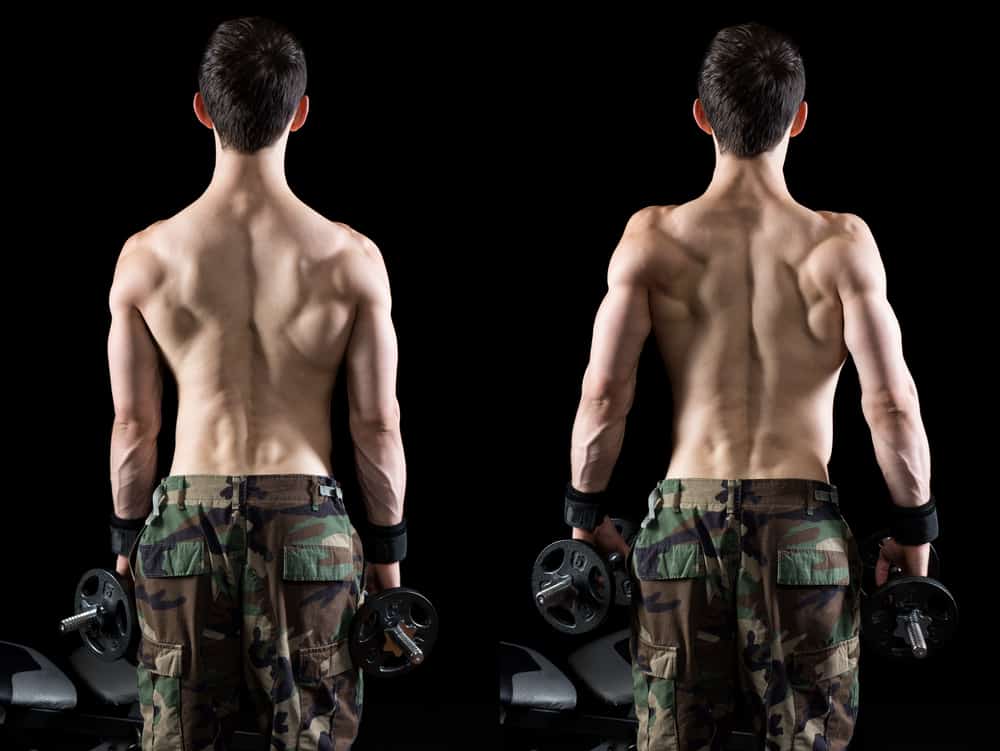
If you find the barbell shrug a tad too demanding (perhaps because your fitness level isn’t quite there yet), try this less intensive version. Here’s how it’s done:
- Grab a pair of dumbbells in each hand
- Let your hands hang at your sides with palms facing the sides of your body
- Bring your shoulders up high in a shrug and hold for a count in the top position
- Bring your shoulders back to the starting position
- Repeat
Reps: 12 reps per set
Sets: 5 sets
Rest: 45 seconds
5. Rack Pull
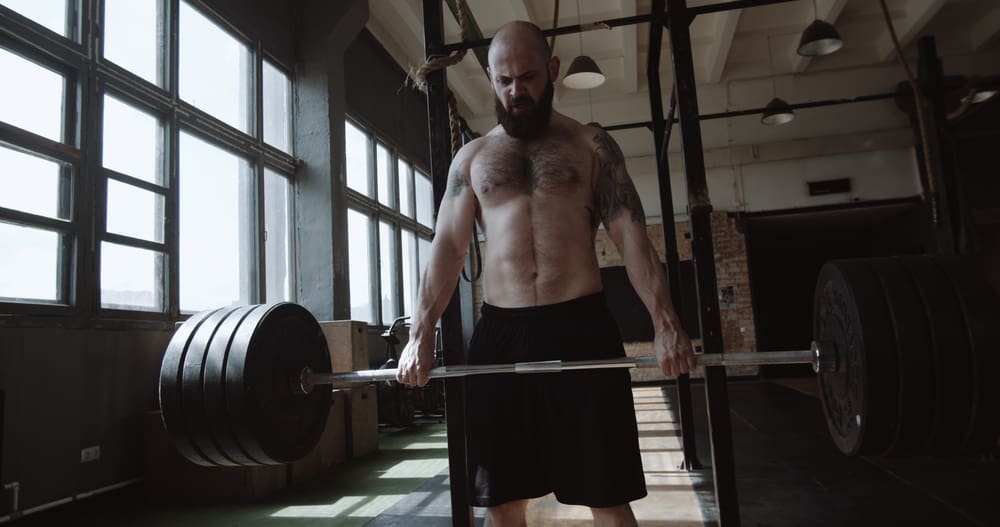
Apart from working your trapezius muscles, the rack pull is one of the trap exercises that hone your form and strength for other compound lifts. It involves pulling the weight (barbell) off the ground without the full range motion of a standard deadlift. You can remove your training shoes for this exercise if you want, but keep the socks on. Do the following:
- Stack up boxes or set up a rack to elevate the barbell just above your shins
- Hold the bar using an overhand grip, spreading your hand slightly beyond should-width apart
- Slowly hinge at the waist while pushing your hips back
- Pull the bar up as you stand up with your back straight
- Hold for a count at the top
- Slowly return the weight to the starting position
- Repeat
Reps: 5 reps per set using a heavier weight, and do 10 reps for one set with the load reduced
Sets: 6 sets with heavier weight and 1 set with a lighter load
Rest: 5 minutes for each heavy set
6. Barbell Row
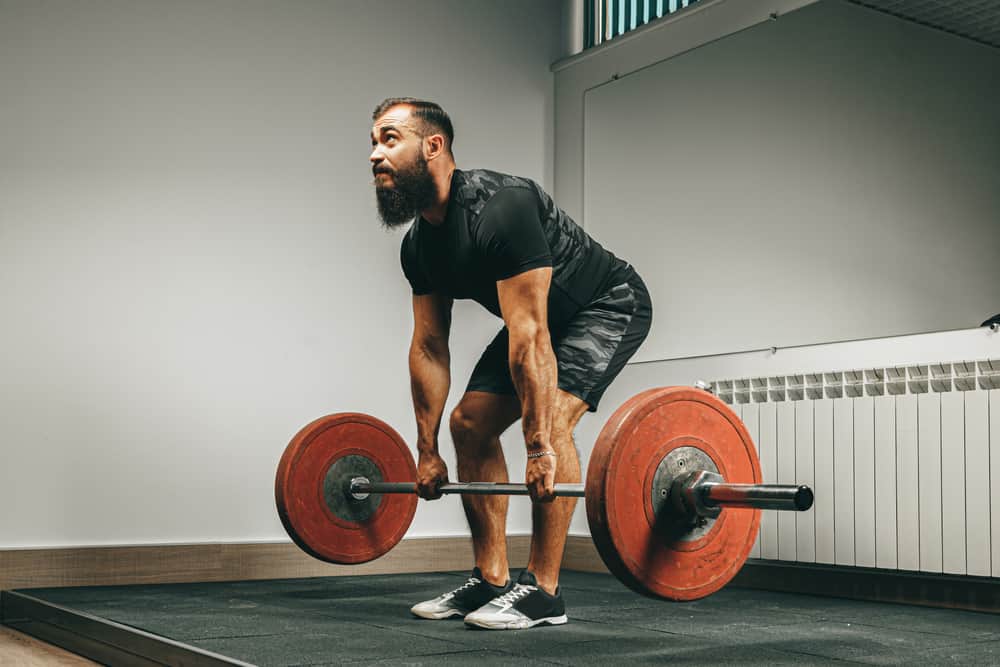
Engage your middle and lower trapezius muscles together with your rhomboids and rear deltoid muscles with this rowing exercise. Develop your strength and stability using these steps:
- Position your hands slightly beyond shoulder-width apart on the barbell and grab it firmly using an overhand grip
- Make the barbell is at arm’s length
- Bend your hips and knees so that your upper body is parallel to the floor
- Pull the bar up to your upper abs while maintaining your bent position
- Squeeze your shoulder blades and hold at the top
- Slowly return the barbell to the starting position
- Repeat
Reps: 5 reps per set
Sets: 4 sets
Rest: 60 seconds
7. Dumbbell Lateral Raise
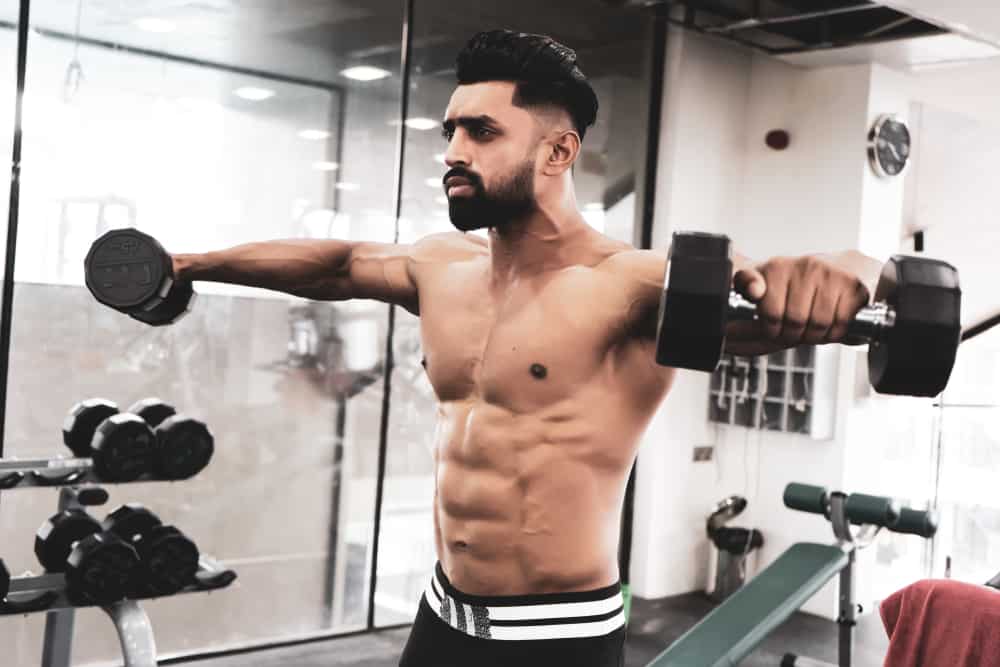
Looking to work your deltoids while training your trapezius muscles? The dumbbell lateral raise provides both benefits. Your delt muscles are actively doing the most work in this exercise, but your upper traps are getting smoked, too.
When you do this exercise, don’t just throw the weight up as many guys do in the gym. Fast reps aren’t going to hit the muscles the way you want. Go slowly with controlled movements. Here’s how to do the dumbbell lateral raise correctly:
- Grab a dumbbell in each hand and let them hang at your sides
- Stand in a fully upright posture with your feet shoulder-width apart
- Make sure your palms are facing forward as you bend your elbows slightly
- Keep your elbows that way as you simultaneously bring both arms to shoulder level and slightly in front of you
- When your arms are at the top, they should form a “T” with your body
- Pause for one second before gradually reversing until you get to the starting position
- Repeat
Reps: 20 reps per set
Sets: 5 sets
Rest: 90 seconds
8. Incline Dumbbell Shrug
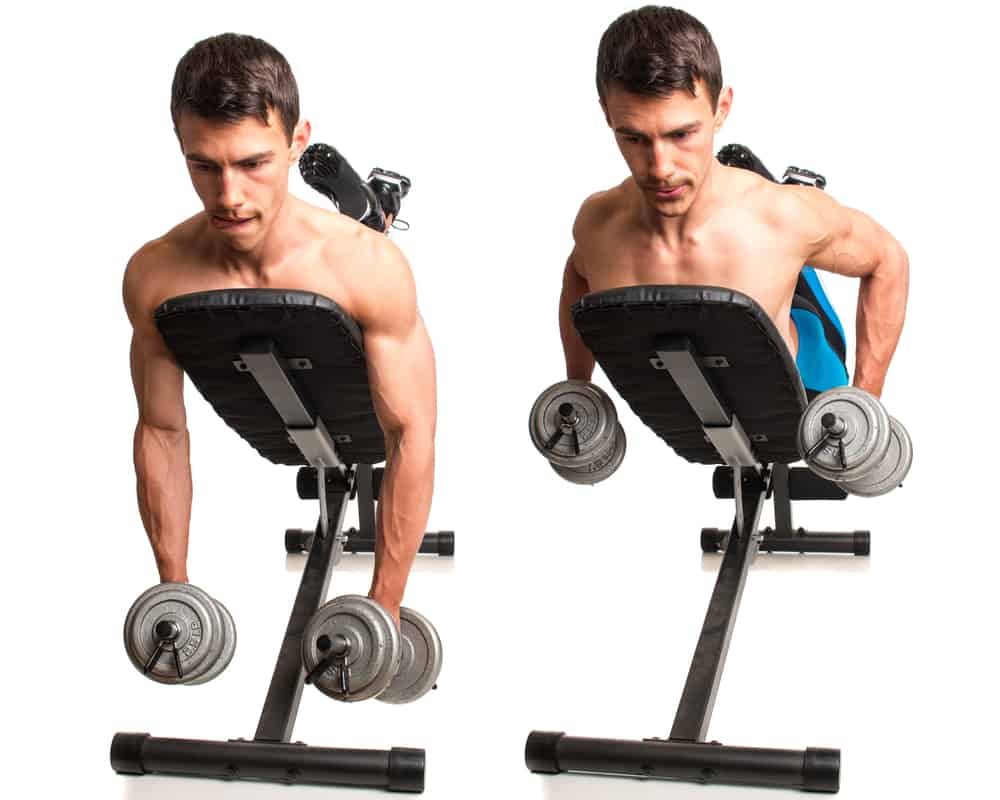
This is a less popular version of the dumbbell shrug, but it targets a spot on the back that is commonly overlooked, and that’s the lower traps muscles. Find a workout bench and follow these steps:
- Grab a dumbbell in each hand and lie chest-down on an inclined workout bench
- Let your arms hang down on both sides with palms facing each other
- Pull your shoulder blades together by shrugging your shoulders upward
- Focus on squeezing your trap muscles when you reach the top position
- Pause at the top
- Return to the starting position
- Repeat
Reps: 10 to 12 reps per set
Sets: 5 sets
Rest: 45 seconds
9. Dumbbell Overhead Carry
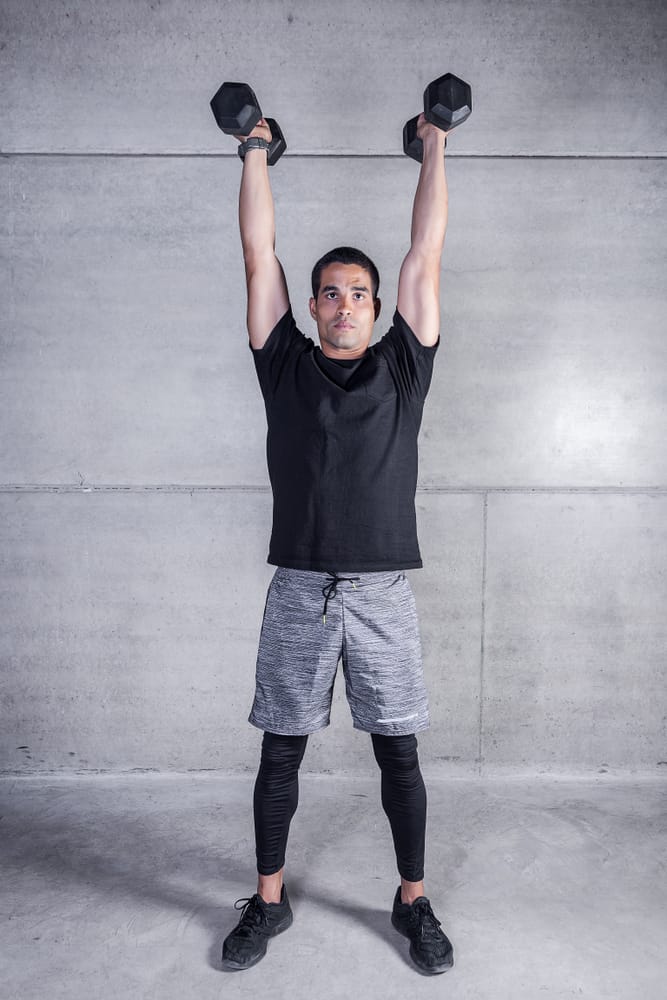
Here’s one other exercise that can increase the tension in your traps and lead to muscle growth. Your lower body moves during the workout yet acts as a support for your upper body where the weight is. This puts pressure on your traps and spurs growth. Start with a comfortable weight as you do this:
- Grab a dumbbell in each hand and raise them above your head, with your palms facing each other
- Keep your upper arms next to your ears while you walk forward
- Keep the weight from moving as you walk by engaging your trapezius muscles
Reps: 45 seconds per set
Sets: 4 sets
Rest: 30 seconds
10. Overhead Barbell Shrug
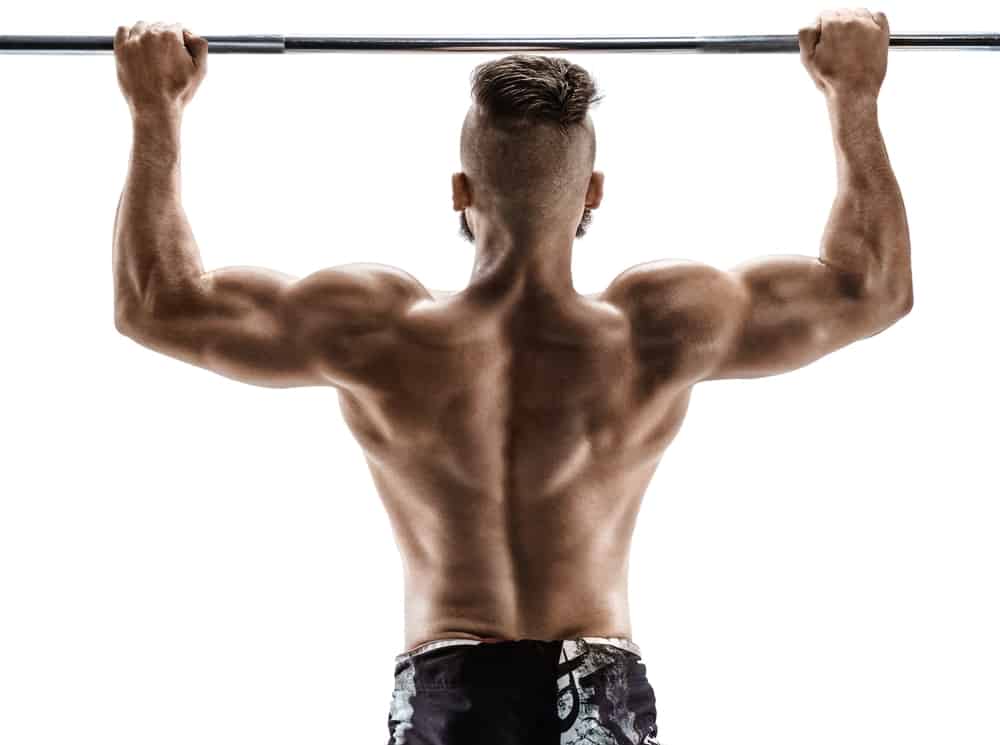
Whoever thought shrugging would offer so much benefit? Here’s one more way you can combine it with barbells to work your upper trapezius muscles:
- Using an underhand grip that’s approximate twice shoulder width, raise a barbell high above your head, keeping your arms completely straight, and feet shoulder-width apart.
- Lock your elbows and make sure they stay that way throughout the exercise
- Shrug your shoulders as high as possible
- Pause for a couple of seconds when your shoulders are at the highest position
- Return your shoulders to the started position
- Repeat
Reps: 6 reps per set
Sets: 5 sets
Rest: 2 minutes
Recommended Gears for Trap Exercises
Kettlebells
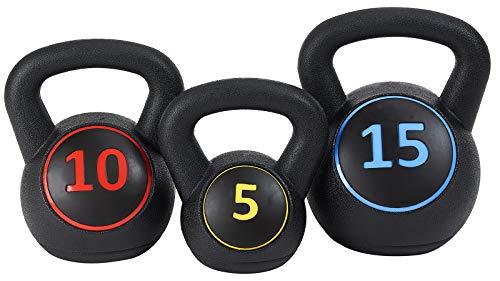
It’s no news that the versatility of kettlebells makes them must-haves for building your trapezius muscles. There are among the most comfortable exercise weights, yet they offer sufficient challenge to help you reach your fitness goals efficiently. Buying a set of kettlebells is an excellent investment, particularly if you want to train from home.
Adjustable Dumbbells
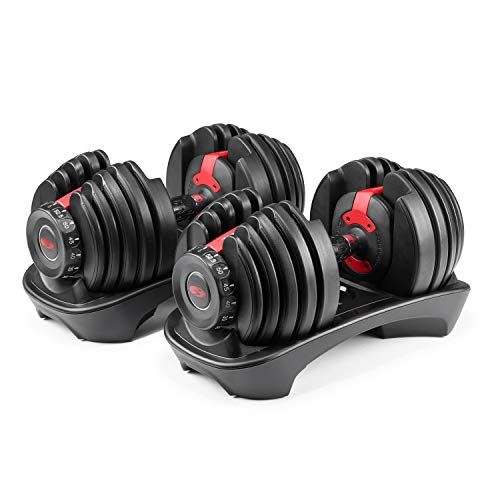
Adjustable dumbbells offer the flexibility of incrementally increasing weights to match your strength level. Getting an adjustable dumbbell means you are essentially buying an entire rack of weights. This eliminates the need to clutter your home or workout space with several dumbbells. Bowflex dumbbells are particularly durable and ideal for working those traps.
Workout Essentials
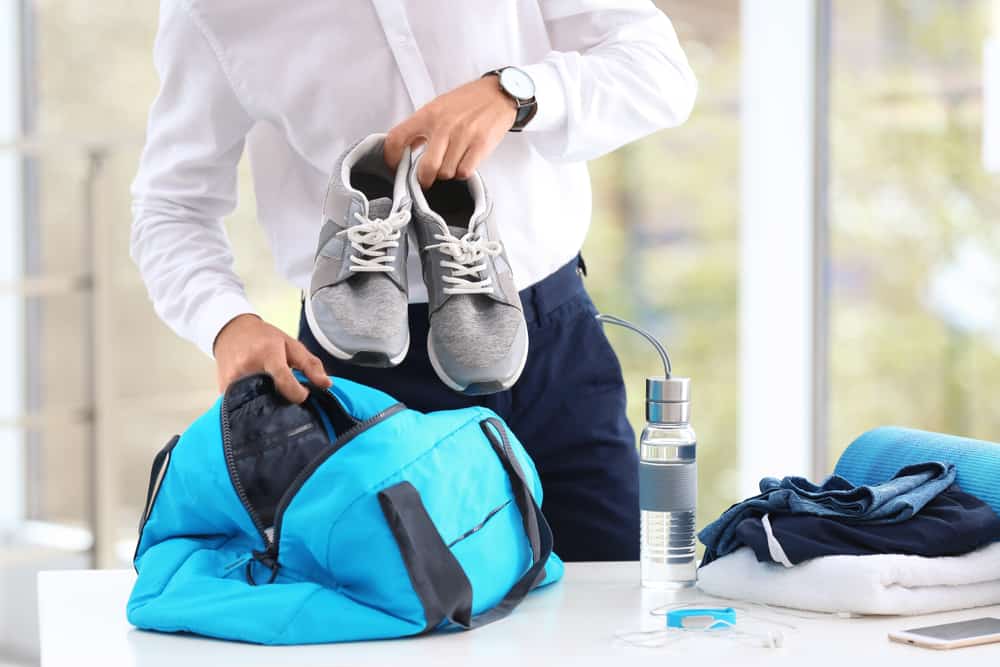
Working out in the gym can give you the push you need to crush your goals since there other people around. You’re not likely to get bored, and you have access to a wider assortment of equipment besides kettlebells and dumbbells. But before you hit the gym, you want to pack these workout essentials in your gym bag.
- Gym clothes: Going to the gym without proper apparel? How do you train? Sometimes, you can get to the gym before realizing you didn’t bring proper gym attire, especially if you go to the gym straight from work. To avoid forgetting your training apparel at home, make a list of the items you need at the gym and pin it to your bag.
- Sneakers: Even if you plan on doing some trap exercises without your shoes on (e.g., the rack pull), you still need a pair of good-quality sneakers for other routines.
- Reusable water bottle: Training the traps can knock the wind out of you. You might even discover that you get very hungry after training. But whether you are famished or not, it is crucial to stay hydrated during workouts. So, bring a bottle of water when going to the gym.
- Deodorant: Obviously, you want to be smelling nice before, during, and after your workouts.
Common Trap Training Mistakes and How to Avoid Them

As with nearly muscle training workouts, mistakes with trap training are common. This is particularly true if you are a beginner doing your training at home all by yourself without an experienced personal trainer to guide you. That doesn’t mean peeps who hit the gym don’t fall into the traps’ trap. However, those guys are more likely to see others doing it correctly and follow suit.
If you are putting in all the work yet results aren’t showing or your traps are lagging, you’re likely making one or more of the following common mistakes.
Performing Too Many Trap Workouts
It may seem like a good idea to do every trapezius exercise available, but trust me, targeting your trap muscles with a bunch of isolation workouts is not something you want because you’ll continue struggling but won’t really hit what you’re aiming for.
The ultimate goal for trap exercises is not merely to flaunt well-built trap muscles; your goal should also include:
- Developing wide lats that go all the way to your lower torso to give your upper body a V-taper
- A bulky tree-like structure in your lower back
- Huge rhomboids that shape into desirable “valleys” when you flex them
- Proper development and clear distinction in the infraspinatus and teres muscles
As you can imagine, all of these take more work than only workouts that focus on your traps. What you should really be aiming for are exercises that work the major muscles of your back, while also doing isolation workouts that target the traps alone.
In a nutshell, you need to include a lot of heavy vertical and horizontal pulling in your entire workout routines. While the vertical pulling smoke the lats and other muscles that contribute to width, horizontal pulling target traps, rhomboids, erector spinae, and other muscles that contribute to the thickness of your back.
Performing Excessive High-Rep Pump Workouts
Here’s one fact that many guys who hit the gym trying to get a pump don’t realize. You’re going to hit a plateau very fast if all you do is focus on getting a pump instead of becoming stronger. Focusing on high-rep pump training such as giant sets, supersets, drop sets, and others like them, are all good and fine and are likely to give you rapid results until they don’t. It won’t be long before all that progress comes to a screeching halt.
Gaining the size of muscles you want in your traps requires heavy strength training that increases your whole-body strength. If you want to continue getting bigger with your training, you need to continue getting stronger. If you gain a fair amount of size at the initial stages of your training without much strength, getting bigger will hit a plateau once your body graduates from that initial pump phase.
The most effective way to get stronger is through heavy resistance training. This is the surest and quickest path to building a stronger back, well-defined traps, and a thick and wide upper body.
Training Too Little
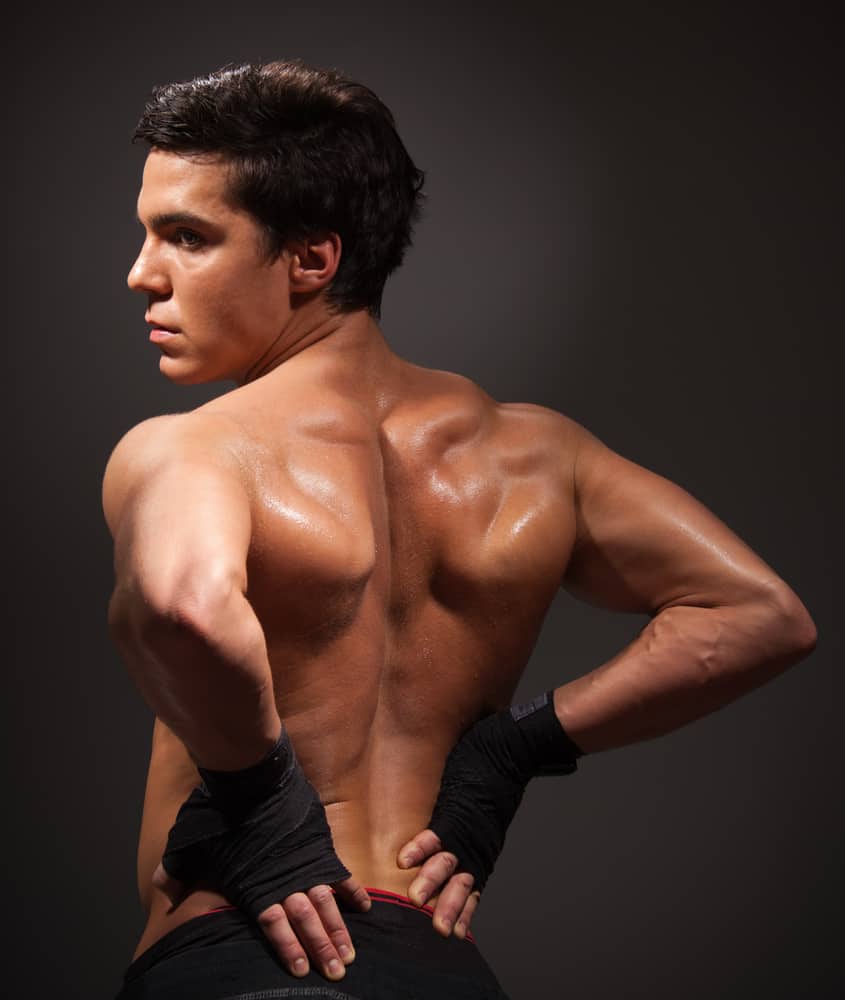
The trapezius muscles are always helping and supporting in many exercises; no argument there. The problem is that many people take that as working the trap muscles. Others relegate their trap muscles to the afterthought department. At best, the traps get a few sets of shrugs in an entire week’s training session.
No one ever gets a great back without putting in intense training, and this includes traps exercises, too. Focus on getting in two exercises and six sets at the very least in your trap routines. You can include intensifiers such as supersets and drop sets to get things more interesting.
Reaching Absolute Muscle Failure for Each Set
Training until muscle failure is where you can’t go any further with the weight and must end the set. For better results, you want to get as close to absolute muscle failure as possible without actually reaching there.
Aim for one or two reps short of muscle failure. Don’t worry if you can’t tell where this point is just yet. With regular training, you will eventually figure out where your particular sweet spot is. Whatever you do, it is best to avoid absolute muscle failure for workouts such as the deadlift, military press, squat, and bench press because it can be disastrous.
Focusing on the Upper Traps Only
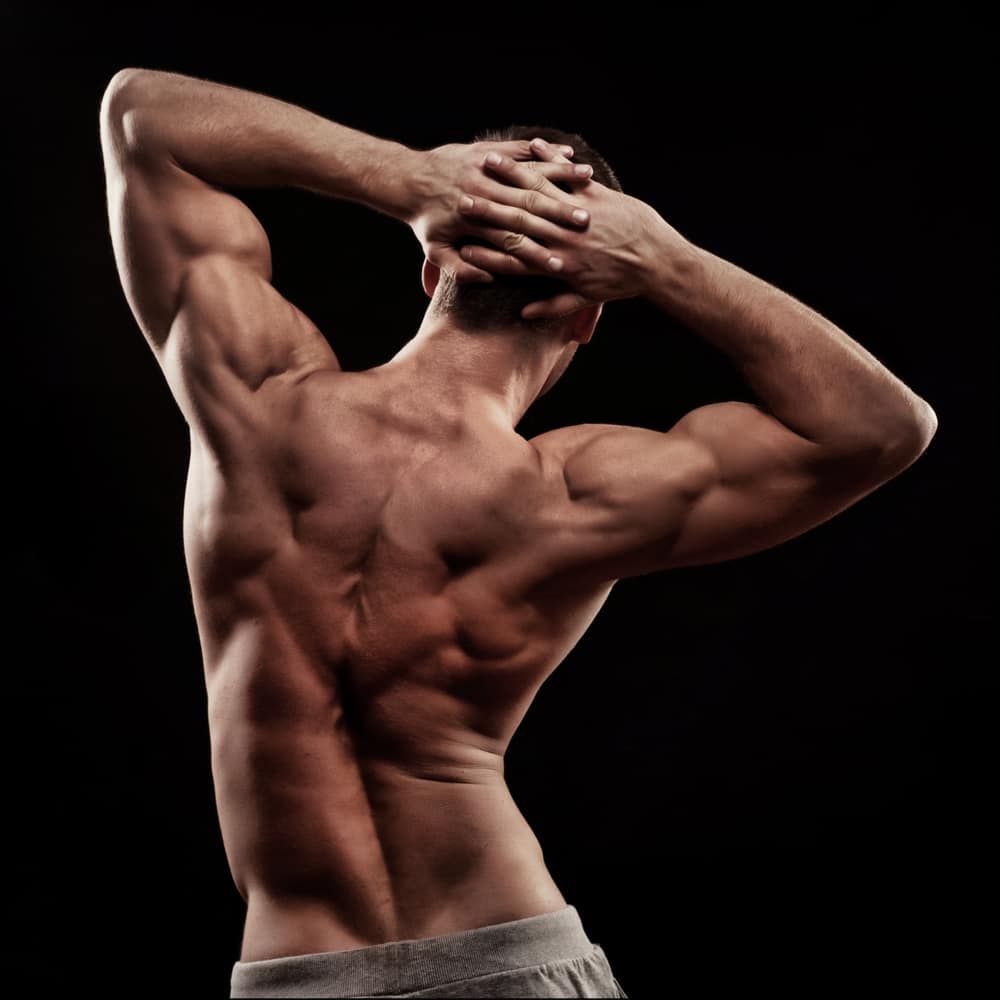
This is perhaps one of the commonest mistakes since most people know how to isolate their upper traps with shrugs but don’t seem to understand how to target lower and middle trapezius muscles. Ignoring the slab of muscle in the middle of your upper back will not give you the type of result you are looking for.
You can avoid this mistake by doing more trap exercises that target the lower and middle trap muscles, such as the incline dumbbell shrug (number 8 on this list). The incline position of the exercise maximizes the contraction in your mid and lower back.
Bottom Line
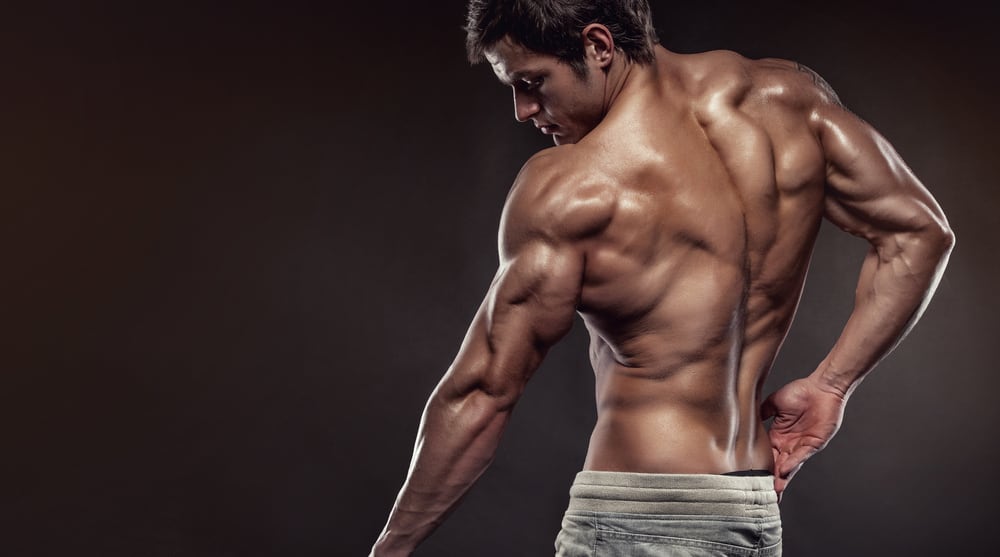
Training your trap muscles is a lot like training the calves or shoulders. The single, most effective way to getting well-developed traps is to build a great back. And getting a great back means training to become strong on a variety of key exercises.
There are really no shortcuts about traps training. You won’t magically build a drool-worthy back in a couple of weeks, so quit trying too hard or looking for “secret formulas.” There’re simply none.
Show up, put in the required work, and stay consistent with your routines, whether you workout at home or gym. That’s the best way to get results. And don’t forget rest, recovery, and good nutrition – these play a vital role in your progress.
Frequently Asked Questions
What’s the fastest way to build bigger traps?
The fastest and most efficient way to build bigger trapezoid muscles is to commit to a rigorous training regimen. Aim for between 10 and 15 trap exercises, with particular focus on the classic farmer’s carry (number 1 on this list) and the “king” of all trap-building workouts – the barbell shrug (number 3 on this list). But don’t do only one or two types of trap workouts.
Keep in mind, though, going too fast is a quick way to end up making mistakes. You want to balance your desire for fast results with the need for proper training and adequate rest. Don’t go into overdrive just because you want to build impressive traps in the shortest amount of time. Perform your trap workouts about 2 to 3 times per week with at least three days of full rest between each training session.
How soon should I expect to see results?
There is no definite answer to this one. Every individual has different muscle types, level of dedication, and other variables. However, with consistent practice, the average time it takes to start seeing good results is about eight weeks. Keep in mind that nutrition can also impact your results. Training your traps (and all types of workouts for that matter) should go with proper nutrition if you want better results. Check out recommended foods to eat pre-workout as well as post-workout.
Do trap exercises increase neck size?
Trap training does impact the neck since the muscles are near the back of your neck. Ultimately, trap workouts increase the space between your delts and neck. However, since they are not directly targeted at the neck, the impact is minimal. If you are aiming for a bigger neck, you need to do isolation exercises that target the neck.