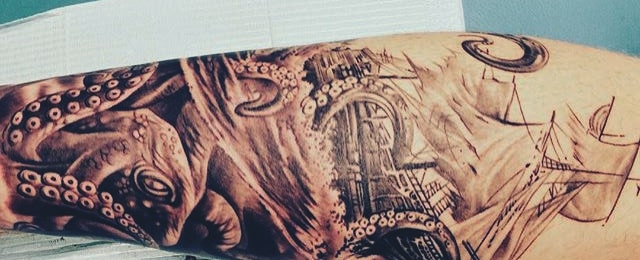

No matter if you skip leg day or are religious about it, one thing remains true. The truth is, the calf area is one of the easiest and lowest pain points on the body to get inked. Sure, some bodybuilders neglect their calf just like some tattoo aficionados forget about this prime area of canvas.
When it comes to the calf, you might be surprised to know it’s actually made up of two different muscles. The gastrocnemius, which is the largest and most visible calf muscle, has two heads giving the illusion of a diamond-like shape.
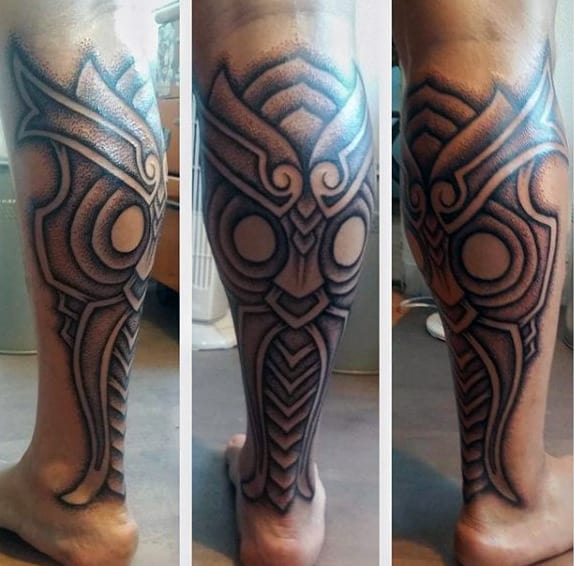
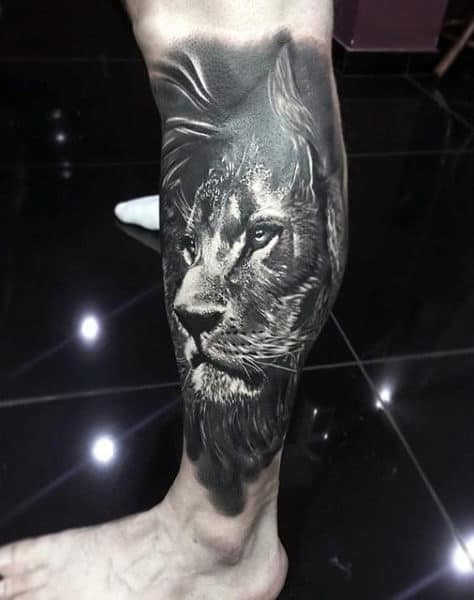
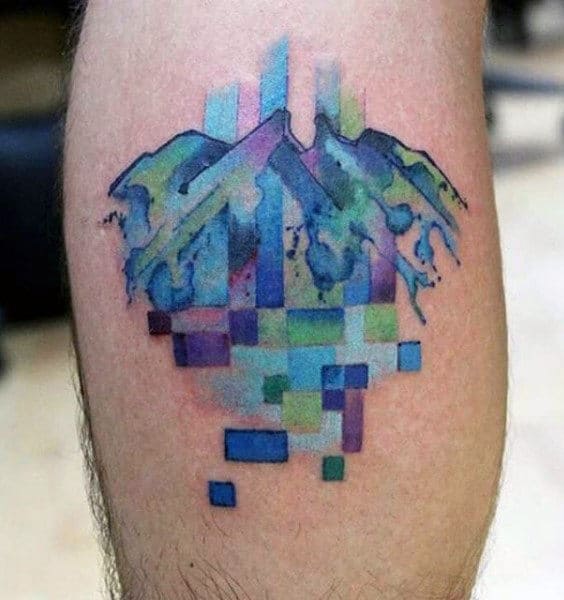
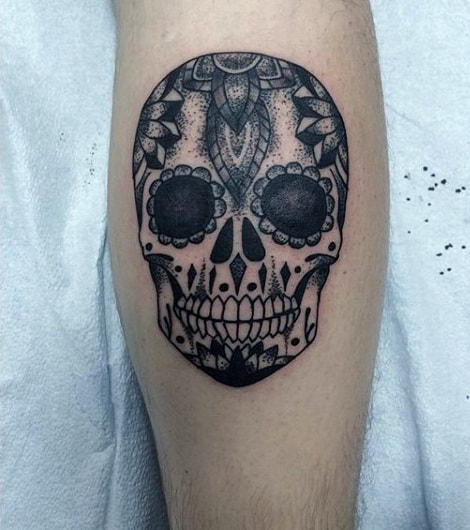
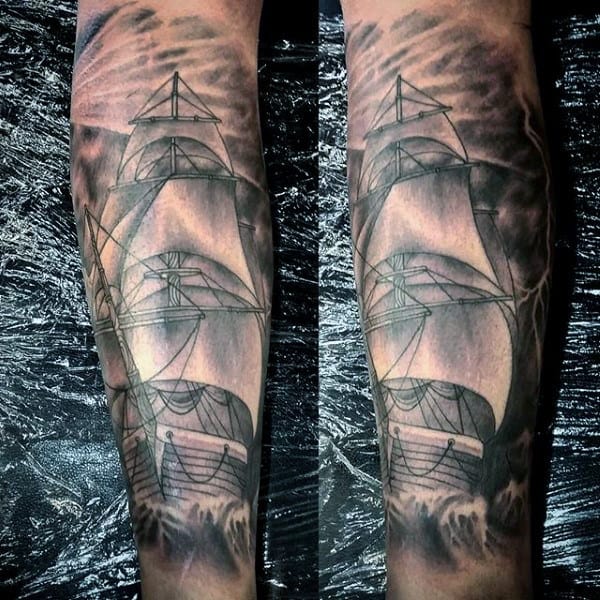
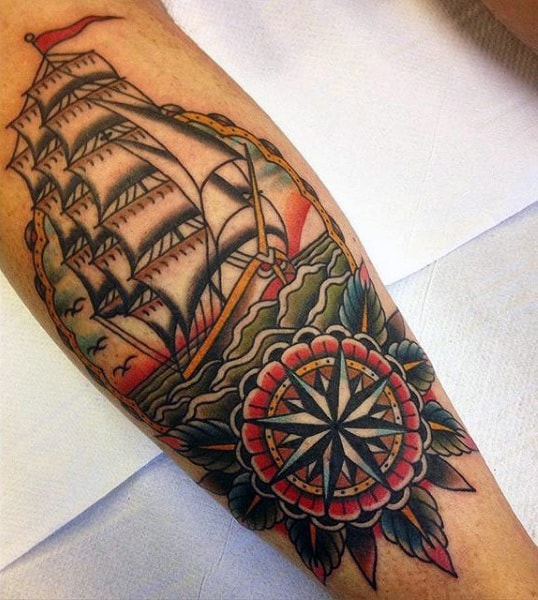
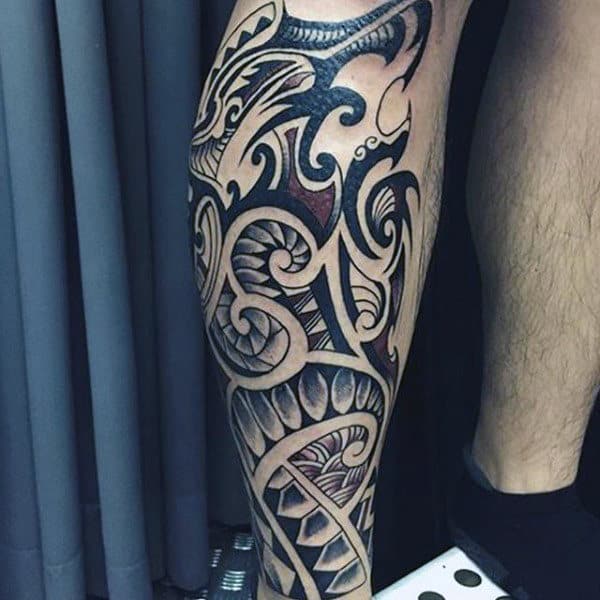
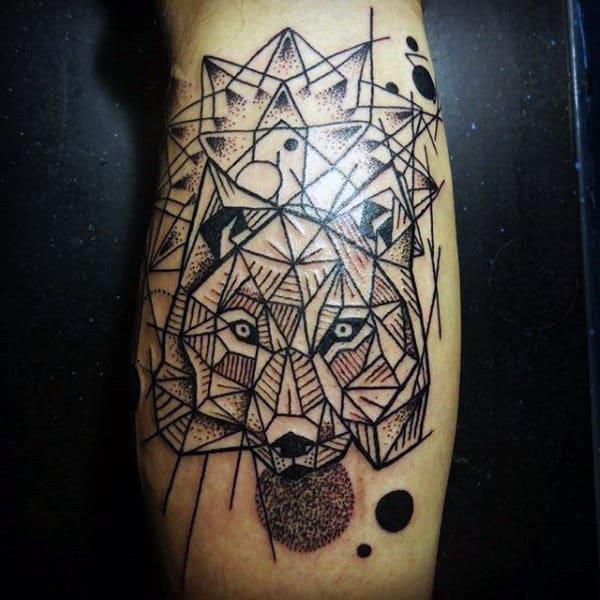
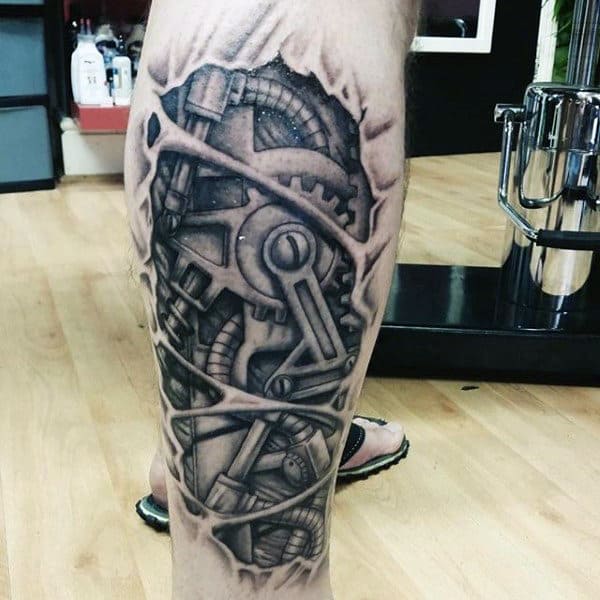
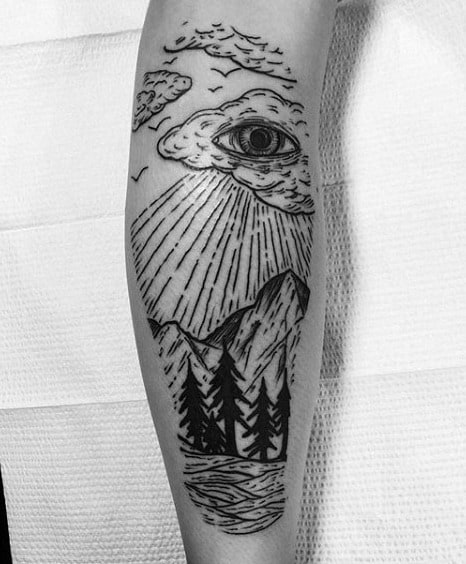
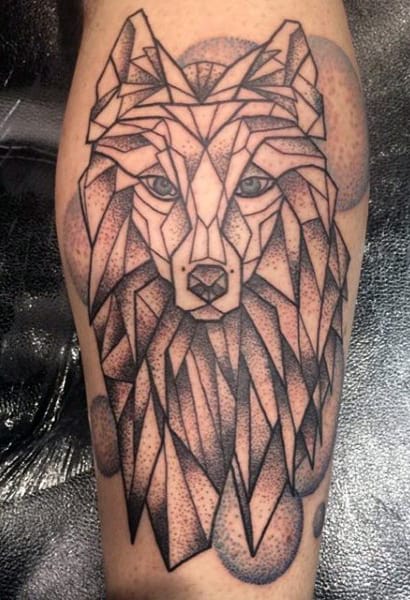
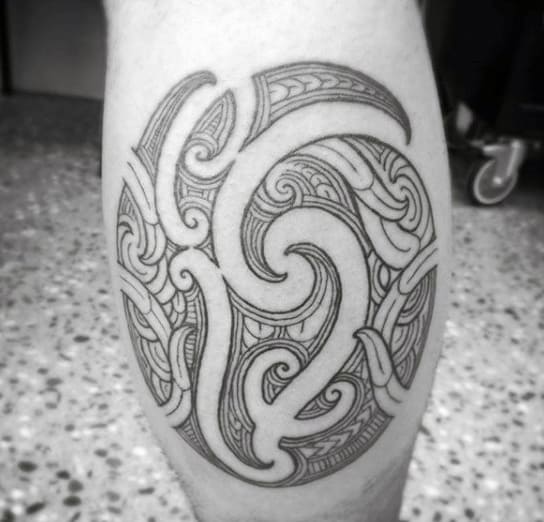
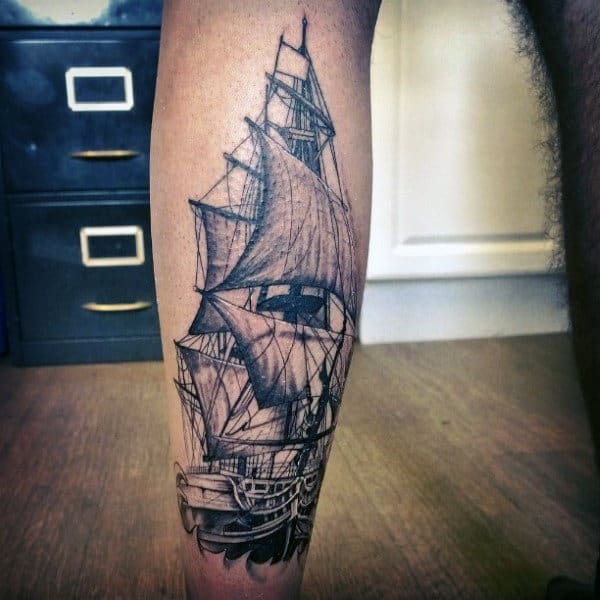
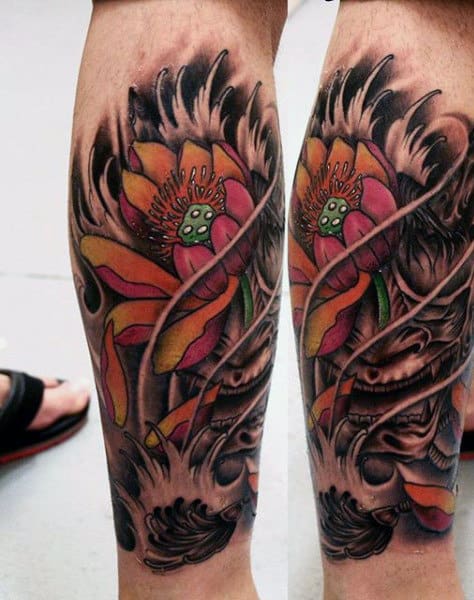
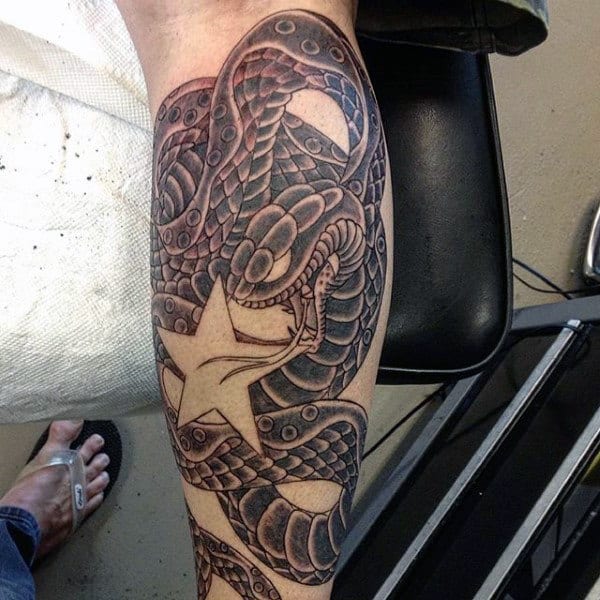
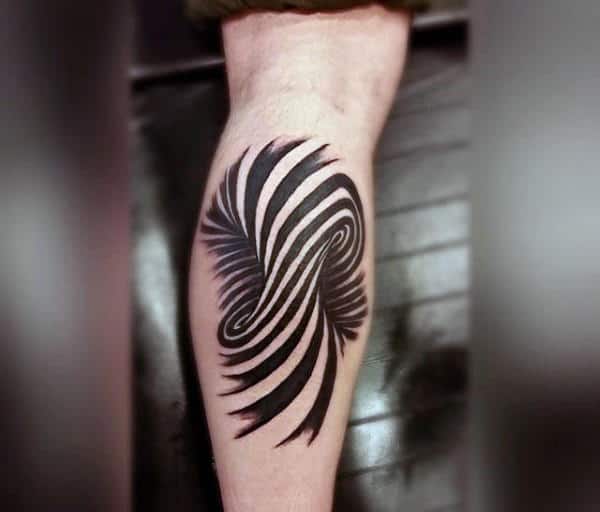
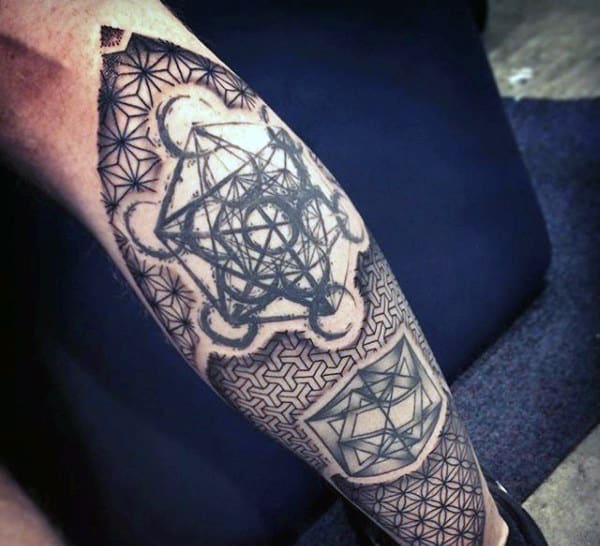
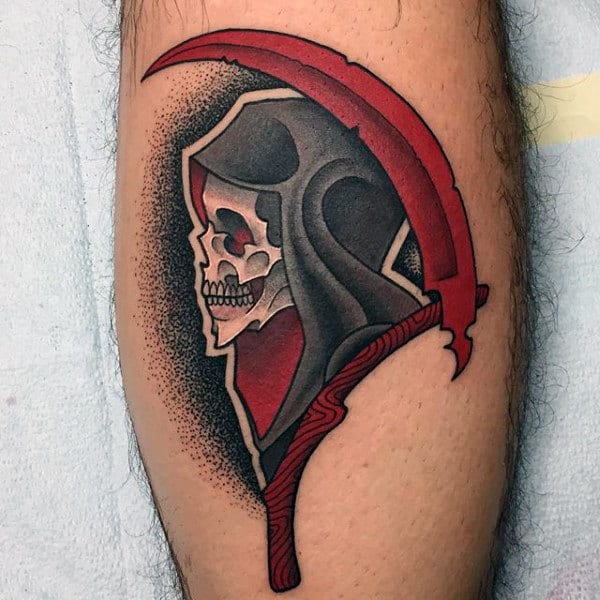
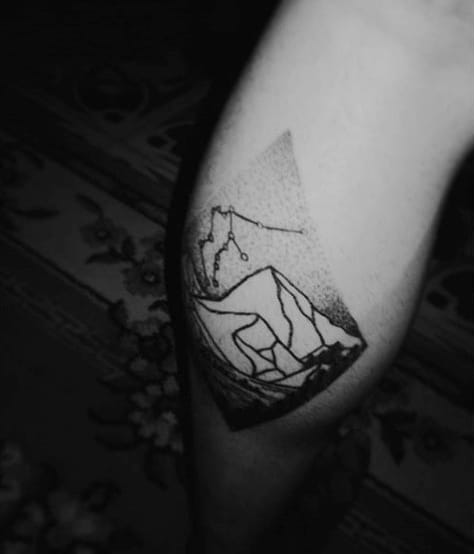
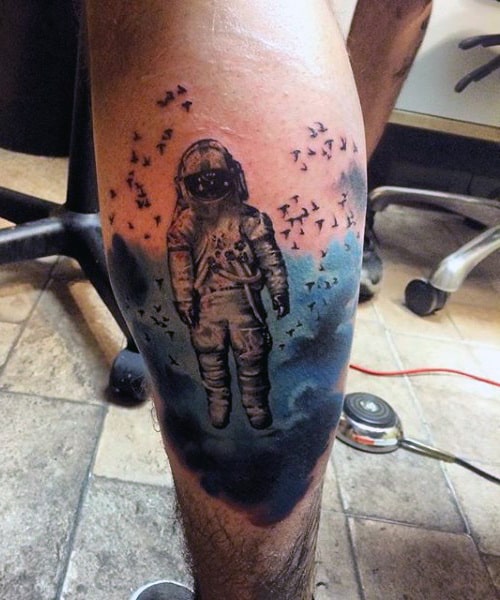
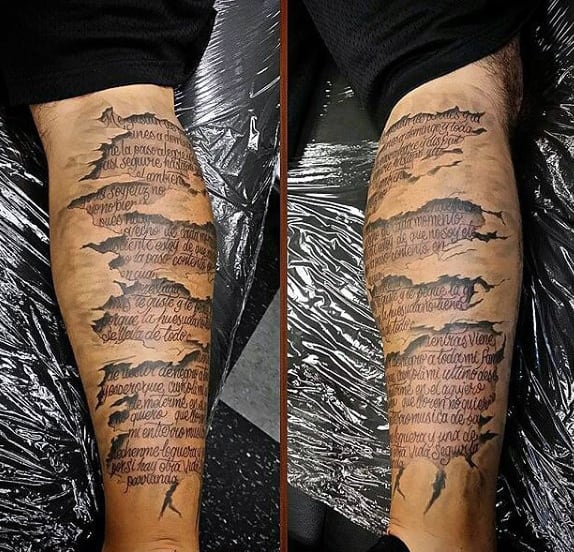
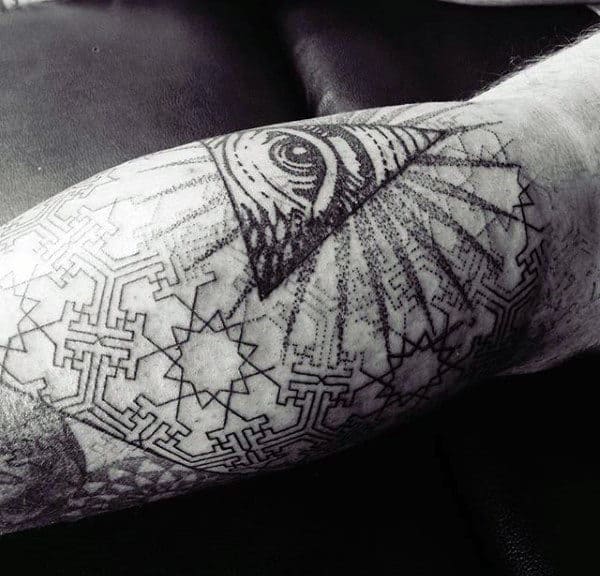
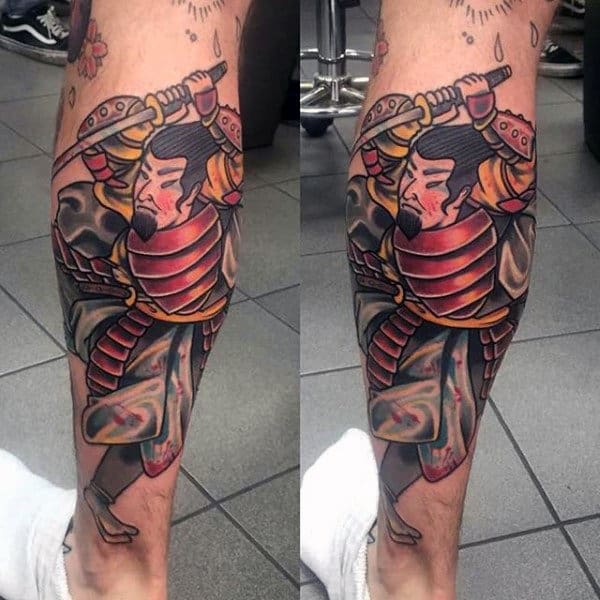
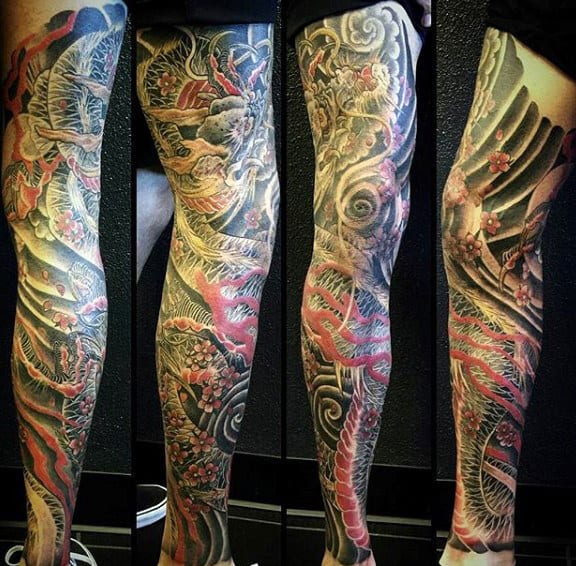
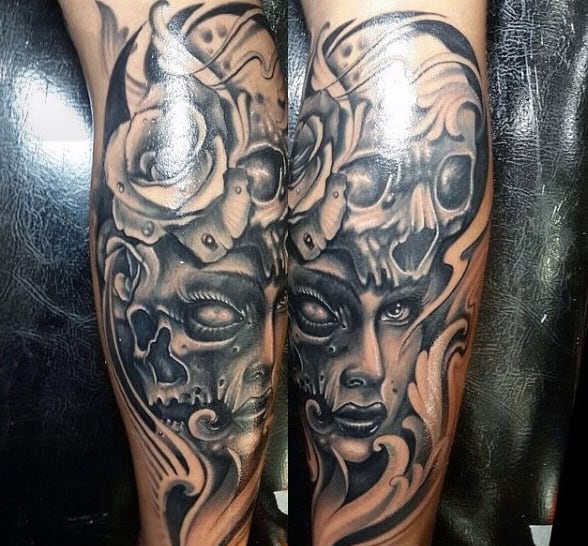
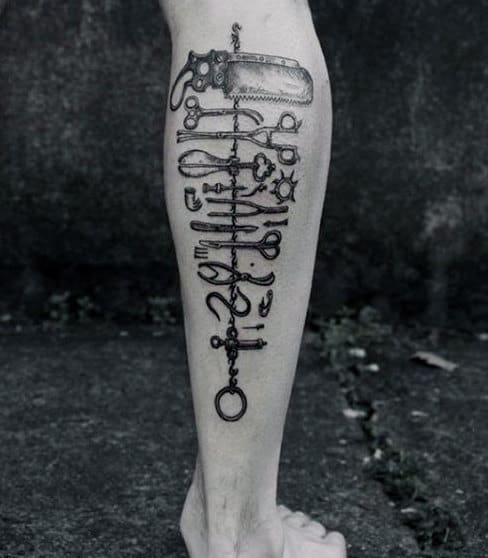
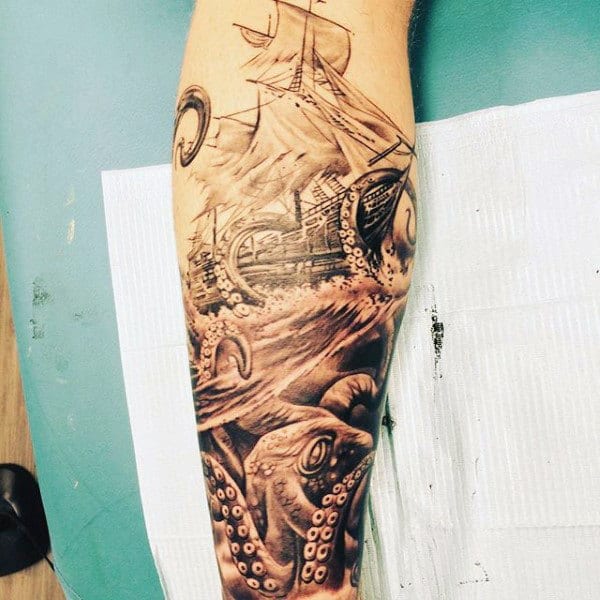
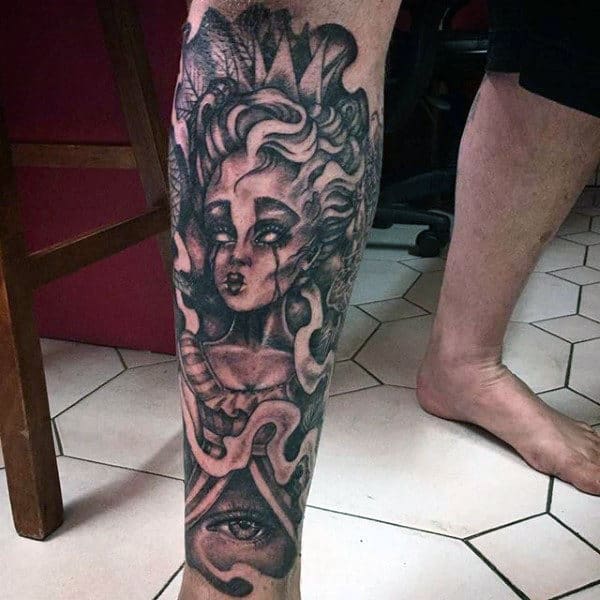
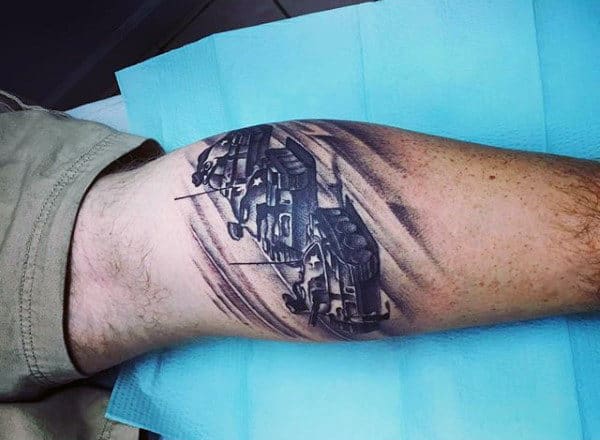
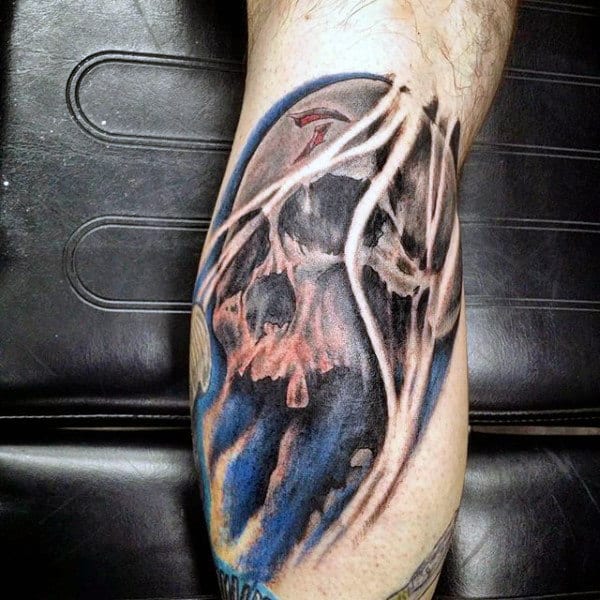
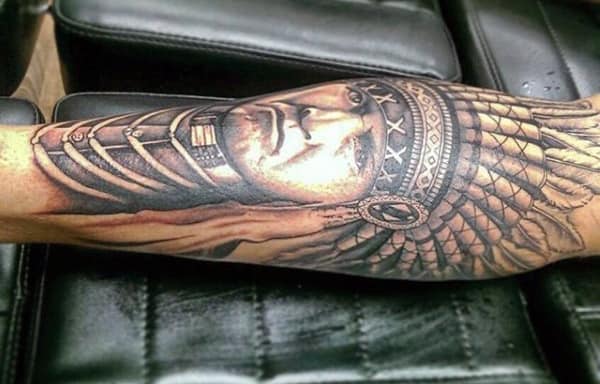
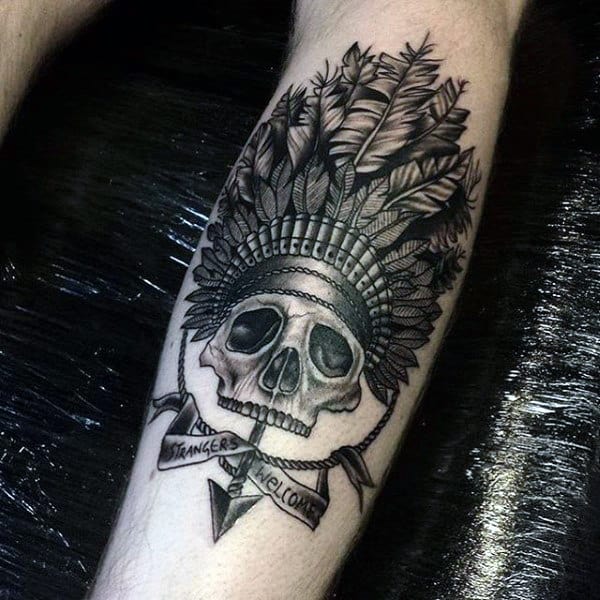
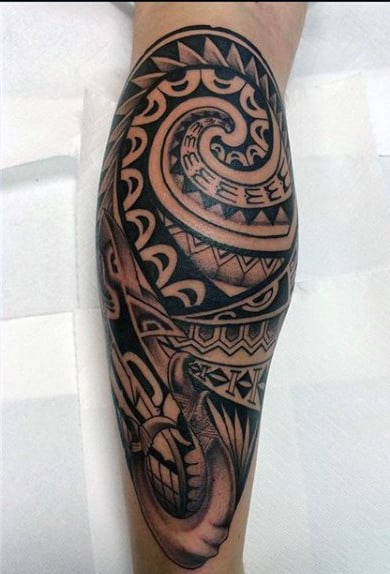
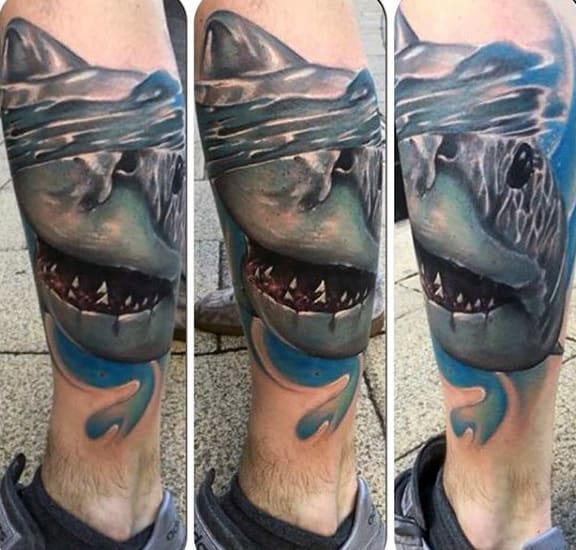
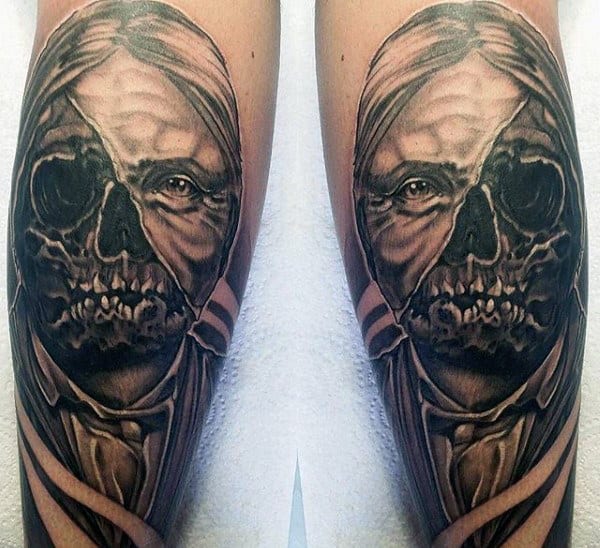
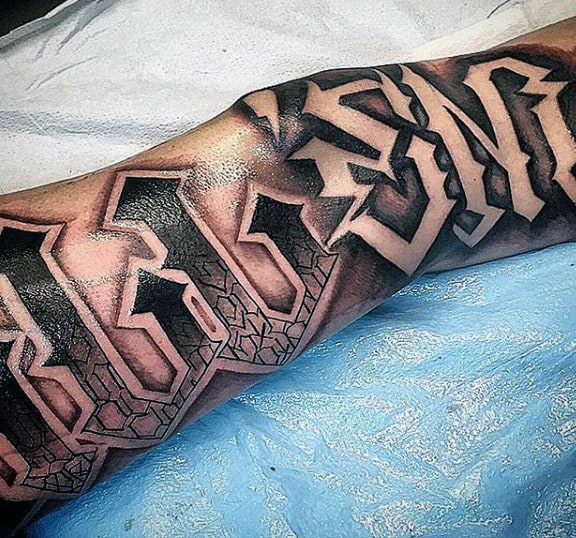
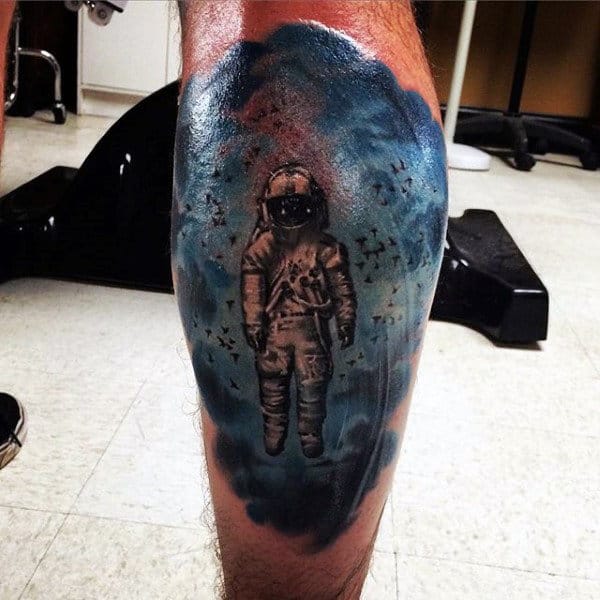
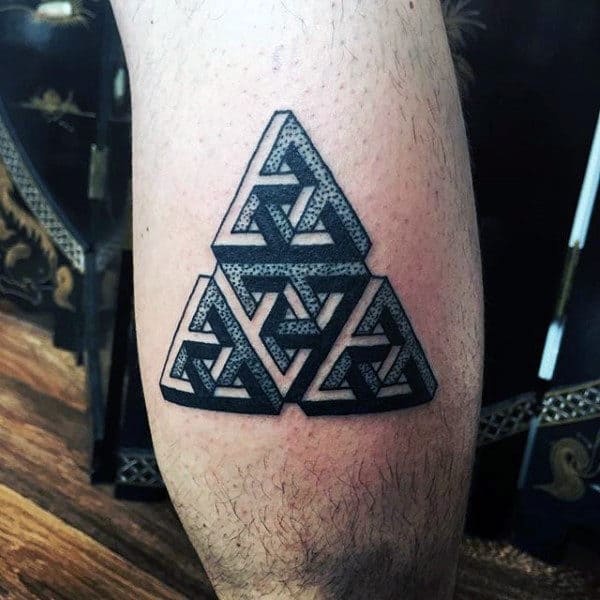
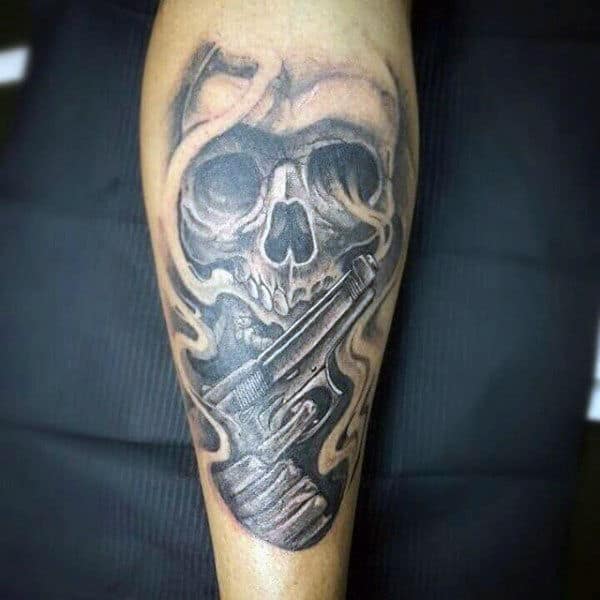
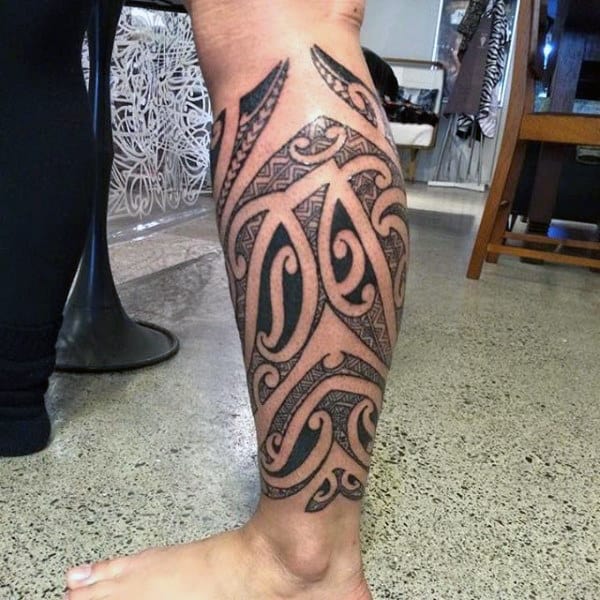
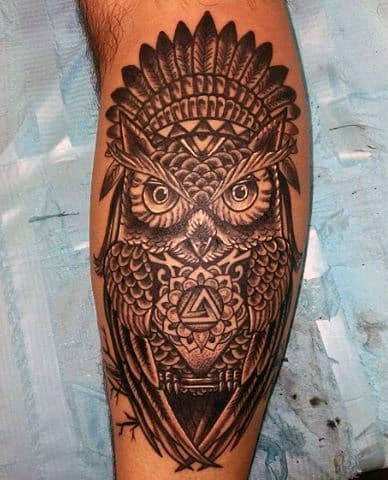
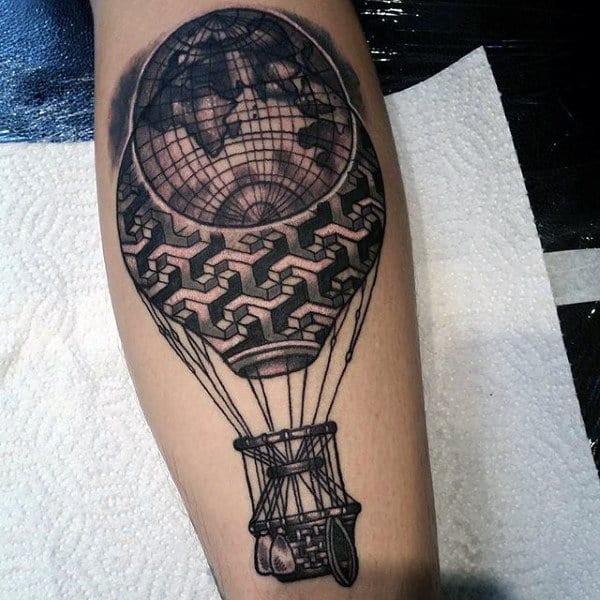
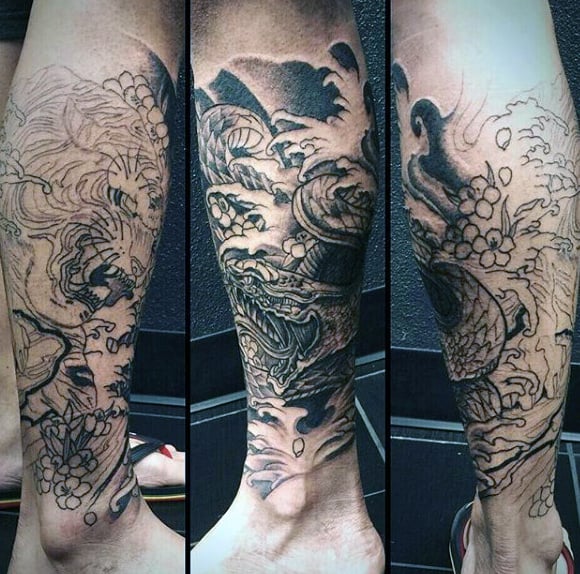
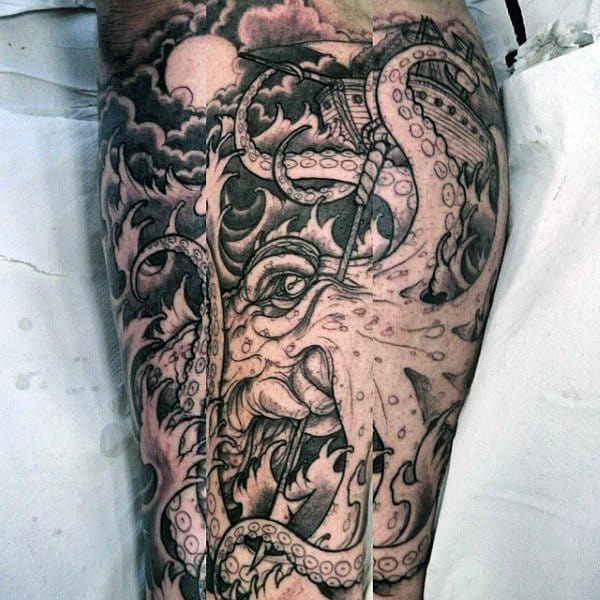
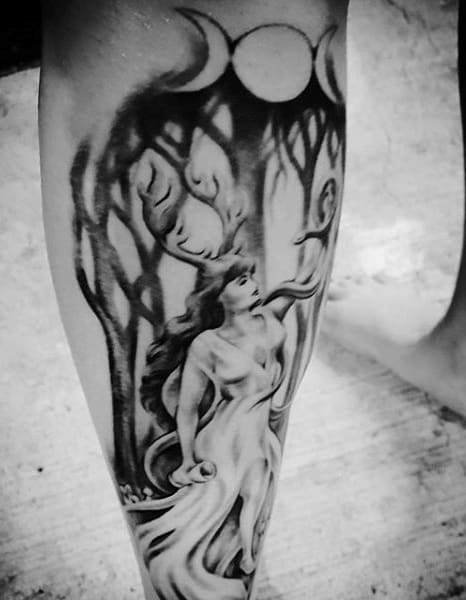
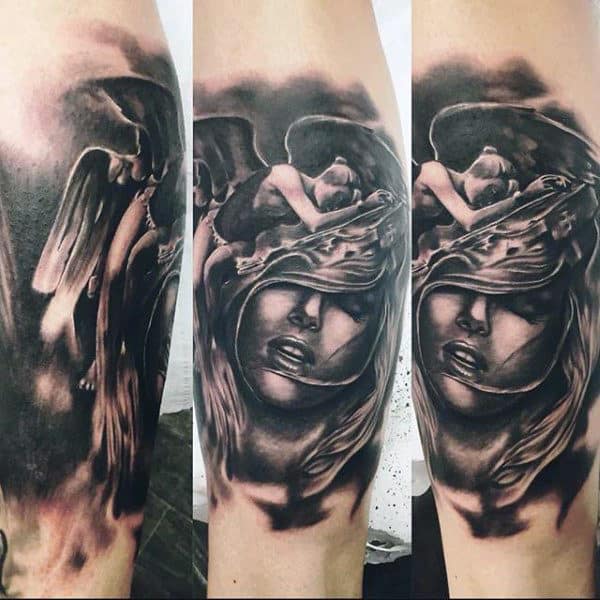
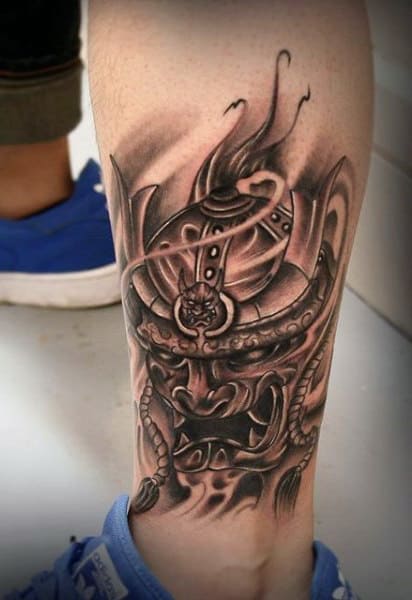
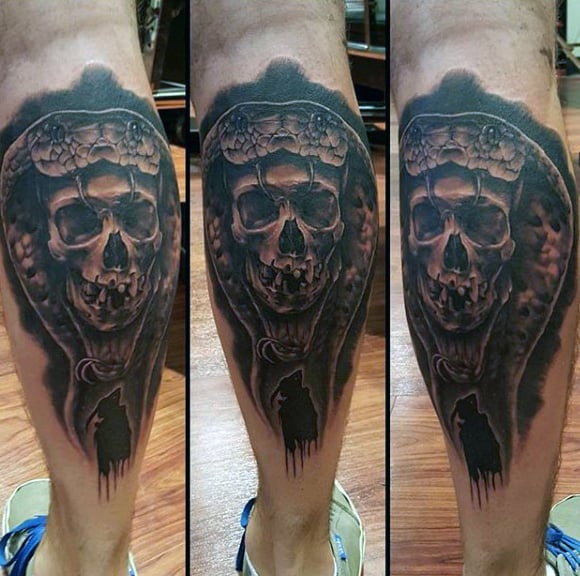
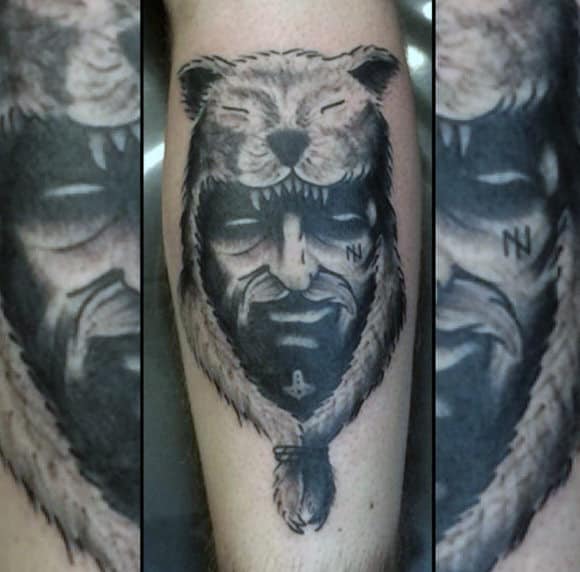
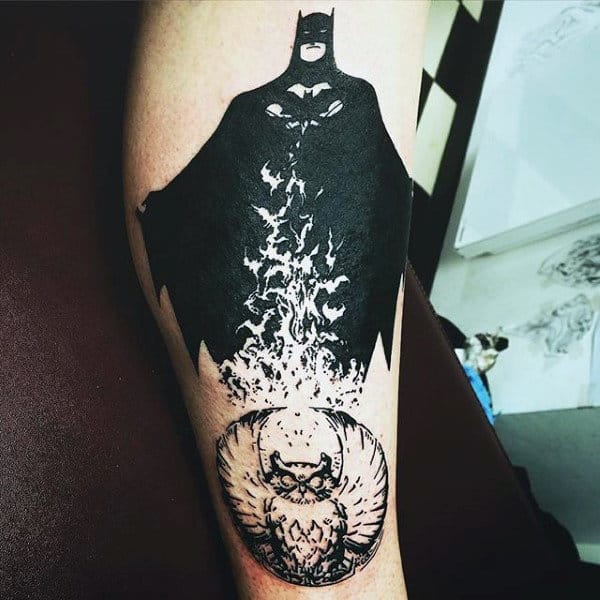
However, all science aside, I’d like to share with you a collection of 51 incredible calf tattoos for men. From full sleeves to smaller artwork that’s sure to impress, you’ll discover a wide range of quality design ideas.
1. Does a tattoo on the calf hurt?
- Pain level can vary: The calf area tends to have more muscle and a relatively thick layer of skin and fat compared to bony areas. Many people find calf tattoos less painful than tattoos on areas like the ribs, ankles, or feet.
- Personal pain tolerance: Everyone’s threshold is different. Some people report only moderate discomfort on the calf, while others experience sharper pain or stinging sensations.
- Location specifics: The outer calf often has more padding than the inner calf (near the shin bone), so the inner calf or areas closer to bone can feel more painful.
2. What does a calf tattoo mean?
- No universal meaning: Unlike certain traditional placements (e.g., a ring finger, behind the ear, or culturally symbolic locations), the calf doesn’t have a single, universally recognized symbolic meaning.
- Personal expression: Calf tattoos are often chosen because it’s a relatively sizable, easy-to-conceal spot. People commonly pick the calf for designs that are elongated, detailed, or that look good on a curved surface.
- Visibility and style: Calf tattoos can be shown off by wearing shorts or skirts, but can also be easily covered if you need to hide them for work or formal settings. This flexibility is a big plus for many people.
3. What to wear for a lower leg tattoo?
- Loose-fitting clothes: Opt for shorts, a skirt, or pants you can roll up comfortably. Anything that won’t rub, cling, or apply pressure to the fresh tattoo is ideal.
- Easy access for the artist: Your artist needs a clear view and enough working room. If it’s chilly, you might bring a jacket or sweatshirt for your upper body so you stay warm while your calf is exposed.
- Aftercare-friendly: Post-tattoo, you don’t want tight fabric irritating the area, so plan outfits for the healing period (at least a few days) that won’t chafe or cause friction on your calf.
4. How long does a lower leg tattoo take?
- Design complexity: A small, simple piece could take 30 minutes to an hour. Larger, more detailed or intricate designs can require multiple hours or even multiple sessions.
- Artist’s speed and style: Some tattoo artists work more quickly, while others take a more deliberate pace to ensure detail and accuracy.
- Color vs. black & gray: Color packing can be more time-consuming than black and gray shading, depending on the piece.
5. Is it hard to walk after a calf tattoo?
- Mild discomfort: You might feel some soreness or tightness in the area right after the session. This is normal because your skin is essentially healing from a controlled wound.
- Swelling and inflammation: The calf can swell slightly, and if the tattoo is large or near the ankle, walking might feel a bit uncomfortable for a day or two.
- Taking it easy: Most people can walk without serious difficulty, but it’s wise to avoid strenuous workouts, long runs, or excessive pressure on the tattooed leg for a few days.
6. Do calf tattoos fade fast?
- Generally good longevity: Calf tattoos typically hold up well because the area doesn’t see as much sun exposure (unless you regularly wear shorts) or friction compared to hands or feet.
- Sun protection: Over time, any tattoo will fade faster with unprotected sun exposure, so using sunscreen or covering the area outdoors helps preserve your tattoo’s vibrancy.
- Quality factors: Professional application, proper ink quality, and good aftercare (like moisturizing) help keep tattoos looking sharp longer.
7. What to do before getting a calf tattoo?
- Research your artist and shop: Look for reviews, check portfolios, and make sure the studio follows proper hygiene standards.
- Avoid blood thinners (if possible): On the day of your tattoo, try to skip alcohol or too much caffeine (both can thin your blood and make you more prone to bleeding).
- Stay hydrated and eat well: A good meal and plenty of water beforehand will help maintain steady blood sugar and keep you comfortable during the appointment.
- Wear comfortable clothing: As mentioned, choose something that allows easy access to the calf and won’t be too tight afterward.
- Prepare your skin: Gently exfoliate or moisturize in the days before (avoiding sunburn or irritation). Healthy skin takes ink better.
- Mentally prepare: Getting a tattoo can be stressful. Bringing a book, listening to music, or having a distraction can help you relax.
Final Tips
- Follow aftercare instructions: Proper cleaning, moisturizing, and avoiding submerging the tattoo in water (like baths, pools, or oceans) during the early healing period will help your calf tattoo heal and look its best.
- Communicate with your artist: If you have questions or concerns—like about pain level, design, or healing—your tattoo artist is your best resource.
- Listen to your body: If you experience excessive pain, swelling, or redness, consult with a healthcare provider or your artist to ensure you’re healing correctly.