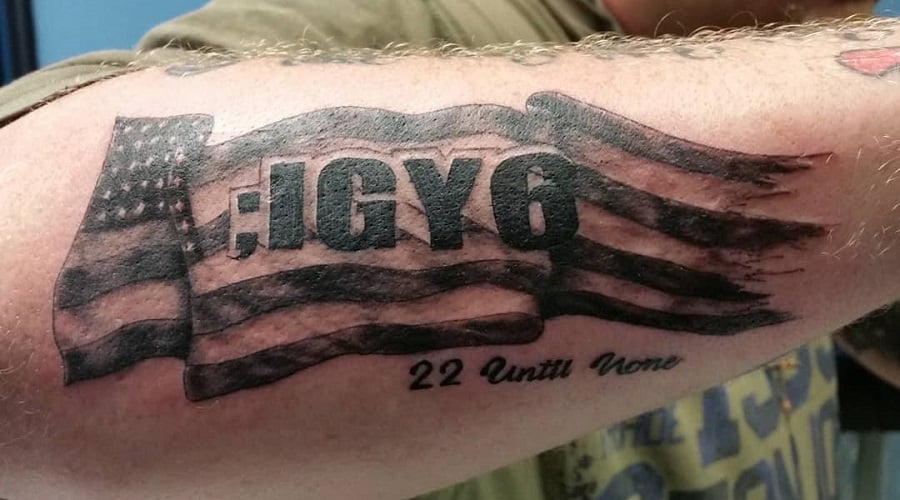

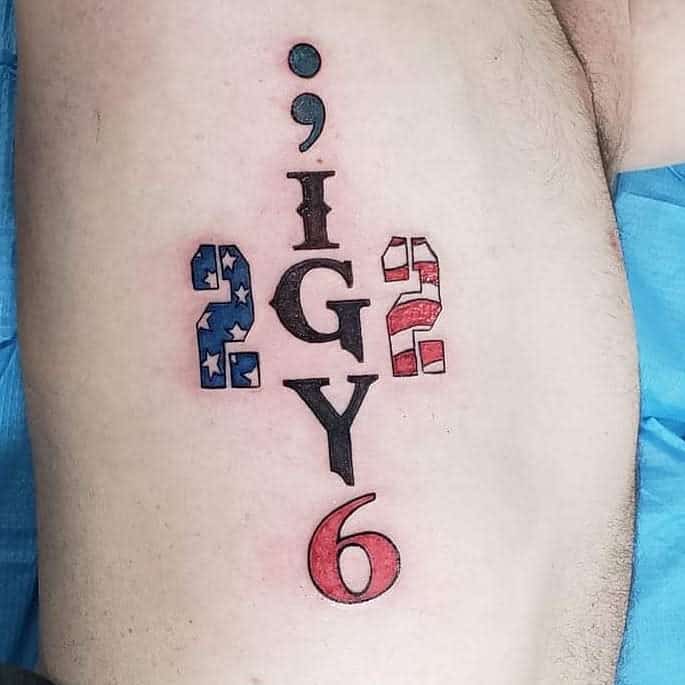
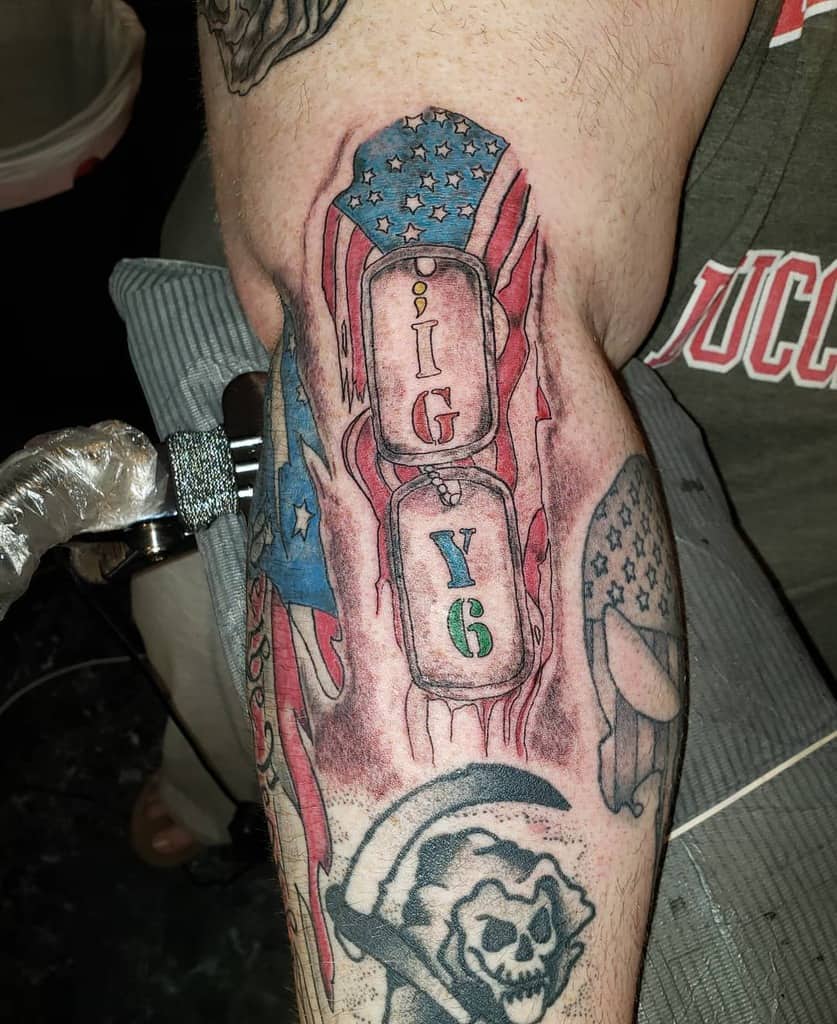
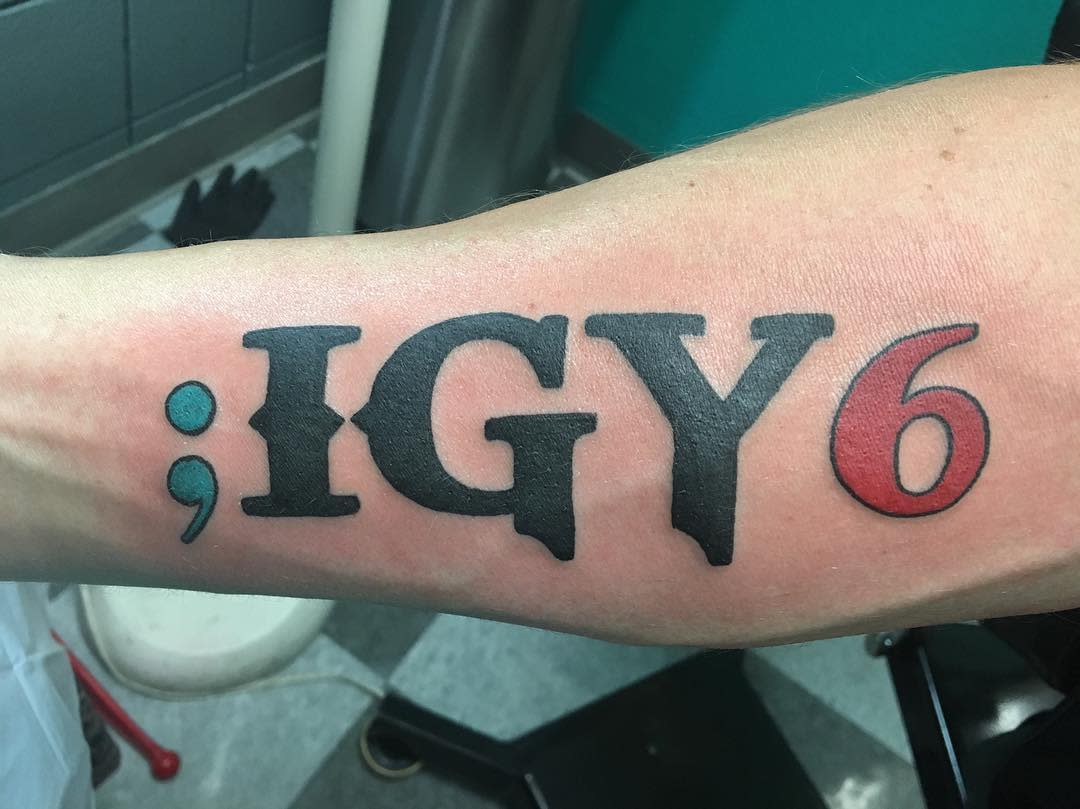
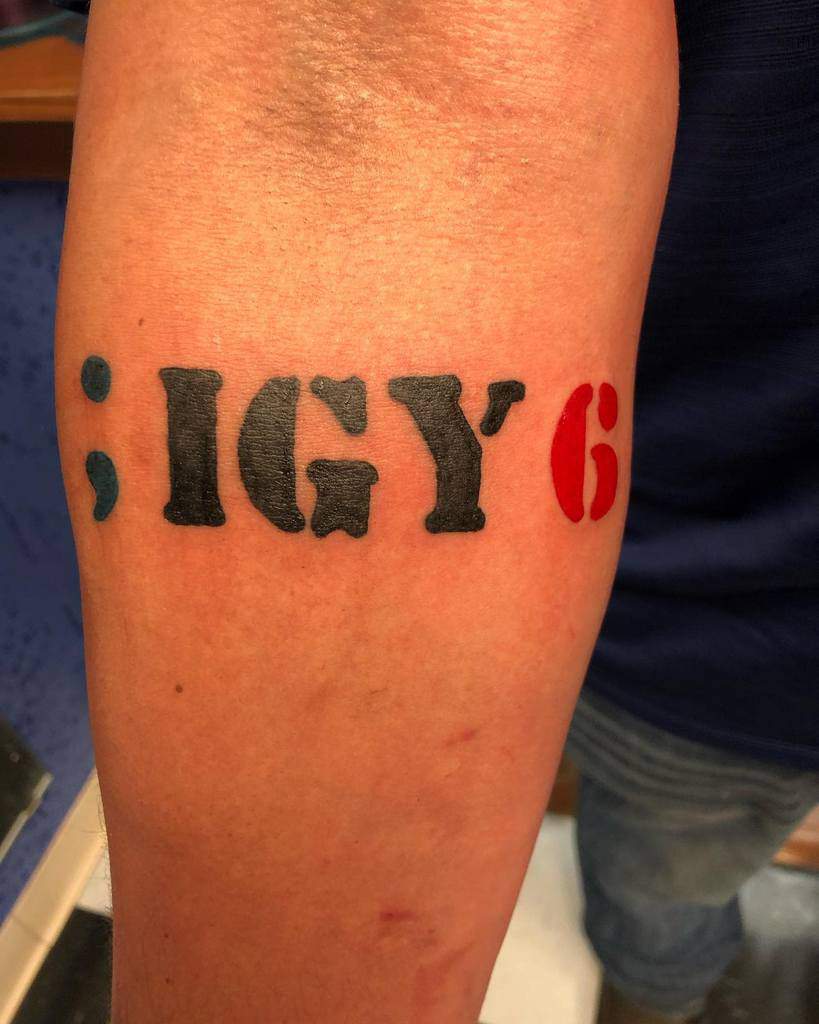
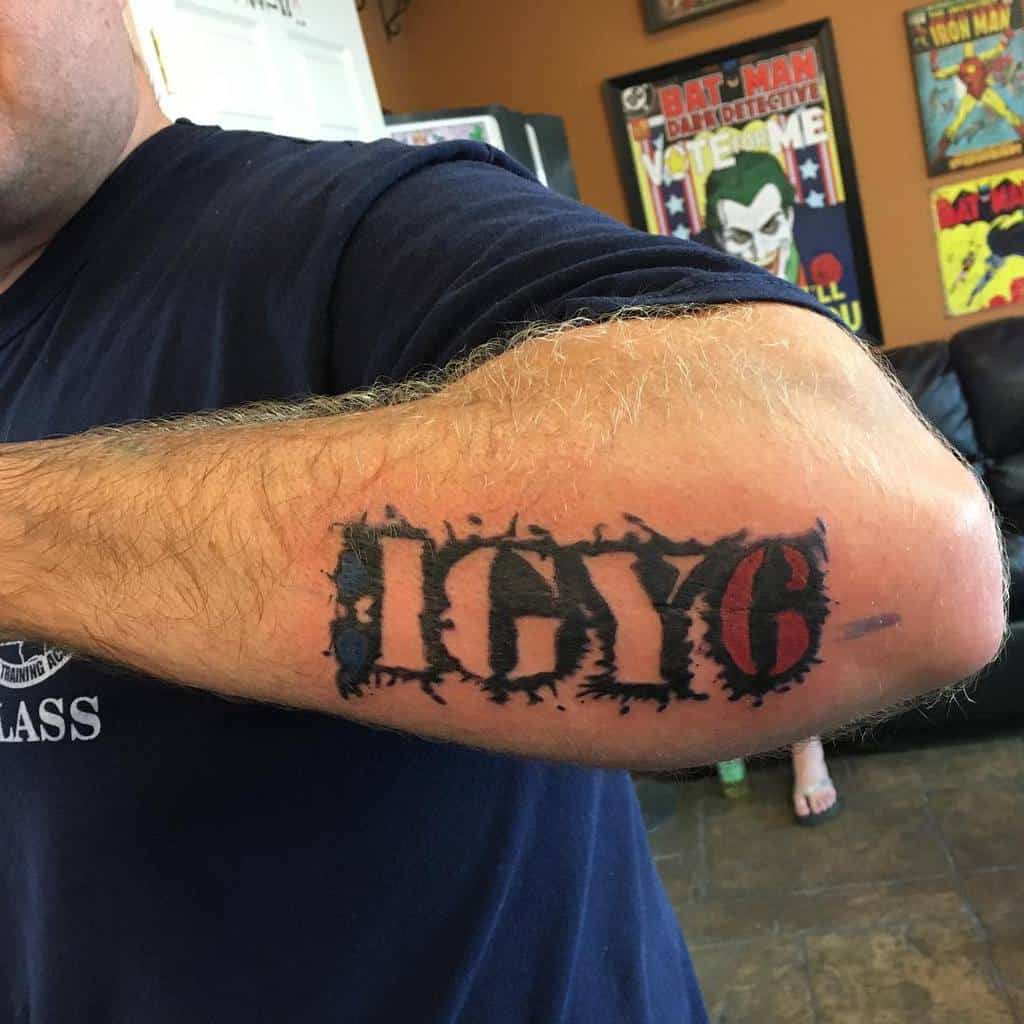
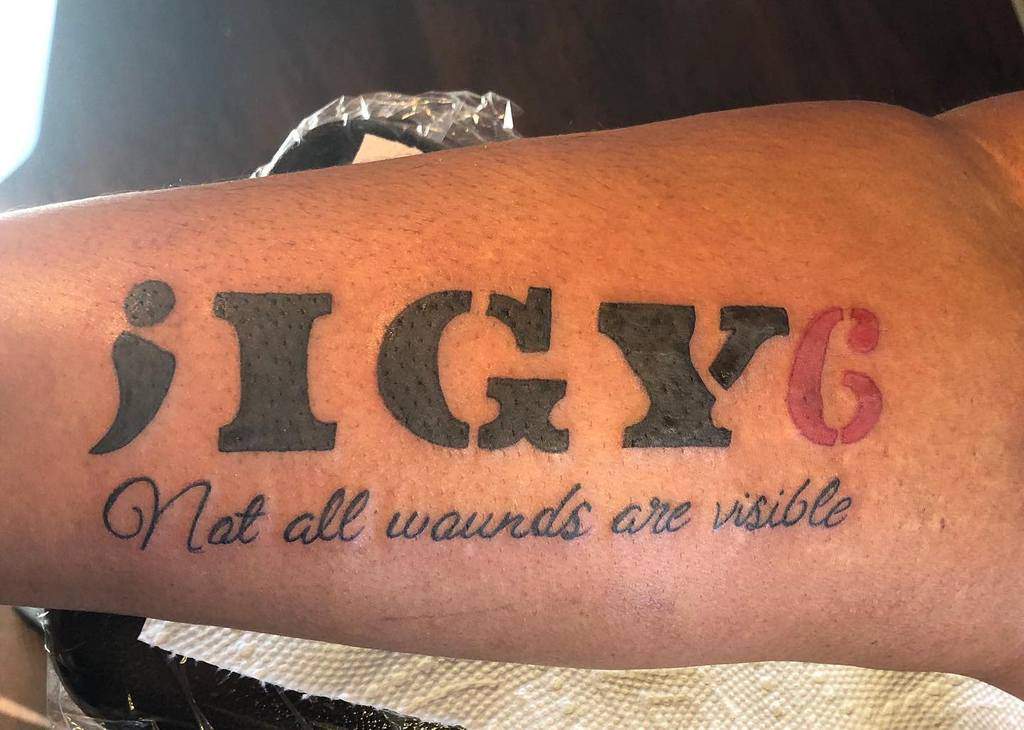
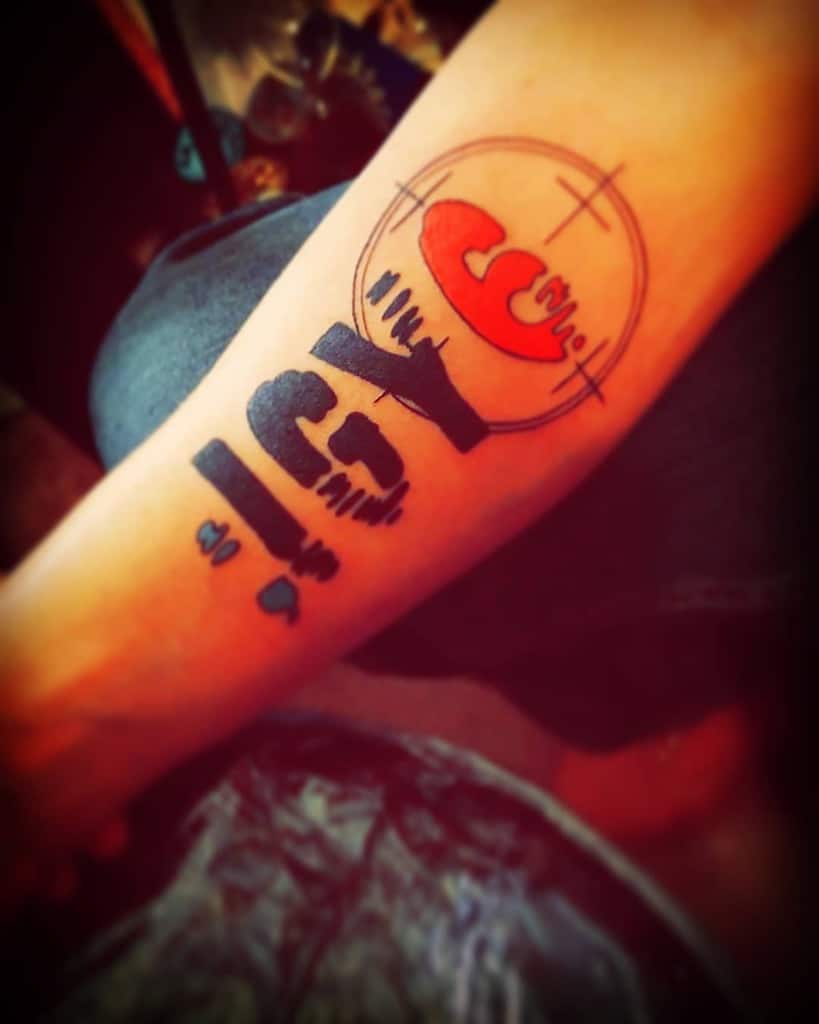
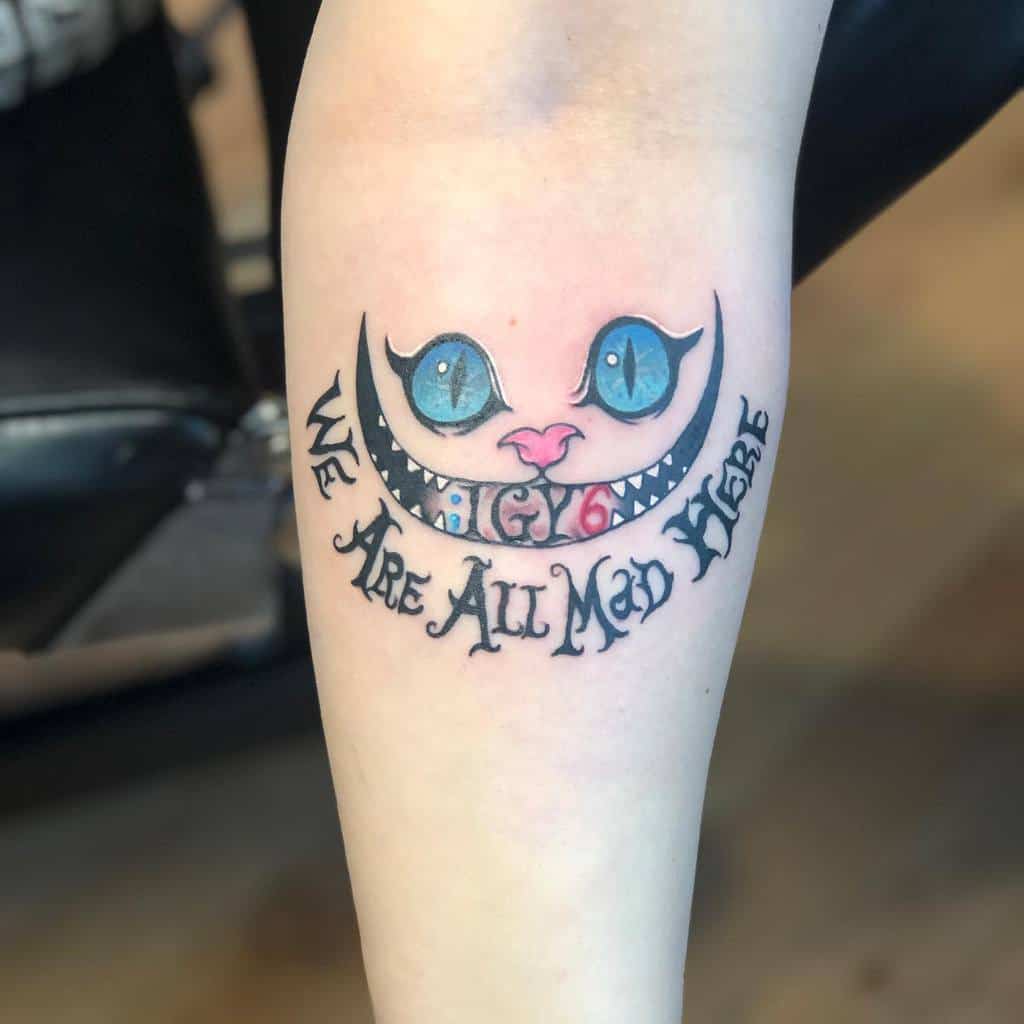
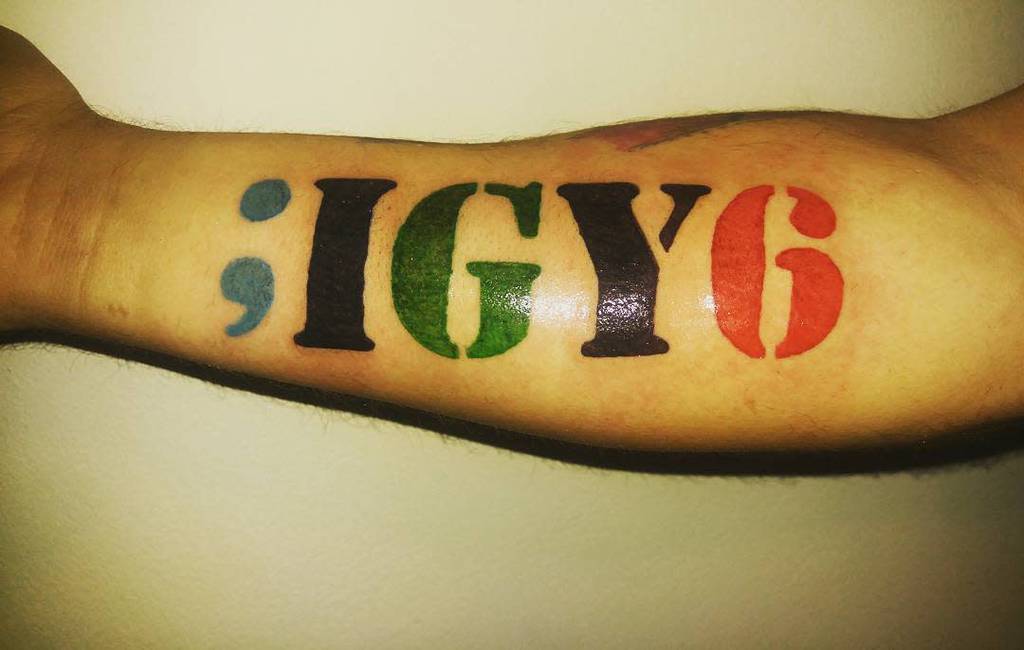
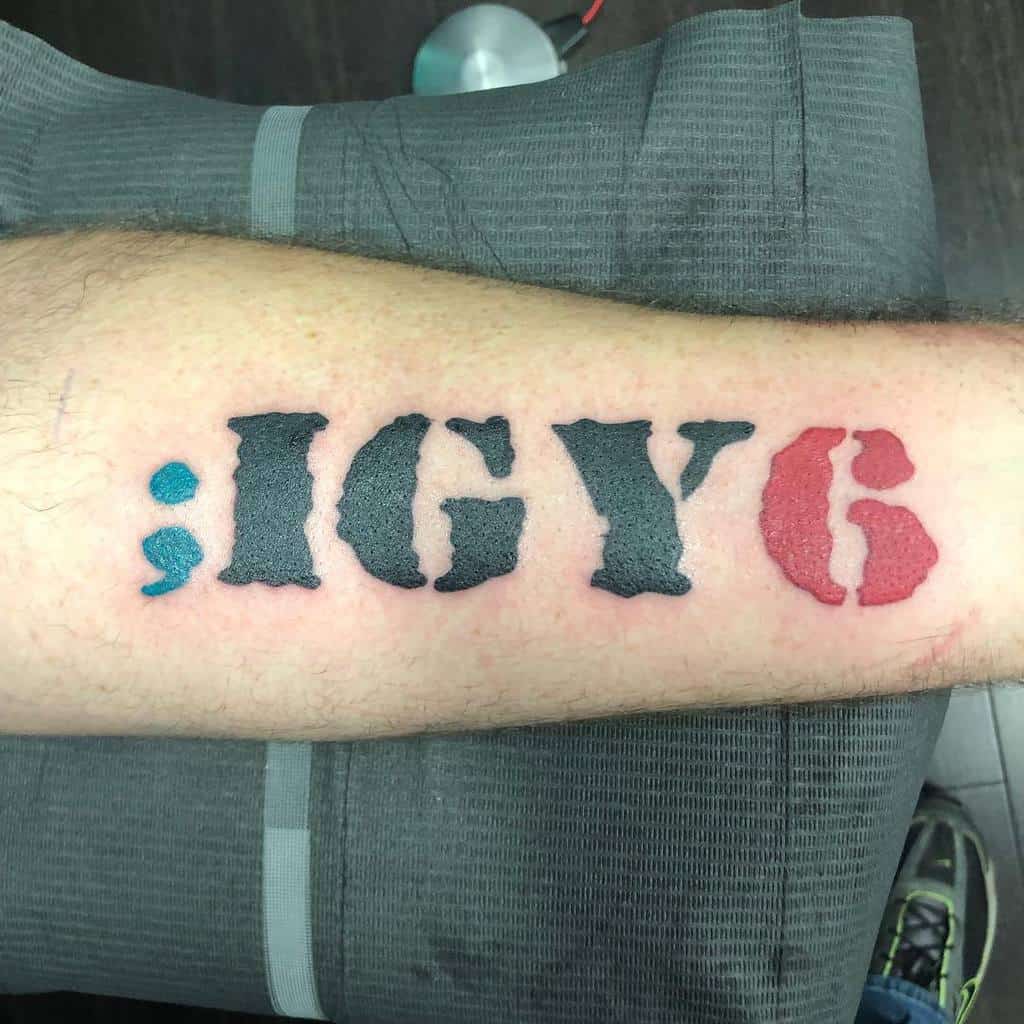
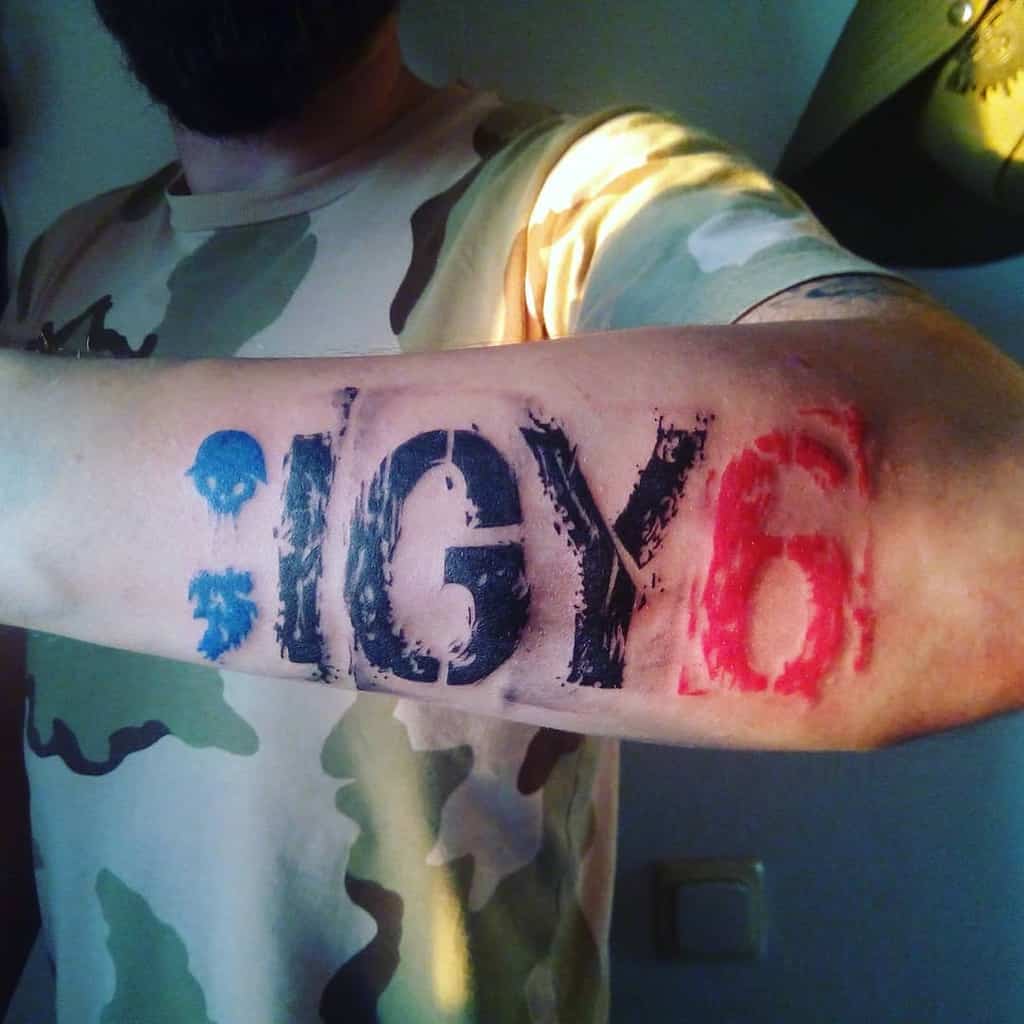
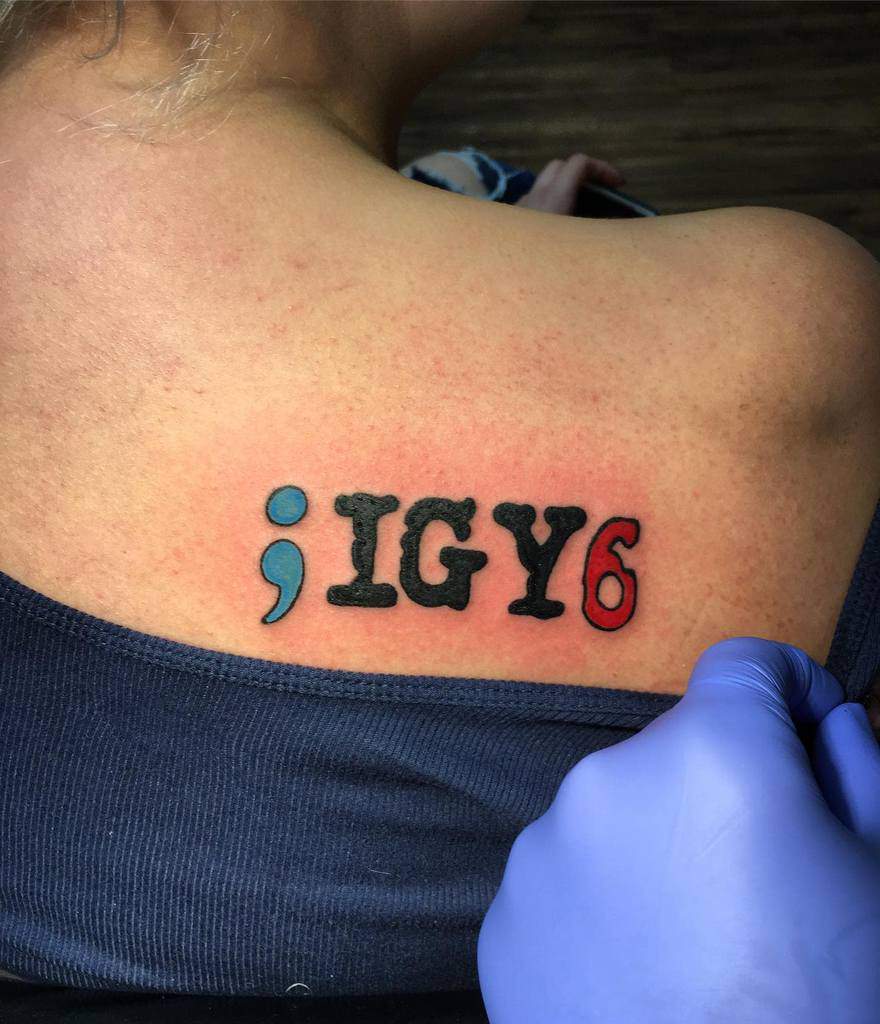
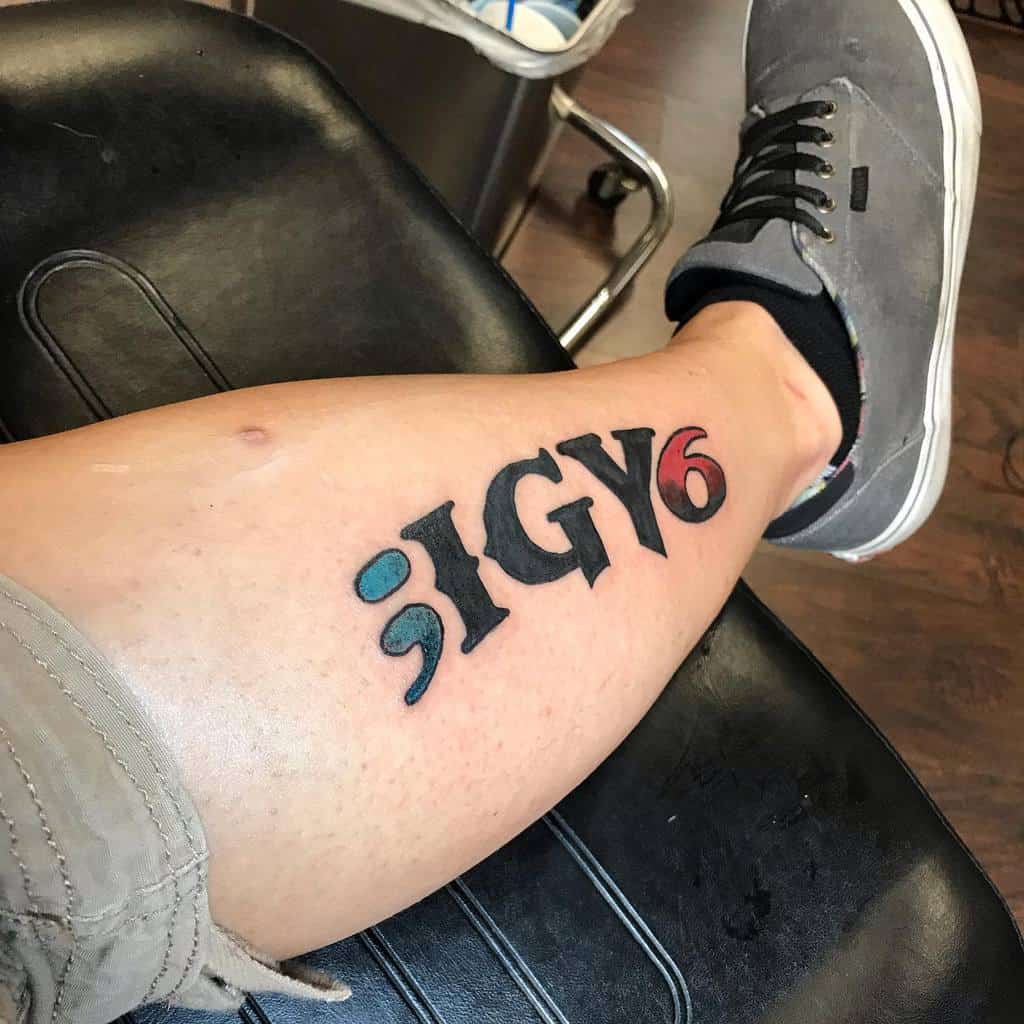
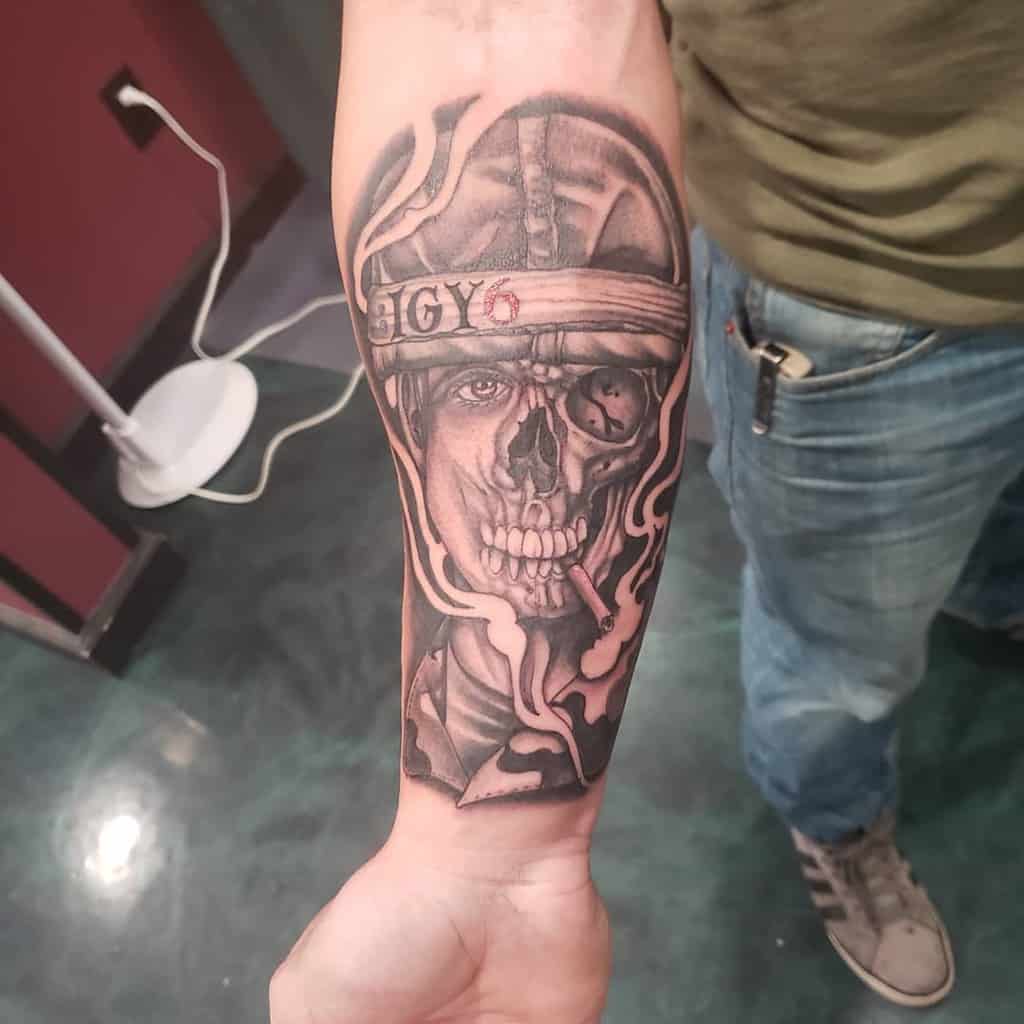
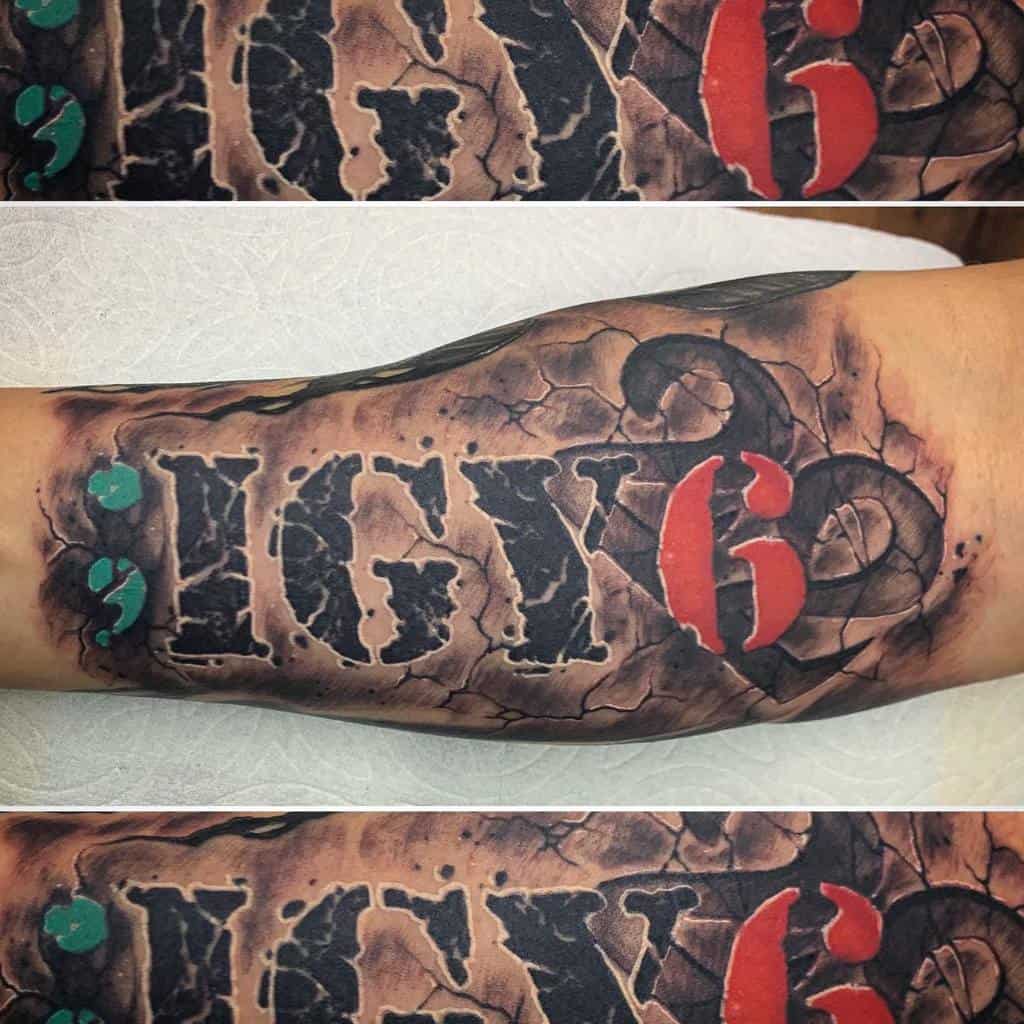
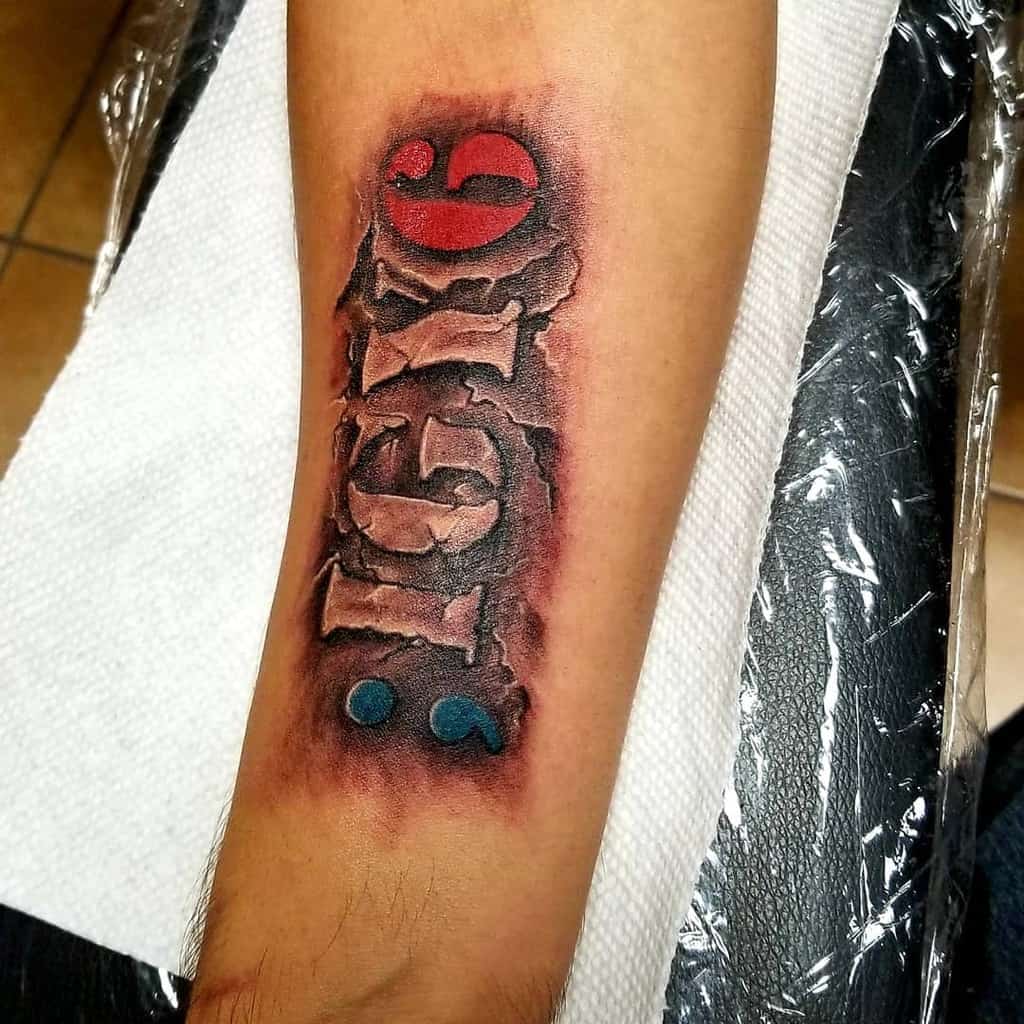
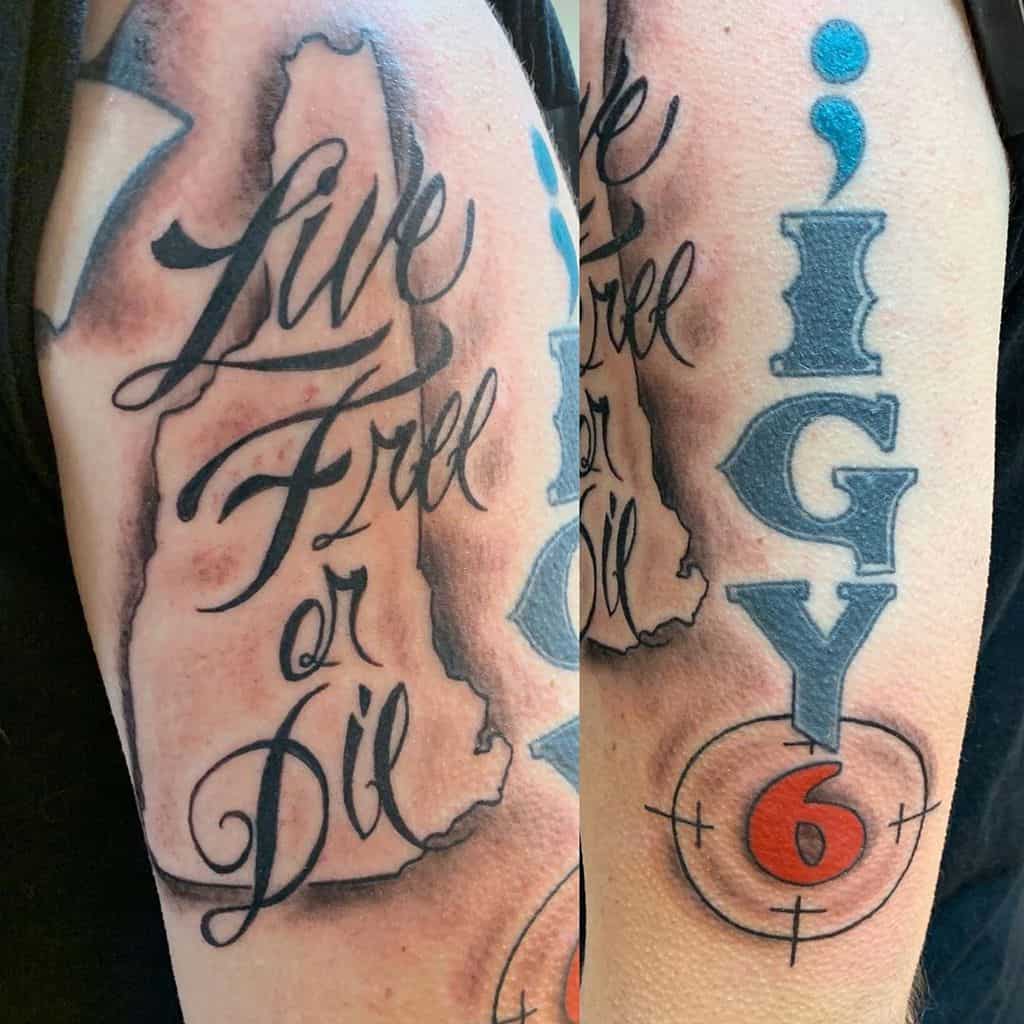
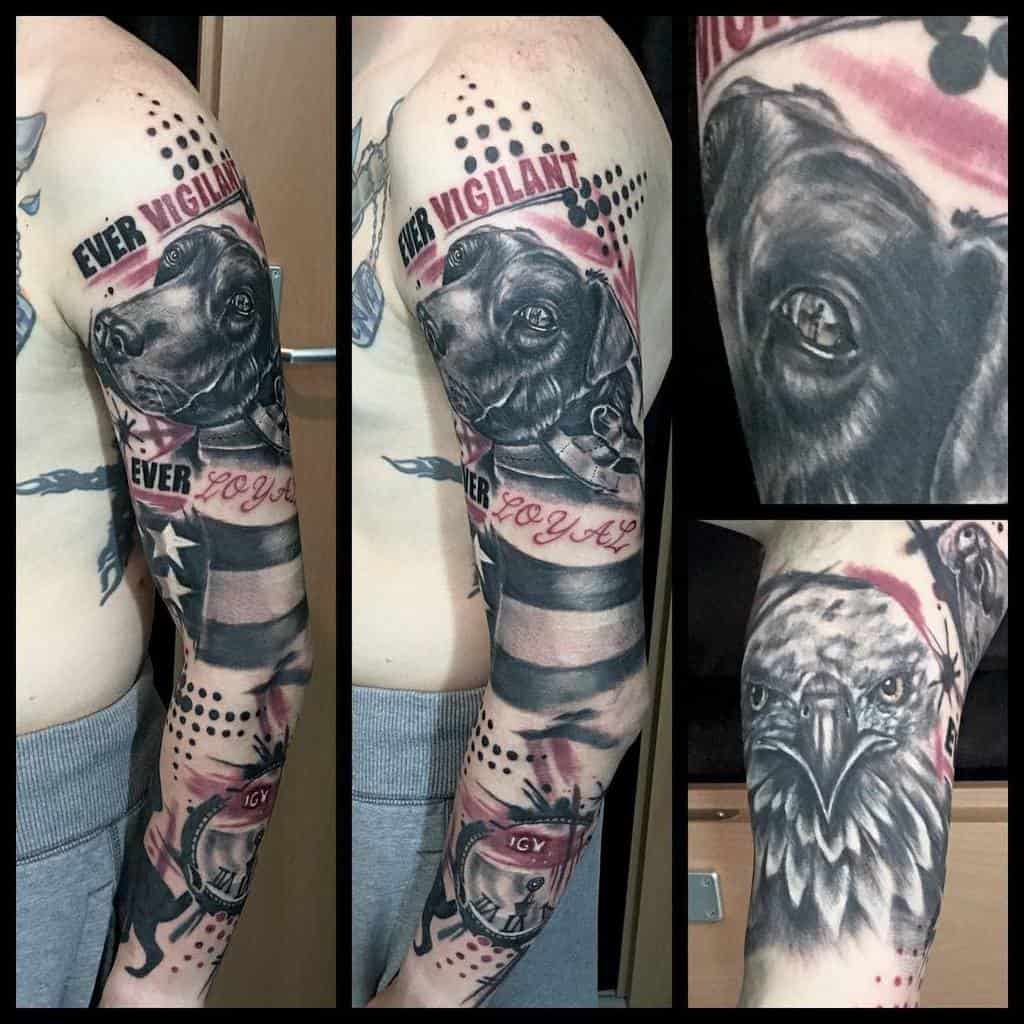
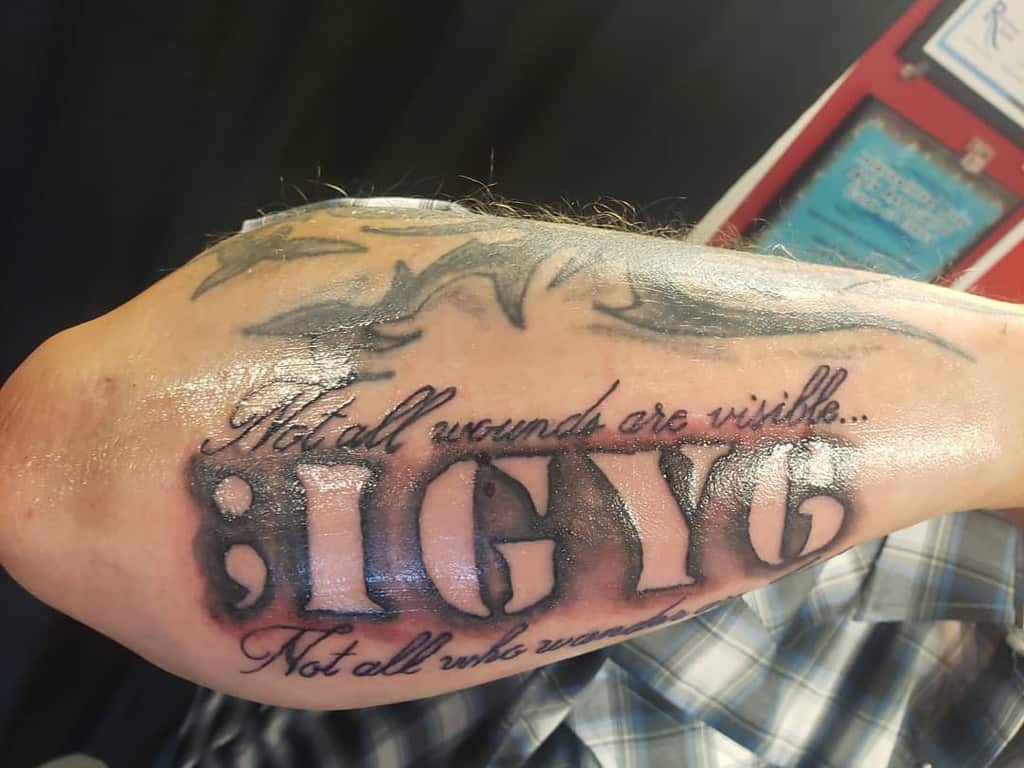
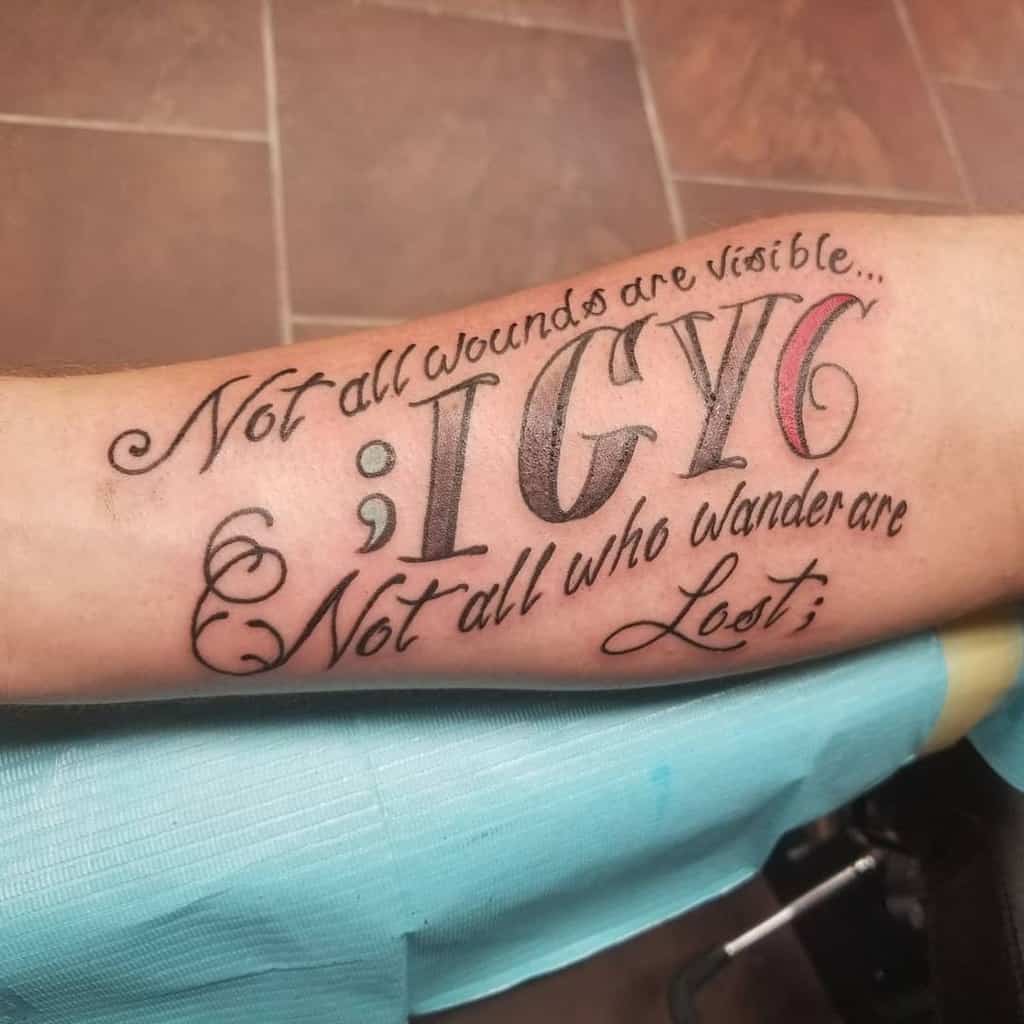
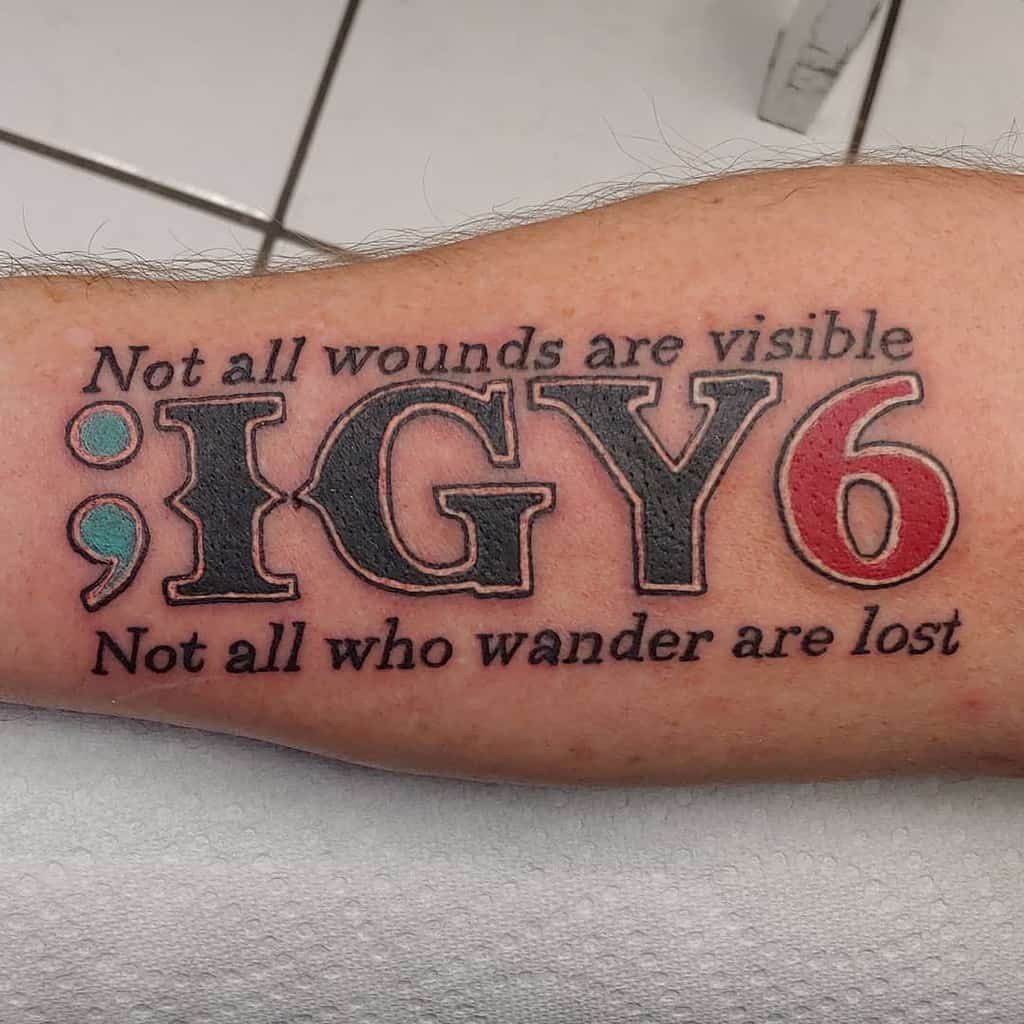
IGY6. I GOT YOUR SIX. I GOT YOUR BACK.
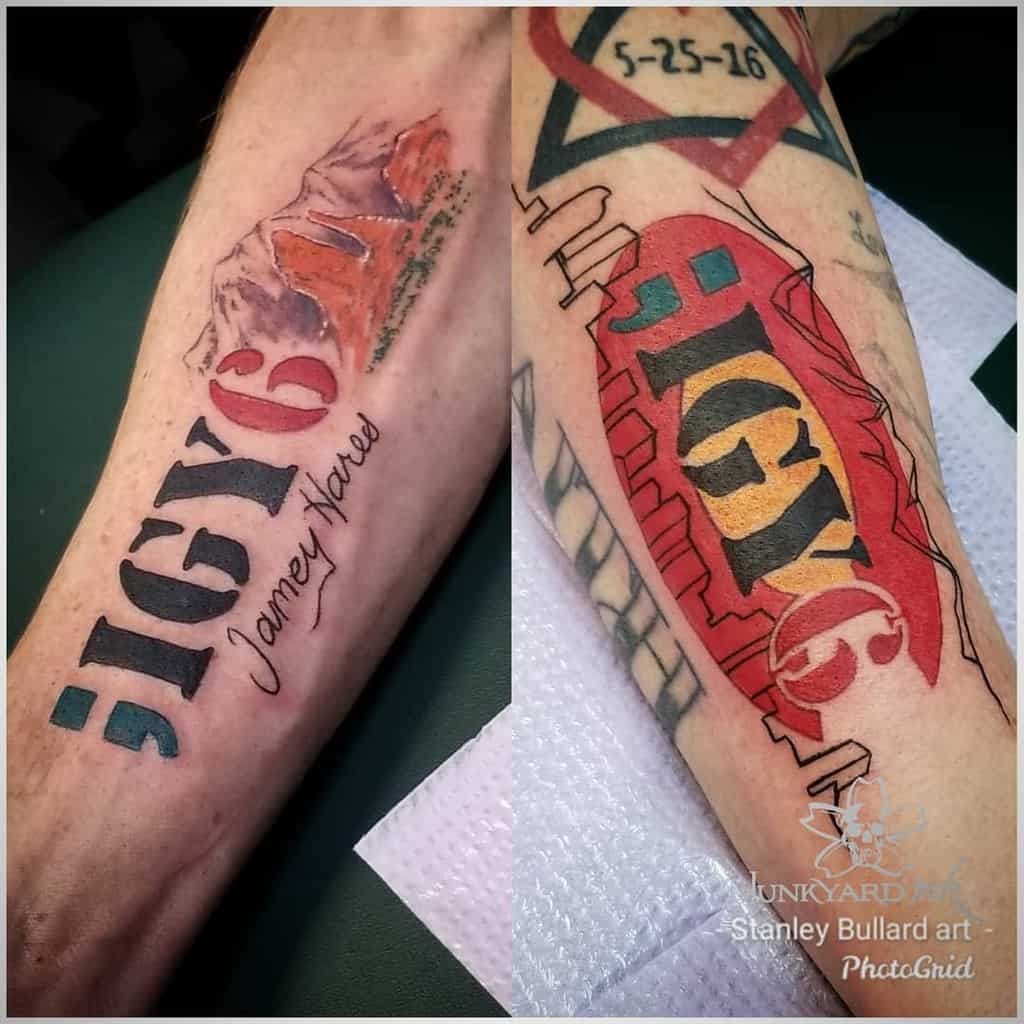
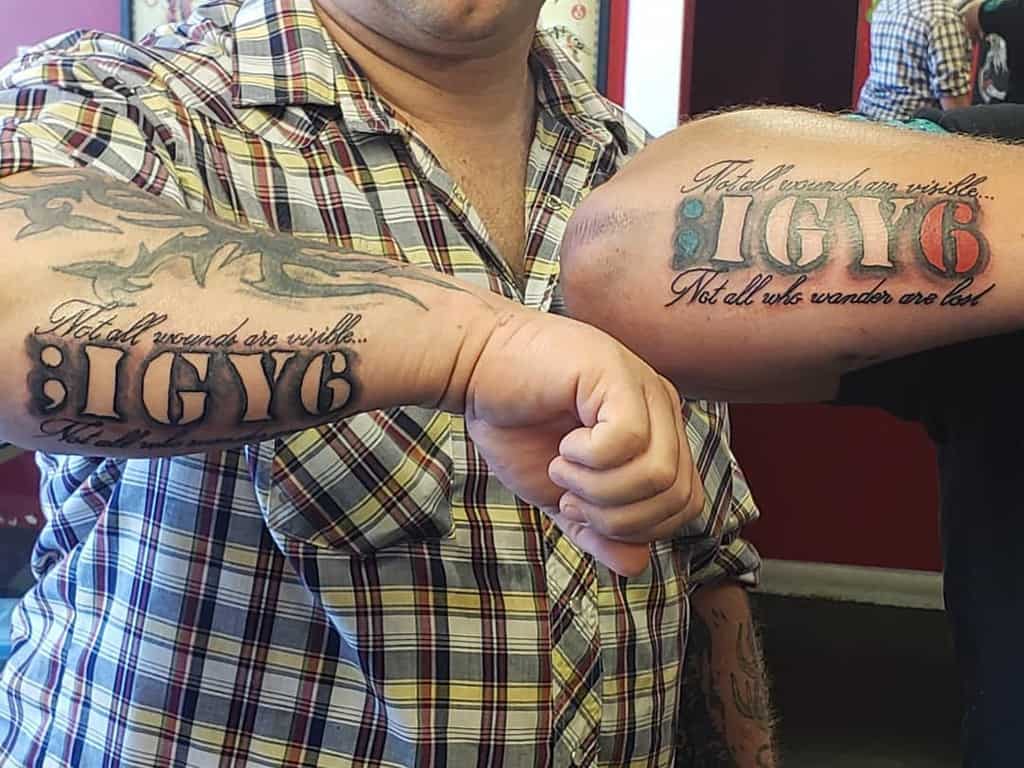
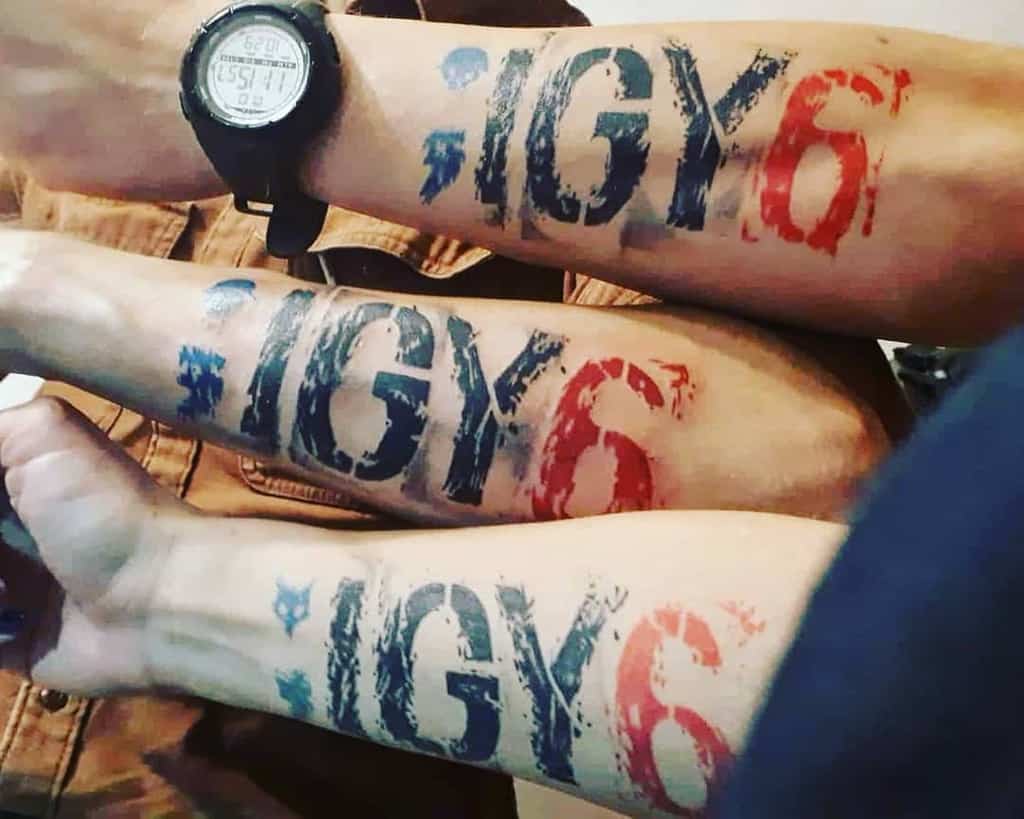
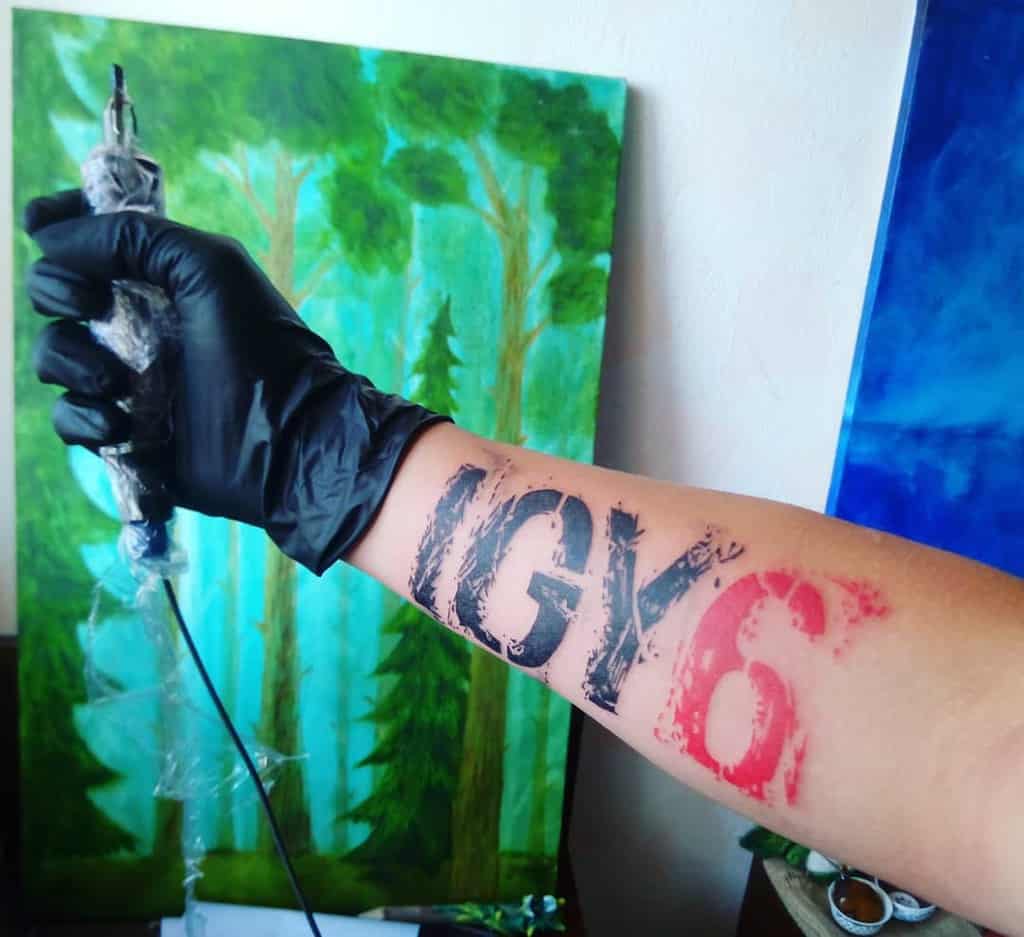
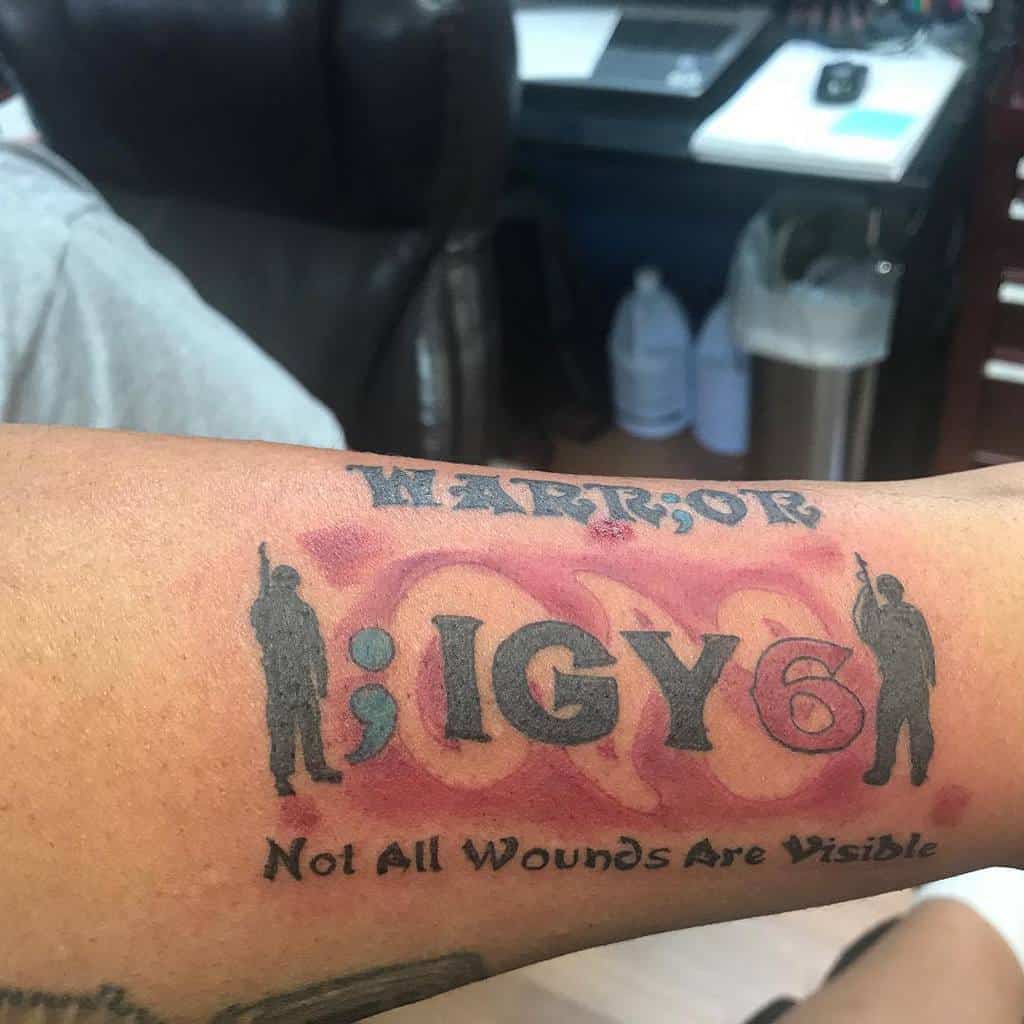
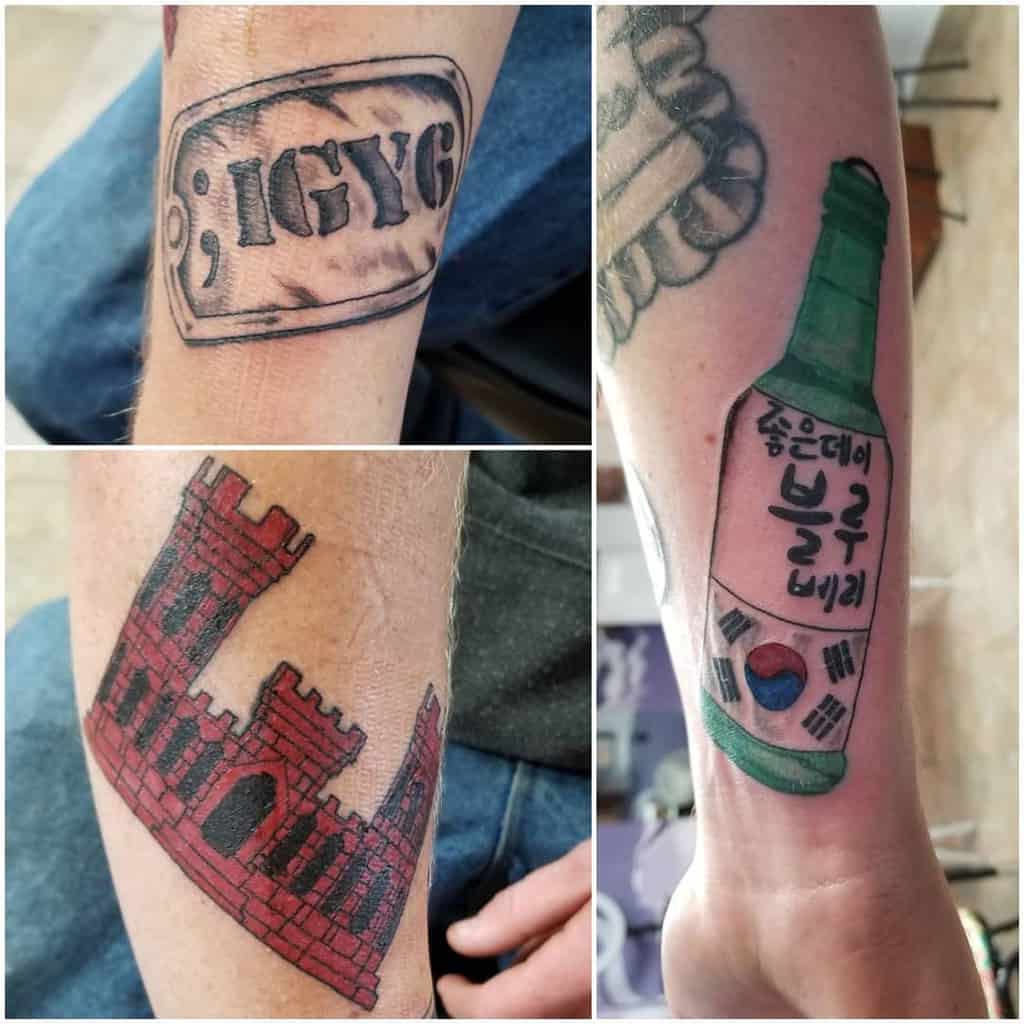
IGY6 tattoos are an identifier, particularly for military veterans who have returned stateside after service and struggled to put the past behind them and re-acclimate to the world.
The ink ties to the abbreviation for military protection terminology. It’s a means of shared identification for those men and women who are attempting to get on with life while suffering depression and Post Traumatic Stress Disorder (PTSD).
You are not alone struggling with PTSD and mental health issues. There are others feeling the same pain, experiencing the same issues and challenges. They have your back, and you can have theirs.
Read on for 85 examples of IGY6 tattoo concepts, while towards the end of the article is a useful FAQ section to broaden your knowledge behind this IGY6 design and gain a better understanding of the symbolism.
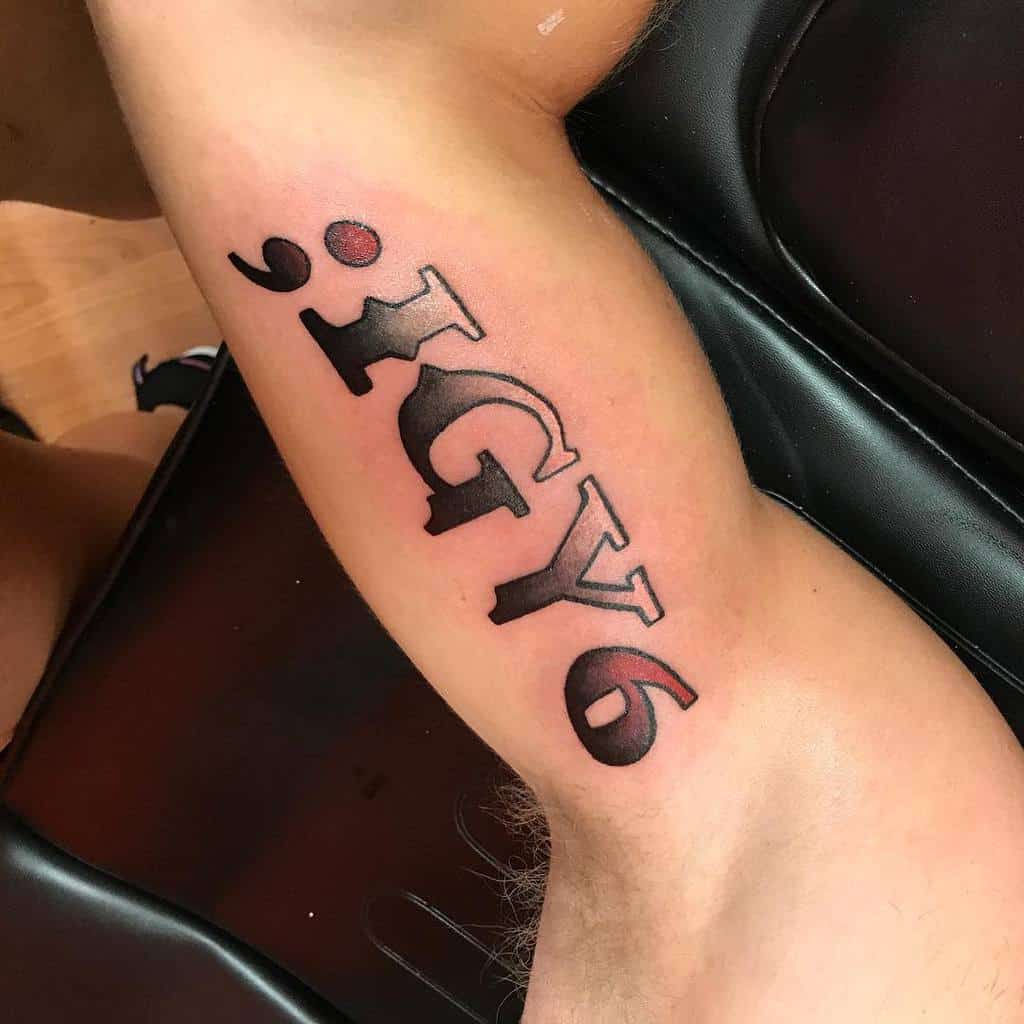
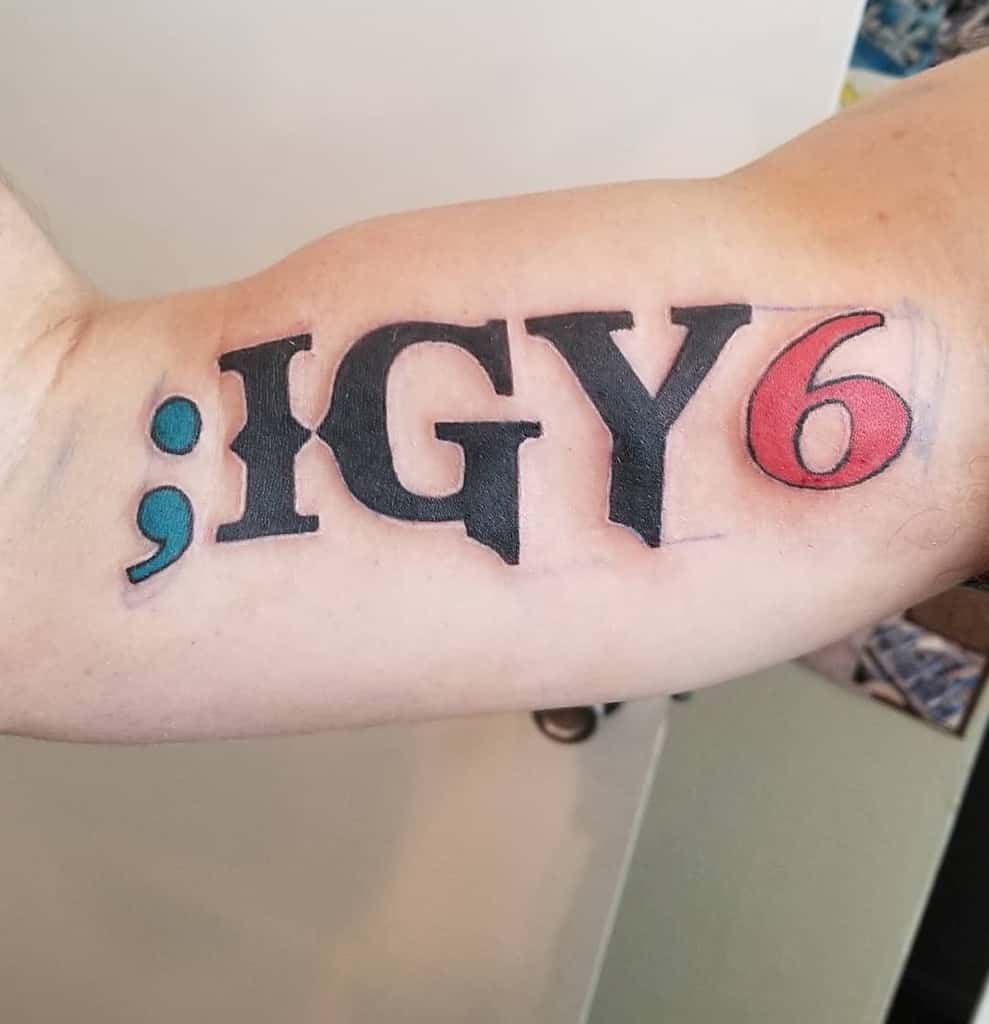
1. Upper Arm and Bicep Tattoos
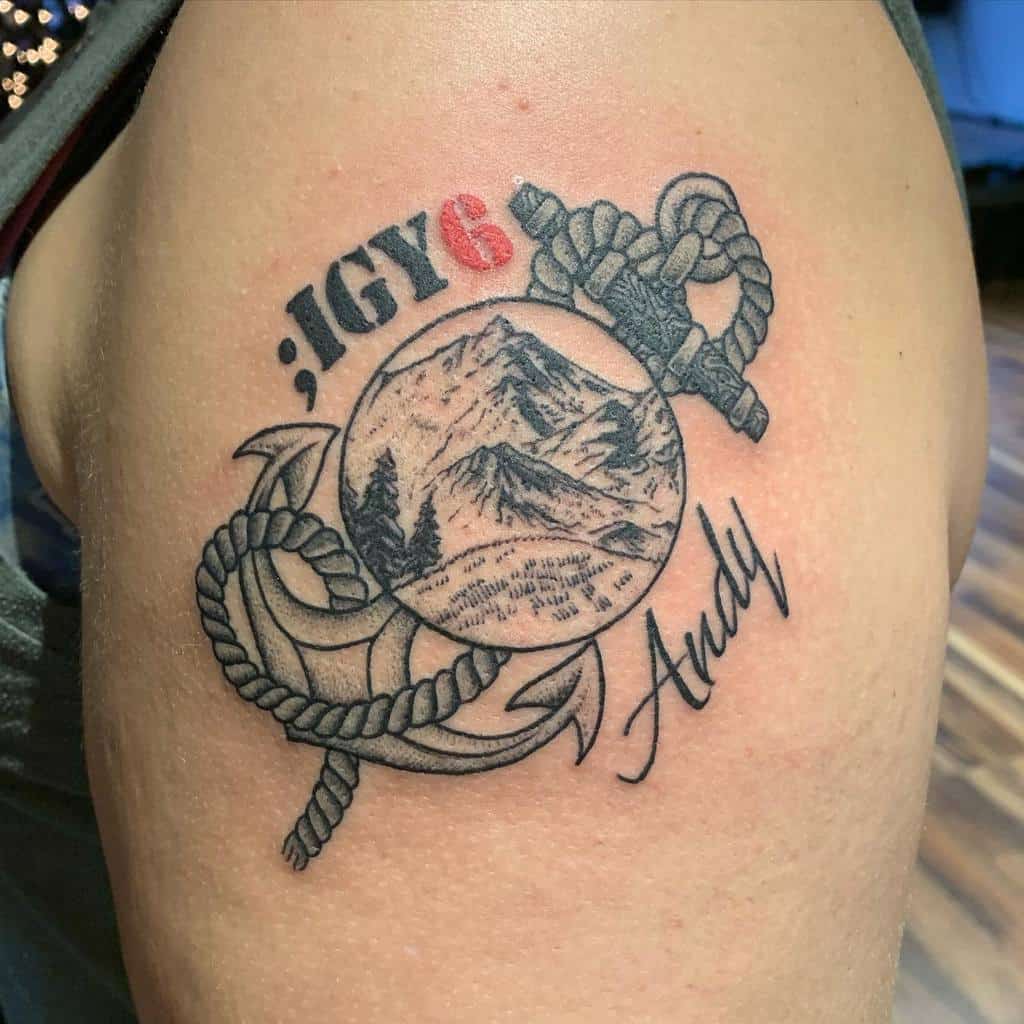
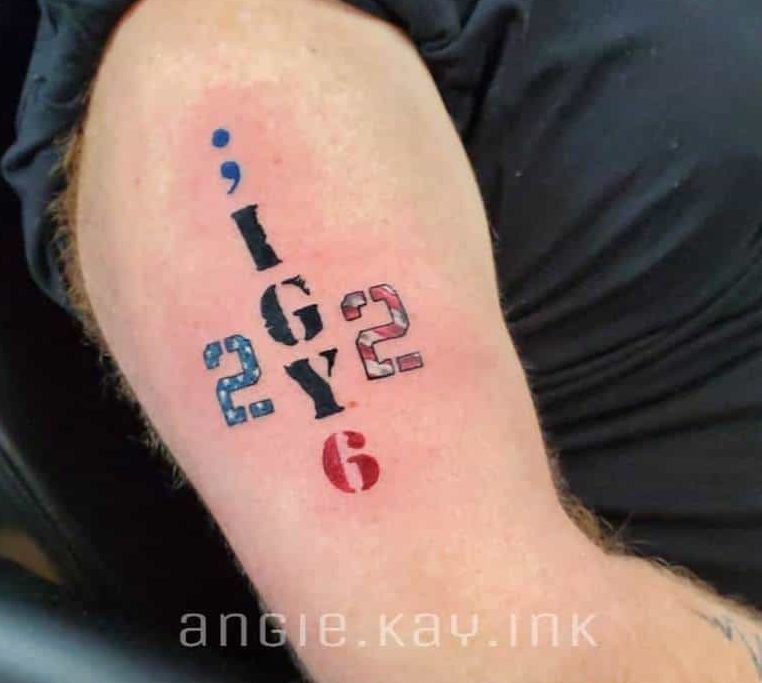
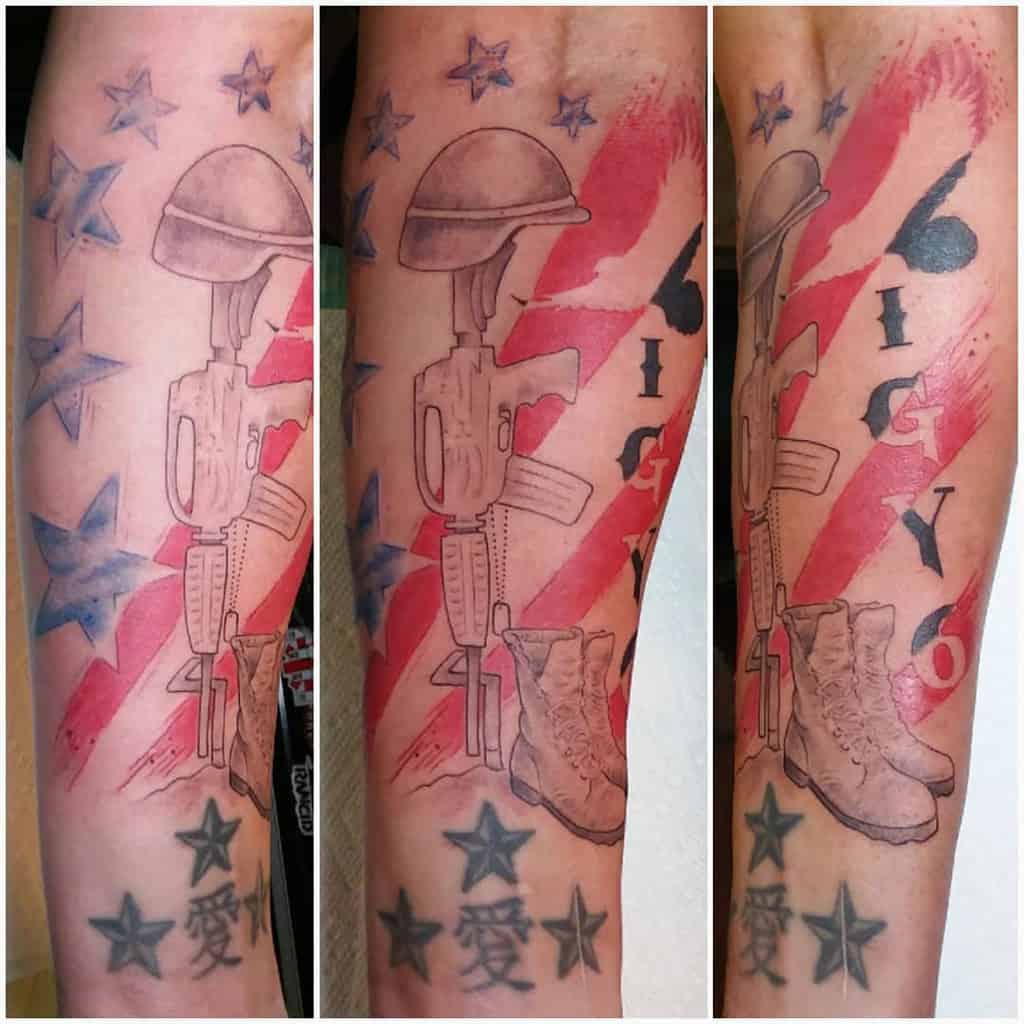
2. PTSD Tattoo Designs and the US Flag
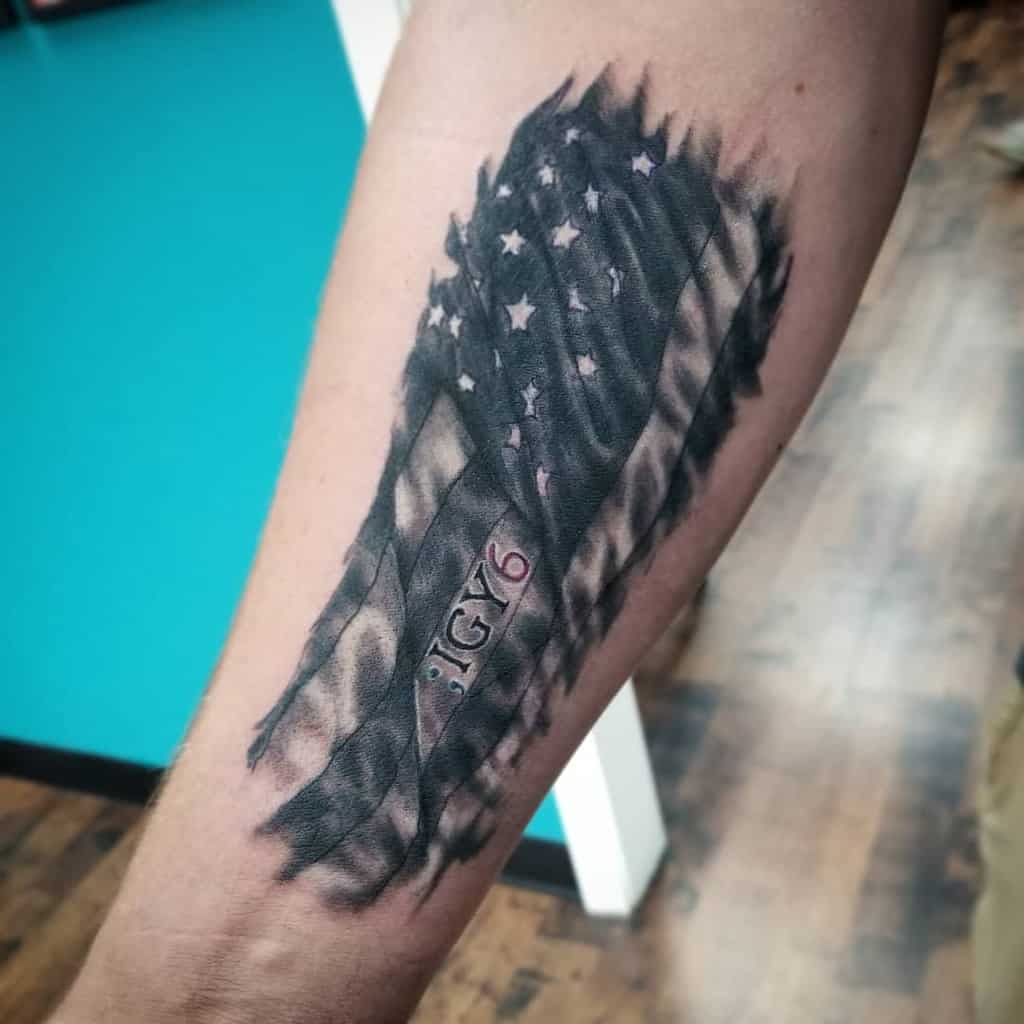
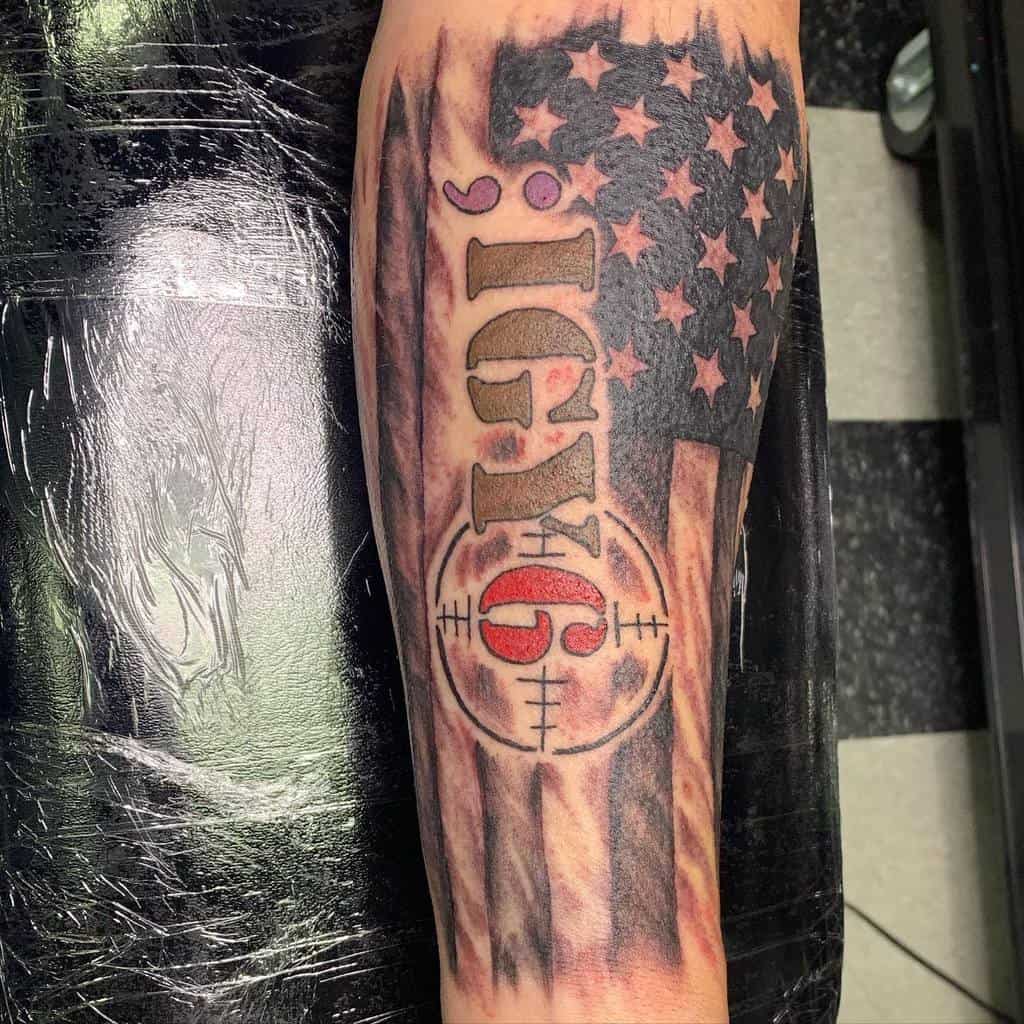
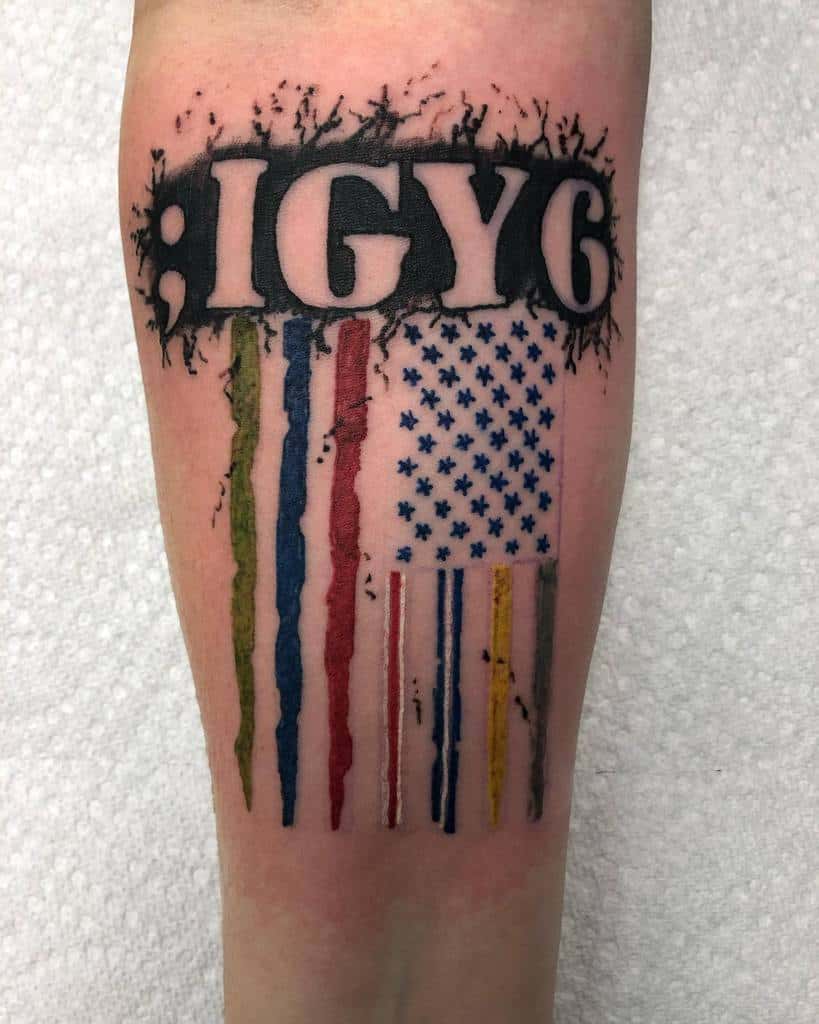
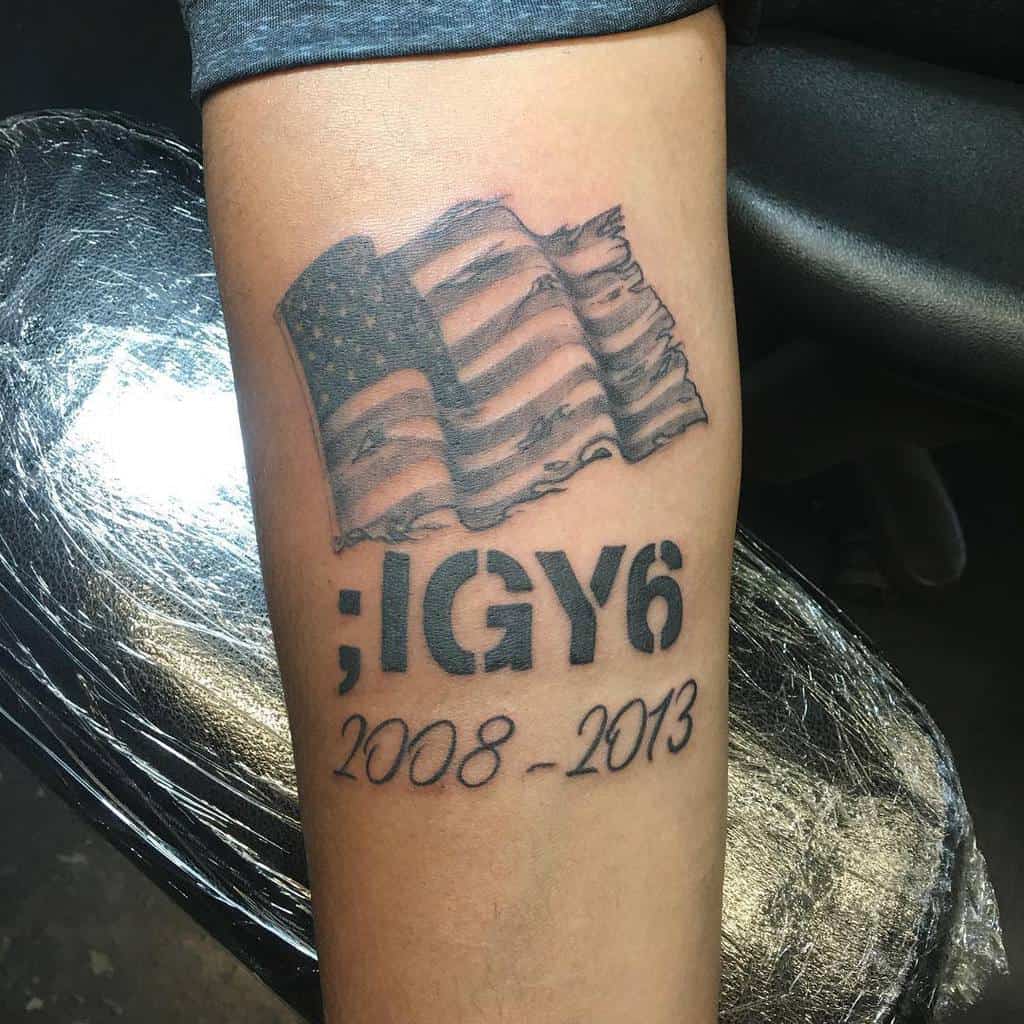
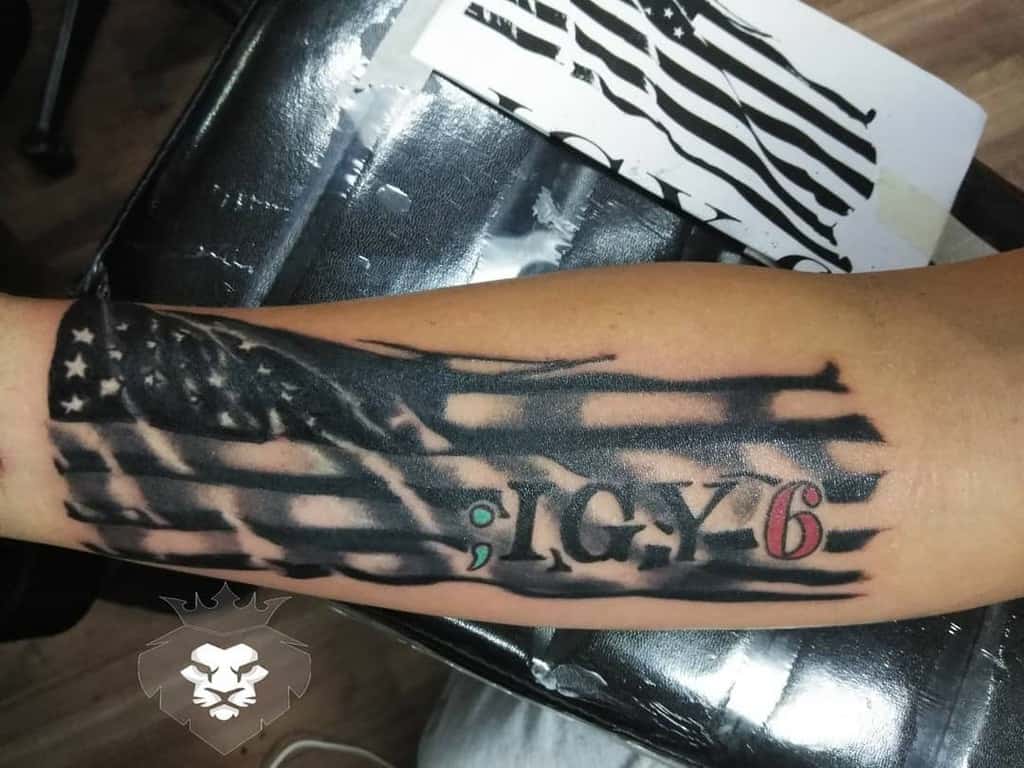
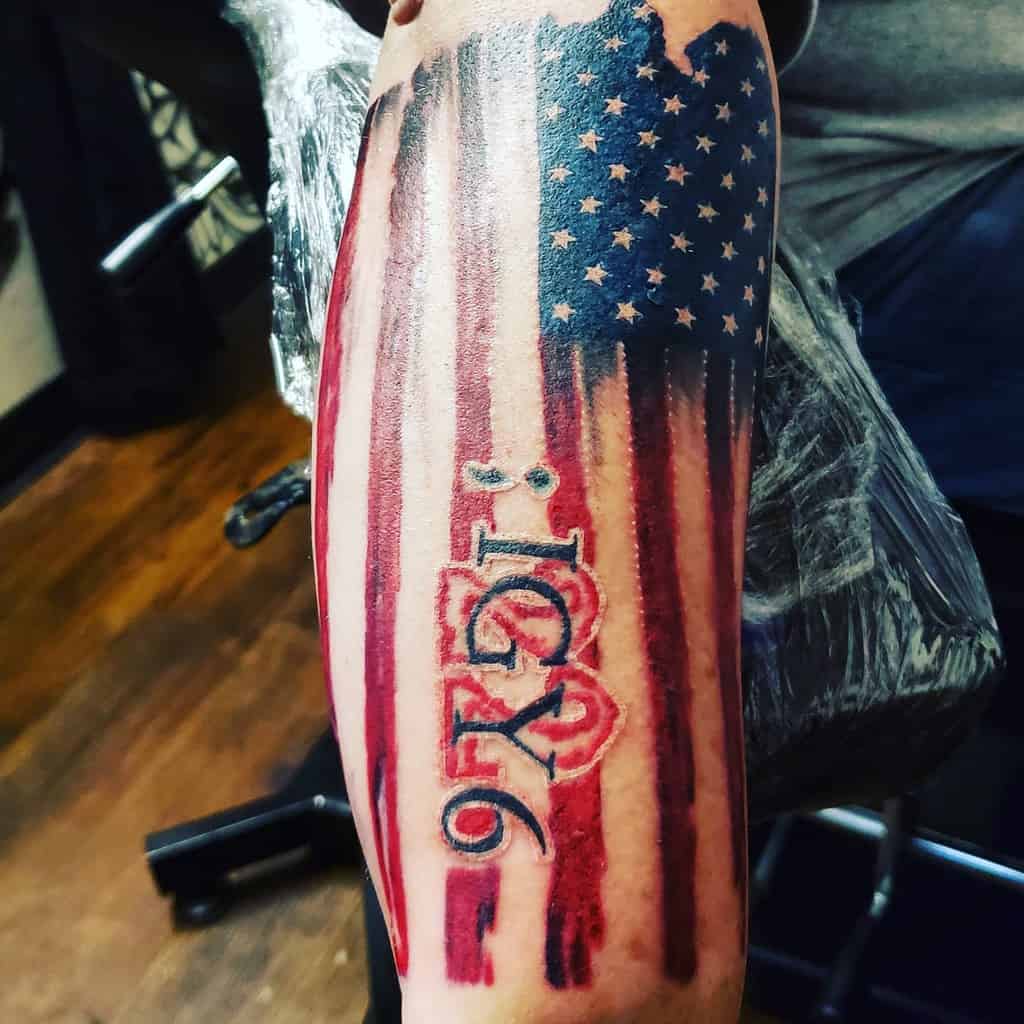
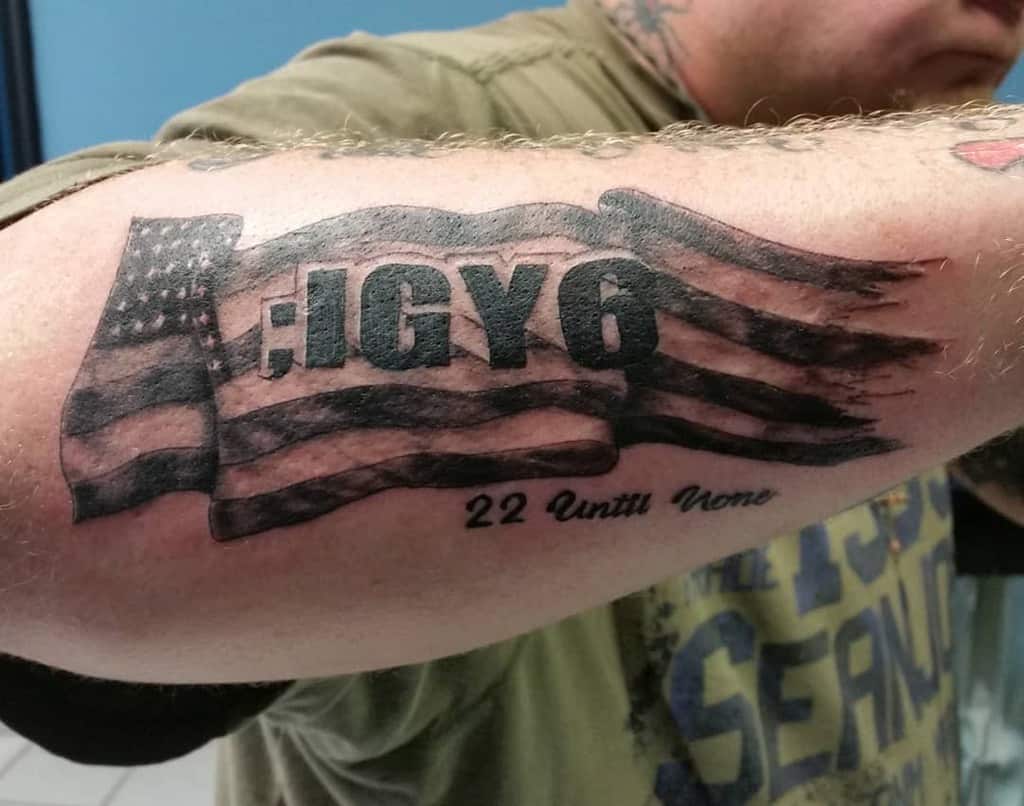
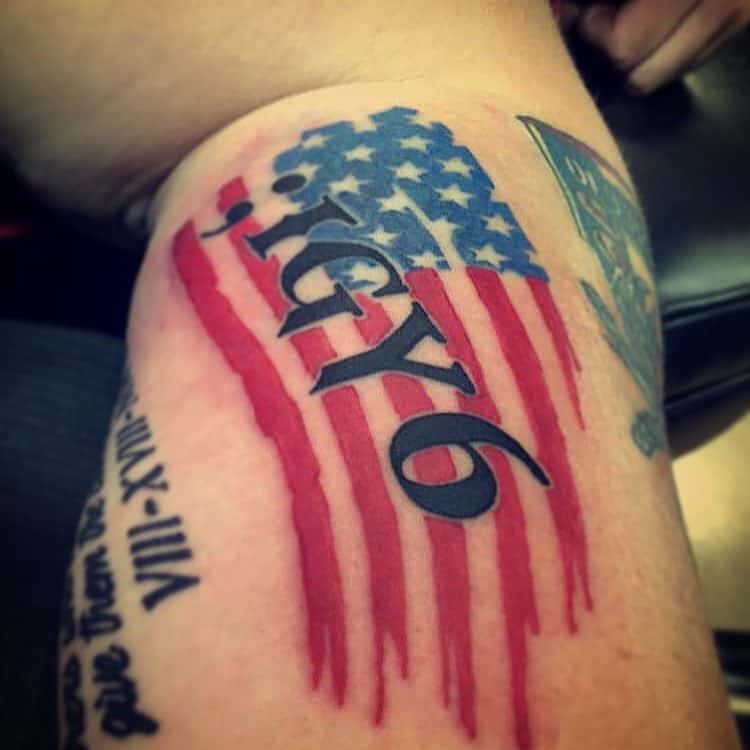
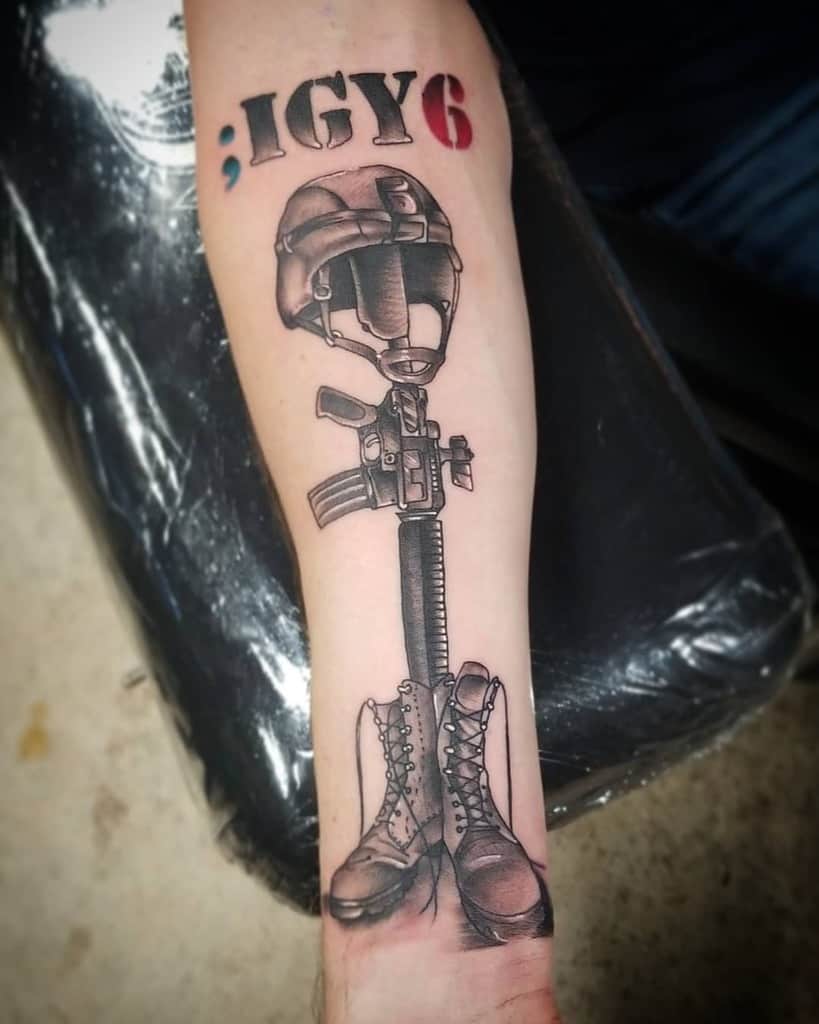
3. Forearm Tattoo Ideas
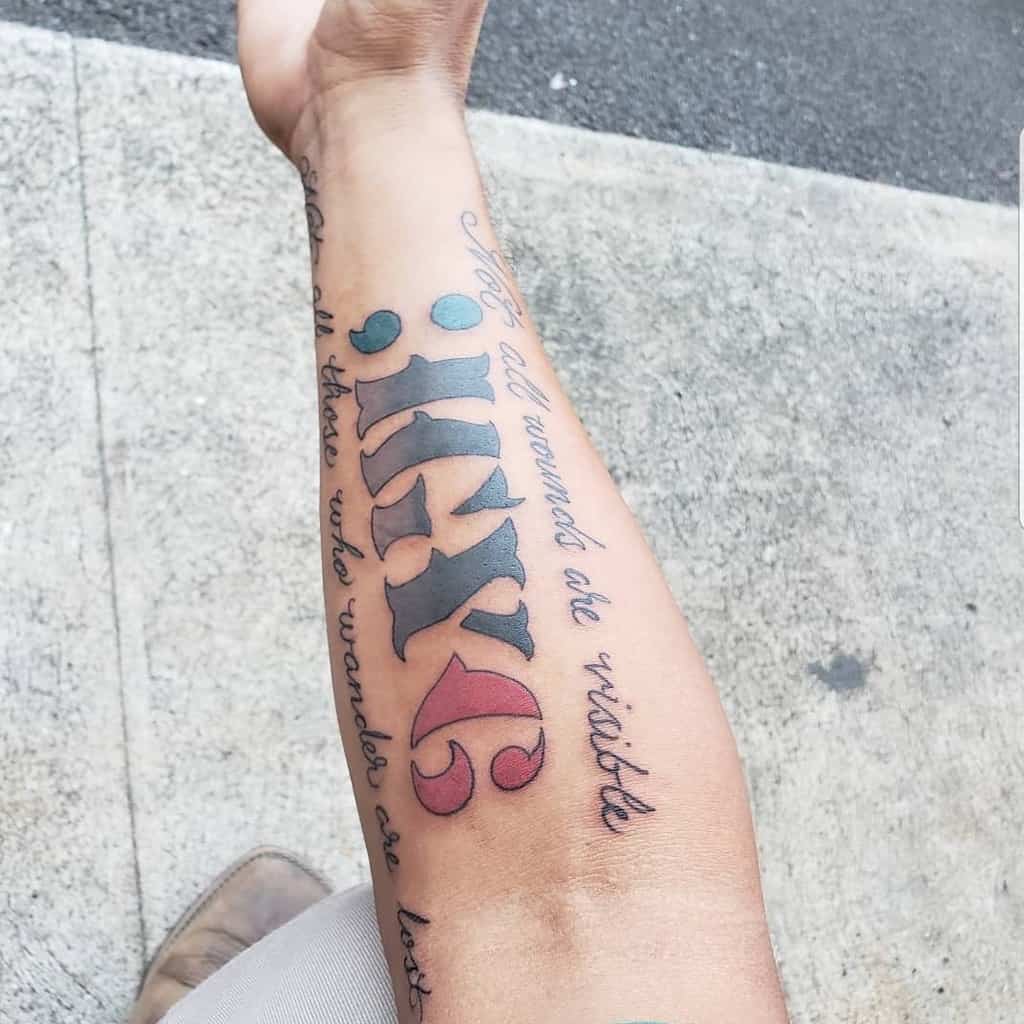
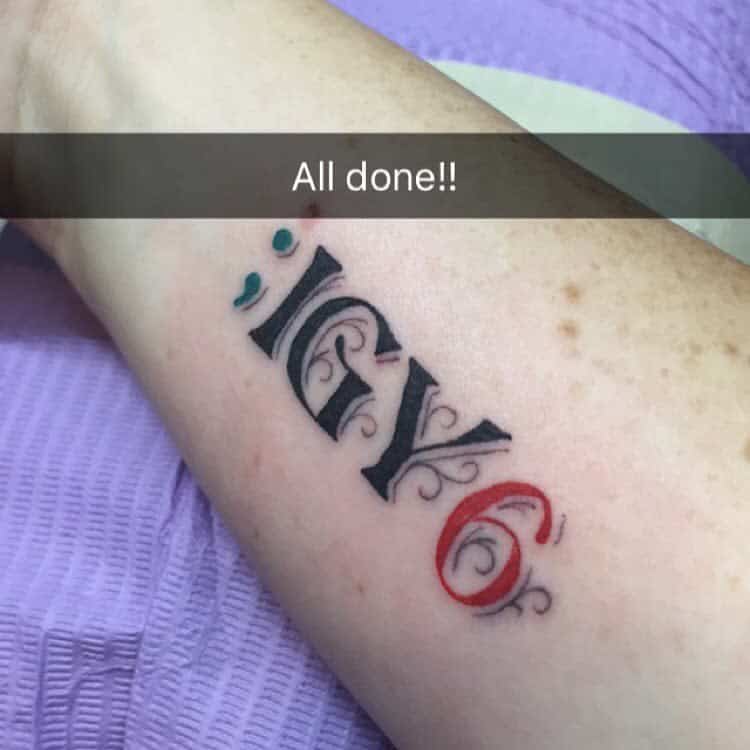
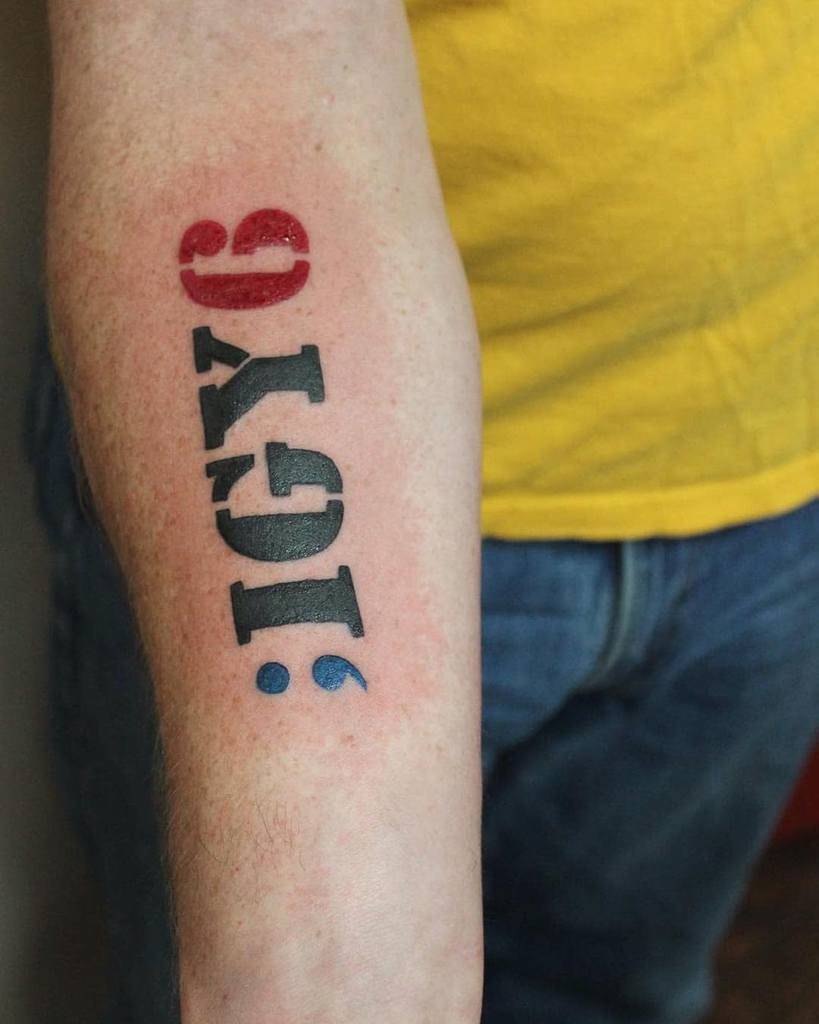
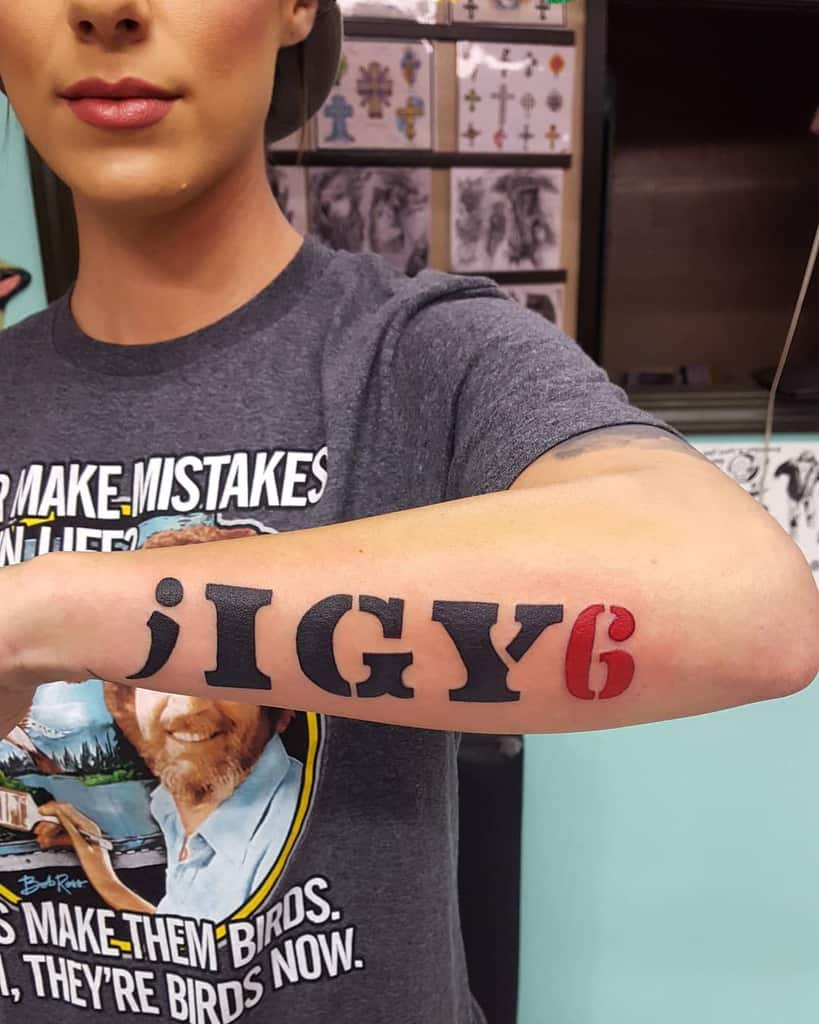
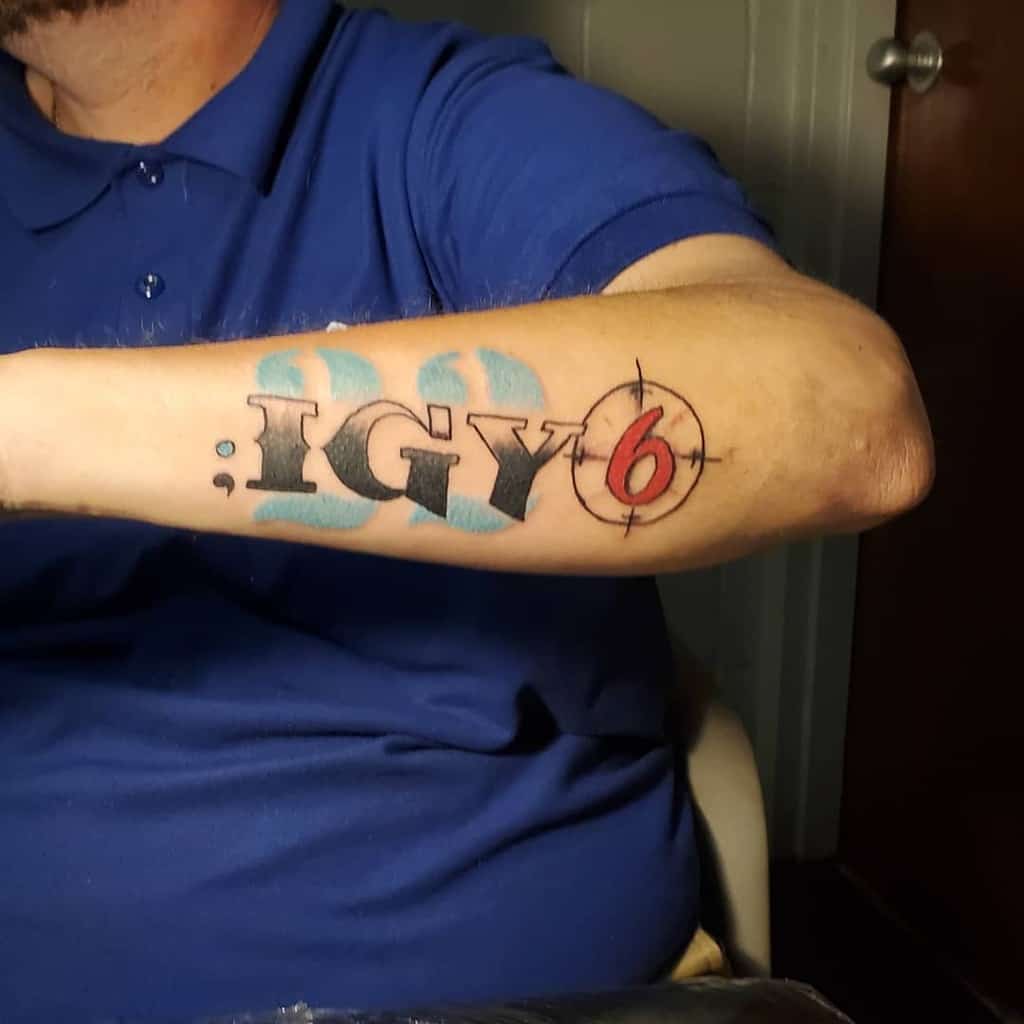
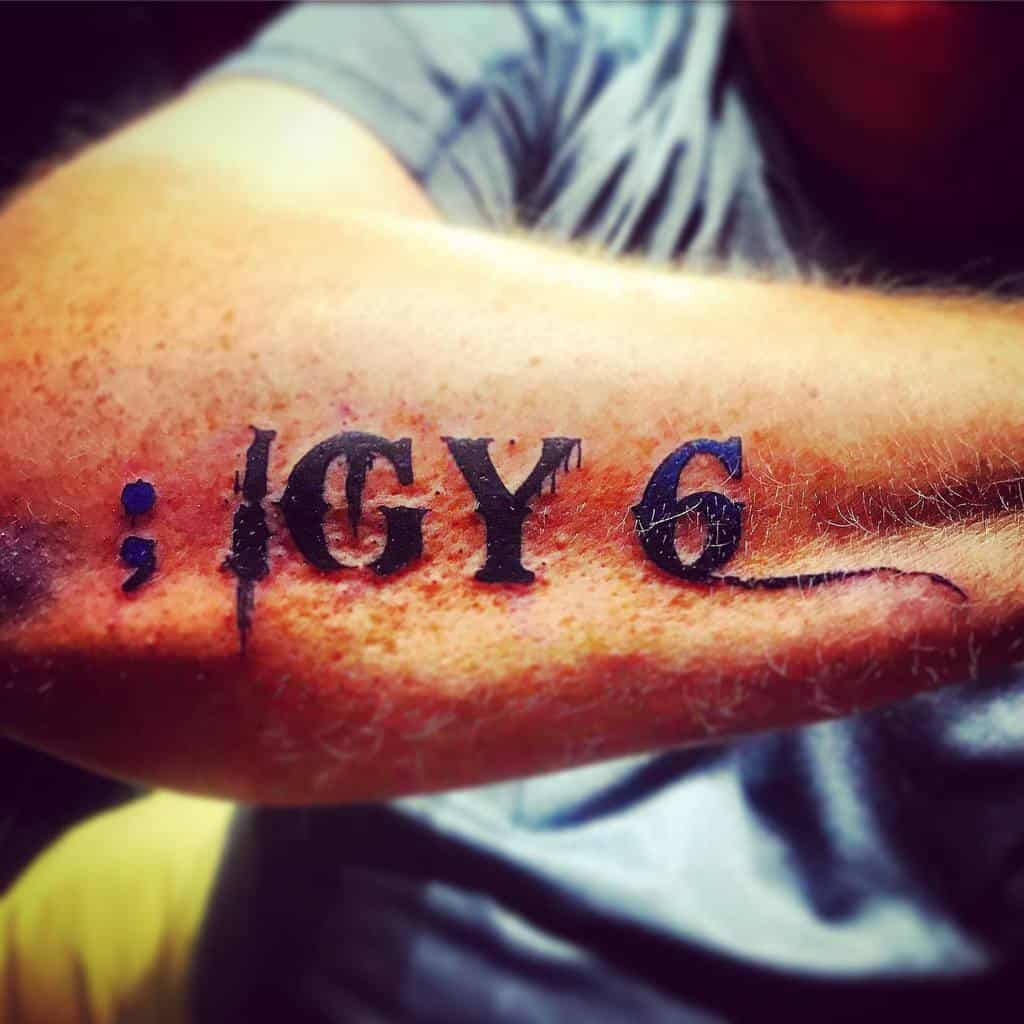
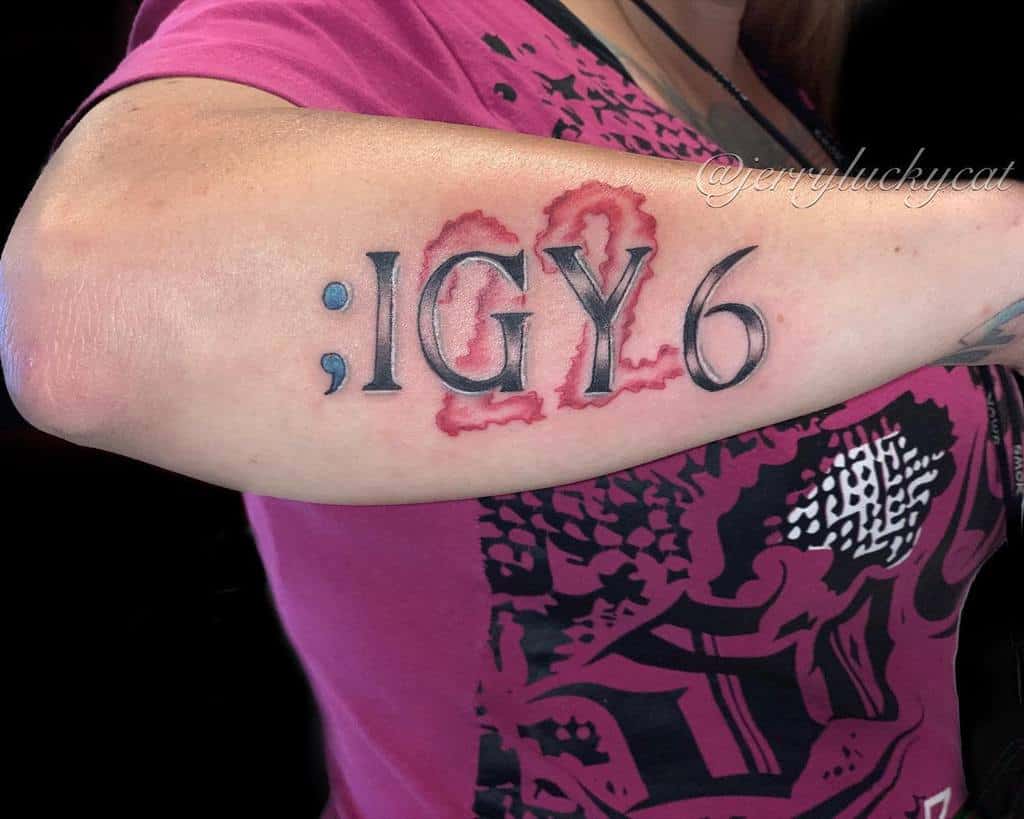
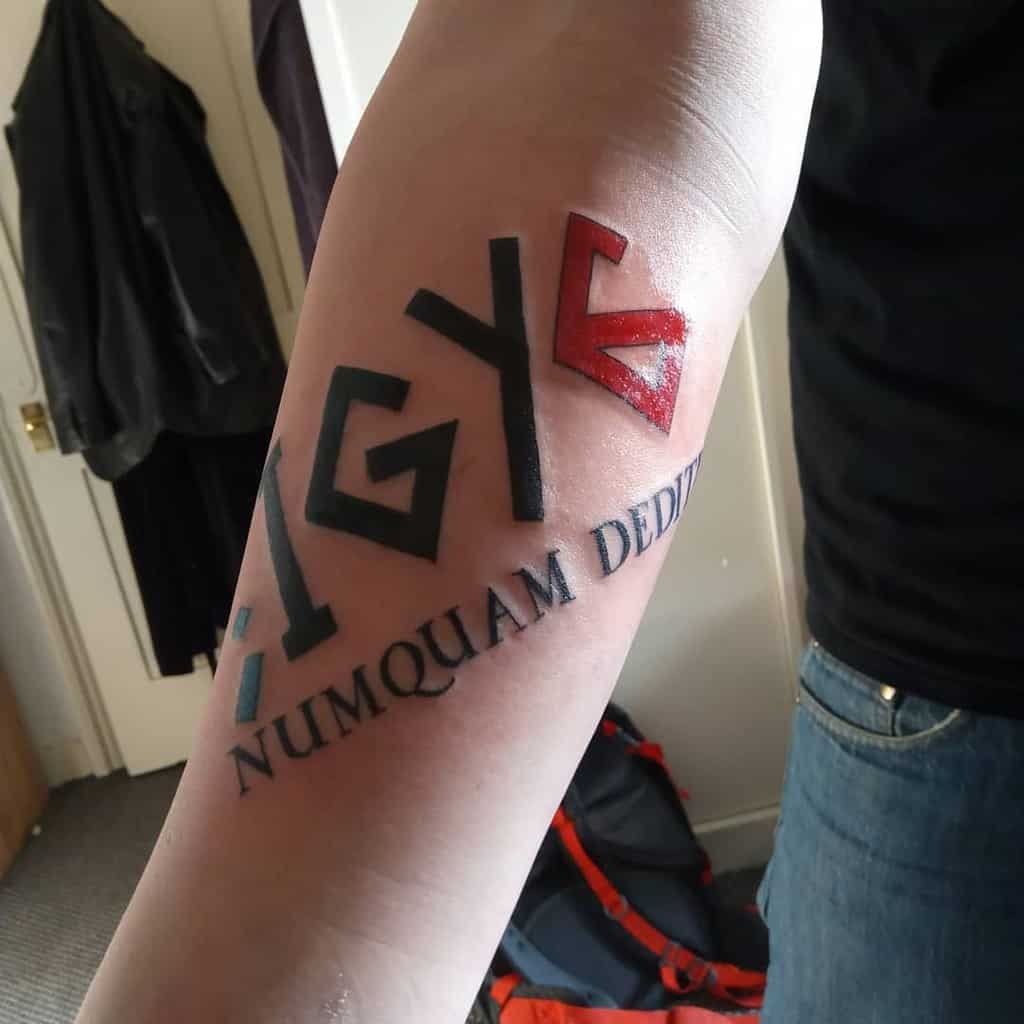
Source: @arronptattoo via Instagram
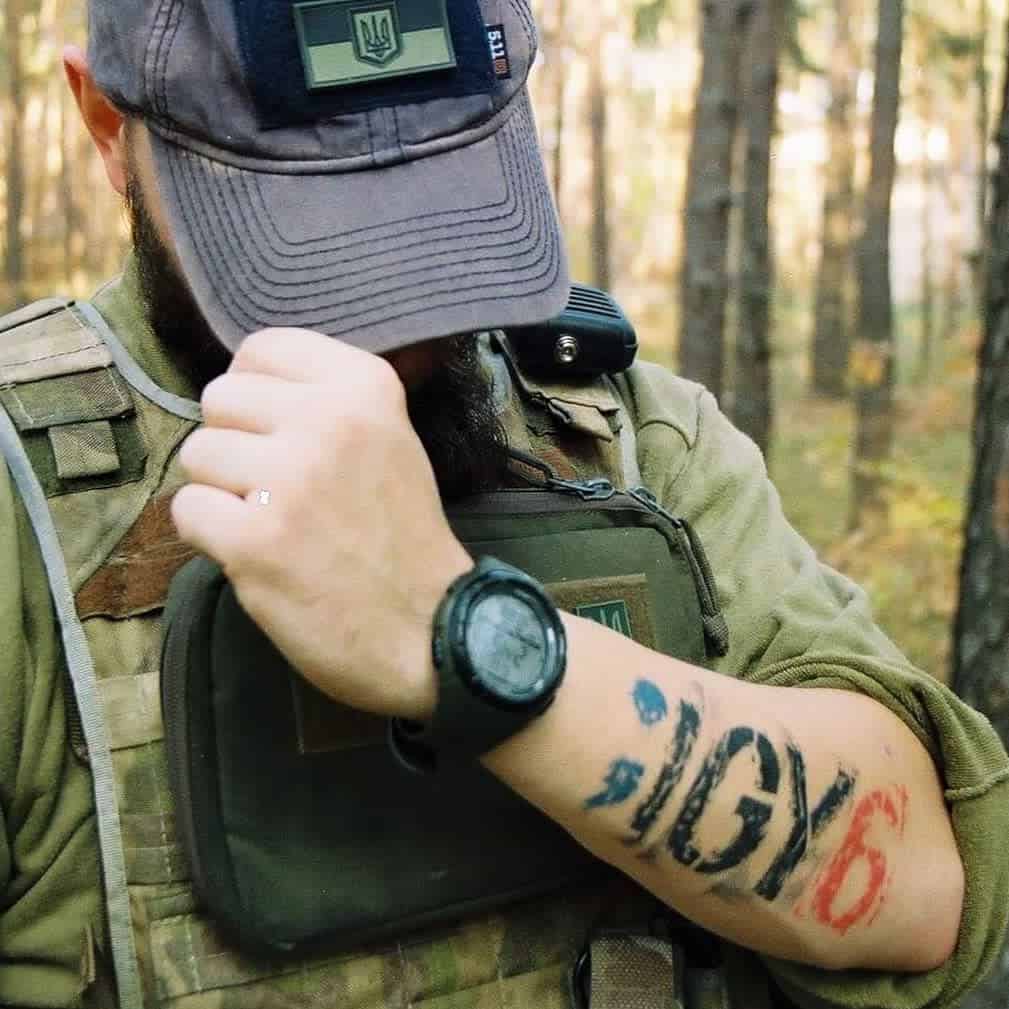
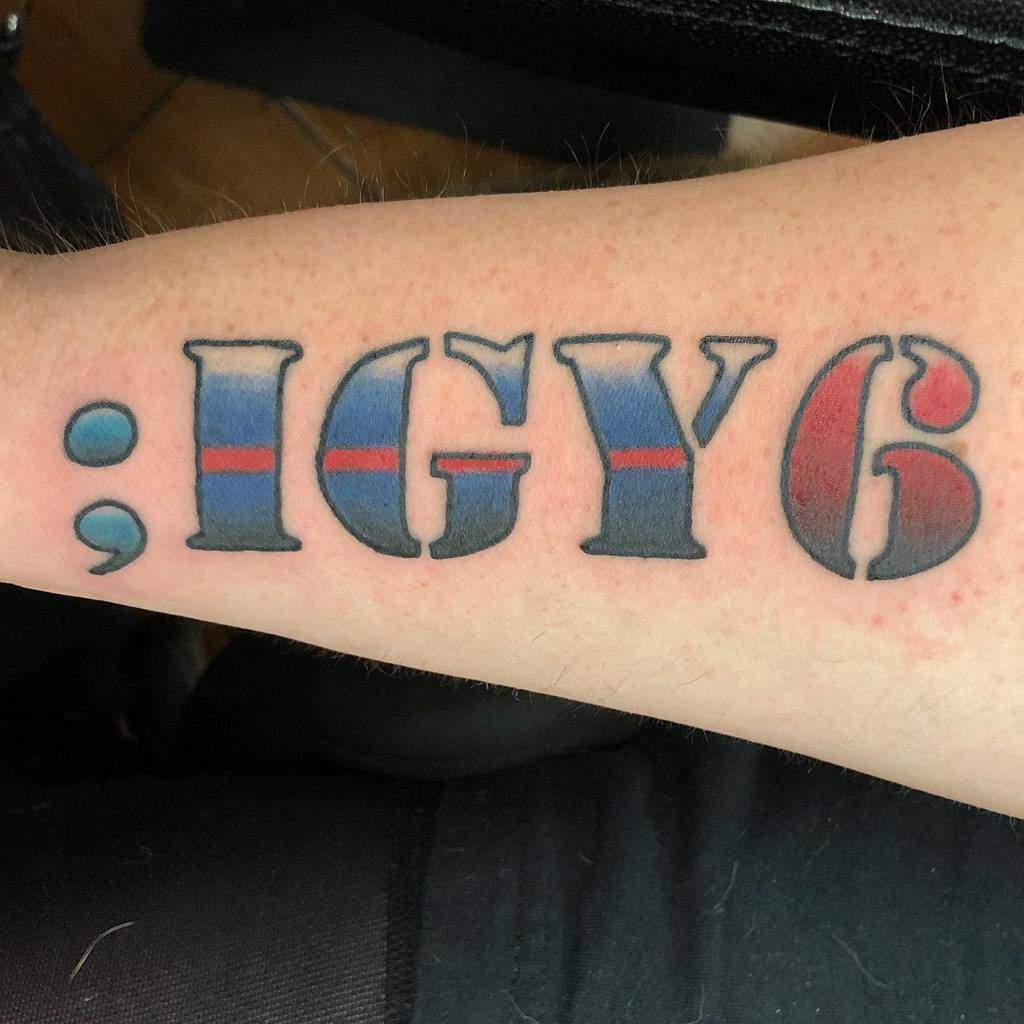
Source: @mechagawdzilluh via Instagram
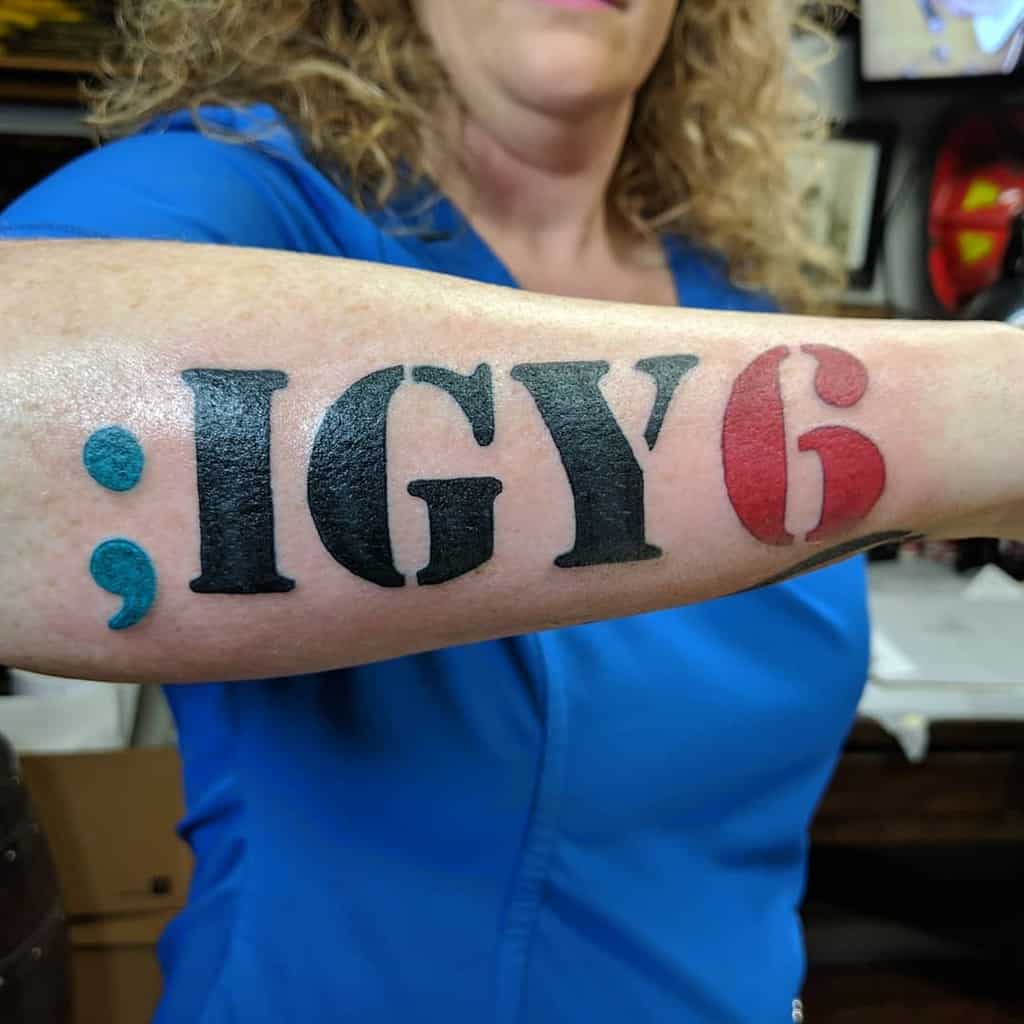
4. I Got Your 6 Group Tattoos
5. Large Sized PTSD Awareness Tattoos
6. Military Tattoo Designs
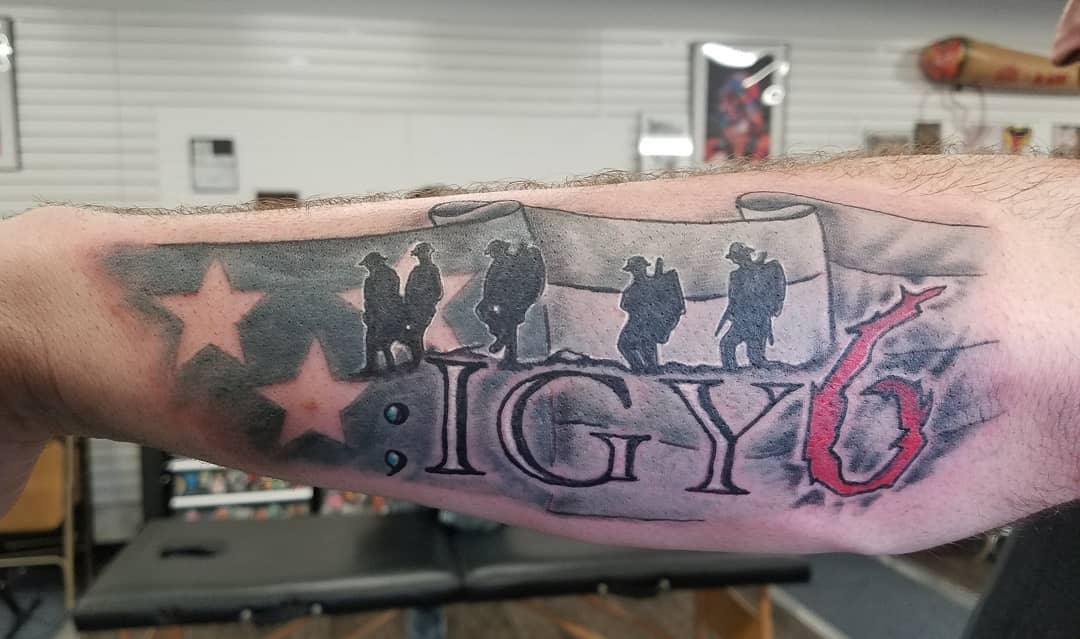
7. Simple Body Art
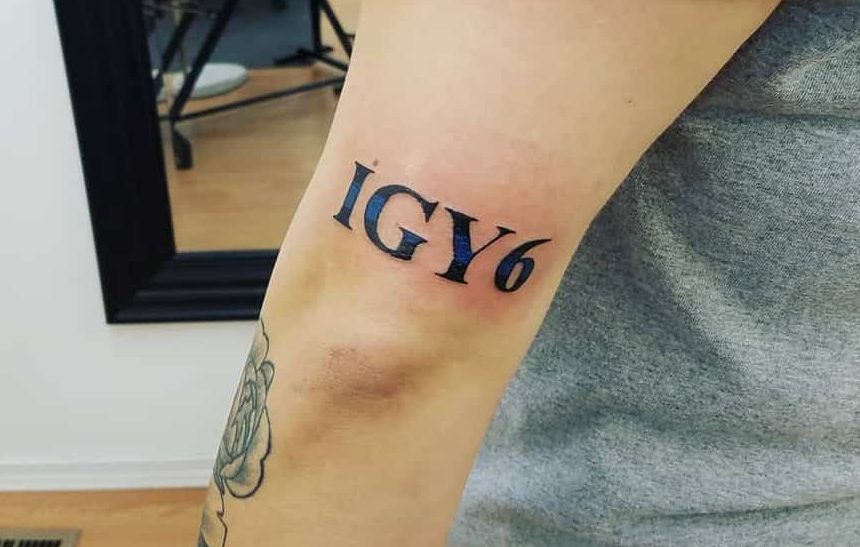
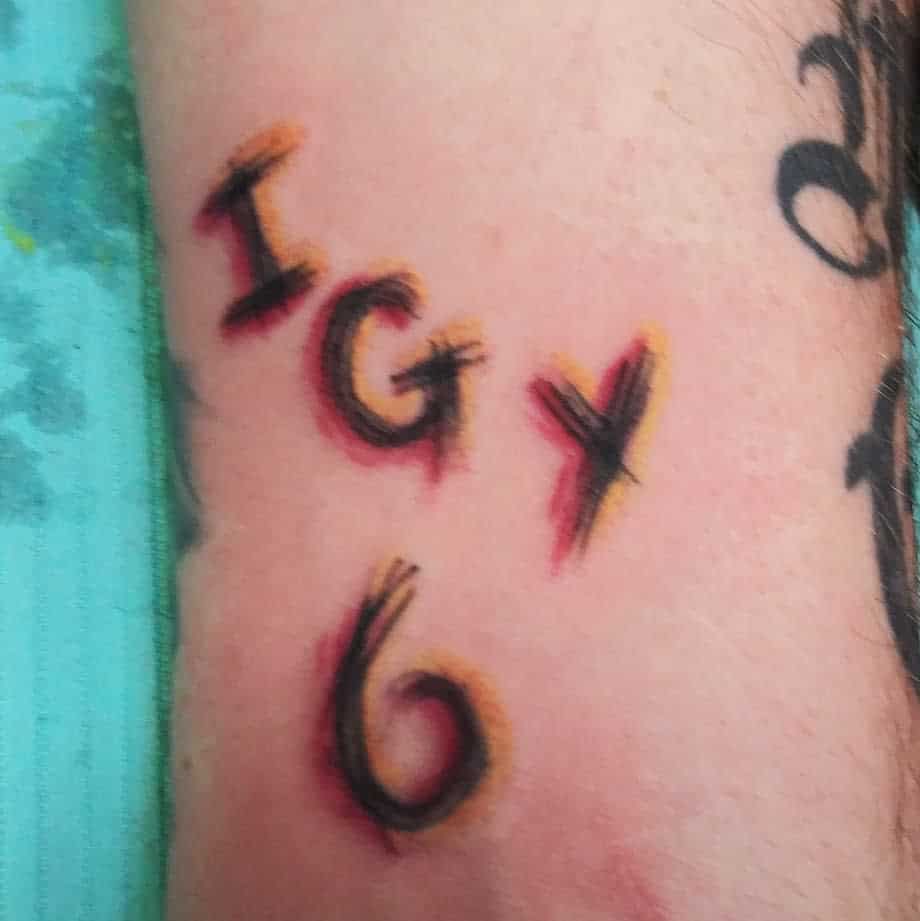
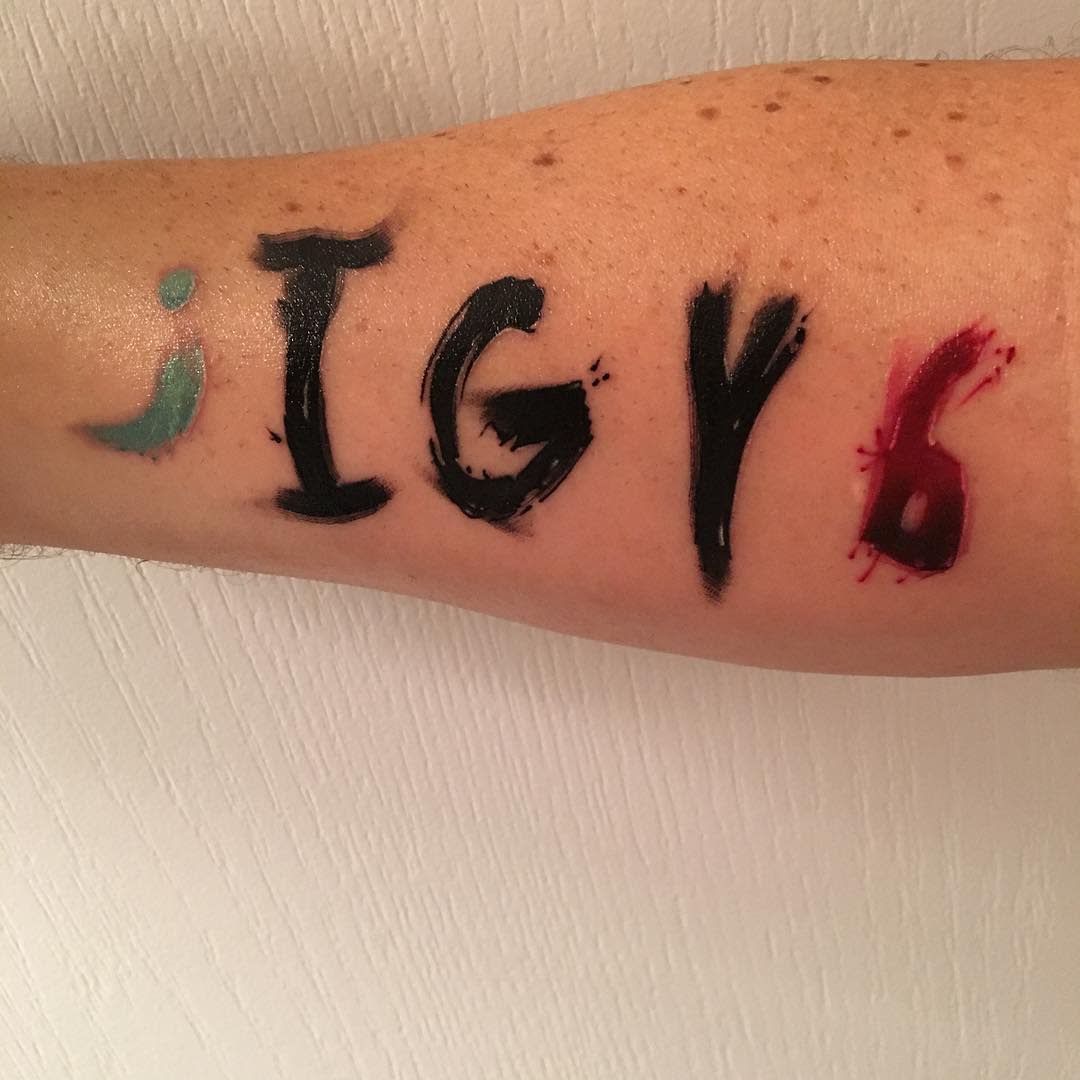
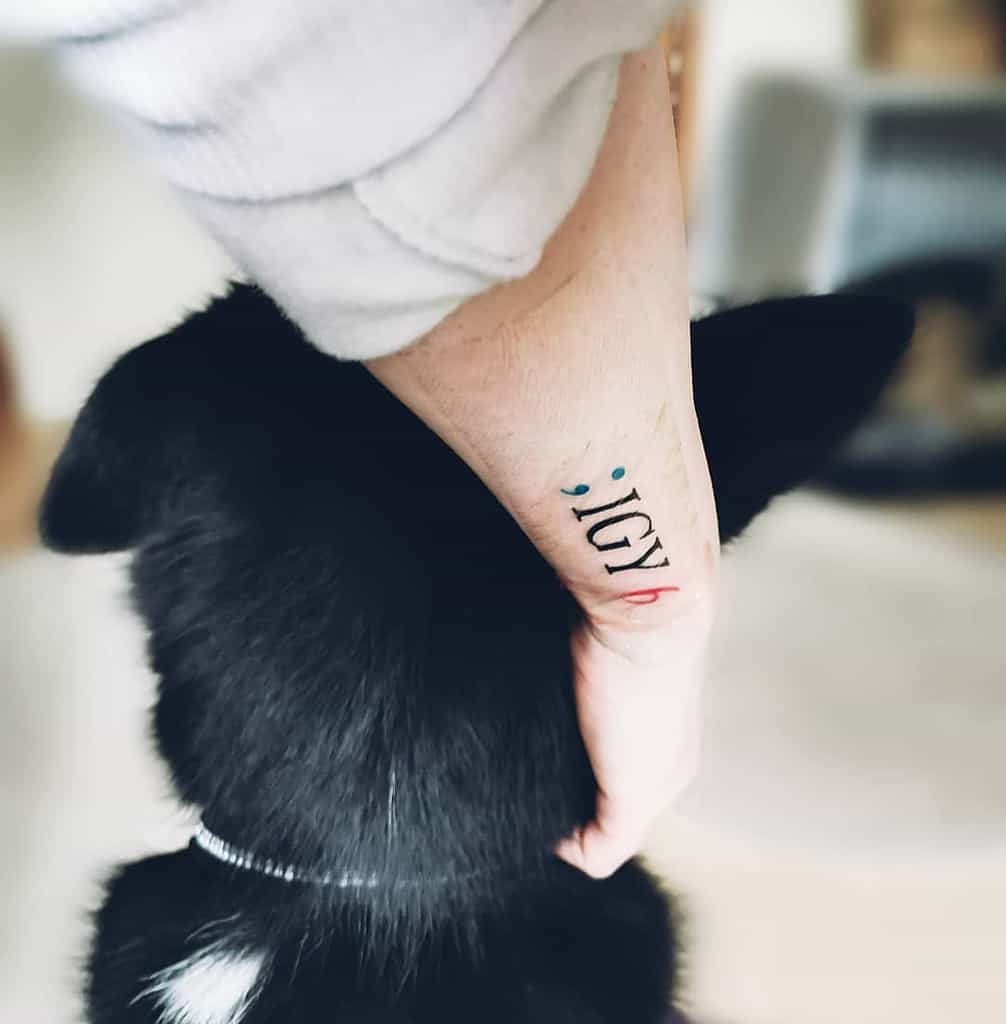
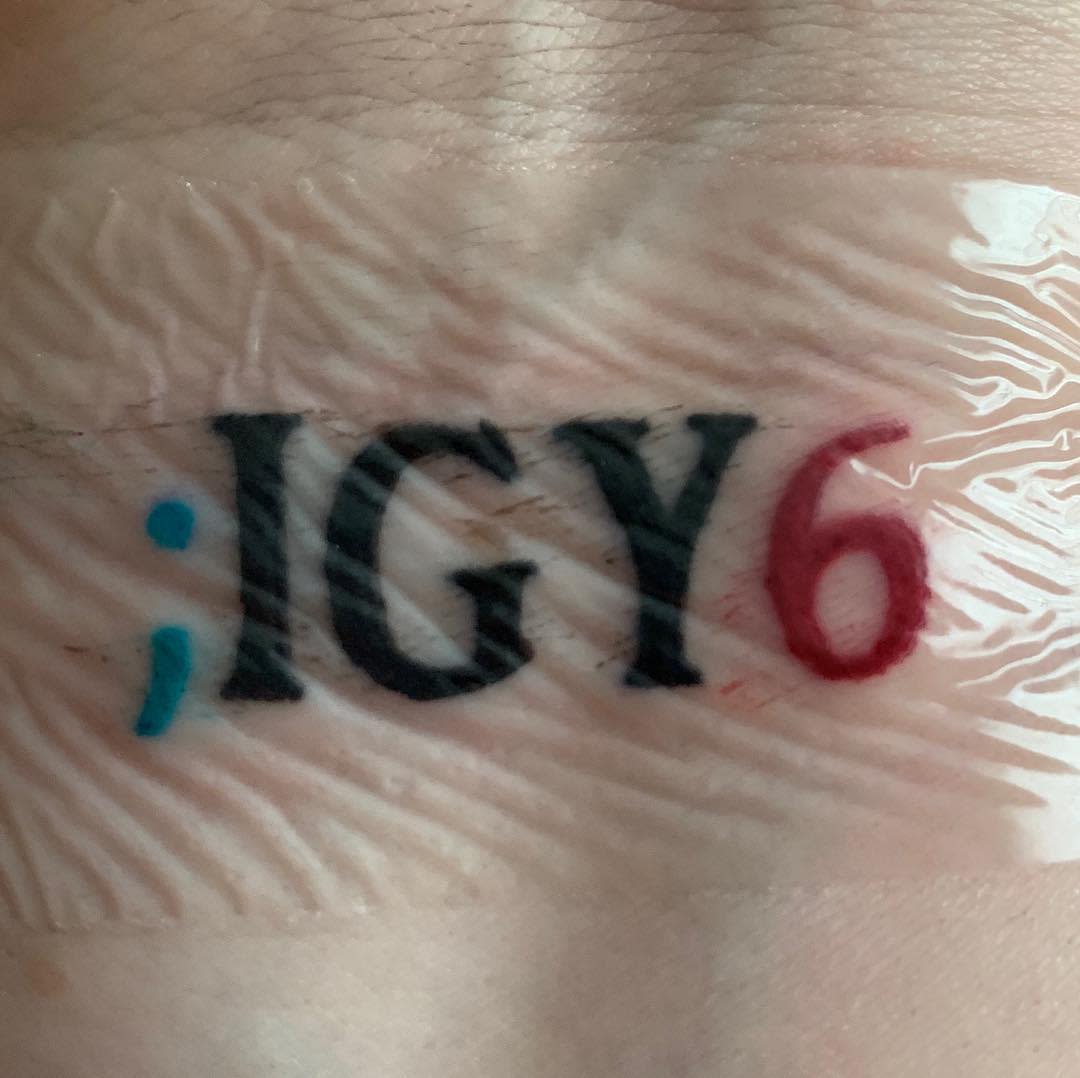
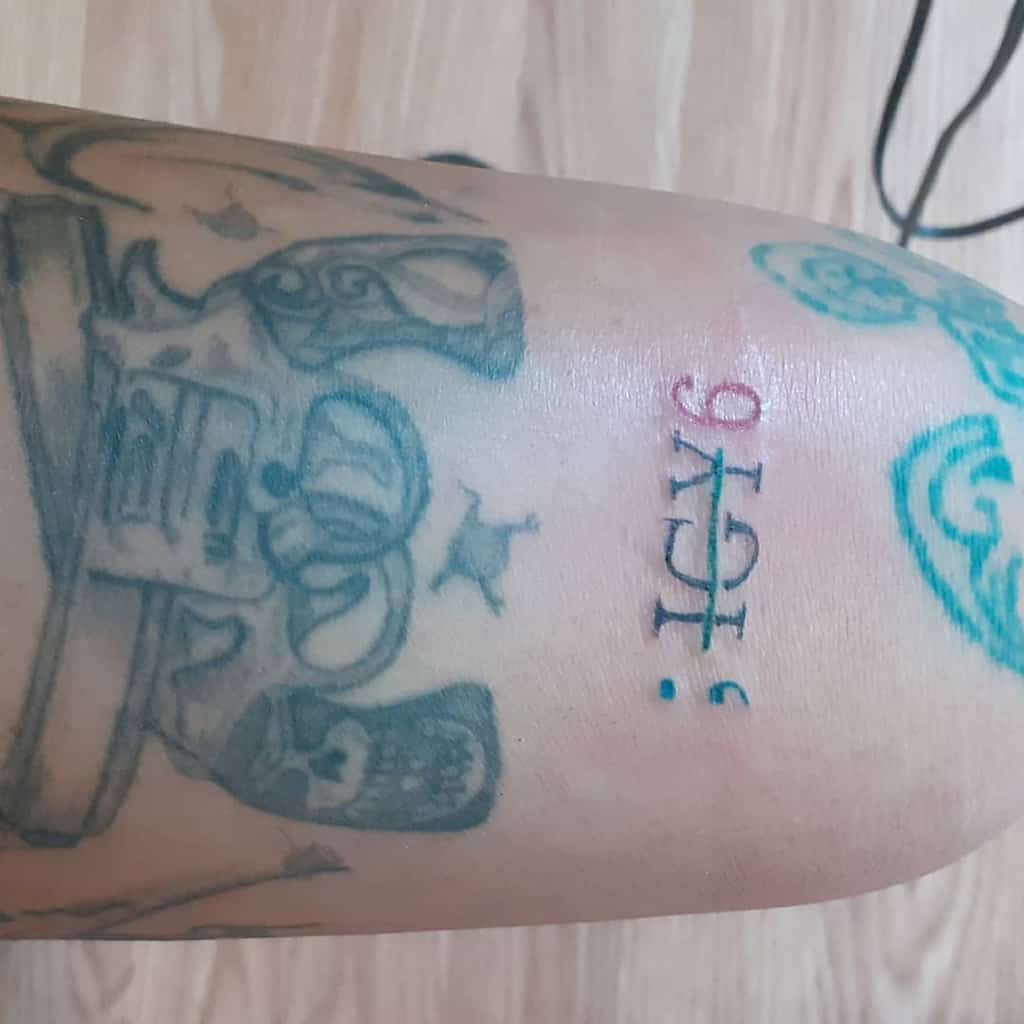
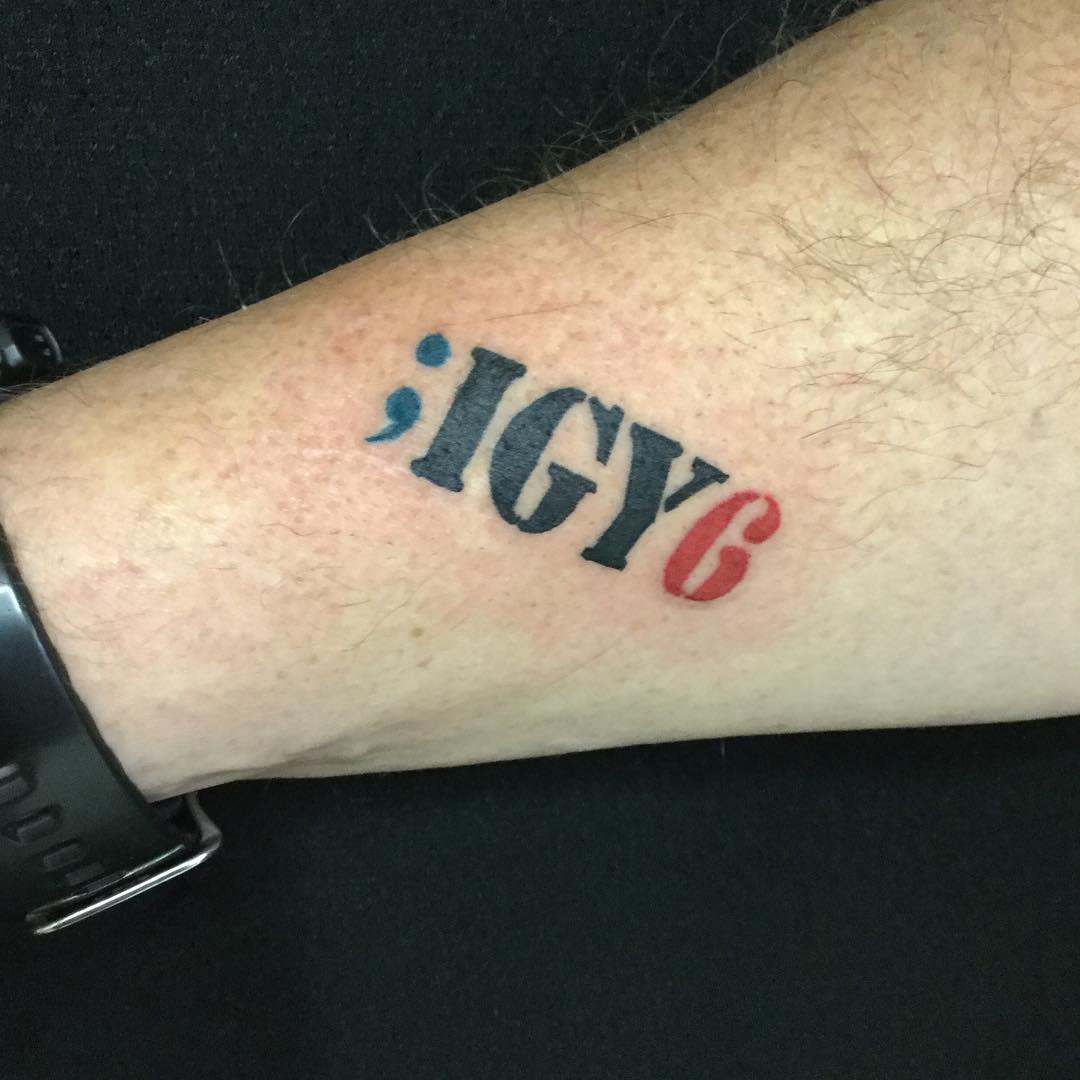
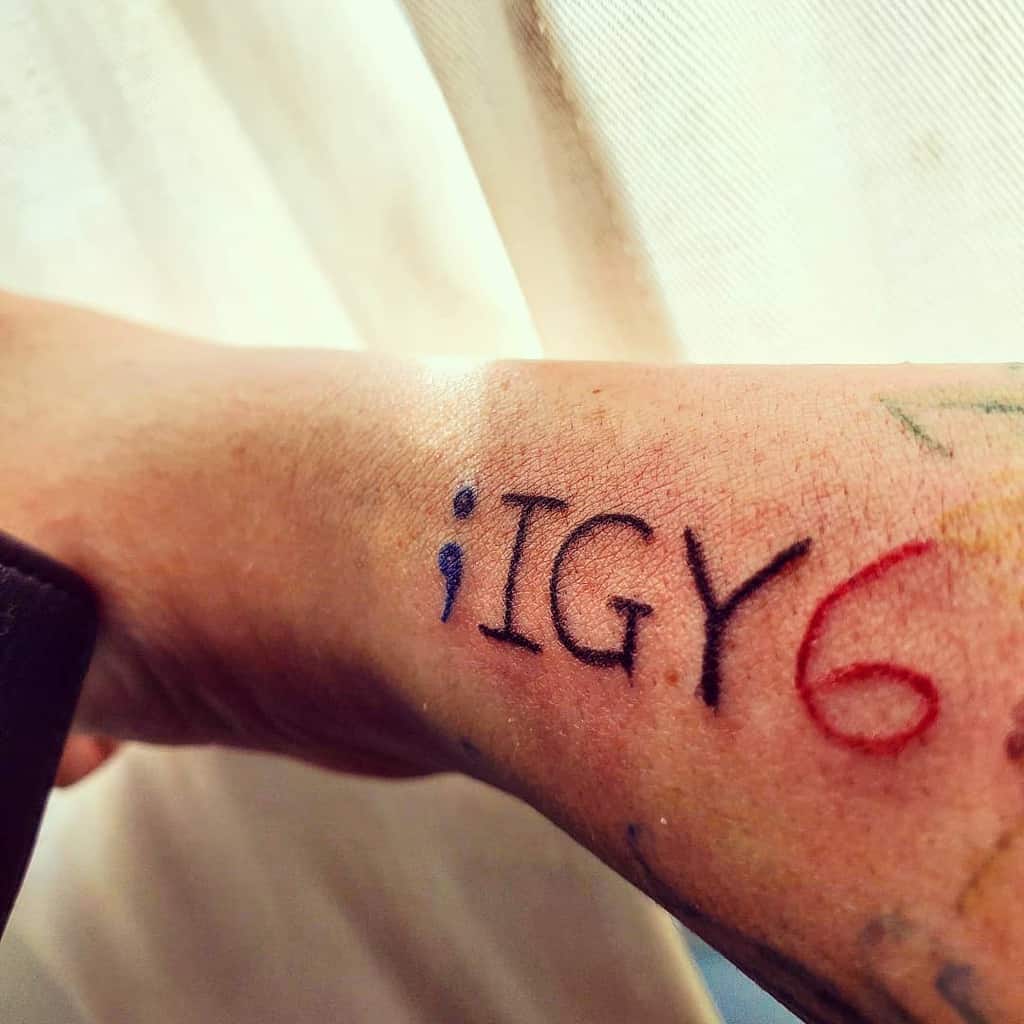
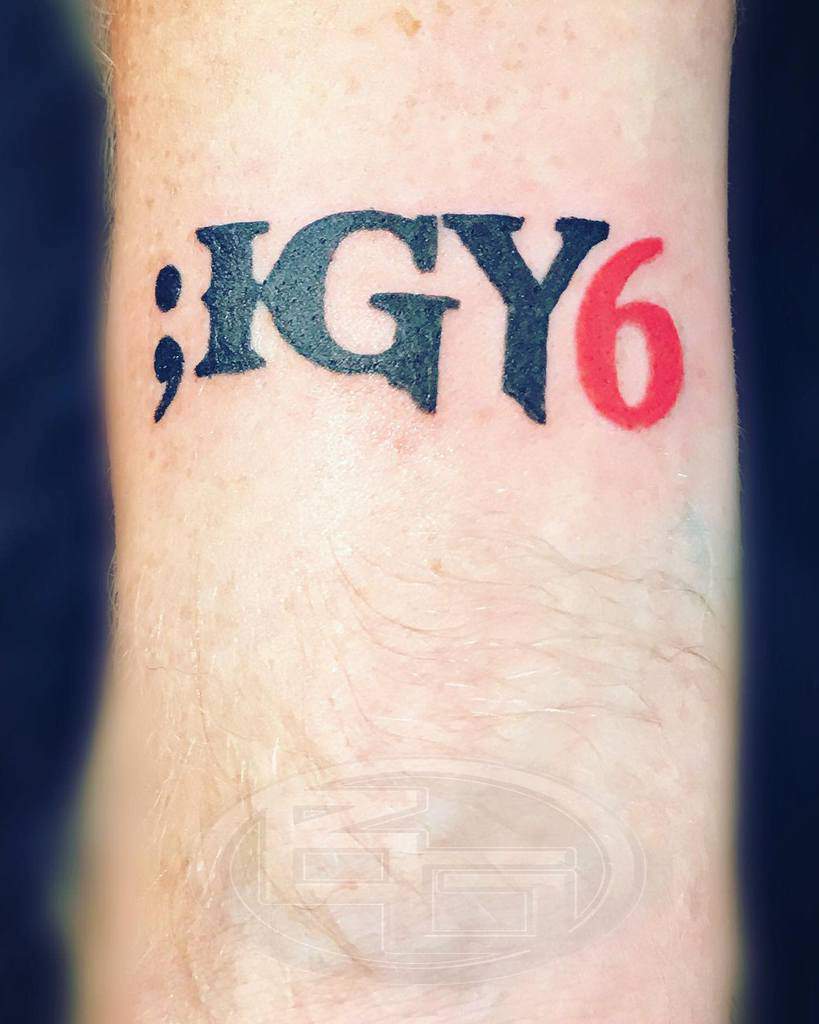
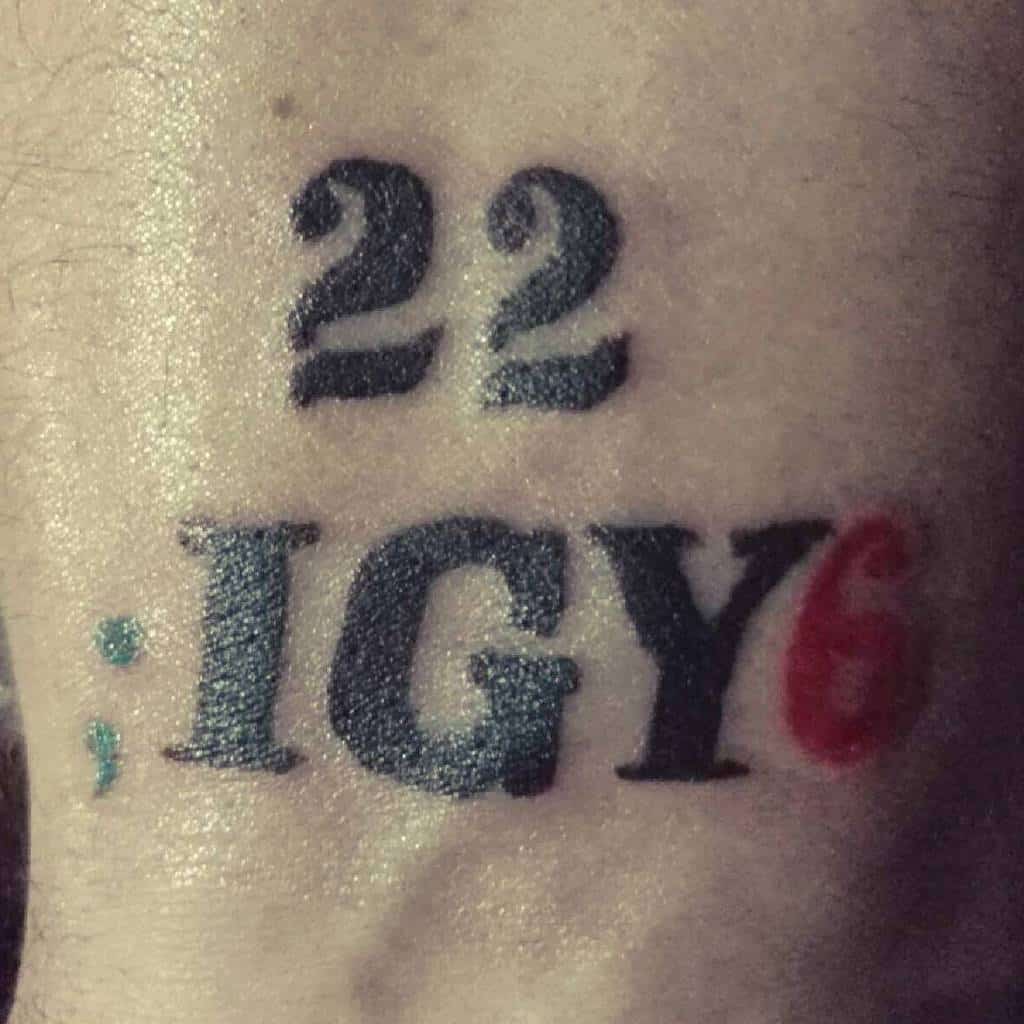
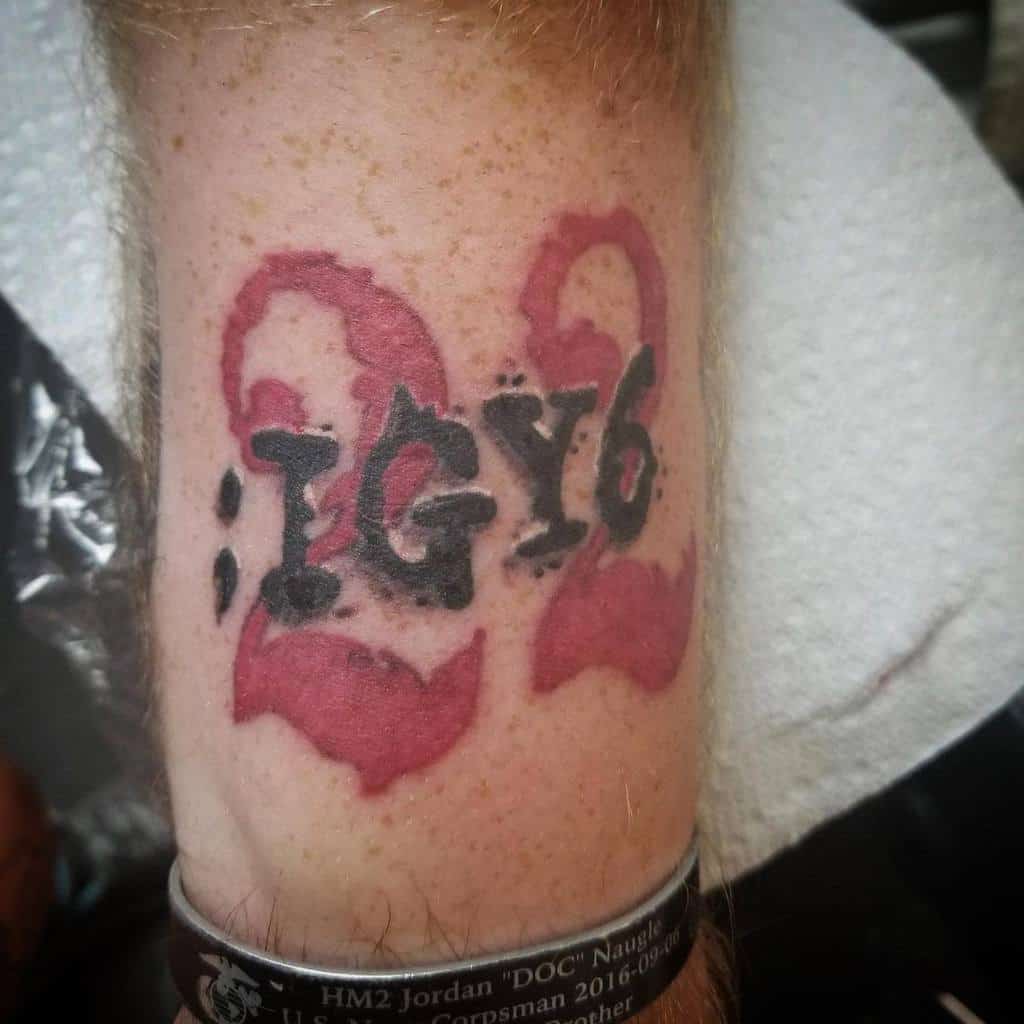
8. Tattoos with Shading Effects
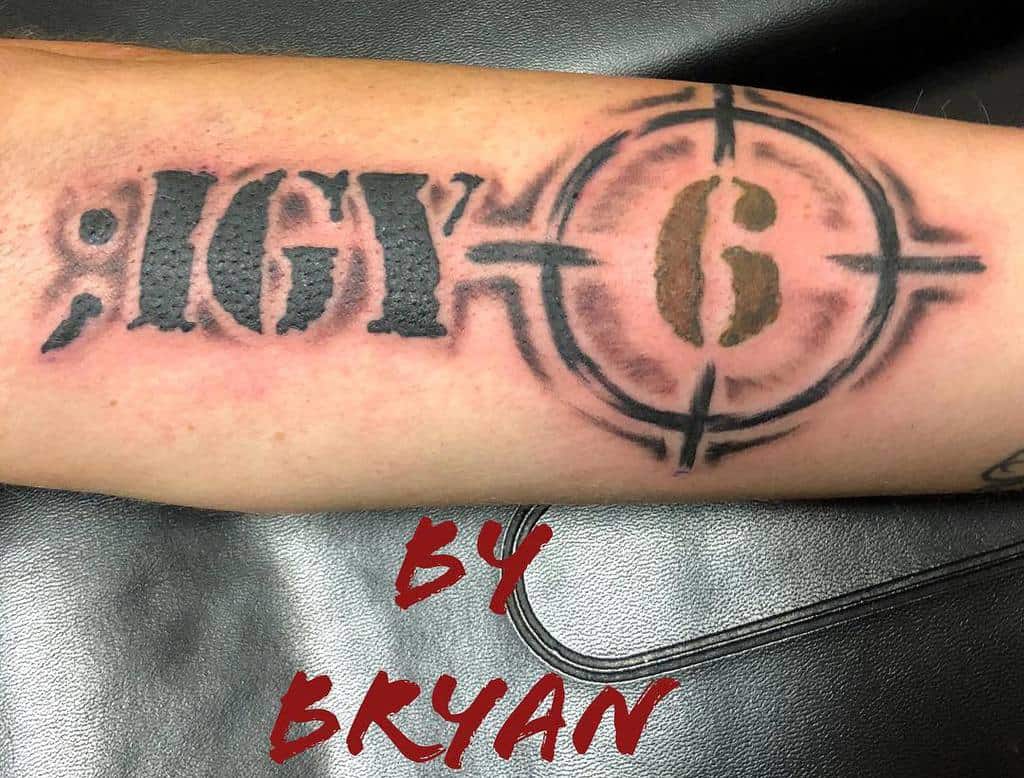
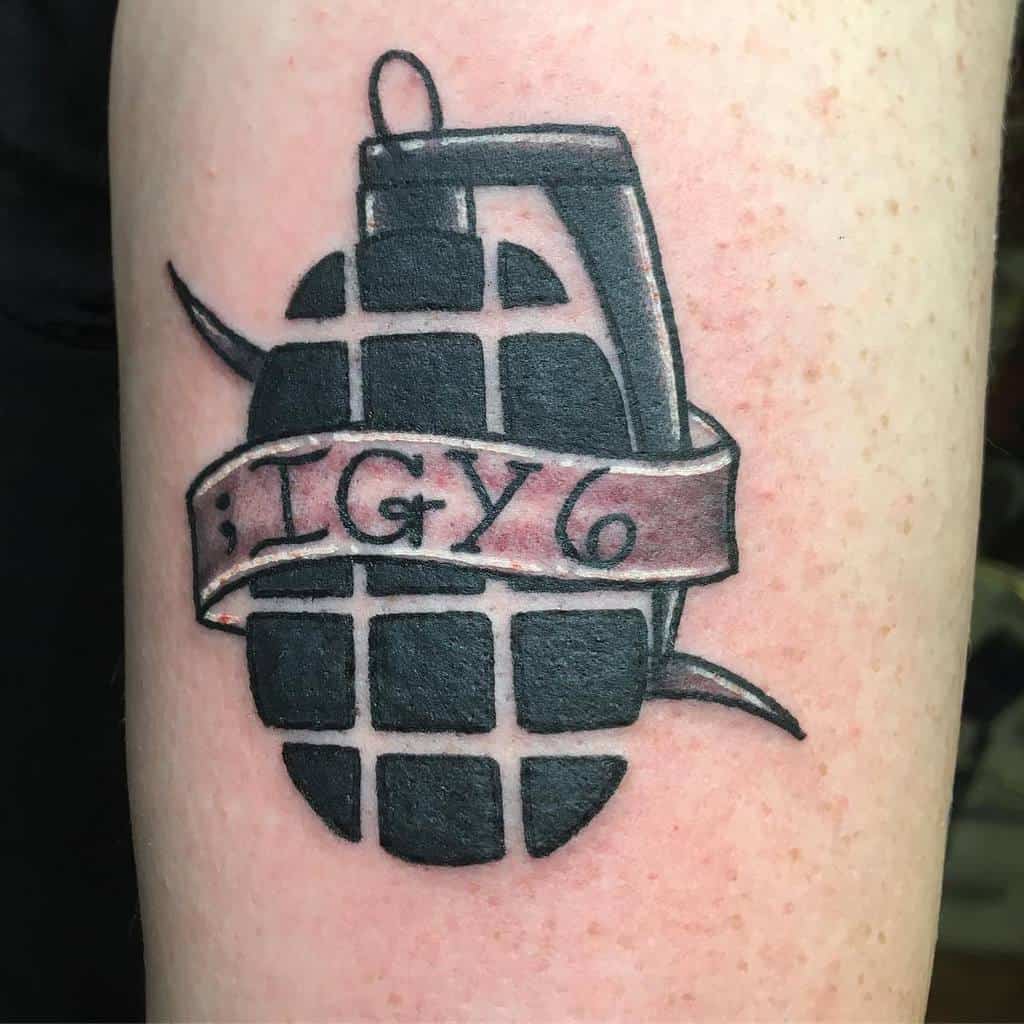
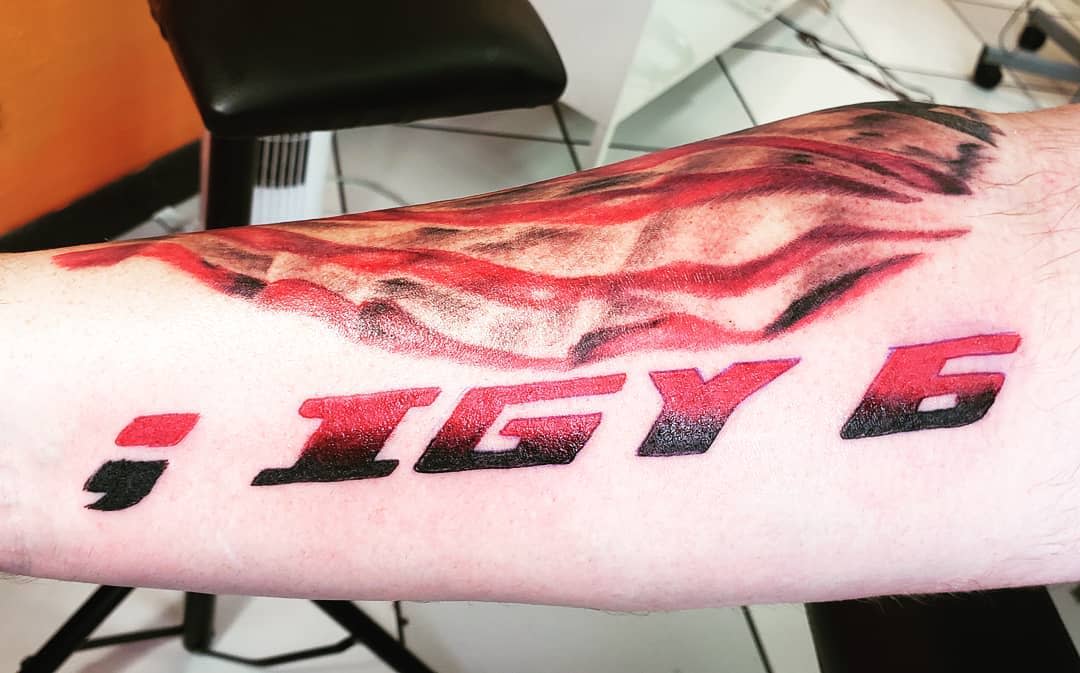
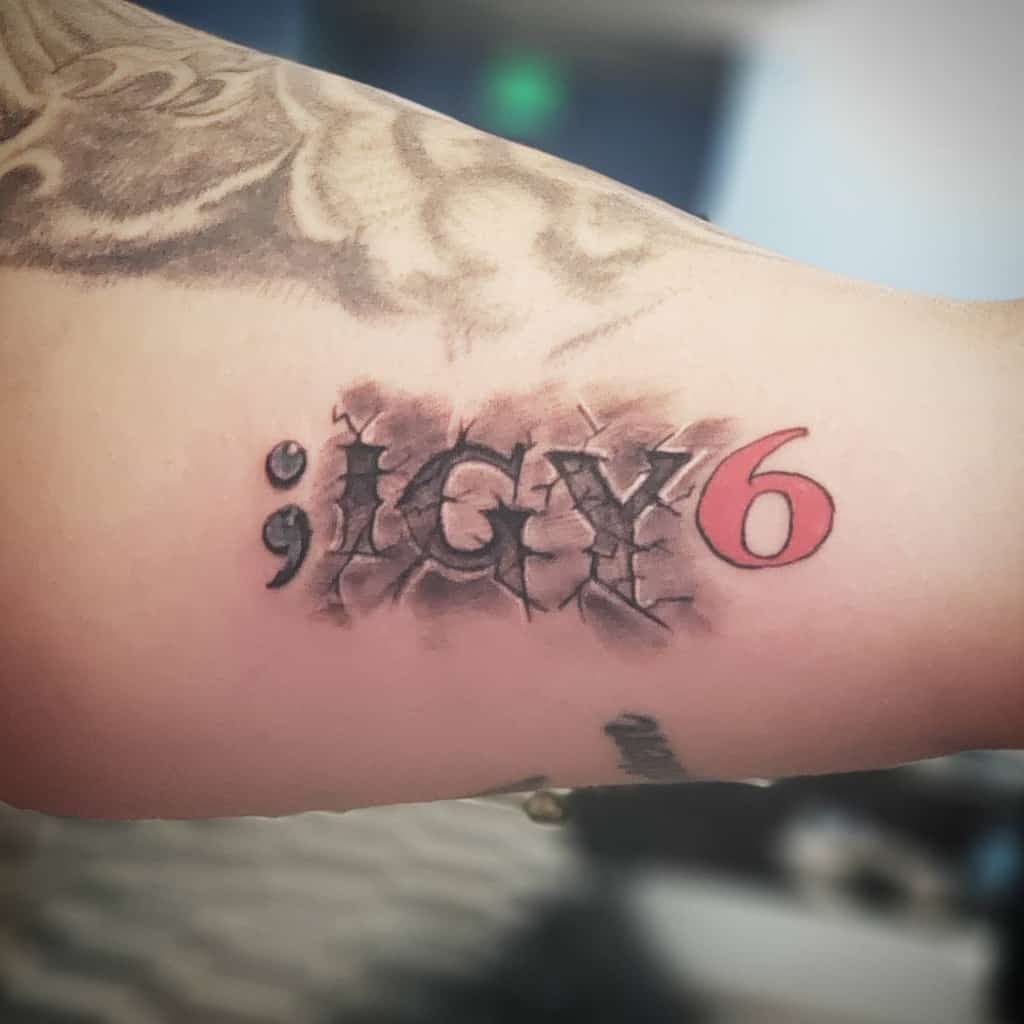
9. Sleeve Tattoos
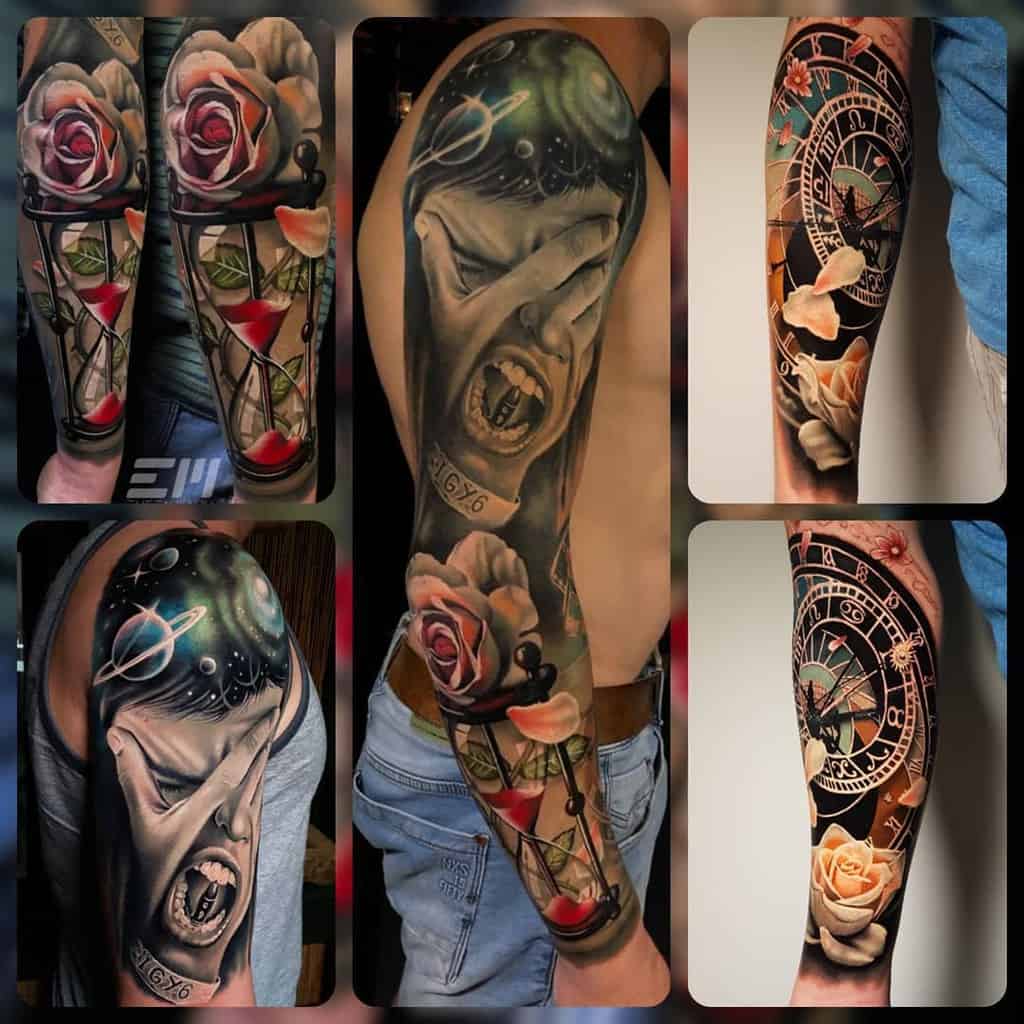
10. Colorful Tattoo Designs
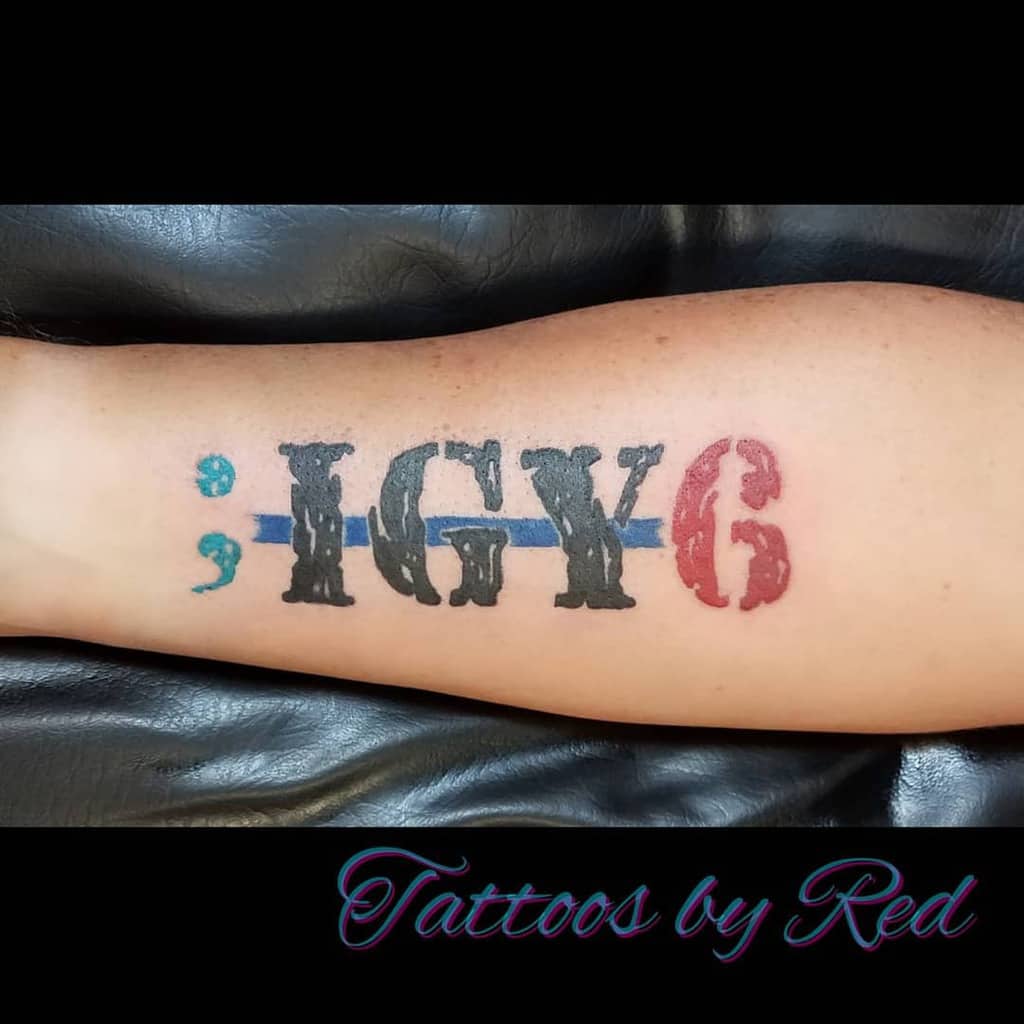
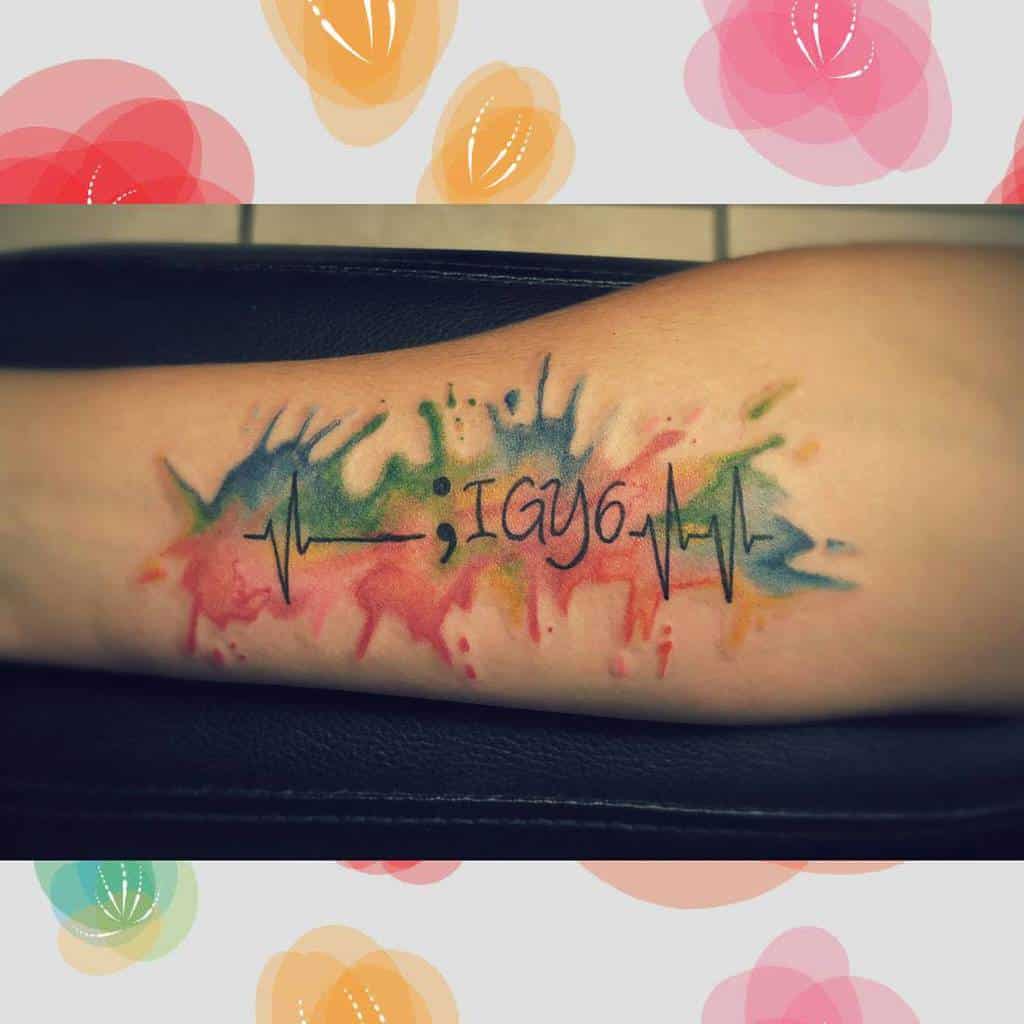
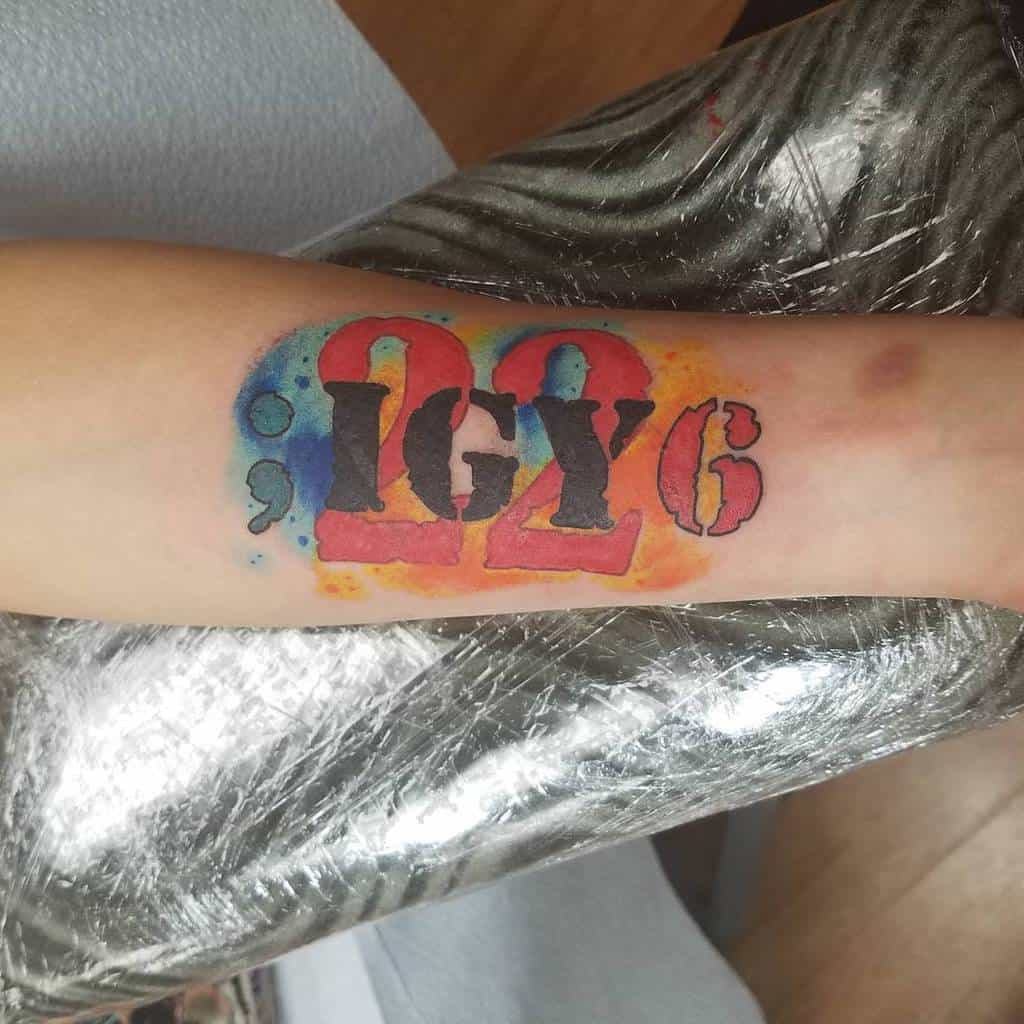
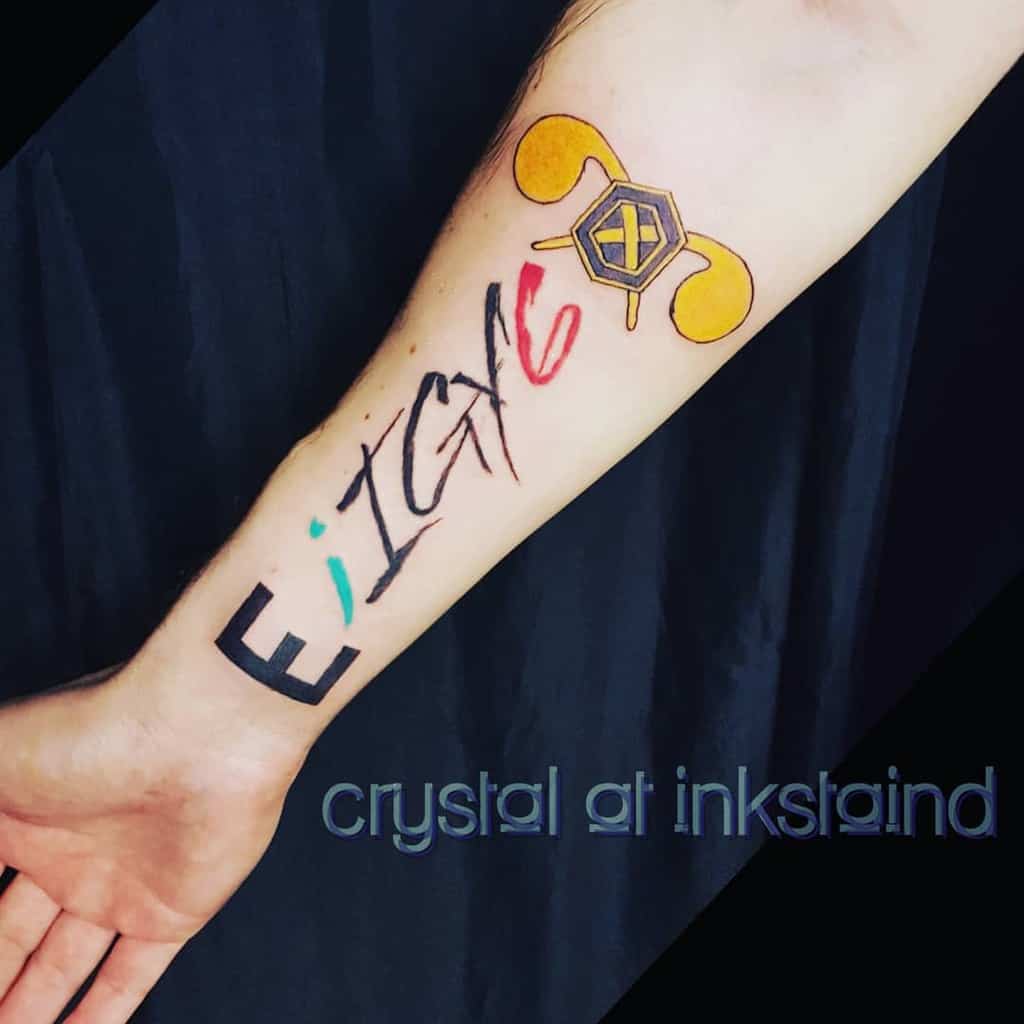
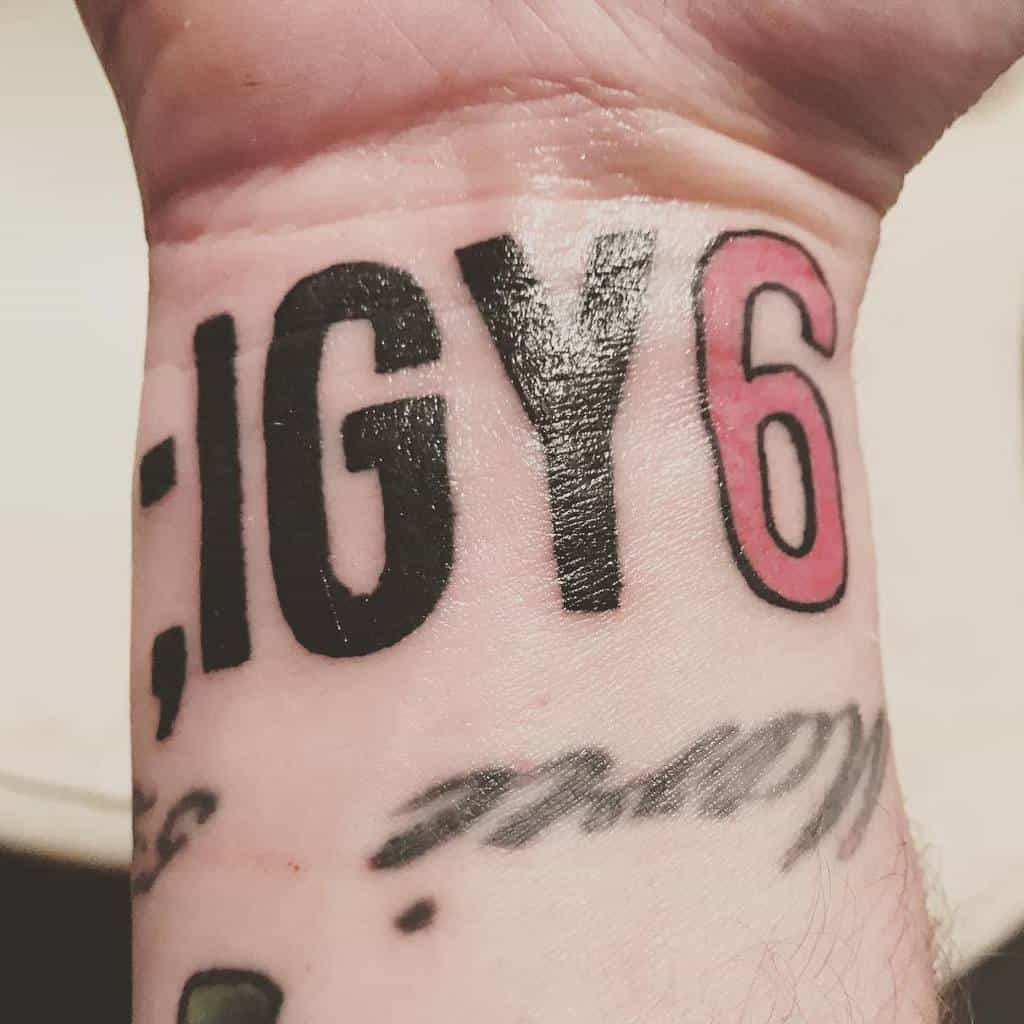
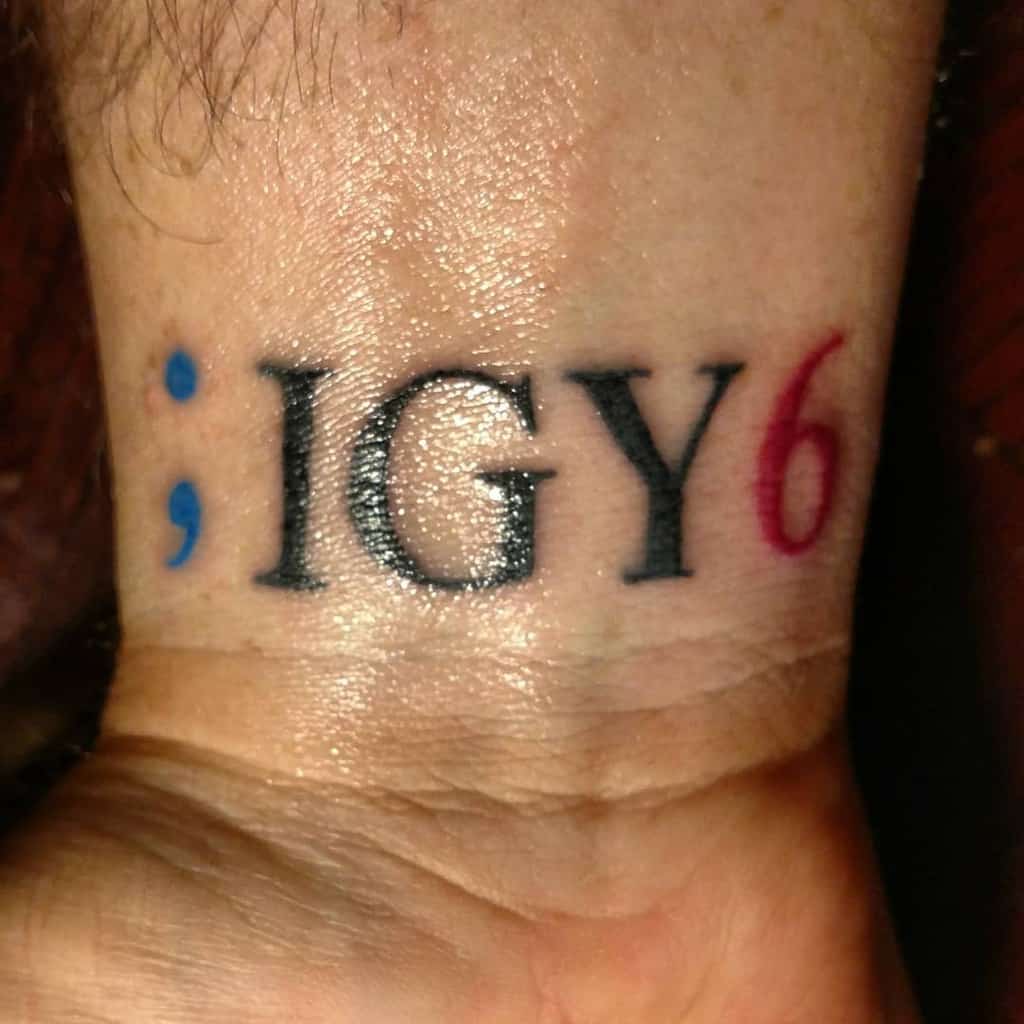
11. Wrist Tattoo Designs
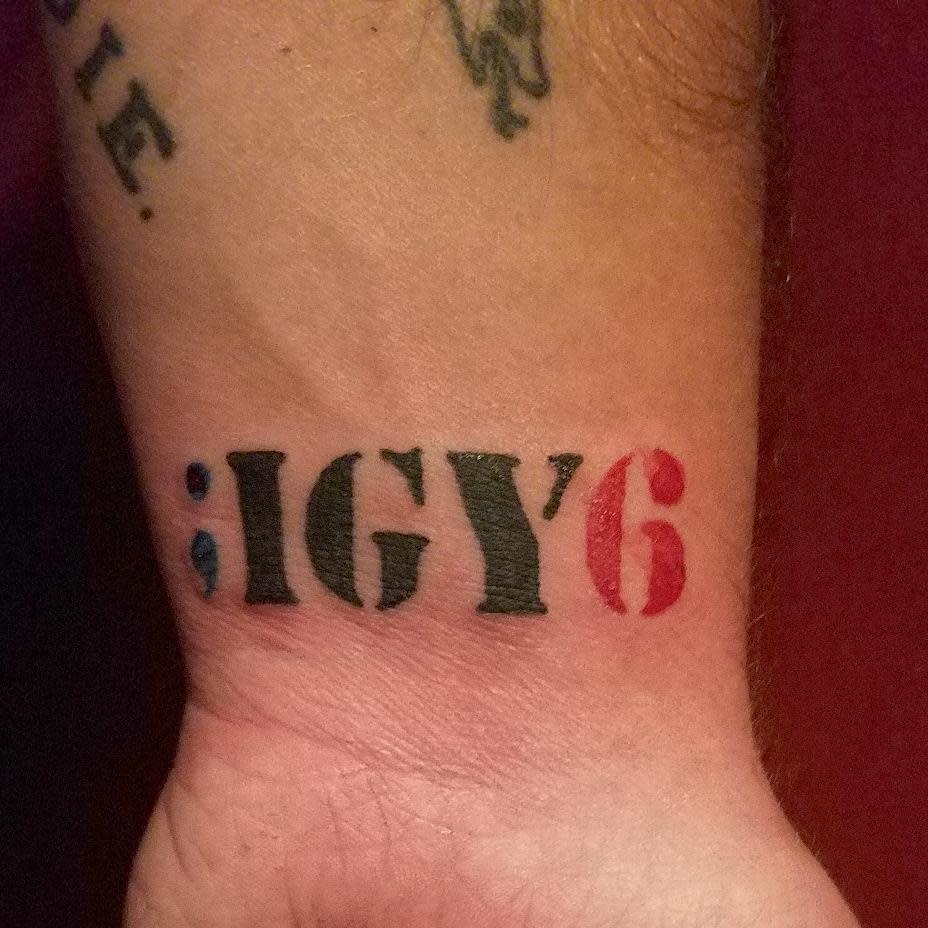
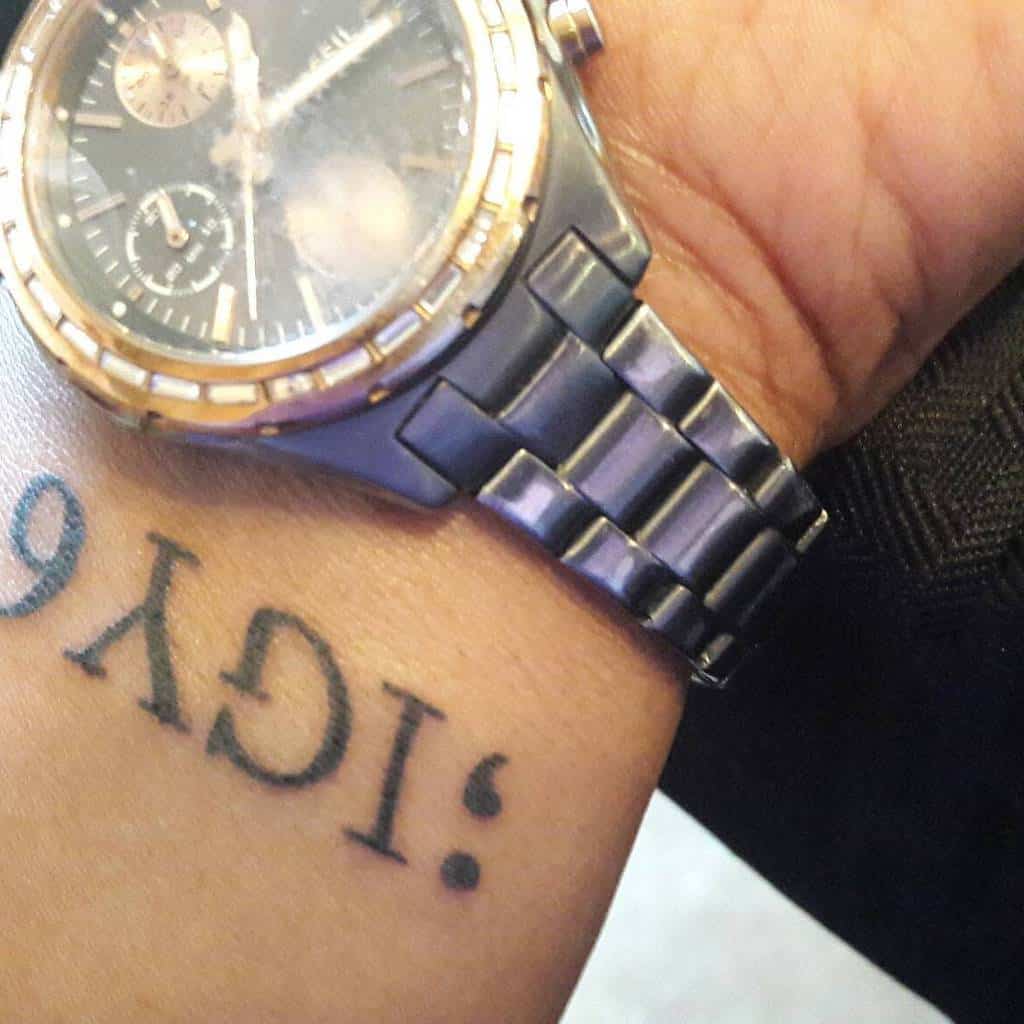
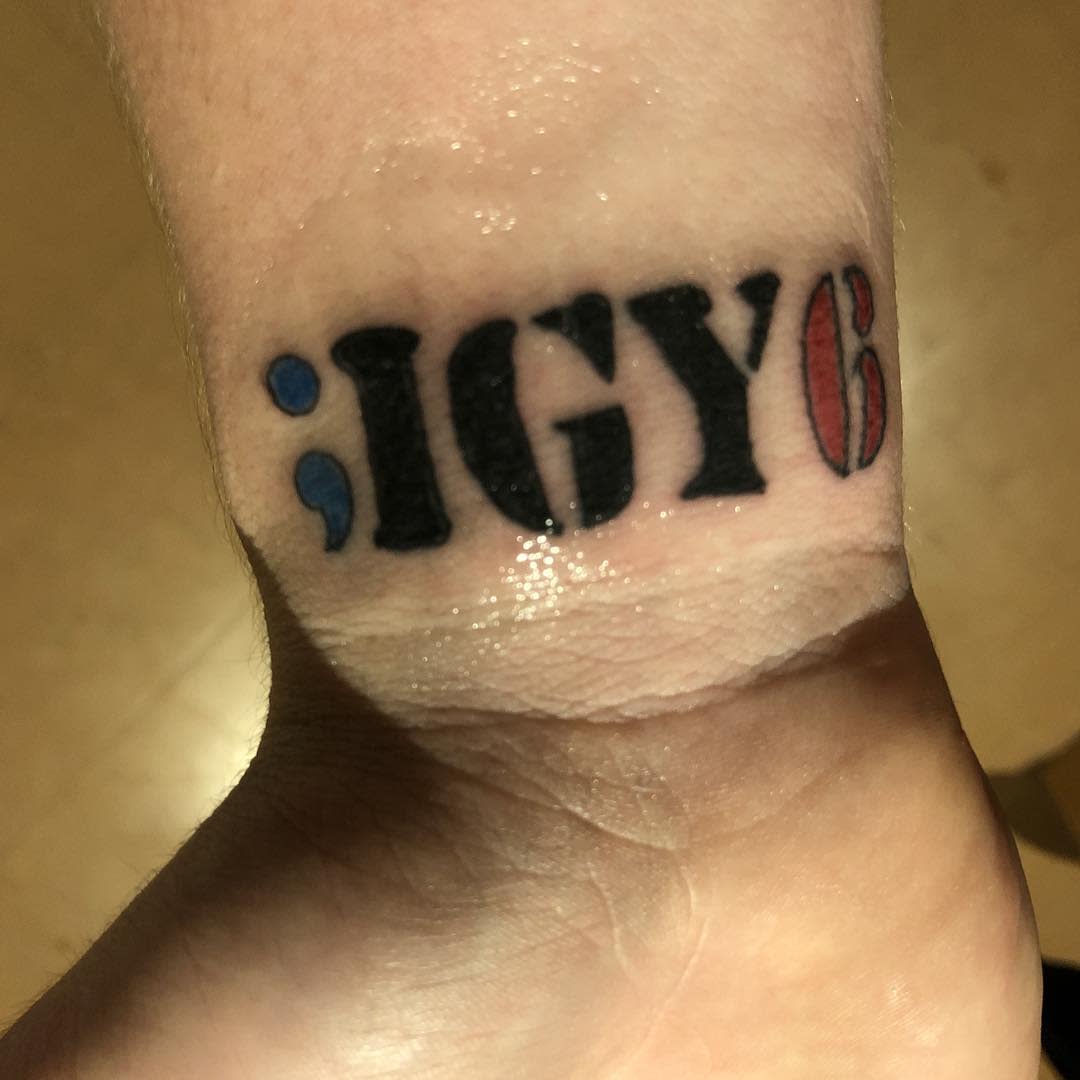
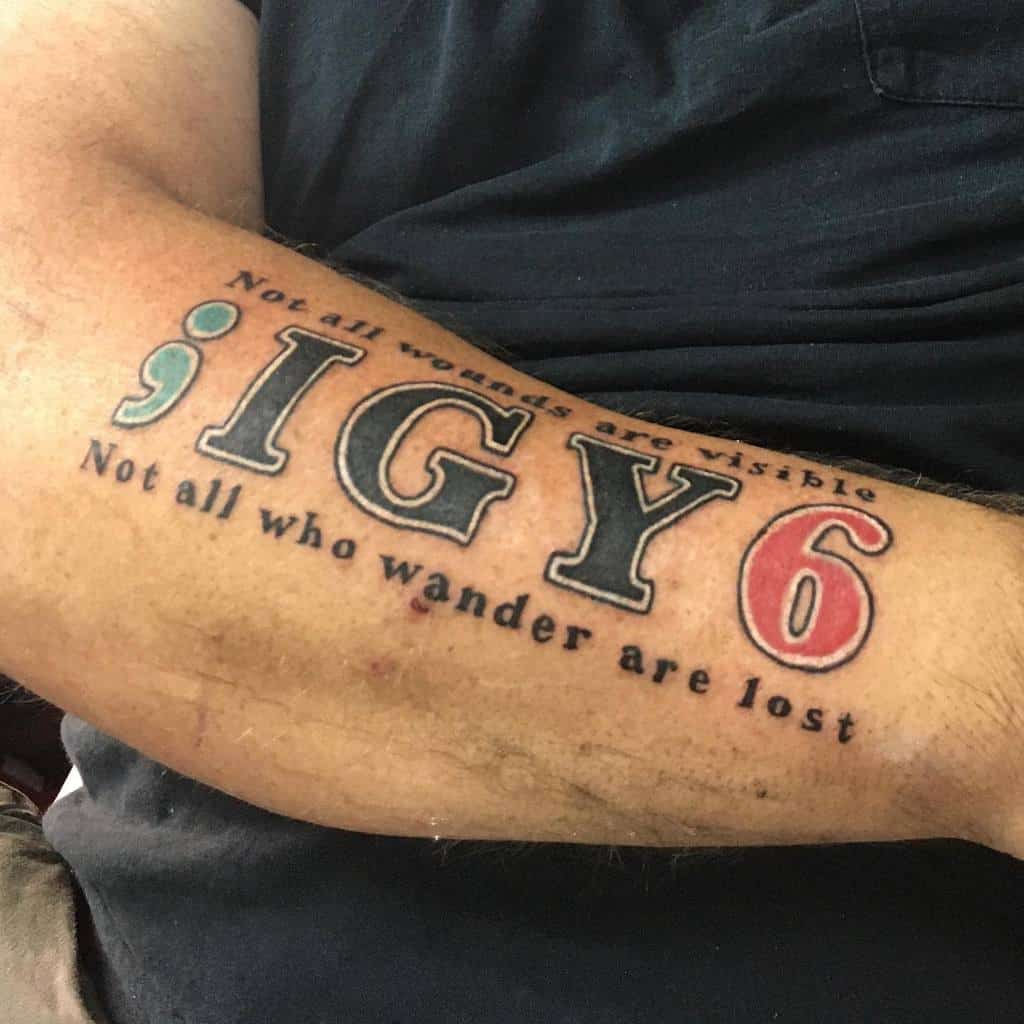
12. Not all Who Wander Are Lost Tattoos
FAQs
What do IGY6 tattoo designs symbolize?
The abbreviation IGY6 is short for “I Got Your 6,” or “I got your back.” It’s an increasingly popular tattoo motif primarily used by ex-military members and police as a slogan relating to struggles with Post Traumatic Stress Disorder (PTSD). The tattoo serves as an identifier of the mental health struggles we often face, and struggle to talk about. The IGY6 is mean to convey support, that people in distress are not alone.
What does the semicolon mean in an IGY6 tattoo?
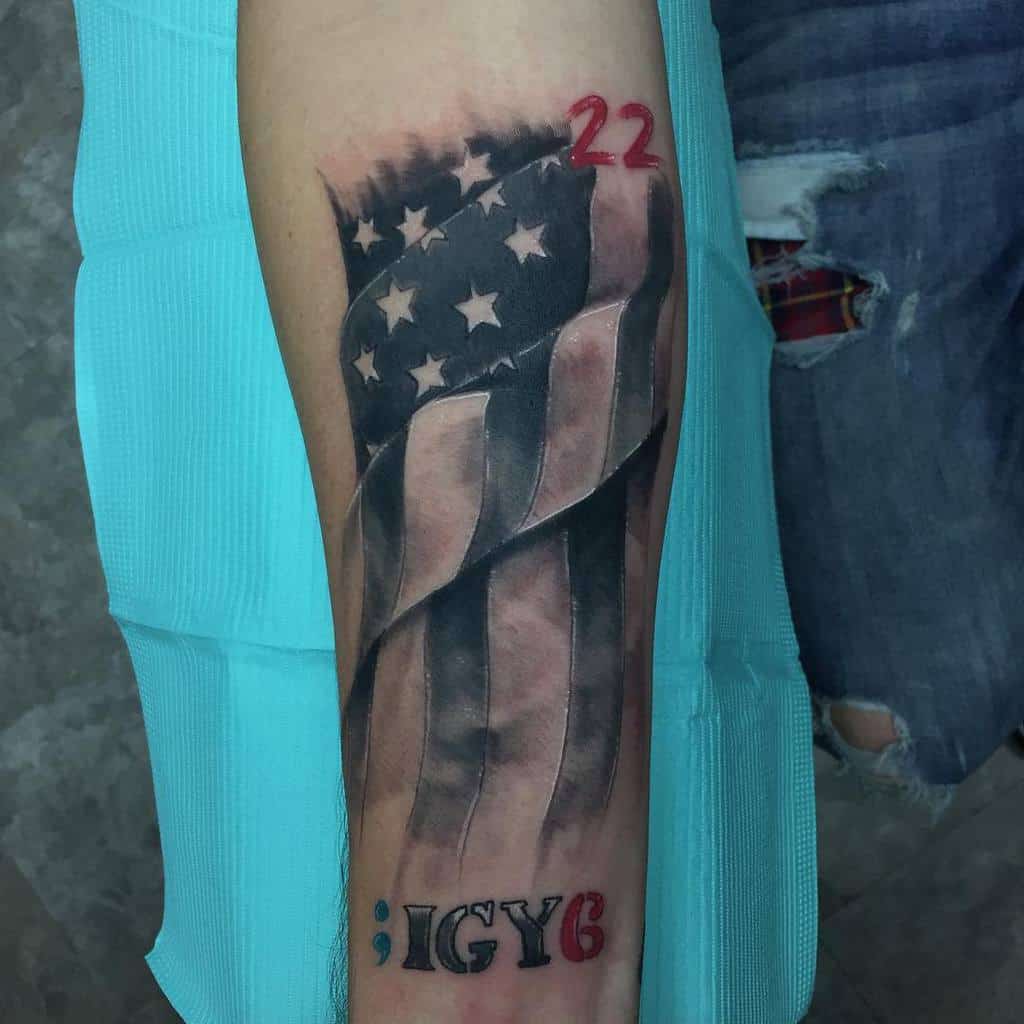
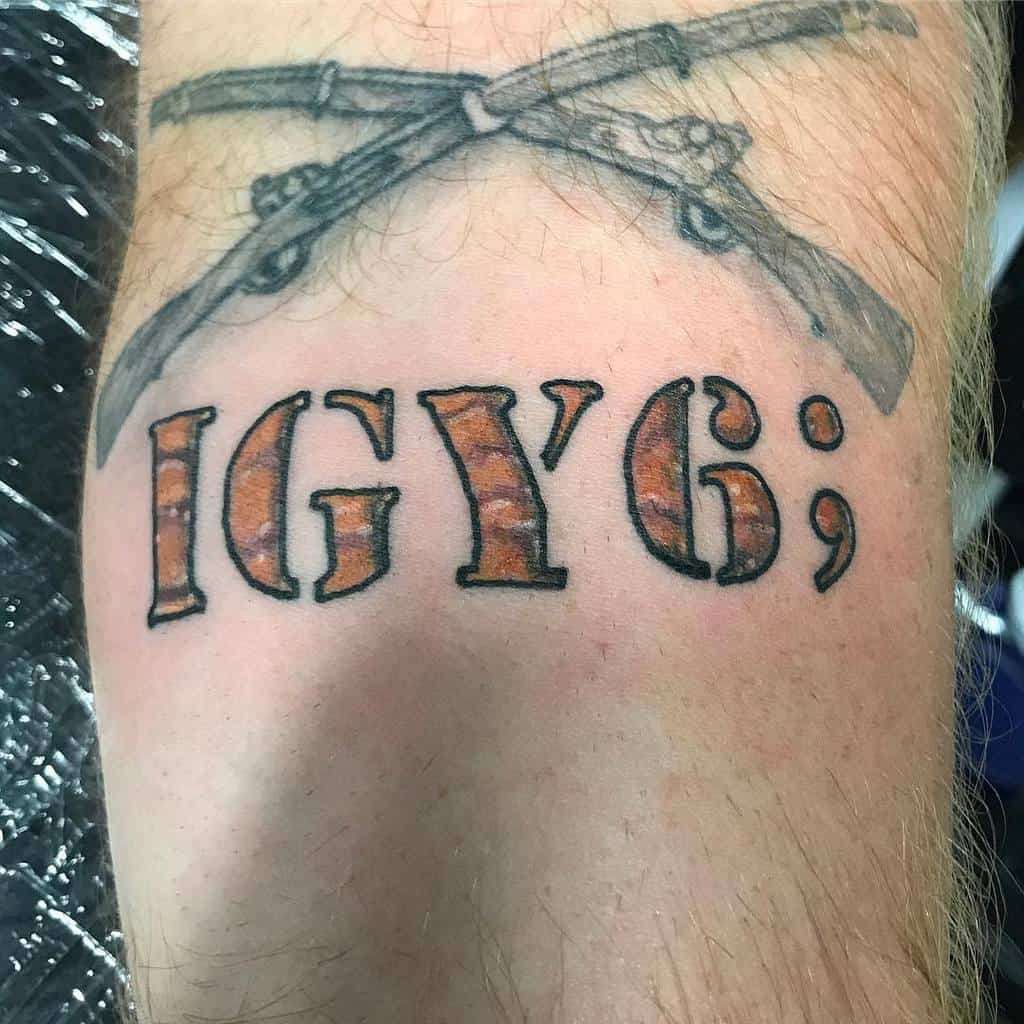
The IGY6 tattoo phenomenon has grown as an offshoot from Project Semicolon. Many I Got Your 6 tattoo ideas also contain a semicolon.
“A semicolon is used when an author could’ve chosen to end their sentence but chose not to. The author is you, and the sentence is your life.” – Amy Bleuel
The semicolon tattoo – the pause of a sentence instead of an end – was popularized by Amy Bleuel, the founder of suicide charity organization Project Semicolon, who unfortunately lost her mental health battle in 2017 at the age of 31.
The semicolon tattoo, and now IGY6 meaning, is to reflect that the battle is not over, and that self-harm and suicidal ideation can be fought against by sufferers, their supporters, and by the wider community.
What do the colors in an IGY6 tattoo symbolize?
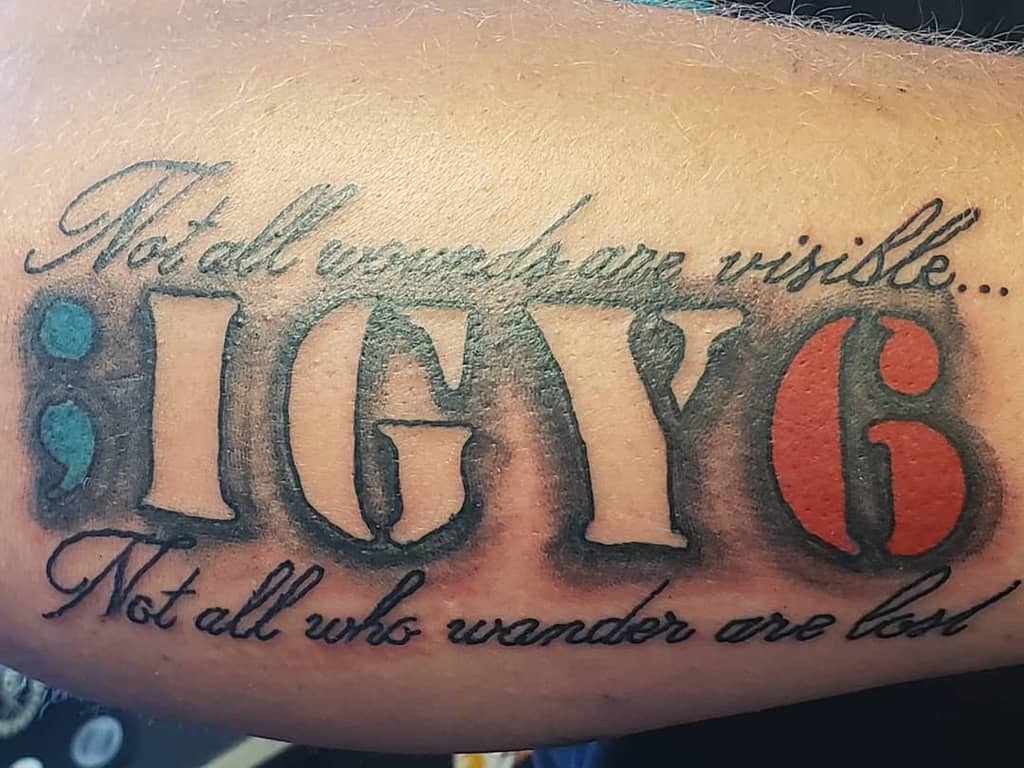
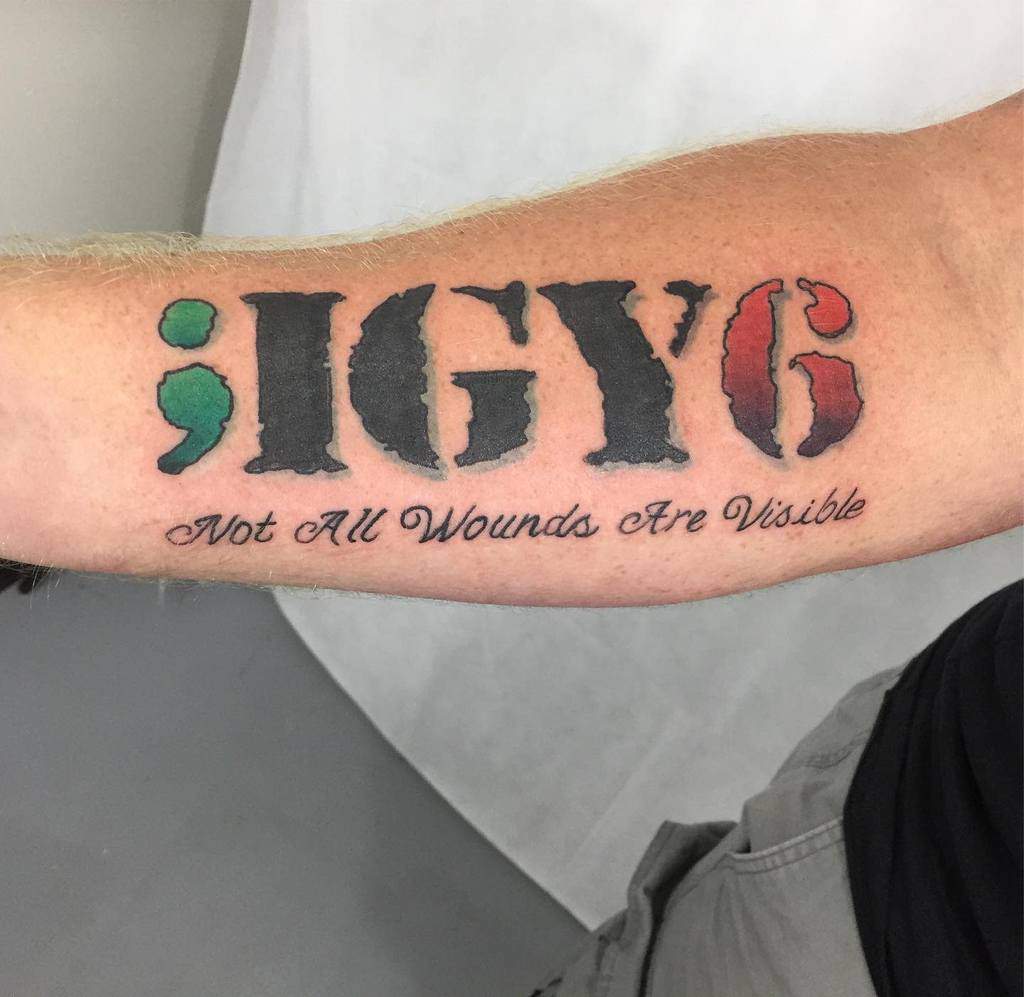
Many examples of IGY6 tattoo art use representative colors and terminology, even within larger or more detailed design ideas. These colors include:
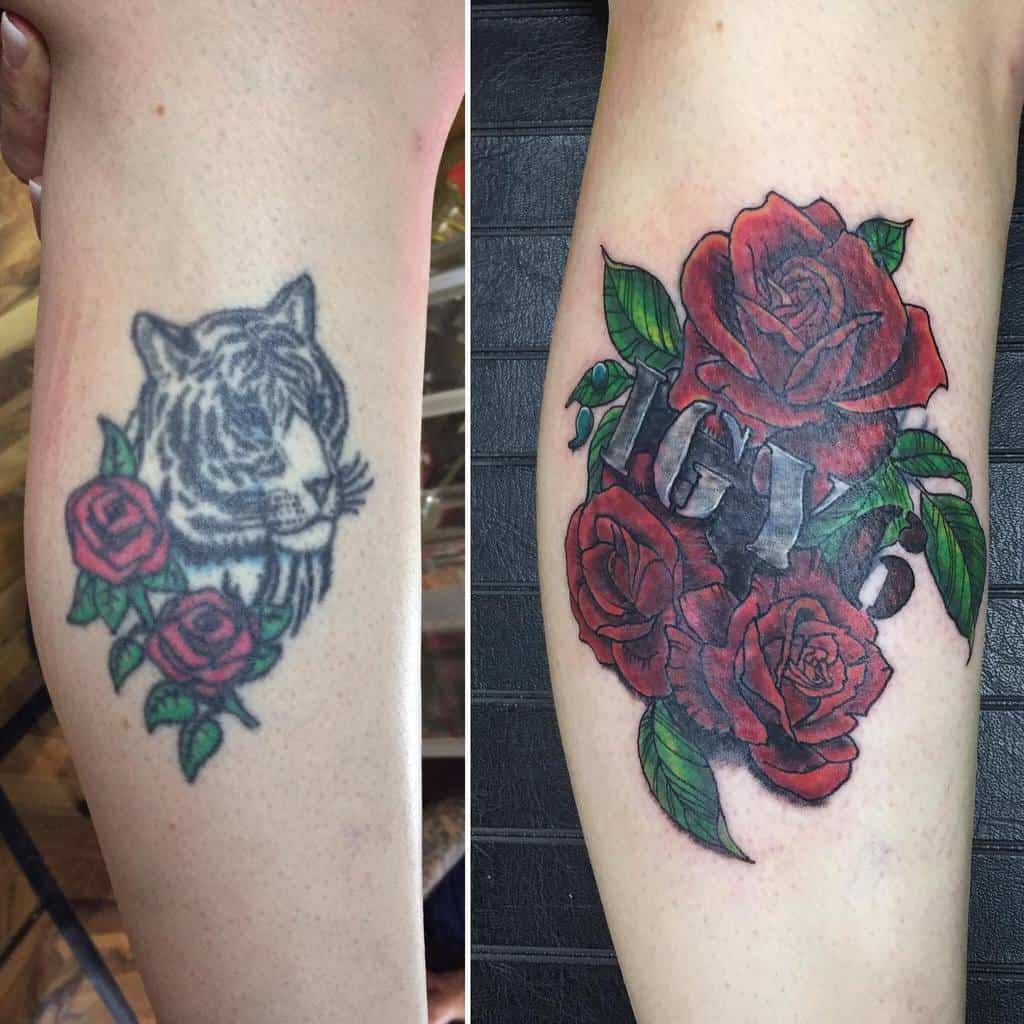
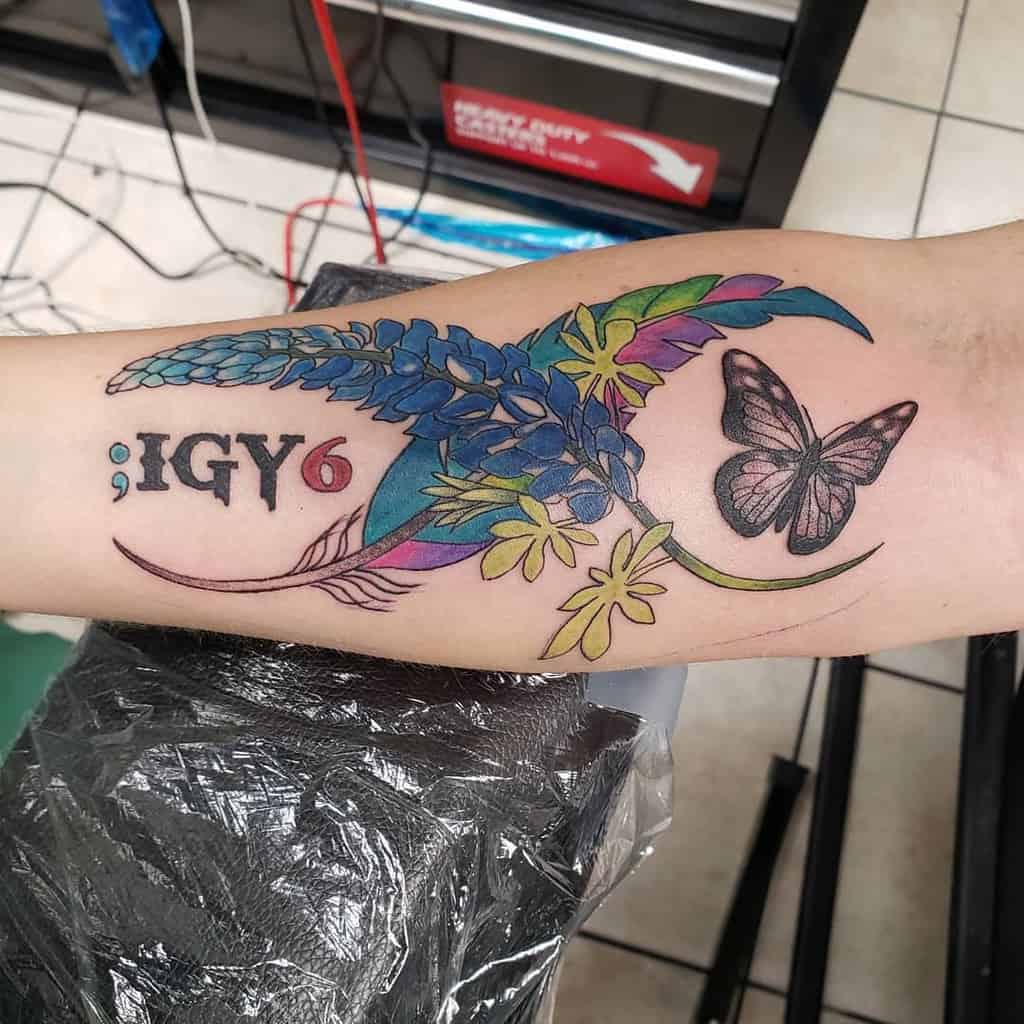
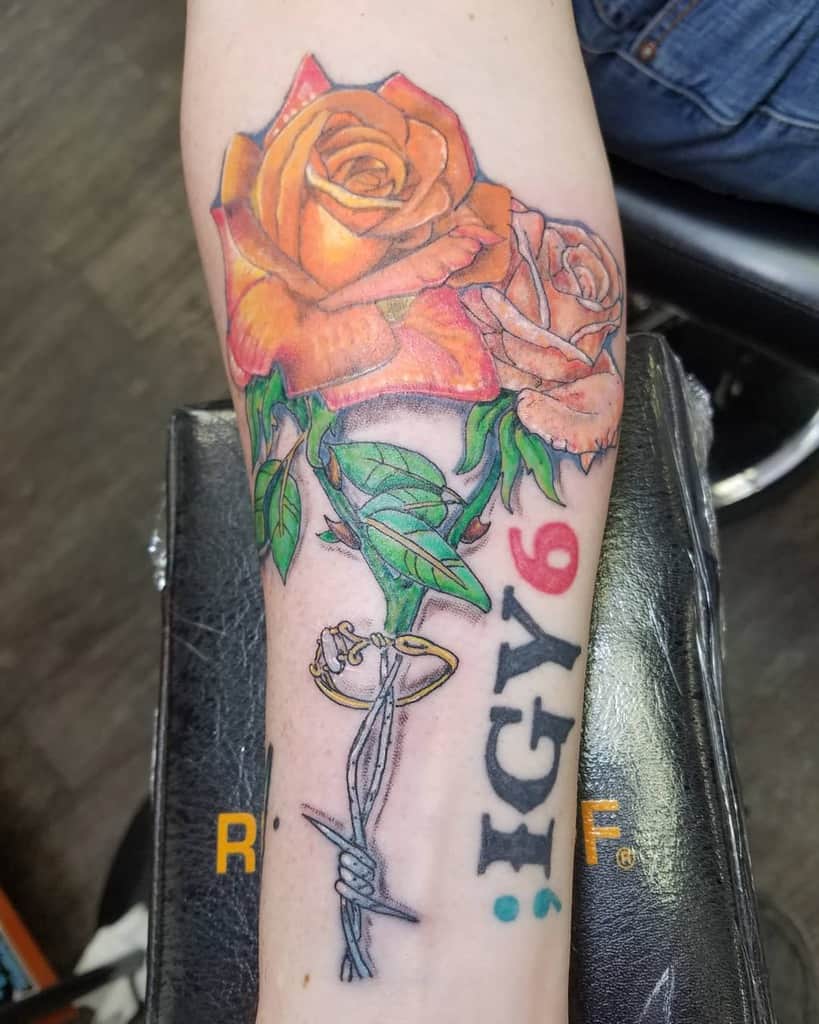
- Teal. This is the color used for the semicolon and is linked to PTSD
- Black. This is the IGY part of the tattoo, and refers to the heavy hearts of those suffering, or who have lost loved ones due to suicide and PTSD.
- Red. The number 6 is usually colored red to symbolize the blood shed by sufferers.
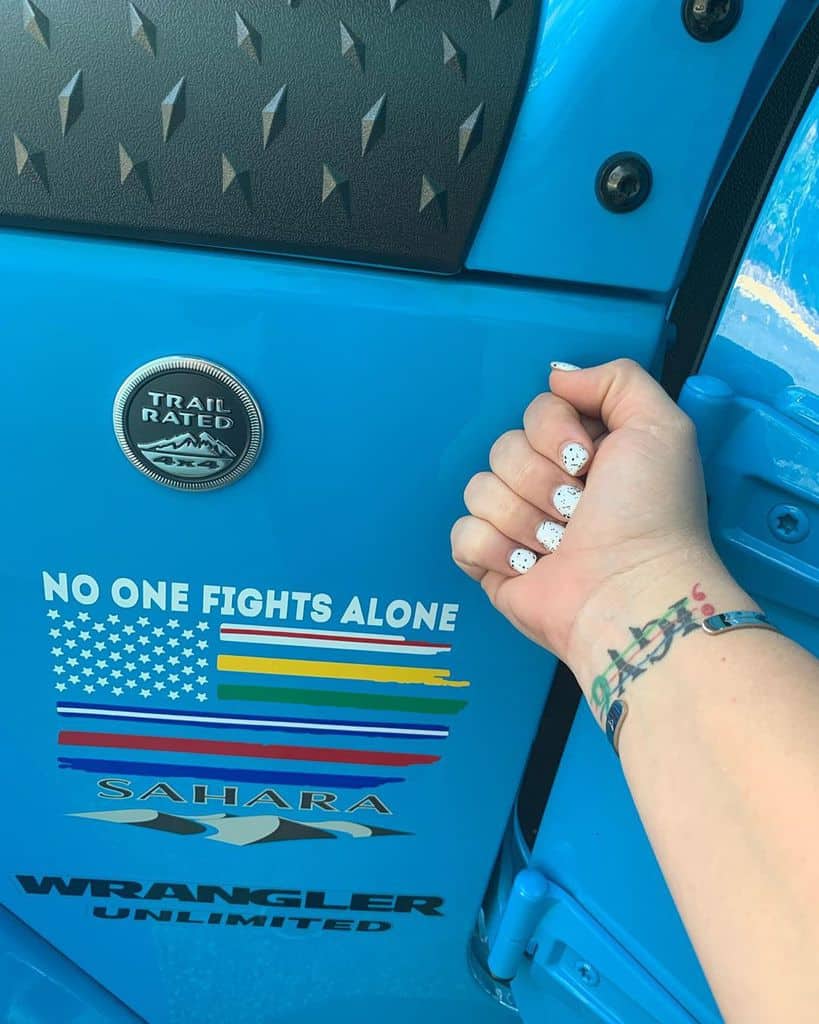
You’ll also find that some IGY6 ink ideas will portray blue to represent police, either as part of the IGY lettering or as a background ‘thin blue line.’ Many United States police officers come from a military or service background and identify the same issues in the course of their day to day work.
Why is the number 22 important in an IGY6 tattoo?
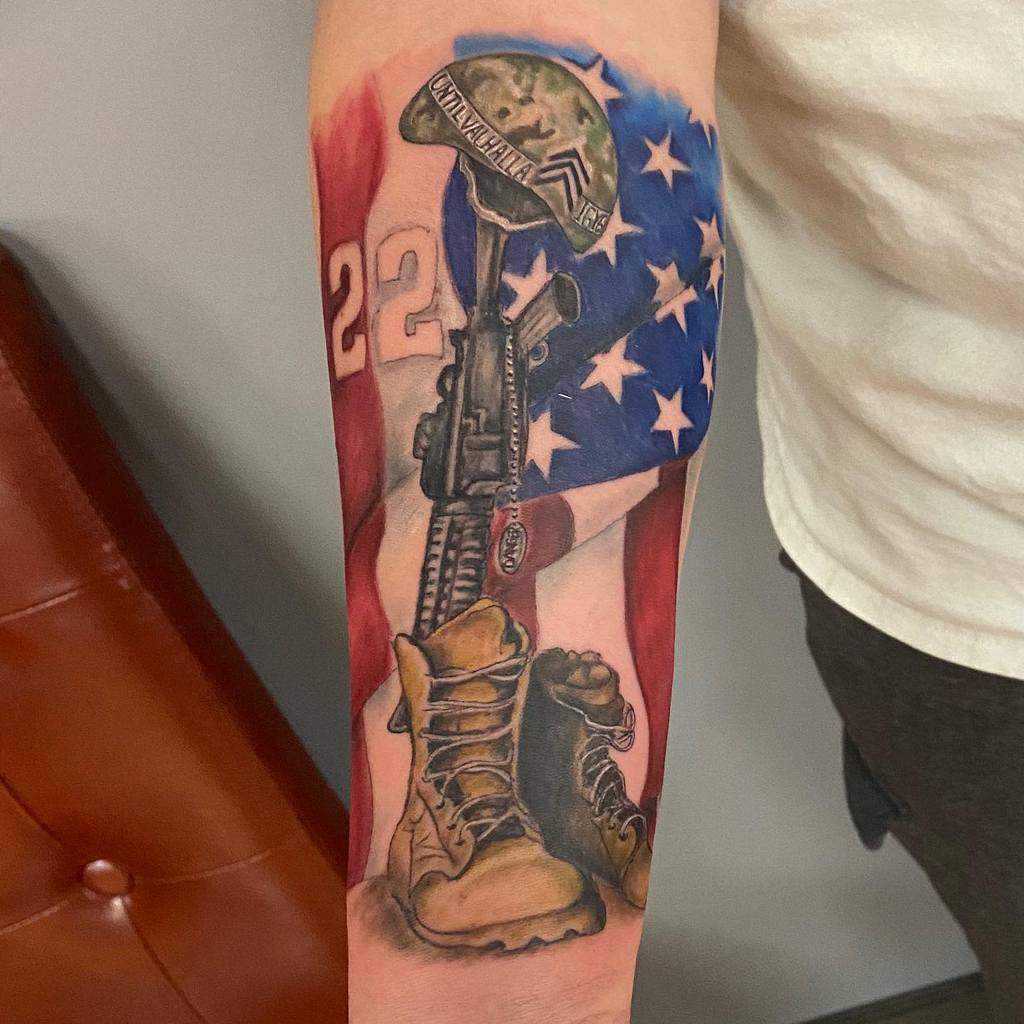
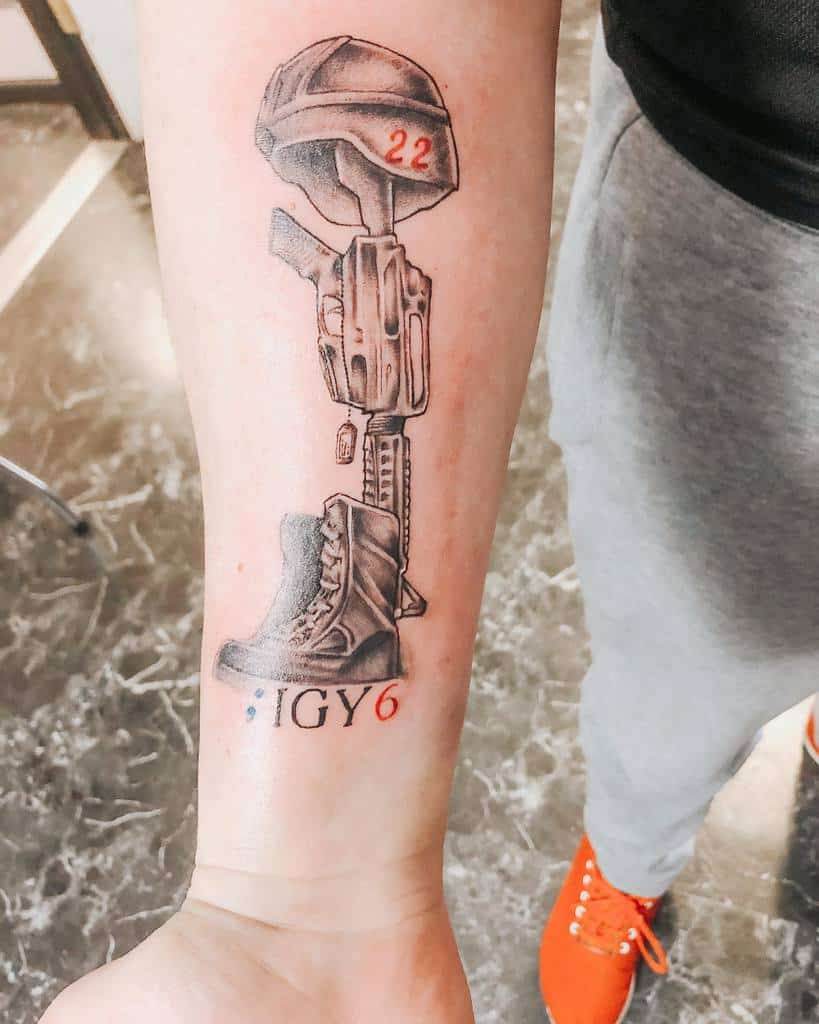
Another common component accompanying IGY6 ink is the number 22. It is another important symbolic part of the tattoo’s design and conveys the statistic that 22 ex military veterans every day lose their life to suicide resulting from depression and PTSD.
Are I Got Your 6 tattoos only for military?
No, IGY6 ink speaks strongly to military and veterans, but it is a tattoo concept and design meant to be used as an identifier for everyone suffering from depression and PTSD. It’s a means for people to recognize others that share the struggle of PTSD and serious mental health problems, not that they are returned servicemen.