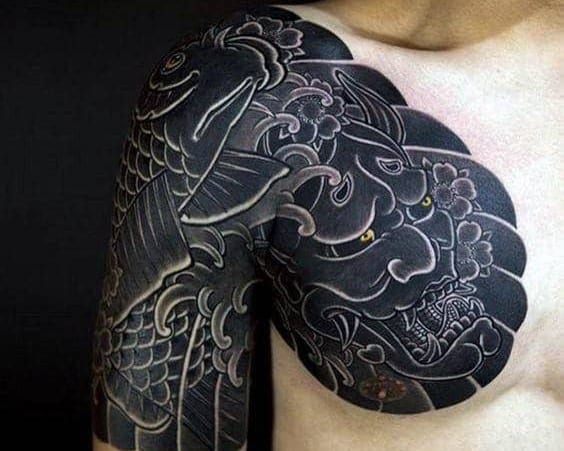

Irezumi is the Japanese word for tattoo. While ostensibly referring to “inserting ink” in Japanese tattooing, Irezumi is also used as a blanket term to describe various tattoo-by-hand styles originating in Japan.
This gallery showcases some of the best traditional style Japanese irezumi, the majority of which have been done via machine. As irezumi have done for generations of Western collectors, these fantastic examples will provide you with great inspiration and a wealth of ideas for your next tattoo choice.
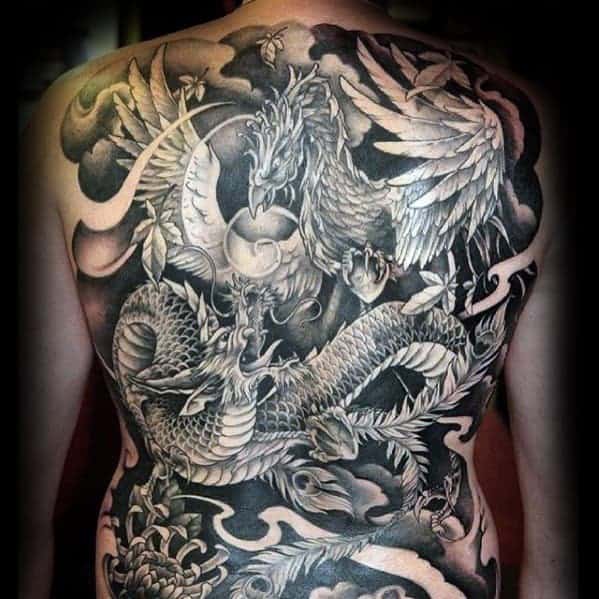
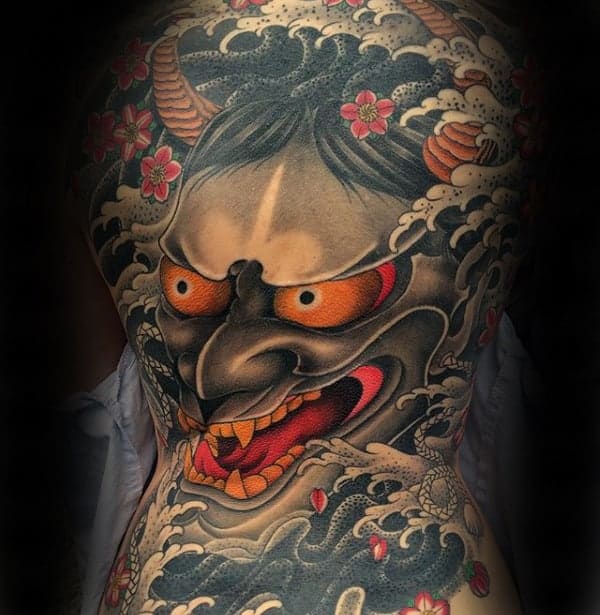
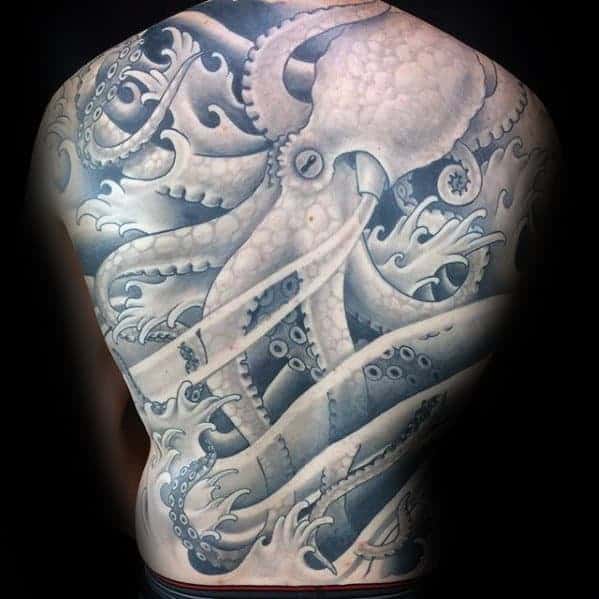
1. Senaka: Back Tattoo Ideas
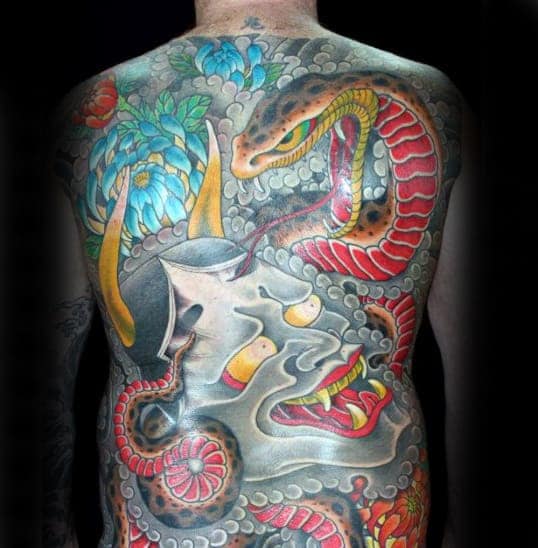
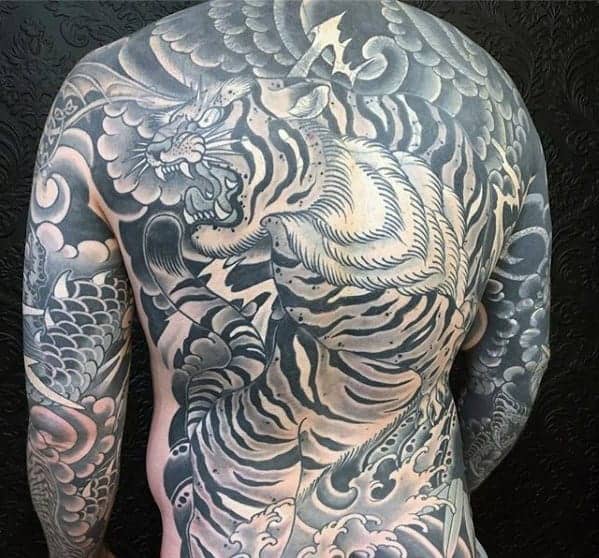
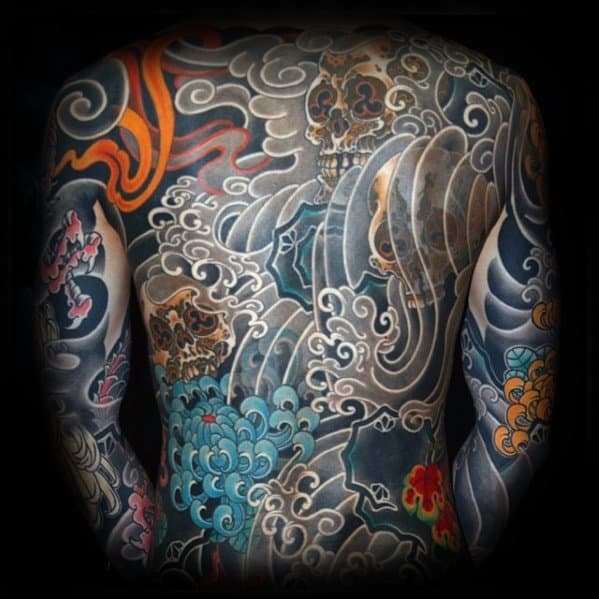
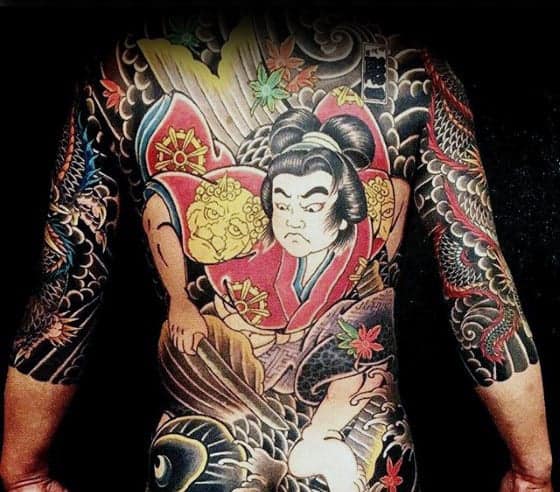
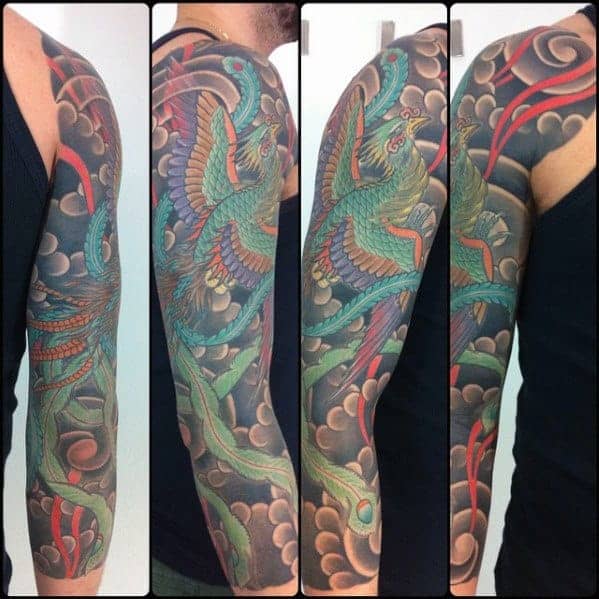
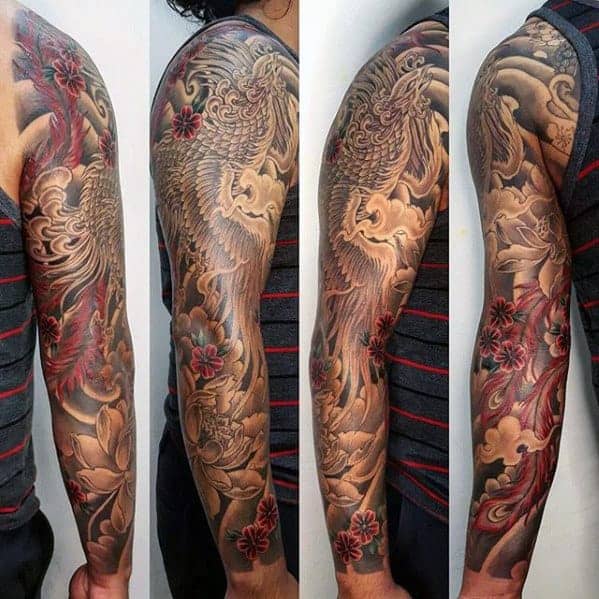
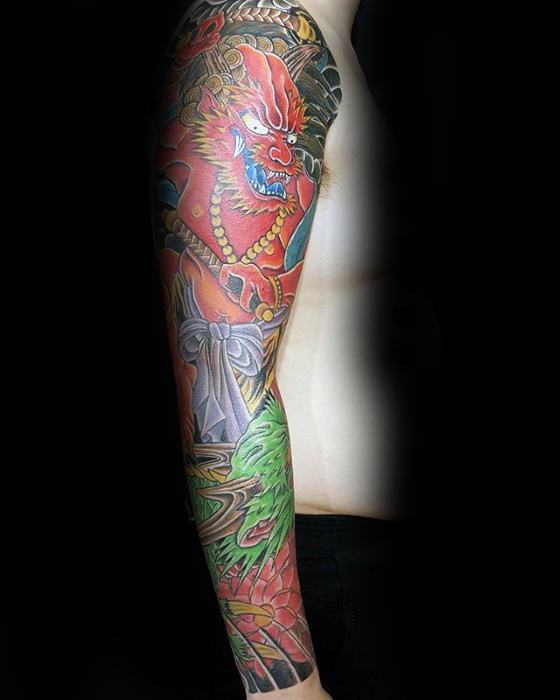
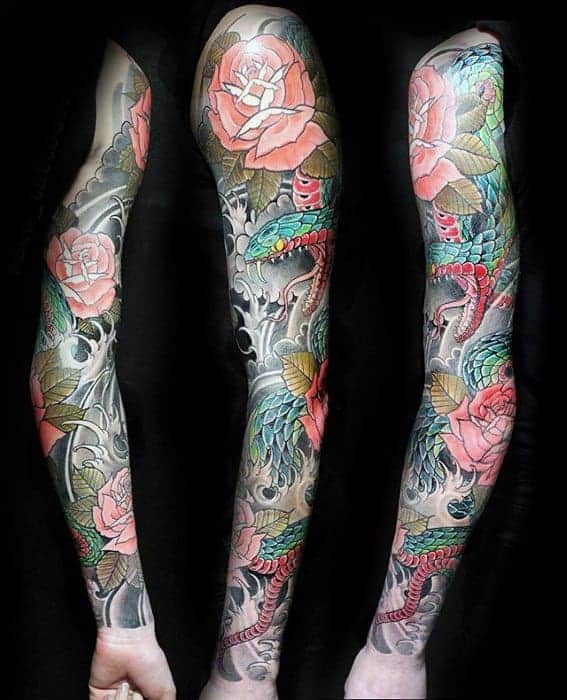
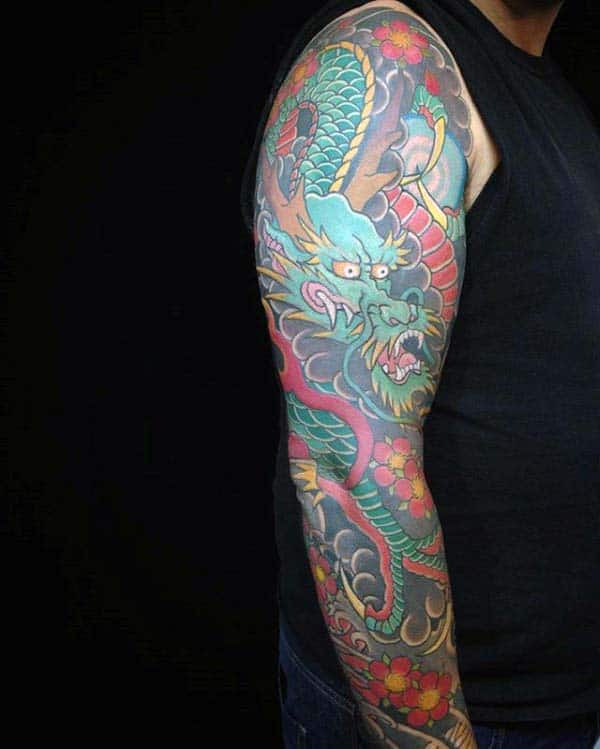
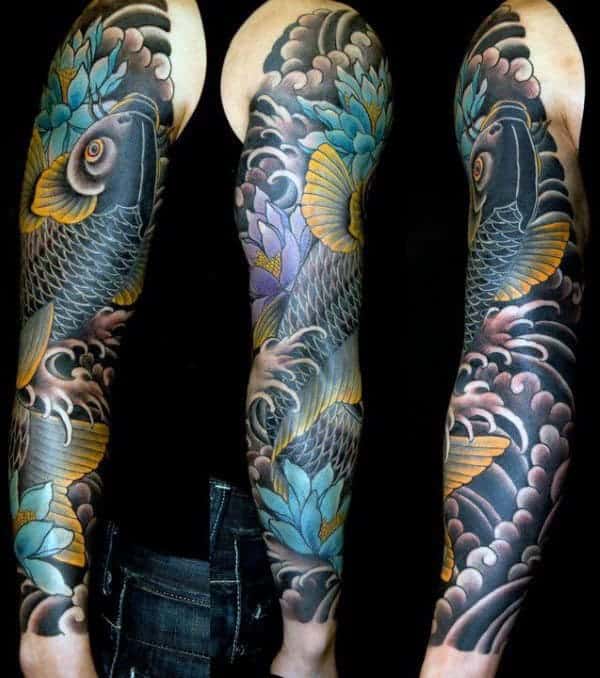
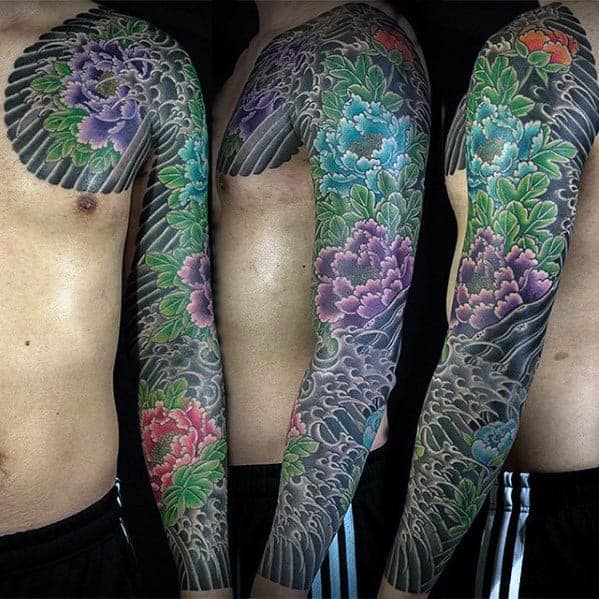
2. Nagasode: Long Arm Sleeve Tattoos
3. Upper Body Tattoos
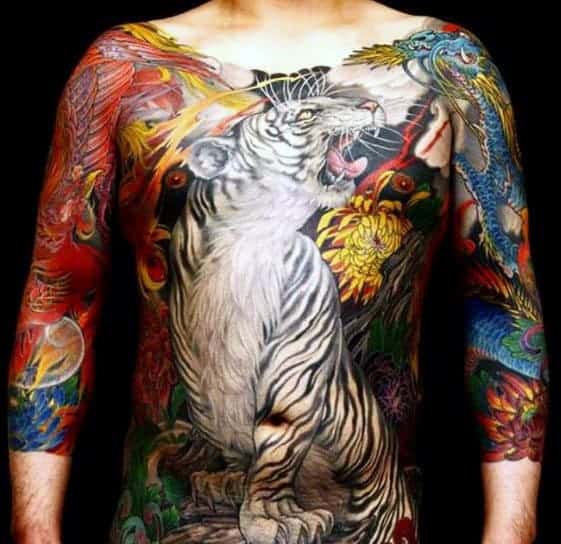
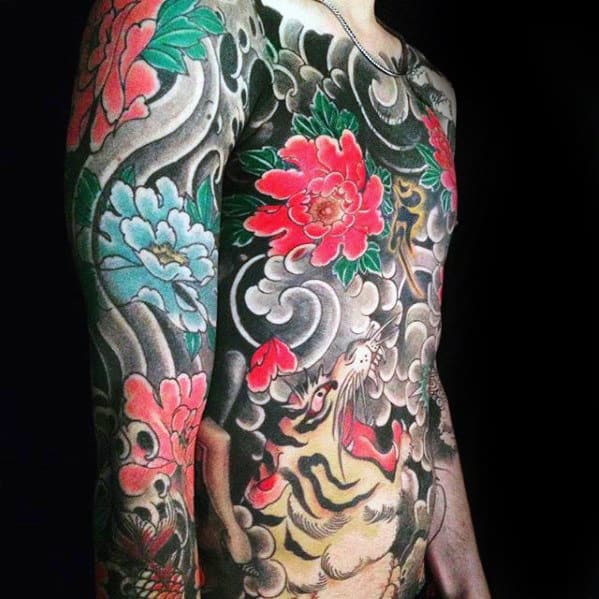
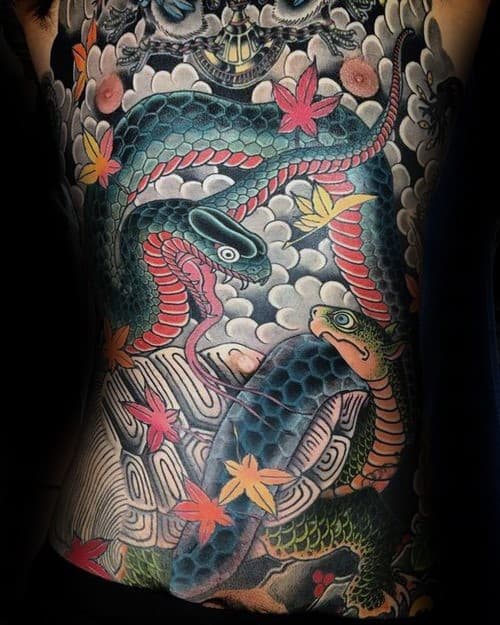
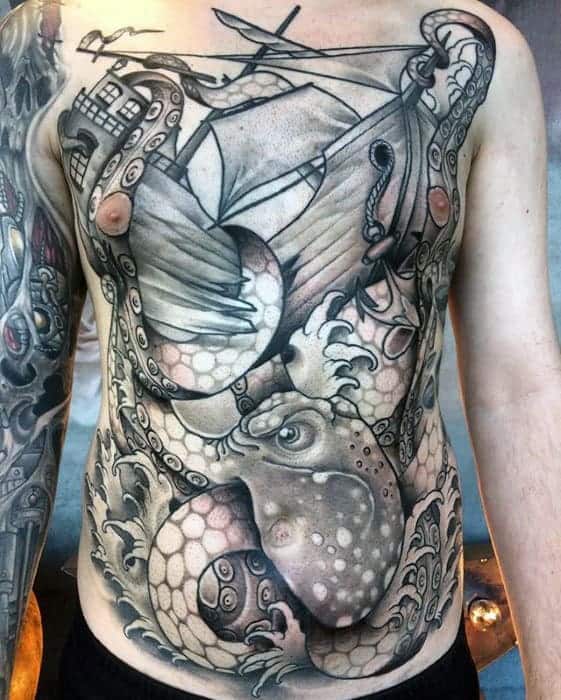
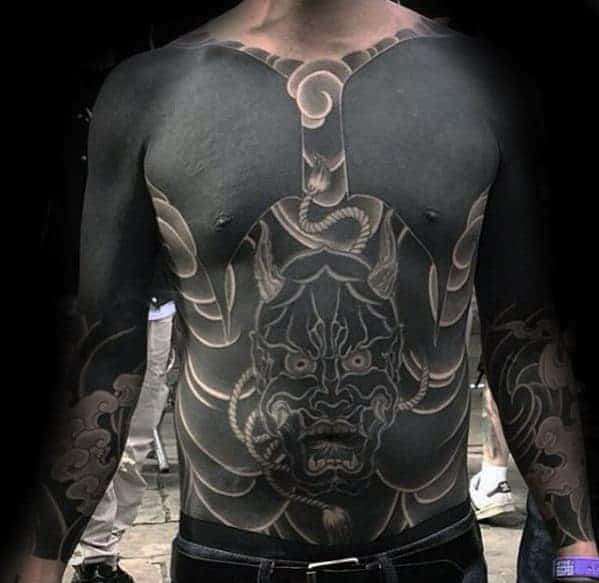
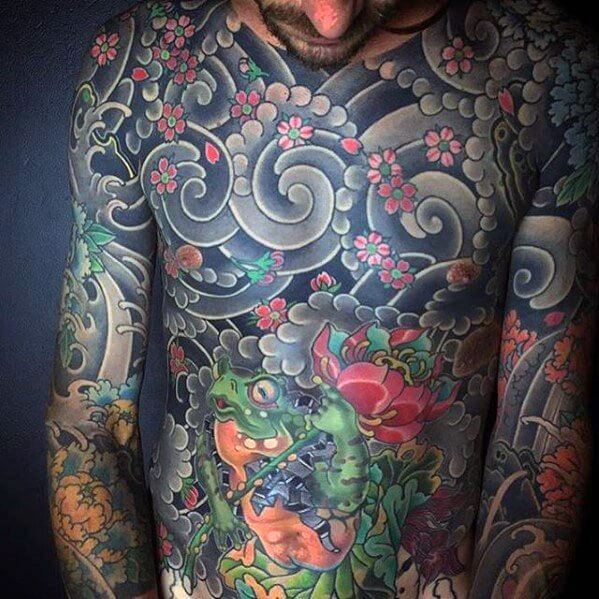
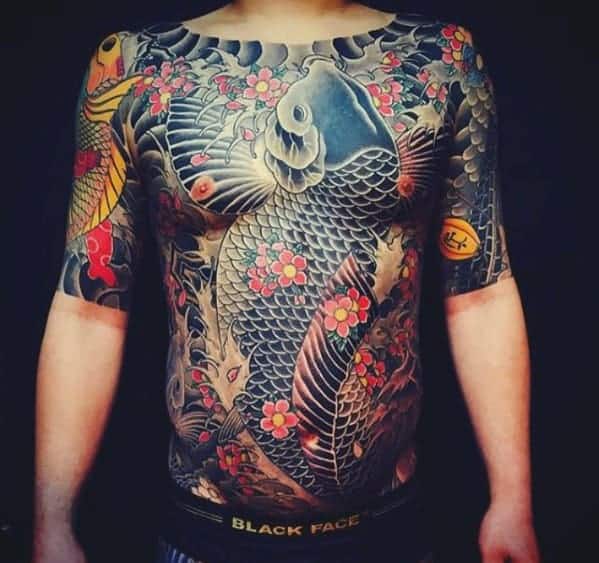
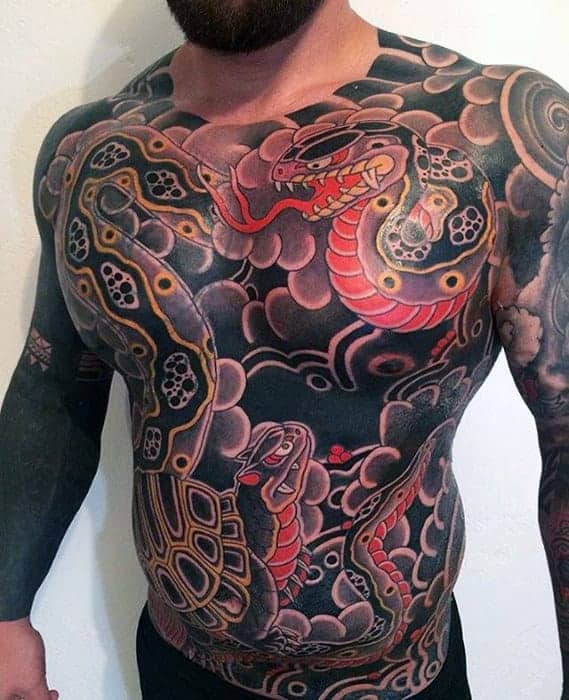
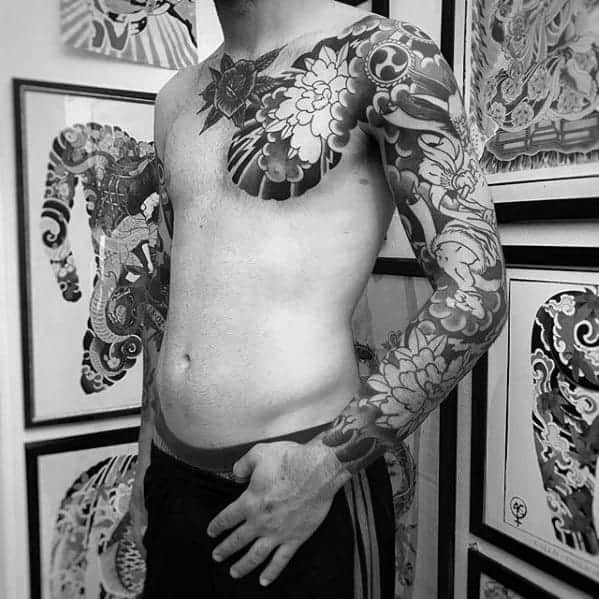
4. Munewari: Split Body Suit Tattoos
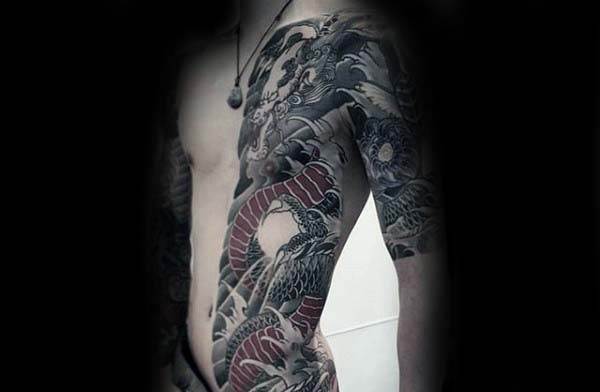
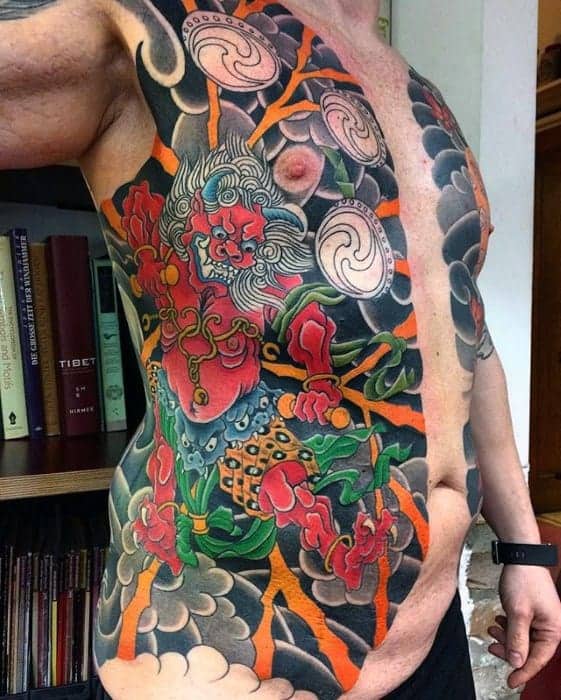
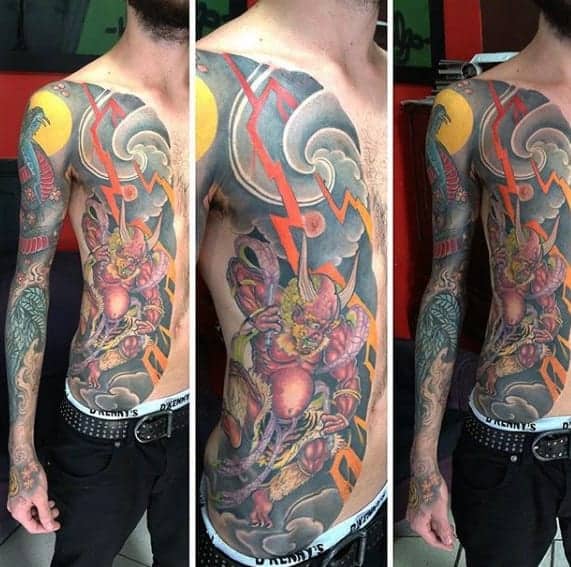
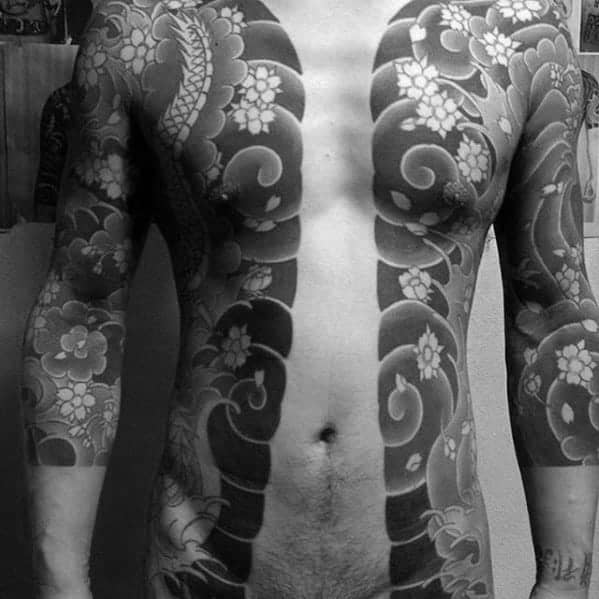
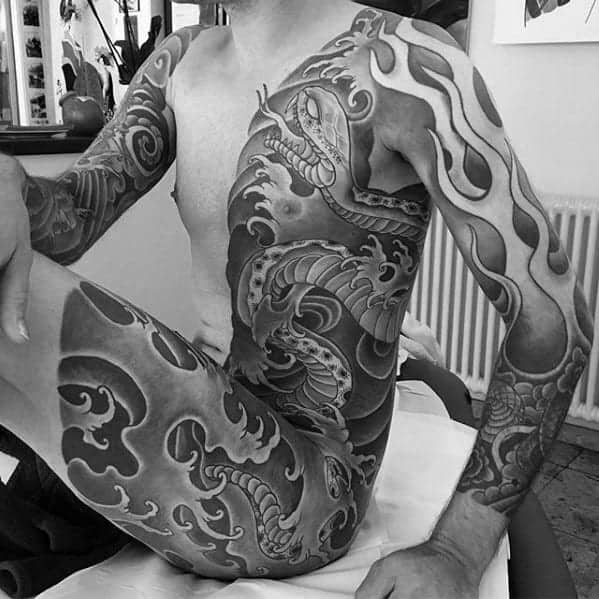
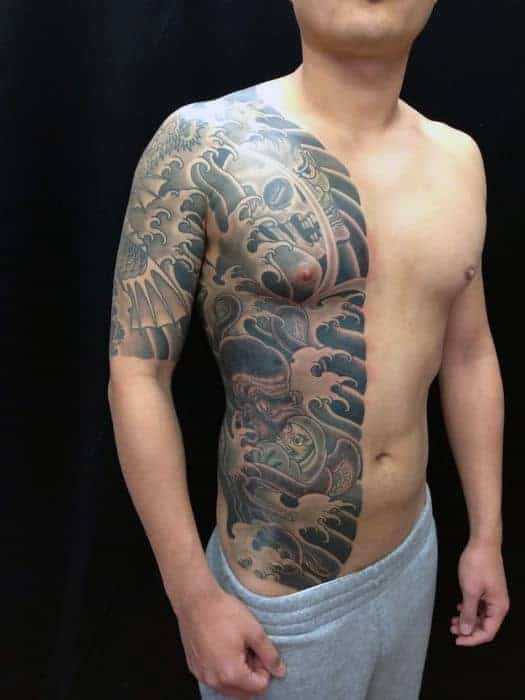
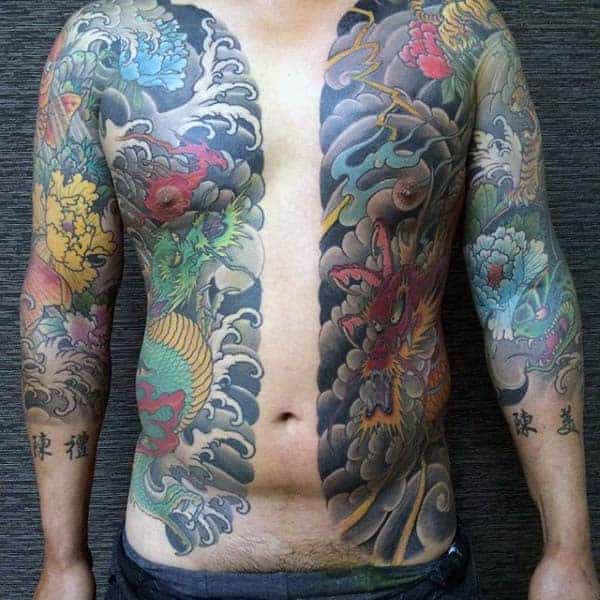
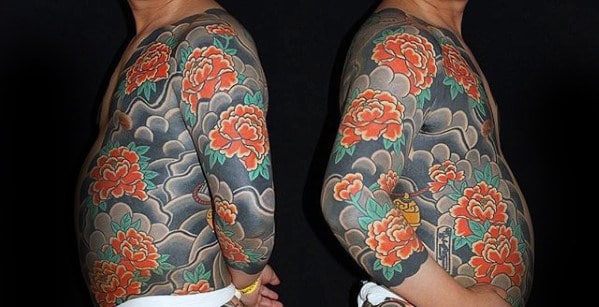
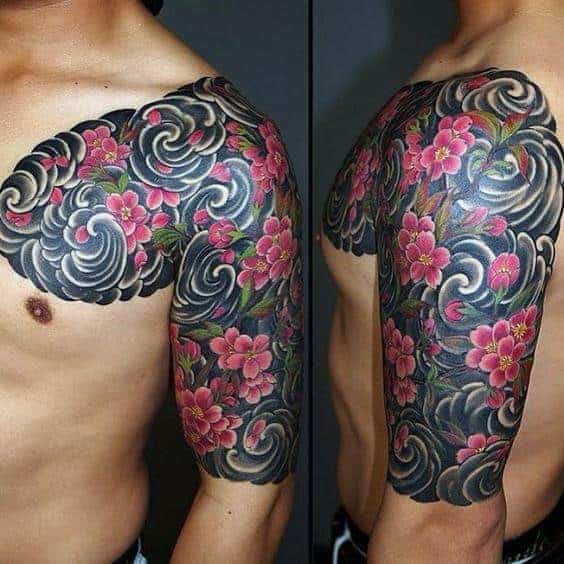
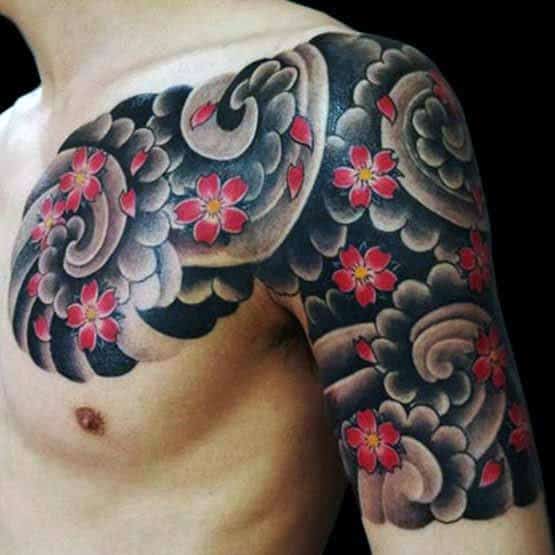
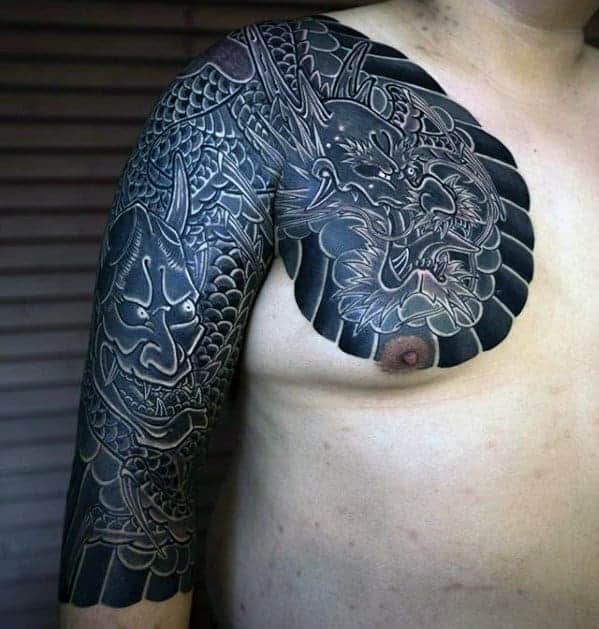
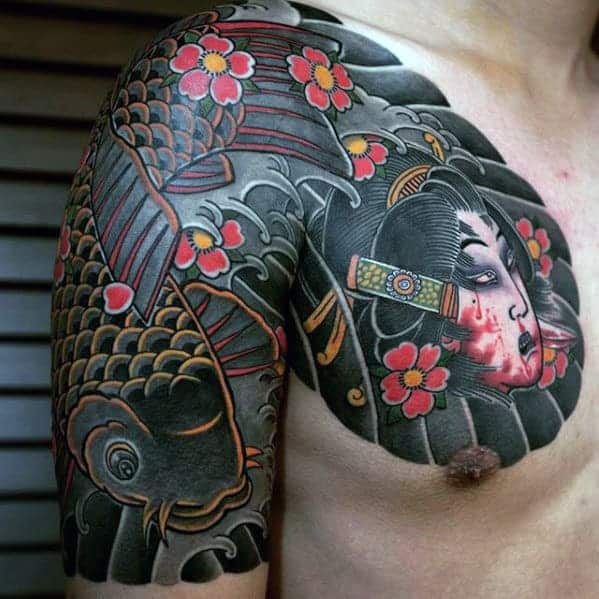
5. Hikae Gobu: Shoulder and Arm Half Sleeve Tattoos
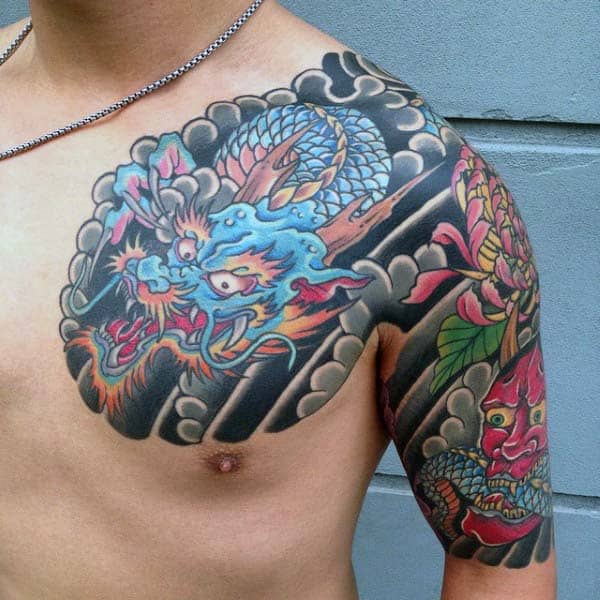
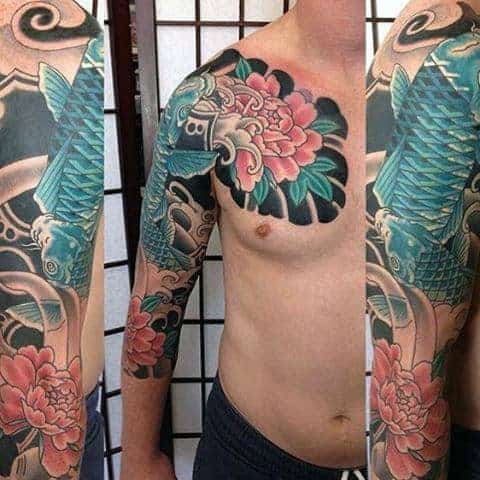
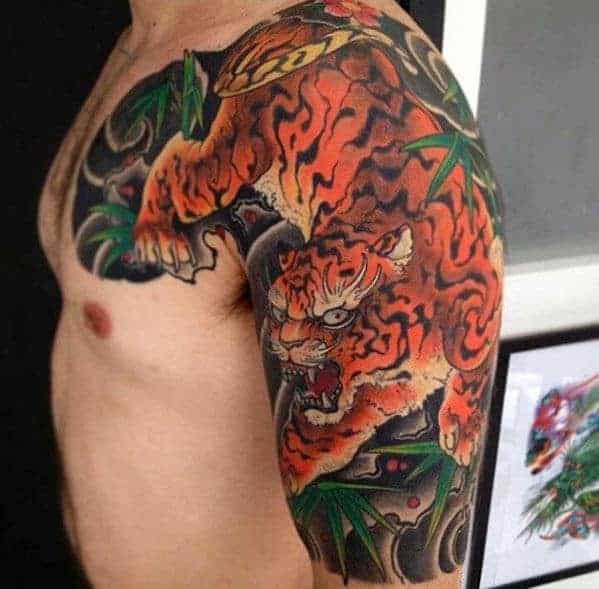
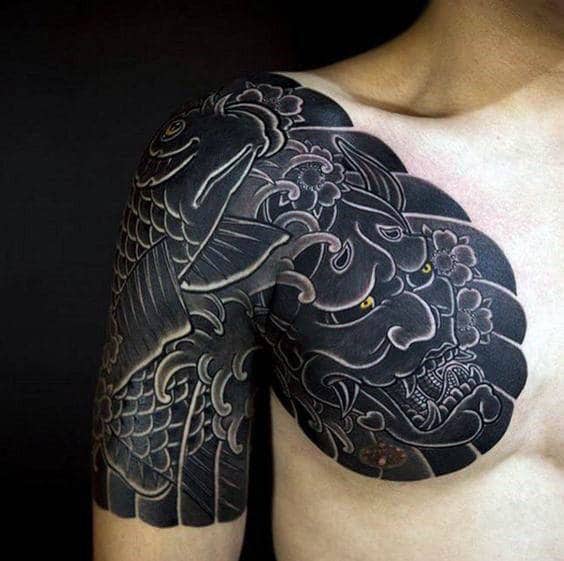
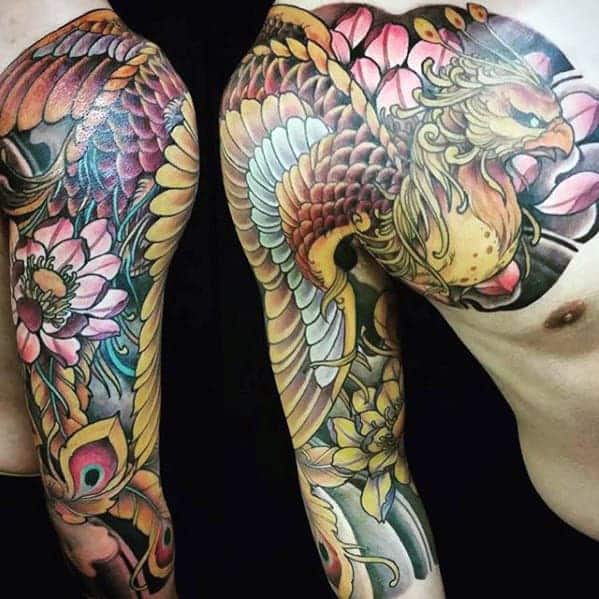
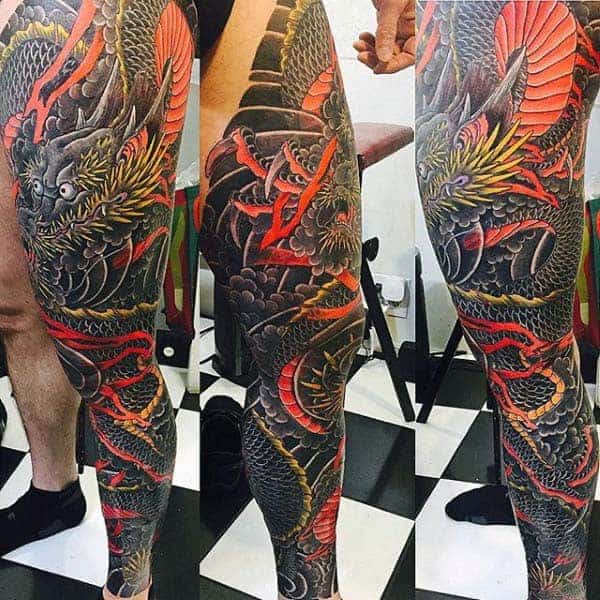
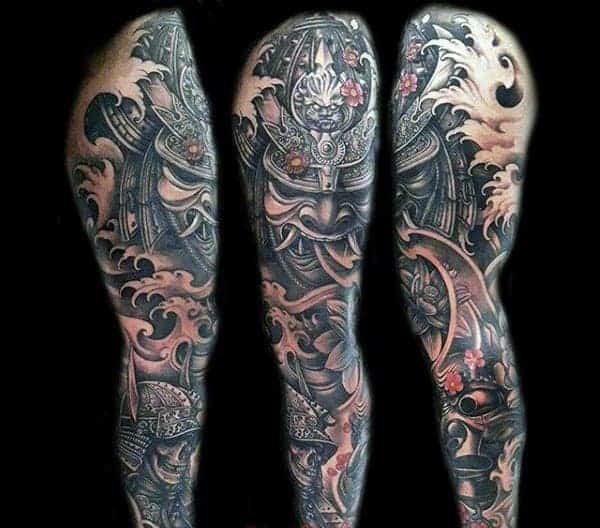
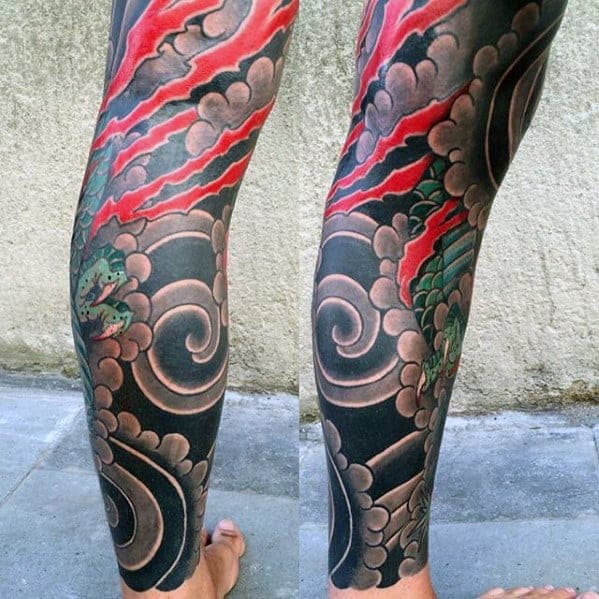
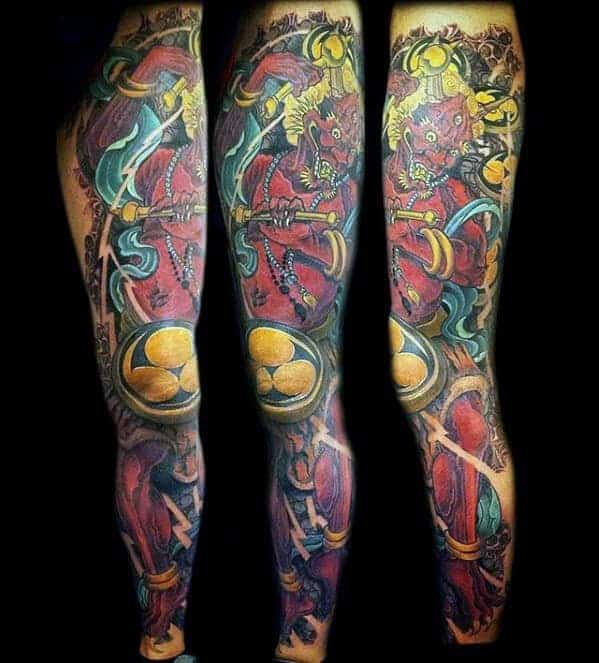
6. Leg Tattoo Ideas
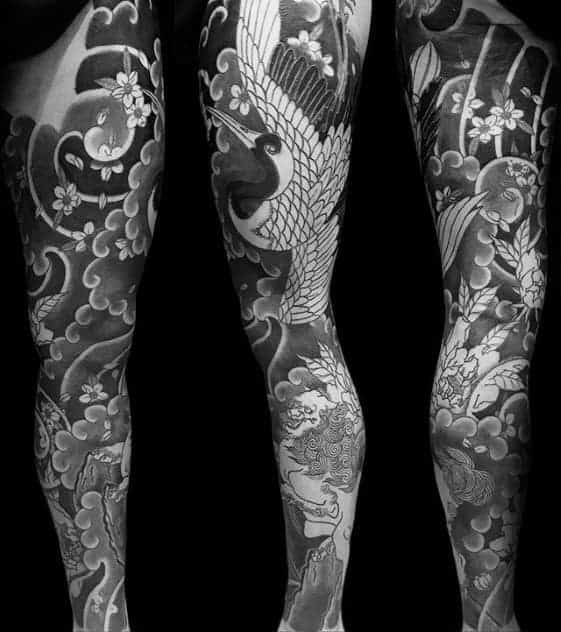
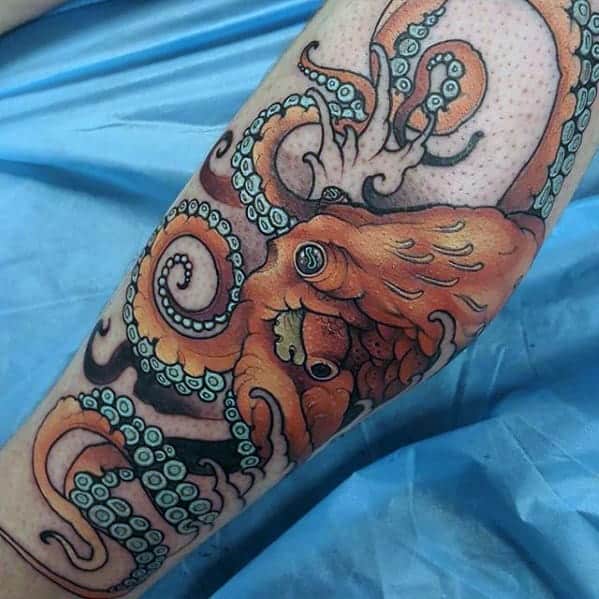
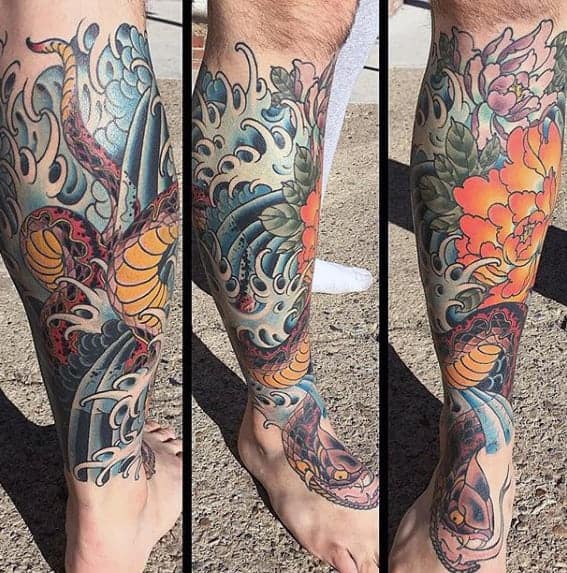
7. Chest Tattoos
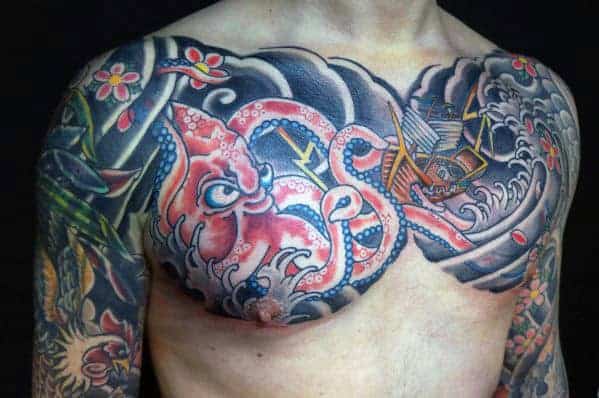
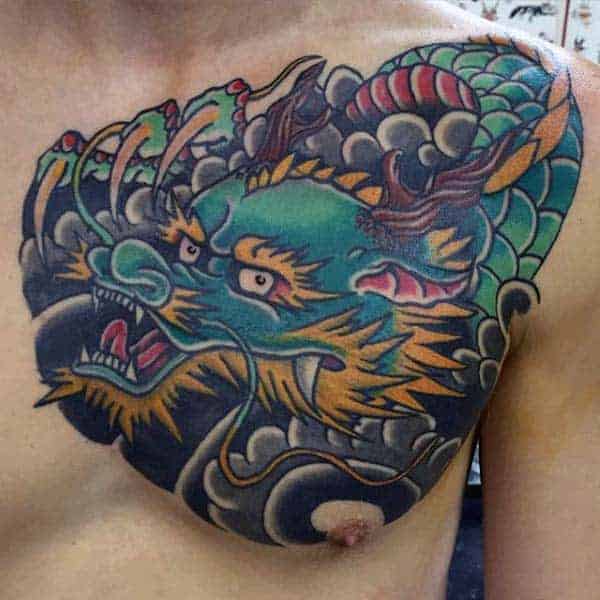
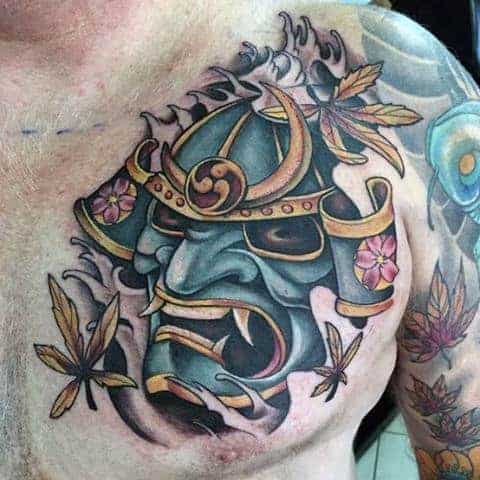
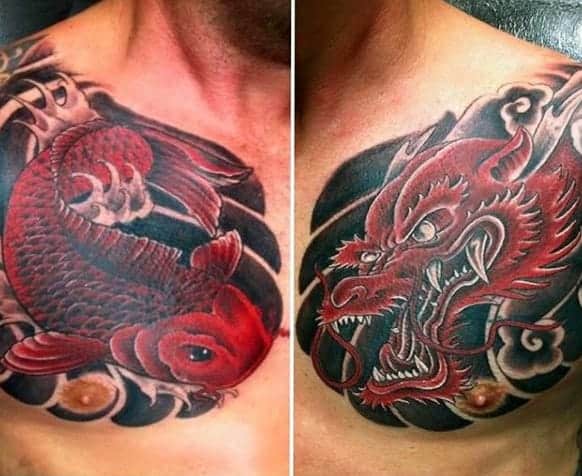
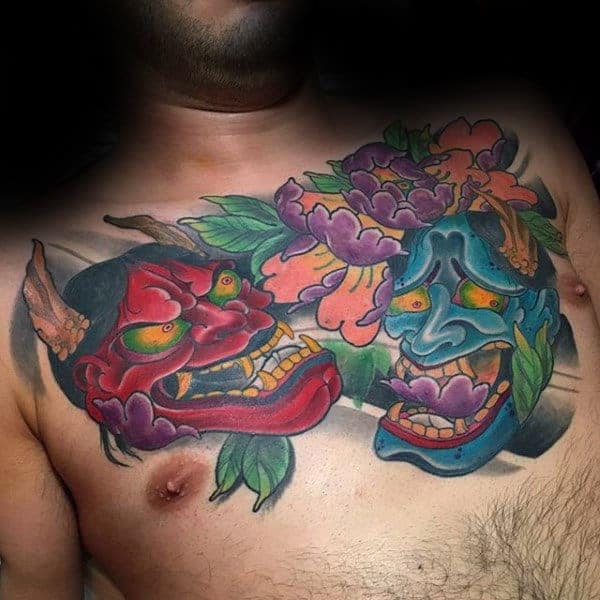
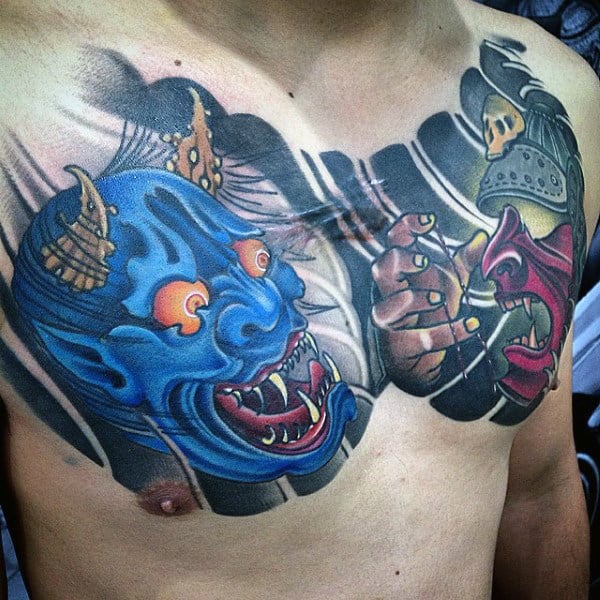
8. Twin Hikae Shoulder and Arm Tattoos
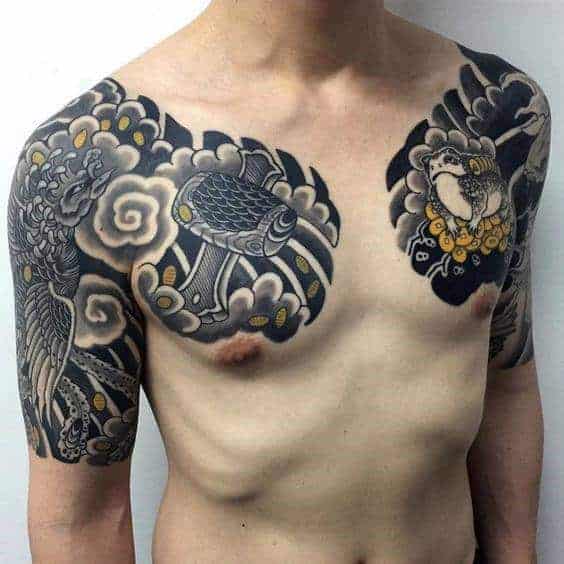
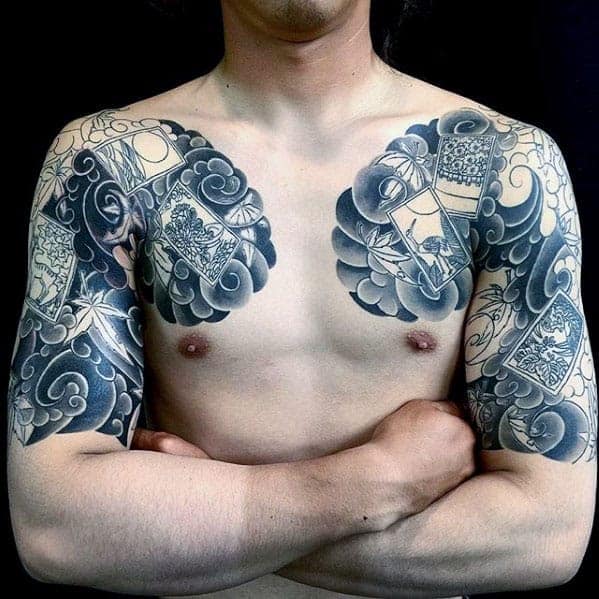
More About Irezumi
Irezumi is the Japanese word for tattoo. While ostensibly referring to “inserting ink” in Japanese tattooing, it is also used as a blanket term to describe various tattoo styles originating in Japan.
Originally applied by authorities as a means to identify criminals, tattoos were later incorporated into Yakuza tradition, with large, elaborate body suits depicting Japanese mythology.
While not deemed illegal any more, tattoos remain heavily stigmatized in Japan despite the younger generation picking up body art as a mean of self expression.
Traditional Japanese tattoos that are done by hand are referred to as tebori, however tattoo technology has caught up and most designs are now done by artists using a machine.
Japanese traditional designs feature rich color, heavy single fill and bold outline designs often covering large areas of skin. The elements are greatly important for filling out and supporting the major theme (Shudai) of the large and complex Japanese tattoo designs.
Some popular types of traditional Japanese ink include:
Donburi Sōshinbori – The full coverage body tattoo
Gobu – A half sleeve arm tattoo running to just above the elbow join
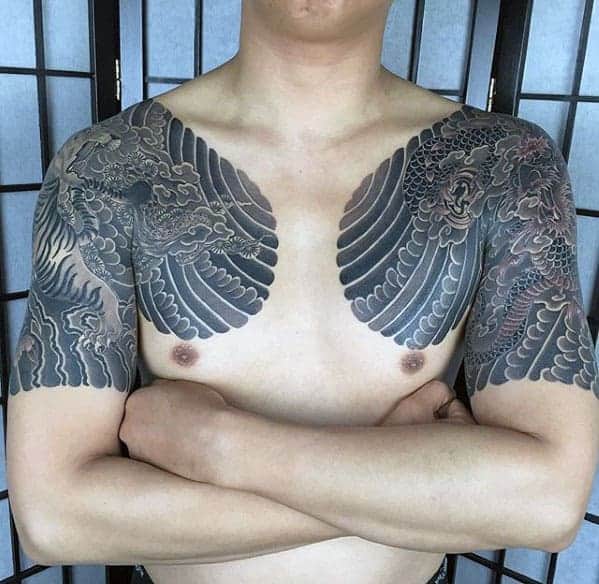
Hikae – Chest panel tattoo
Munewari – Full chest tattoo with middle strip of un-tattooed flesh
Munewari Sōshinbori – A full body tattoo with the opening on the chest
Nagasode – A full sleeve arm tattoo
Senaka – Full back tattoos
FAQs
What are Japanese traditional tattoos?
Traditional Japanese tattoos that are done by hand are referred to as tebori, however tattoo technology has caught up and most designs are now done by artists using a machine.
The literal translation of tebori is “to carve by hand”. Tebori describes the traditional Japanese technique most often used before the incorporation of tattoo machines, which is known as Yobori, or Yo for short.
Japanese traditional design feature rich color, heavy single fill and bold outline designs often covering large areas of skin.
Why are waves popular in Japanese traditional tattoo?
Waves are popular as shudai (central themes) or gakoubori (filler) because the flow of water can represent the ever-changing nature of life, a key concept in Japanese culture.
Also, Japanese artistic pieces have been translated directly into tattoos, like the “Great Wave” by Katsushika Hokusai.
What are the most popular themes of Japanese tattoos?
- Dragon (Ryu)
- The Phoenix (Ho-ou)
- Hannya Mask, Oni, and Nabakumi (Demons)
- Raijin (God of lightning, thunder, and storms)
- Kitsune (Fox)
- Cranes
- Koi Fish
- Samurai
- Geisha
- Waves
- Skulls (Zugaikotsu)
- Foo Dog (Karashishi)
- Snake (Hebi)
- Tiger
- Octopus