
Take a glimpse into cosmetic tattooing and the application process of eyebrow microblading. Gain knowledge about the brow tattoo technique and find out if it’s right for you.
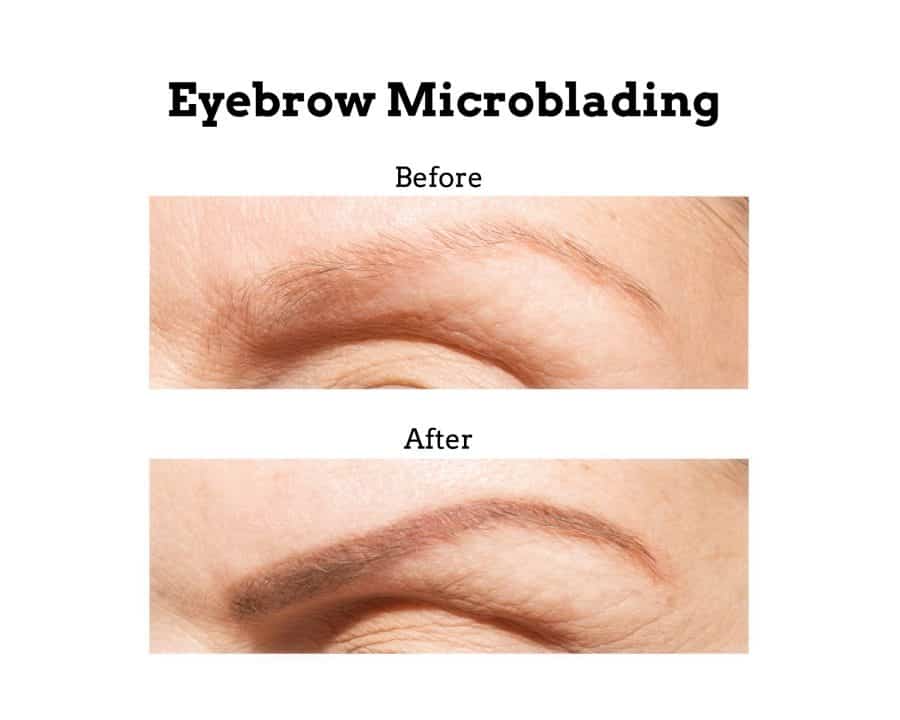
When we hear people talk about permanent makeup and cosmetic tattoo, images of drawn-on eyebrows, terrible makeup and non-existent eyeliner come to mind. While 15 years ago this may have been the case, the world of permanent eyebrows has come a long way from Tammy Faye Baker.
The biggest development in cosmetic eyebrow tattoo comes in the form of microblading.
Here we will discuss the ins and outs of this hot brow tattoo procedure, creating a guide that will help determine if eyebrow microblading is right for you, or if you should stick with the eyebrow pencil or go for eyebrow embroidery.
[see_more_about title=”The Top 50 Best Ultimate Tattoo Ideas” link=”https://nl.jahaweb.com/mens-style-and-fashion/top-50-best-tattoo-ideas-for-men/”]
Origins
The process of microblade brow tattooing has murky origins. For a long period, a story involving samurai practicing a form of microblading gave many the idea that the eyebrow tattooing process originated in Japan, although recently that has been disproven.
Despite the relatively recent arrival in the West (the modern practice has been popular since 2005) there is historical evidence that similar traditional eyebrow tattooing has much older roots in Northern China.
What is Microblading?
Whether a new perfect eyebrow technique or part of an ancient tradition, microblade brows have taken the cosmological world by storm. With endorsements from dozens of celebrities and coverage on day-time talk shows, microblading is the the hot new trend in the fashion world – making it seem like the end for your eyebrow pencil. But what exactly is it?
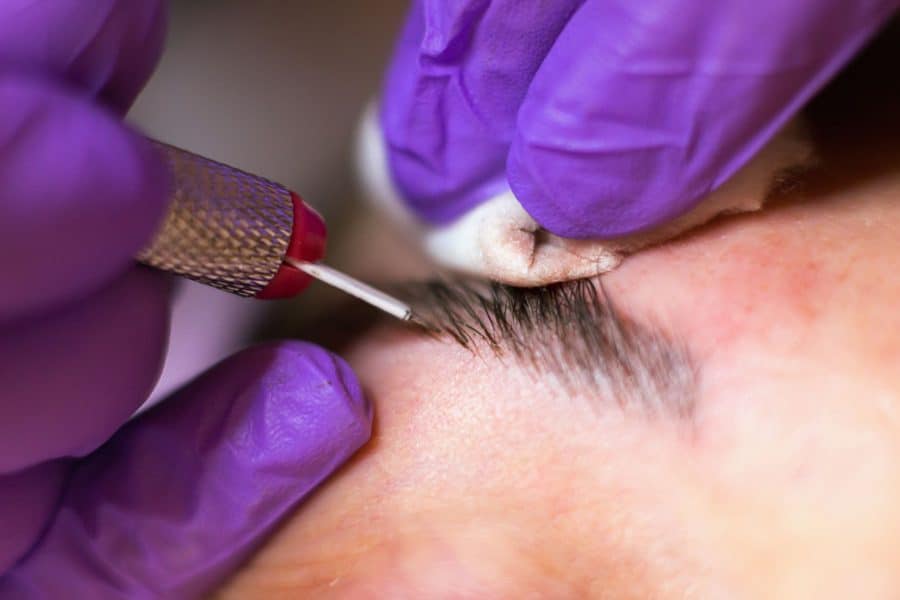
Microblading is often referred to as cosmetic tattooing, or permanent makeup, and while it does share some characteristics with traditional tattooing, there are also some key differences. Traditional tattoo ink is applied with a machine that uses needle packs to implant ink below the third or fourth layer of skin at around 3000 RPMs, allowing the tattoo artist to create the intricate details and breathtaking designs that typify modern tattooing.
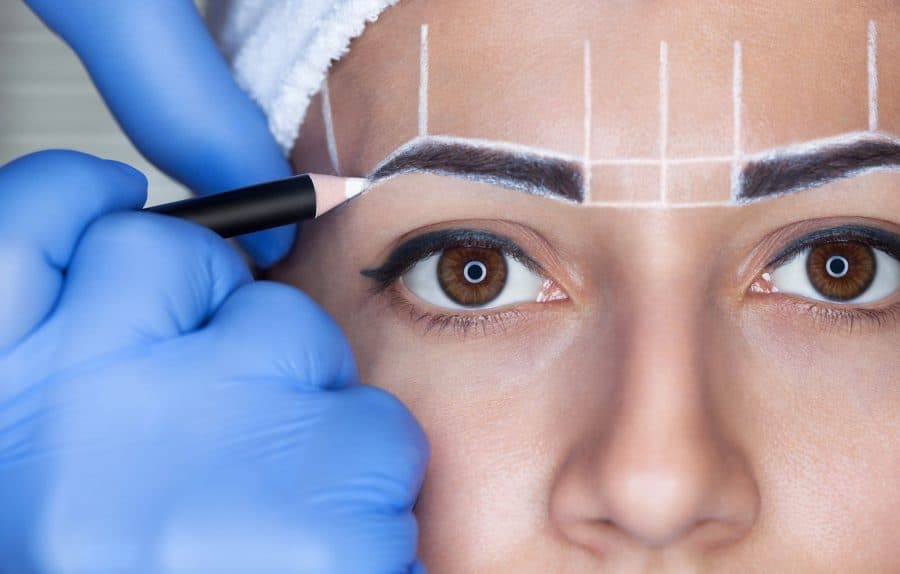
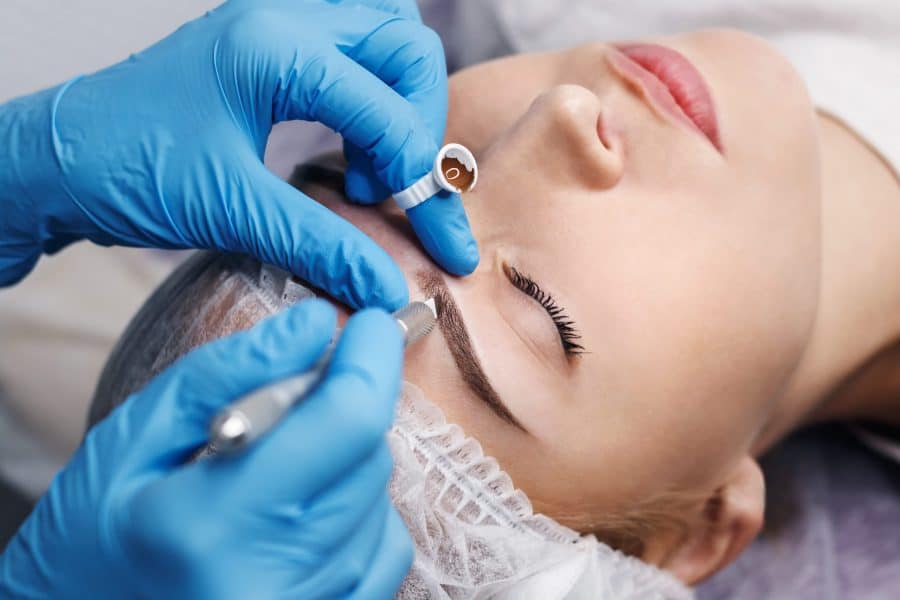
Microblading on the other hand uses a static tool to apply microblading ink to the skin, although the variety of blades used share similarities with tattooing needles. After spending upwards of an hour creating an outline for the perfect eyebrow the artist uses this tool to make tiny incisions in the skin and then applies microblading ink to these areas to create tones that fill out and amplify the client’s natural eyebrow shape.
The effect created is much more subtle than traditional cosmetic makeup and the goal is to enhance the wearer’s existing brow shape, not to create new ones. Microblading produces more realistic and natural eyebrows that, when properly applied, doesn’t look like microbladed eyebrows at all.
Is Microblading Permanent?
Given the way that microblading is often conflated with traditional tattoo, there is understandable confusion about the permanence of tattoo eyebrows. The longevity of the process is another place where microblading differs from tattoos.
Thanks to the subtle nature of the cosmetic eyebrow tattoo procedure and the lower levels of skin penetration—about 0.08-0.15 mm, compared to tattoos 1mm depth—involved in microblading, brow tattooing generally lasts for 12-18 months before you need to book in with your microblading artist for more brow re-configuration.
Over this time the body will naturally absorb some ink from the tattooed eyebrows and simultaneously push out some of the pigment. Different skin type also reacts to the process differently. Oily skin in particular can prove difficult to microblade and is prone to pigment hydration, where the ink bleeds out, leaving the end result less defined and requiring laser treatment or serious remedial work from the cosmetic tattoo artist to fix.
Does microblading hurt?
With all the comparisons to traditional tattooing and with “blade” in the name, many people voice concerns about the pain involved in the eyebrow tattoo procedure. The short answer is yes, microblading does hurt.
While it is not comparable to a large tattoo, the sensitive nature of the skin on the face – and issues with eyebrow hair follicles – mean that the procedure will cause a level of discomfort. Some artists offer their microblading client numbing cream (a form of topical anesthetic). Despite the fact numbing cream can make the process a bit more difficult for the cosmetic tattoo artist, many people choose this option. With a single session lasting several hours, for some the topical anesthetic is necessary: when applied, a sensation closer to scratching than slicing is produced.
What type of aftercare is necessary?
Much like traditional eyebrow tattoos, microblading is essentially a collection of small, open wounds, and like all wounds, microblading requires diligent aftercare care to prevent infection. Immediately after the procedure antibiotic cream is applied, and much like a tattoo, a topical salve like Vaseline can be applied for up to a week afterwards. Usually, your Microblading artist will recommend that clients do their best to keep their new tattooed brows dry for about a week after the procedure.
Another trait that microblading share with eyebrow tattoos is how the tattoo ink fades (although the process is much more rapid for microblading). Immediately after the procedure, many clients are taken aback by how dark and dramatic their eyebrows appear, and often voice concerns to their artist about their new look. Luckily, this doesn’t last long and within a week the pigment will have faded to a more subdued tone and the eyebrow shape will look clean and natural.
It is also worth noting that most artists recommend microbladed eyebrows get a touch up session after about 4 weeks. Similar to tattoos, once the skin has a chance to fully heal and the microblading ink can settle a bit, the microblade artist can get a better idea of small adjustments that can be made to get perfect permanent eyebrows and complete the process. Most cosmetic tattoo artists are able to fully complete a microblading client’s eyebrows in two sessions.
How much does microblading cost?
Time to get down to the brass tacks. Unfortunately, money is a part of life and cost must be taken into account when considering a new car, house, or even microbladed temporary tattoos. The truth is microblading – like other forms of cosmetic tattoo such as eyeliner ink – isn’t cheap. While the low end of the spectrum is around $350 USD, an in demand microblading artist can charge up to $1000 for a brow tattooing session.
One of the upsides is that this is a process that doesn’t have to be repeated every month: $400 for a year of permanent eyebrows is worth it for some people. However, when it comes to microblading it is never a good idea to sacrifice brow quality for economy. While the tattoo process isn’t inherently dangerous, permanent damage can be done to the roots and follicles of the eyebrow if an artist isn’t properly trained or lacks experience. Hair loss and sparse eyebrows are just two unwanted side effects of a poor eyebrow microblading process.
Much like traditional tattoo it is best to leave microblading to the tattoo artist and steer well clear of at home “studios”.
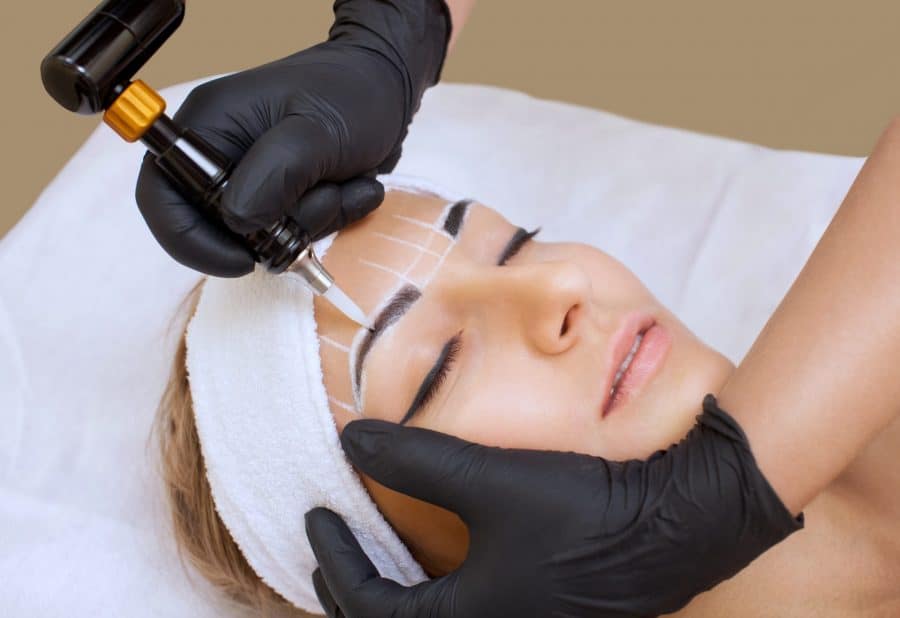
For those individuals who need their brow shape on point, microblading is a great choice. Given the growing popularity of cosmetic tattooing and makeup in the United States and around the world, finding a talented artist to complete your perfect brow should be an easy process.