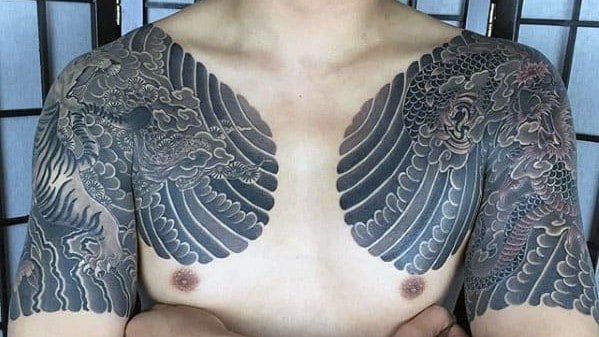

Nothing has had a greater impact on Western body art illustration than Japanese tattoo design, collectively known as Irezumi. Irezumi tattoos are used as a blanket term to describe various tattoo-by-hand styles originating in Japan. Tattoo technology has caught up to tradition and most designs are now done by a tattoo artist using a machine, however the mystique of traditional Japanese tattooing remains.
When American GI’s left Tokyo after World War II, they brought back to the US a love for the taboo tattoo tradition of the Japanese Yakuza (mafia crime families), who bore large, brightly colored and elaborate body suits depicting Japanese mythology on their skin. Famed tattoo artists such as Sailor Jerry and Don Ed Hardy incorporated the Japanese style into their tattoos and wider art, changing the complexion of tattoo culture world wide almost completely.
Now, every tattoo studio should have a tattoo artist versed in Japanese decorative tattooing or be left behind by competitors with such a visible tattoo style advantage. The following collection of brilliant designs feature some elements of the expansive Japanese tattoo style, but they showcase beautiful symbolic body art and decorative tattooing that is as good as any that you will ever see.
Toward the end of the gallery and breakdown you’ll find useful insight into Japanese tattoo terminology, and a FAQ section to help you learn more about the often complex culture of Japanese ink you can apply to your next tattoo design.
1. Koi Fish Tattoo
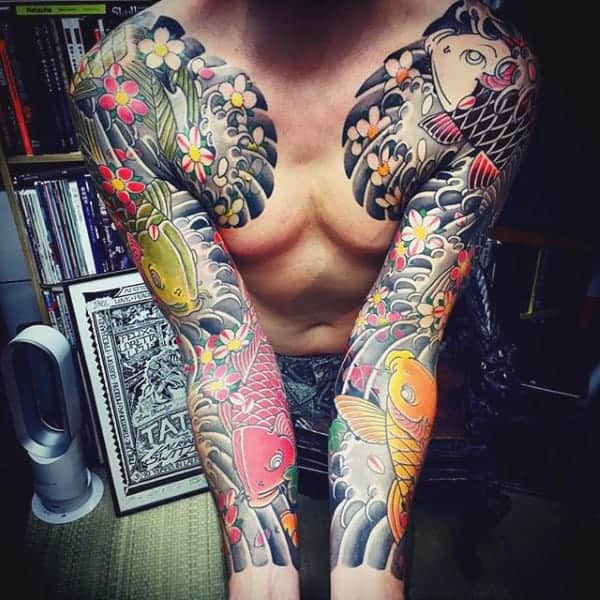
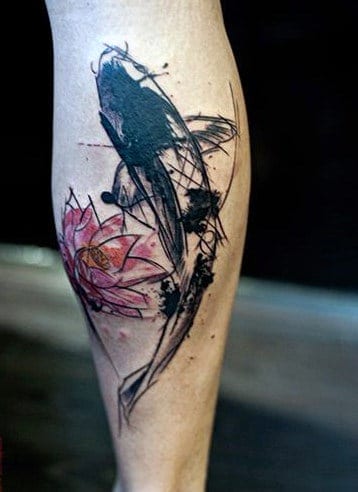
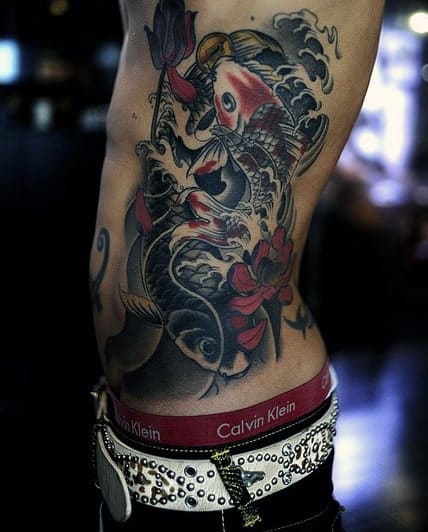
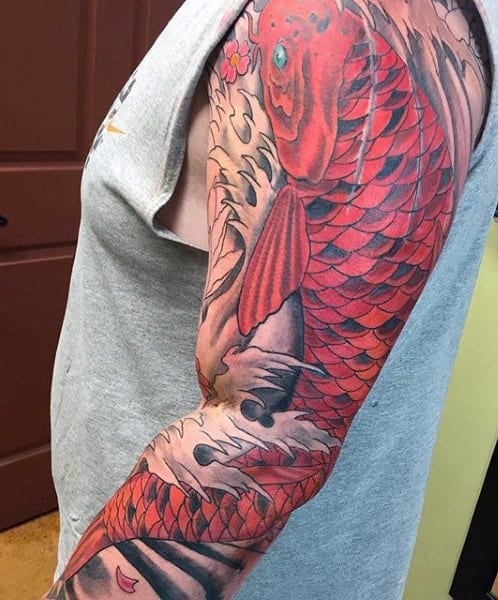
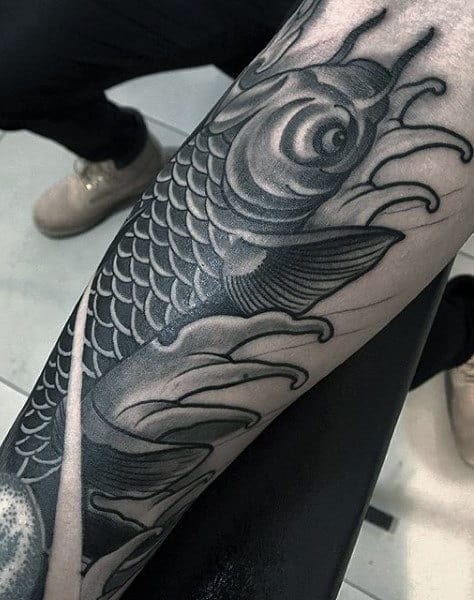
In Japanese art the koi fish is a symbol of masculinity. Flags of the fish are raised on May 5 every year when a new son is born to the household, in the hope they grow strong. In Japanese mythology every koi that swims up the Chinese Yellow River and bests the waterfalls known as the “Dragon’s Gate” is transformed from a fish into a mythical dragon Many Irezumi feature Koi and dragons together negotiating turbulent waters to signify toughness and durability. Koi are also associated with flowers such as the lotus, chrysanthemum, and sakura (cherry blossom).
2. Samurai Tattoos
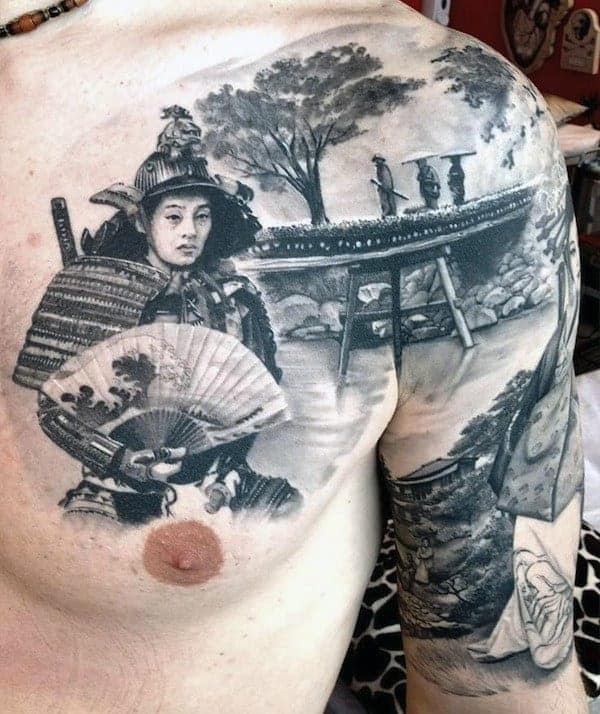
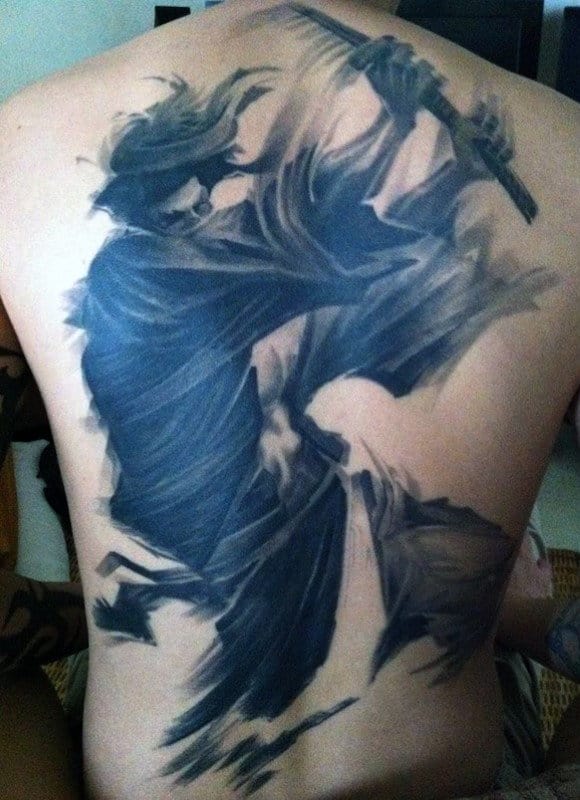
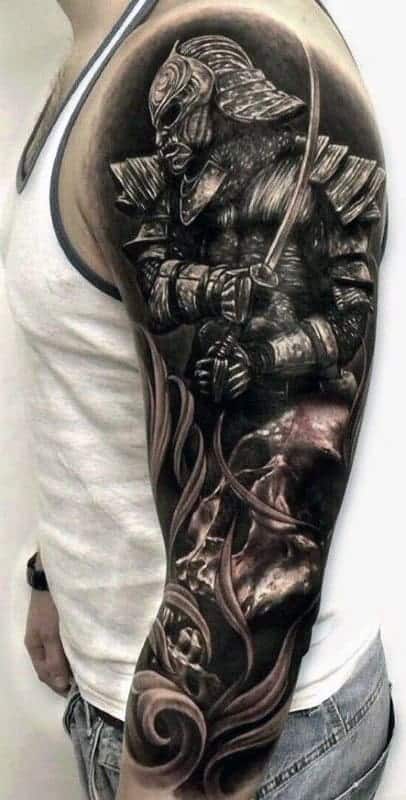
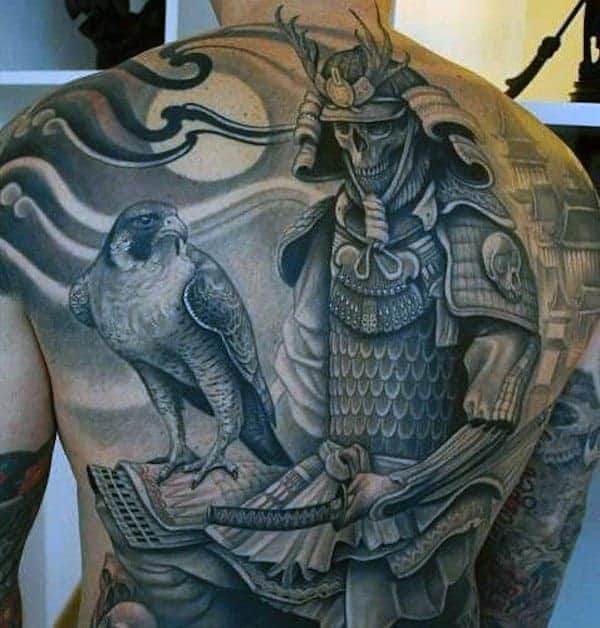
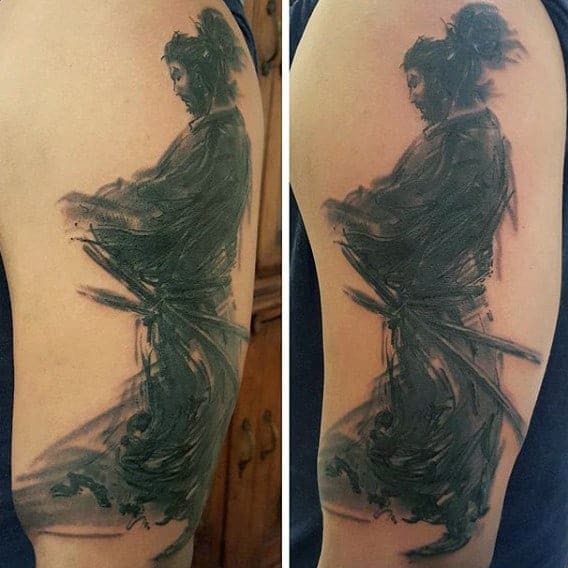
Samurai warriors followed the practice of Bushido and pledged themselves to moral principles such as courage, honor, and respect. In times of life and death, these were the guiding values that kept them strong in times of chaos, which is why samurai warriors remain a source of interest to rival medieval knights in allure and grandeur.
3. Traditional Japanese Tattoos
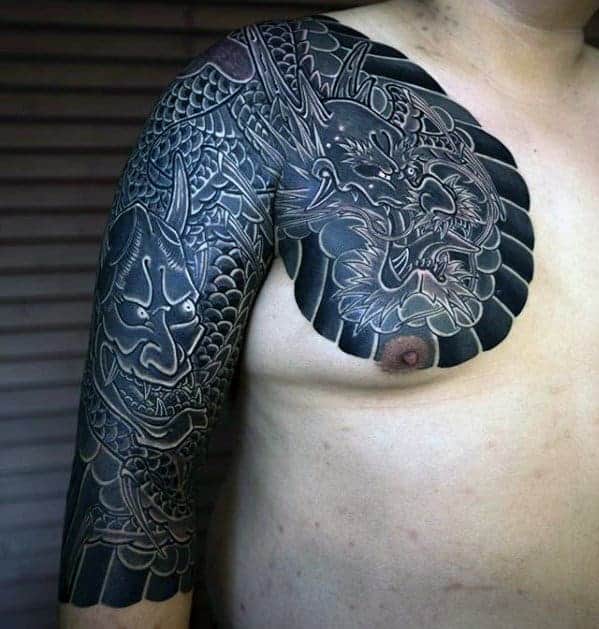
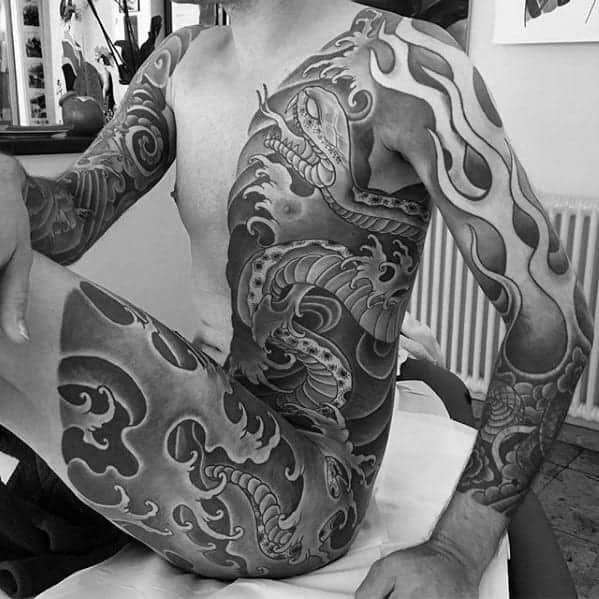
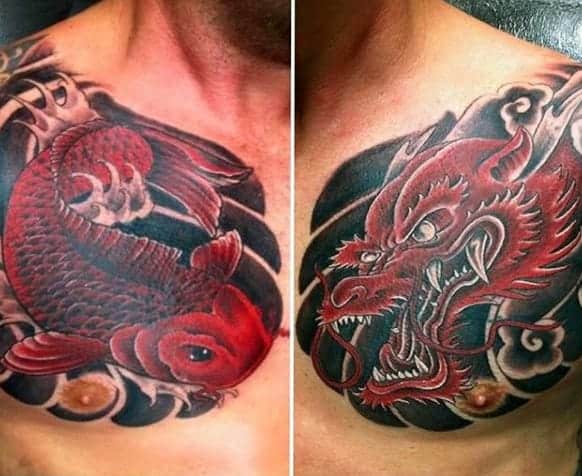
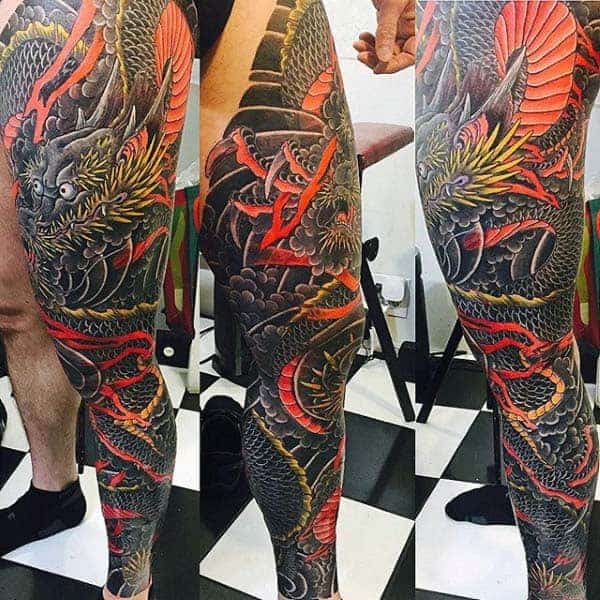
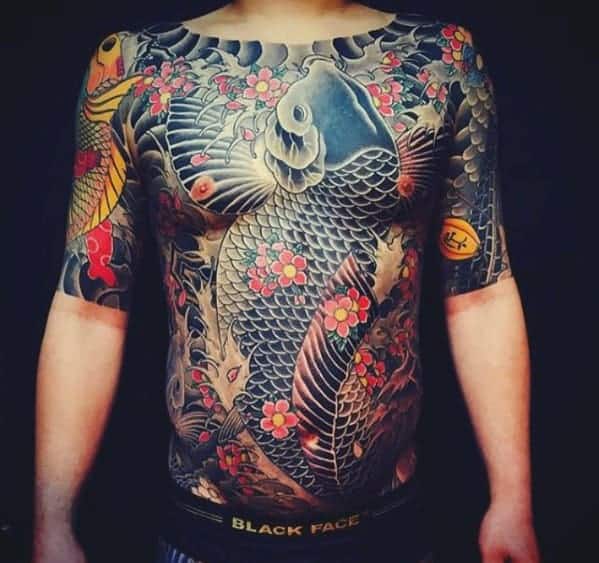
While not deemed illegal any more, tattoos remain heavily stigmatized in conservative Japan despite the younger generation picking up body art as a mean of self expression and defiance against the hugely conservative Japanese government.
Japanese traditional designs feature rich color, heavy single fill and bold outline designs often covering large areas of skin. The elements – wind, fire, earth, water, wind – are greatly important for filling out and supporting the major theme (shudai) of the large and complex Irezumi tattoos.
4. Japanese Dragon Traditional Tattoo
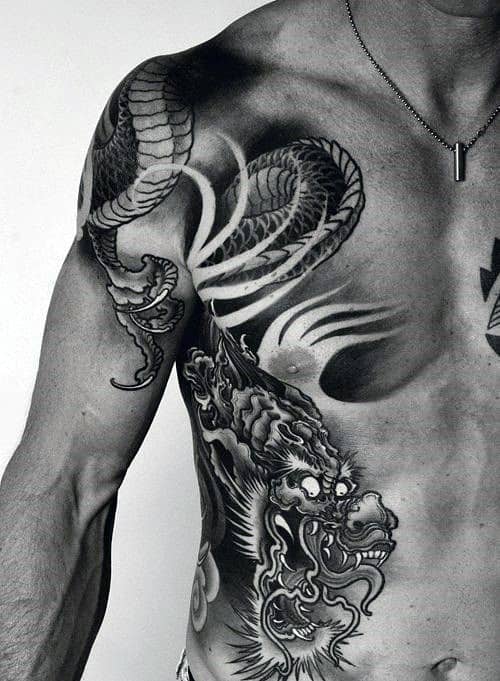
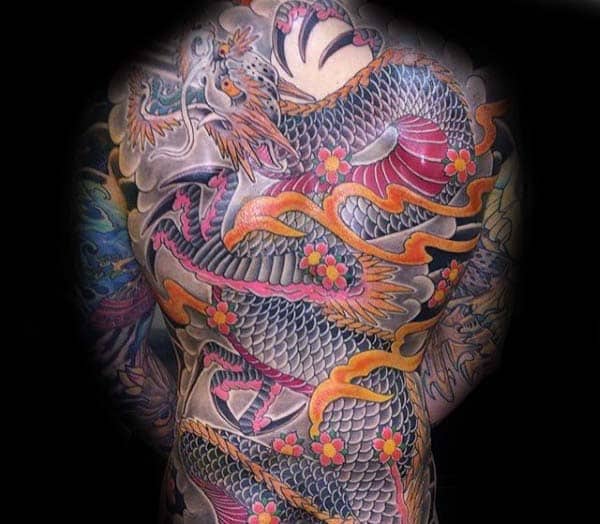
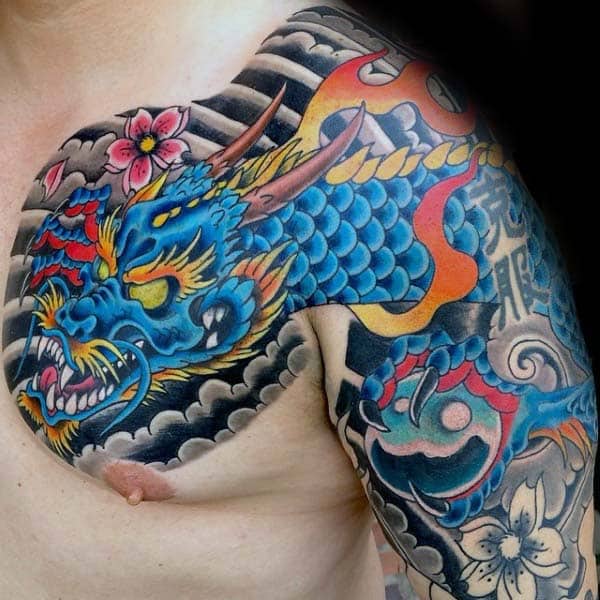
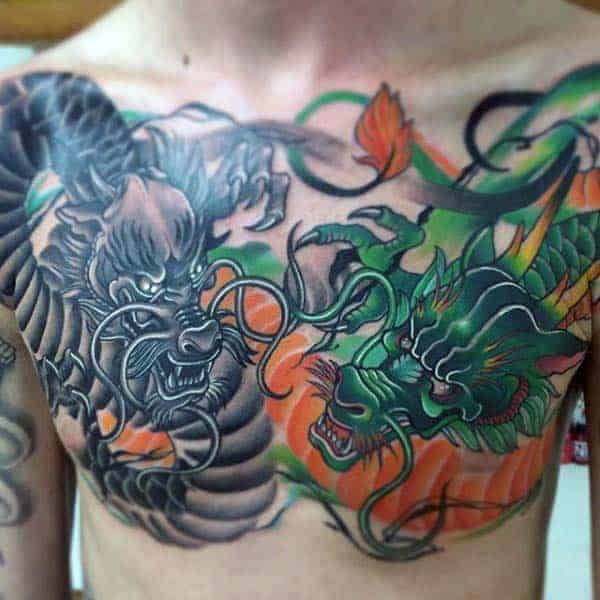
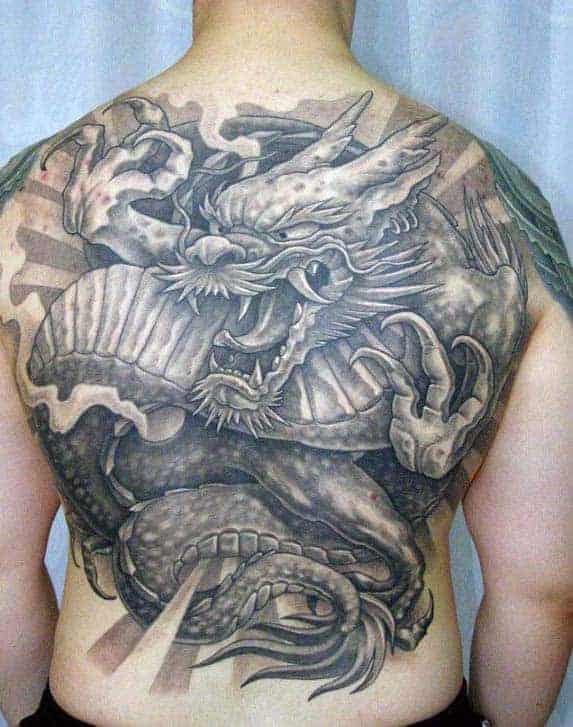
To some the Japanese dragon tattoo represents strength, power, masculinity, or sexual passion. For others, the dragon depicts longevity, good luck and great wisdom. They are symbols of forces that use their strength for the good of others, and are held in equal parts awe and respect.
A sleeping dragon means that the wearer possesses quiet strength and power that rises to the occasion when necessary, while a dragon rising toward the sun signifies progress on life’s journey. A dragon’s claw – generally depicted with 3 claws, against 5 for Chinese dragons -might represent the battle of good over evil, destruction, fearlessness, and power.
5. Geisha Tattoo
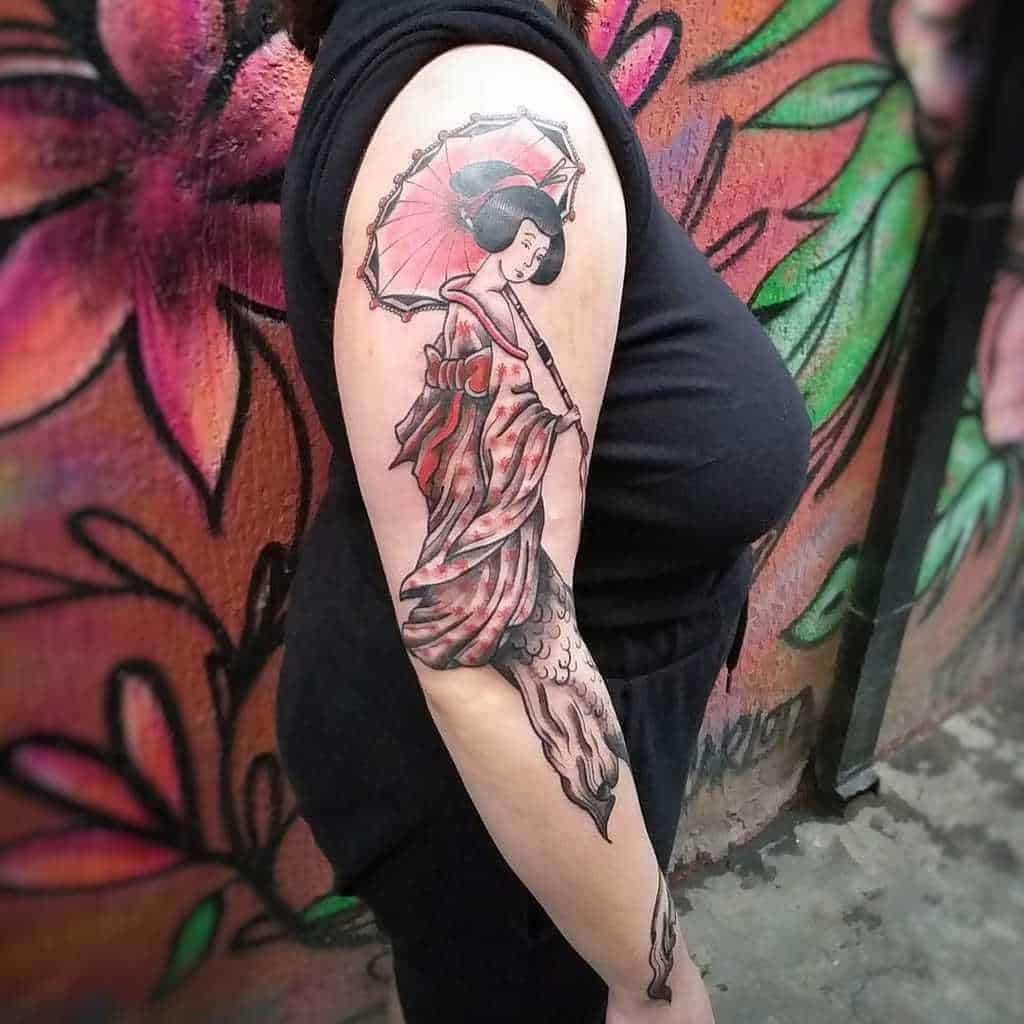
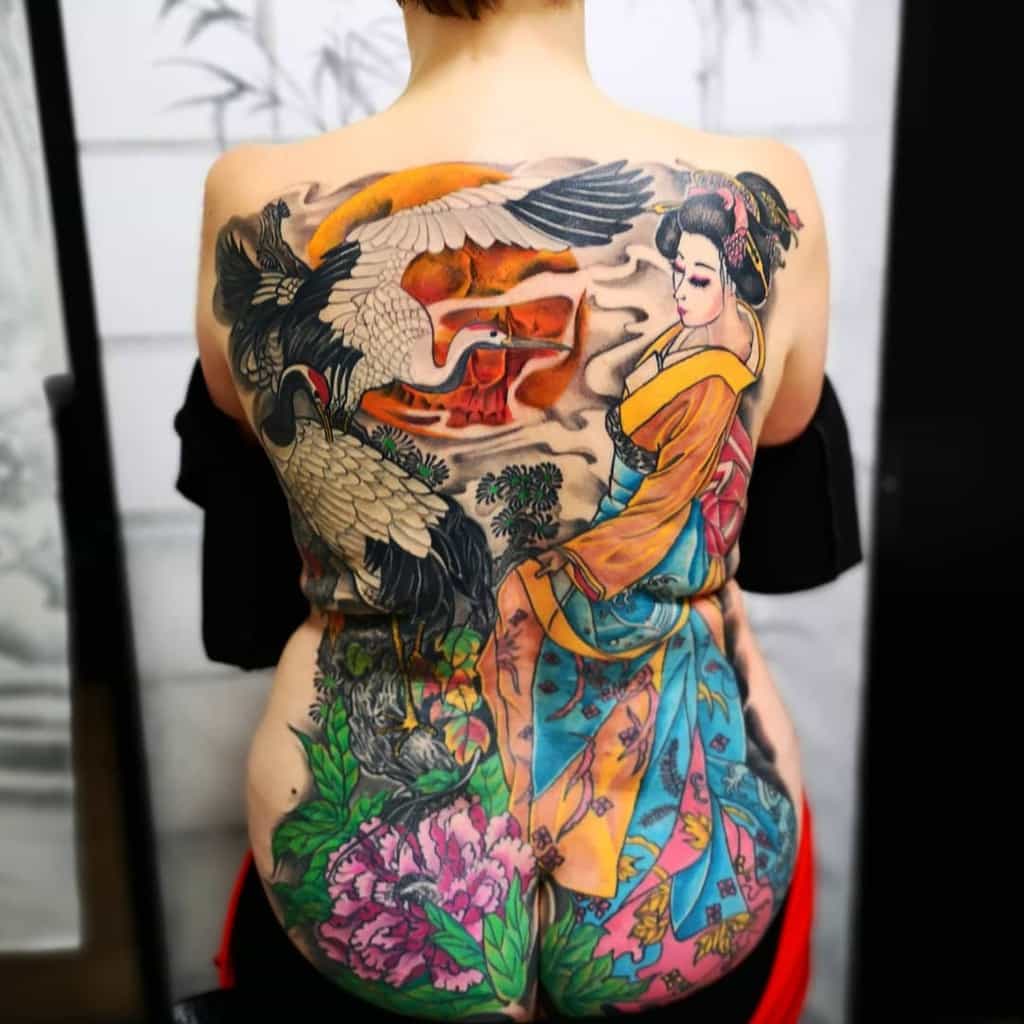
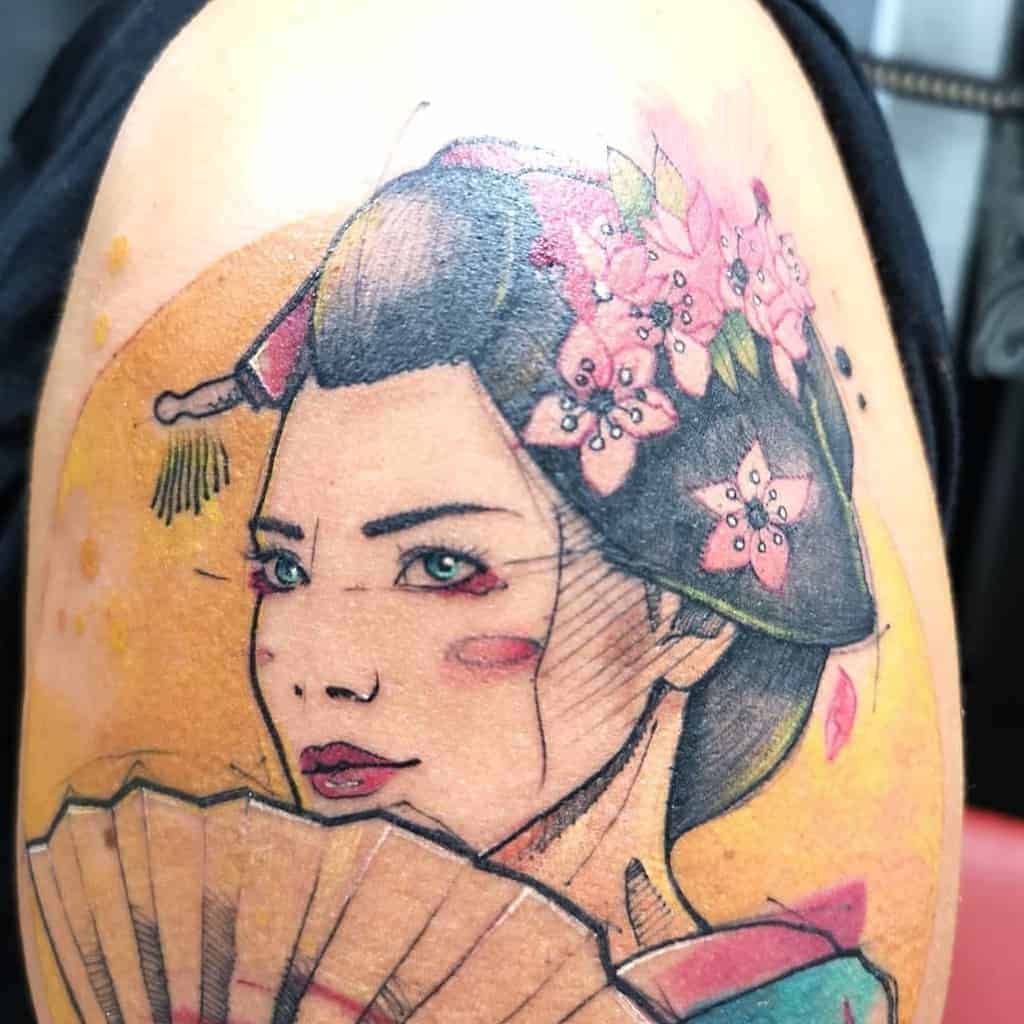
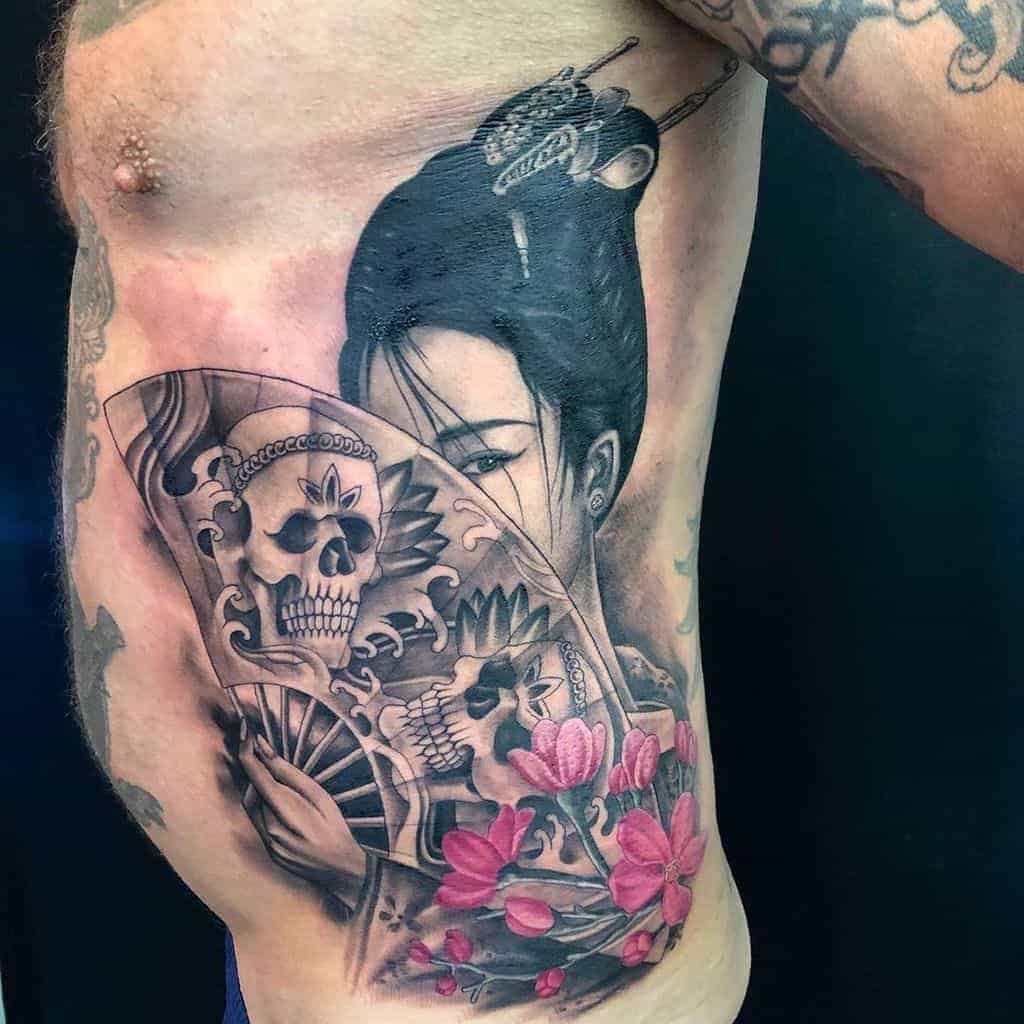
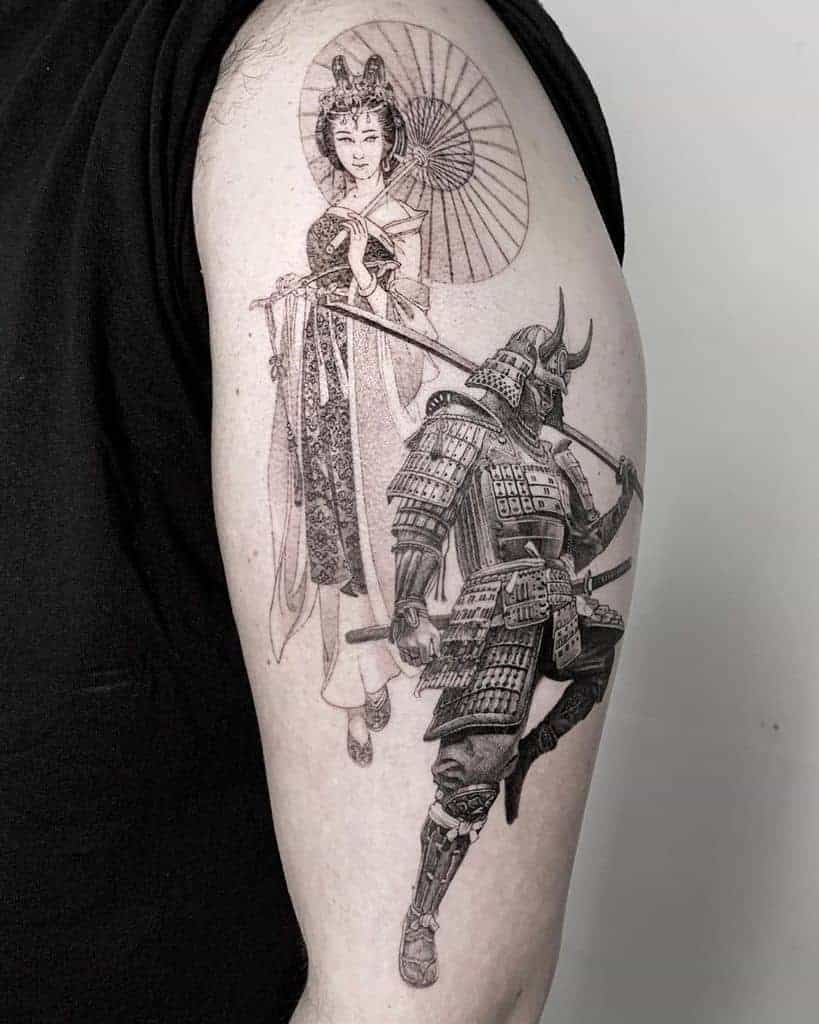
Geisha played an important role in Japanese society, and while there is no denying the carnal origins of their cultural role, these aspects were soon overshadowed by the more wholesome duties of hostess and entertainer.
Geishas were often well-educated. Many were well trained in the art form of calligraphy, painting, tea service and Ikebana, and the mastery of musical instruments. In the world of modern geisha tattoo, the painted visage of the courtesan has come to represent grace, beauty, and femininity, all while offering the tattooist a motif that can be incorporated into a wide range of interesting styles, designs, and concepts.
6. Godzilla Tattoos
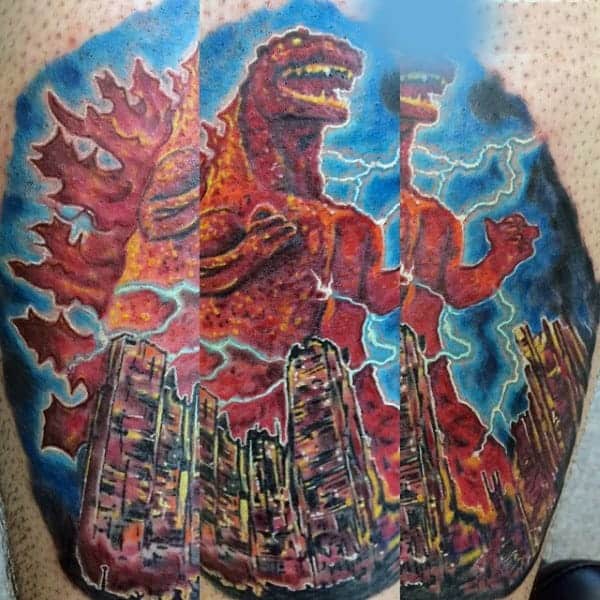
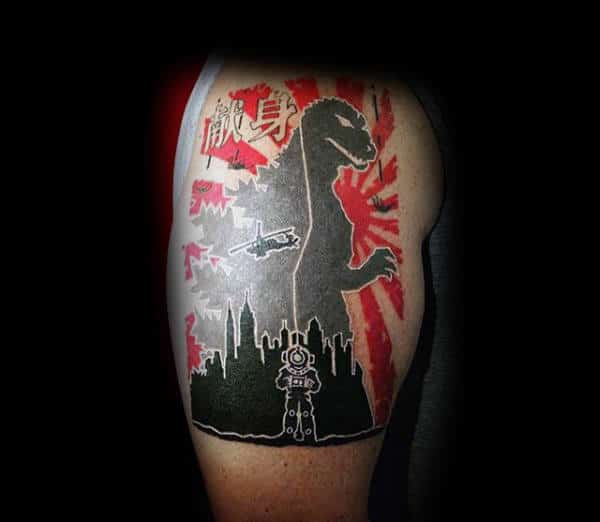
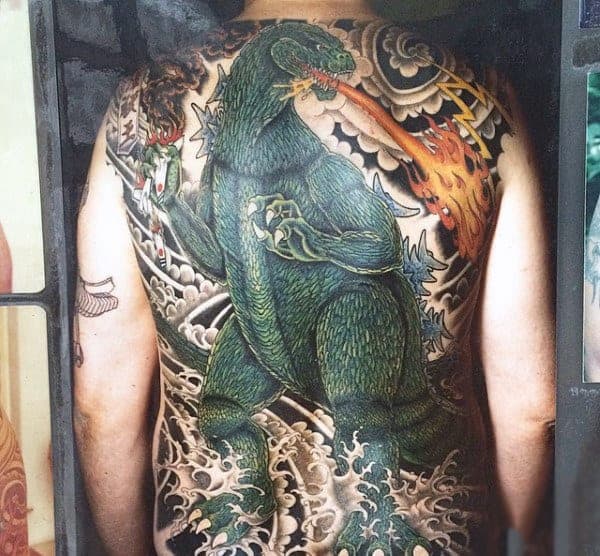
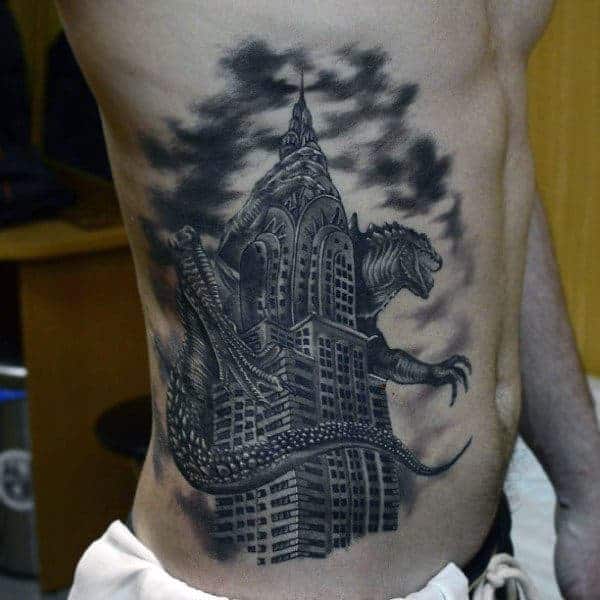
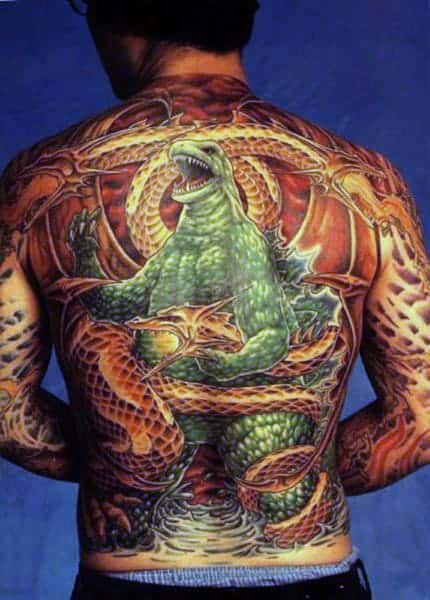
For cold-blooded cinematic supremacy the renowned King of Monsters will demolish your opponent’s ink in an effortless show of power. Eastern sensibilities are naturally loaded into the concepts of the city wrecking monster.
Of course, this scaly demon is not the only violent creature that the series has to offer. In fact, there are dozens of competing “kaiju” tattoos that can be used in a tattoo of this kind. If you love the cinematic Japanese art form or retro action, then a Godzilla tattoo is right up your alley.
7. Kitsune Tattoos
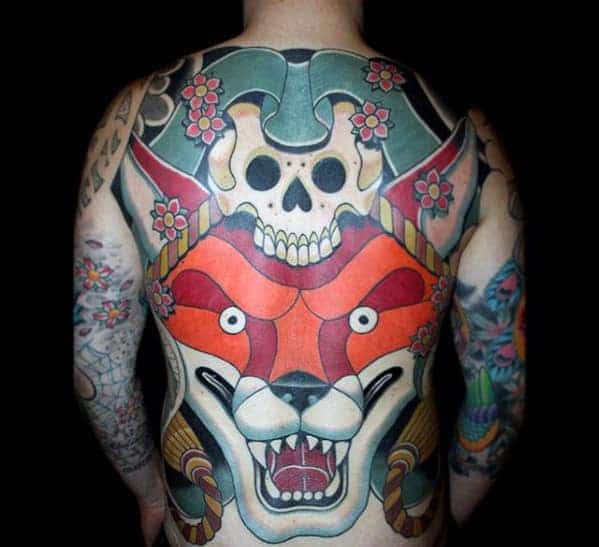
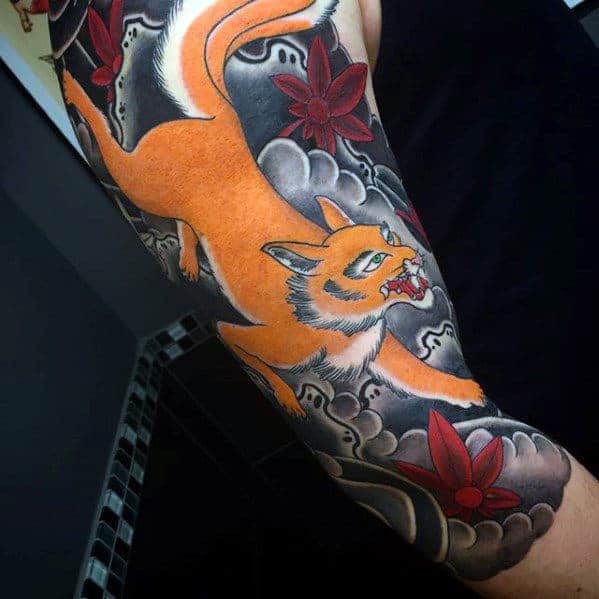
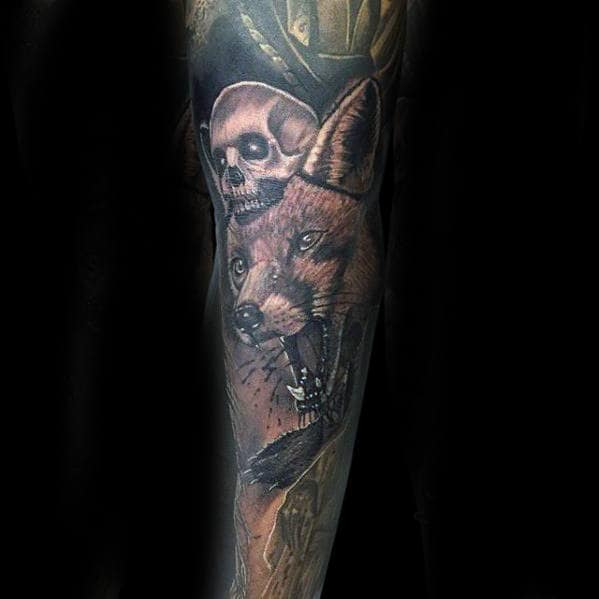
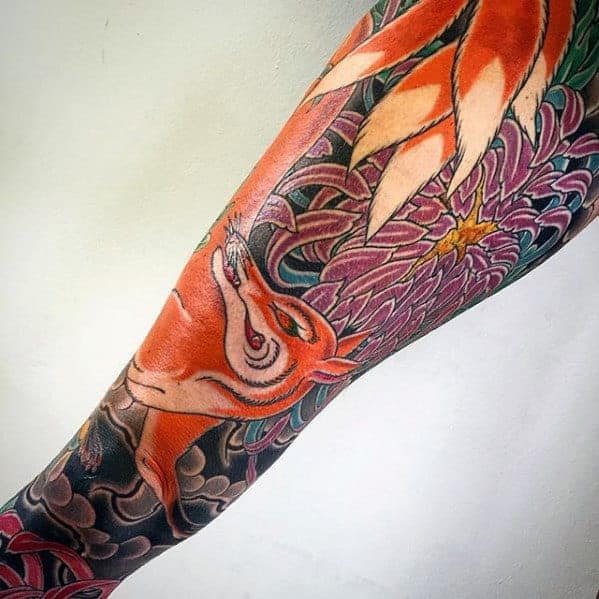
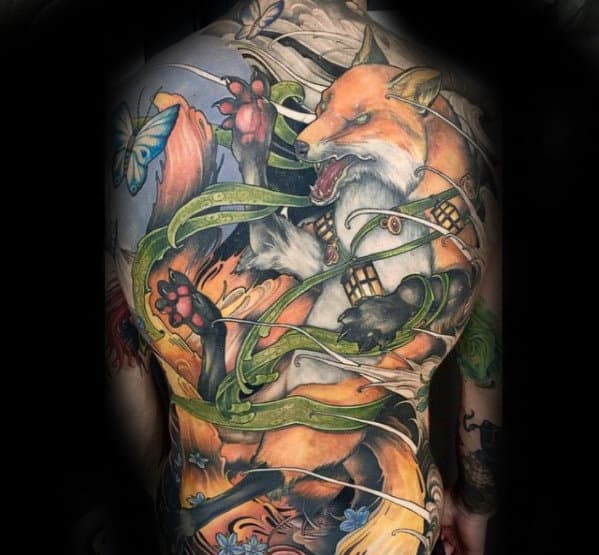
Kitsune are iconic entities from Japanese lore that exist as wise foxes with shape-shifting abilities. Tattoos that feature these enigmatic and bold creatures are said to represent both trickery and friendship.
Kitsune literally translates to fox in English, but the term is much more descriptive of the elusive and magical nature of these forest-dwelling creatures who were often used as spirit messengers between those alive and dead.
8. Japanese Tiger Tattoos
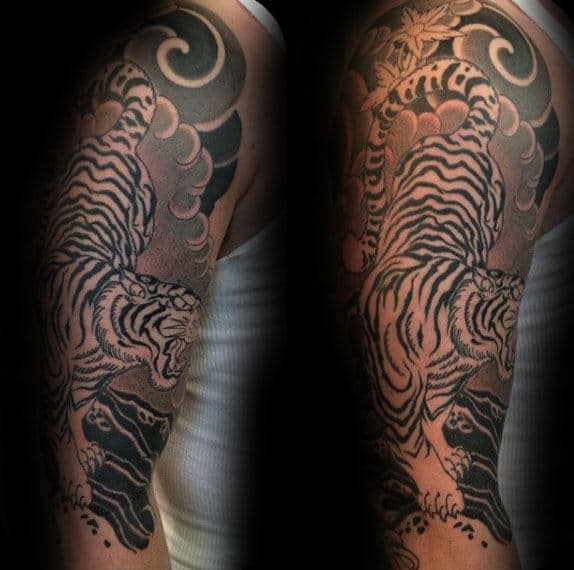
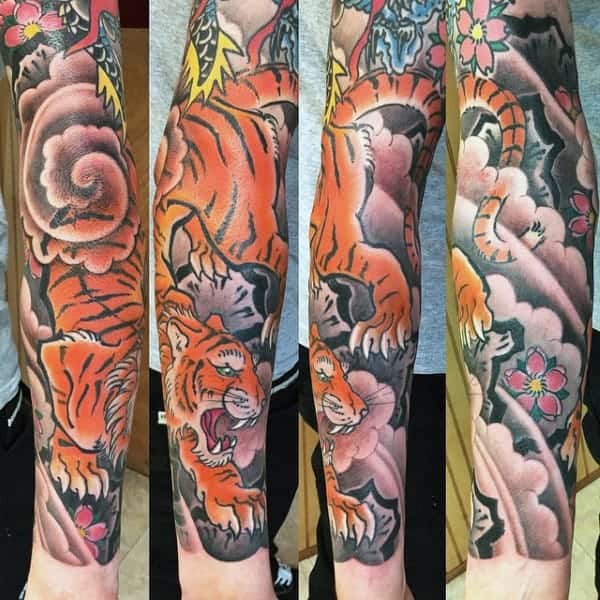
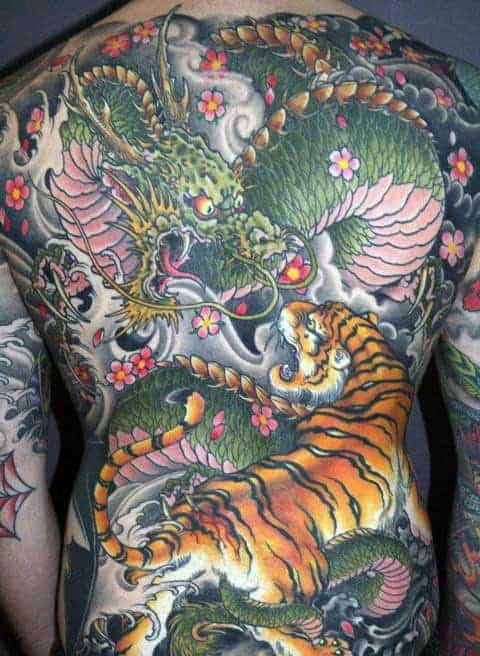
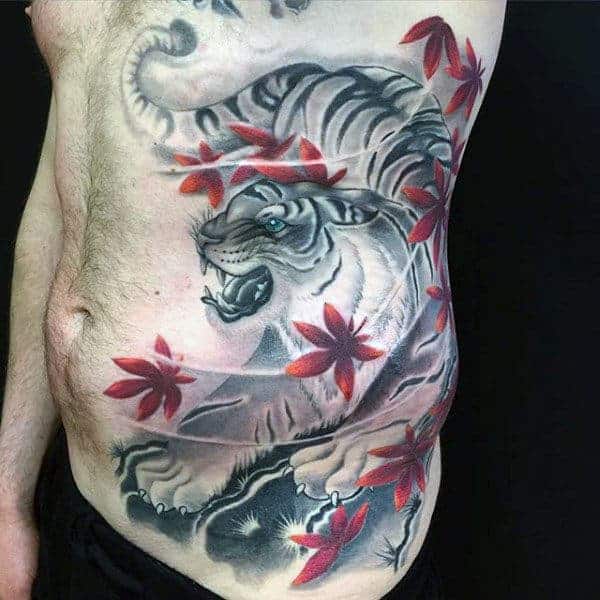
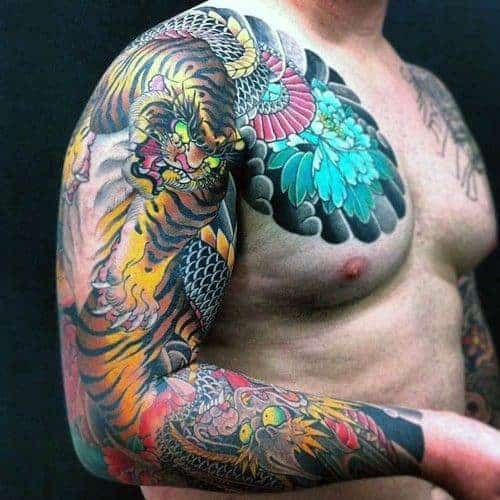
In Japan, the tiger represents courage, longevity and strength. While they may appear ferocious, the animals are thought to ward off bad luck, evil, and illness.
Japanese tigers commonly flow naturally and possess bright colors, often to depict autumn in the northern hemisphere. Tigers, whether serene or snarling, might feature the head alone, elongated full bodies, or multiple animals and can represent the great beast supine, standing, walking, prowling or pouncing.
9. Samurai Mask Tattoos
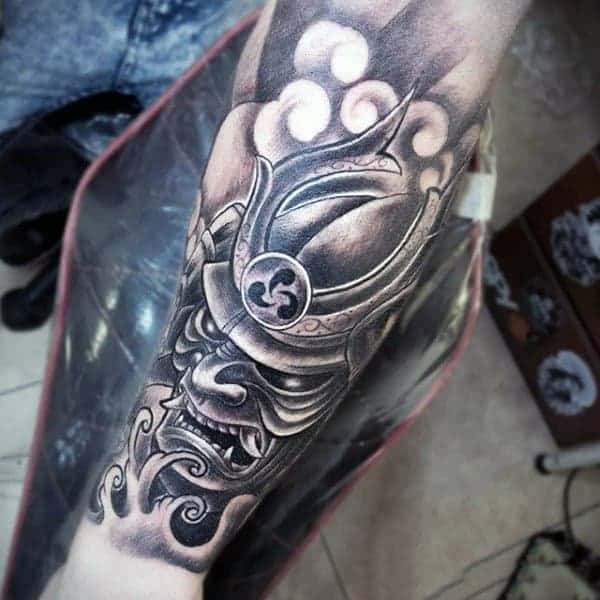
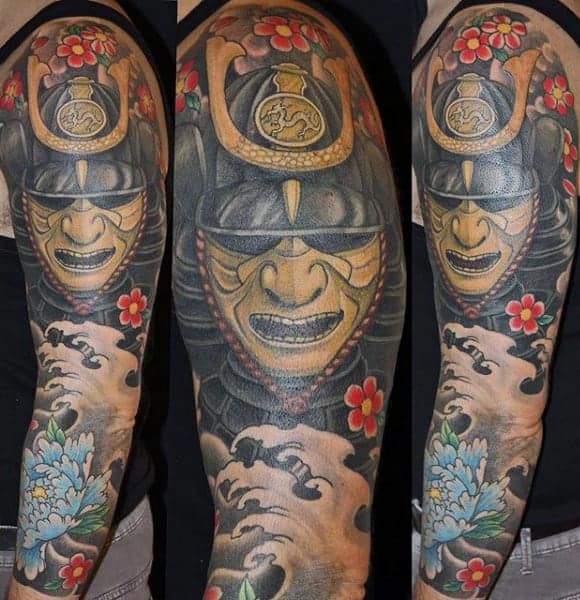
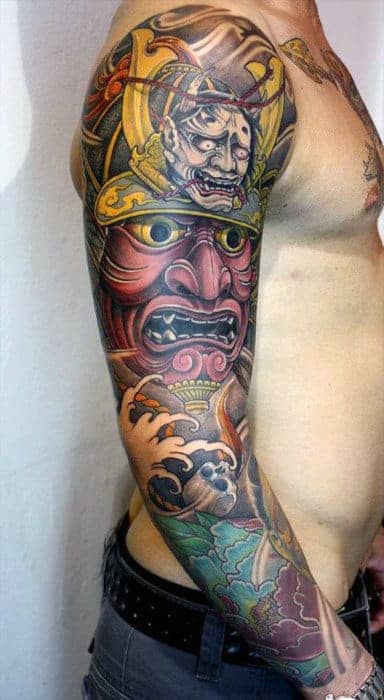
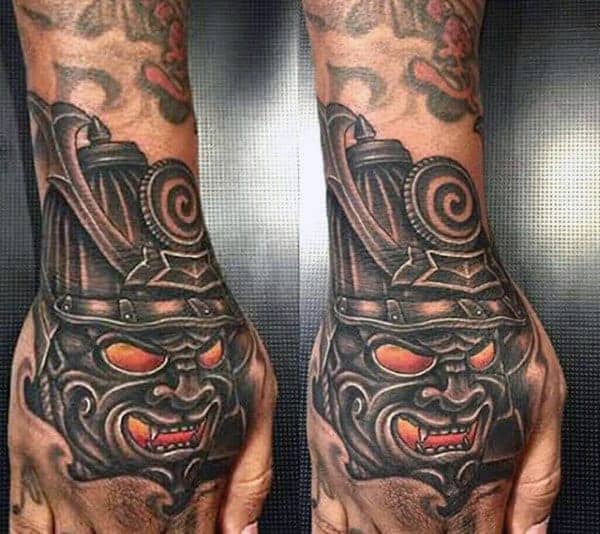
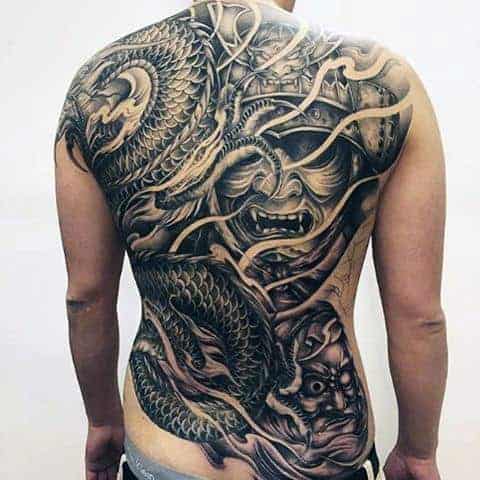
A Japanese samurai mask was typically unique to the man who wore it. In many senses, the skull armor was considered to embody the swordsman’s soul. Several superstitions believe that these awe-inspiring helmets contain the long-deceased spirits of Japan’s original conquerors.
10. Japanese Wave Tattoos
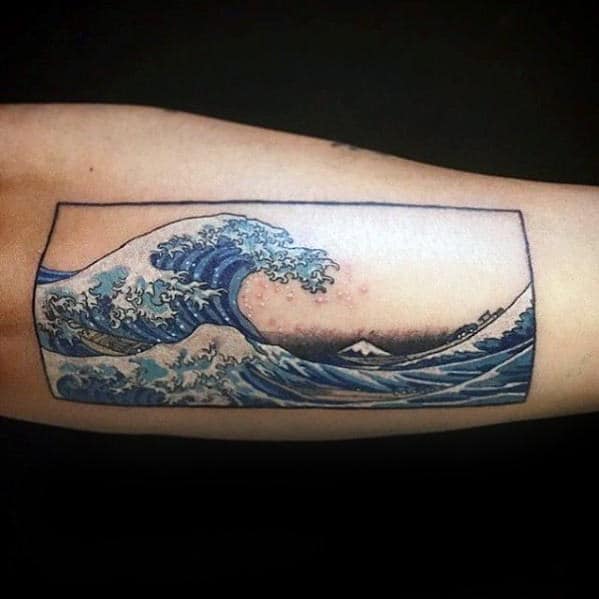
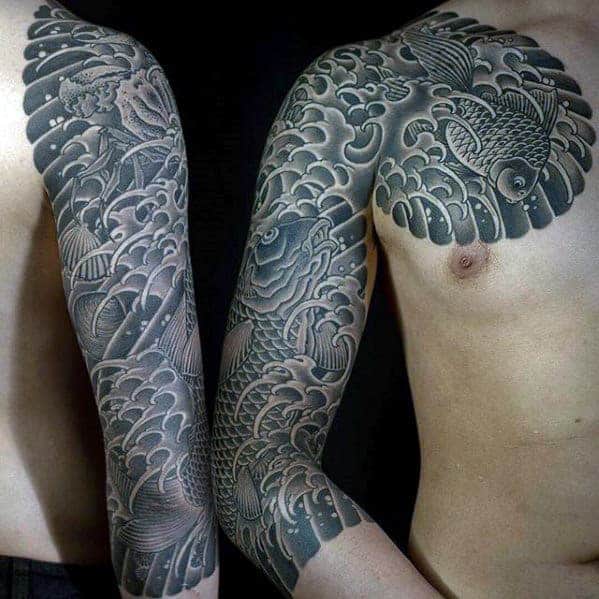
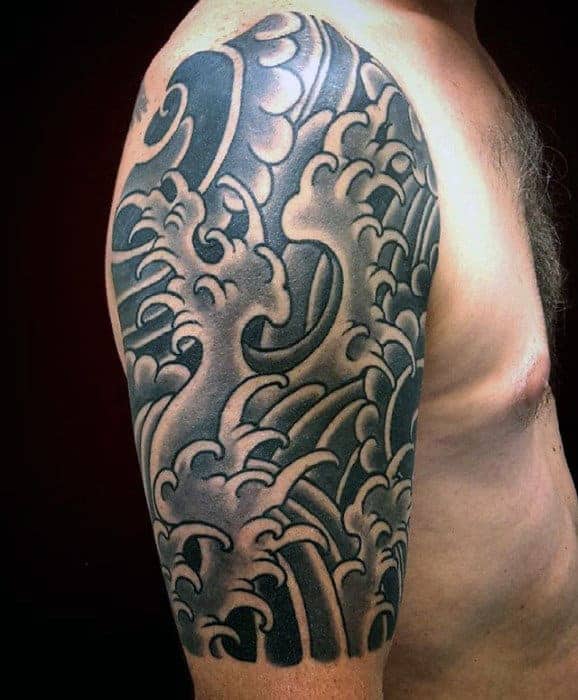
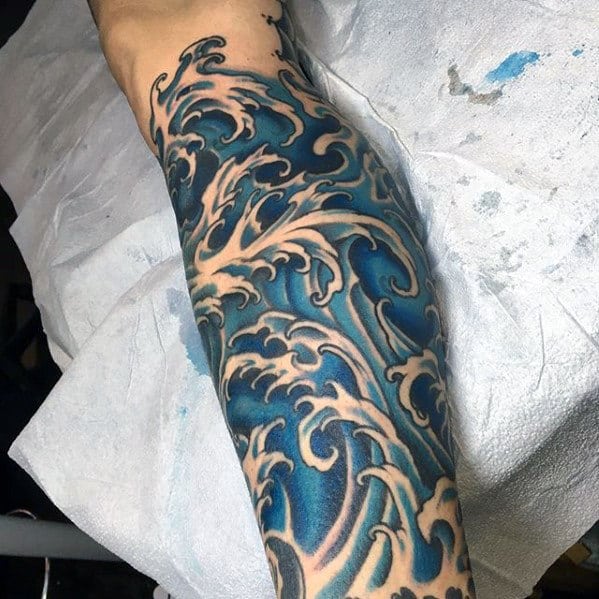
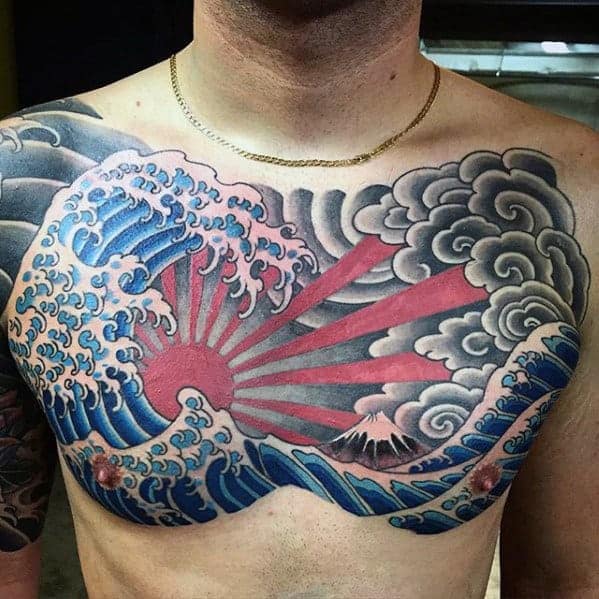
Japanese wave tattoos are typically representative of power, fluidity, and movement, and can represent the ever-changing nature of life. Just as with water and the ocean, life can be gentle and breezy during the simple times and tumultuous during the hard. Some Japanese artistic pieces have been translated directly into tattoos, like the famous ‘Great Wave’ by Katsushika Hokusai.
11. Japanese Cherry Blossom Tattoos
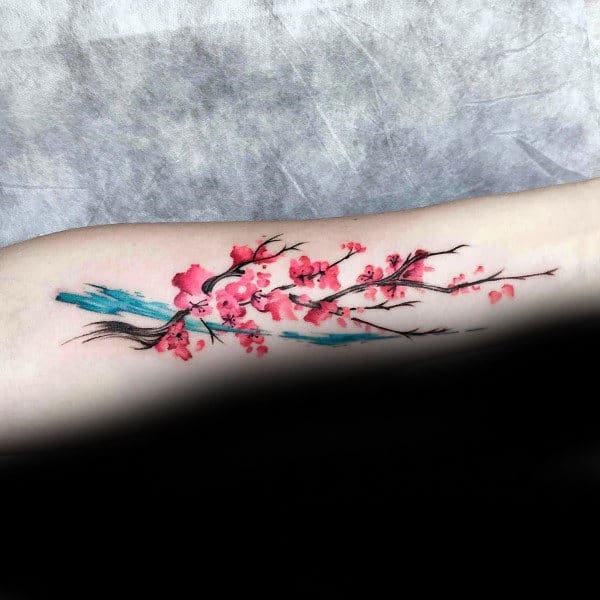
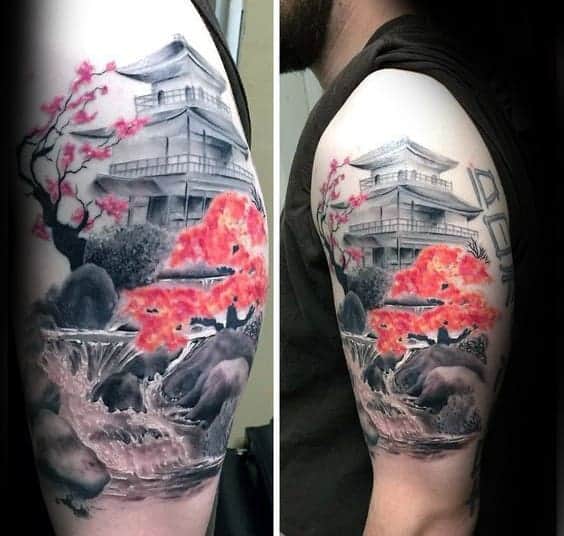
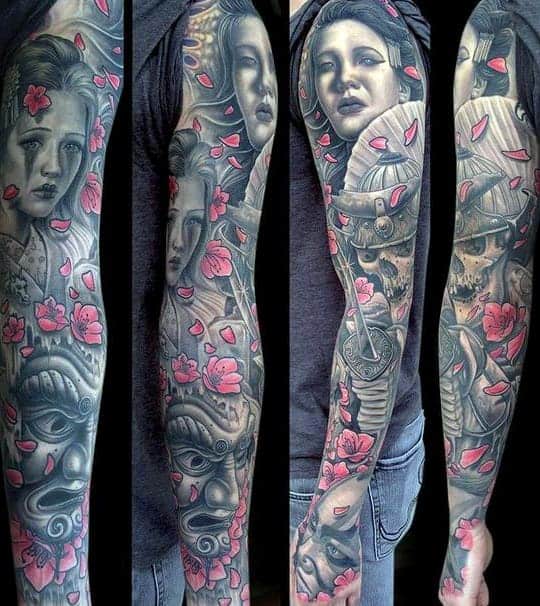
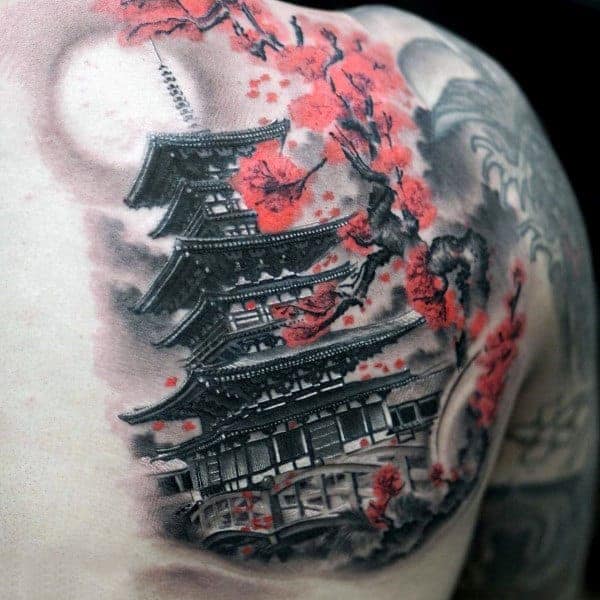
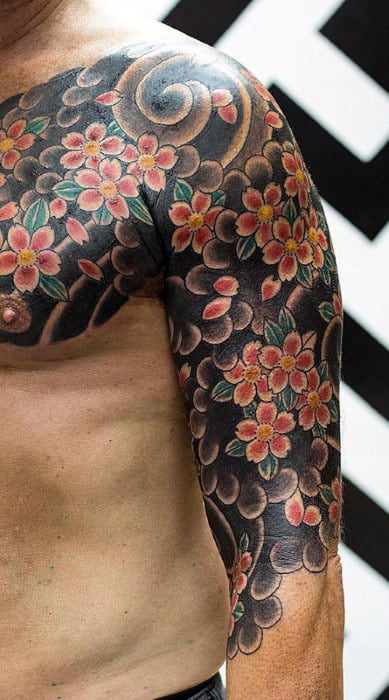
The cherry blossom, or sakura, represent beauty and the fragility of life. It is often used to pair off with many masculine tattoo themes to provide harmony, since the sakura is often associated with femininity and grace. This pink and yellow flowers of the sakura bloom briefly during spring time in Japan, and are one of the most important and integral part of culture and mythology.
12. Japanese Sleeve Tattoos
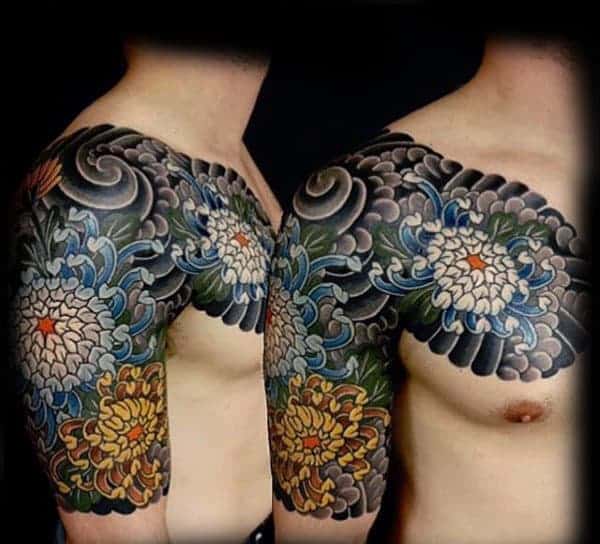
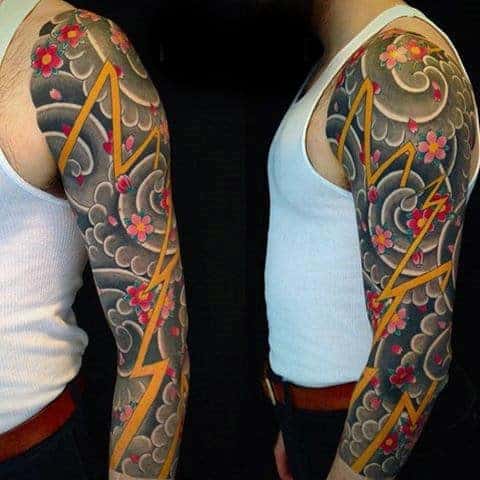
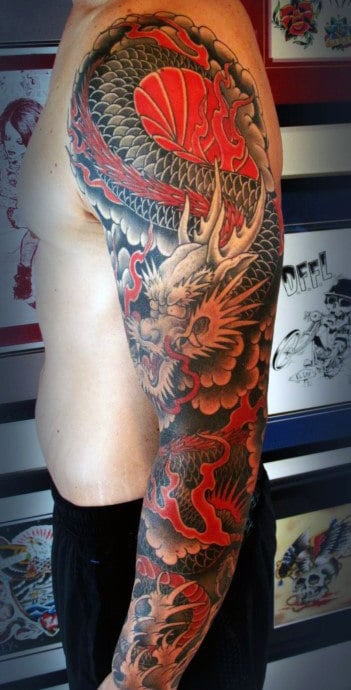
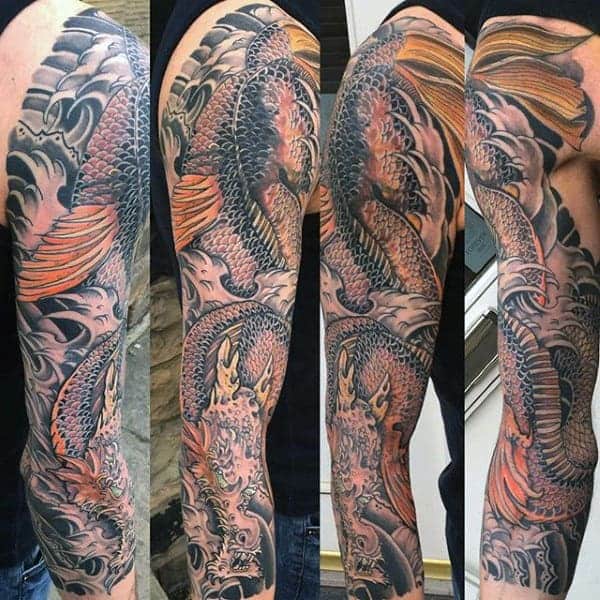
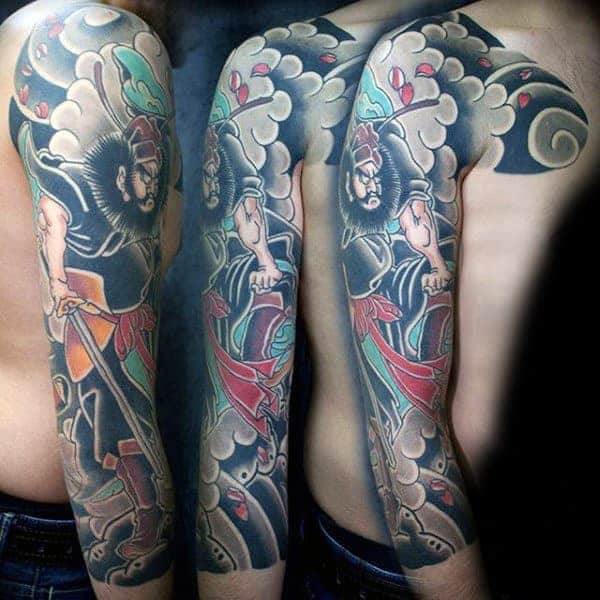
There’s no denying the appeal of the artistic Japanese tattoo culture with its beautiful floral designs, deep meanings, and complementary motifs. The style is more popular now than ever, especially when it comes to sleeves. By adopting yobori style and the machine, artists can now make Japanese sleeve tattoos to life quicker and more effectively, despite losing some of the mystique.
13. Japanese Flower Tattoos
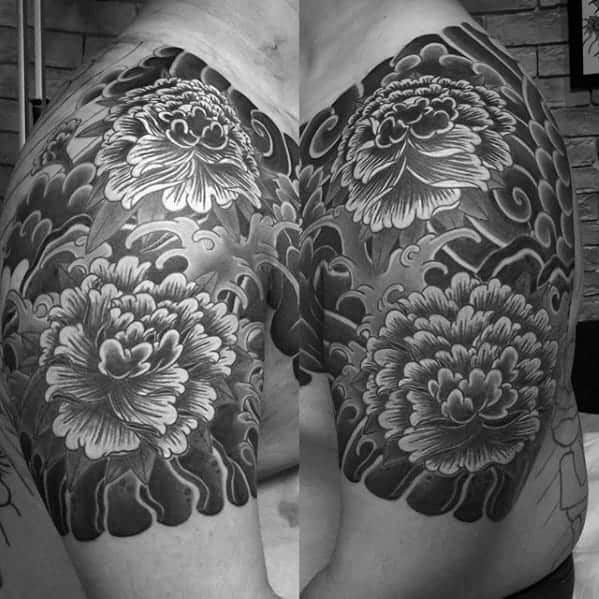
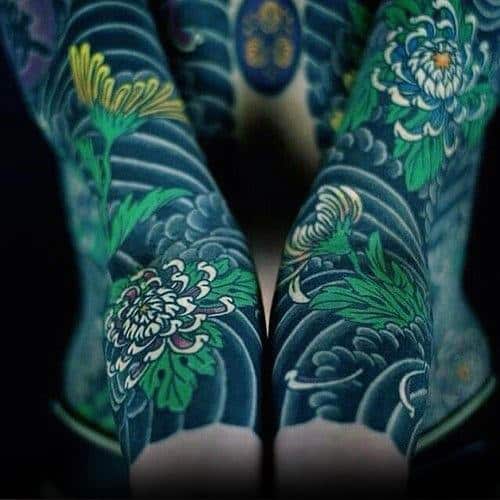
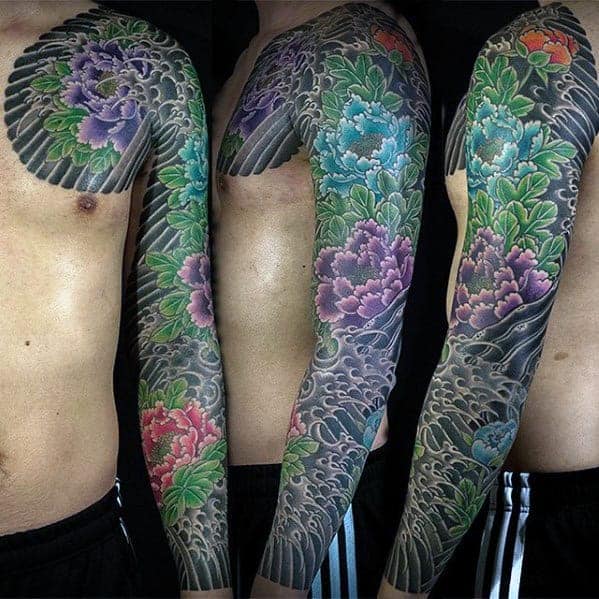
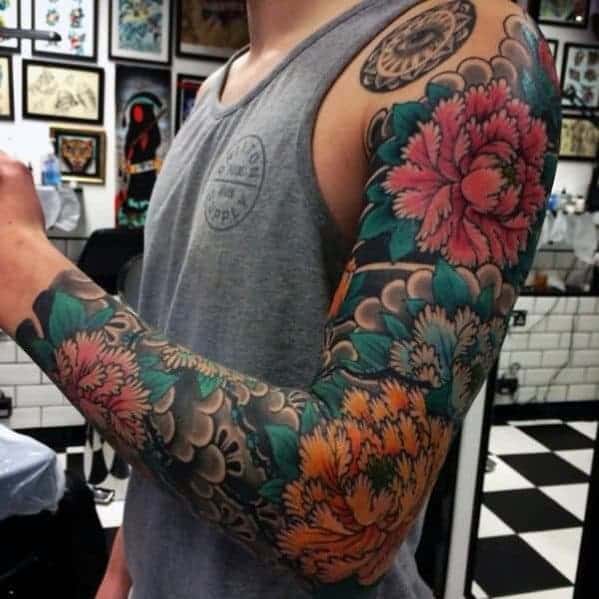
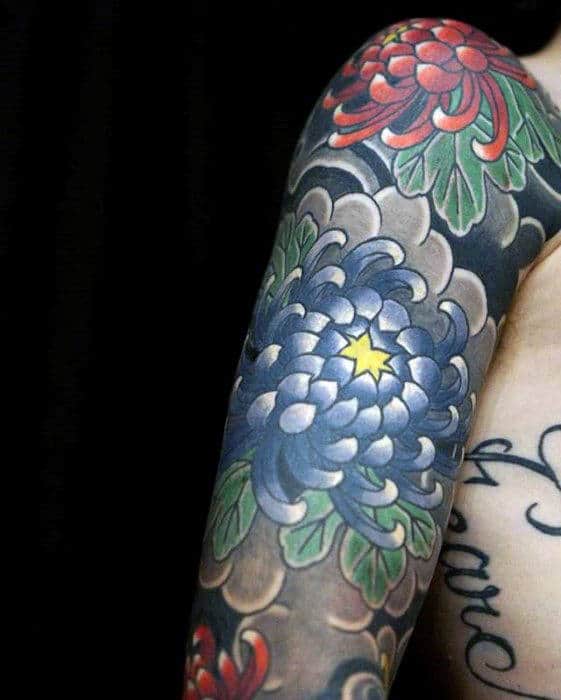
Japanese flower tattoos represent the top-notch tradition of ancient Asian art. Representing the complete life cycle as well as sexual prowess and beauty, the flower tattoo promotes a surprisingly masculine motif. With a Japanese flower tattoo, you can draw from this solid tradition in the form of motivational body art, either as the shudai – central theme – or secondary piece of the design (keshoubori).
14. Enso Tattoos
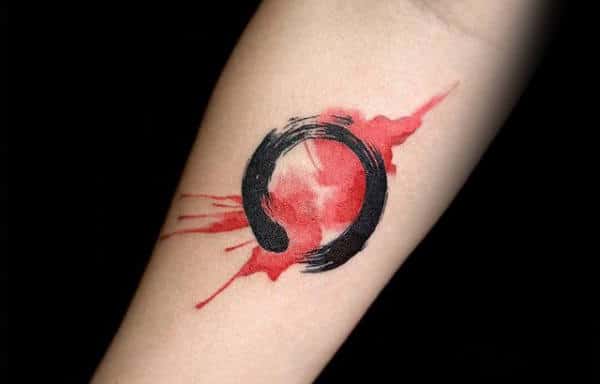
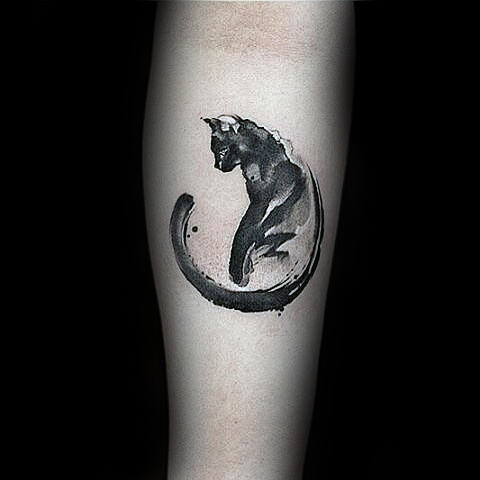
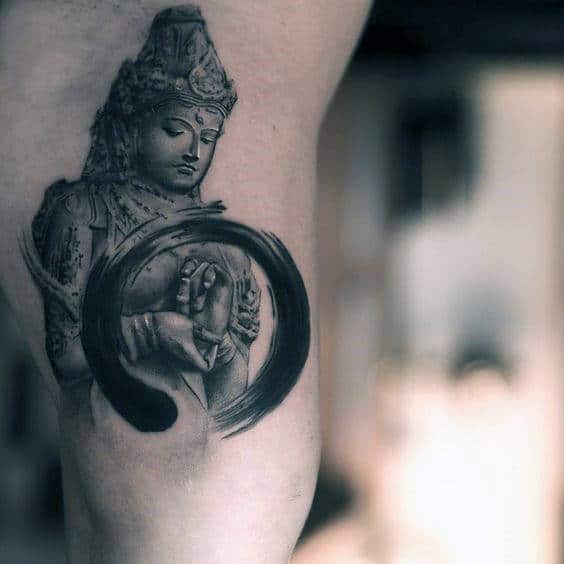
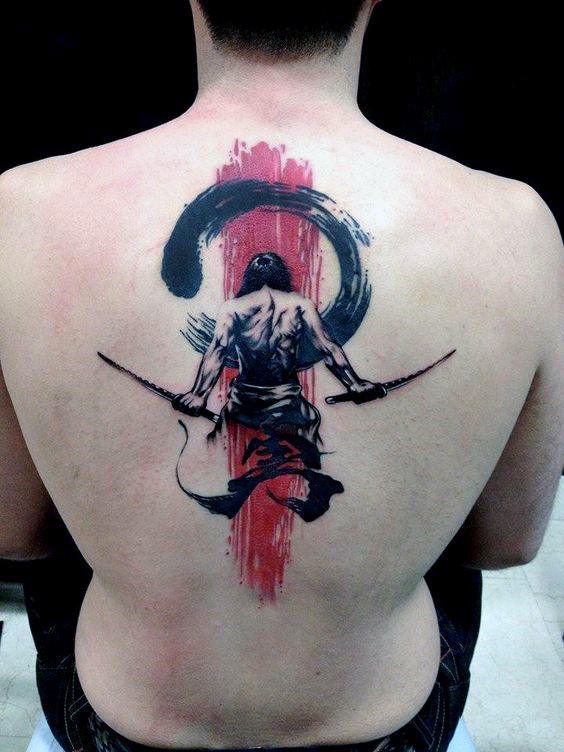
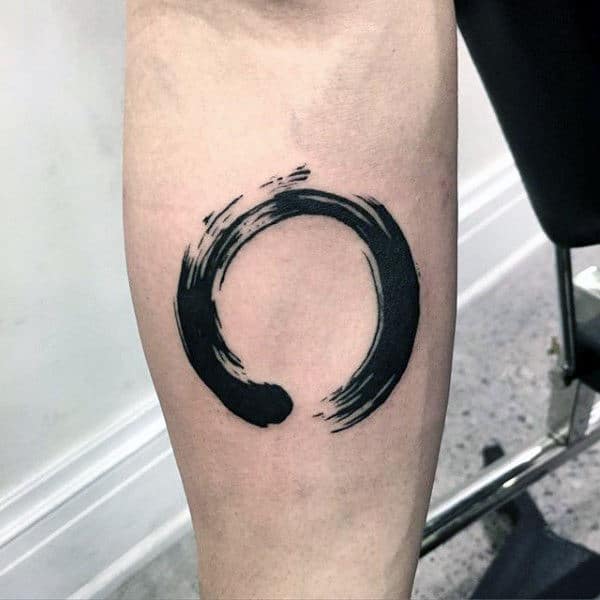
The Enso symbol is a Zen Buddhism staple and favorite in Japanese design. It is an almost completed circle designed to show there is emptiness both within and outside the circle.
The symbol also depicts the vastness of the universe and its ultimate power. It is regarded as a sacred symbol in Zen schools. The circle represents the ultimate void or nothingness, which is the most perfect state of meditation as well as Satori – the idea of total enlightenment.
15. Hannya Mask Tattoos
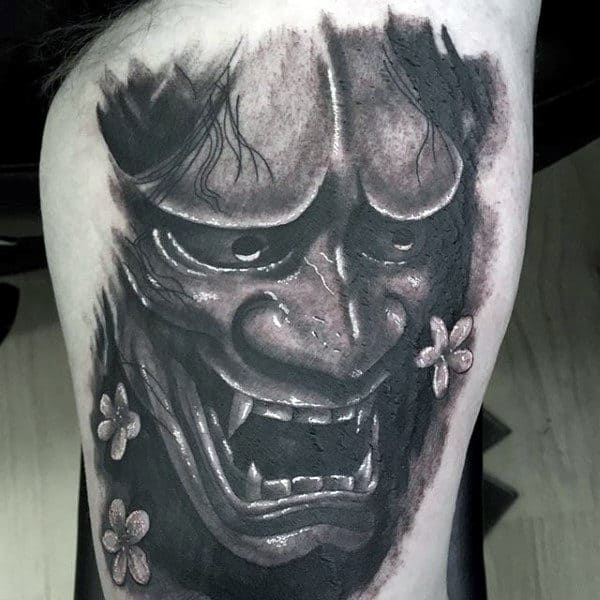
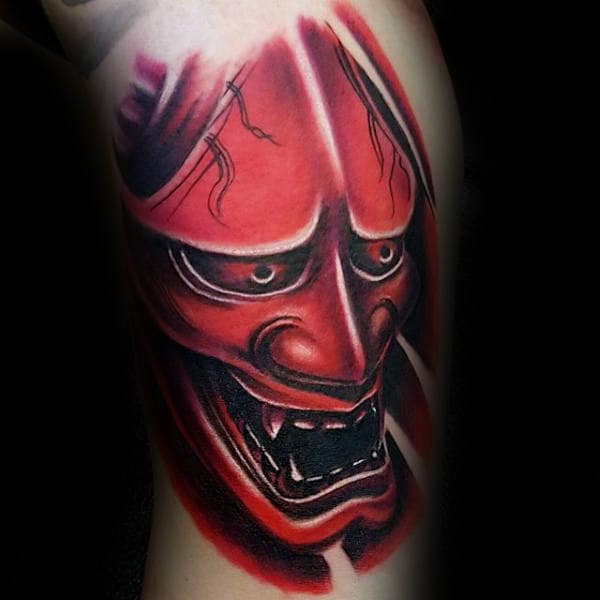
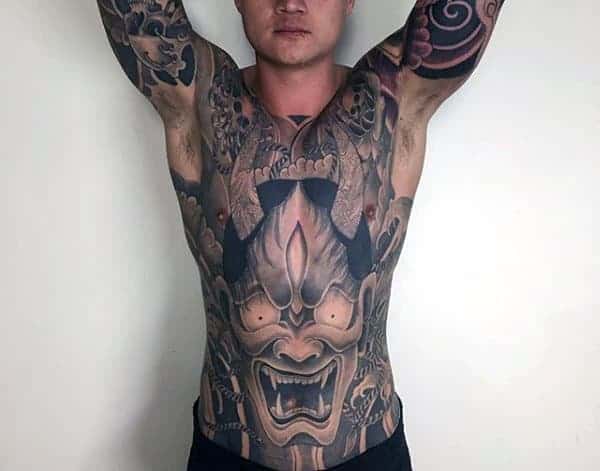
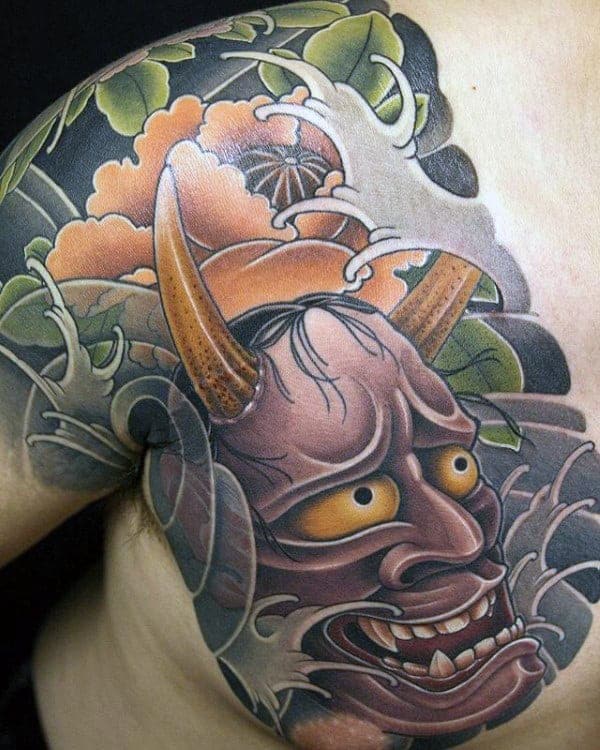
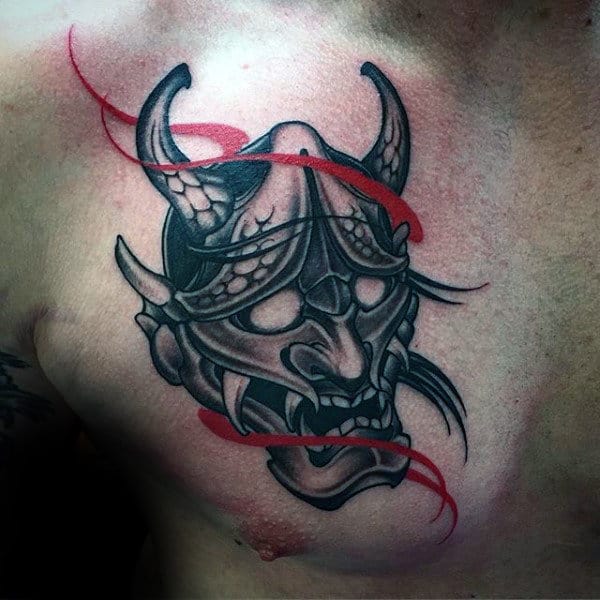
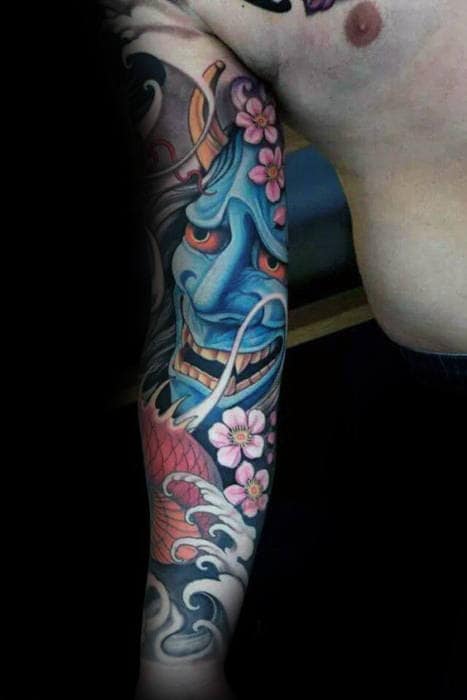
The most recognizable facet of a Japanese Noh play seems to be the Hannya mask. These purposefully terrifying countenances were meant to signify the spirit of a scorned female lover and now comprise some of the best examples of Japanese tattoo art. Because the original masks required ample care and attention during construction, they are also ideal symbols of discipline and dedication.
16. Japanese Cloud Tattoos
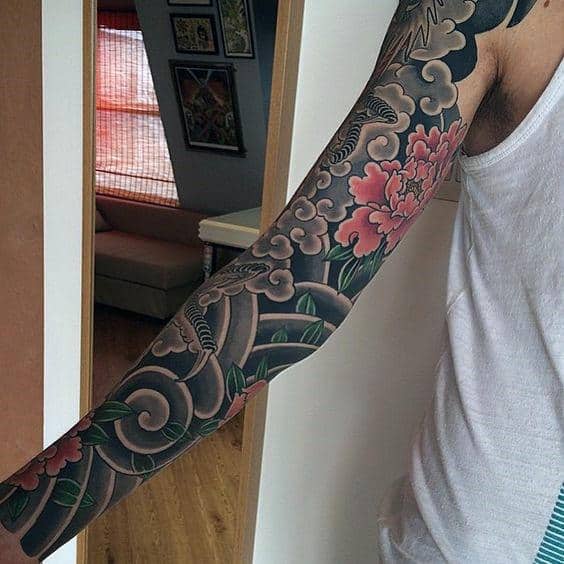
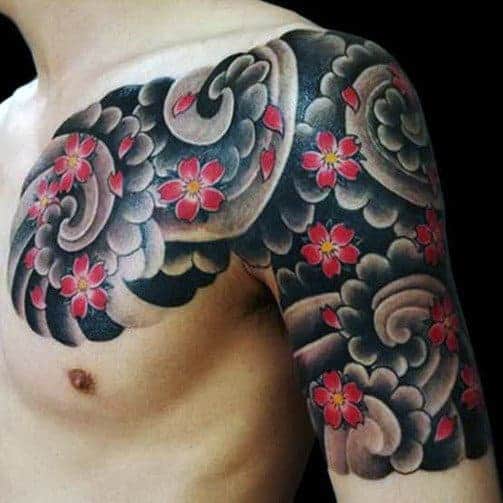
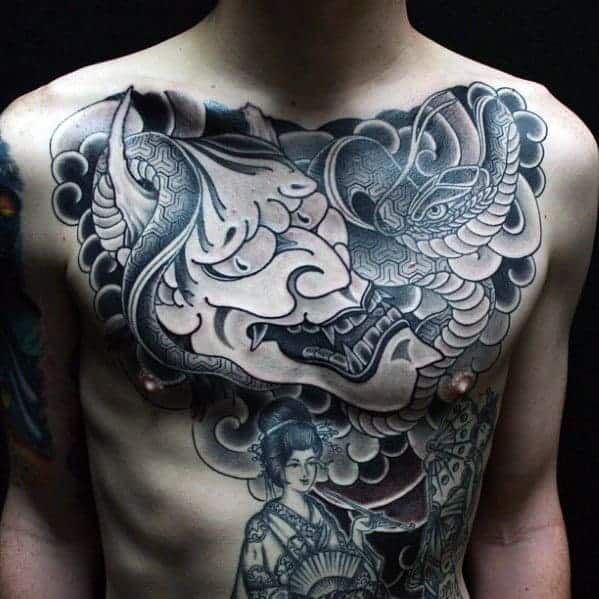
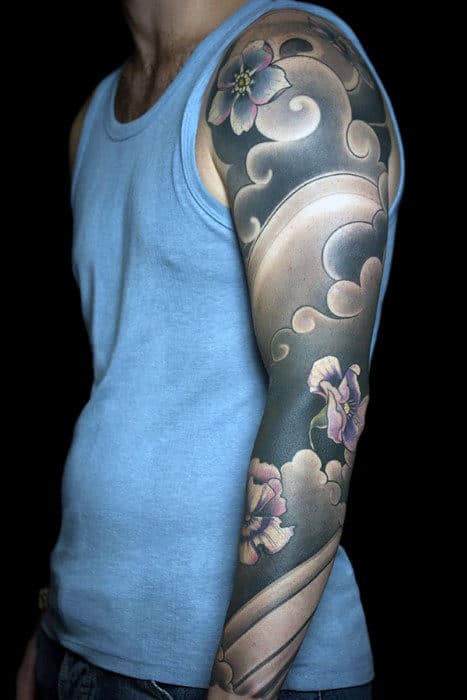
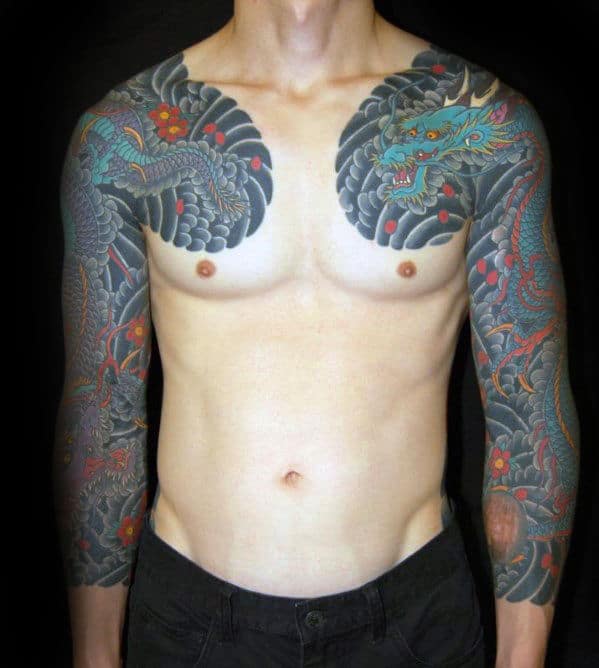
Japanese cloud body art often portrays your love for adventure and expansive vision for the scope of your life goals. The cyclical and transformative nature of clouds reflect the process of where you have been, and the progress as you attain where you are going.
Cloud tattoos make ideal filler pictures (gakoubori) for sleeve tattoos, intricately aligning with more dominant imagery to link spaces, themes, or augment shape.
17. Japanese Demon Tattoos (Oni)
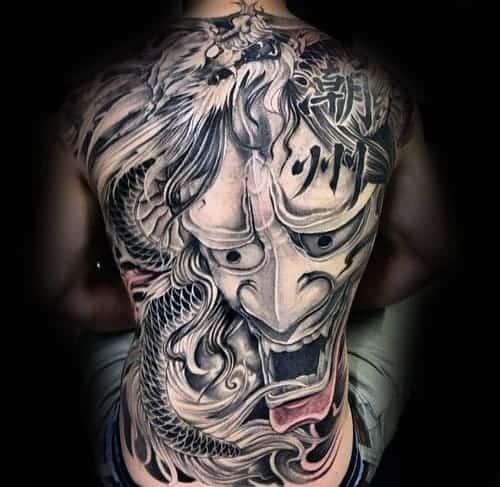
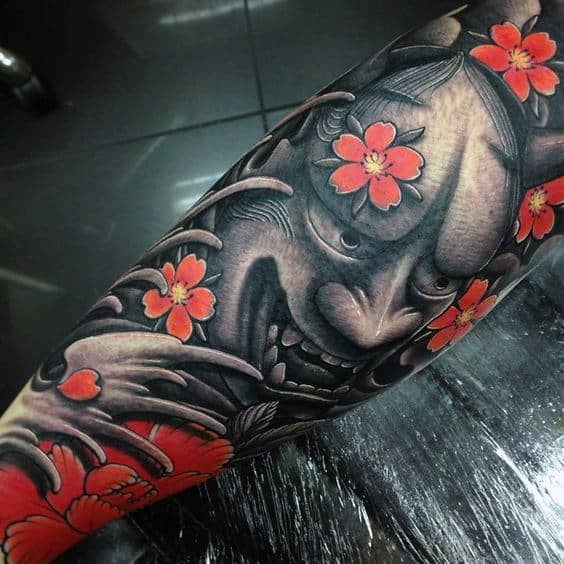
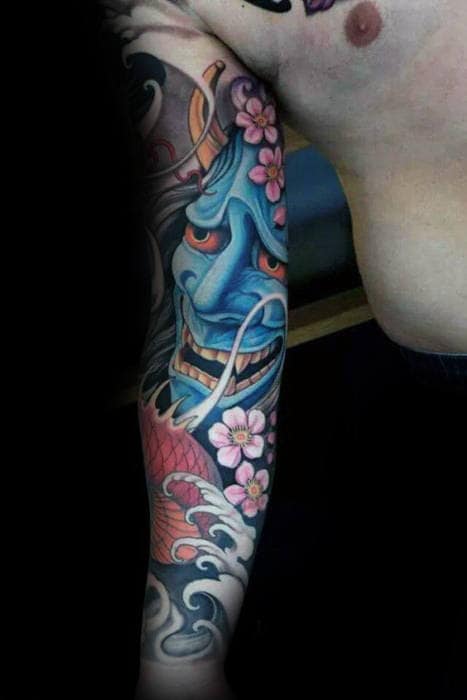
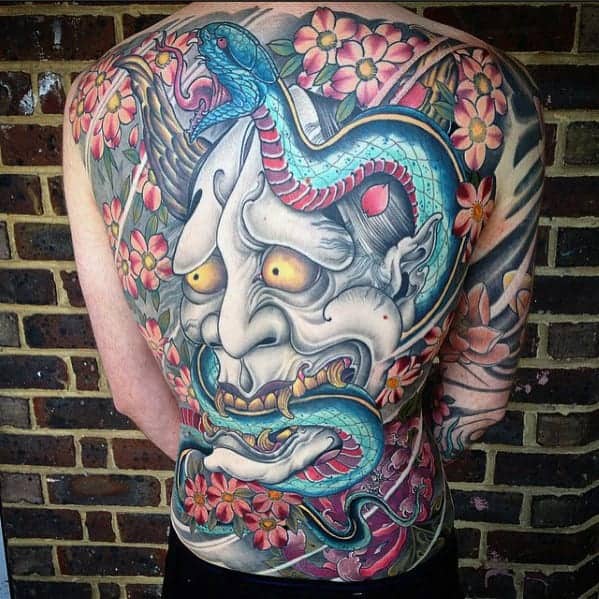
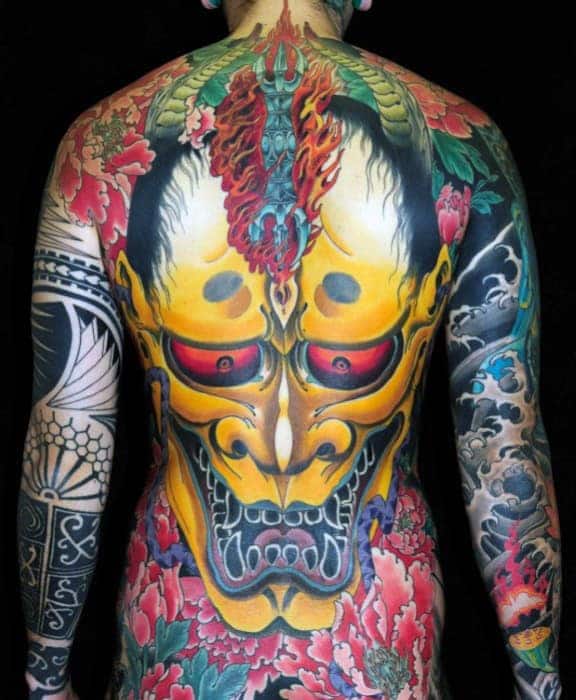
Japanese demon (Oni) tattoos represent power and strength. In esoteric Japanese culture, dragons and demons remain related, with both representing good fortune and generosity.
Far from simplistic fiends, these complex and majestic tattoos impart your ultimate control over any challenge that comes your way. As a perennial reminder about the eternal struggle between good and evil, Japanese oni tattoos provide a solid foundation for understanding the struggle one has to overcome.
18. Japanese Back Tattoos
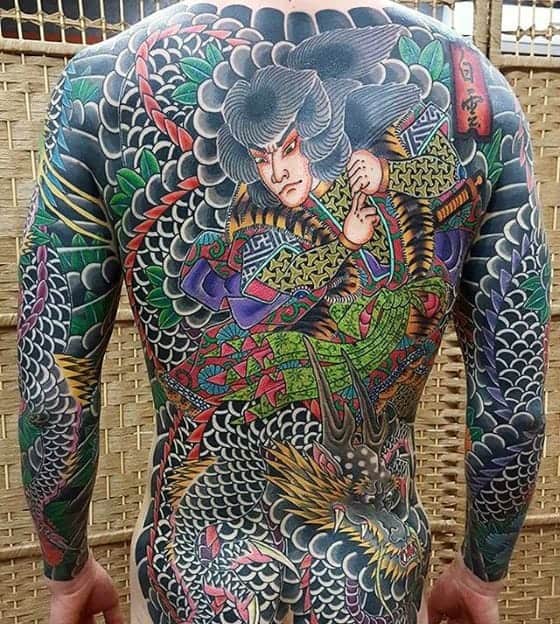
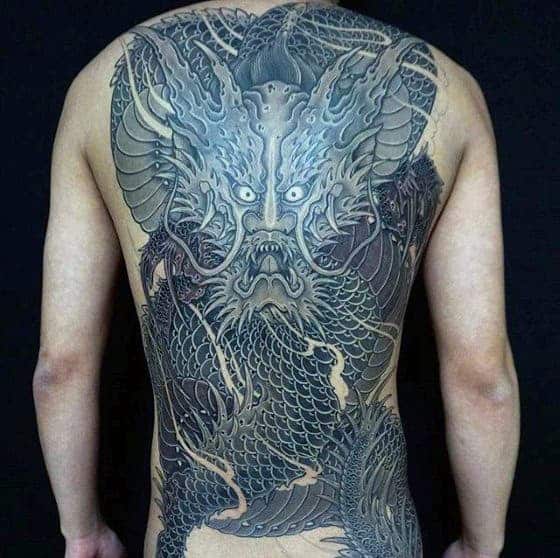
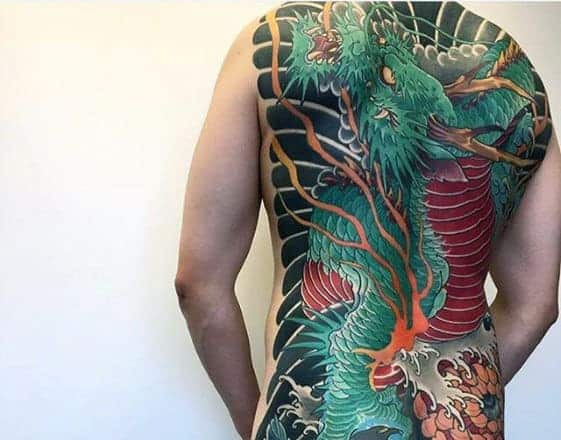
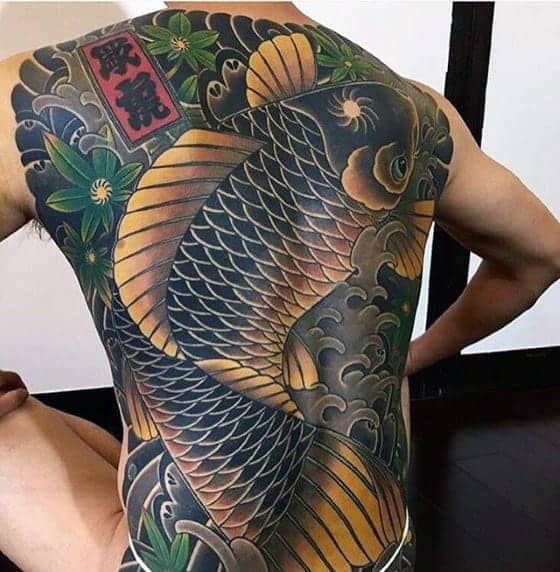
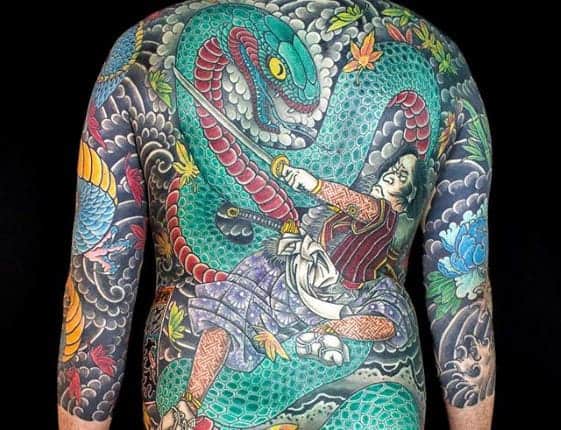
Japanese back tattoos have been used as symbols for the wealthy, marked upon slaves, inked on the Yakuza, and used as a means of self-expression for Westerners with a fascination for elements of Japanese culture and mythology.
These tattoos are unique, timeless, and complex. A Japanese back tattoo is imbued with meaning; a way of showing spiritual devotion, delineating character traits acquired or aspired to, and honoring a long-standing tradition boldly with full commitment.
19. Japanese Phoenix Tattoo Ideas
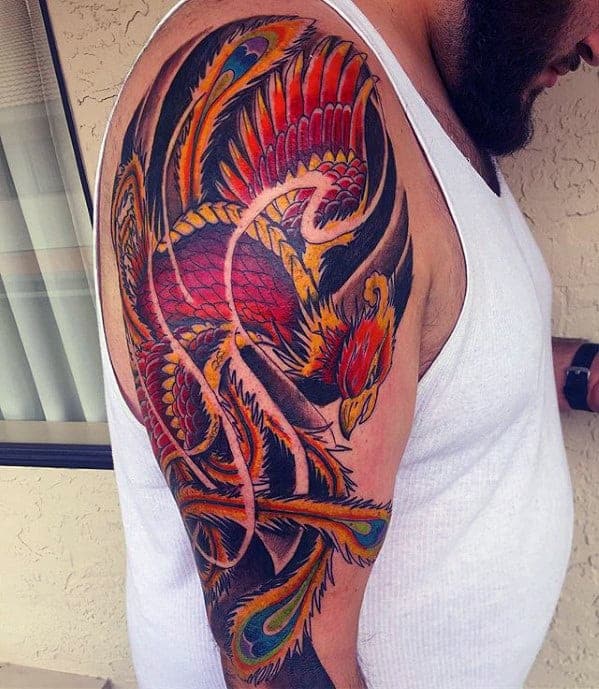
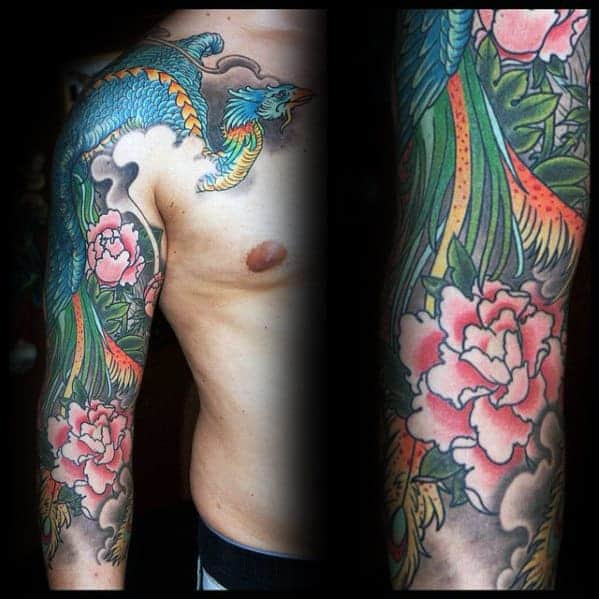
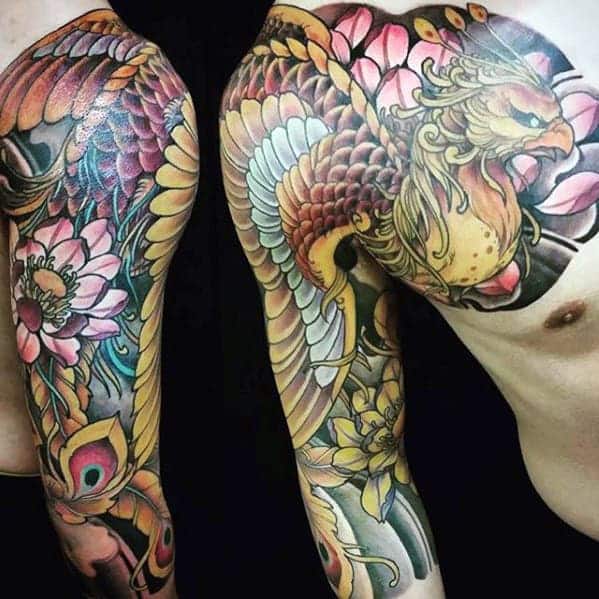
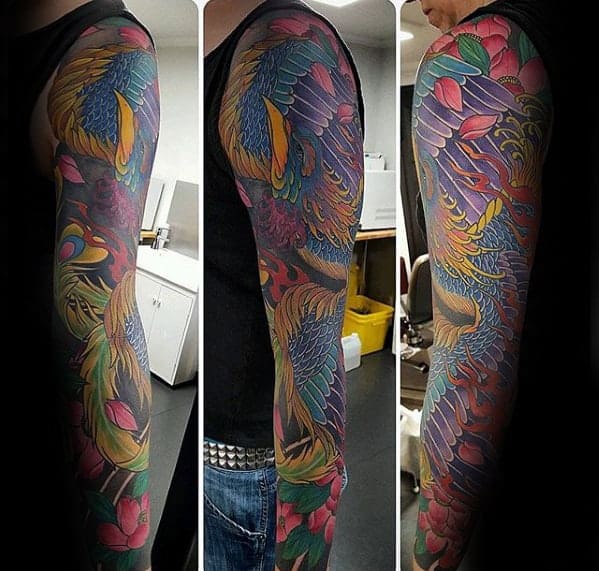
The symbolism of rebirth and everlasting life is a massive part of Japanese phoenix tattoo. The bird rising from the ashes stronger than ever represents tenacity in reaching goals and overcoming struggle.
The Japanese phoenix tattoo also symbolizes healing and purification. Not only does the phoenix emerge from ashes immortal, but its legendary tears heal wounds.
20. Japanese Snake Tattoos
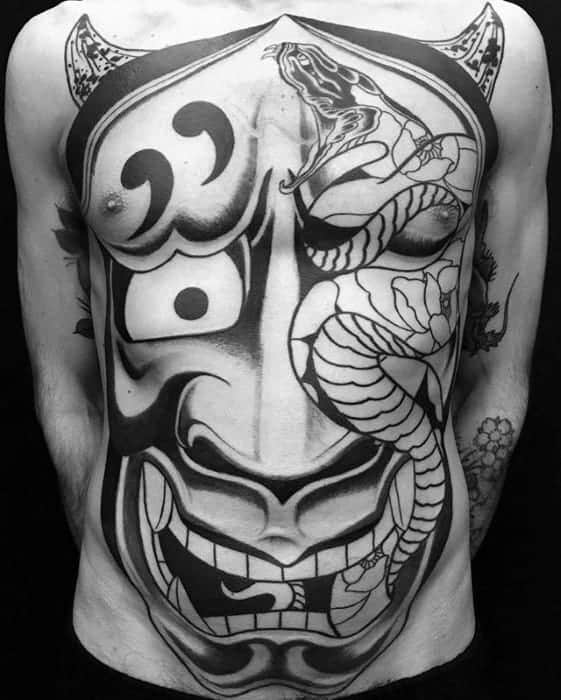
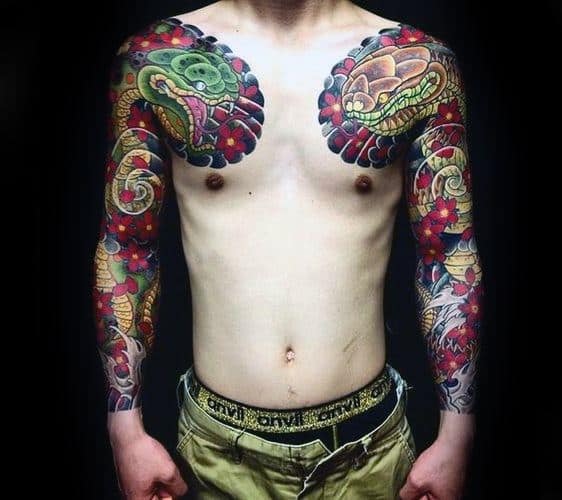
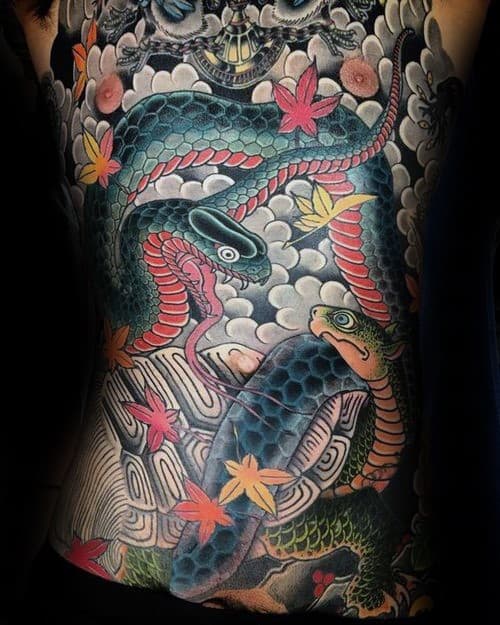
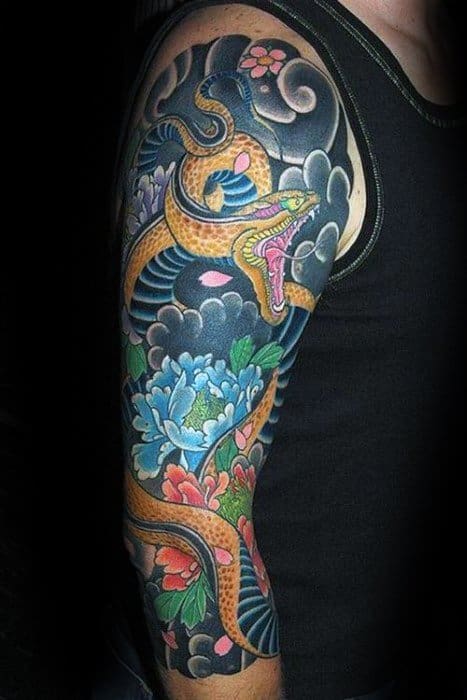
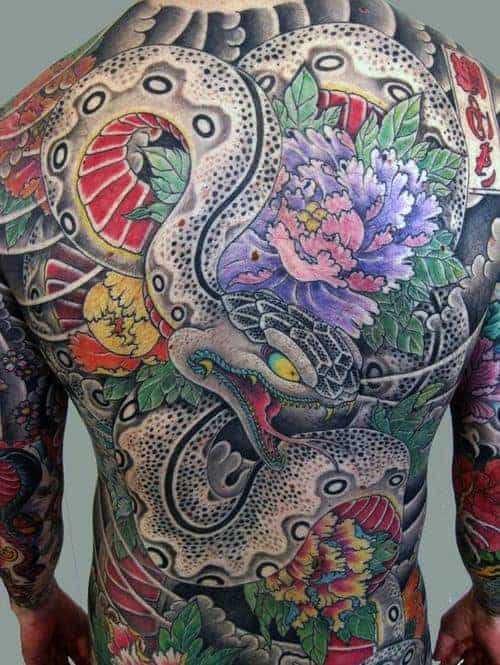
One of the more popular Japanese tattoos for men is the snake (hebi). Snakes often represent rebirth and eternal life by virtue of regularly shedding their skin.
The Japanese pit viper, or the “mamushi,” is a beautiful animal with a circular pattern in the scales on its back and a more detailed black and white mosaic on its belly. While generally small, this venomous snake is excellent at sneaking up on its prey when they least expect it, and a popular sub genre of wider serpent designs.
21. Rising Sun Tattoos
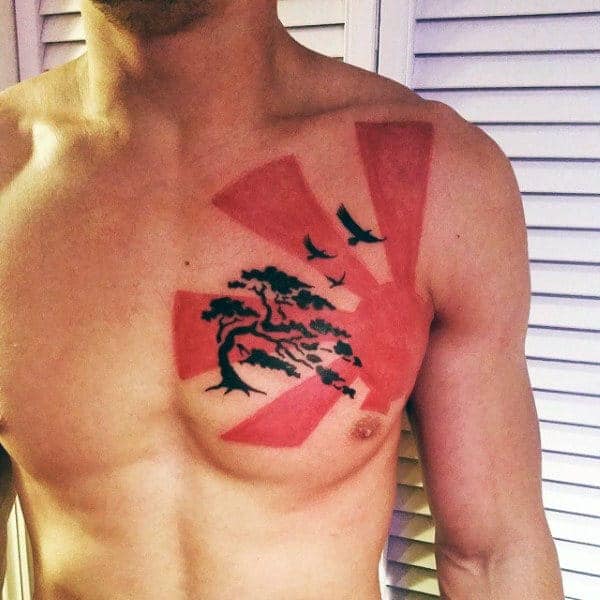
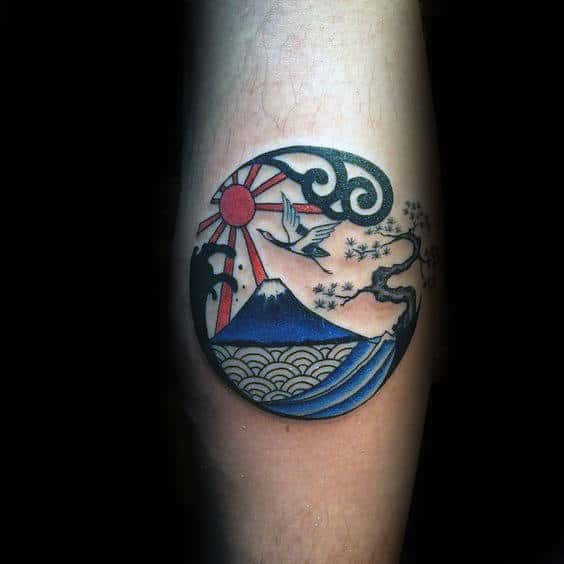
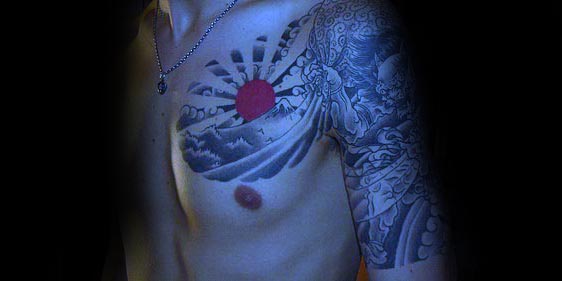
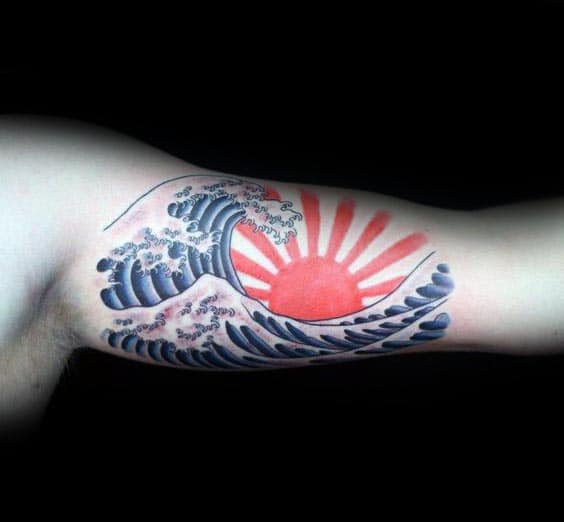
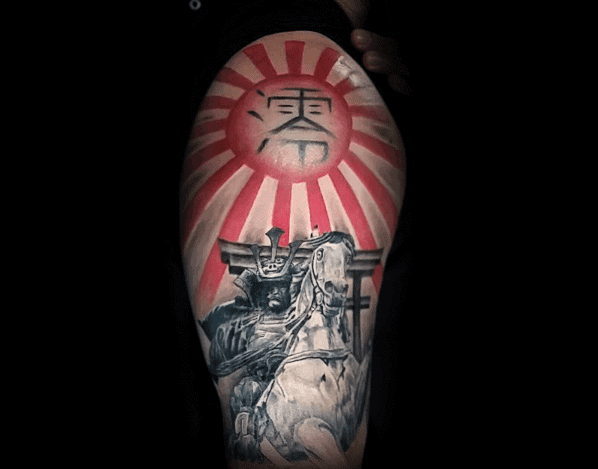
This ancient Japanese icon has been around since the Edo Period, so you will be getting in touch with your samurai roots. The simplest incarnation is a blood red sphere, but the most distinctive variations showcase corresponding rays of light.
Mt. Fuji is a focal point of many rising sun illustrations, and the artwork sometimes replicates old-school woodblock prints. The peak can be maximized with fluffy clouds and tasteful cranes, or Shinto features incorporated to add meditative calm and cultural cachet.
22. Japanese Skull Tattoos
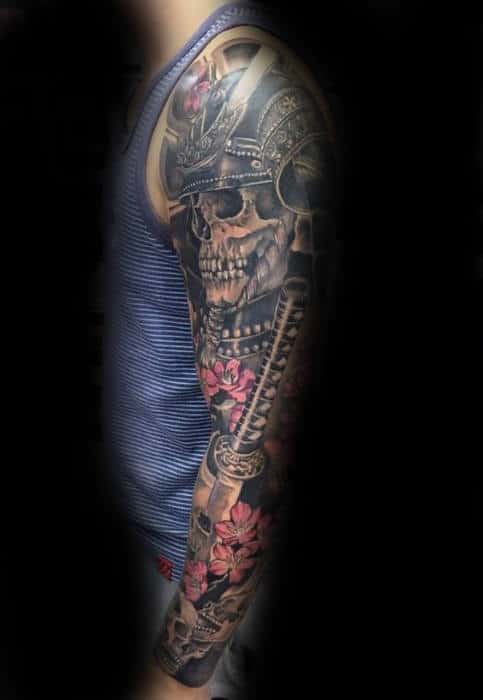
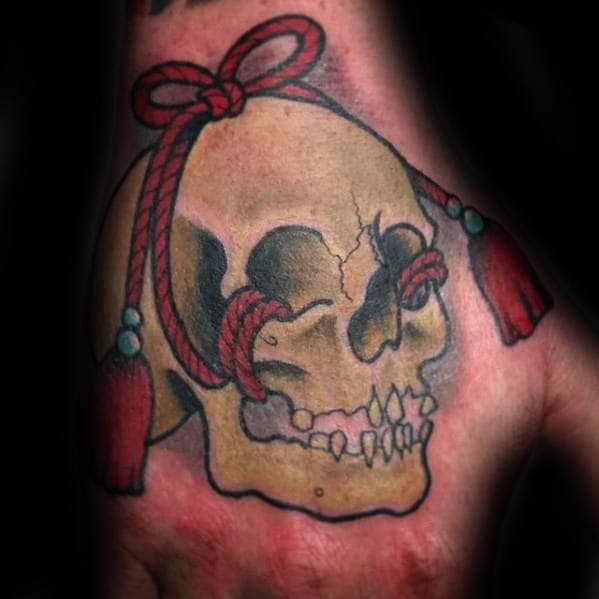
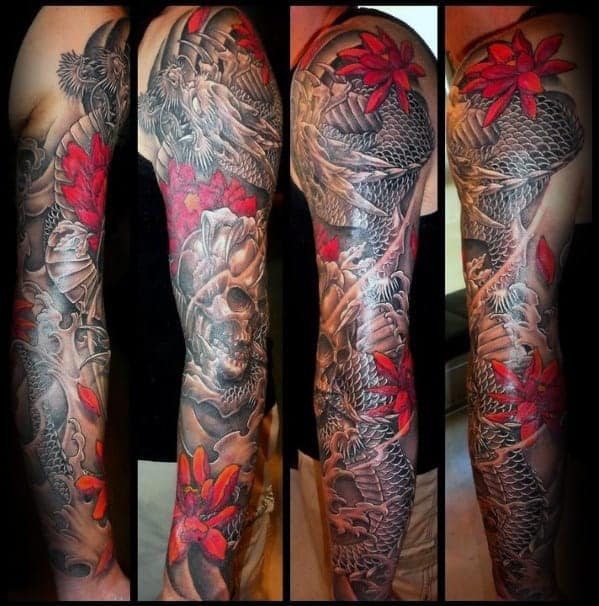
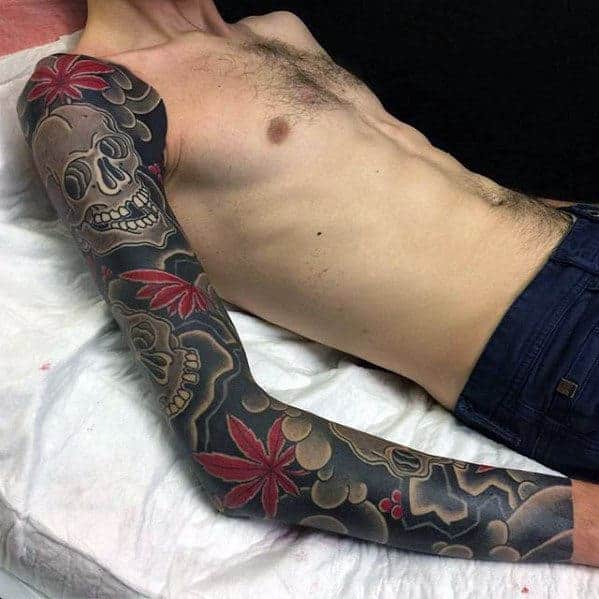
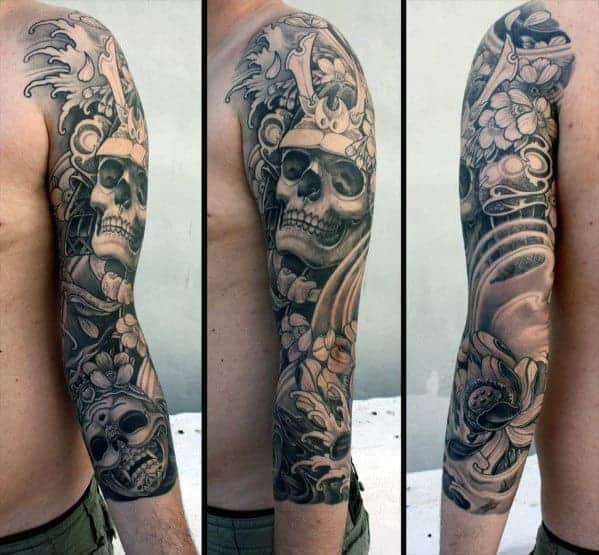
Skulls have famously been used to represent a huge spectrum of themes revolving around death, growth, and life itself. Japanese skull tattoos are unique in that they are respected and revered as a form of positive remembrance for deceased relatives and ancestors.
In Japanese culture, skull tattoos are seen as a way to honor the greatest progression man can experience. Death is revered in Japanese culture, and that symbolism has spread throughout the world of tattoos.
23. Raijin Tattoos
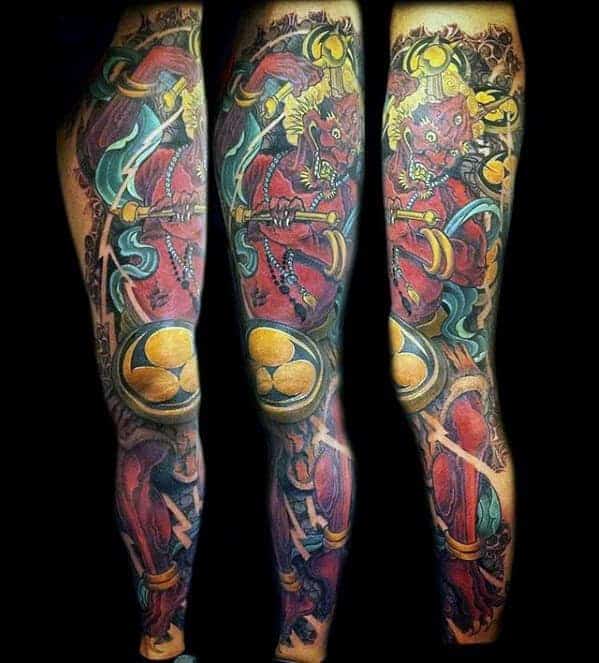
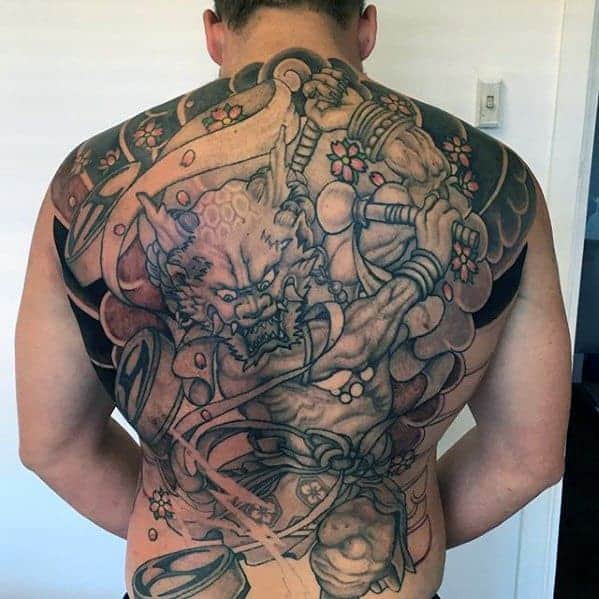
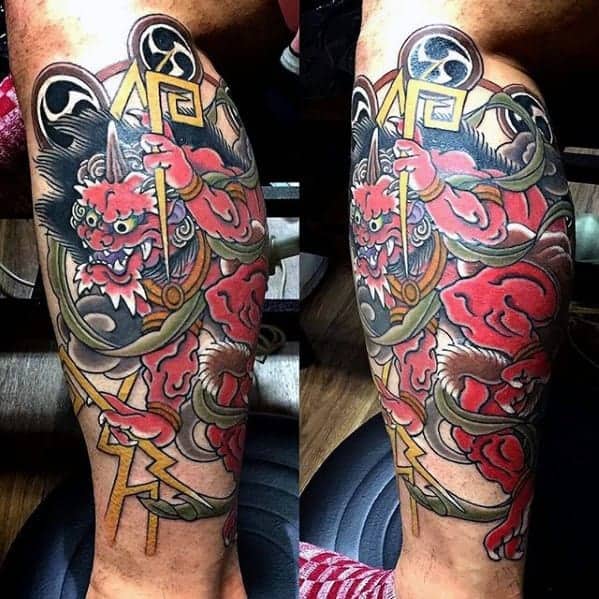
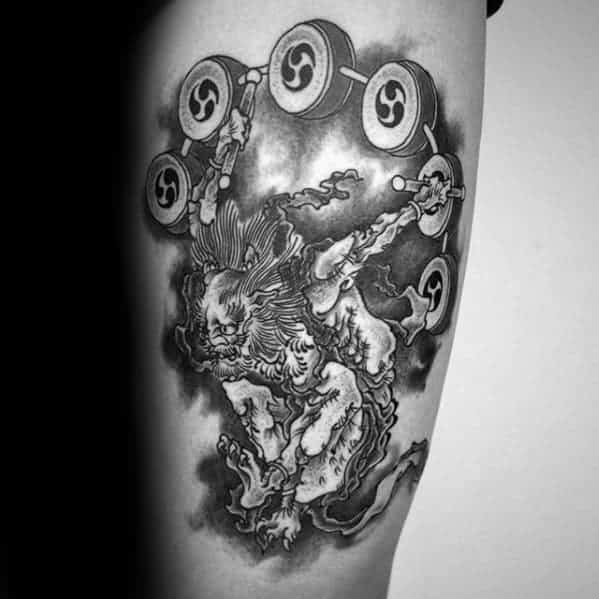
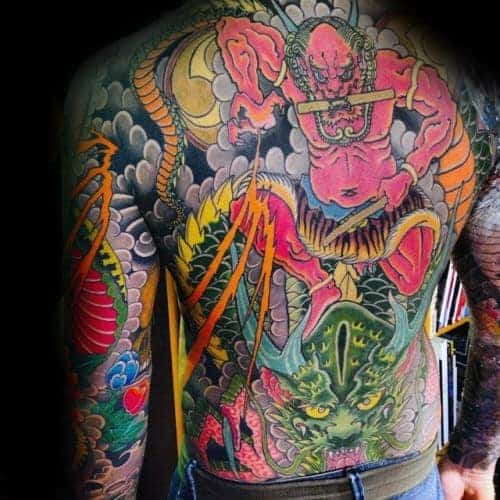
As the god of lightning, thunder and storms in the Shinto religion and in Japanese mythology, Raijin is a fearsome god. His formidable appearance and power is what makes him the perfect tattoos for those who have a deep respect for the Shinto philosophy.
Raijin was formed shortly after the creation of Japan by Izanami and Izanagi. He is said to have a drum, which he uses in order to make thunder during storms. During these storms, folk legends say that Raijin will eat children’s navels and take them away, lest they keep themselves covered in the presence of this terrifying god.
24. Japanese Frog Tattoos
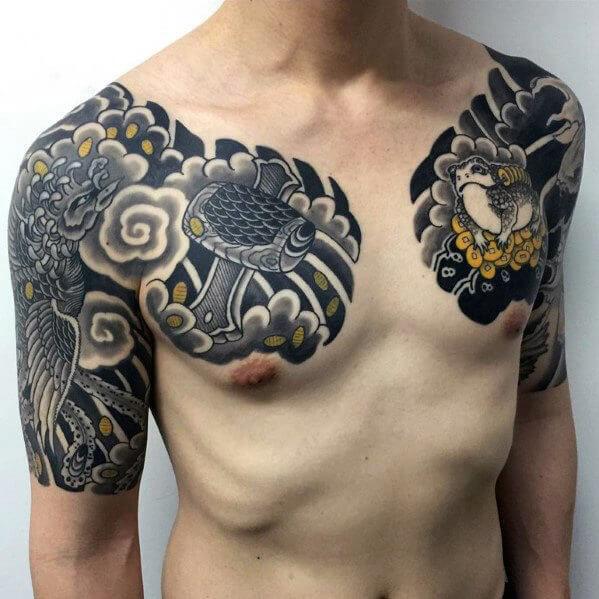
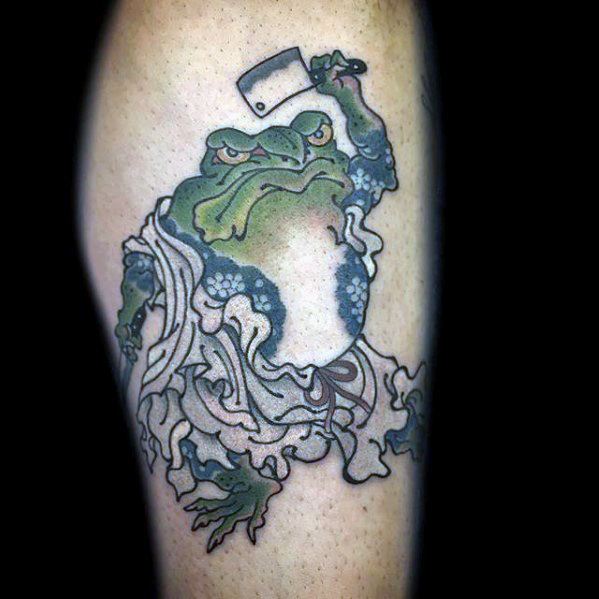
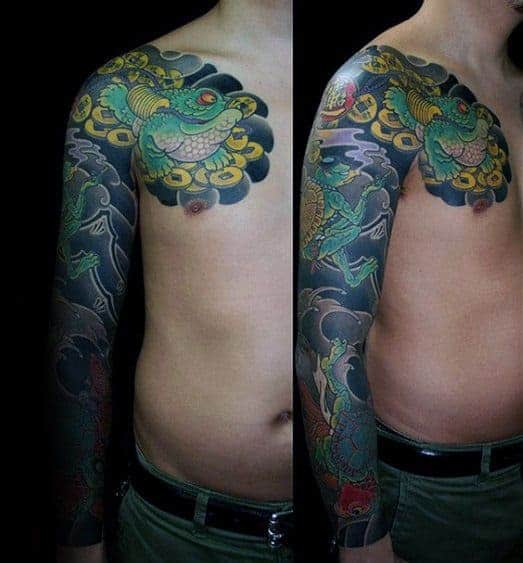
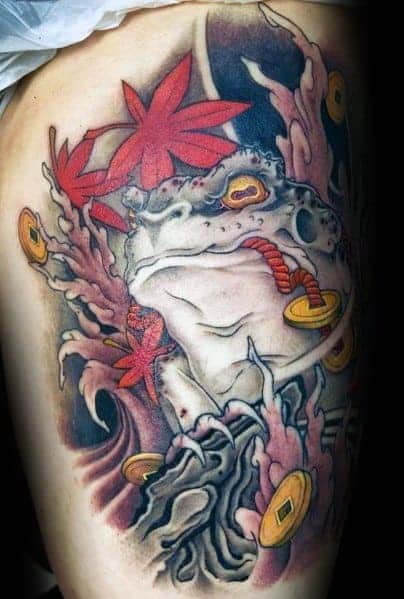
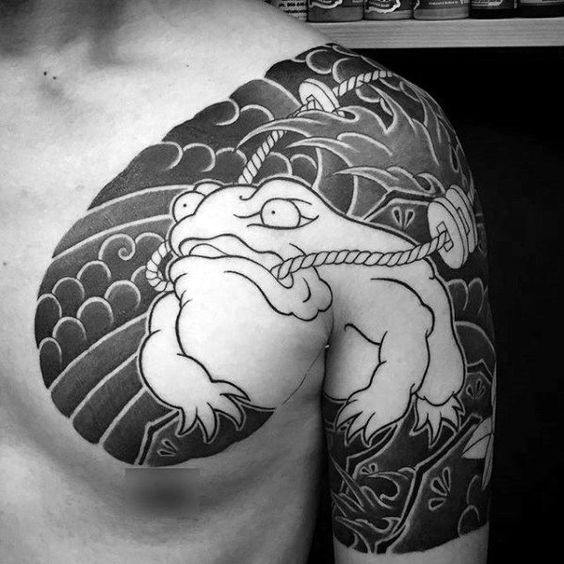
The frog holds a prestigious place in Japanese culture, holding infinite powers of prosperity, luck, and lifelong abundance. The Japanese frog is heralded as the god of rainfall during the tsuyu (plum rain) season and ensurer of harvests. The frog is often a popular good luck tattoo, gift and domestic mainstay, promising many happy returns of loved ones, success, and wealth.
Japanese Tattoo Glossary
The following list of words are commonly used Japanese terms to describe aspects of tattooing, style or placement. They can be handy for your research when planning your design or refining an idea.
- Bokashi – Gradation (multi level shading of black through gray by clearly defining and diluting the ink). Most commonly used when depicting elements to fill around the central tattoo image.
- Donburi Sōshinbori – The Japanese full body tattoo without the chest opening
- Gakoubori – The single or combination of filler ‘pictures’ used to flesh out and frame the whole piece. Most common examples are waves, fire, wind, and clouds.
- Gobu – A half sleeve arm tattoo that starts at the shoulder and goes to just above the elbow join.
- Hikae – The chest panel tattoo, most often combines with an upper arm (Hikae Gobu) or full sleeve design (Hikai Nagasode). A deep hikae goes below the nipple of the chest, while a shallow hikae stays above the nipple
- Horishi – A tattoo artist. Hori is an honorific give to those who “carve.”
- Irezumi – Irezumi is the Japanese word for tattoo. While referring to the distinctive poking style of Japanese tattooing, it is also used as a blanket term to describe tattoo styles originating in Japan.
- Keshoubori – Secondary tattoo motif supporting the central idea, often flowers or plants
- Munewari – Traditional chest tattoo with the opening strip of un-tattooed flesh running down the middle
- Munewari Sōshinbori – A full body tattoo with the opening on the chest left un-inked
- Nagasode – A full sleeve arm tattoo done to the wrist or right up to the hand
- Nukibori – The negative space – untattooed section of the main image or tattoo background
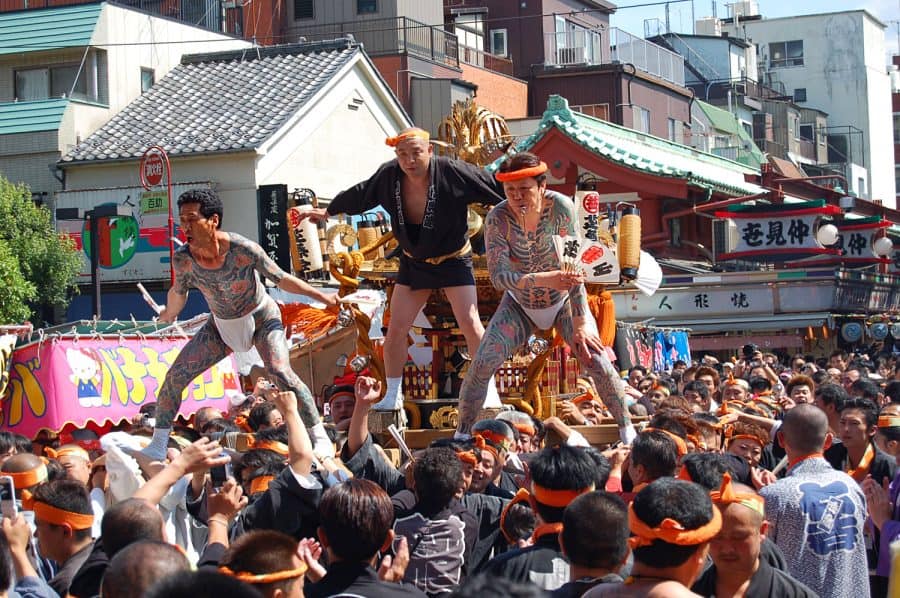
- Sanja Matsuri – Japanese Festival famous for being the one event/day of the year where Yakuza are allowed to openly display their Irezumi. Yakuza tattoo is rarely visible tattoo
- Senaka – The Japanese back tattoo. Usually refers to the full back piece but also incorporates smaller designs. Those that also cover the buttocks and thighs are called Kame No Kou (the Tortoise Shell)
- Shichibu – The three quarter sleeve tattoo running from shoulder to the mid forearm
- Shudai – The central theme or idea of the tattoo
- Sujibori – The outline of a tattoo
- Sumi – Tattoo Ink
- Tebori – The literal translation of tebori is “to carve by hand”. Tebori describes the umbrella of traditional Japanese techniques most often used before the incorporation of tattoo machines.
- Yo/Yobori – The term for Western style tattooing which uses the machine. Yo is the commonly used slang term.
How much does a color Japanese sleeve cost?
A full color Japanese Irezumi sleeve tattoo is at the top of the pricing spectrum. A Japanese sleeve will cost at least $1500 -2000 USD, even at a comparatively cheap average price of $150 per hour. Experienced artists and Japanese tattooing specialists will charge more, while a sleeve from a Japanese tattoo artist master like Horiyoshi III could cost upwards of $10,000 USD for a colorful nagasode arm piece at a Tokyo or Osaka tattoo studio.
What’s the difference between Hannya and Oni mask tattoos?
Japanese Oni (Ogre demon) masks differ from the Hannya mask in that the ogre describes aspects of good and evil. Traditionally, Oni mask tattoos represent the punishment of humans for acts of evil and injustice, whereas Hannya masks used in Noh theater depict how something beautiful can change and become evil.
What are the most popular Japanese style flower tattoo ideas?
Flowers can be the main theme (Shudai) or a complementary aspect (Keshoubori) in Japanese tattoos. Most famous include:
- Cherry blossom (Sakura)
- Peony (Botan)
- Chrysanthemum (Kiku)
- Maple Leaves (Momiji)
- Lotus flower (Hasunohana)
- Plum blossom (Ume)
Pine trees, Bonsai, and bamboo are also popular nature themes linked to Japanese Irezumi.
What does the combination of black, red, and blue koi tattoos mean?
On May 5, Japanese households hoist koi flags to signify their hope that their male children grow strong to rival heroic figure Kintaro (similar to Hercules), who once wrestled a giant carp. In Japanese traditional back tattoos, the black koi (magoe) is the father, red koi (higoe) is mother, and the blue carp (kigoe) is the child, while other koi are linked with wealth, success, or love.
[see_more_about title=”60 Japanese Frog Tattoo Ideas” link=”https://nl.jahaweb.com/mens-style-and-fashion/japanese-frog-tattoo-ideas-for-men/”]