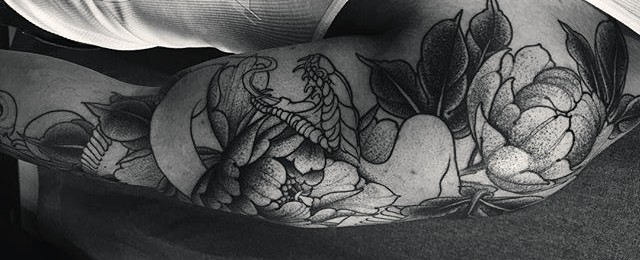

For a taste of visual serenity, why not partake in the exotic symbolism of a peony tattoo? These wildly esteemed floral designs are packed with eye-catching values alongside tremendous meaning.
Peony tattoos are imbued with a vast set of meaningful value, and every association is exceedingly positive.
These effervescent Chinese flowers are turning into a titillating body art craze for 21st century men everywhere.
For a prosperous symbol of endless romance, look no further than a peony tattoo. Their lush presence is considered a grand omen for lasting love and affection. They are also attached to the 12th marriage anniversary, so this garners a perfect event for partners to pursue matching ink.
The peony is a timeless logo of China, so an affinity to Asian culture can be accessed via this cutting-edge imprint. According to cultural tales, it is directly tied to bashful personalities that possess an underlying sense of deep compassion.
It is also worth noting that the peony is Indiana’s state flower, so some American fellows don this body art as a way to celebrate their hometown. Ultimately, the prideful plant has been documented for over 1,000 years, and its name is derived from ancient Greek gods.
The magical potency of peony tattoos is thoroughly explored in our pictorial guide below!
[see_more_about title=”The Ultimate 150+ Best Flower Tattoo Ideas” link=”https://nl.jahaweb.com/mens-style-and-fashion/ultimate-flower-tattoo-ideas/”]
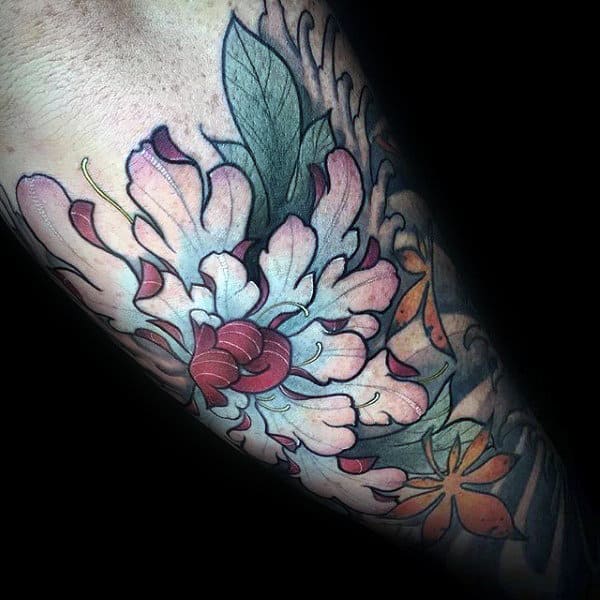
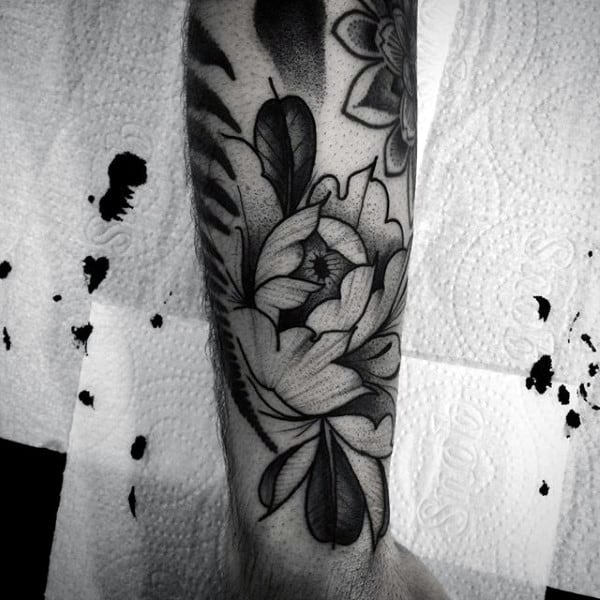
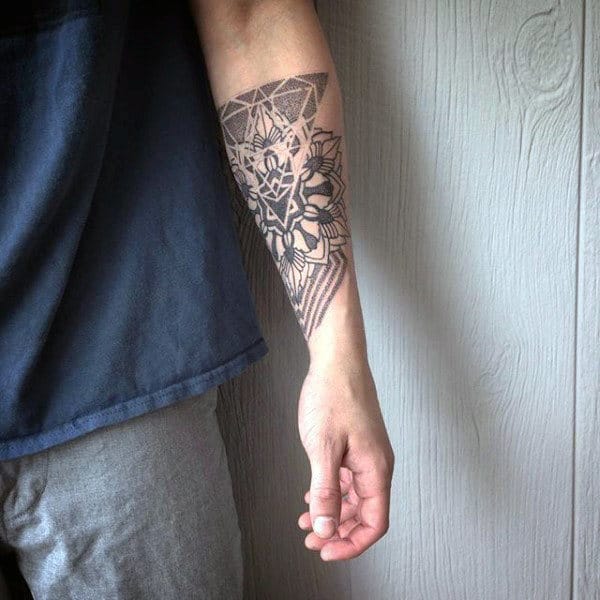
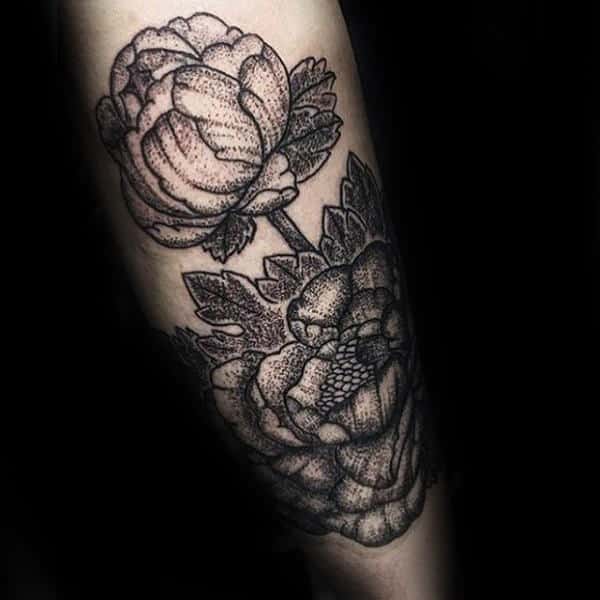
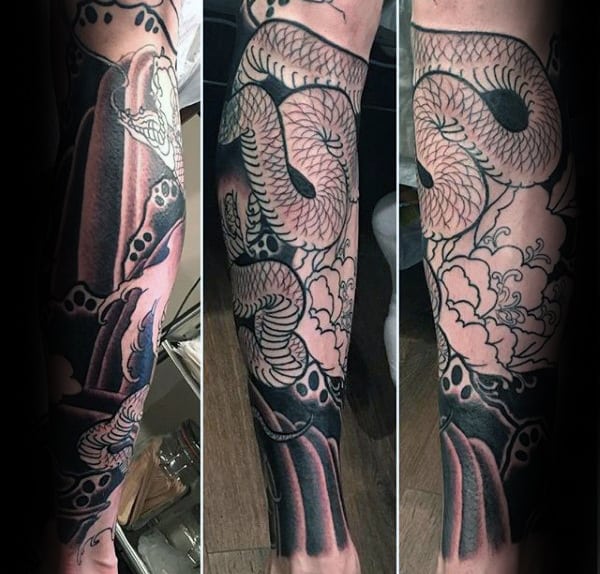
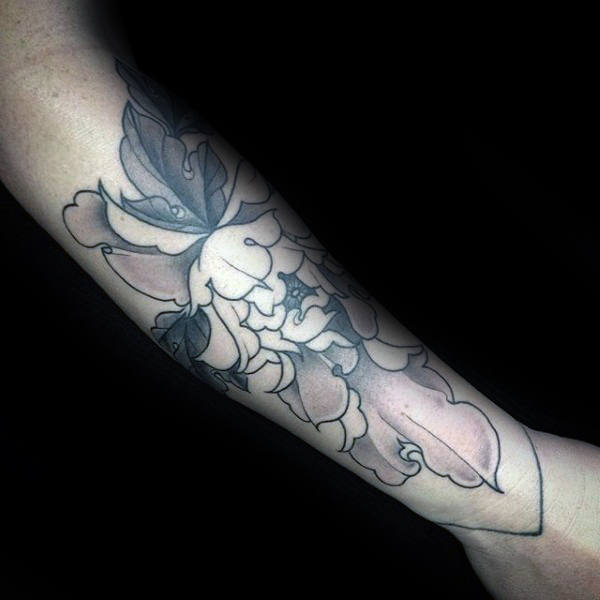
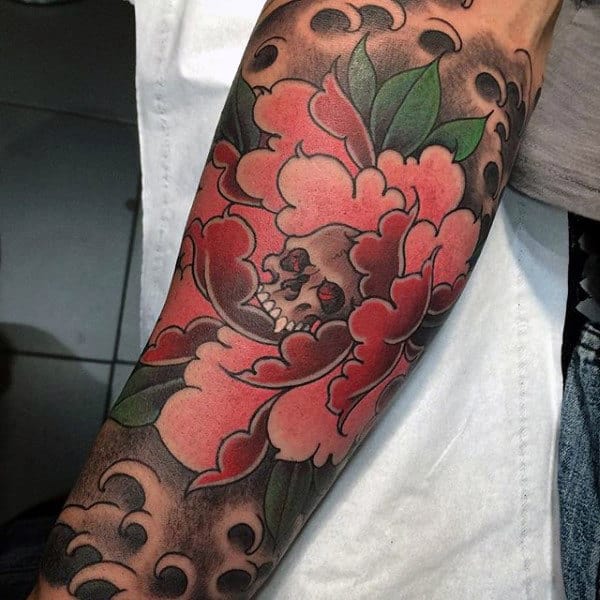
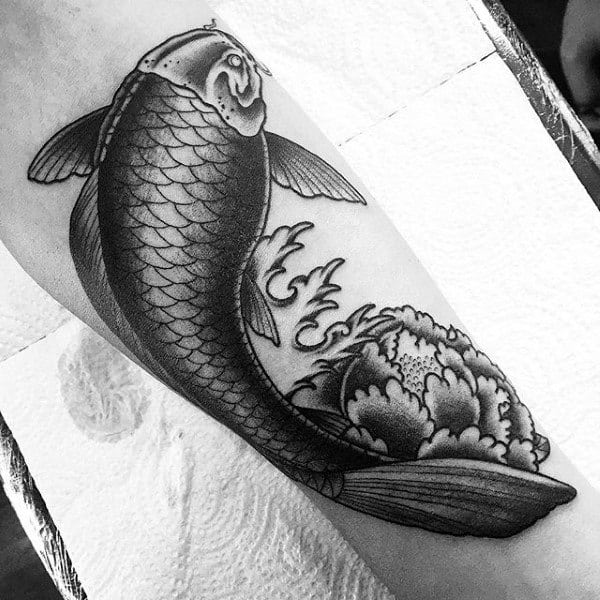
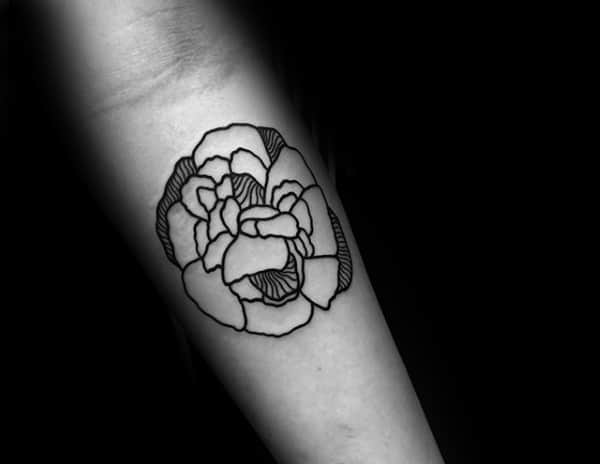
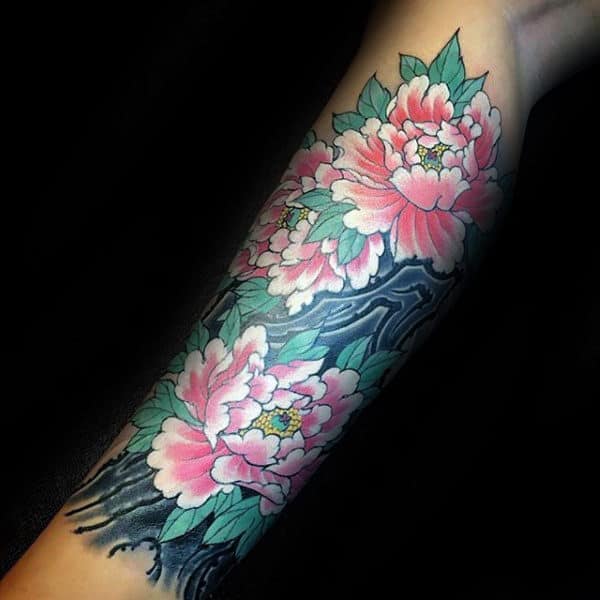
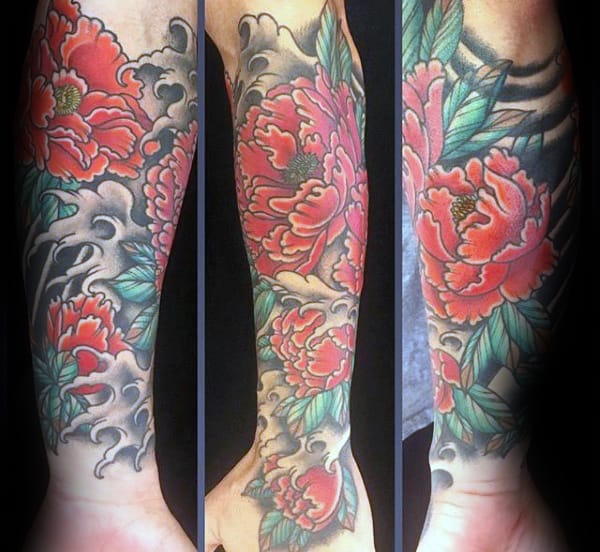
1. Forearm Peony Tattoos
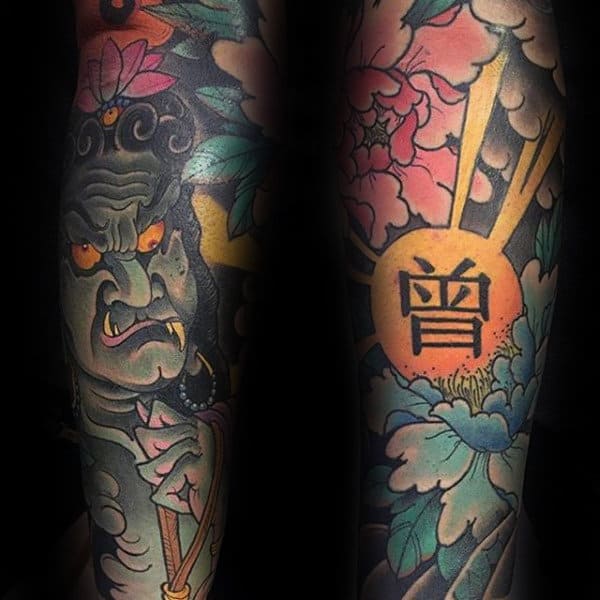
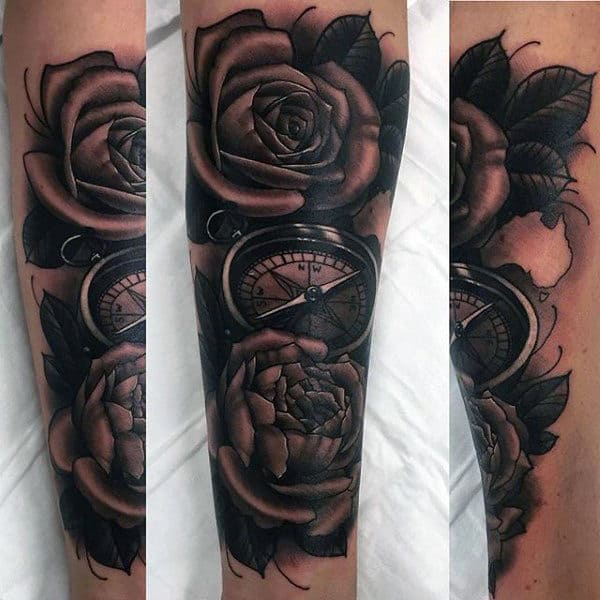
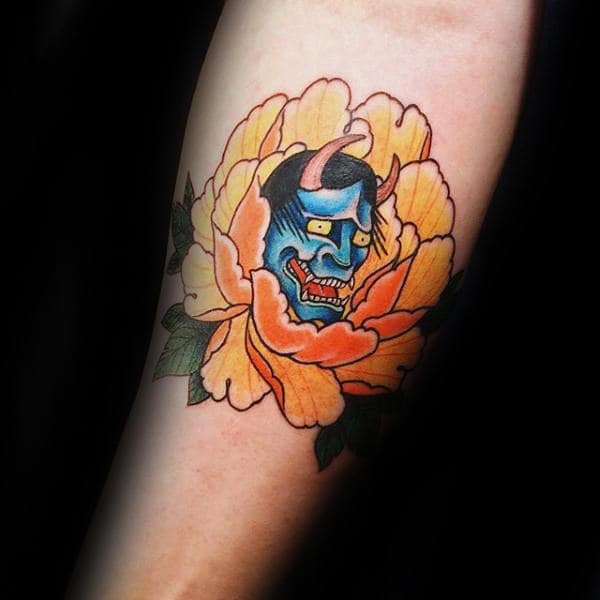
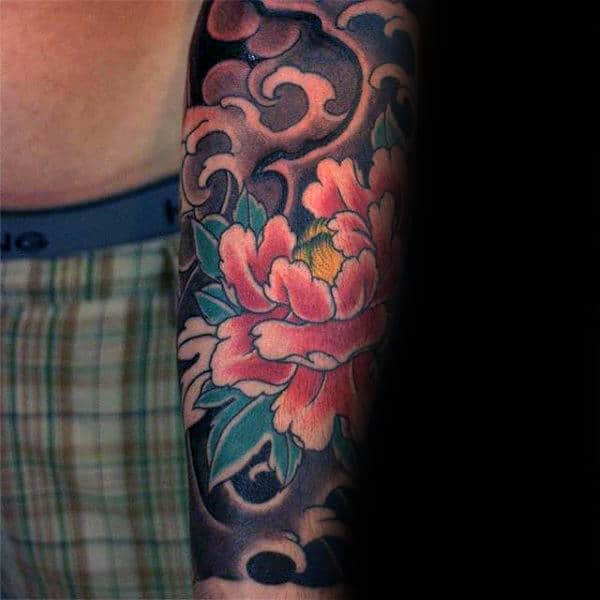
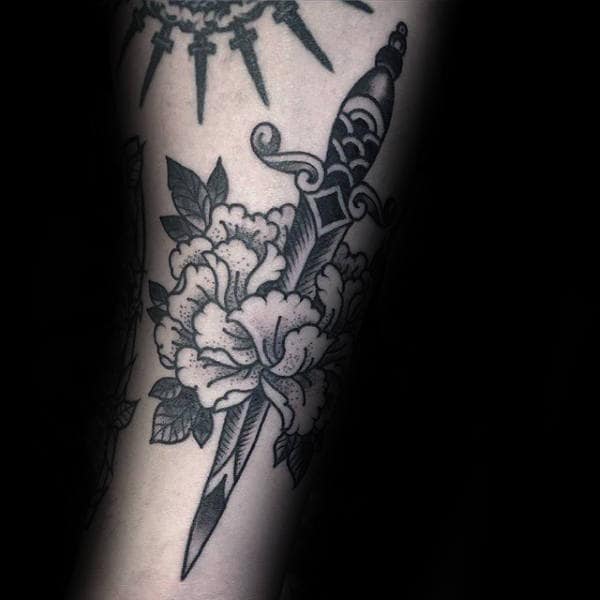
2. Bicep Peony Tattoos
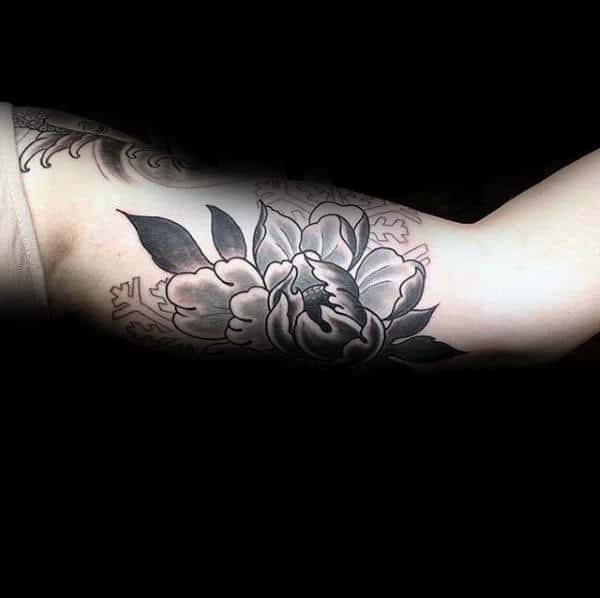
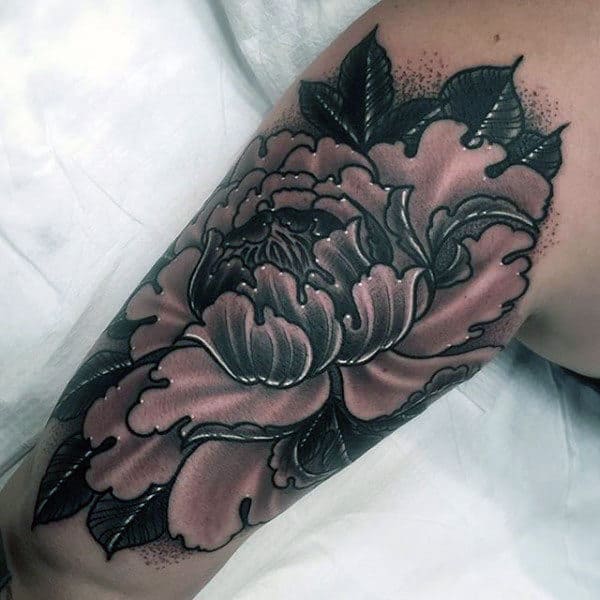
3. Arm Peony Tattoos
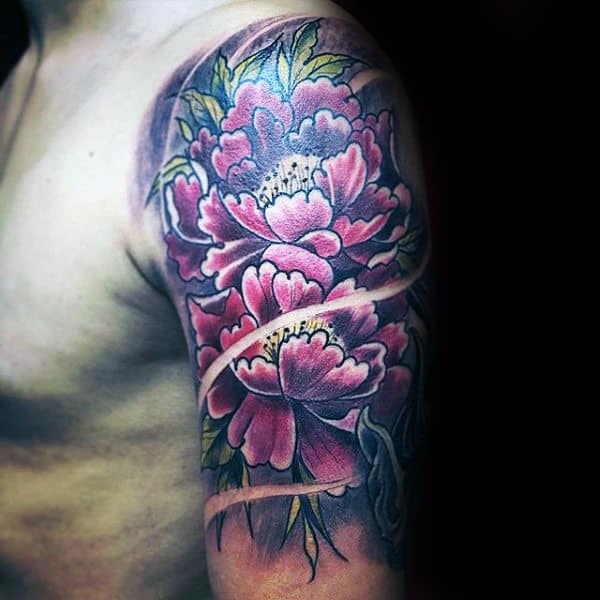
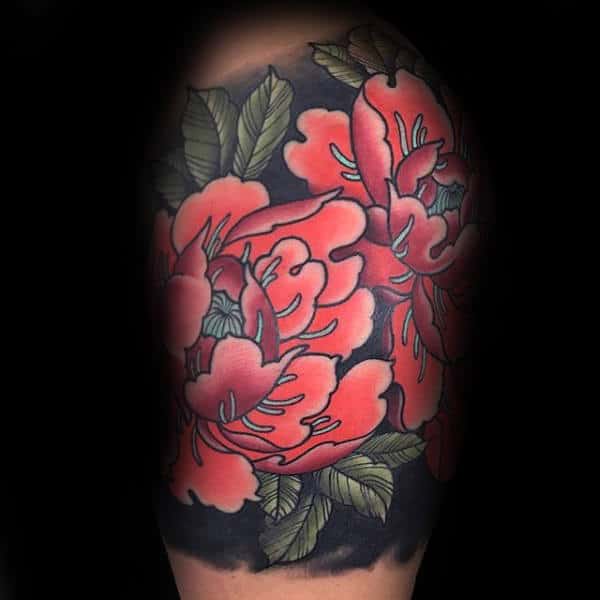
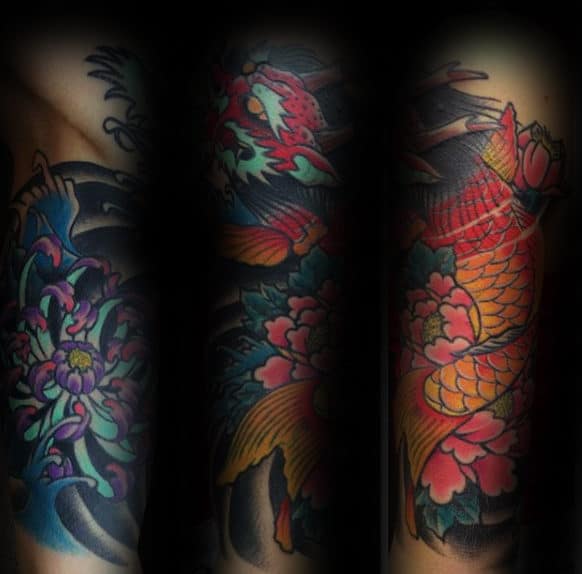
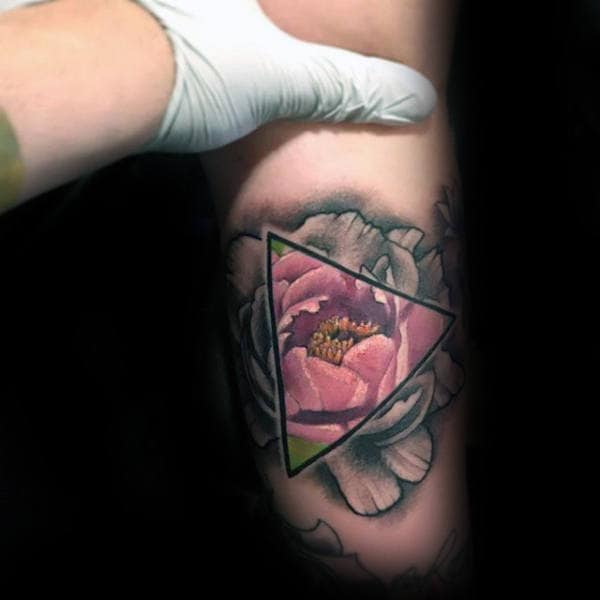
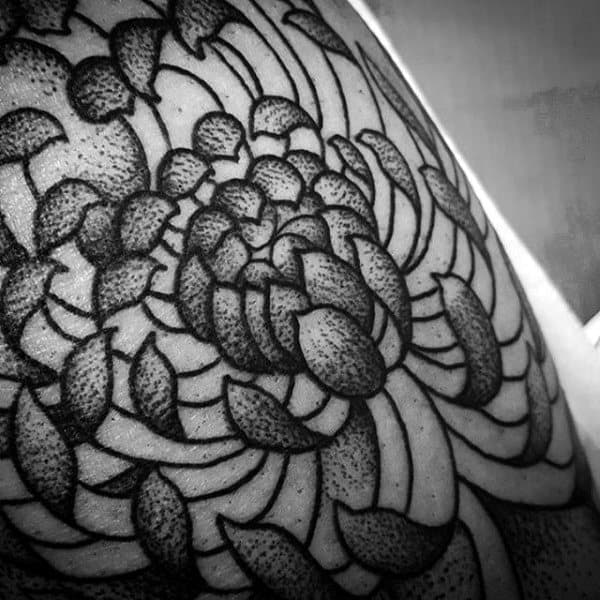
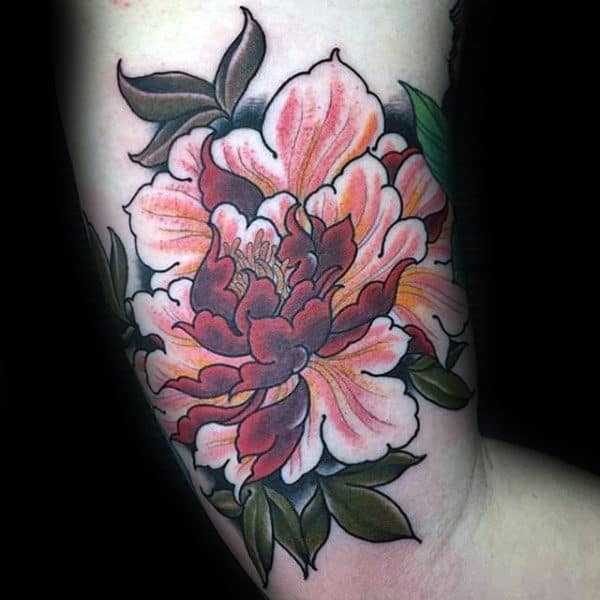
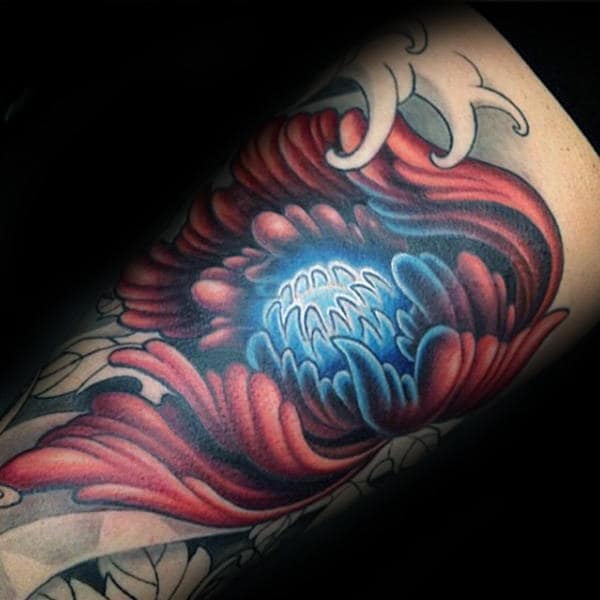
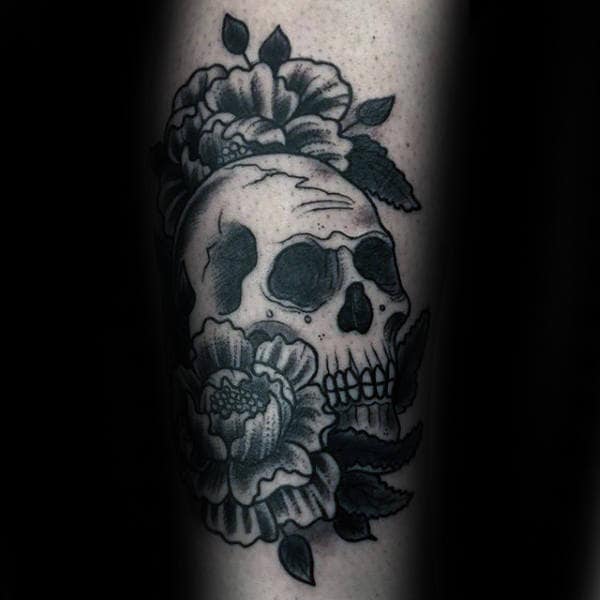
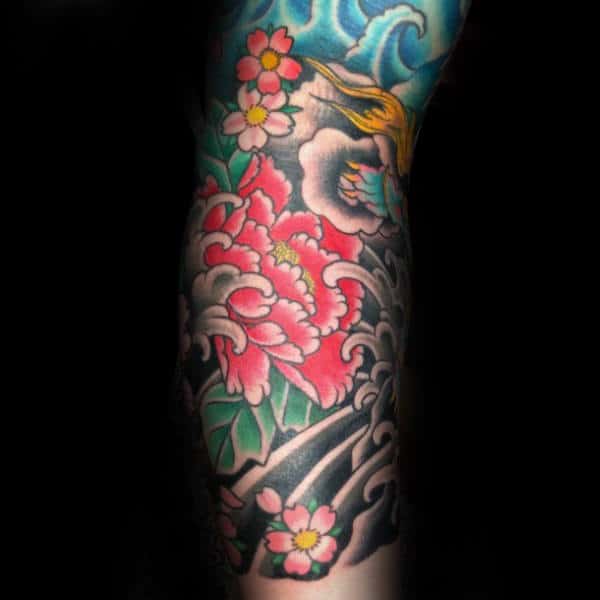
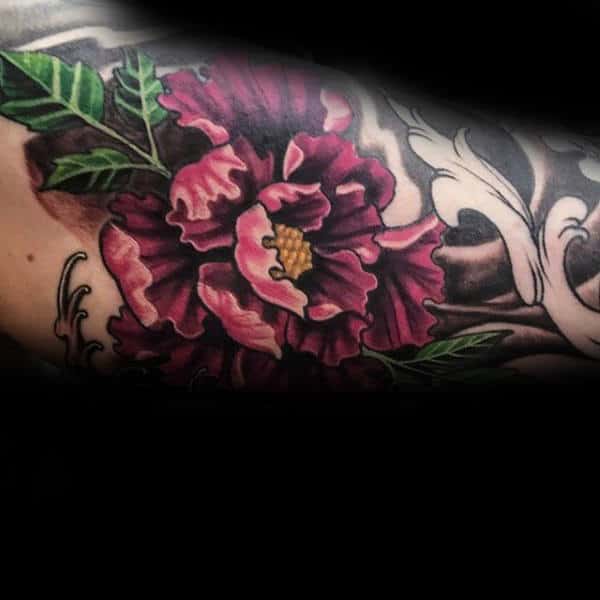
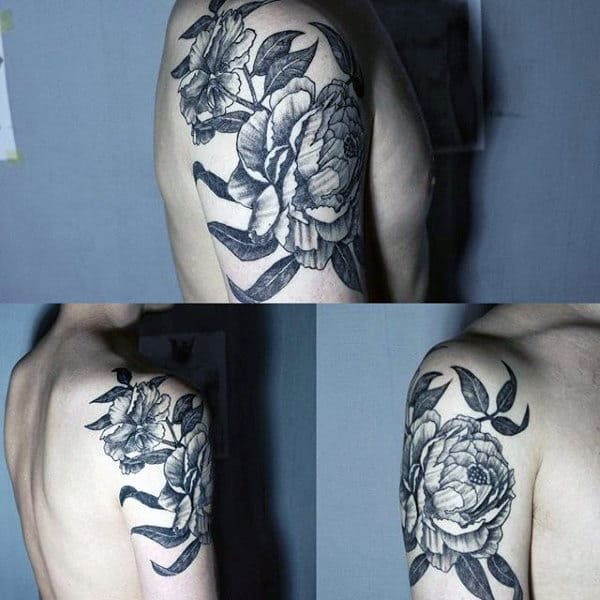
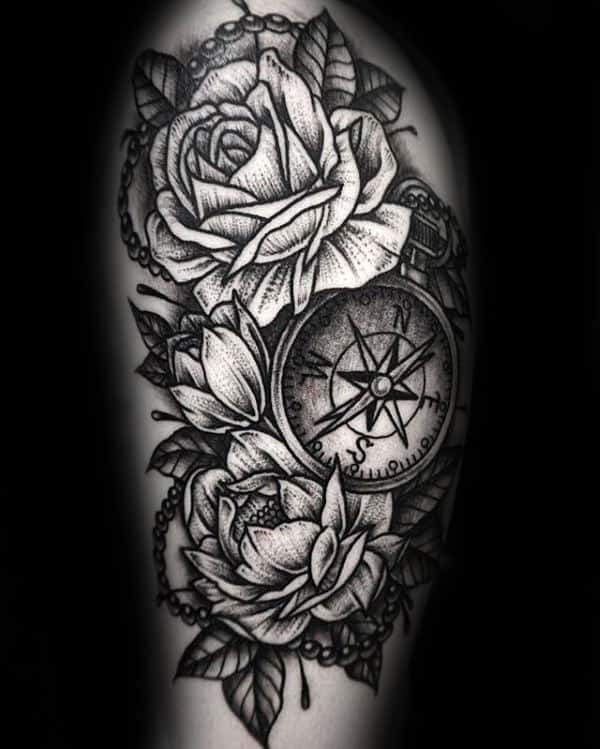
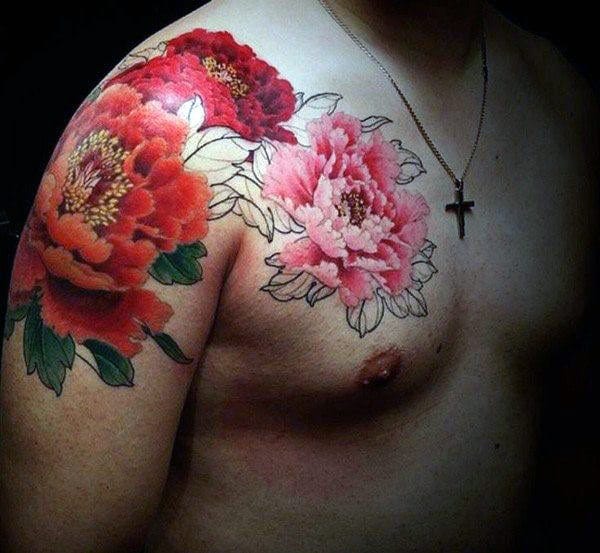
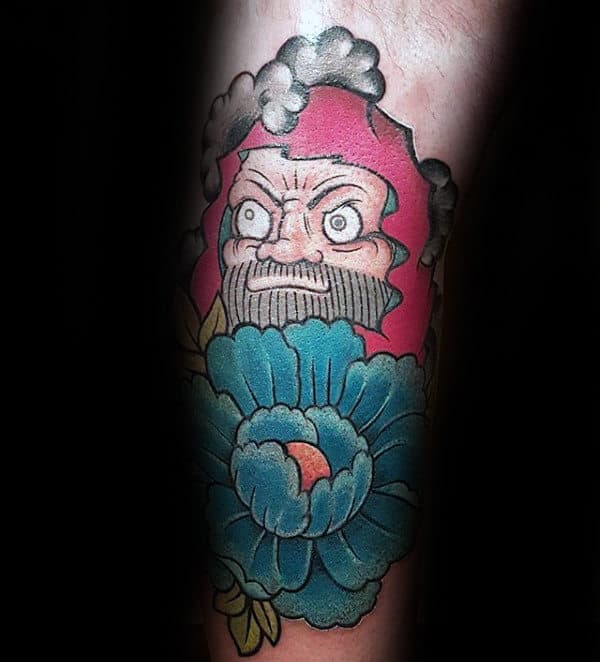
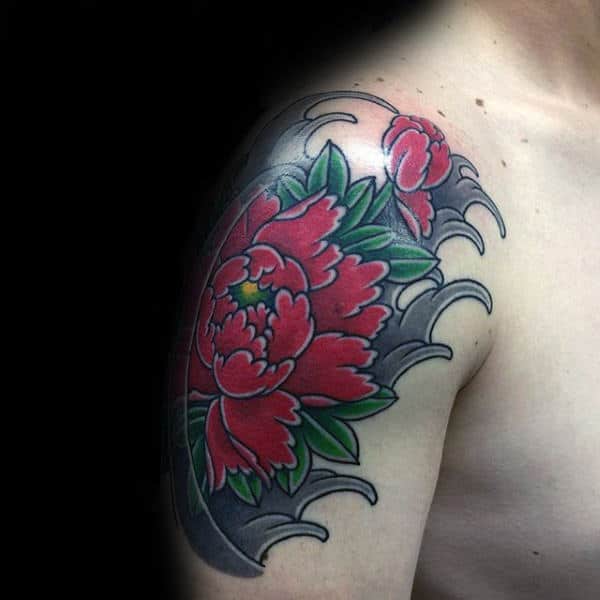
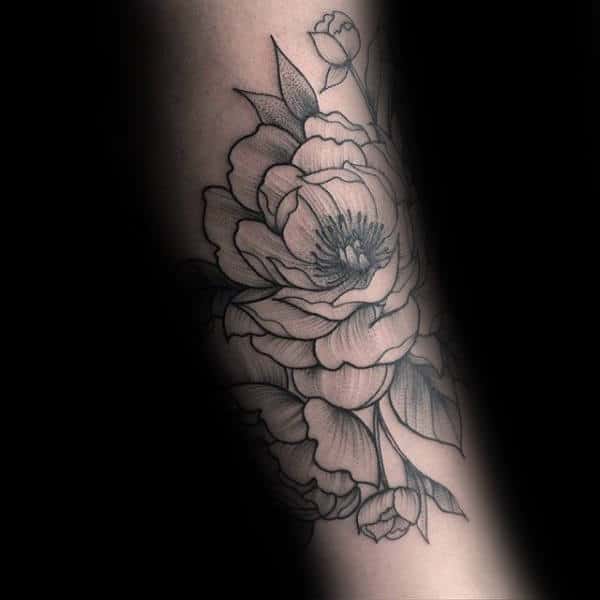
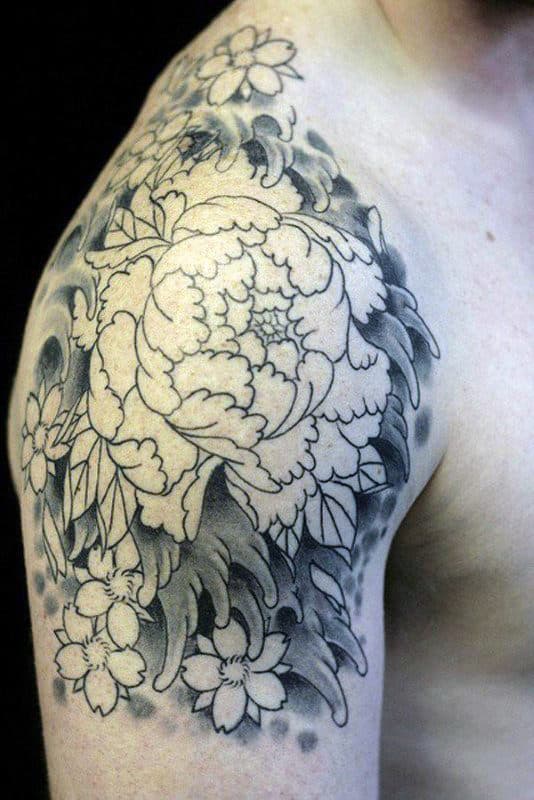
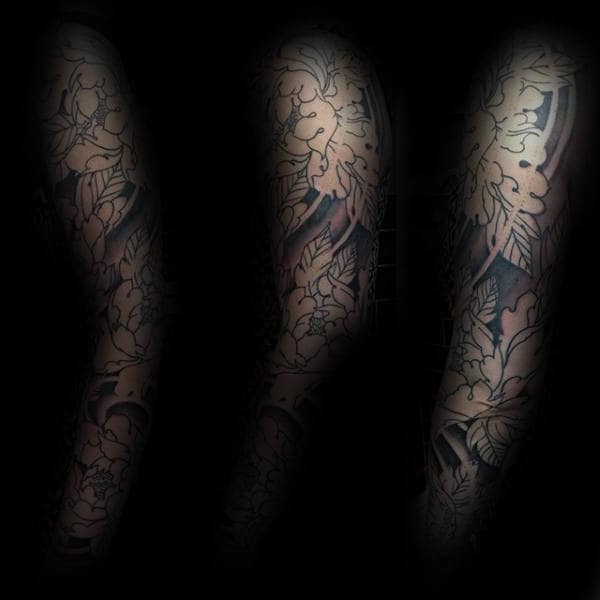
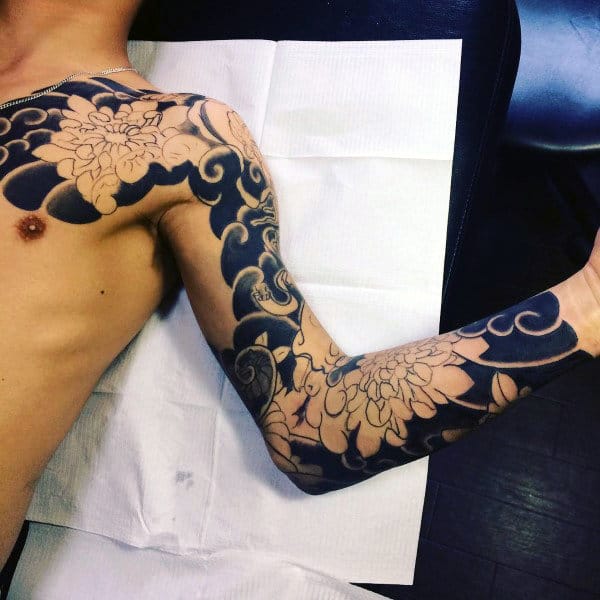
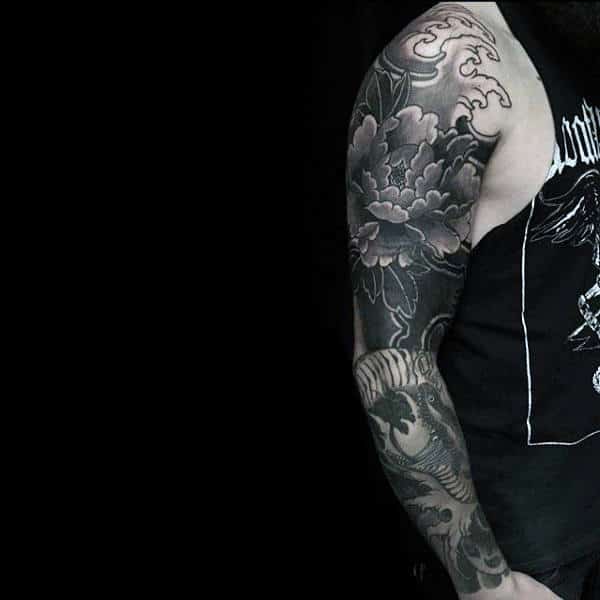
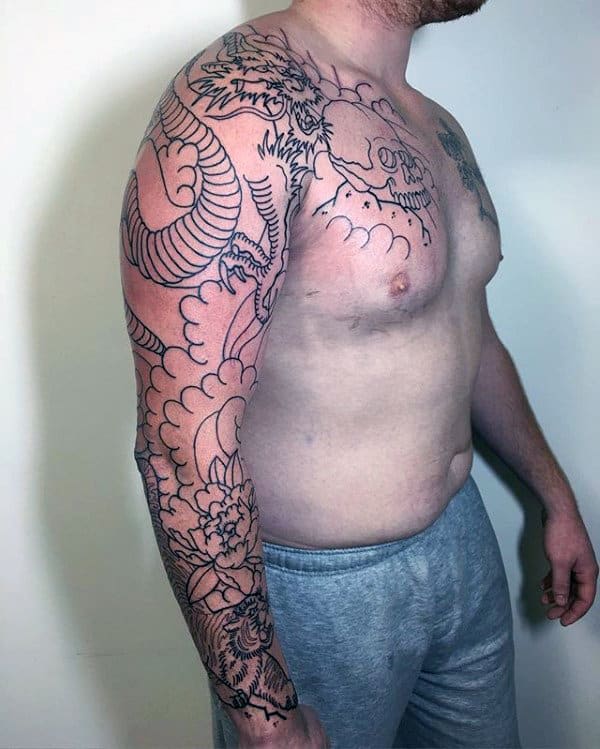
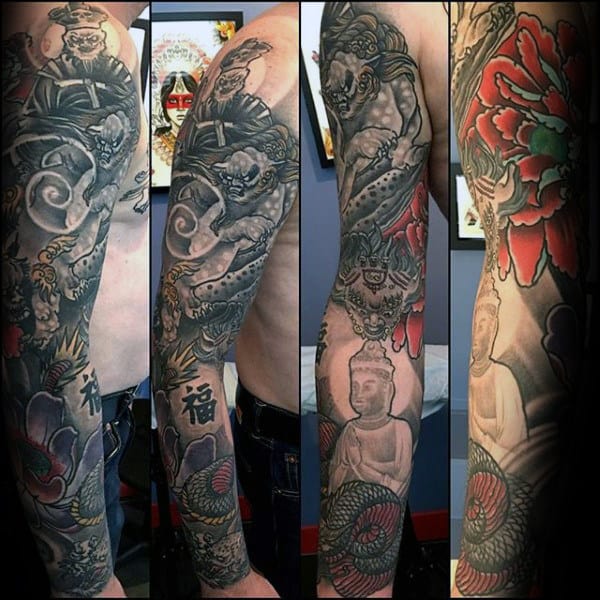
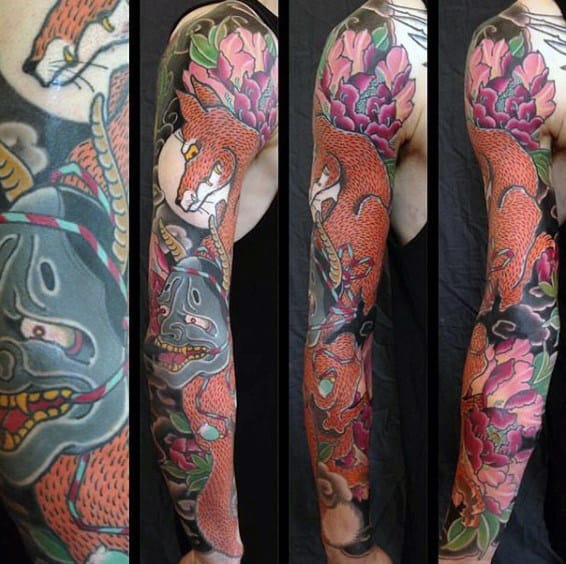
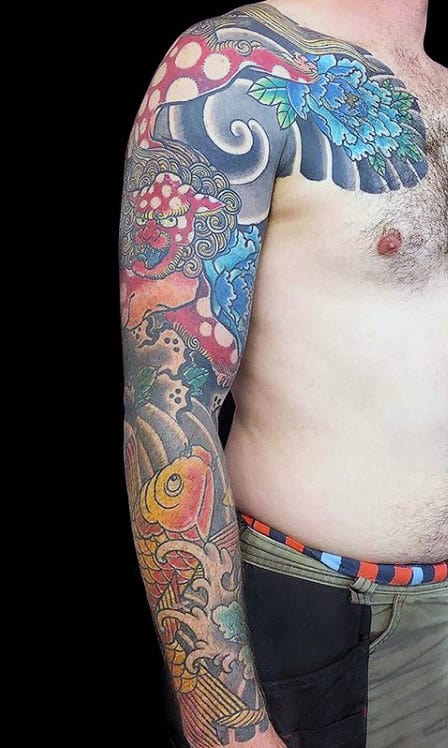
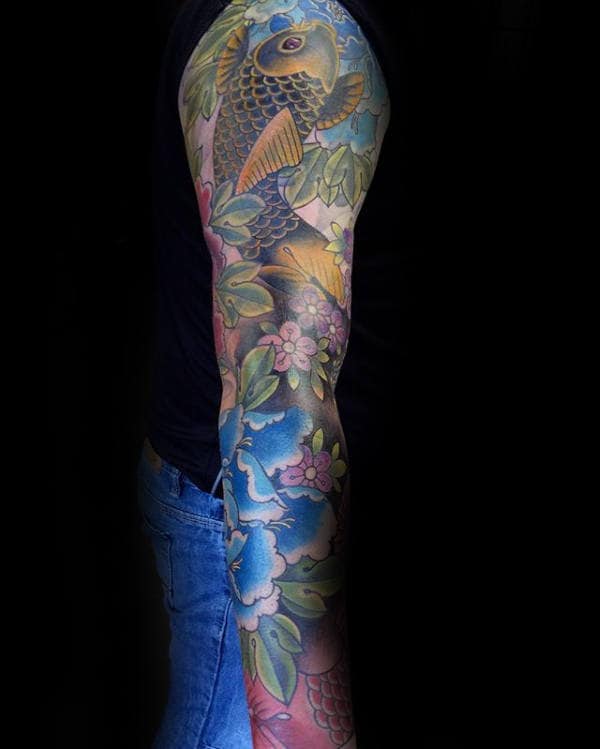
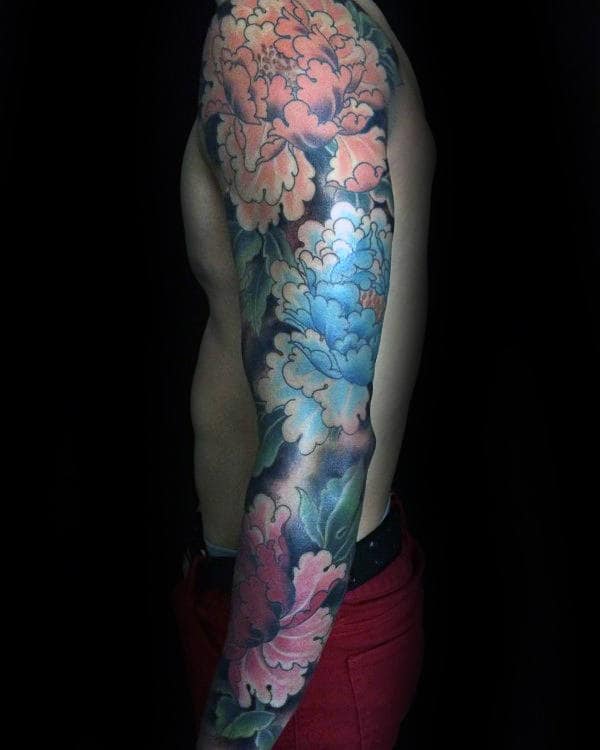
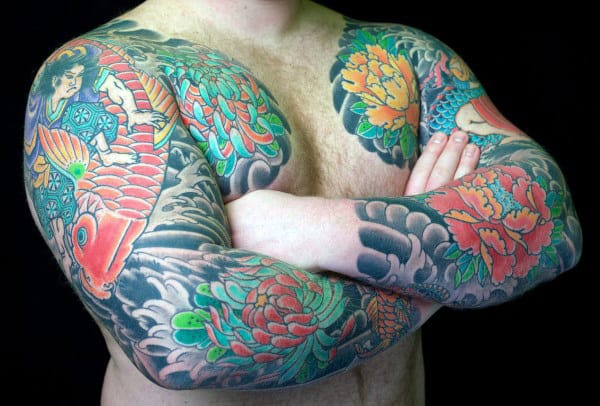
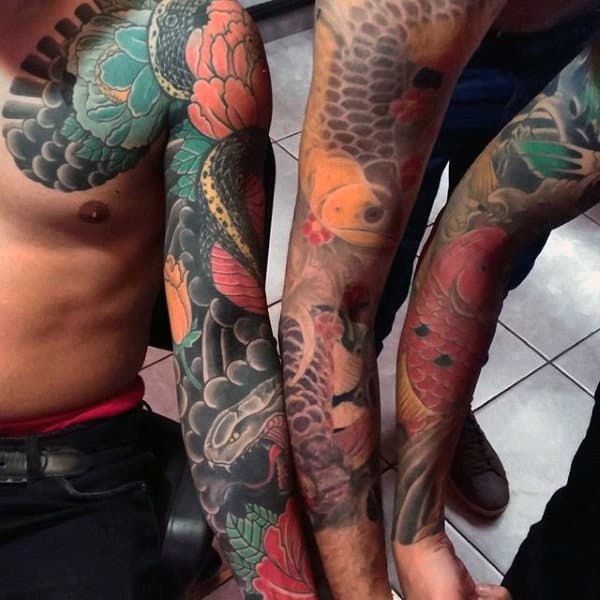
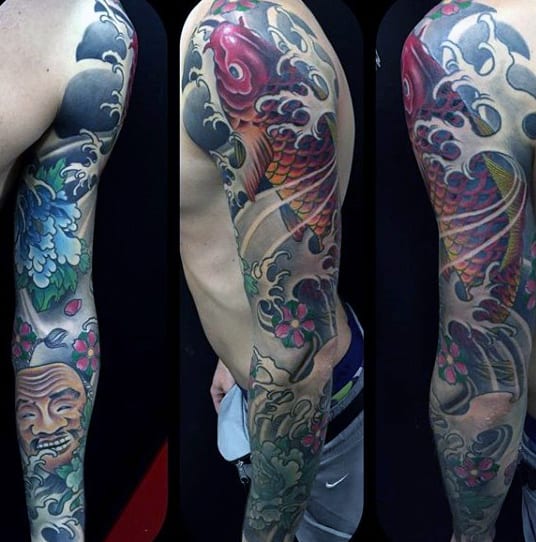
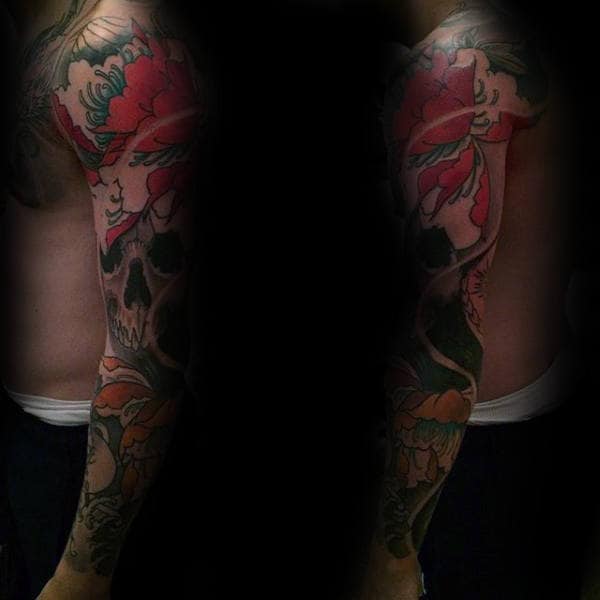
4. Sleeve Peony Tattoos
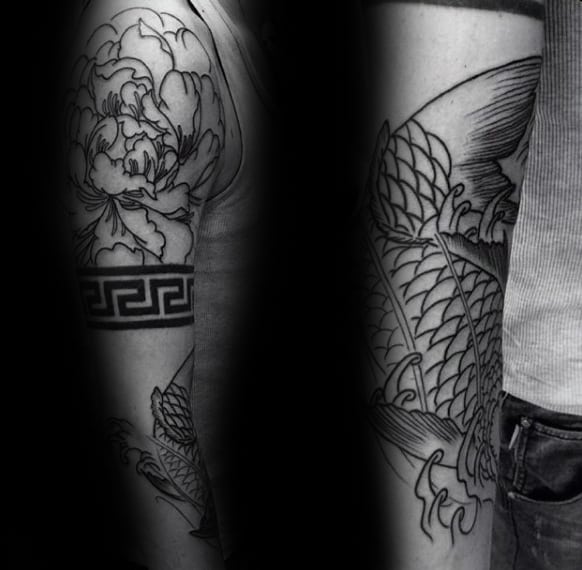
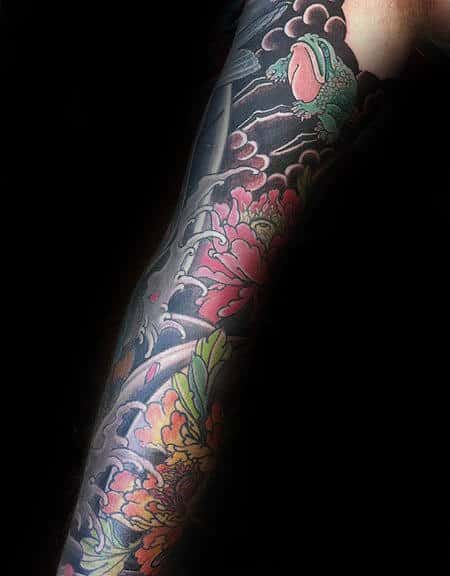
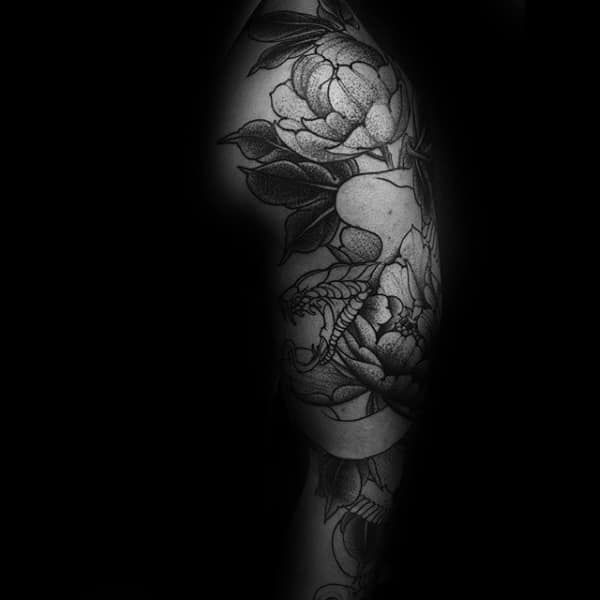
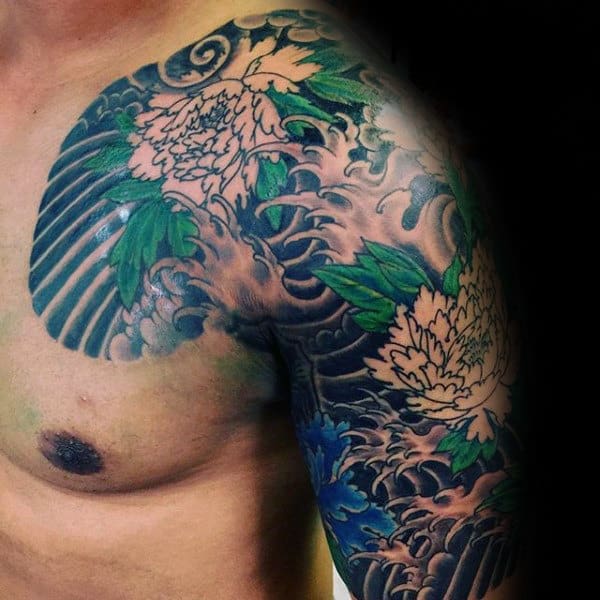
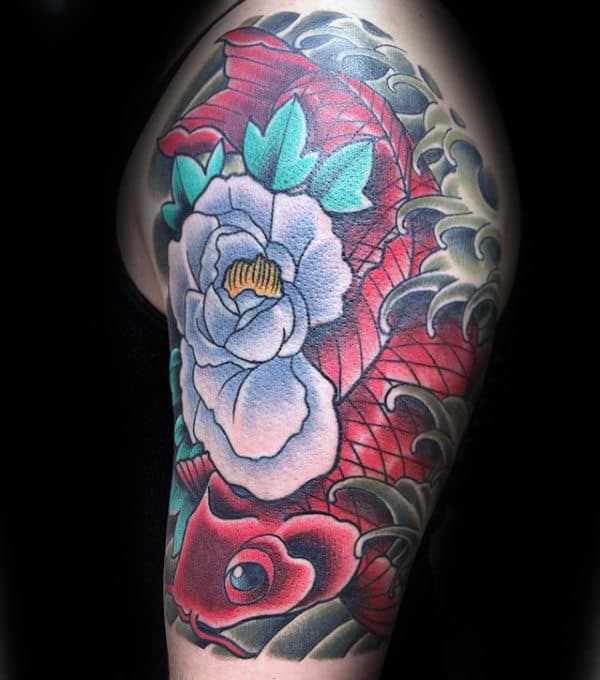
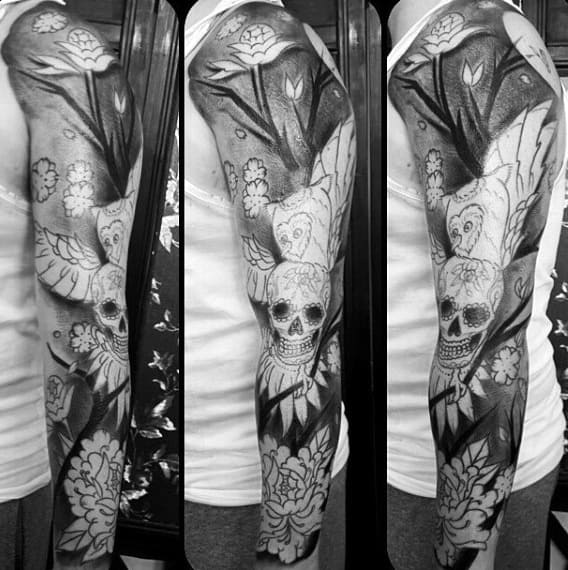
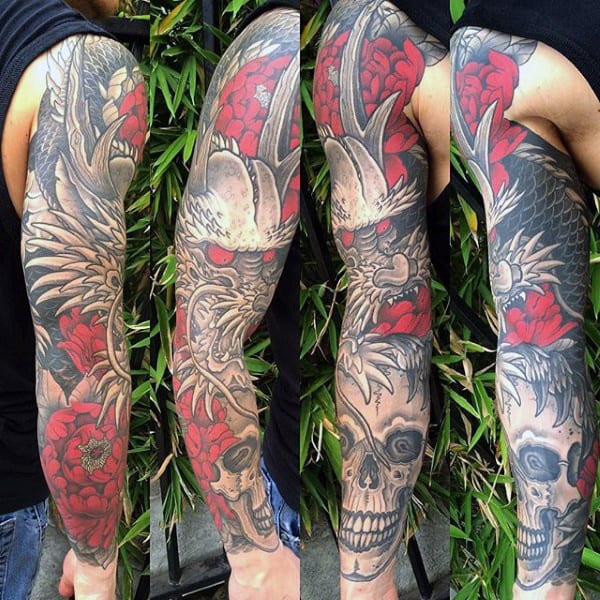
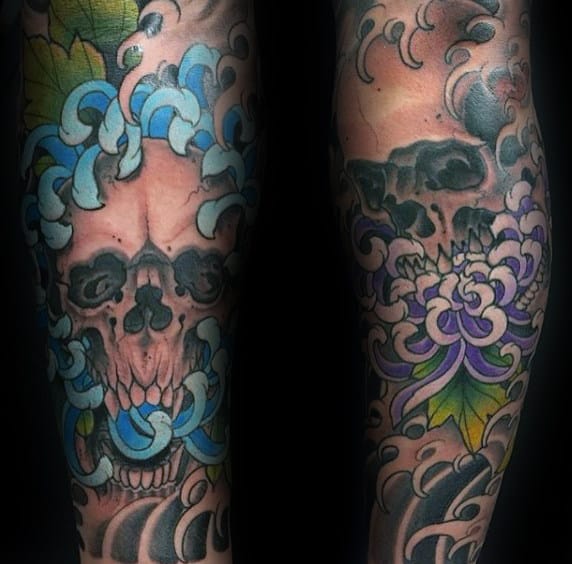
5. Chest Peony Tattoos
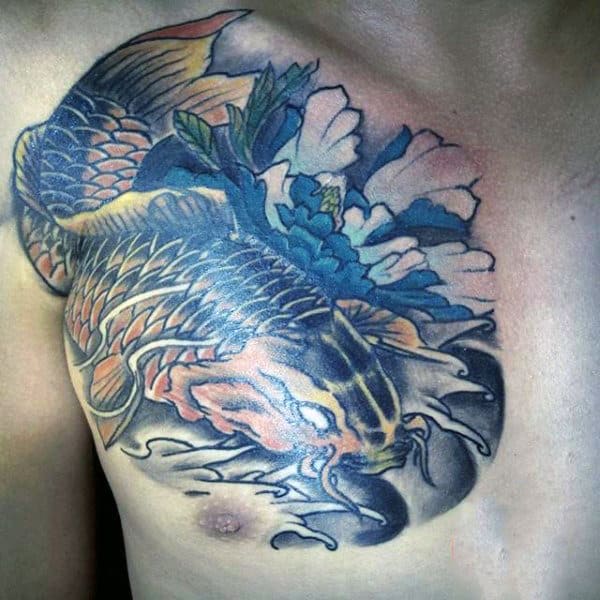
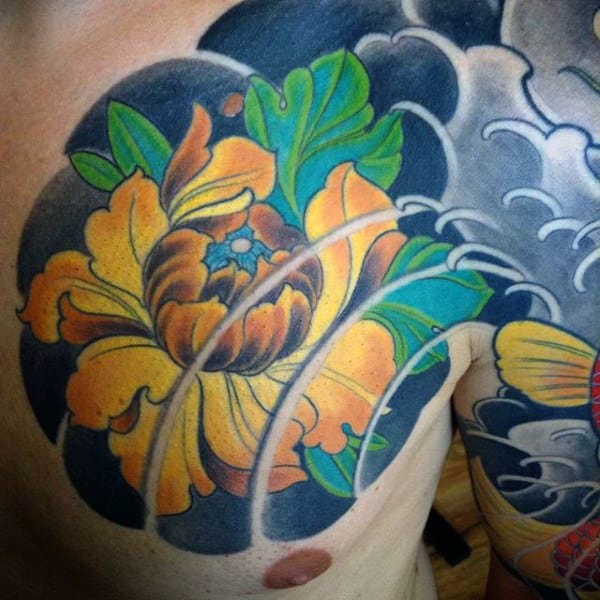
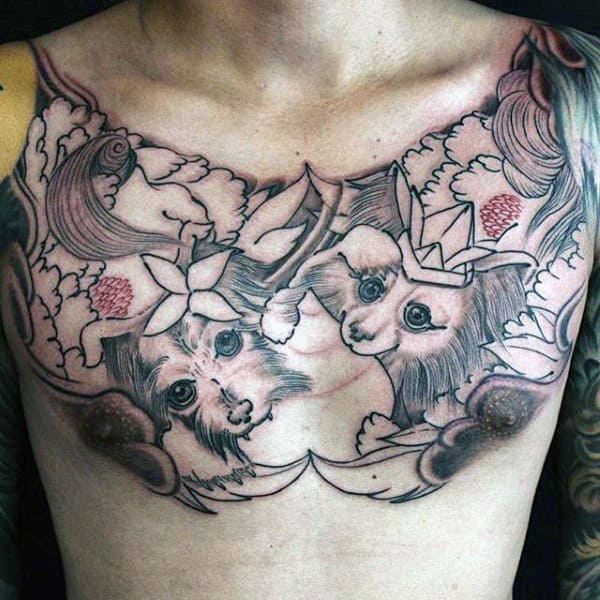
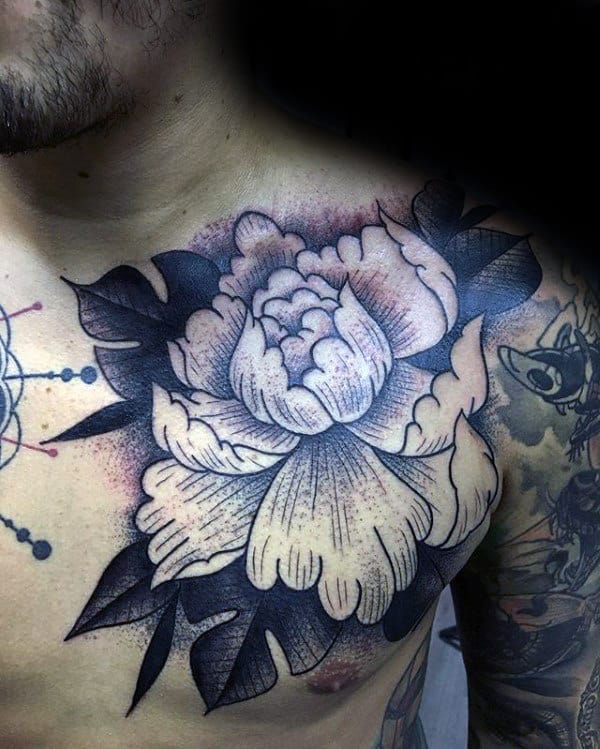
6. Back Peony Tattoos
7. Leg Peony Tattoos
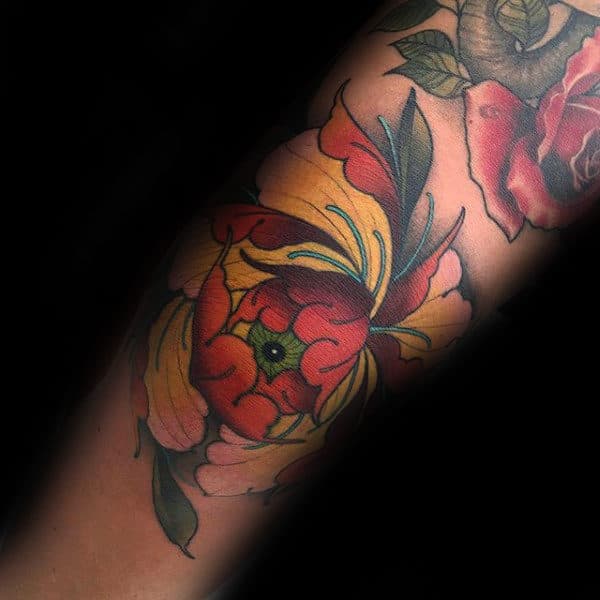
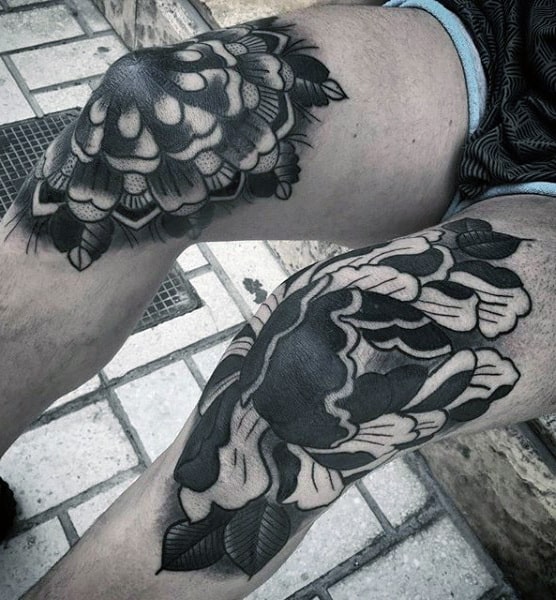
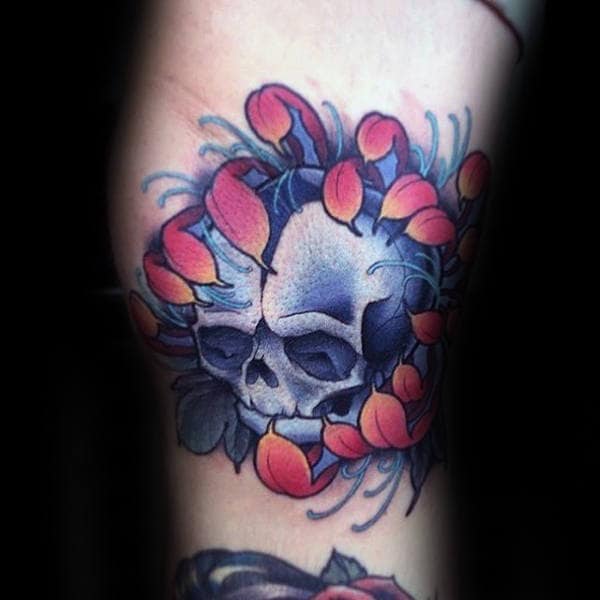
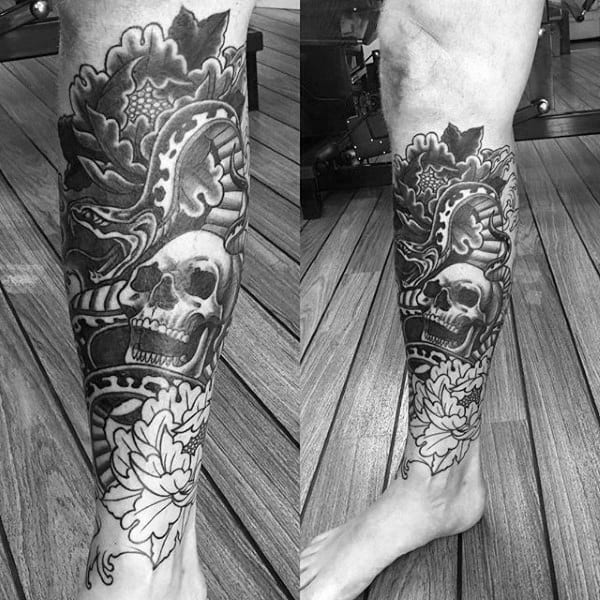
8. Thigh Peony Tattoos
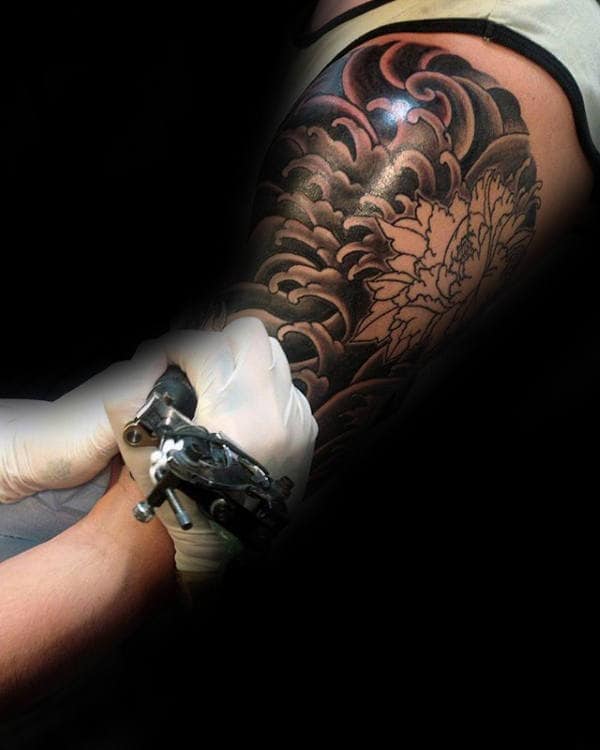
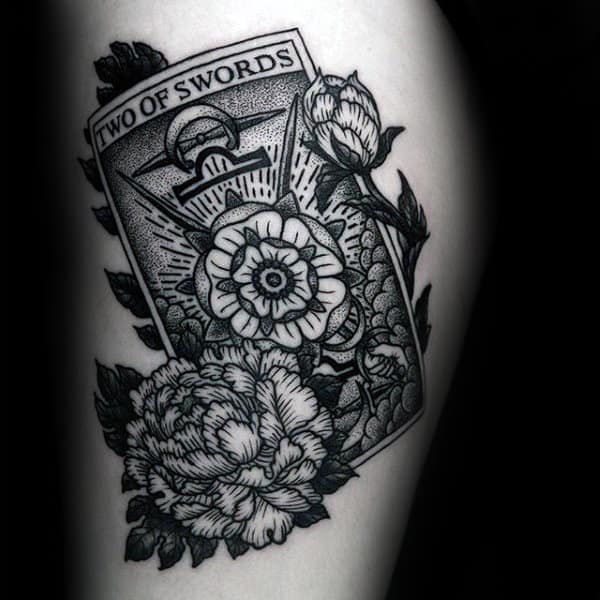
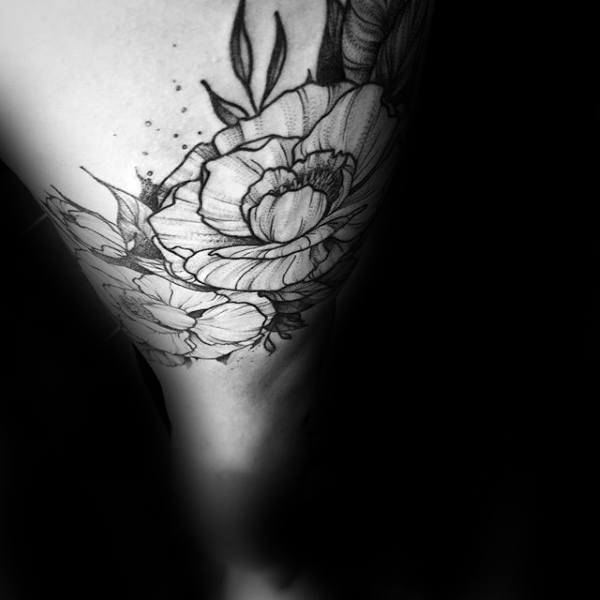
9. Shoulder Peony Tattoos
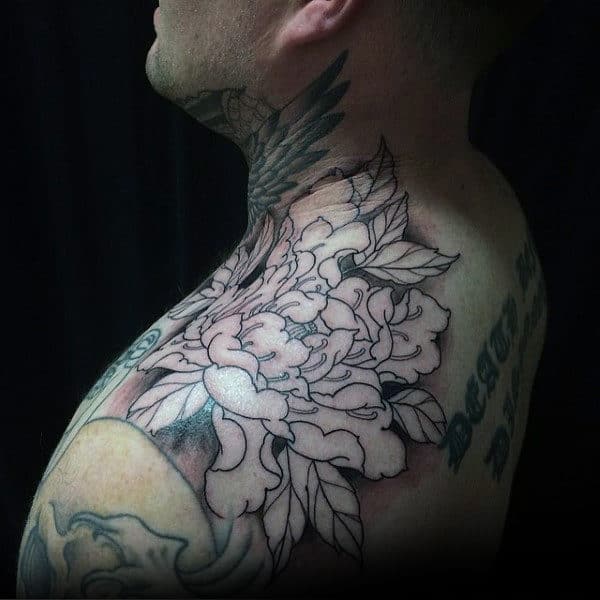
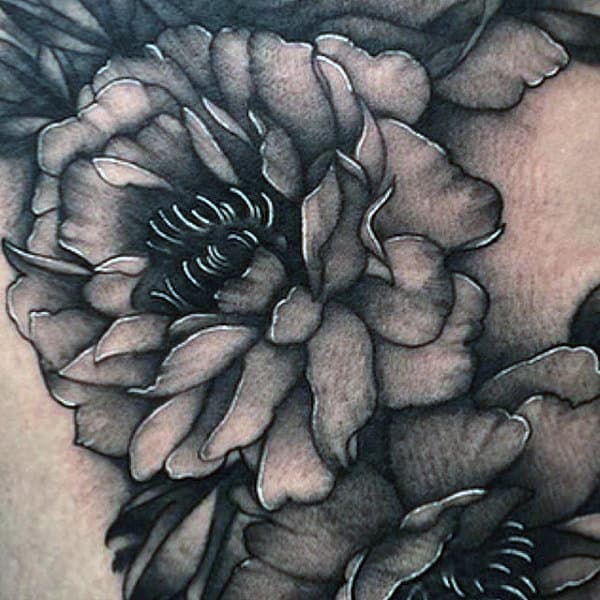
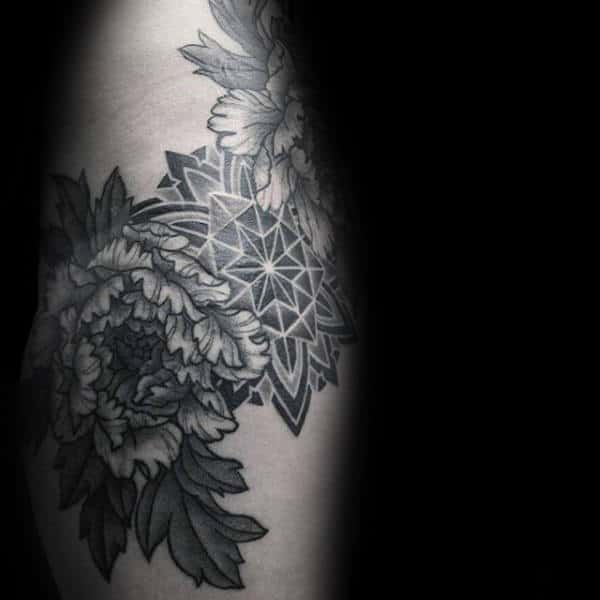
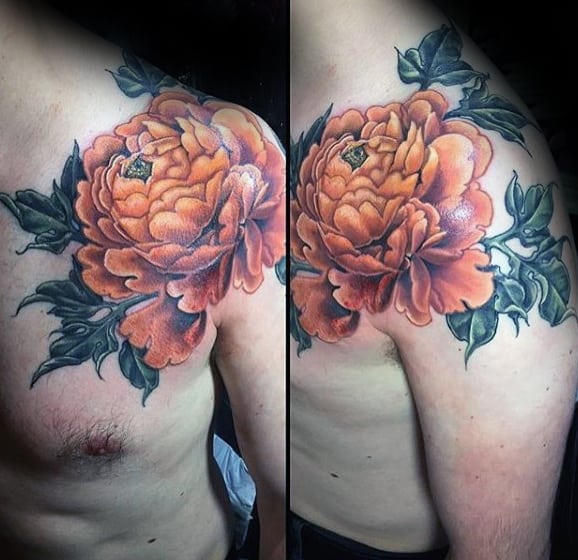
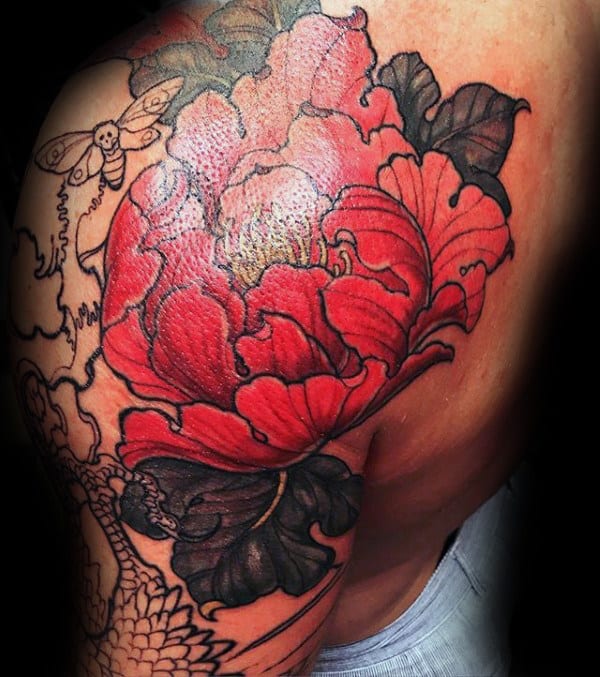
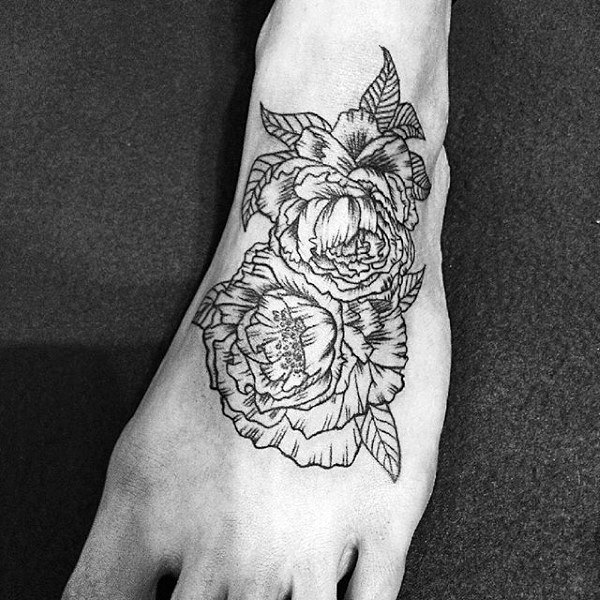
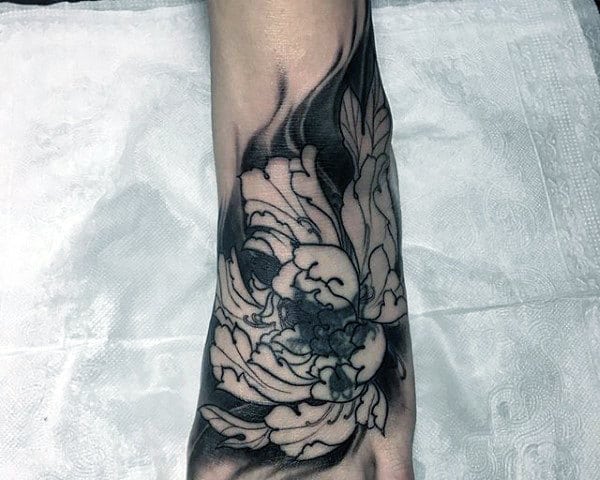
10. Foot Tattoos
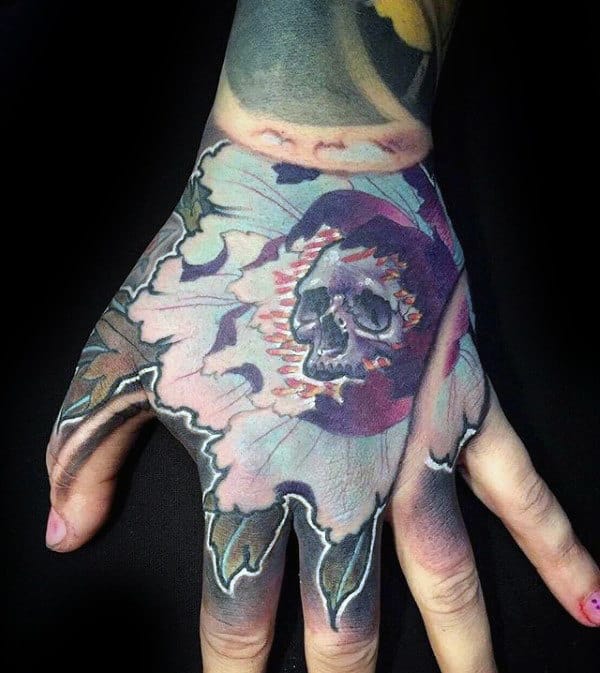
11. Hand Peony Tattoos
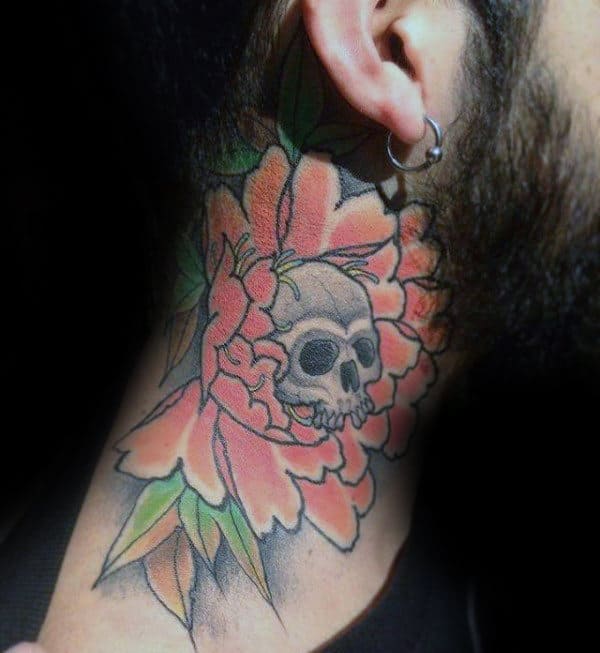
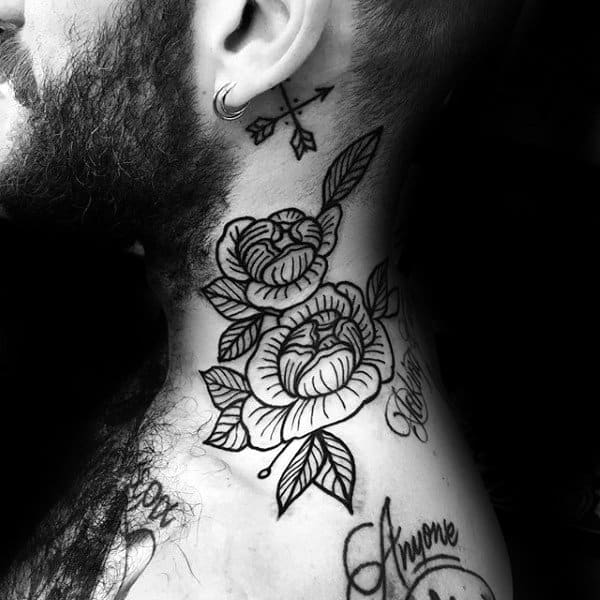
12. Neck Peony Tattoos
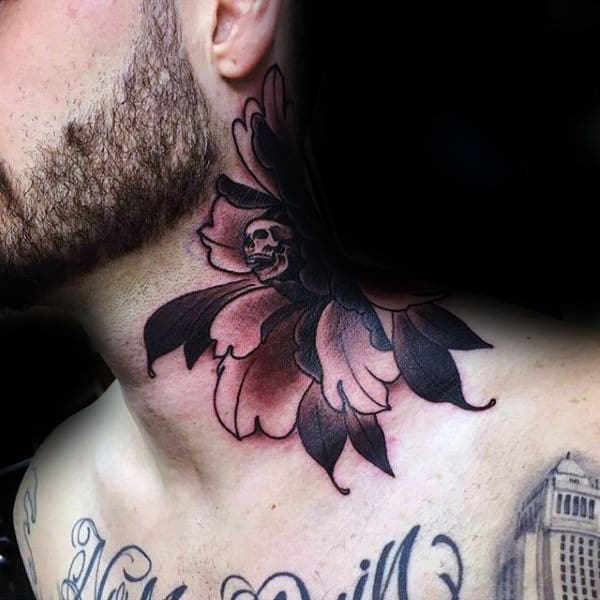
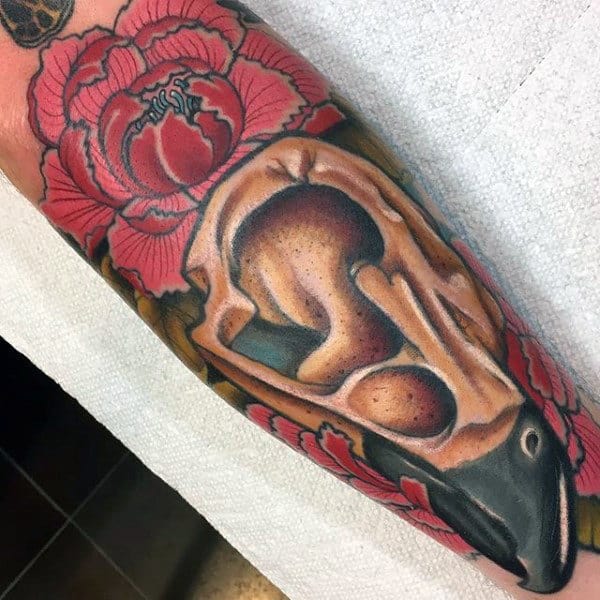
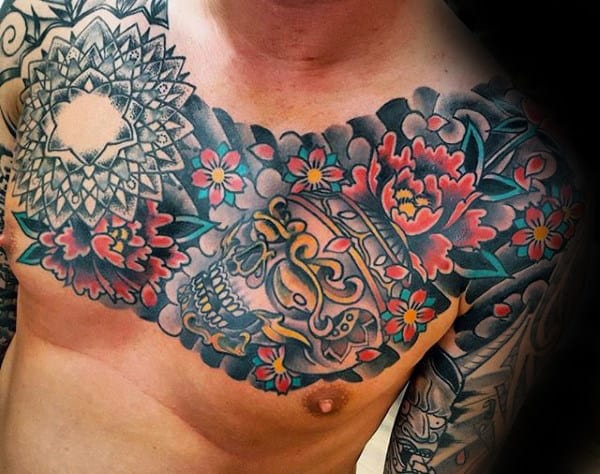
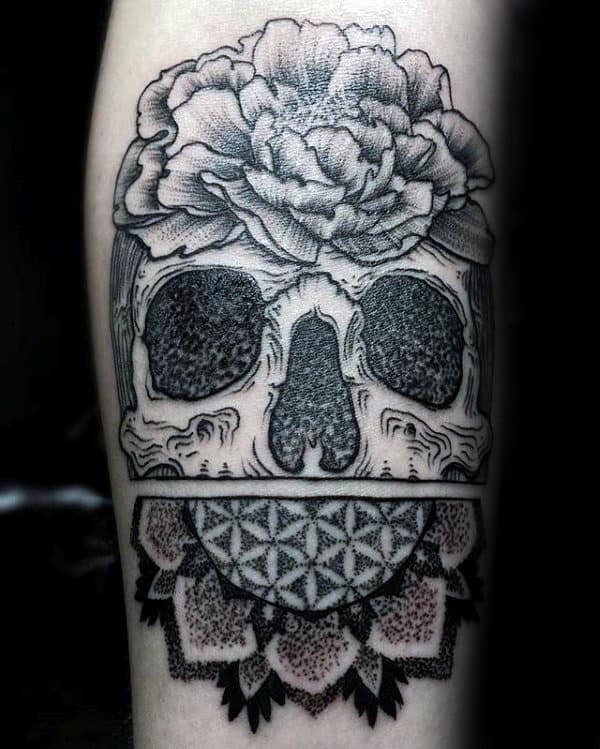
13. Skull Peony Tattoos
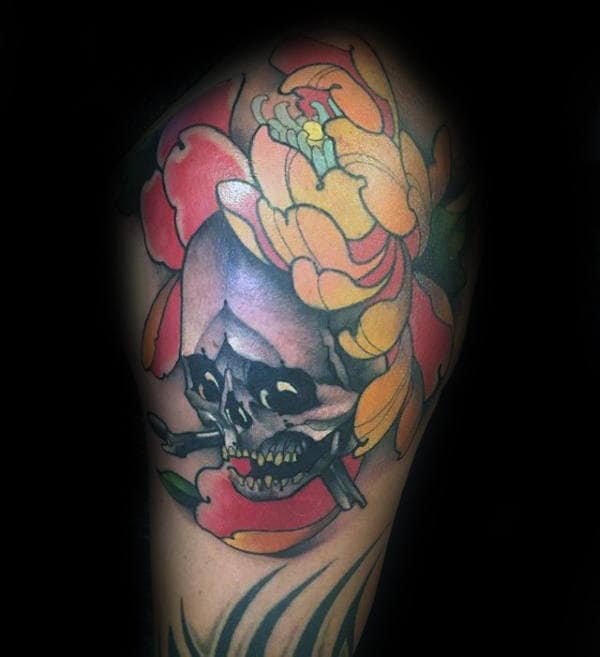
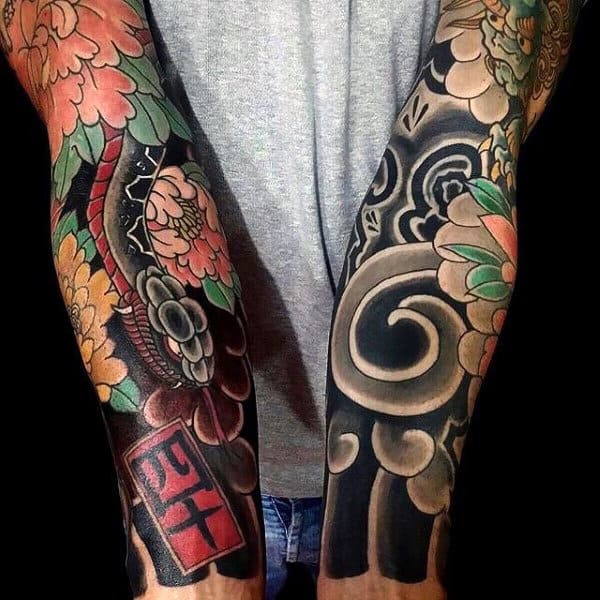
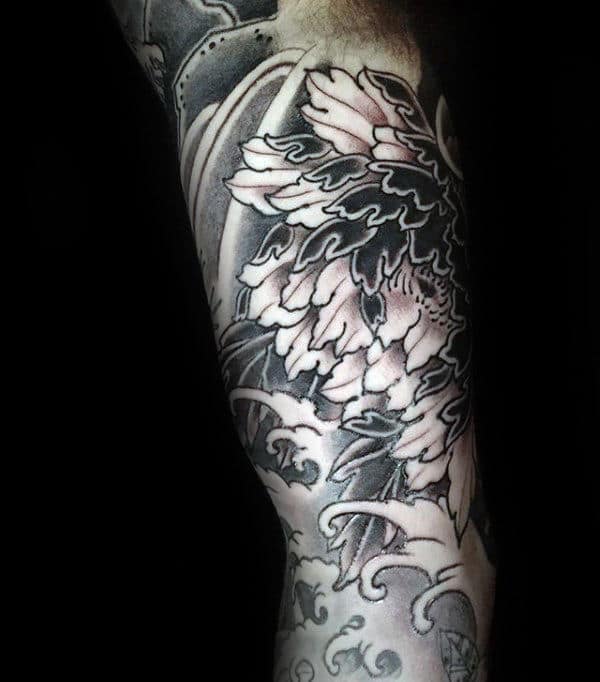
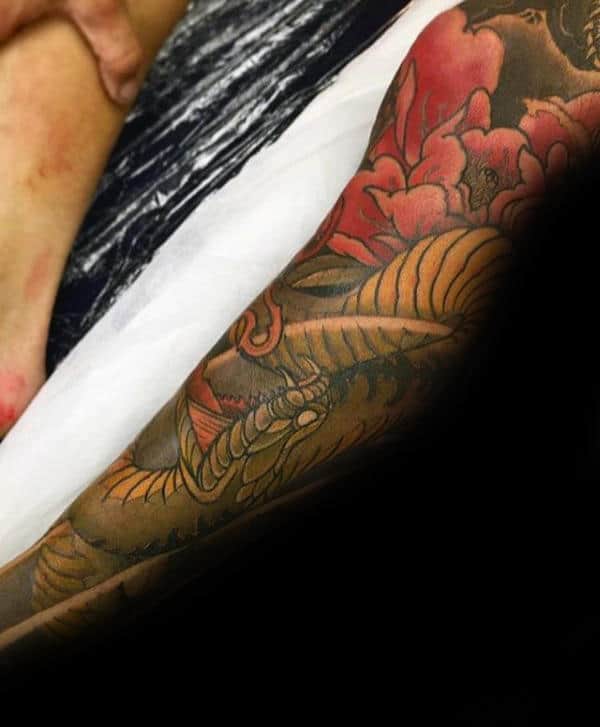
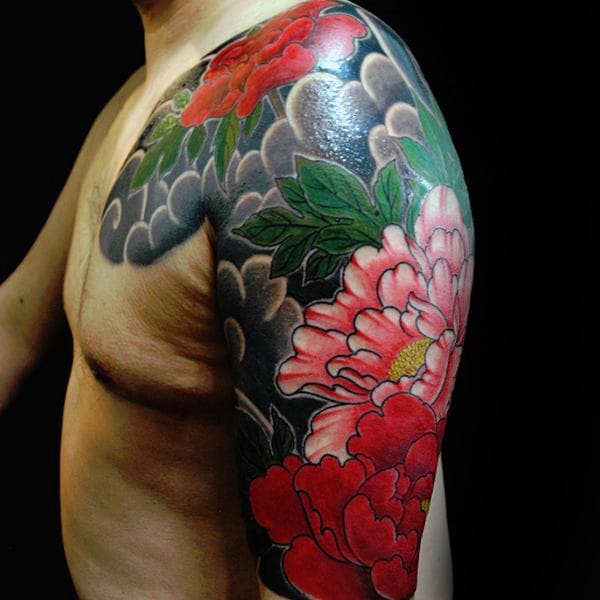
14. Japanese Peony Tattoos
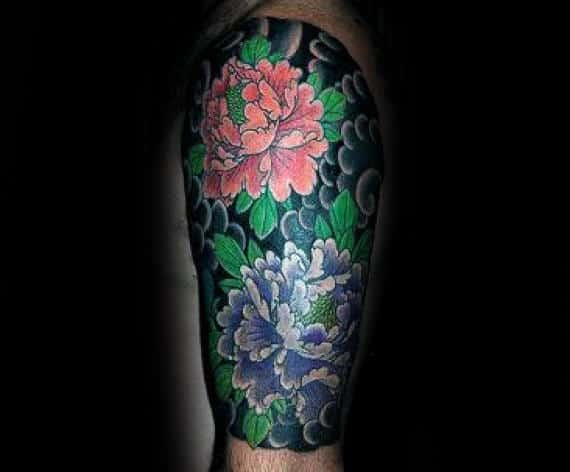
15. Traditional Peony Tattoos
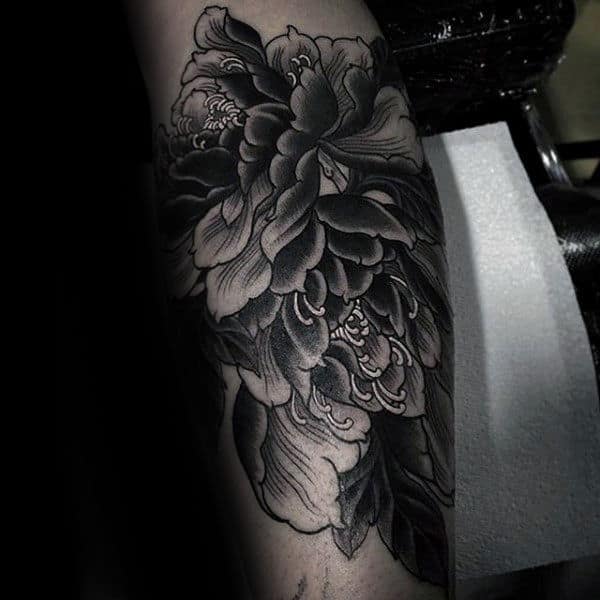
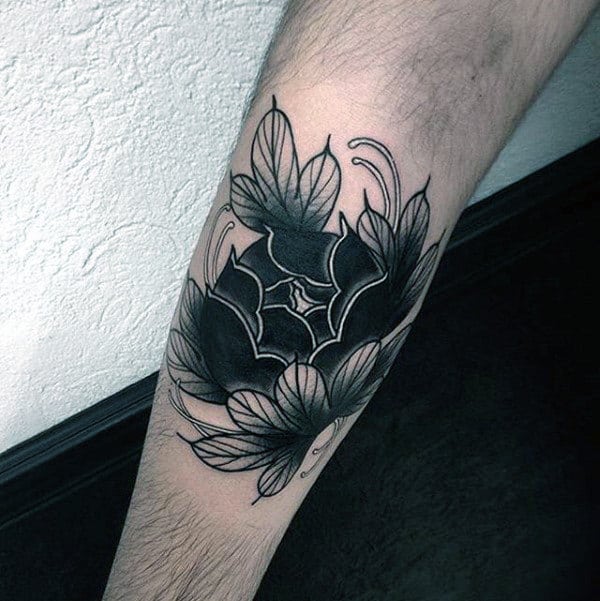
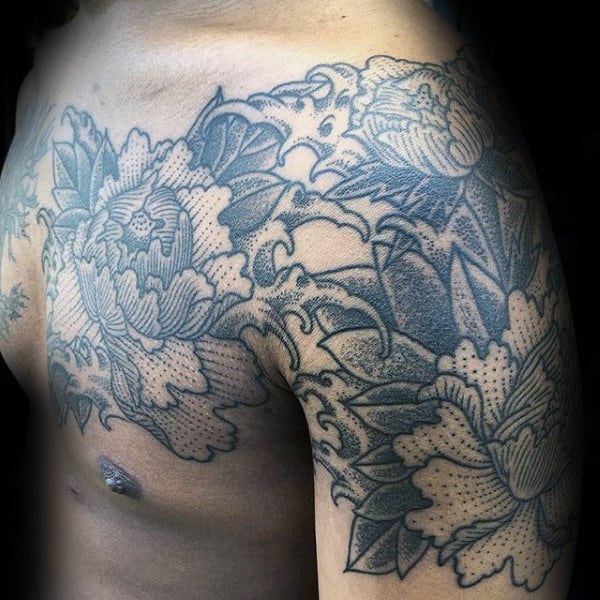
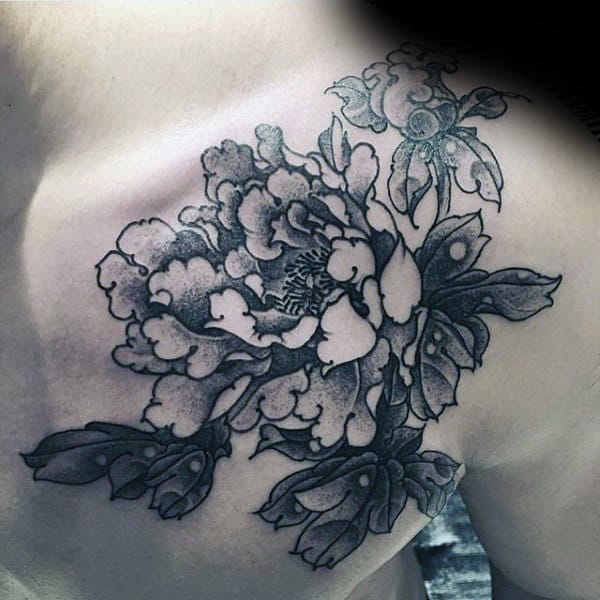
16. Dotwork Peony Tattoos
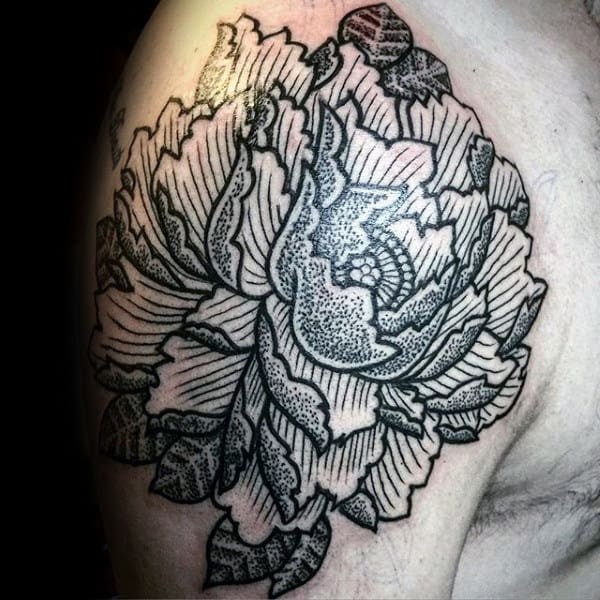
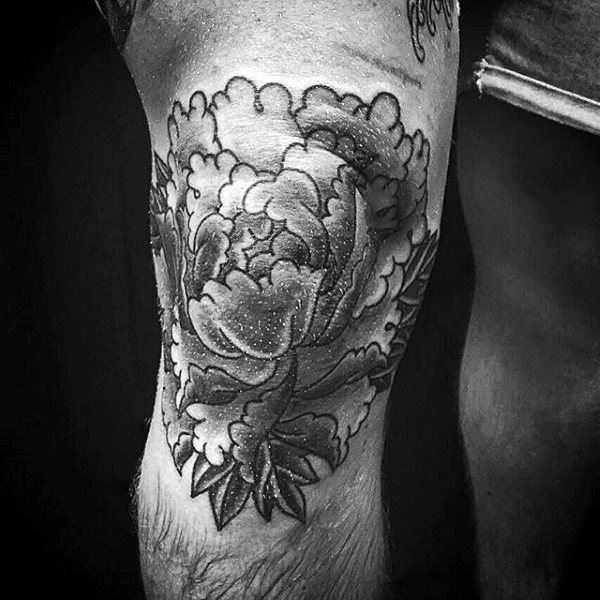
17. Knee Peony Tattoos
Peony Tattoo Meaning – What Do Peonies Symbolize?
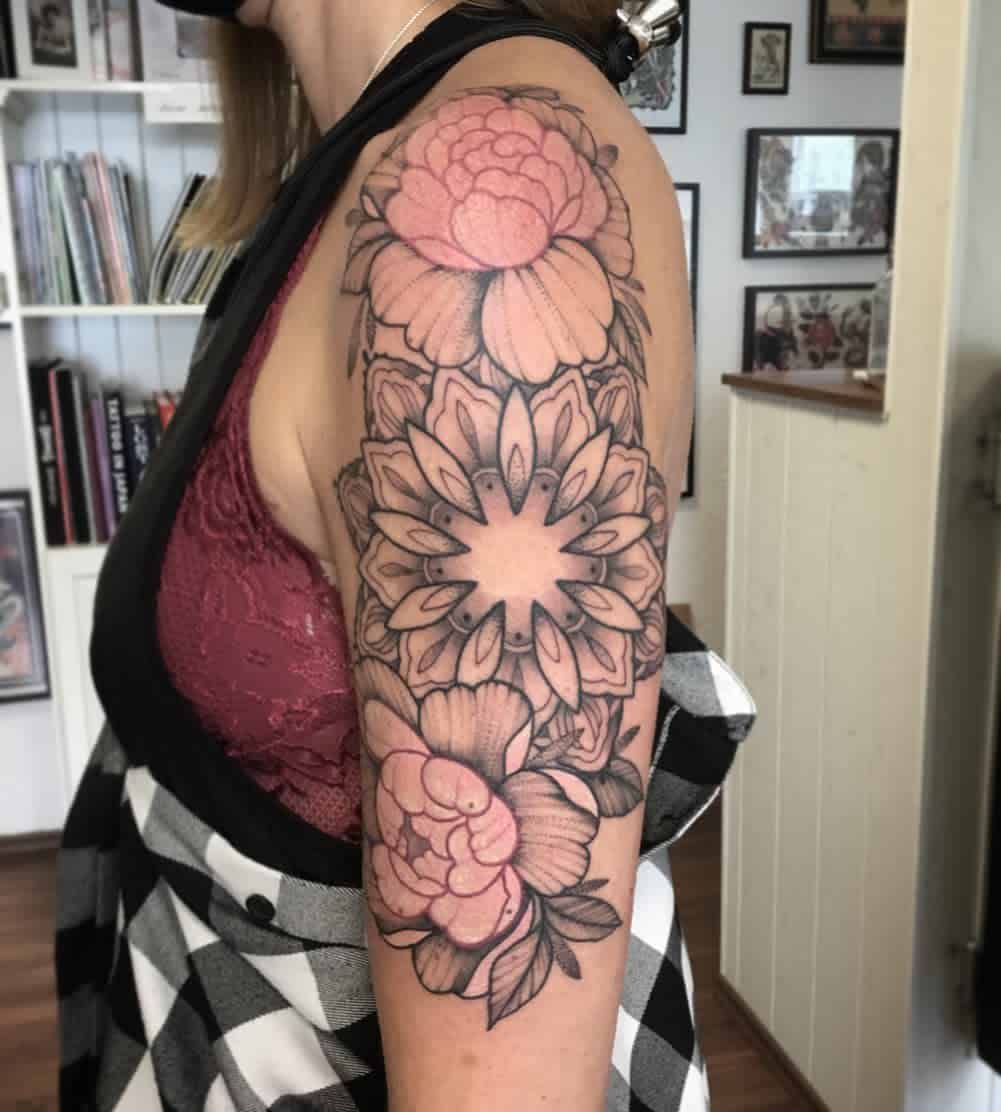
These effervescent Chinese flowers are a lynchpin of the different Asian tattoo styles. Peony tattoos are imbued with a vast set of meaningful values, with each association creating a positive design idea.
In the interlinked mythologies of China and Japan, the peony is called the King of Flowers. It’s considered a grand omen for lasting love and affection and is also associated with nobility, honor, and beauty
According to tales across Eastern culture, peony flower tattoos are directly tied to bashful personalities possessing an underlying sense of deep compassion and are linked to the Hasedera Temple along with the sakura (cherry blossom).
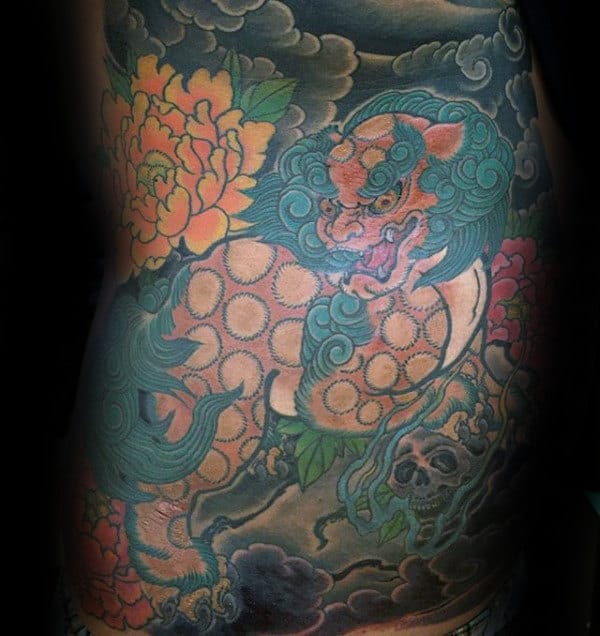
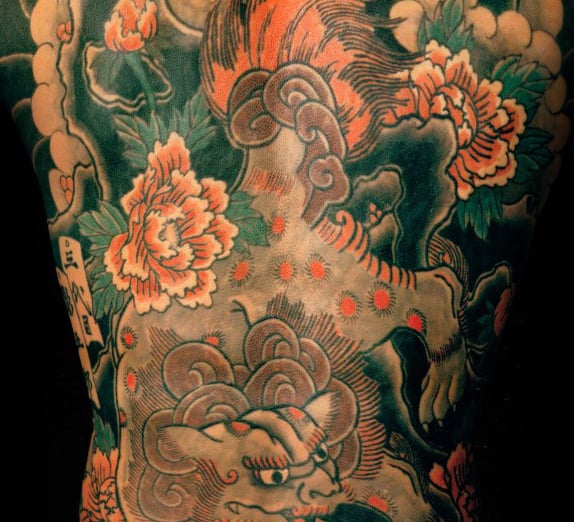
Another motif to make the journey to the Isle of Japan in addition to Chinese peonies from the mainland was Shishi, which the west calls Japanese lions.
Peonies were beloved as much for their medicinal value as for their bright attractiveness, and Japanese folklore tells that a Japanese lion was cured of illness by treatment with peony flowers.
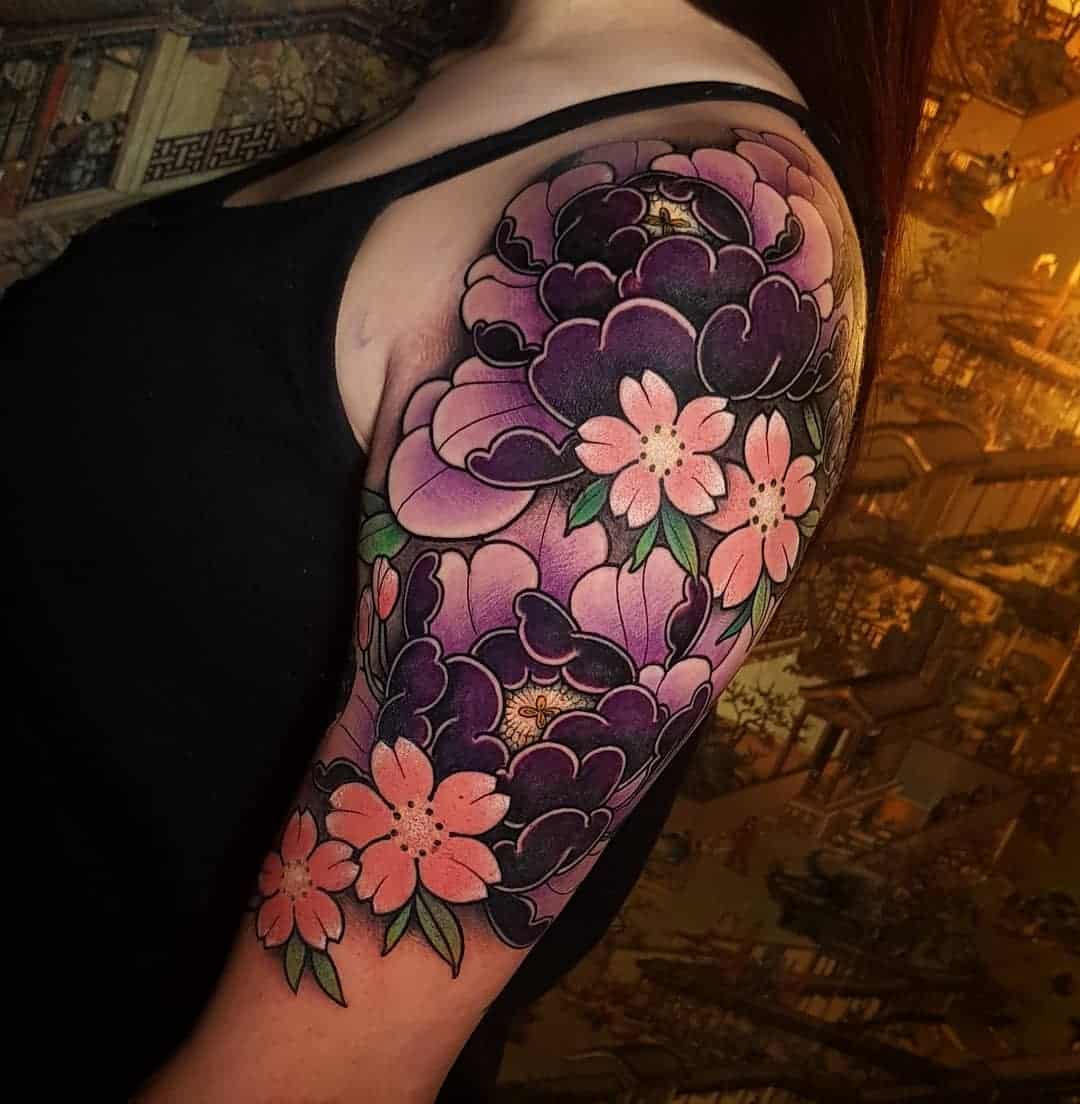
Japanese tattooing tradition embodies the top-notch storytelling and the colorful history of ancient Asian art.
Traditional Japanese tattooing lets you create your own flower symbol from an extensive variety of flower body art available. Representing the complete life cycle as well as sexual prowess and beauty, flower tattoos make for brilliant contemporary and traditional Japanese body art designs.
The peony represents beauty and health while other celebrated floral tattoos include the lotus flower, cherry blossom, chrysanthemum, and poppy.
The peony can be used as a standalone piece of body art but is more likely to be used by a tattoo artist to accentuate different meanings within traditional Japanese tattoos.
Other imagery in which you can find the peony include:
- Japanese lion tattoo design
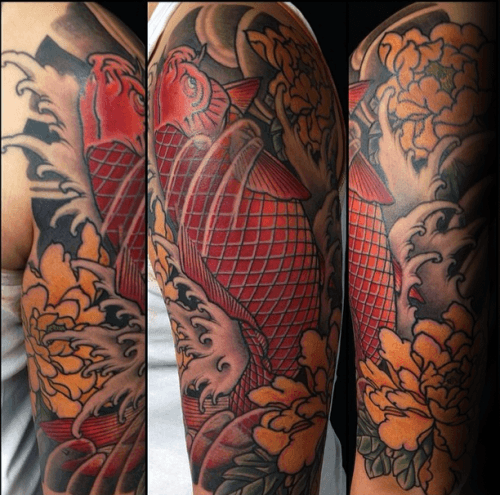
- Koi fish
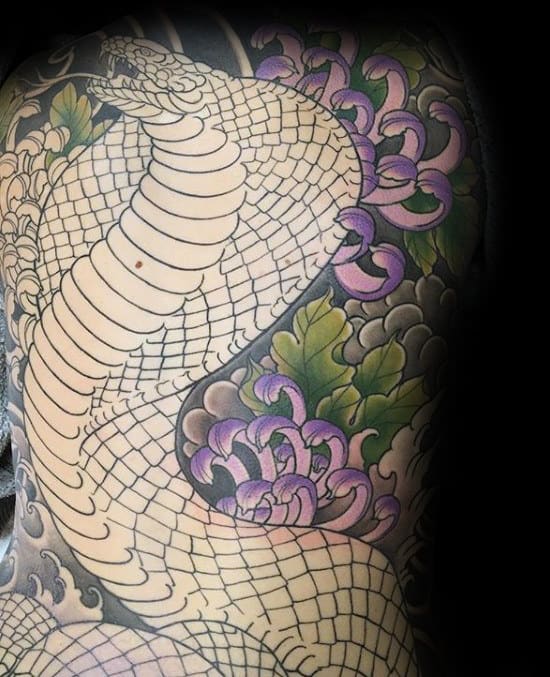
- Japanese Snake “mamushi”
- Japanese tiger tattoos
- Japanese samurais and noblemen
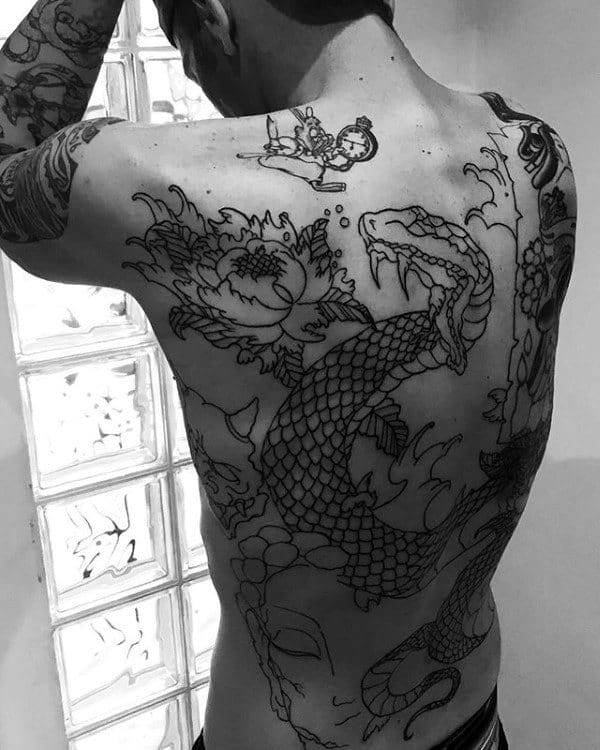
Tattoo art from Japanese mythology was built by the Yakuza, the Japanese mafia, as symbols that they were existing outside of society. Yakuza tattoo art is often large scale – full back, chest, and sleeve tattoo designs – which means multiple secondary images can add layers to the symbolic meaning of the ink.
Oftentimes, a floral keshoubori (secondary image), such as the peony, lotus flower, or chrysanthemum is incorporated into the large back piece or sleeve tattoo to add meaning to the central concept.
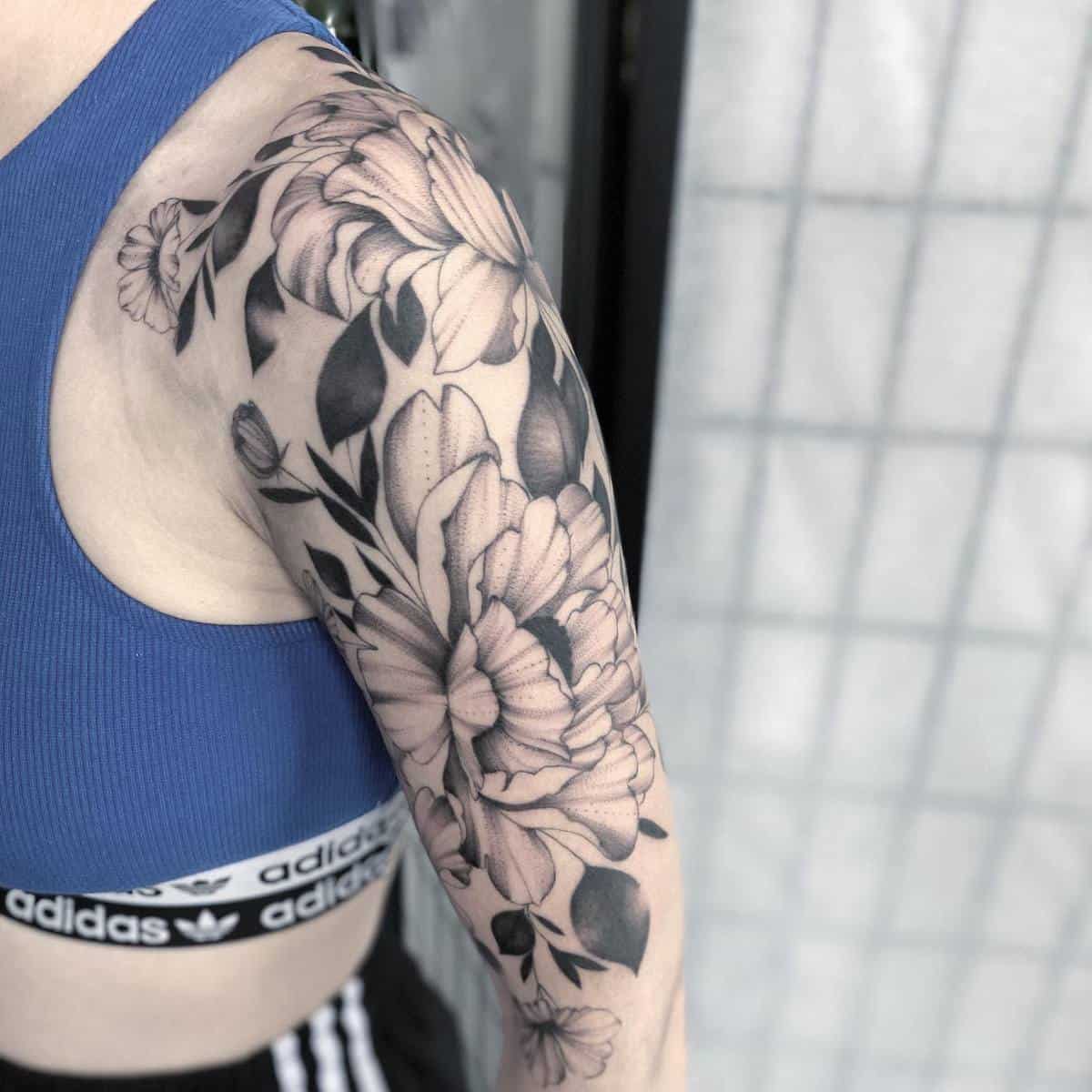
For some collectors, Chinese and Japanese folklore surrounding peony flower tattoo ideas is either just a bit part of the design or completely inconsequential altogether.
The peony is a beautiful bloom that resonates with individuals looking to create cool new school tattoo art that is created purely for the artistic beauty of the piece.
For some, there is little symbolism to be applied to the piece, its choice as a tattoo subject is related entirely to its physical components – such as appearance, shape, and color.
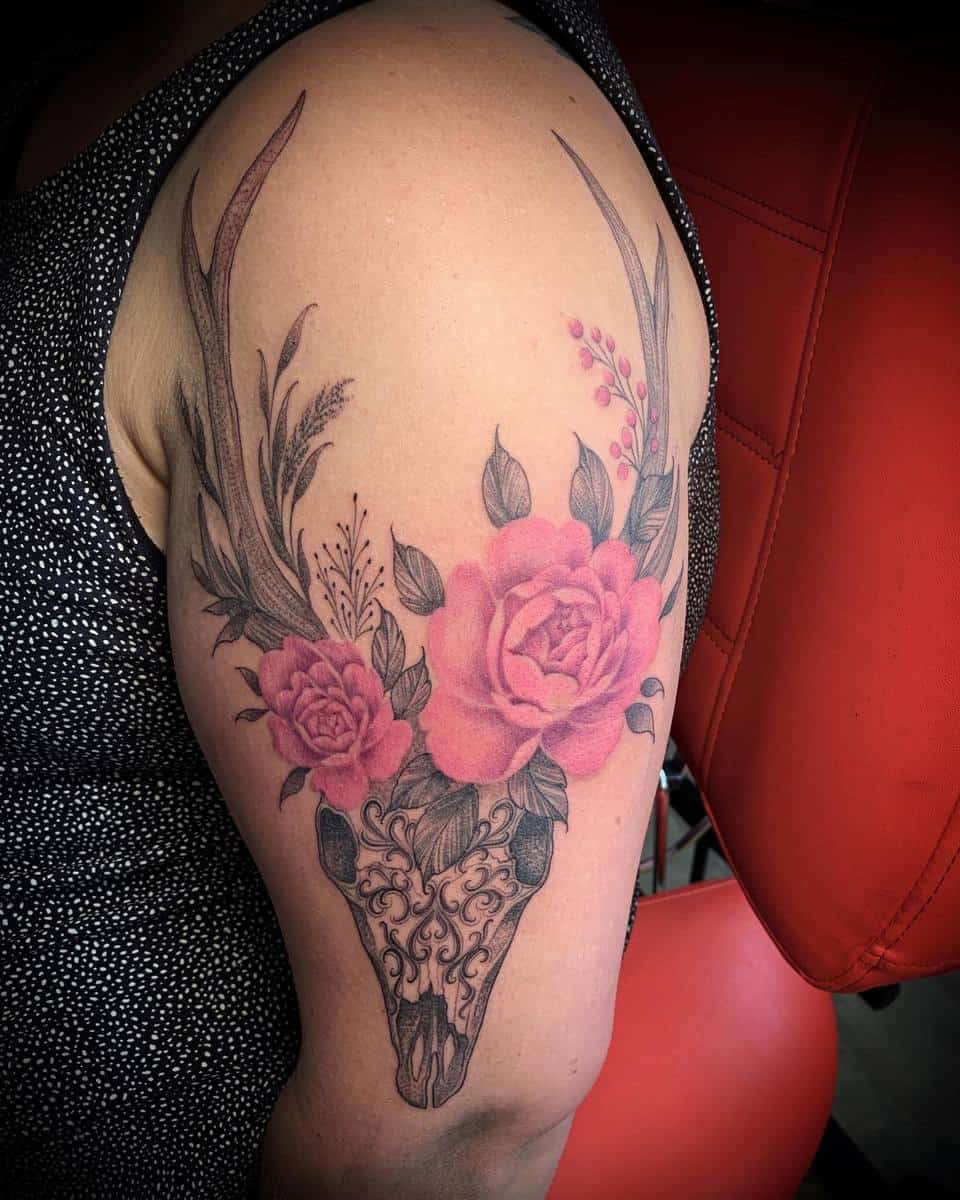
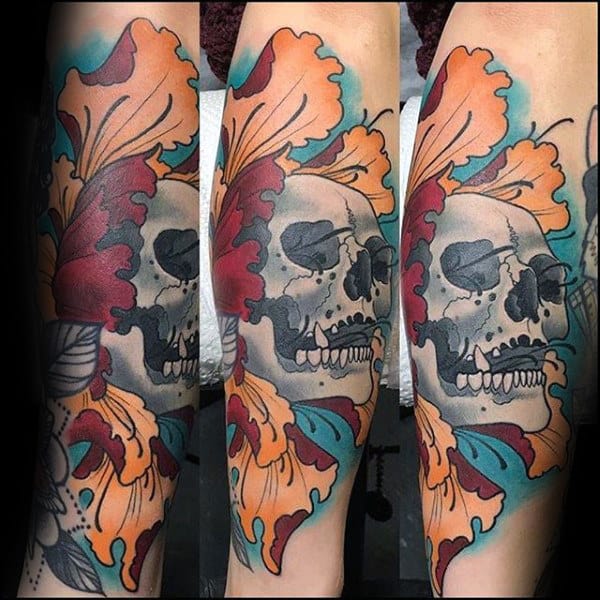
Many people choose to incorporate another badass element into their peony flower designs: a skull tattoo.
Skulls are powerful symbols of our mortality and limited time on earth, and they are perfect additions that explore concepts of duality when sharing skin with beautiful peony flower blossoms.
Some might suggest that this type of tattoo imagery represents the beauty in life and death or variations on the concept of good versus evil. It can be extended to health and sickness as well given the peony’s position as a medicinal flower.
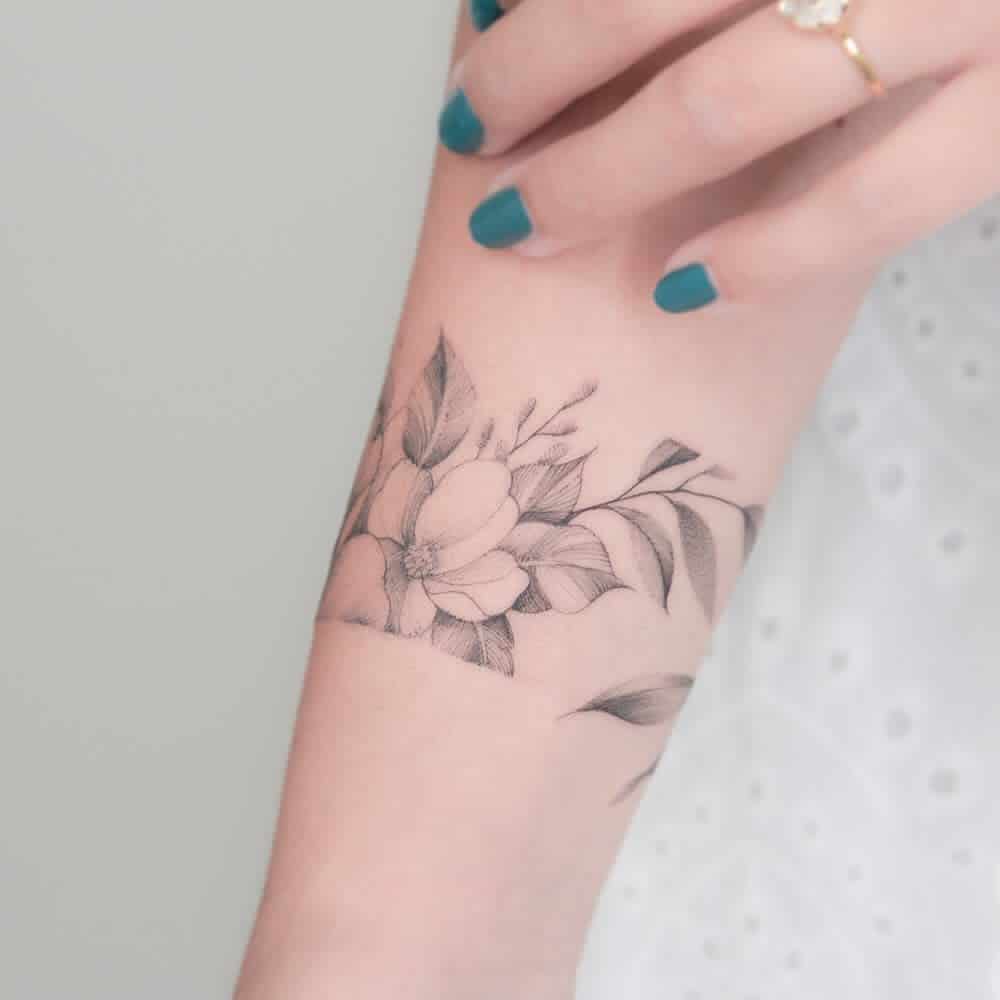
By starting small and going with a simple peony flower design, you’ll slowly ease your way into body art or go with a comfortable style that suits your tattoo needs.
Small peony tattoos are also a dominant subject choice. They are increasingly versatile in style, application, color, and placement. Simply executed smaller-sized tattoos can look just as good as larger more detailed personal expressions, whether it’s an abstract pink peony or more simple black ink line.
Where tattoos of the past featured roses and sunflowers, modern small tattoo art displays all the variations of flower tattoo concepts, their stunning styles, colors, shapes, and symbolic meanings, whether it’s the peony, a bright hibiscus flower, or beautiful cherry blossom tattoo.
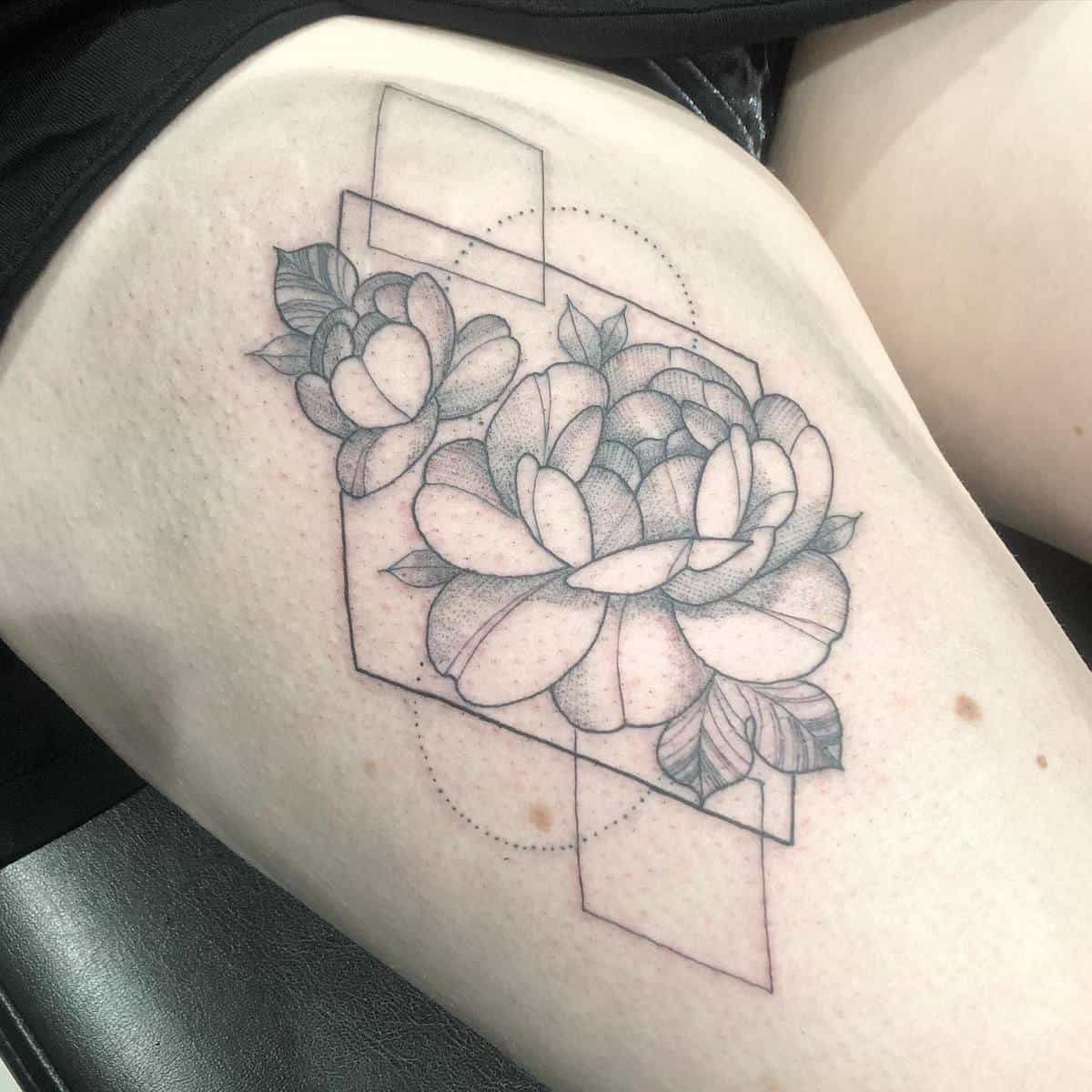
The type and style you use to create a geometric flower design are entirely up to you.
There are almost no limits to the design possibilities for different flowers, leaves, and stems when combined with different facets of geometry.
Different flowers are attached to a variety of symbolic meanings, so if there’s a type of deep meaning you wish to incorporate into the tattoo – such as the positivity and friendship of the sunflower – you can do so with creativity and flair.
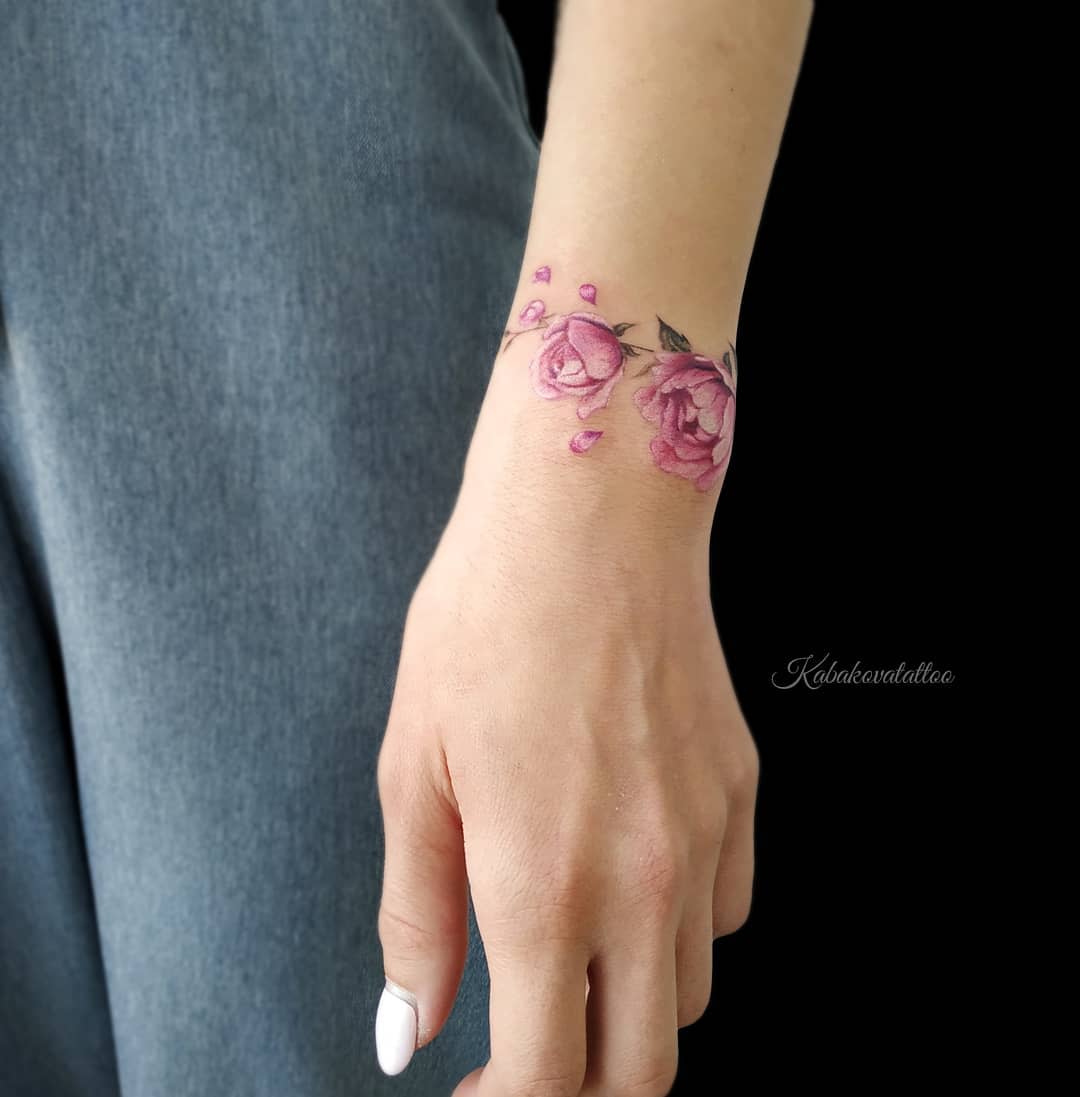
Peony wrist tattoos are a popular match of positioning, theme, and style.
There is a range of tremendous options, from the inexpensive linework or black and gray flower tattoos to highly detailed colorful realism and single needle designs.
Flower wrist tattoos are popular also for the variety of symbolic meanings they can bring to the wearer, whether it’s a simply applied lily flower, or a more technically applied garland or wreath.
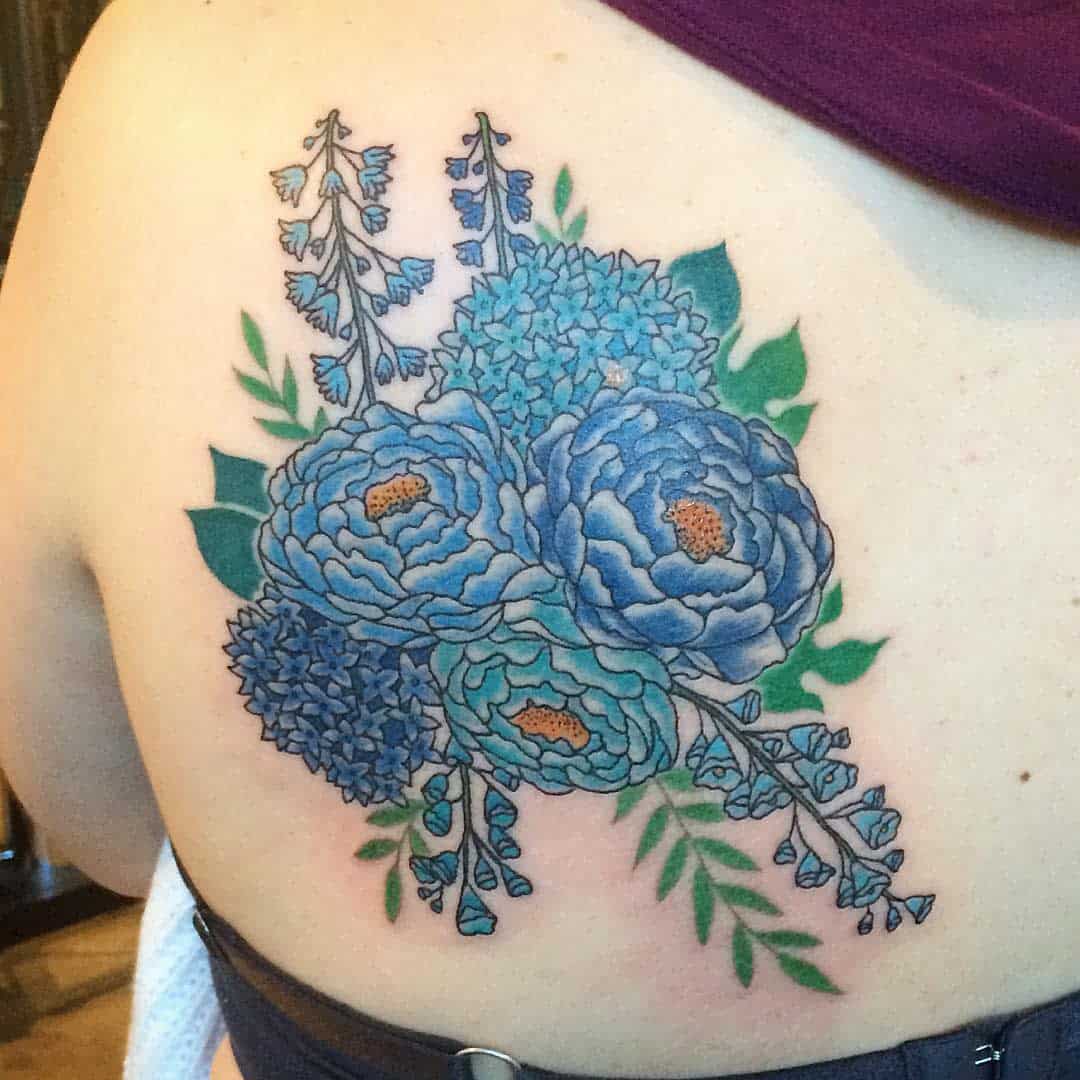
Realism (or photorealism style) tattoos are designs meant to look as convincing as a photographed image.
Realism body art often features natural landscapes and scenery, with collectors looking to capture some of the essences of the flora in intensely detailed color or black and gray tattoo art.
For the new school type of tattoo lover, the realism approach works brilliantly with peonies because your tattoo artist can create great effects with bright color but also crisp linework, shadow, and positioning
A realistic peony tattoo idea is an increasingly sought-after realism tattoo, rivaling the popularity of other blooms such as a rose tattoo, lotus flower, or cherry blossom tattoo idea.
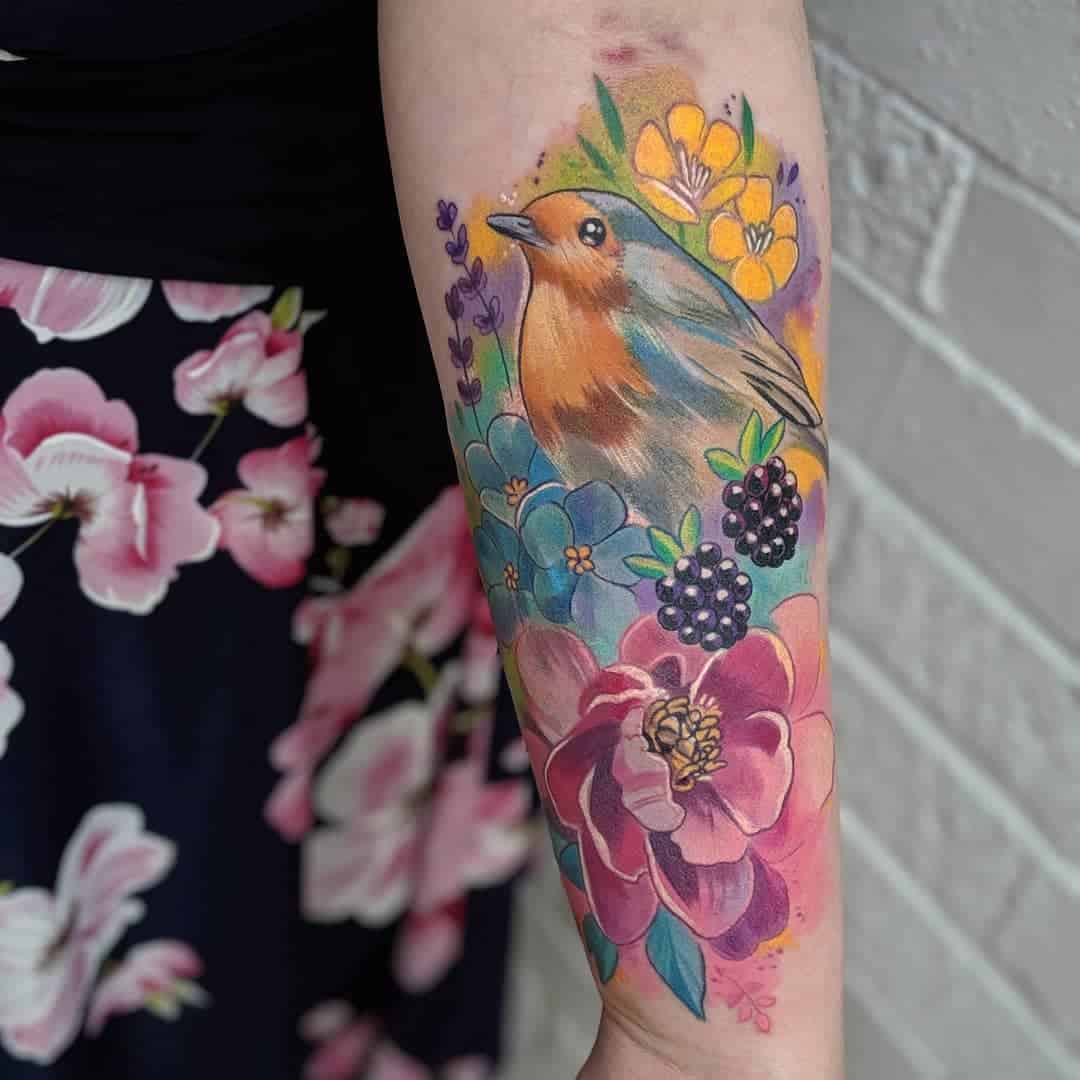
The neo-traditional peony flower idea blends the best of its more classical counterparts with the new perspectives of colorful ink application.
In folklore and classical symbolism, the peony represents beauty, nobility, honor, and love.
Those who carry a bond with the peony like to be associated with the flower’s symbolic characteristics and physical beauty so are attracted to creating personal expressions of what the bloom means to them.