

What are semi-permanent tattoos? Gain insights into the different types of semi-permanent tattoos and explore reason for why they may be applied.
Tattoos have seen an explosion in popularity in the last ten years, especially among young people. With the rise of hip hop starts like Post Malone, with his face tattoos and completely covered fingers and hands, many young people are throwing caution to the wind and getting ink as soon as possible – the more visible the better.
The permanent nature of tattoos is one of the reasons that they can carry stigma and generate intrigue. Part of their excitement and allure of tattoos is the fact they last forever: those with ink have shoved their cares and worries to the side and chosen to permanently mark their bodies.
But what about folks who think they want a tattoo, but aren’t quite ready to take the plunge, or people that like a design but can’t think of permanently marking their body? For some of these individuals, semi-permanent tattoos may provide an option.
The following article examines different approaches and offer a helpful guide to determine if taking the semi-permanent option is the right one for you.
What are semi-permanent tattoos?
Tattoos are defined as the permanent application of ink to the skin, and anything temporary is inherently not a tattoo. Despite the fact these semi-permanent “tattoos” are a little misleading they can still fill a need for people, or at the least provide a fun way to spend a bit of time doing something different with friends.
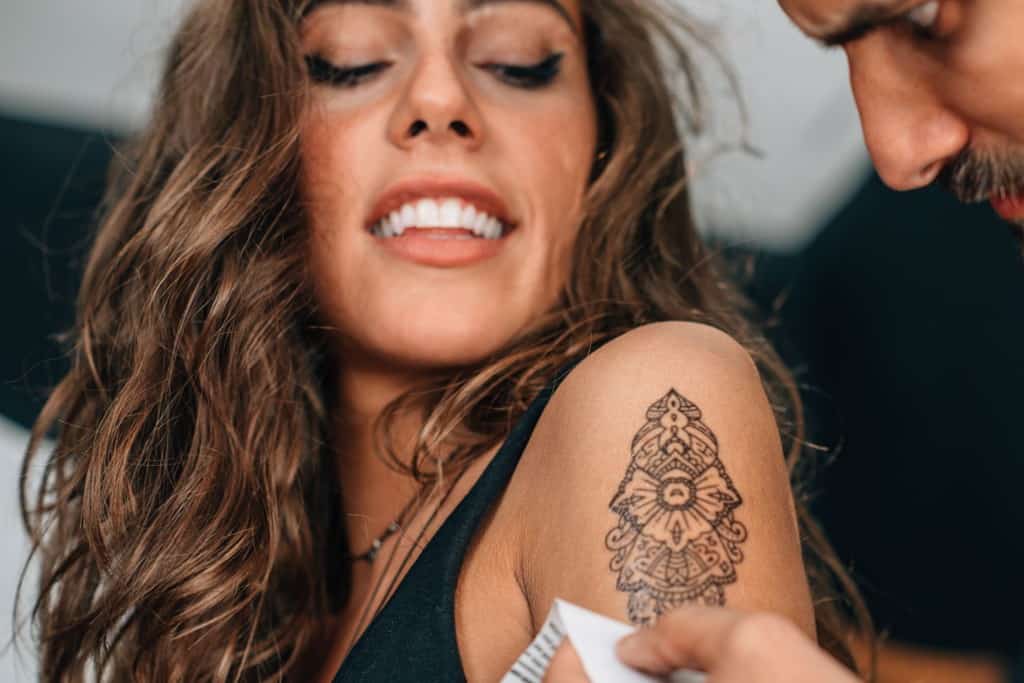
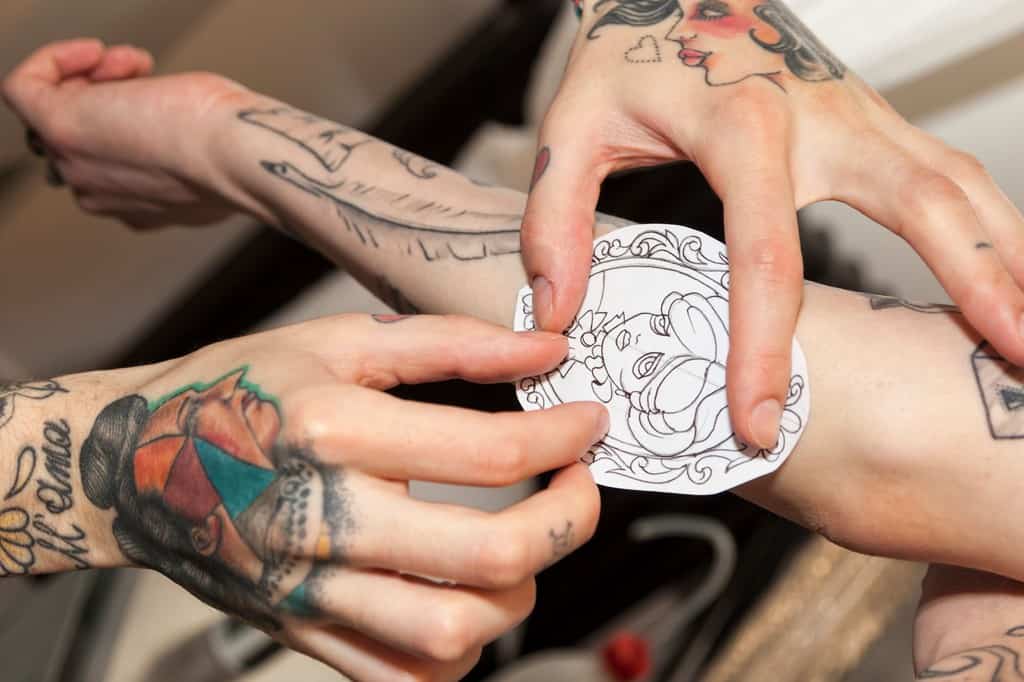
Most people are familiar with the simple, water applied temporary tattoos we played with as children. The process described in many of the “decal” products offered online is similar, using water to transfer ink to the skin, although most incorporate the use of alcohol in the transfer.
Essentially, this process is close to the one tattoo artists use when transferring a stencil design onto a client’s body, only here, this is where the process stops.
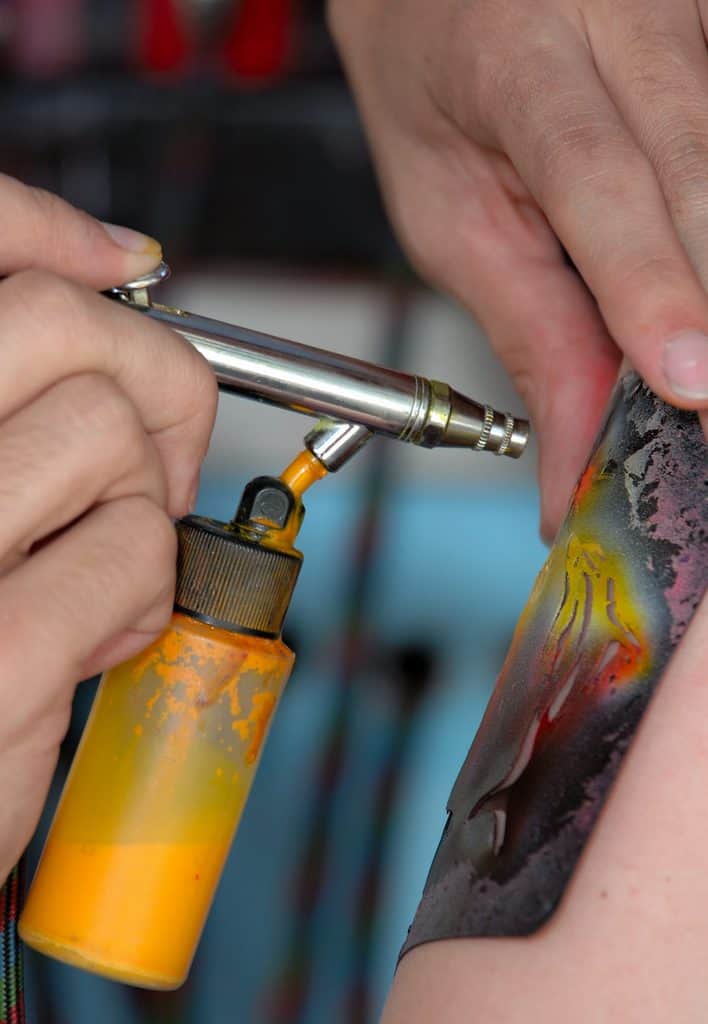
Other approaches to semi-permanent body art use body paint and airbrushes in application. While this process is not always compared to semi-permanent tattoos, more and more people are offering this service as an alternative to permanent ink.
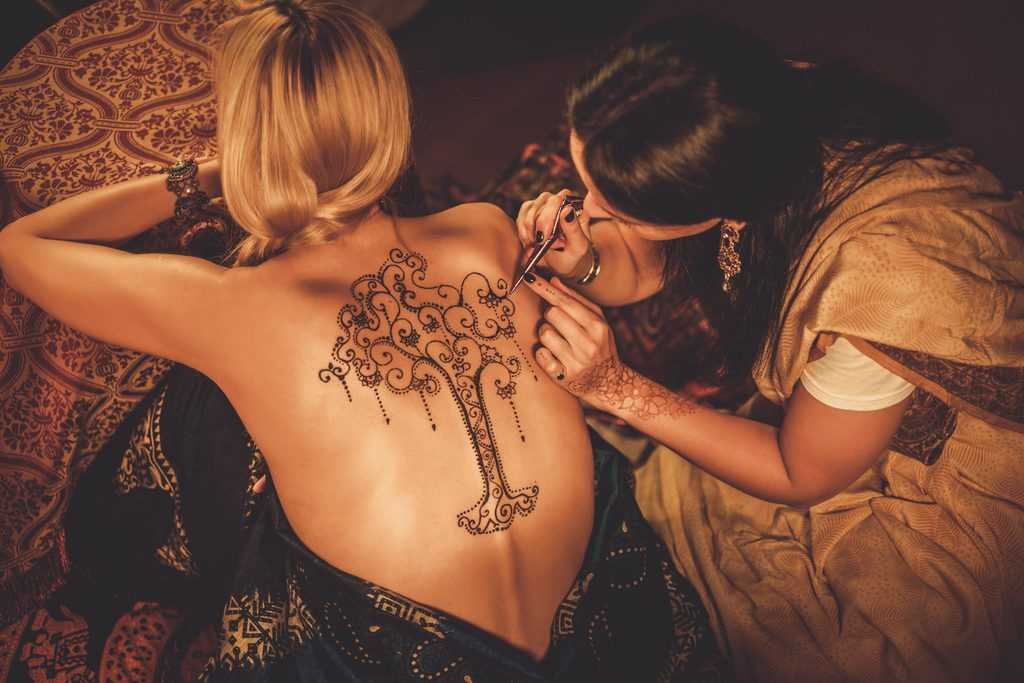
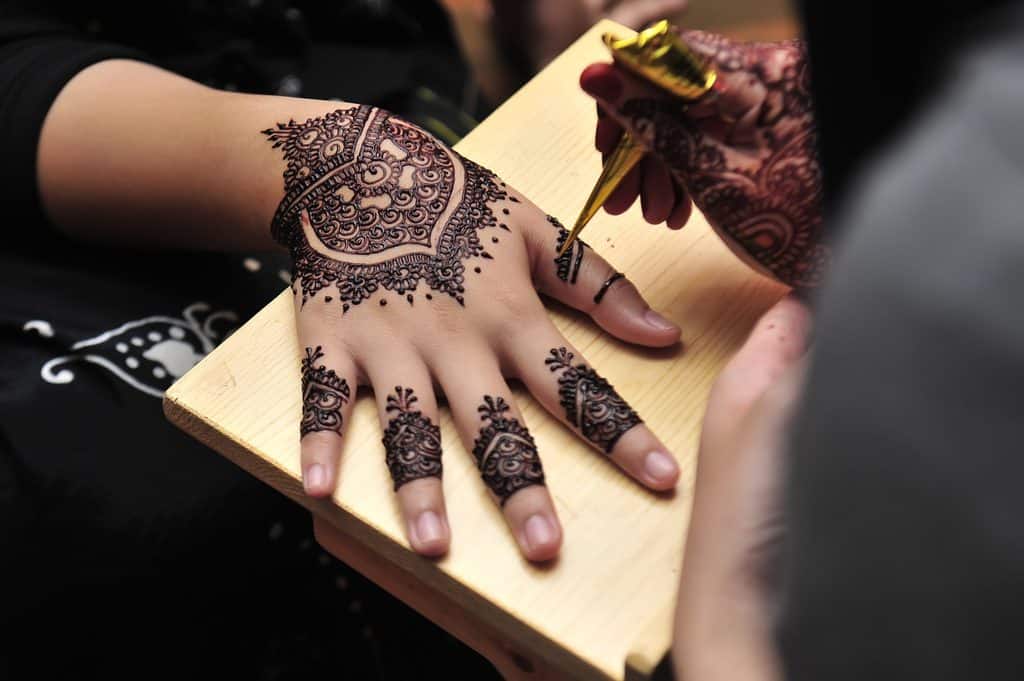
Finally, henna is an ancient Indian tradition where pigment is applied to the skin. This is the closest thing to a true, semi-permanent tattoo.
How long do semi-permanent tattoos last?
There is a lot of talk on the internet surrounding these products and how long they last. Many sites claim that their press on decal pieces will last up to 20 days before fading away slowly and leaving the wearer with skin as clear and ink free as it was before the process.
While twenty days is not a terribly long time for a semi-permanent piece to last, judging by several online tutorials it doesn’t seem like this is realistic. With these decal products, the majority of user reviews stated designs lasted as little as 3 days, and 12 days at most. Since semi-permanent is in the name, this can’t really be considered misleading, although for anyone expecting a solid three weeks from of a design these products may leave them feeling disappointed.
Another approach to semi-permanent body art that is gaining popularity is airbrushing. While this was originally the province of state fairs, street markets and whimsical designs, more and more people are taking this process to the next level and creating art that draws more on traditional tattoos. Once again, these designs are said to last from seven to ten days. Limiting contact with water and proper aftercare is the best chance these pieces have for longevity.
Henna is another form of temporary tattoo, originating in India and dating back thousands of years. In this process, the henna dye binds to the keratin molecules in your dermis, allowing the pigments to stain the skin and leaving designs that can last anywhere from 1-3 weeks. Compared to the other methods, henna has the best track record of longevity, although the specific and limited colors of the process mean that it may not suit a variety of different styles and tastes.
Comparative Pricing
With tattoo prices averaging over $100 an hour, many people feel that semi-permanent tattoos make sense economically. While this clearly is comparing apples to oranges, examining the different prices for these processes is a relevant exercise.
Decals
The most popular approach are decal products. They’re available on numerous different web sites where quality of design and prices range dramatically. Some companies offered small designs for less than five dollars apiece, while others listed prices closer to $20 USD for similar tiny designs.
There is no doubt a discrepancy in the quality of different products, with the variety and sheer number of companies offering similar services due diligence is required to ensure the appropriate choice is made.
One interesting feature that many of these companies offer is an application kit allowing customers to design and apply their own unique semi-permanent tattoos.
Airbrush
The bespoke nature of this process means that prices are generally higher than the precut, decal approach. Even though the rainbows and unicorn designs found at airbrush booths at state fairs may only cost a few dollars, legitimate semi-permanent body art can cost quite a bit more.
While exact numbers are hard to come by, some of the best temporary tattoo studios cater to Hollywood special effect makeup work and can cost over $100 USD per piece.
Henna
Henna has steadily gained popularity in the United States since the sixties, and many people choose to hire henna artists for celebrations such as weddings, birthday parties, and graduations. Once again, the rates and price for these designs vary greatly, although recent numbers list that an experienced artist can charge between fifty and one hundred dollars per hour for applying henna tattoos at events.
It is worth noting that the size and intricacy of a design determines how long a piece will take; in one hour a talented artist can usually complete several designs on different people.
Different Approaches for Different Situations
While they earn the ire of many in the world of tattoos, these different forms of semi-permanent body art can be perfect for different purposes.
When it comes to the world of products that use the decal approach to applying designs, they are best used as a “test run” for different designs. These companies draw inspiration for their designs from the world of tattoo art, so many people choose designs that they are considering for an actual tattoo and use this process to get a firm idea about placement, size, style and orientation.
These products are well suited for this purpose, although it does detract a bit from the sense of danger and excitement created by impulsively sitting down in the chair and walking away with a new tattoo.
Airbrushing is also a popular option, although the need for an artist means that this approach is better suited for specific events. Air brushing is a more labor-intensive process more appropriate for parties or groups than it is to checking the possible placement of a future tattoo.
Although henna is the longest lasting of these options, the limited colors of the dye mean that a very specific look is created with the process. Although some people might find the brown ink and intricate designs appropriate for daily wear, most consider it better suited celebrations or a cool bit of fun when on vacation. Despite the unique look of the pigment, the low cost and availability of henna ink does make it a good choice for anyone interested in creating designs on their own body for fun.