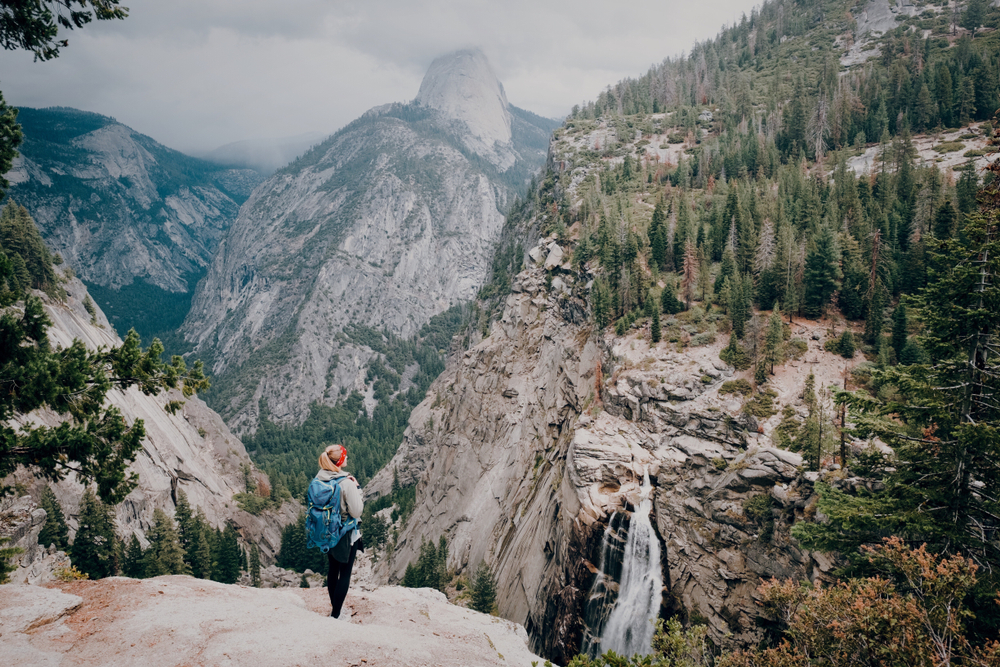

Backpacking comfort is rarely about luxury. It is shaped by preparation, daily habits, and how well a traveler manages small details over long distances. Discomfort on the trail usually builds gradually rather than appearing all at once.
Experienced backpackers know that comfort is something you protect continuously. Simple habits, repeated every day, make long hikes more manageable. These practices focus on reducing strain, preventing irritation, and conserving energy.
Protecting Essential Items From Damage
Comfort on the trail depends on reliable gear. When essential items fail or become damaged, stress increases quickly. Protecting frequently used items helps prevent unnecessary interruptions.
Phones are often used for navigation, photos, and emergency communication. Many backpackers choose protective accessories, such as a Google Pixel 10 case, to reduce the risk of damage when devices are exposed to drops, moisture, or pressure inside a pack. Keeping devices functional supports both safety and convenience.
Storage habits also matter. Separating fragile items from heavy gear reduces accidental damage. Thoughtful packing protects comfort by preventing avoidable problems.
Packing With Weight and Balance in Mind
Pack weight has a direct impact on comfort. Carrying unnecessary items increases fatigue and joint strain. Reducing weight improves balance and endurance.
Equally important is how weight is distributed. Heavier items should be packed close to the body and centered. Proper balance reduces shoulder and lower back discomfort over long distances.
Reevaluating gear before each trip helps avoid overpacking. Items that were unused on previous trips are often unnecessary. Learning from experience improves comfort over time.
Wearing Clothing That Supports Movement
Clothing choices significantly affect comfort. Breathable, moisture-managing fabrics help regulate body temperature. This reduces chafing and overheating during exertion.
Layering is essential for adapting to changing conditions. Adding or removing layers allows for comfort without stopping for long adjustments. This flexibility supports steady movement.
Proper fit also matters. Clothing that is too tight or too loose can cause irritation. Comfort improves when movement feels unrestricted.
Managing Foot Care Throughout the Day
Foot discomfort is one of the most common backpacking issues. Small problems can quickly escalate into painful conditions. Daily foot care helps prevent this.
Keeping feet dry reduces blister risk. Changing socks during long days allows moisture to evaporate. This habit improves comfort and foot health.
Paying attention to early warning signs is critical. Hot spots or soreness should be addressed immediately. Small adjustments prevent larger problems later.
Maintaining Hydration and Nutrition
Dehydration and low energy reduce comfort quickly. Regular hydration supports endurance and temperature regulation. Waiting until thirsty is often too late.
Eating small, frequent snacks helps maintain energy levels. Balanced intake supports steady movement rather than energy spikes and crashes. Comfort improves when energy remains consistent.
Planning food access carefully prevents stress. Knowing when and where to eat allows better pacing. This supports both physical and mental comfort.
Managing Camp Setup Efficiently
Comfort does not end when hiking stops. Efficient camp setup reduces fatigue at the end of the day. Familiar routines save energy.
Choosing a suitable campsite improves sleep quality. Flat ground and shelter from wind contribute to rest. Good sleep directly affects next-day comfort.
Organizing gear consistently helps reduce frustration. Knowing where items are stored saves time and effort. This structure supports relaxation after long days.
Taking Care of the Body After Hiking
Post-hike habits influence recovery. Gentle stretching reduces stiffness and soreness. This prepares the body for the next day.
Rehydrating and eating soon after stopping supports muscle recovery. Delaying these actions increases discomfort. Timely care makes a noticeable difference.
Paying attention to small aches prevents escalation. Addressing discomfort early supports sustained comfort over multi-day trips.
Comfort as a Trail Skill
Comfort on the trail is not accidental. It results from habits that protect energy, prevent injury, and reduce stress. These habits develop through awareness and practice.
Backpacking becomes more enjoyable when discomfort is managed proactively. Small, thoughtful choices shape the experience each day. Comfort is built step by step.
By focusing on consistent habits rather than shortcuts, backpackers improve both endurance and enjoyment. Over time, the trail feels less demanding and more rewarding.
Read also: Best Backpacking Countries In The World